This Area's Housing
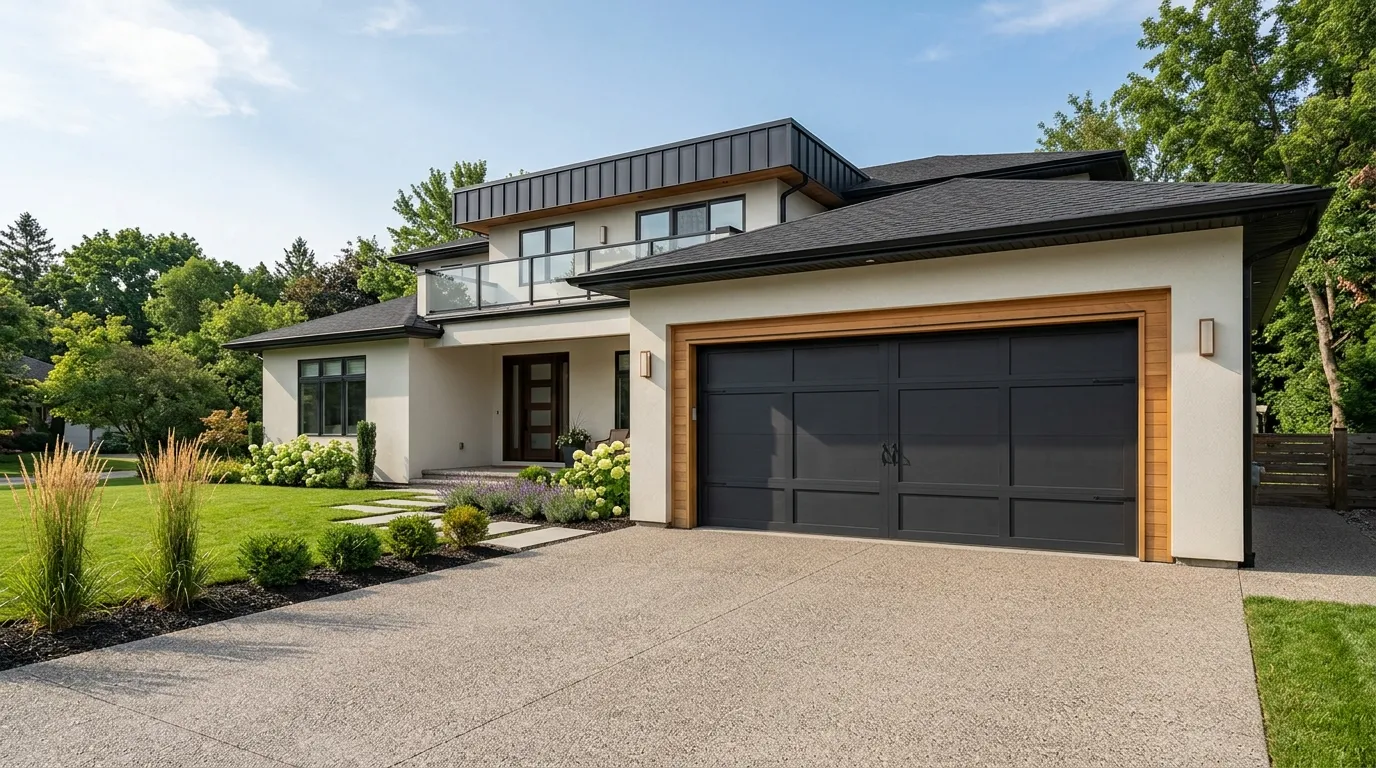
Bridgeview's houses mostly went up around 1975, which puts this area about a decade later than the median year built across Chicago's overall service territory (1964). That gap matters more than it sounds. Doors installed in the mid-70s came in with different hardware than the 1950s and 60s stock common closer to the city center - lighter gauge steel sections, different spring counts, and openers that have usually been swapped out once or twice by now since the originals didn't last.
With roughly 6,225 households in Bridgeview, you've got a fairly consistent building wave rather than a mix of eras. That consistency is useful for us on a call - if your neighbor's torsion spring gave out at year 45, yours is probably close behind on the same timeline. It also means the garage itself is often original to the house, even if the door and opener aren't.
We don't have a breakdown of which streets got which builders, so we're not going to pretend we know your block's construction history down to the model of door. What we do know is the era, and the era tells us a lot about what's likely wearing out.
What That Means for Doors
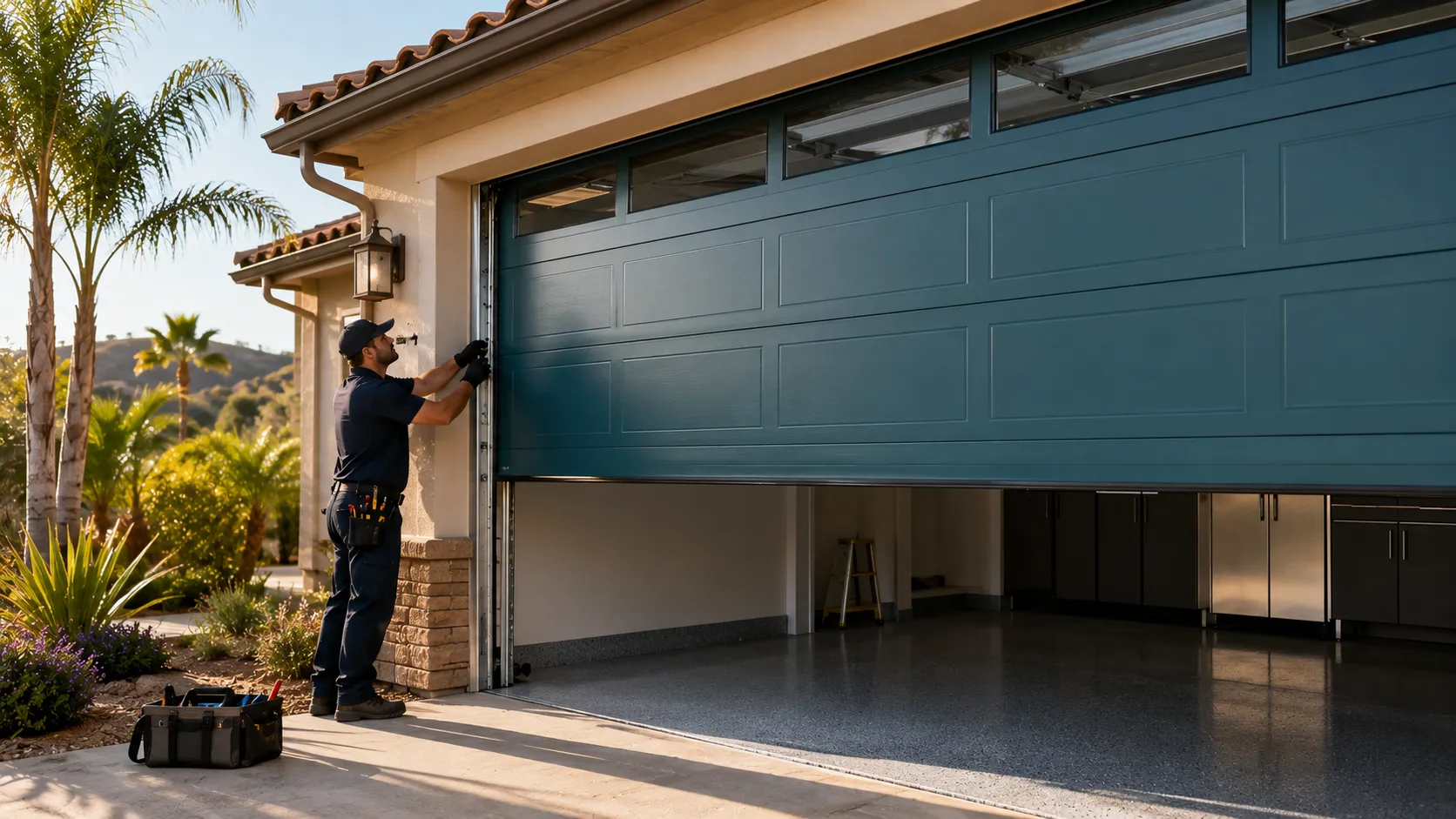
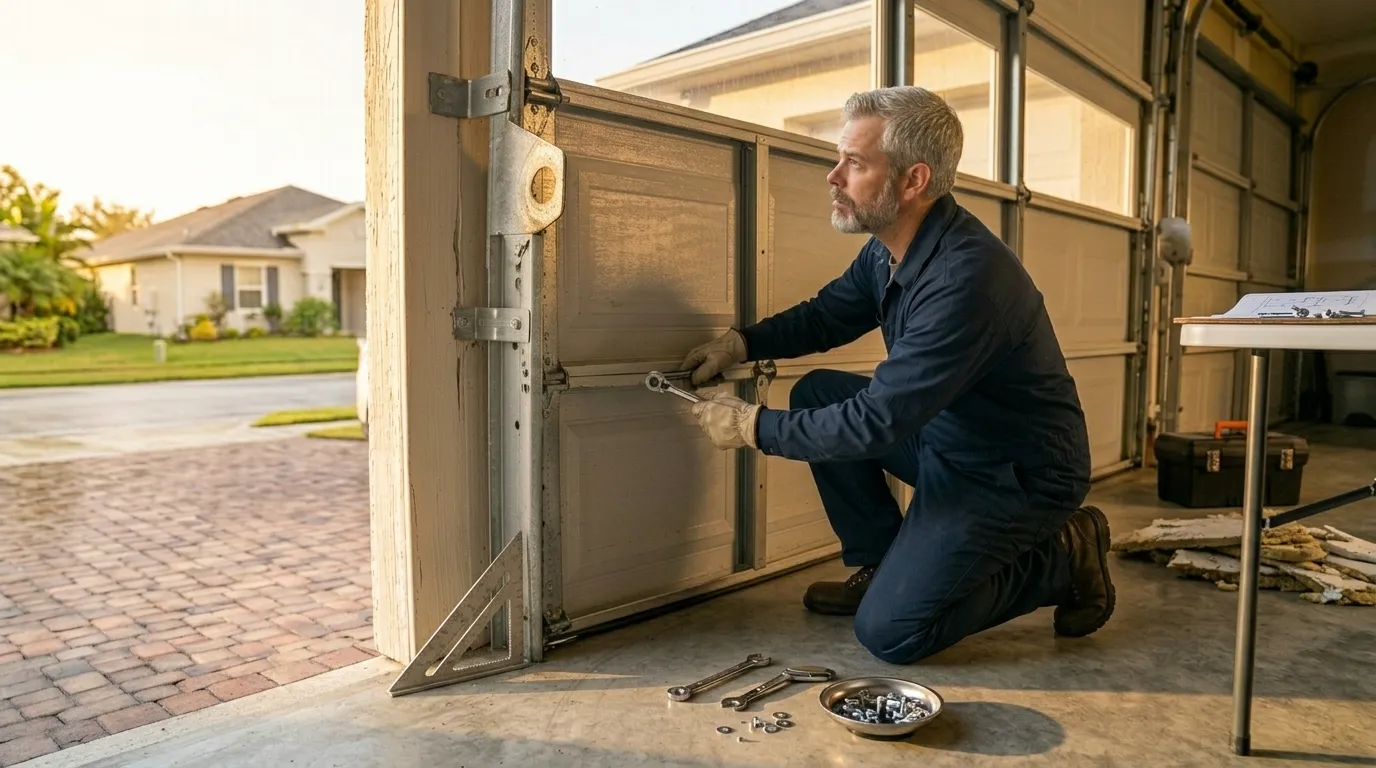
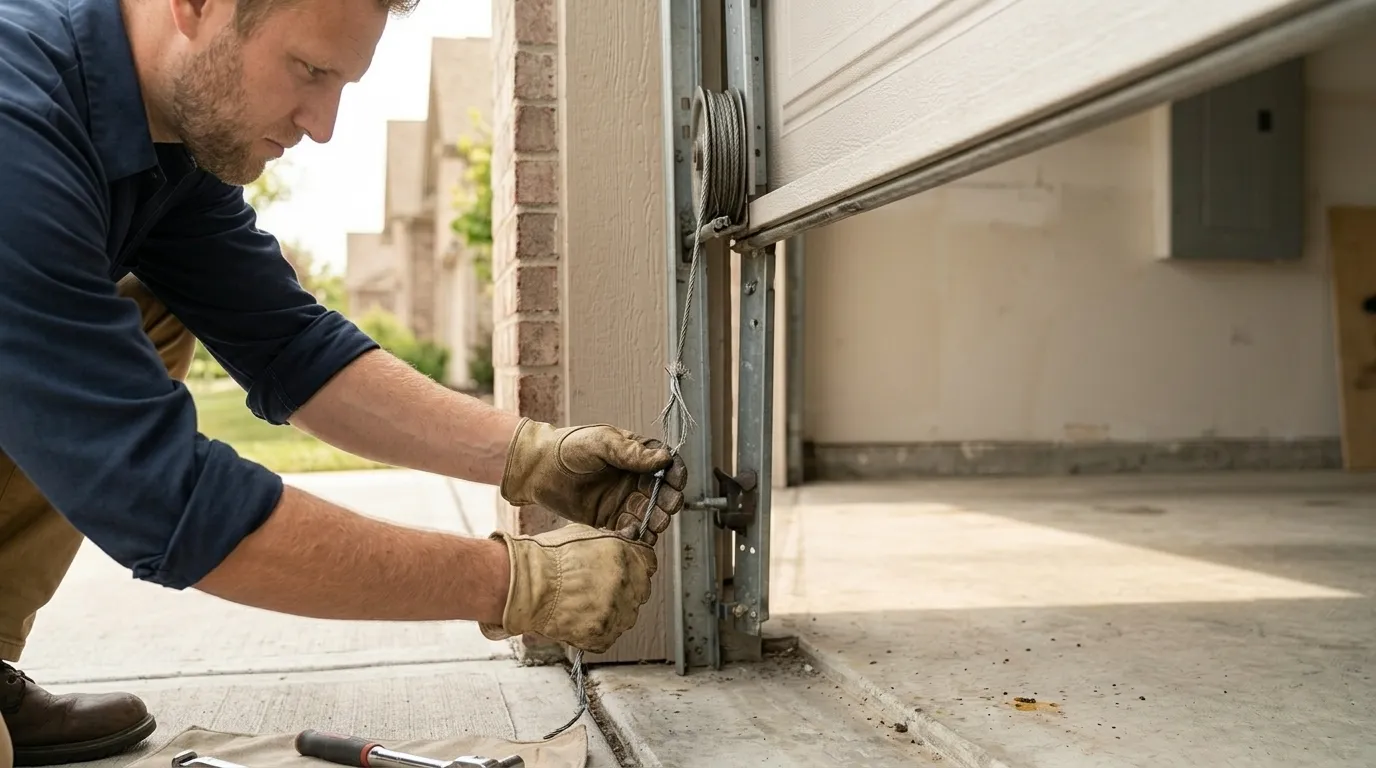
A door original to a mid-70s Bridgeview build has usually been through at least one spring replacement by now, sometimes an opener swap too, but the track and the header bracket are often still the ones that went in with the house. That's the part that trips people up: the visible parts get replaced piecemeal over the decades, but the structural mounting behind them doesn't, and it ages right along with everything else.
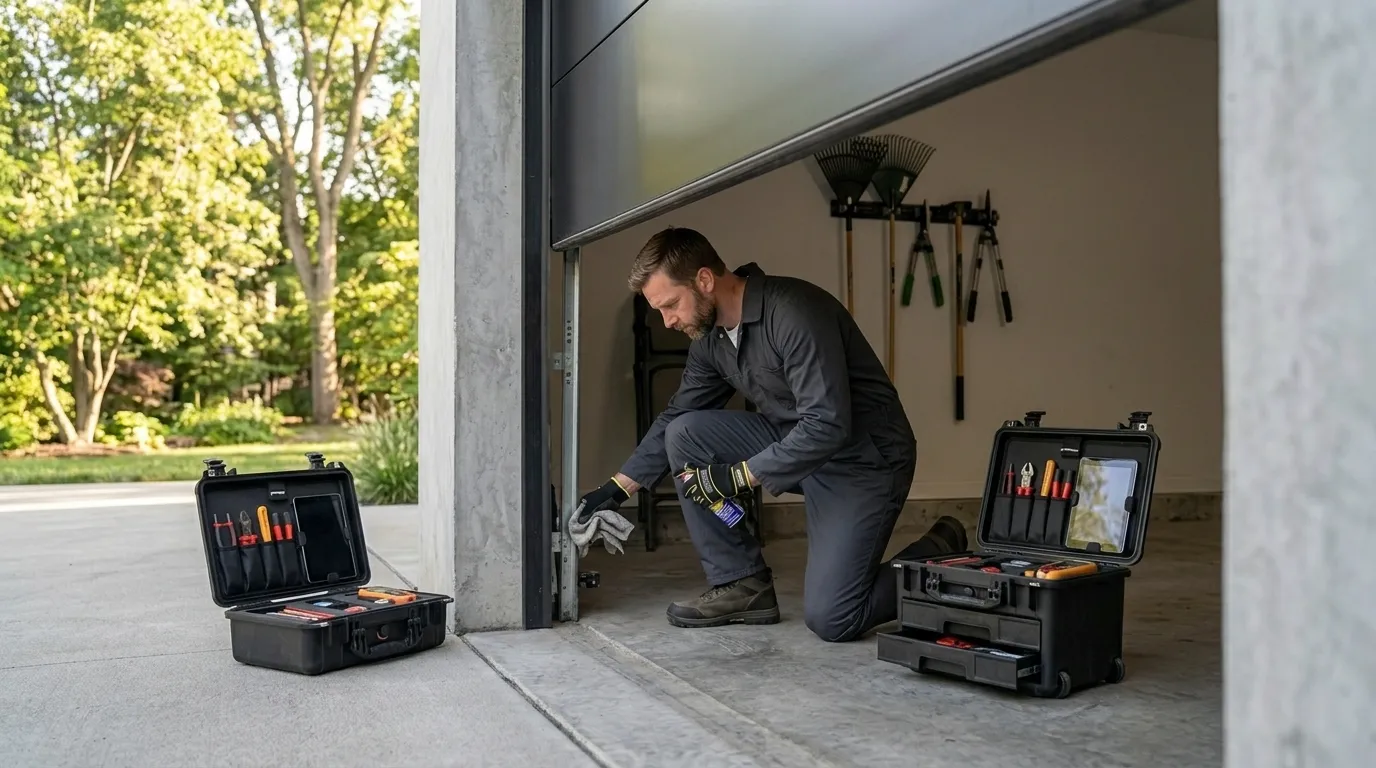
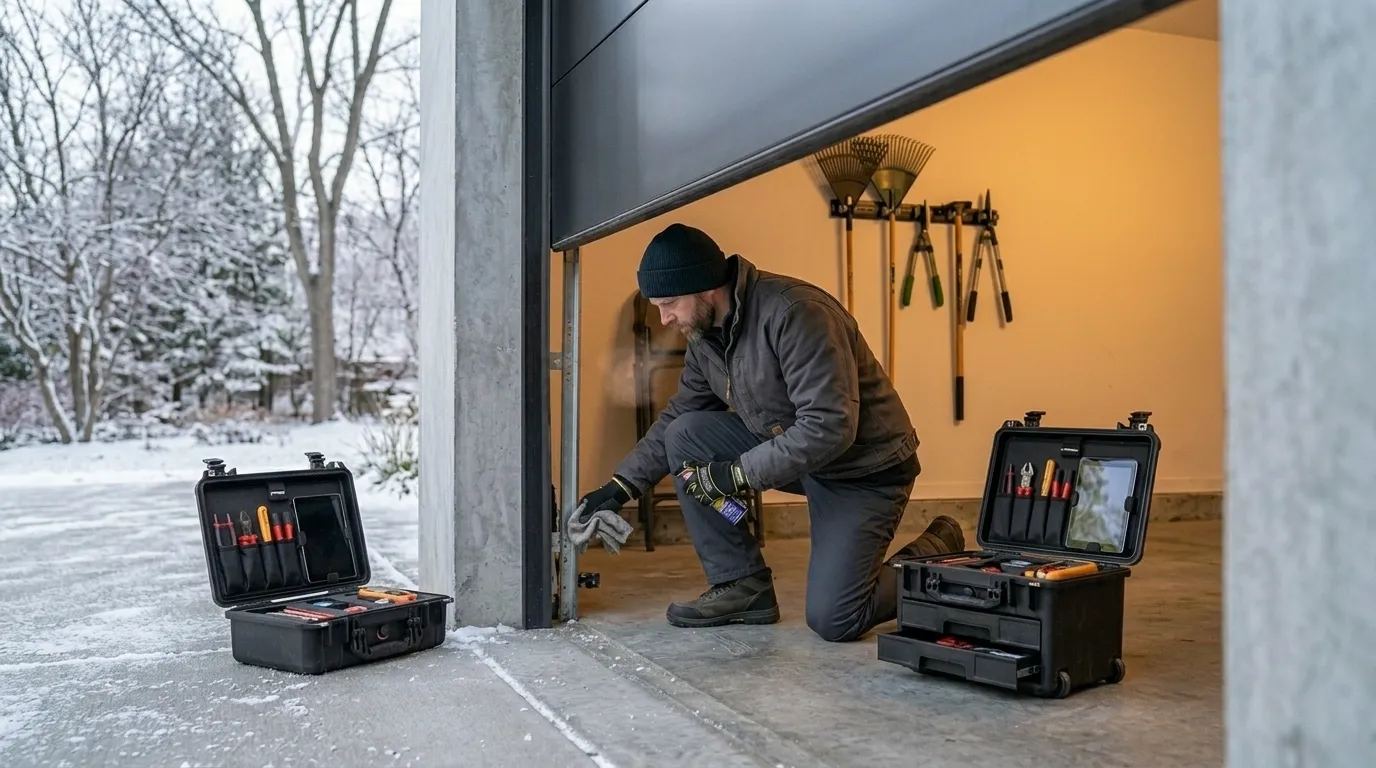
The climate here is the cold-moderate band typical of this part of the country, which means winter is doing real work on steel and lubricant year after year. Cold makes springs more likely to snap on the coldest mornings, because the metal's less forgiving and the grease inside a roller or a hinge has thickened up. On a door that's already 45-plus years old at the frame, even if the panels themselves have been swapped once, that's a lot of freeze-thaw cycles for the hardware to absorb.
We won't tell you a specific part is due for failure without seeing it - that's a real limitation of writing this from the truck, not the driveway.
What People Here Ring About
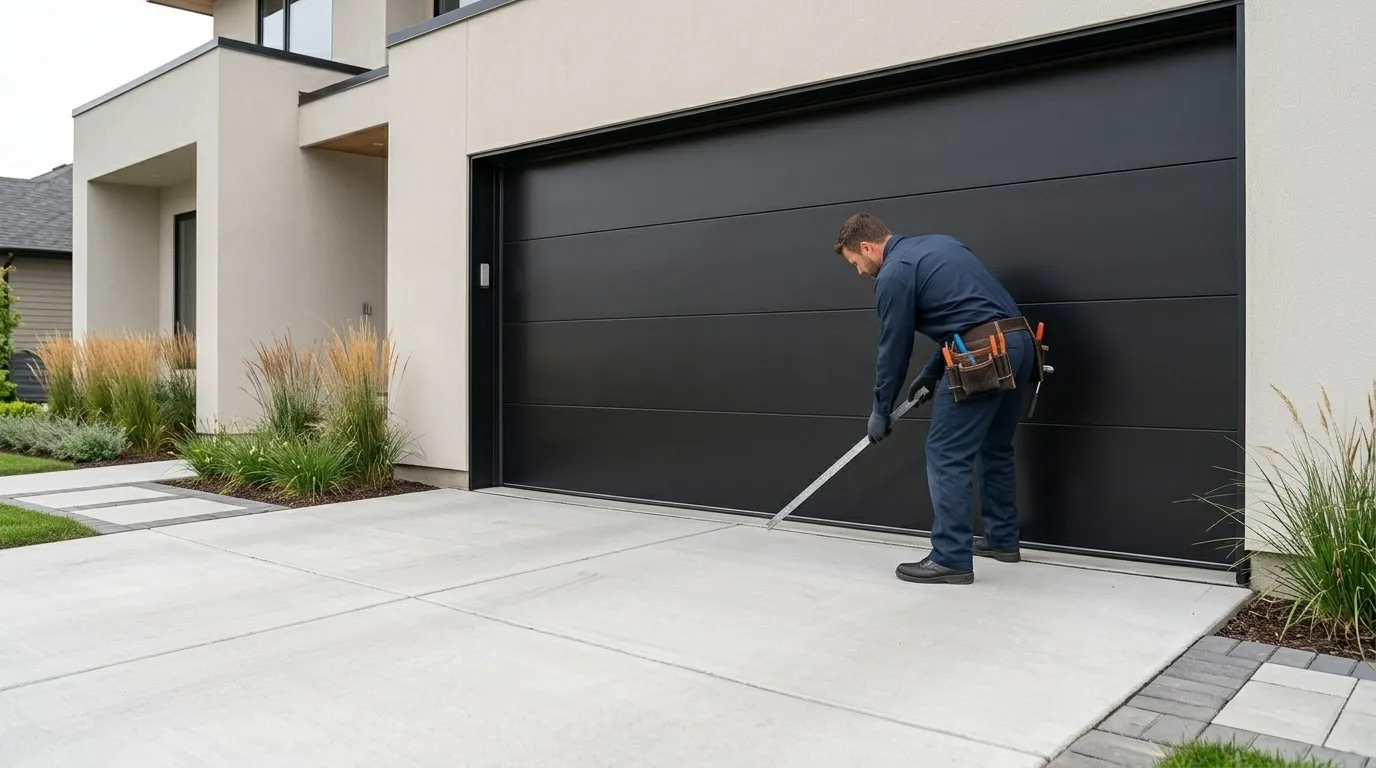
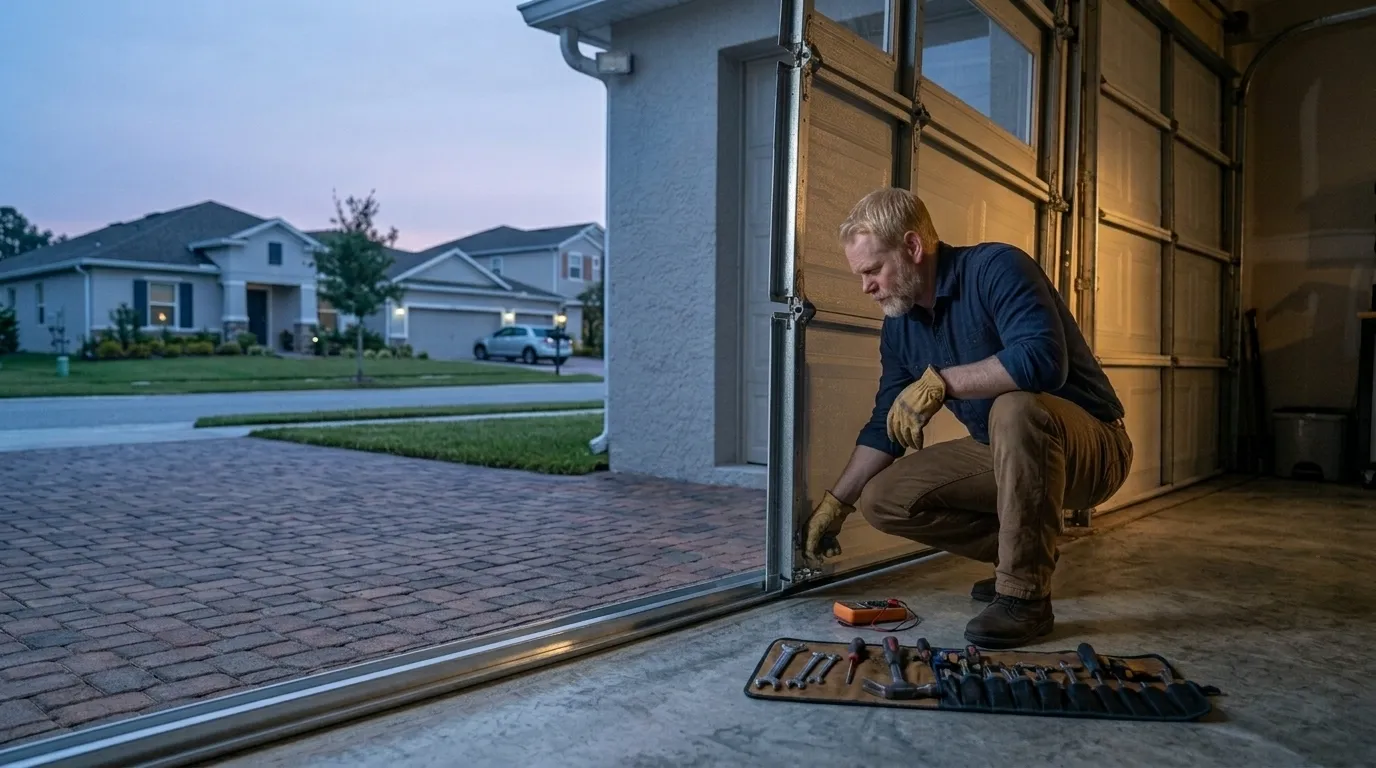
Given the building era, the calls we get from this part of the map skew toward torsion springs that finally let go on a cold morning, openers that are on their second or third unit since the house was built, and tracks that have gone out of alignment after decades of settling. None of that is unique to Bridgeview, but it lines up with what you'd expect from a 1975-era build once you account for the cold winters this region gets.
Median household income here runs around $65,153, which is below the wider service area's $80,202 - not a dramatic gap, but enough that we hear more requests for a repair estimate before a full replacement quote, and more questions about whether a spring job can wait until payday. Fair questions. Sometimes a repair is the right call and sometimes the door's old enough that replacement makes more sense long-term - we'll tell you which, honestly, rather than defaulting to the bigger job.