This Area's Housing
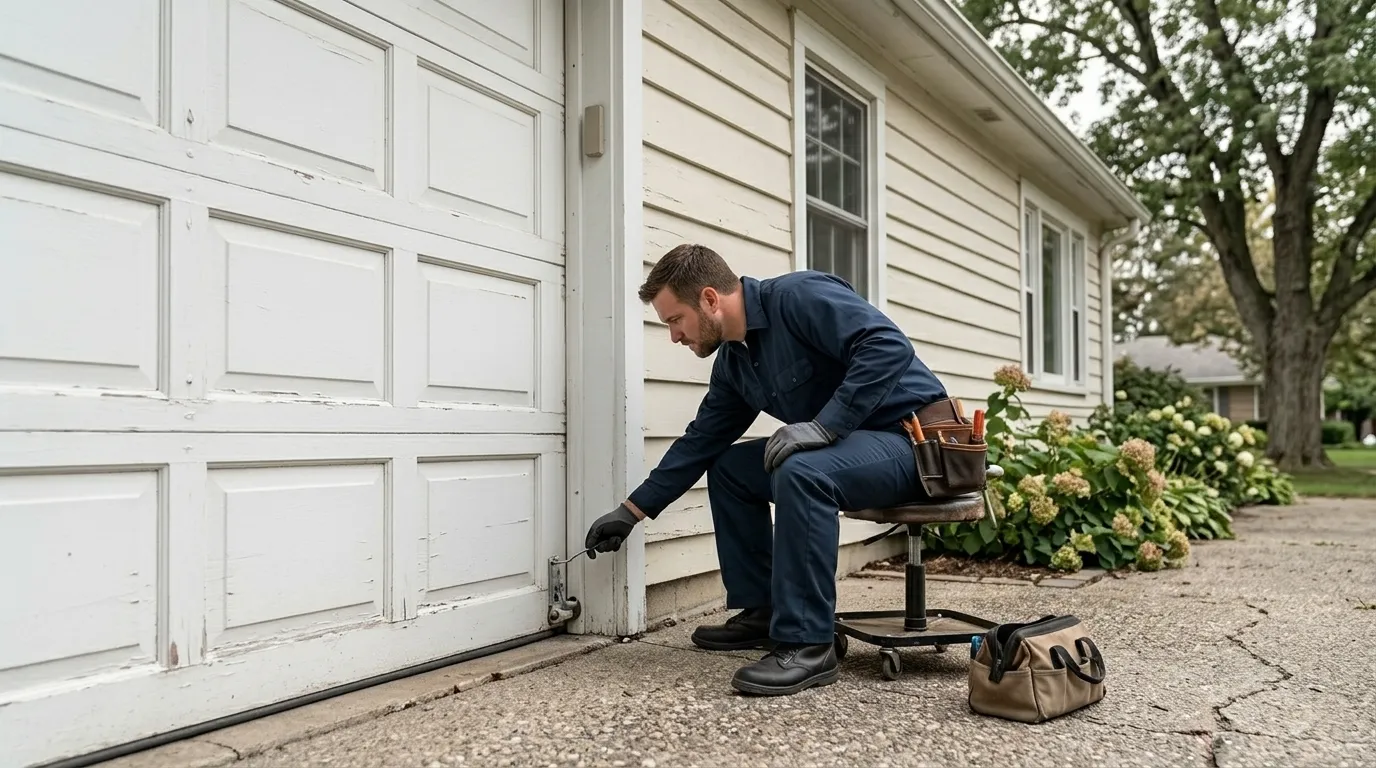
Broadview's houses cluster around a median build year of 1954, which puts this pocket a full decade ahead of the 1964 median you see across the wider service area. That gap matters more than it sounds. A door installed in the mid-1950s was almost always a single-panel, one-piece swing-up unit before the sectional door became standard, and even where a sectional replacement went in later, the original track brackets and jamb hardware from the 1950s build often stayed put. With 3,115 households in Broadview, there's a real concentration of these older frames still doing daily work.
Median household income here runs $60,139, noticeably below the $80,202 figure across the broader area. That doesn't change what a door needs, but it does shape the calls we get: more requests to patch a working setup with a repair than to jump straight to full replacement, and more interest in knowing what a fix actually costs before committing to it. We don't push replacement on a door that can be repaired sound. If a torsion spring or a bent track panel is the whole problem, we say so.
What That Means for Doors
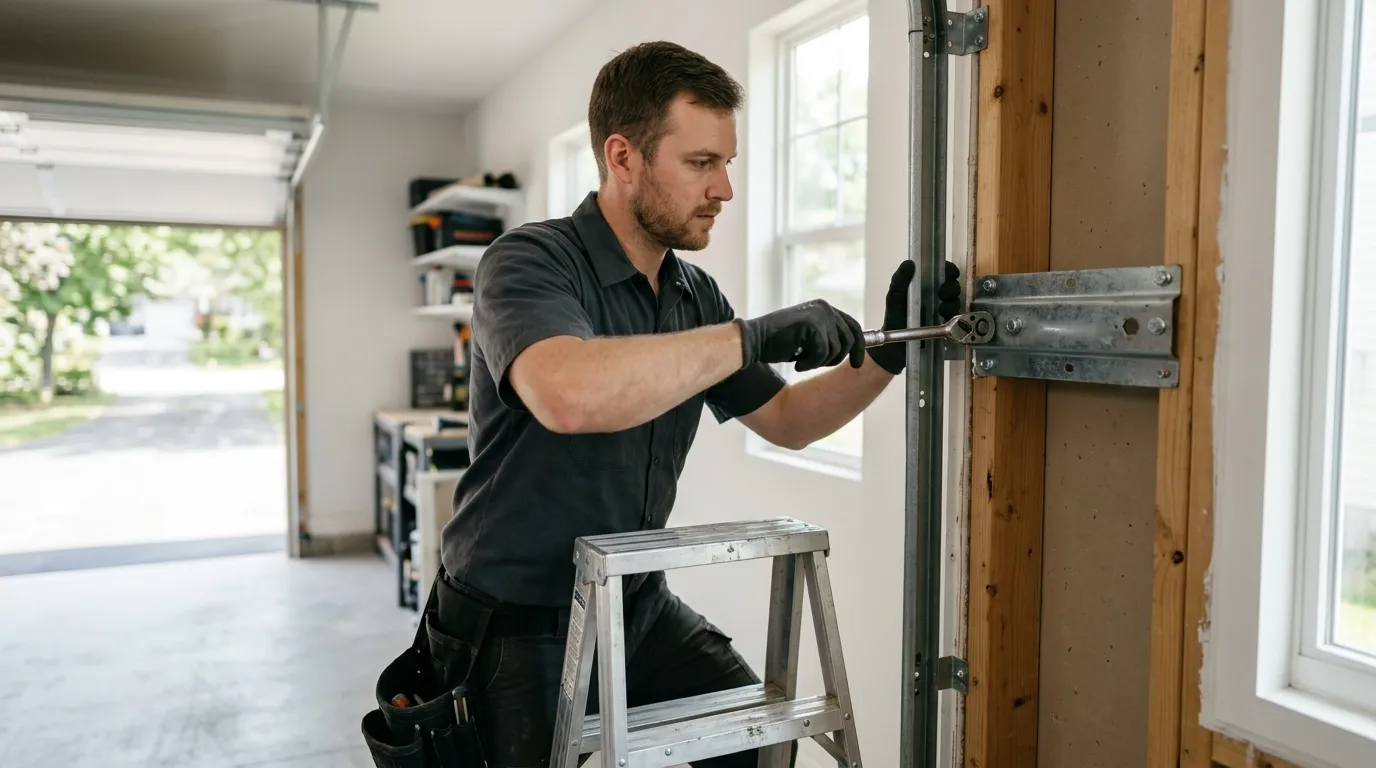
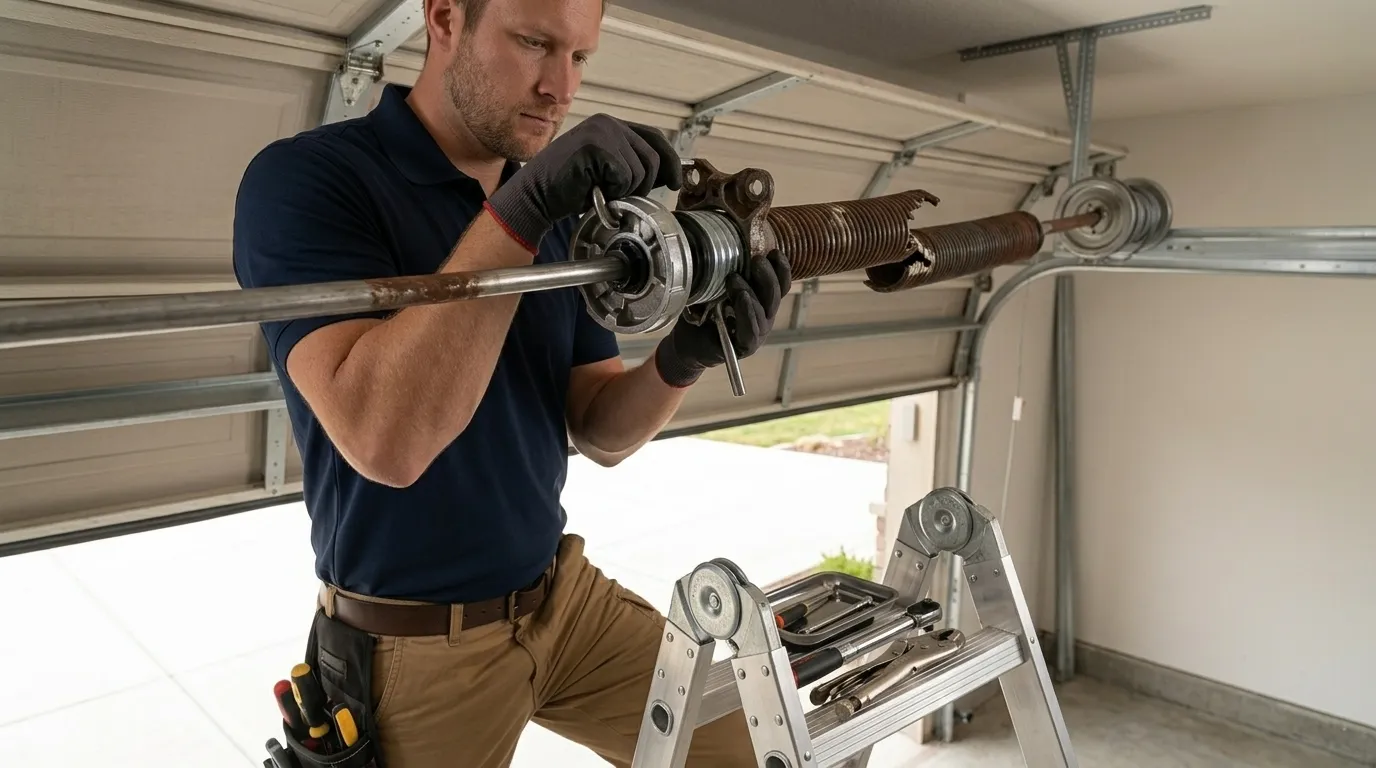
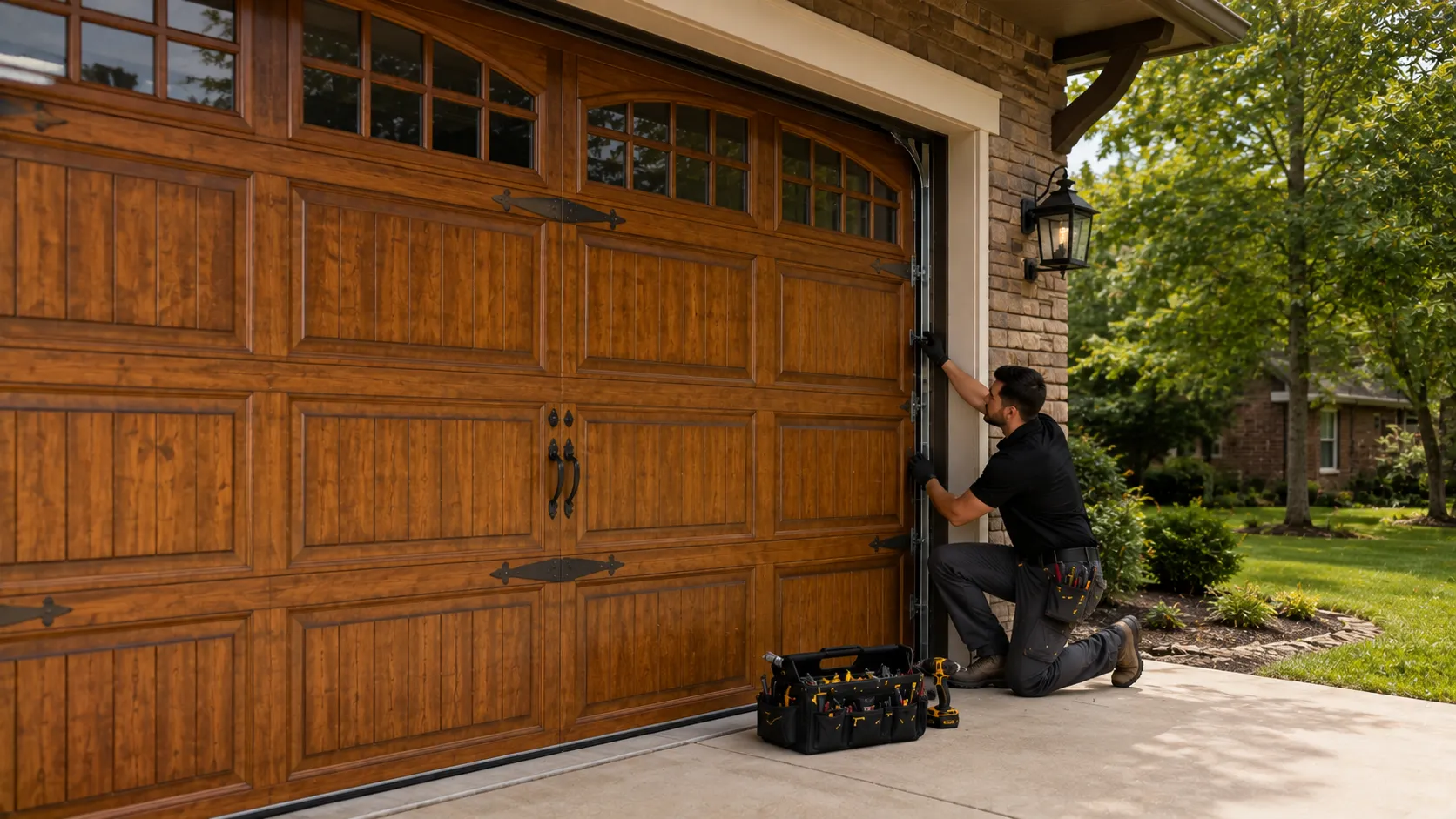
A door and opener installed around 1954 was built for a different set of assumptions than what's on the shelf today. Torsion springs from that era are frequently side-mounted rather than centered over the door, and the drums and cables sized for them don't match what a big-box store stocks on a rack. When a cable frays or a spring goes on one of these setups, the fix usually means sourcing hardware sized to the original mount, not grabbing a universal kit.
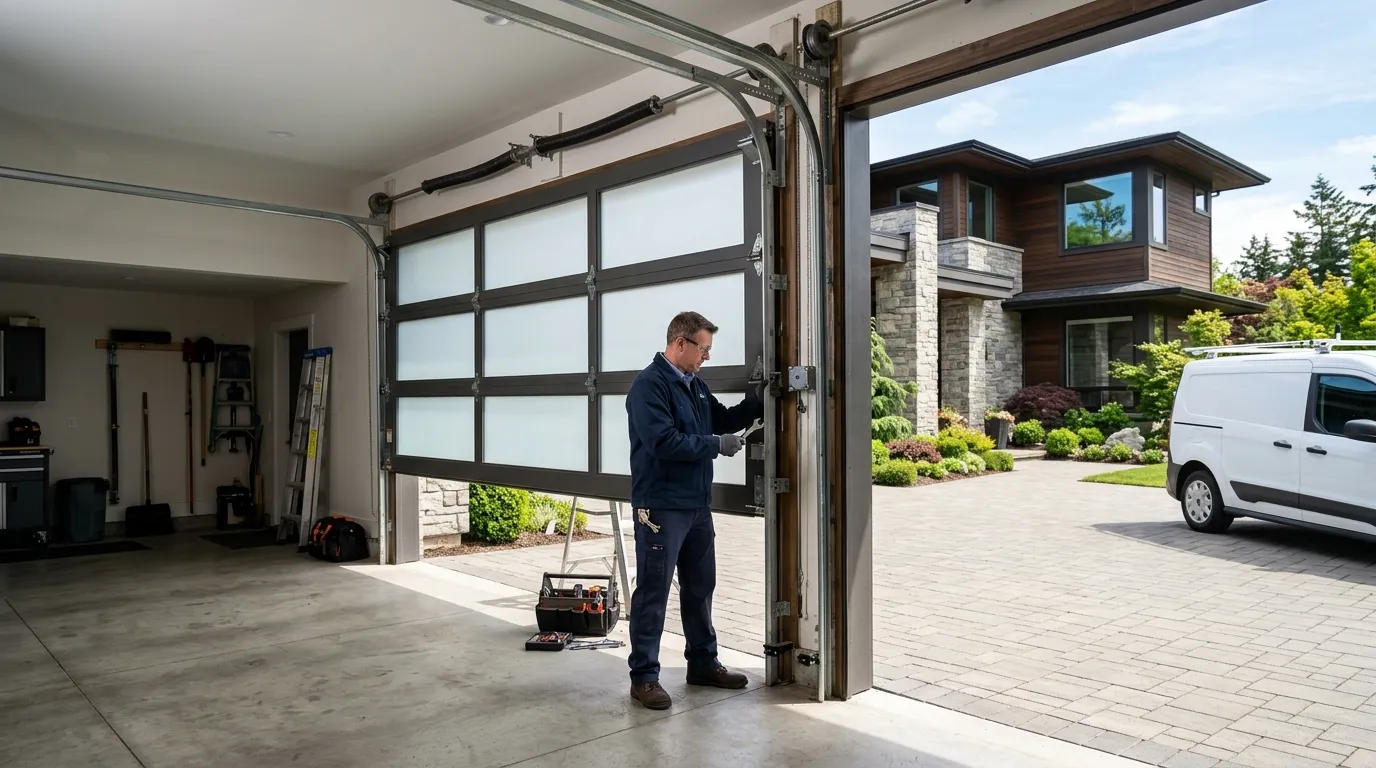
The area also sits in a cold, moderate climate band, and houses from this build era typically weren't framed with today's clearances or insulation standards in mind. That combination - older track geometry plus a header opening that was never squared for a modern sectional door - is why a straightforward-looking swap sometimes turns into a bigger job than the phone call suggested. We'll tell you before we start if that's what we're looking at, rather than after the door's half off its track.
What People Here Ring About
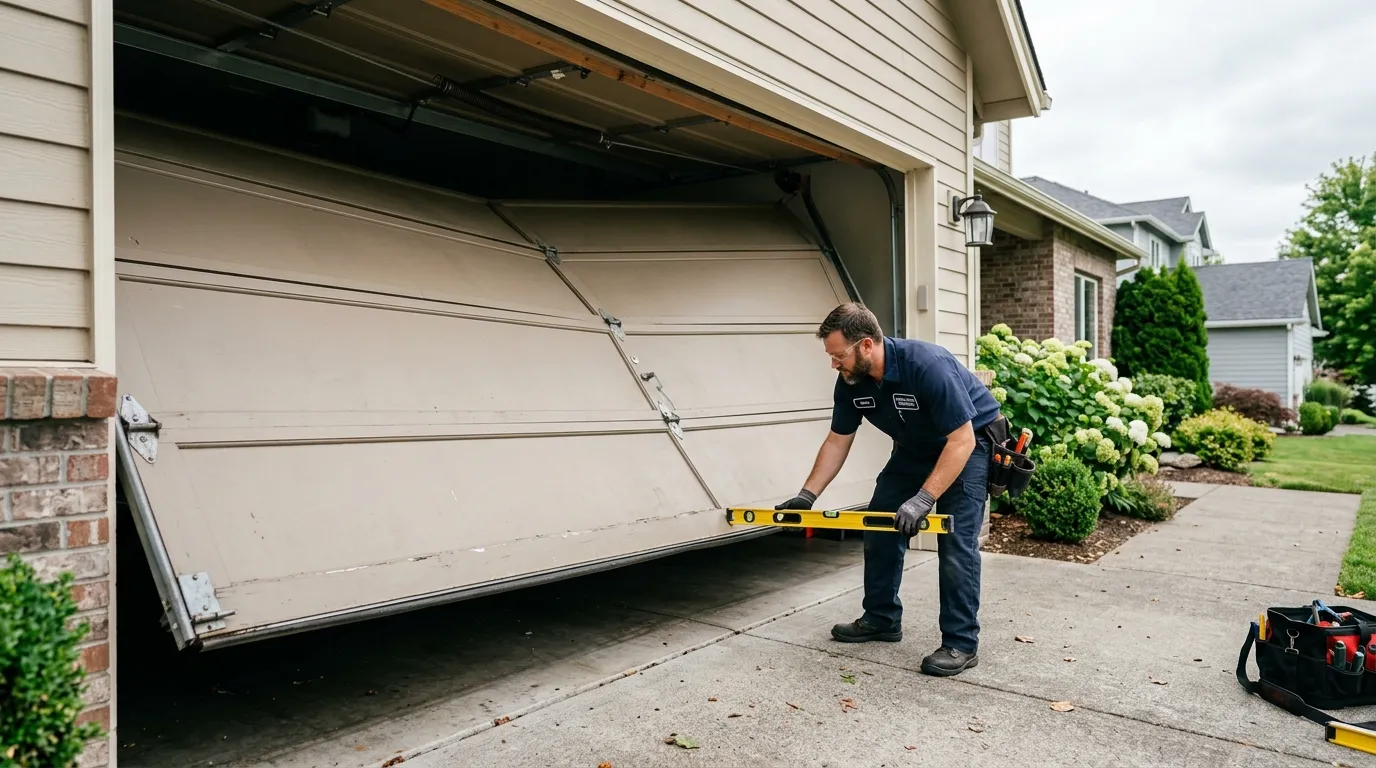
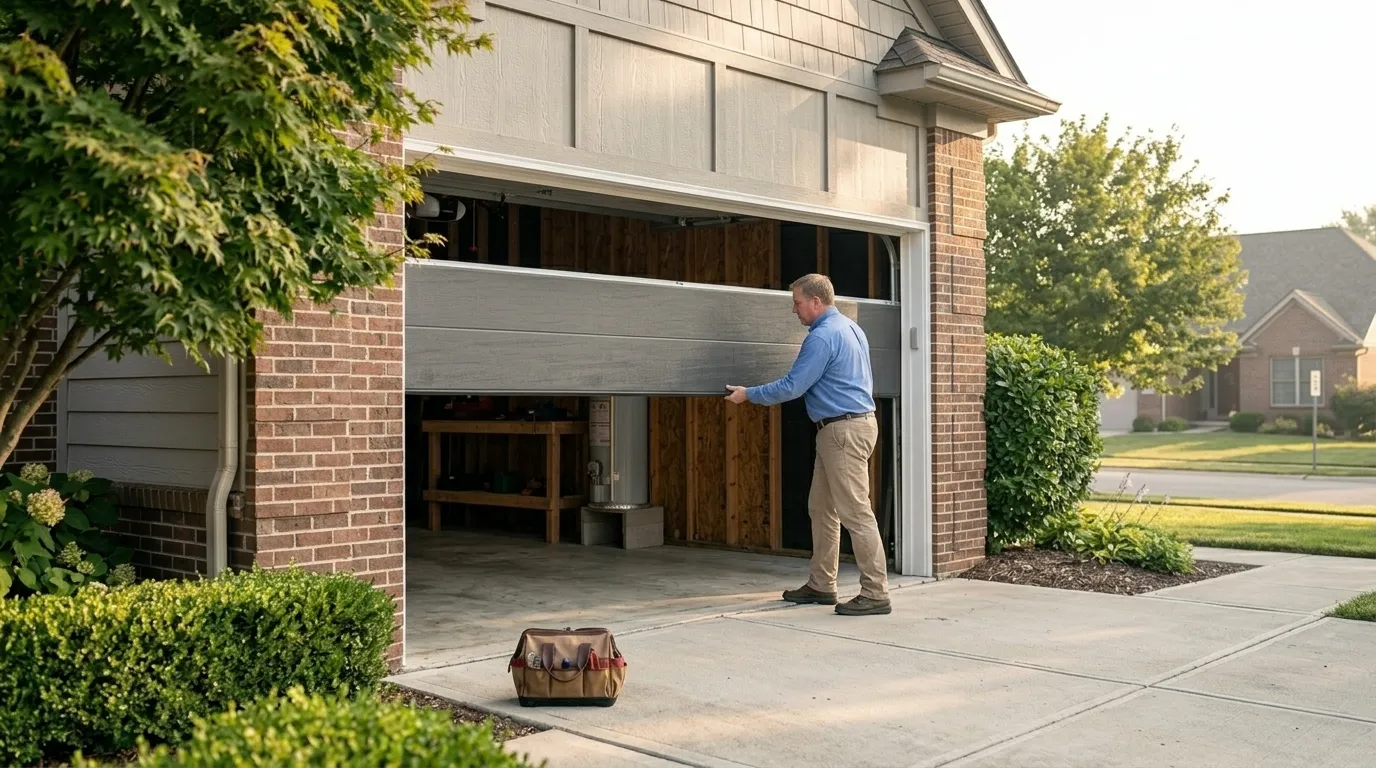
The calls we get from Broadview skew toward the mechanics of an older door rather than a newer one glitching out. A spring that's been carrying a heavier one-piece or early-sectional door for six decades tends to fail without much warning - one day it lifts fine, the next it won't budge past a foot off the slab. Cables on the same vintage of drum hardware go the same way, usually fraying at a spot you can't see until the door's already stuck.
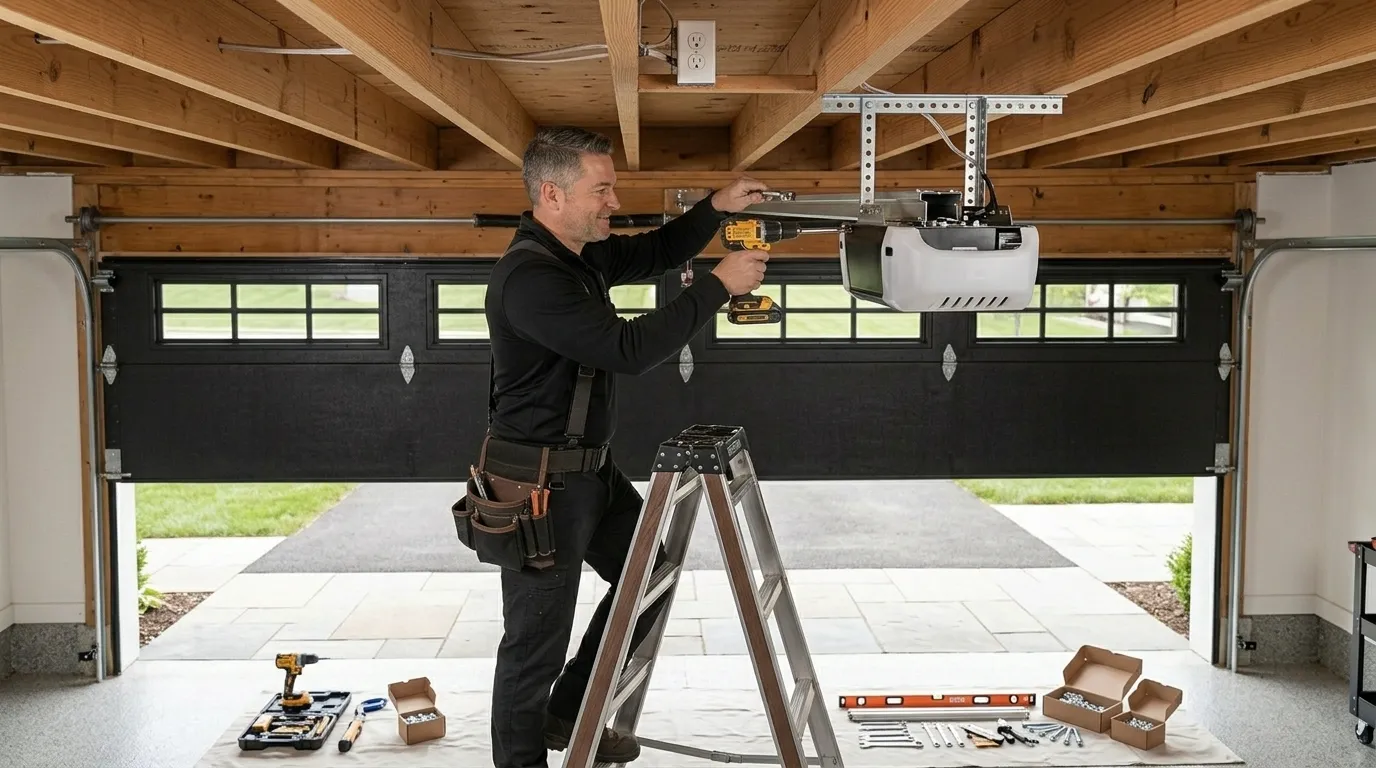
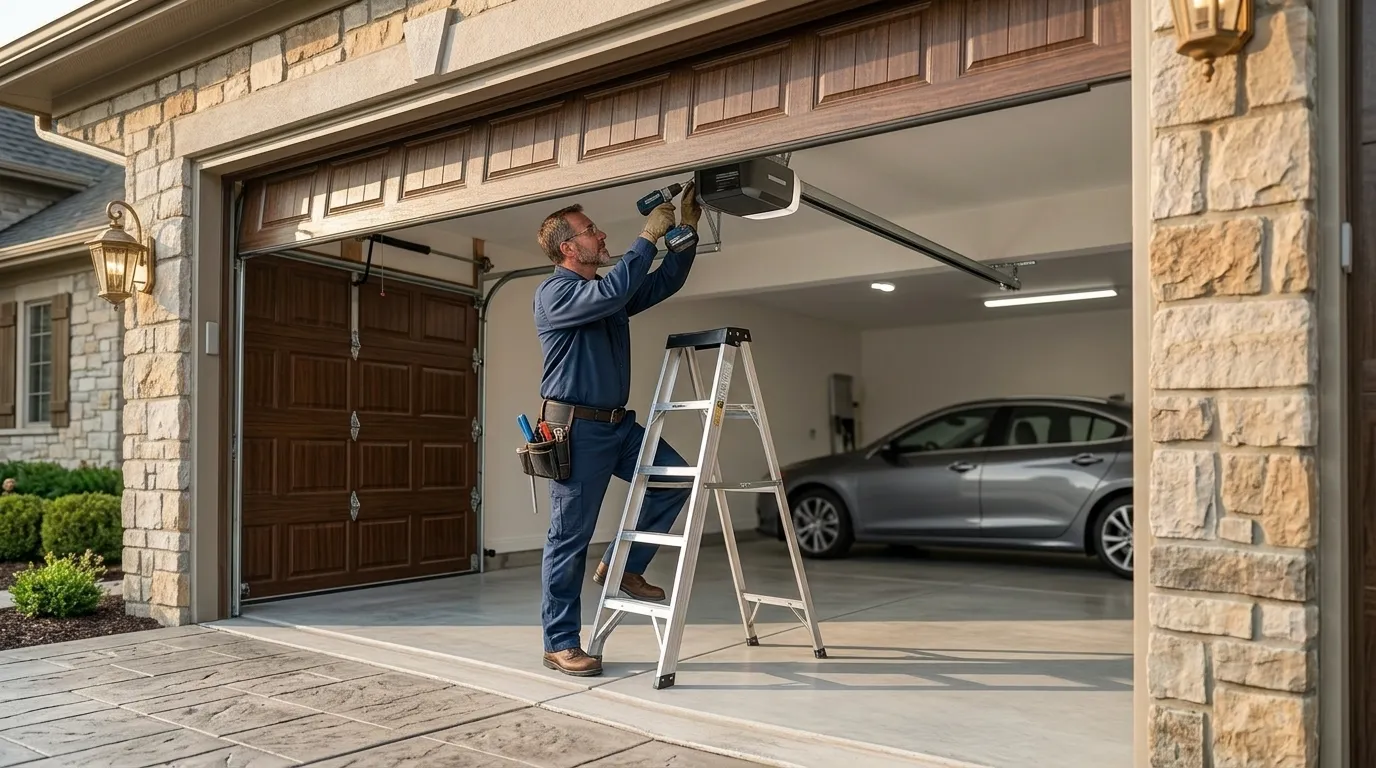
We also hear from people who've had an opener added at some point after the original build and want to know if it's worth keeping or replacing outright. If the door itself is sound and the opener's motor is the only failure, that's usually a straightforward swap. If the door's track brackets are original 1950s stock and warped from decades of settling, that's a different conversation, and we'll walk through both options rather than default to the bigger job.