This Area's Housing
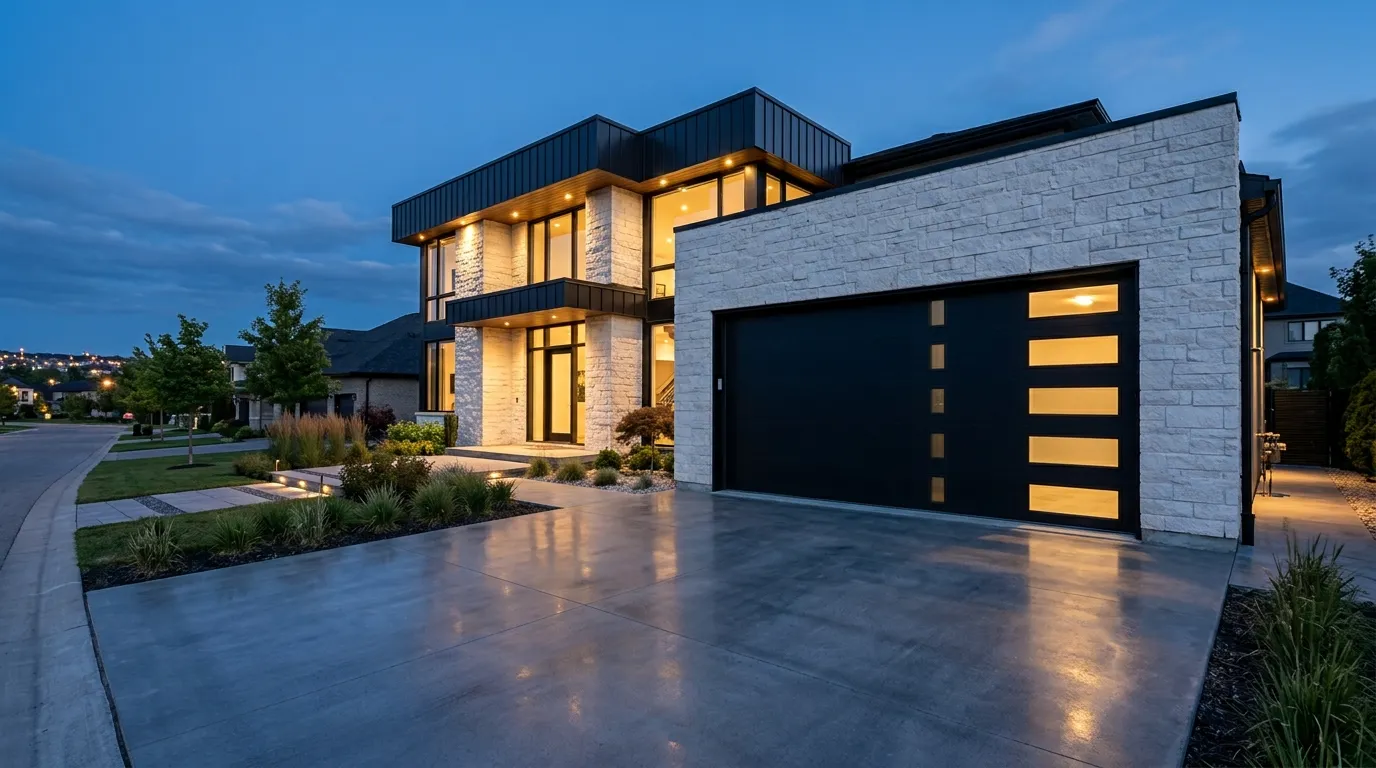
Brookfield's median year built sits at 1952, which is earlier than the 1964 median across our wider service area. That gap matters more than it sounds. A house built in the early 1950s was framed before overhead garage doors were the default anywhere near Chicago, which means a lot of these openings got retrofitted decades later with hardware that doesn't match the framing. We see it constantly: a header that was never sized for a modern insulated door, or jamb studs that a later contractor shimmed instead of rebuilt. With 7,648 households in Brookfield, that's a lot of original 1950s garages carrying a door and opener installed sometime in the 60 years since. Median household income here runs $108,429, well above the $80,202 median across the full area we cover, and it shows in what we get called for - owners here are more likely to replace a door outright than patch it twice. That's not a knock on other areas, it's just a different repair-versus-replace calculus when a job comes up.
What That Means for Doors
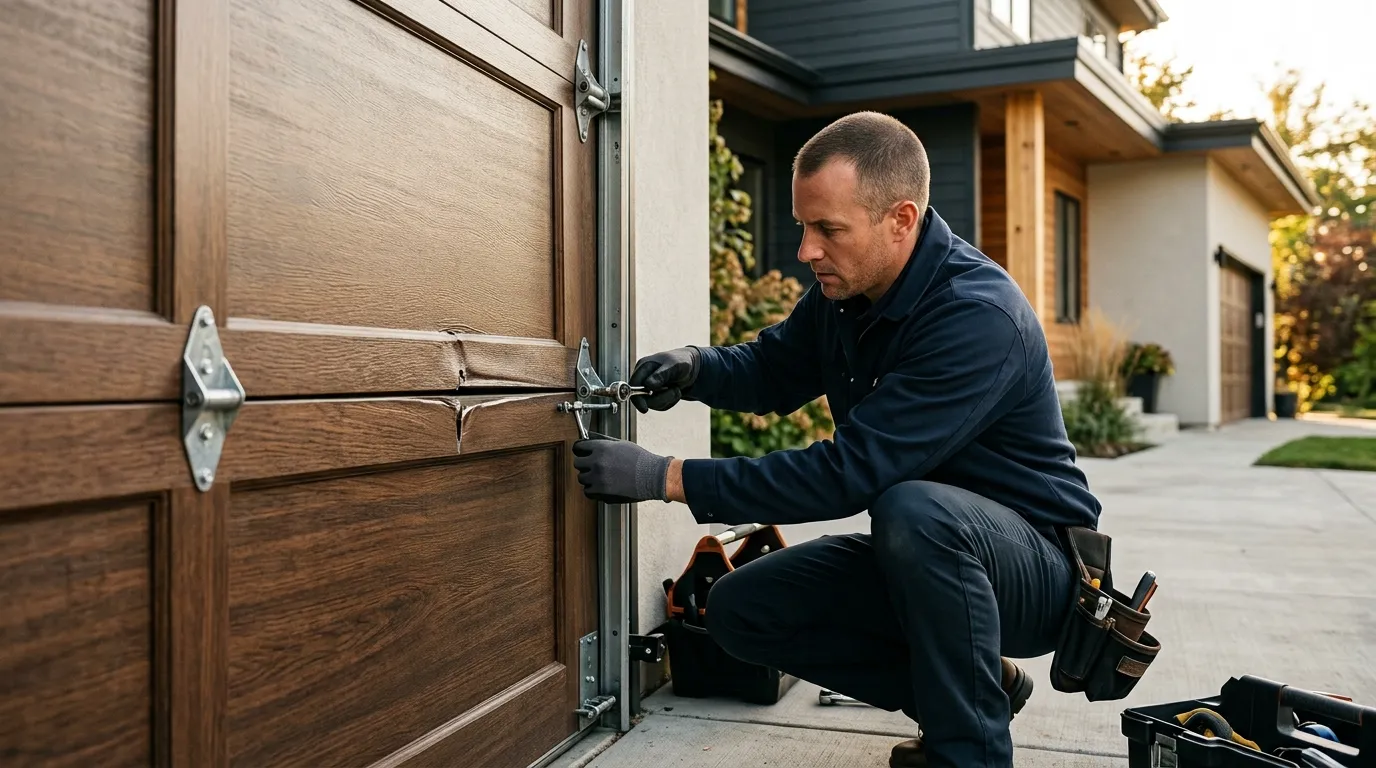
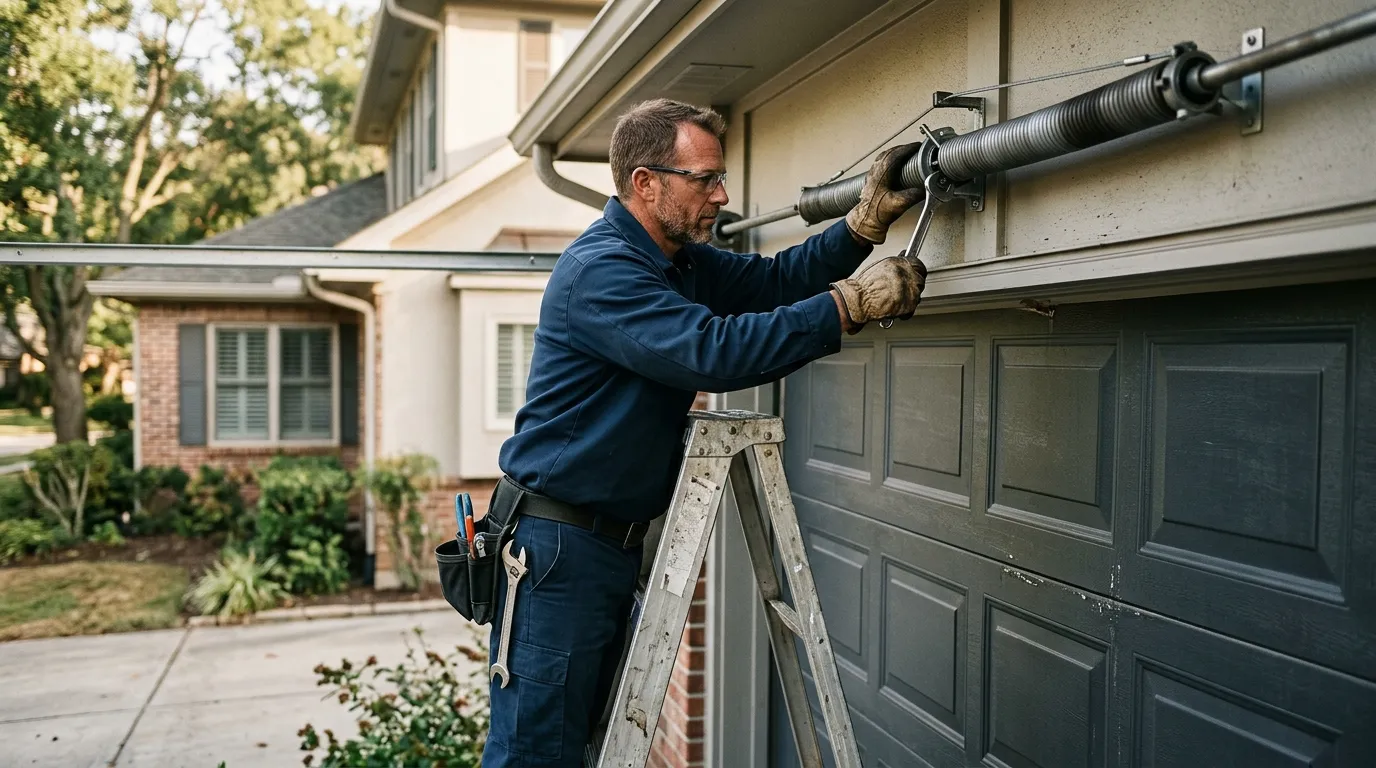
A 1952-era garage in this climate band - cold, moderate - was almost never built with an insulated door in mind, because insulated steel doors weren't standard residential product yet. What that means in practice: single-layer doors get replaced with insulated ones today mostly for the temperature swing inside an attached garage, not because the old door failed outright. Torsion springs on houses this age have usually been replaced at least once already, sometimes with a mismatched cycle-life spring that wears faster than it should. Track alignment issues also show up more on older framing, since the opening itself has usually settled or been re-shimmed over 70 years. None of this is unique to any one house, but it's a different failure pattern than what you'd see on a garage built in the 1980s with a wider, plumb opening and a properly sized header.
What People Here Ring About
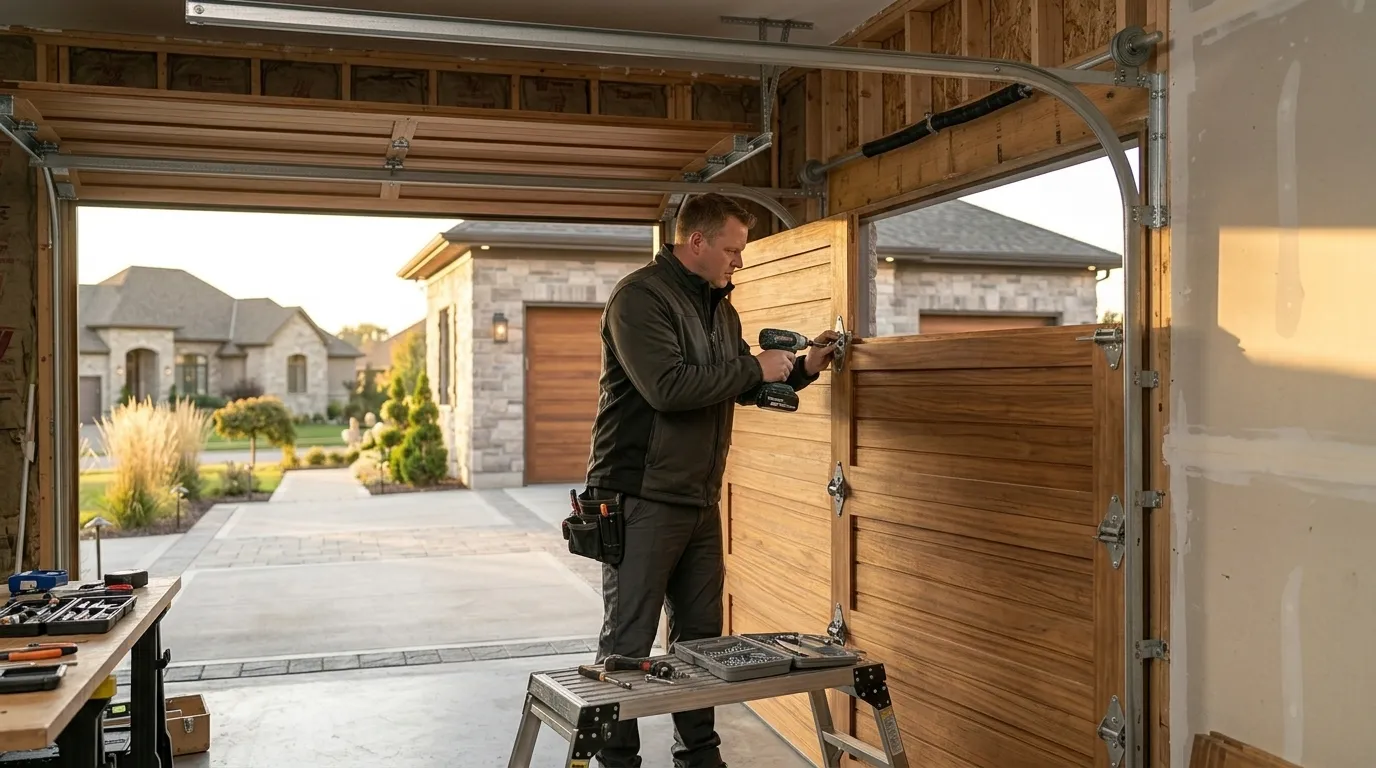
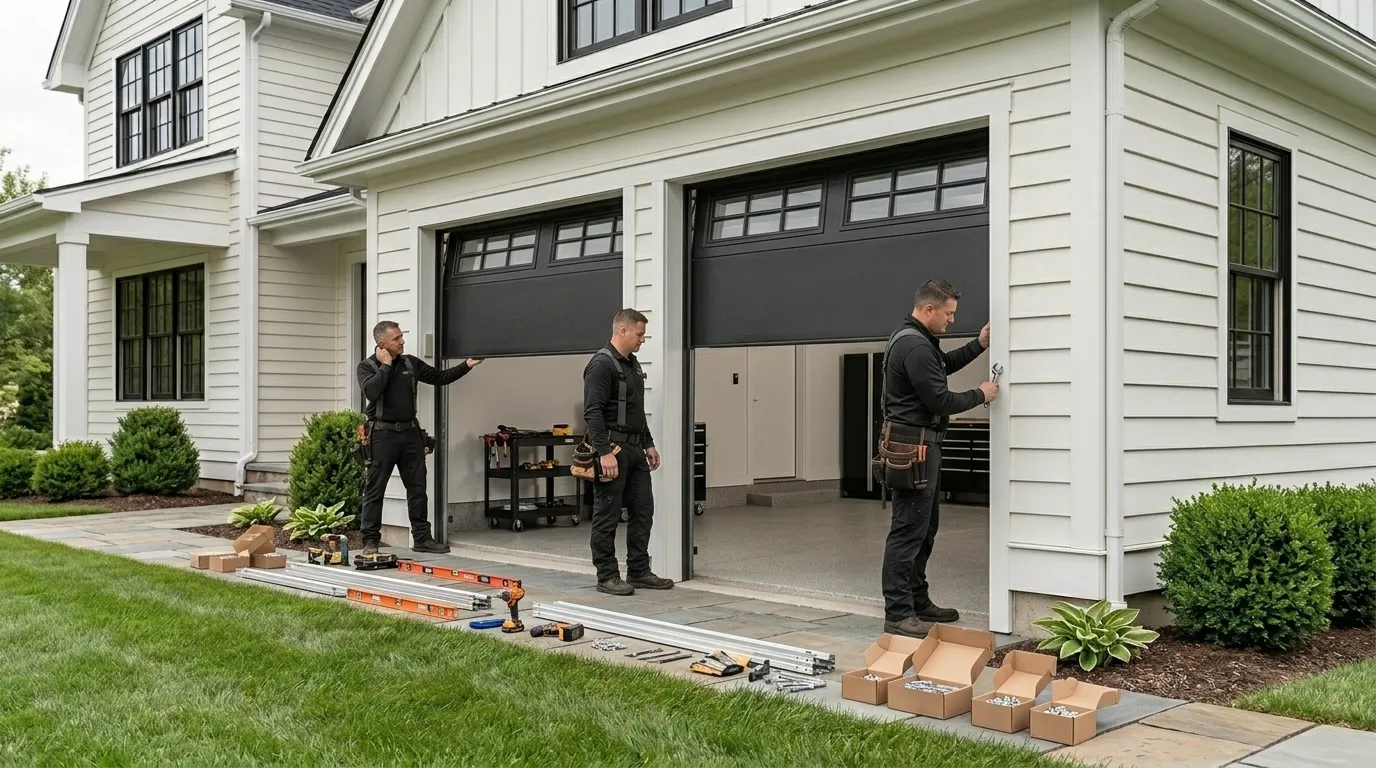
The calls we get from Brookfield lean toward full door replacement more than they do in some other parts of our coverage - that tracks with the higher household income here and with an older door population that's simply due. Broken torsion springs are still the single most common emergency call, same as anywhere with this housing age. Opener replacement comes up often too, usually paired with a homeowner noticing the door itself is original and deciding to do both at once rather than fix an opener on a door that's on its way out. One honest limitation: if a spring or part is a discontinued size from a door that old, we may need to order it rather than carry it on the truck, and that can add a day or two to a repair. Replacement is usually faster and, on a door pushing 70 years, often the more sensible call anyway.