
This Area's Housing
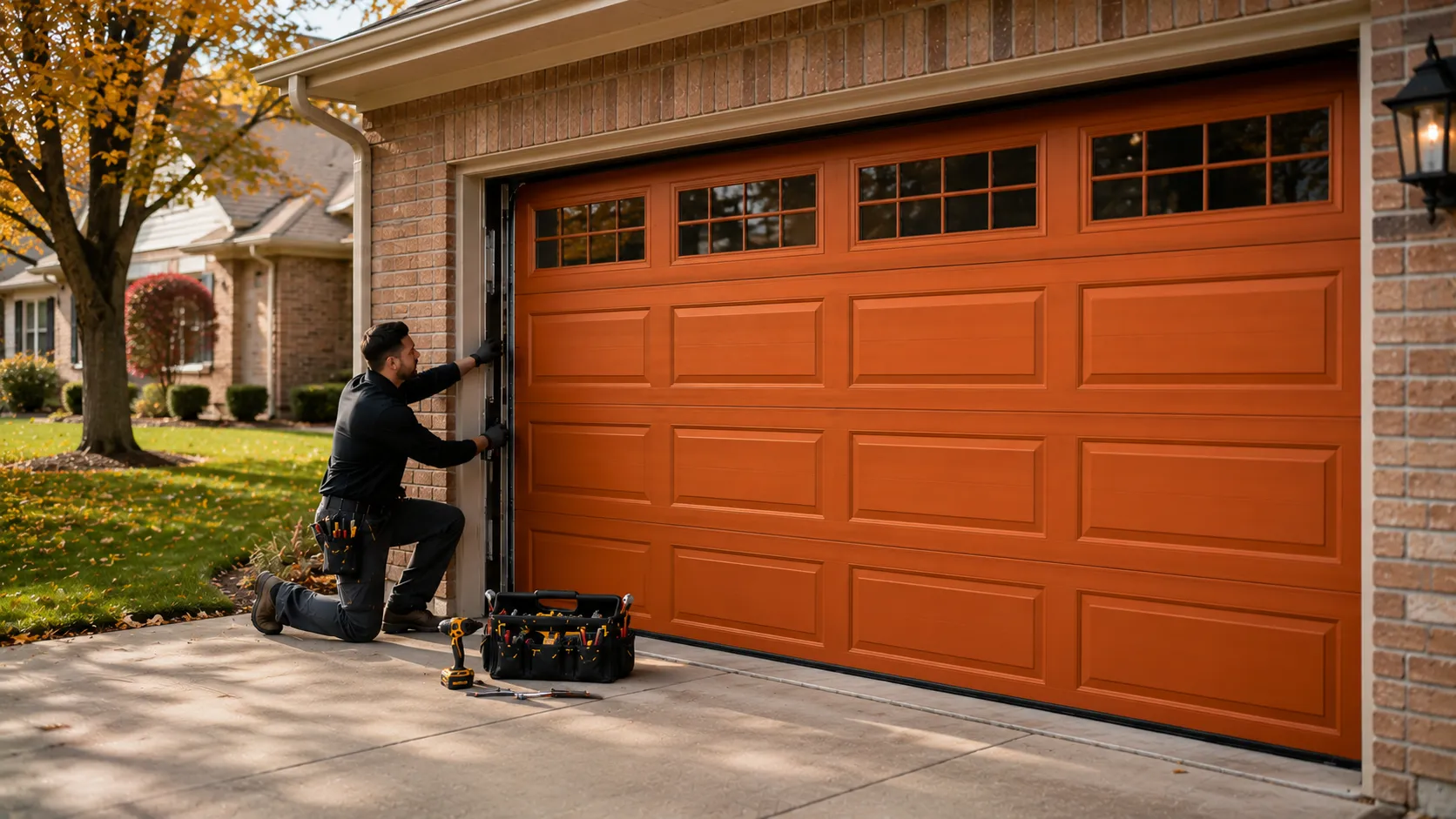
Burbank's houses cluster around a 1965 median build year, which puts most garages here a few years past the city-wide 1938-1994 span and squarely in that 1960s-70s wave that shows up across the wider area. That matters more than it sounds like it should. A garage built in 1965 usually came with a single torsion spring on a wood or early steel door, mounted on hardware nobody has made new parts for since the Ford administration. With roughly 9,674 households in Burbank, that's a lot of original torsion setups still doing the job forty and fifty years after installation, just not doing it well. The upside of a town built out in one steady stretch instead of in scattered decades is that the fixes repeat. When we're out here, we're usually looking at the same three or four failure points, because the same three or four builders put in the same rough hardware across whole blocks at once.
What That Means for Doors
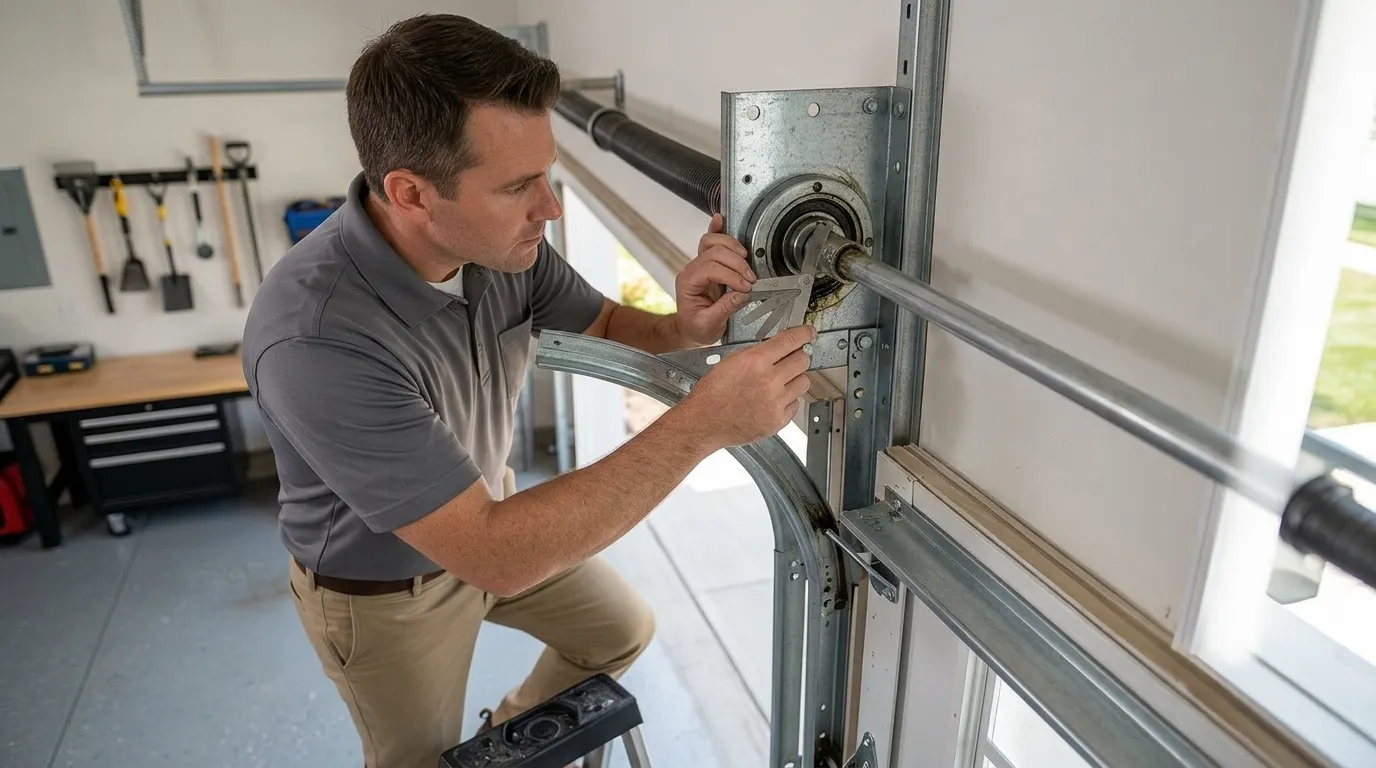
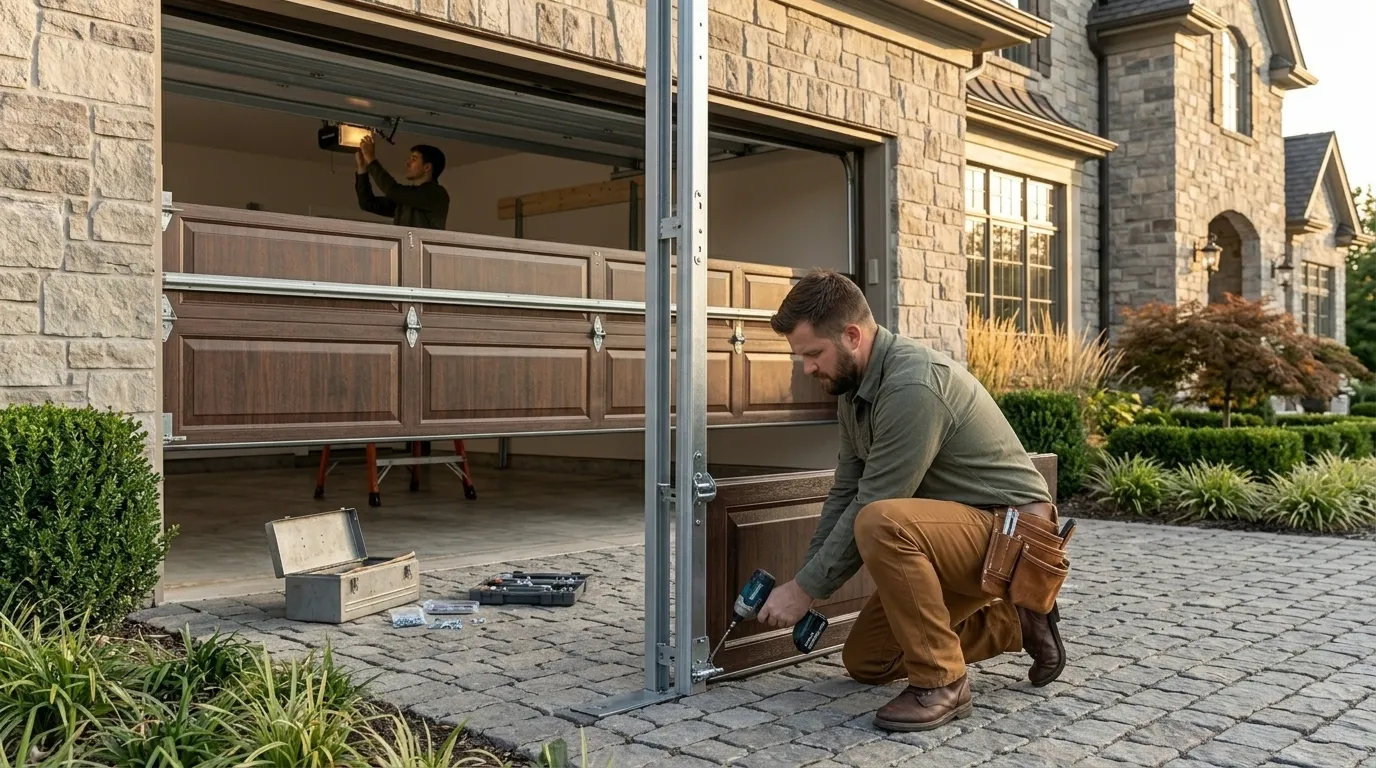
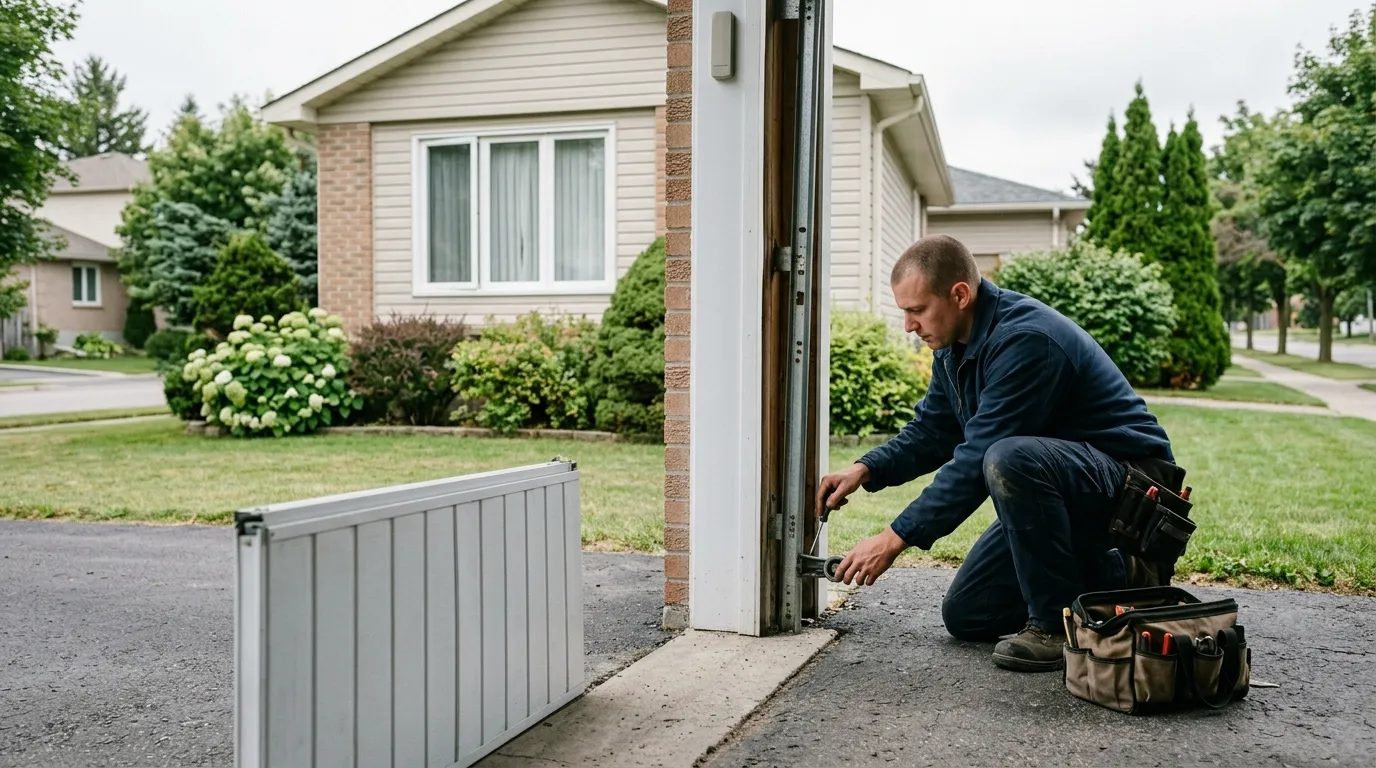
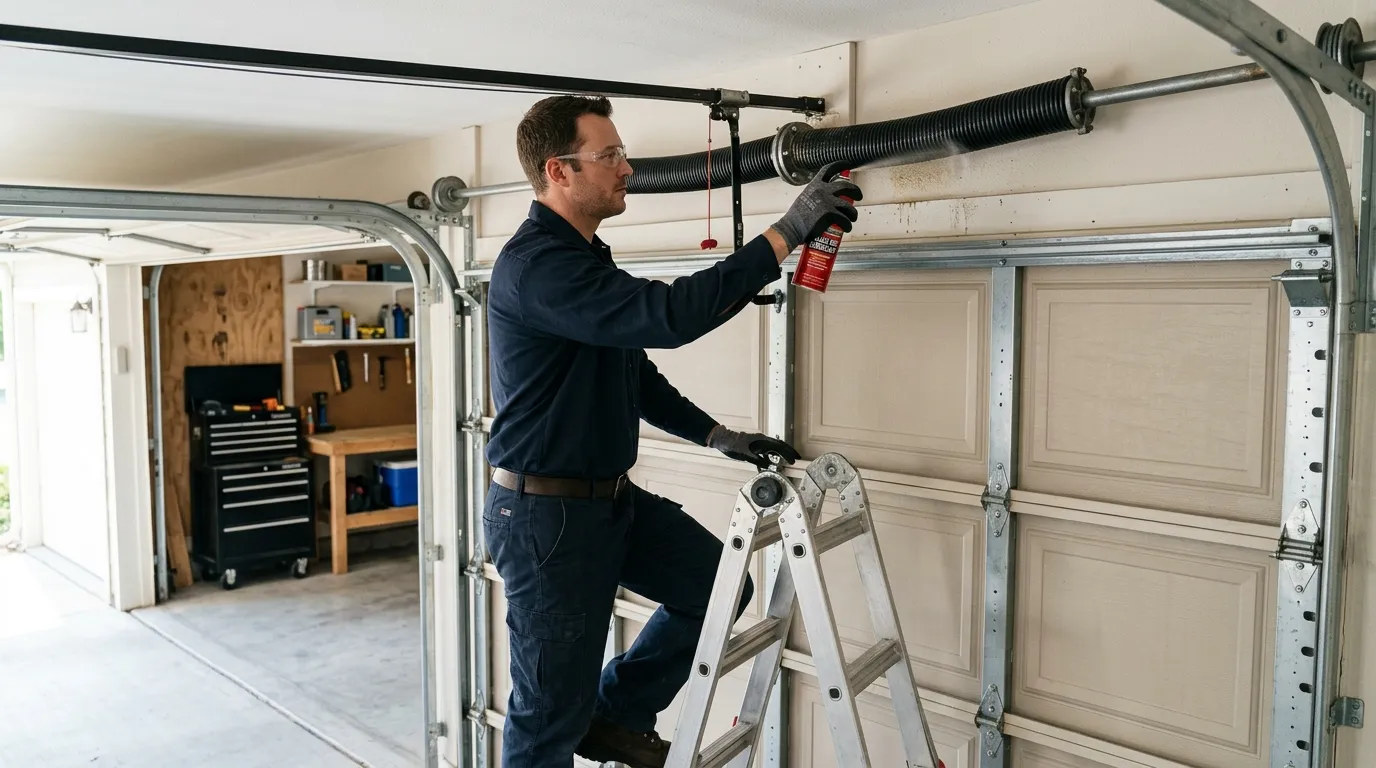
A door from the mid-1960s wasn't built for a modern opener, and that mismatch is most of what we find in Burbank. Original torsion springs on these houses were sized for lighter wood doors; if a previous owner swapped in a heavier insulated steel door at some point and kept the old spring, it's been overworking ever since, and that shortens its life fast. Track alignment on these older jambs also drifts over decades of freeze-thaw, which in this climate band means real seasonal movement, not just cosmetic settling. We're not going to tell you every door here needs full replacement - plenty just need the spring resized to the current door weight and the track reset. But if the section frames themselves are original steel from that era, the panels are usually thinner-gauge than anything sold today, and once one is dented or rusted through, matching it isn't realistic. Replacement, not patch repair, is the honest answer at that point.
What People Here Ring About
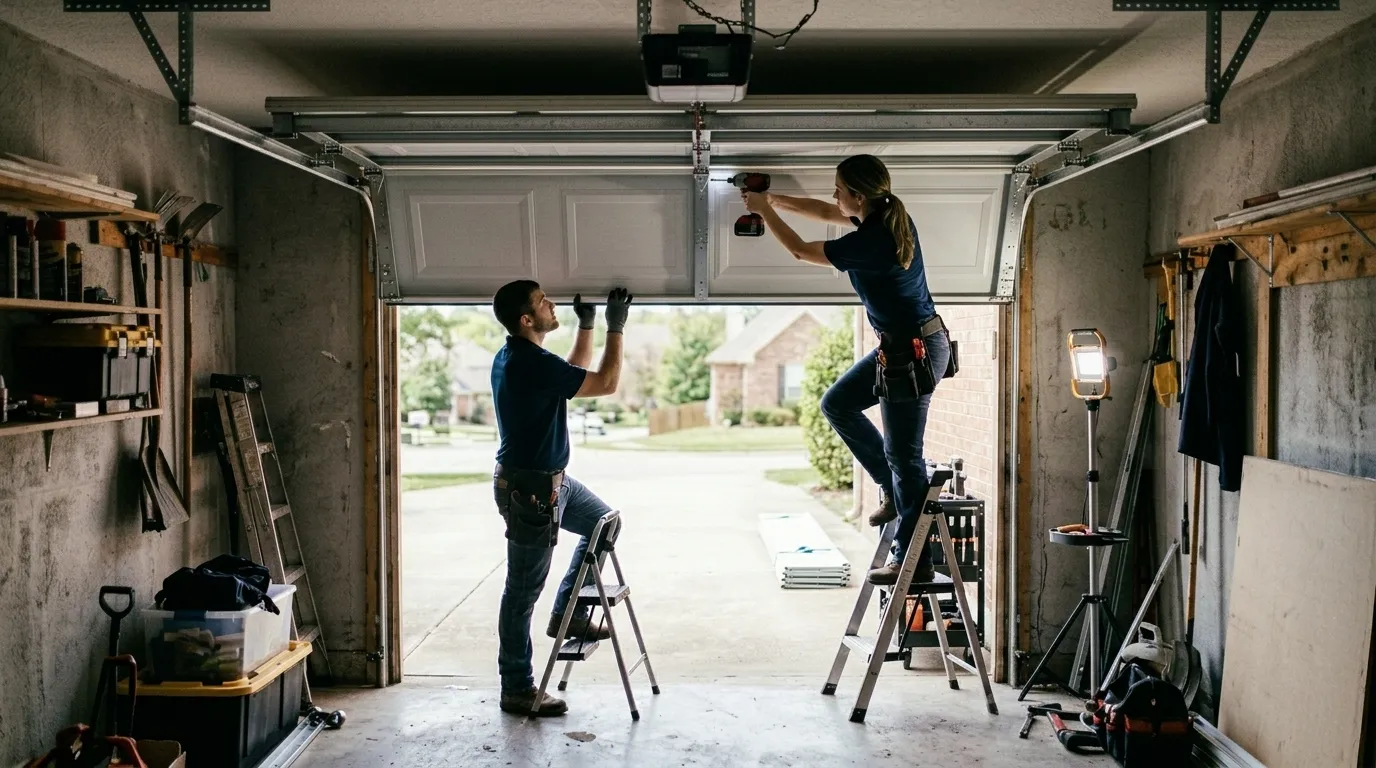
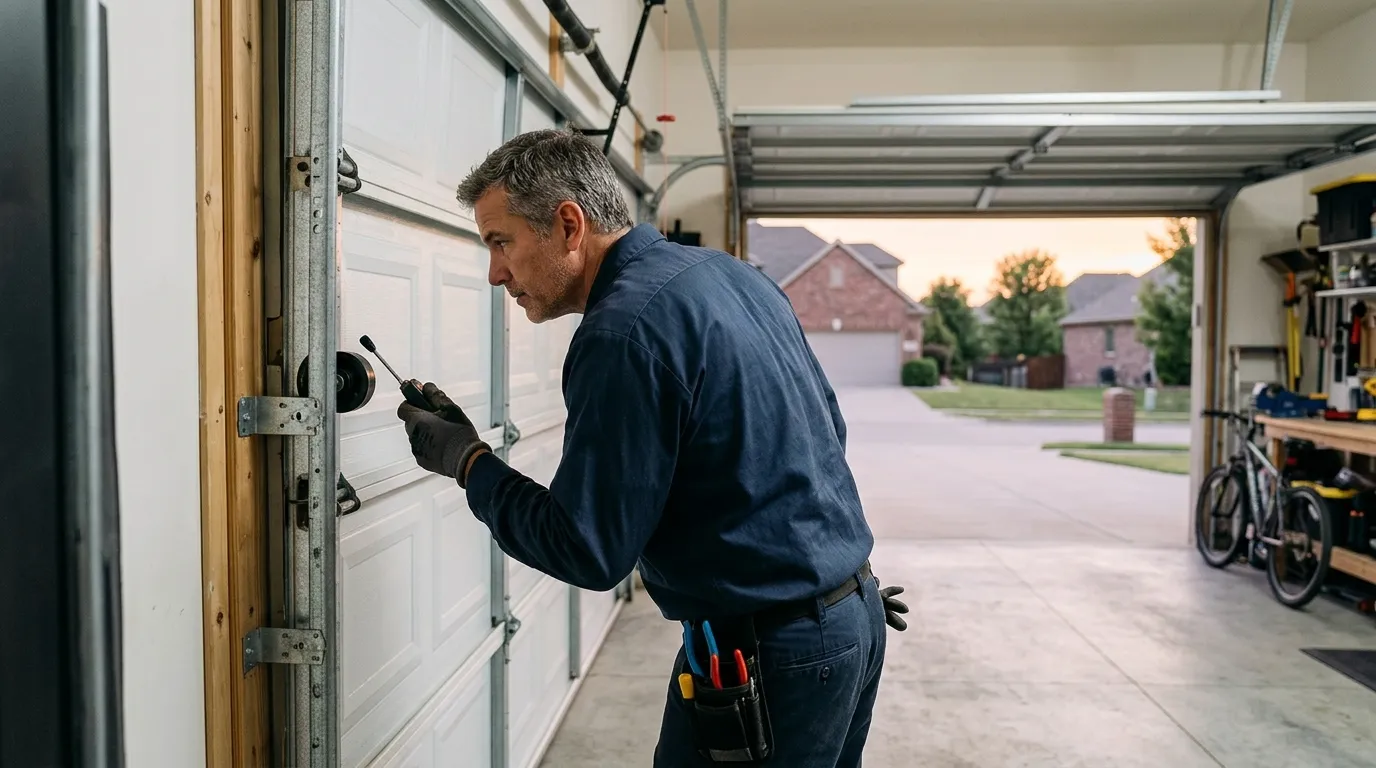
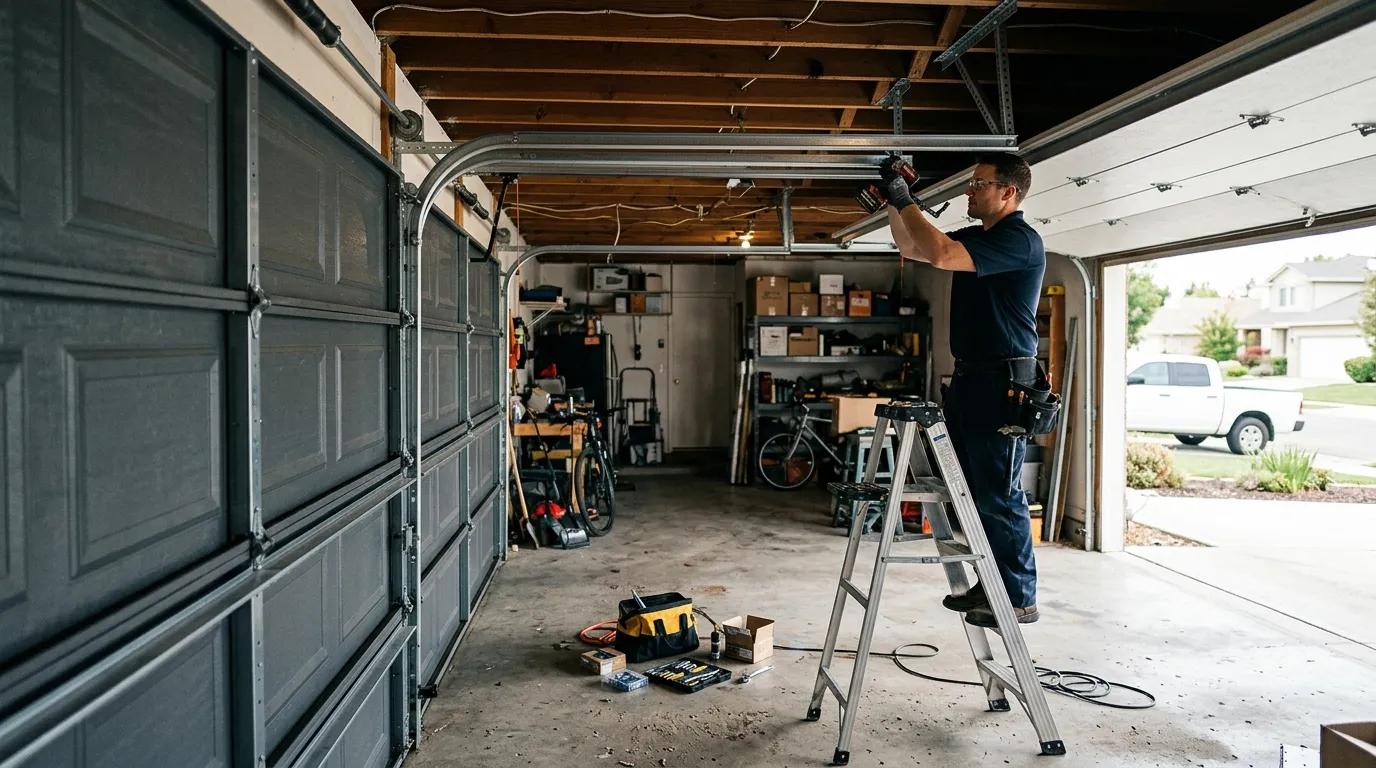
The calls we get from Burbank fall into a pattern tied straight back to the housing age. Torsion spring failure tops the list, usually on doors that have never had the spring swapped since the house went up. Second most common is opener trouble - chain-drive units from the 80s and 90s straining against doors that have gotten heavier with added insulation over the years. We also see a fair number of roller and cable calls on the original steel track systems, where fifty-plus years of use has worn the roller stems down until the door binds going up. What we don't get much of, honestly, is brand-new-construction work, since there isn't much of that here to speak of. If your door is original to a 1960s Burbank build and it's making a new noise, odds are good we've already fixed the same noise a few streets over.