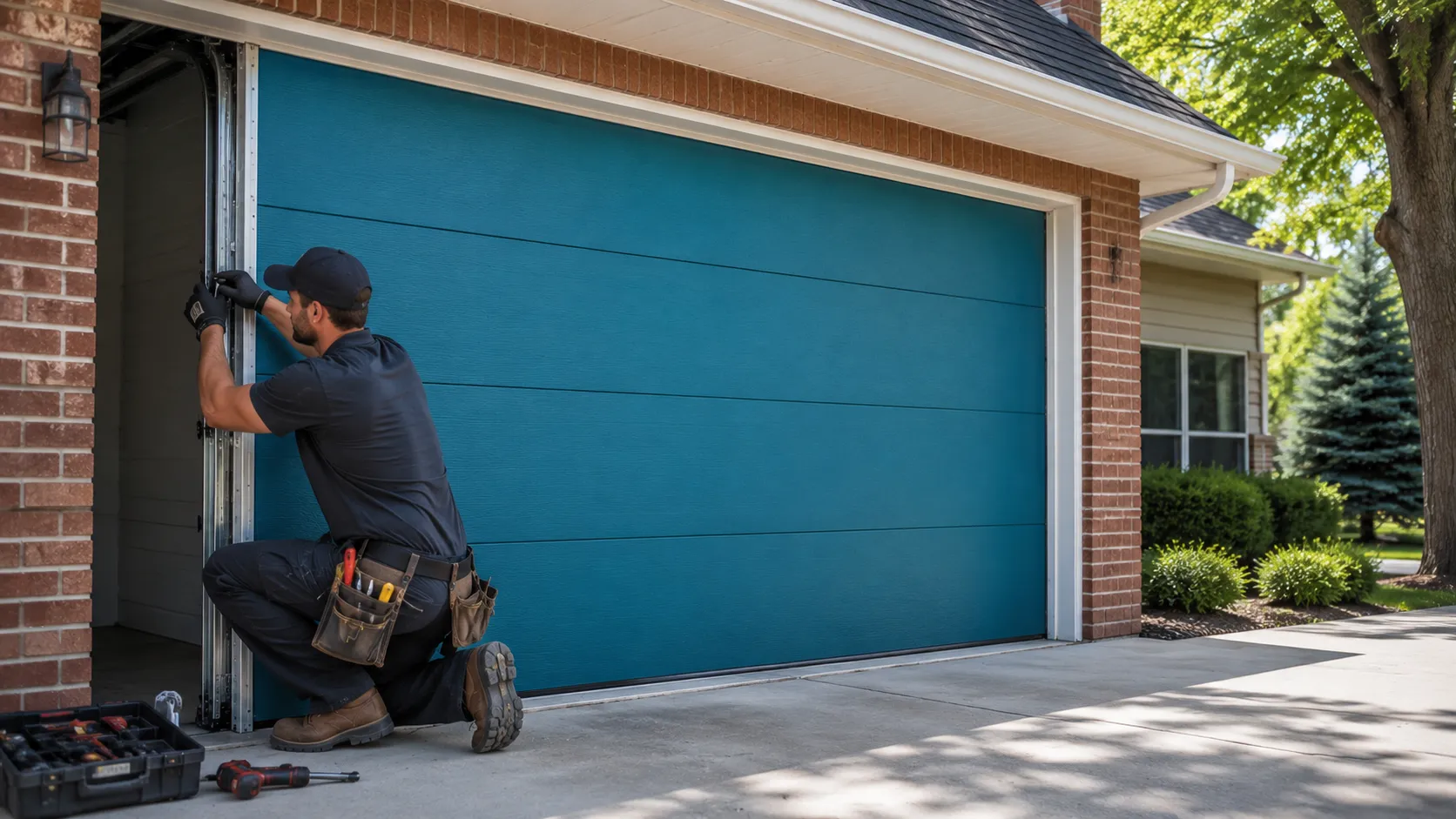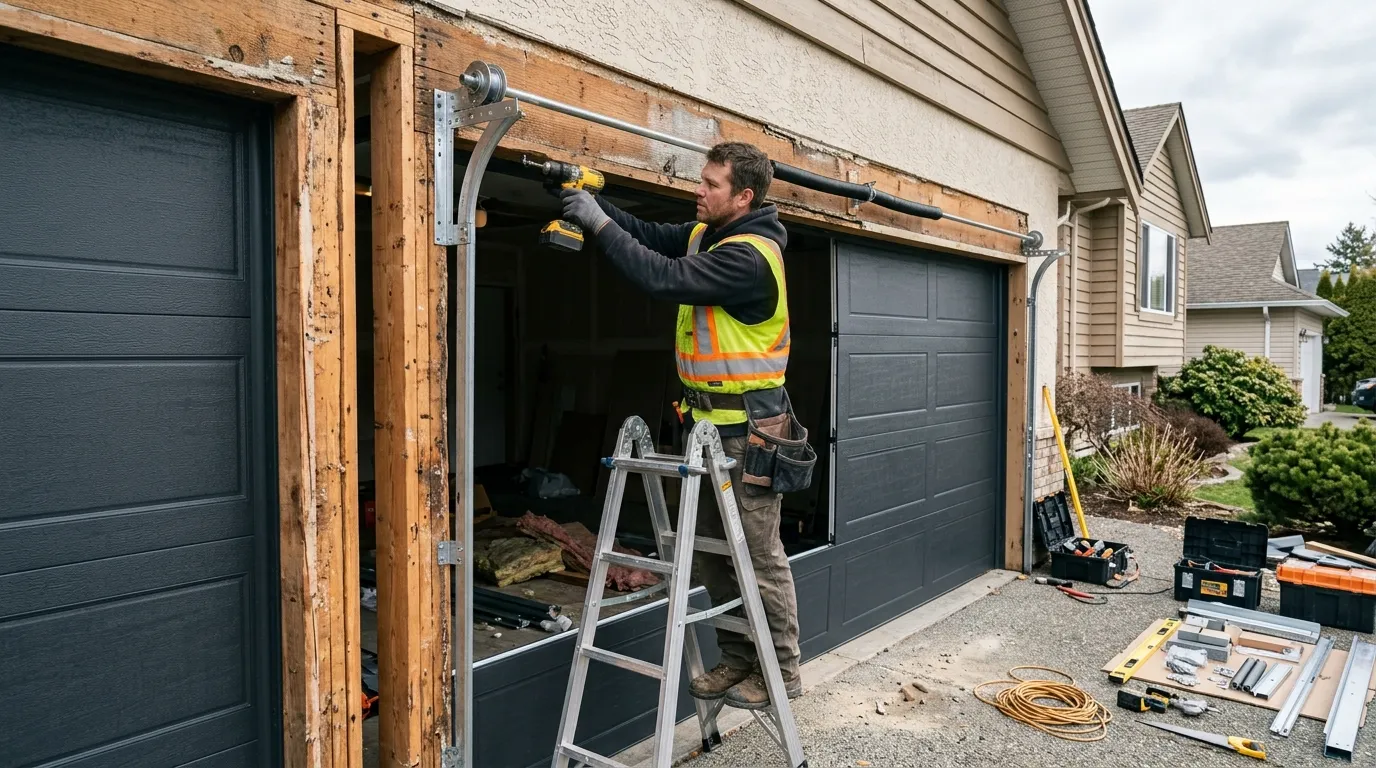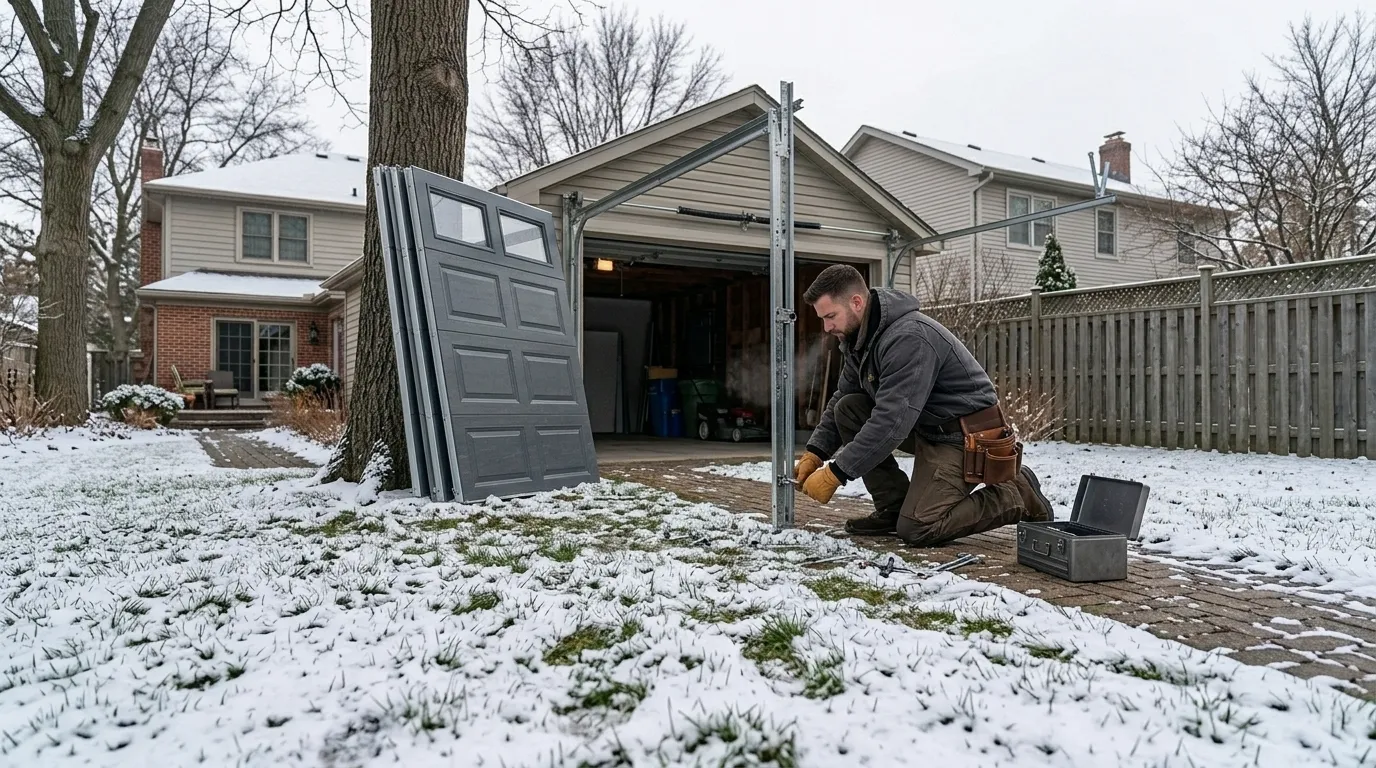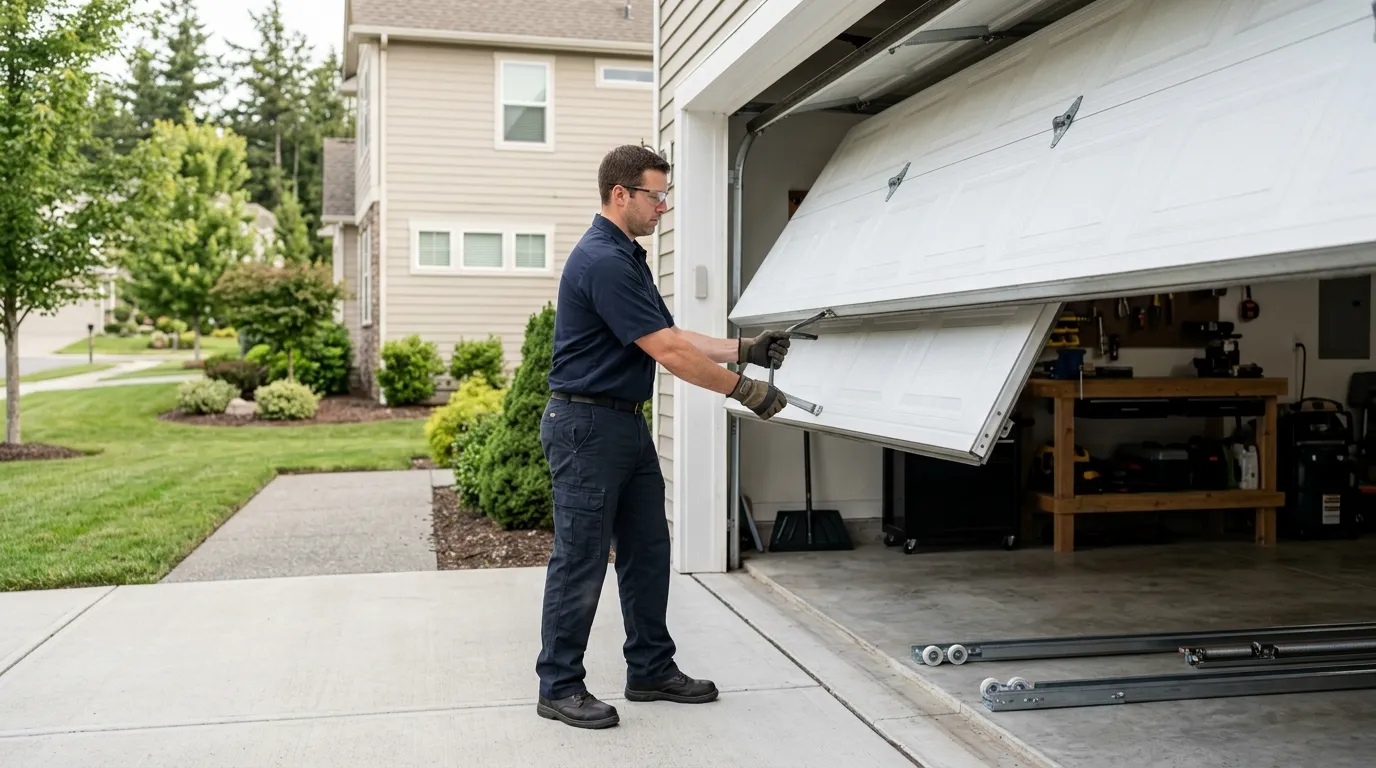
This Area's Housing
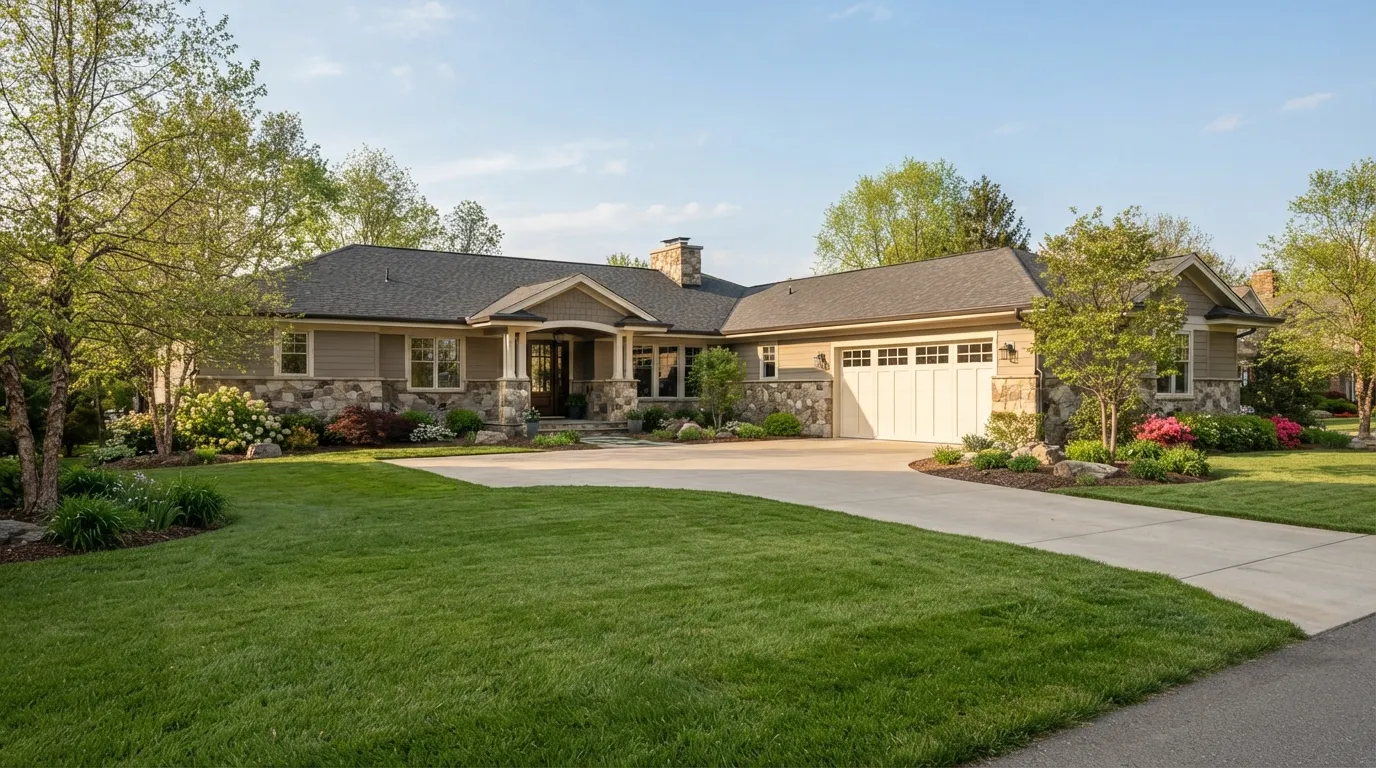
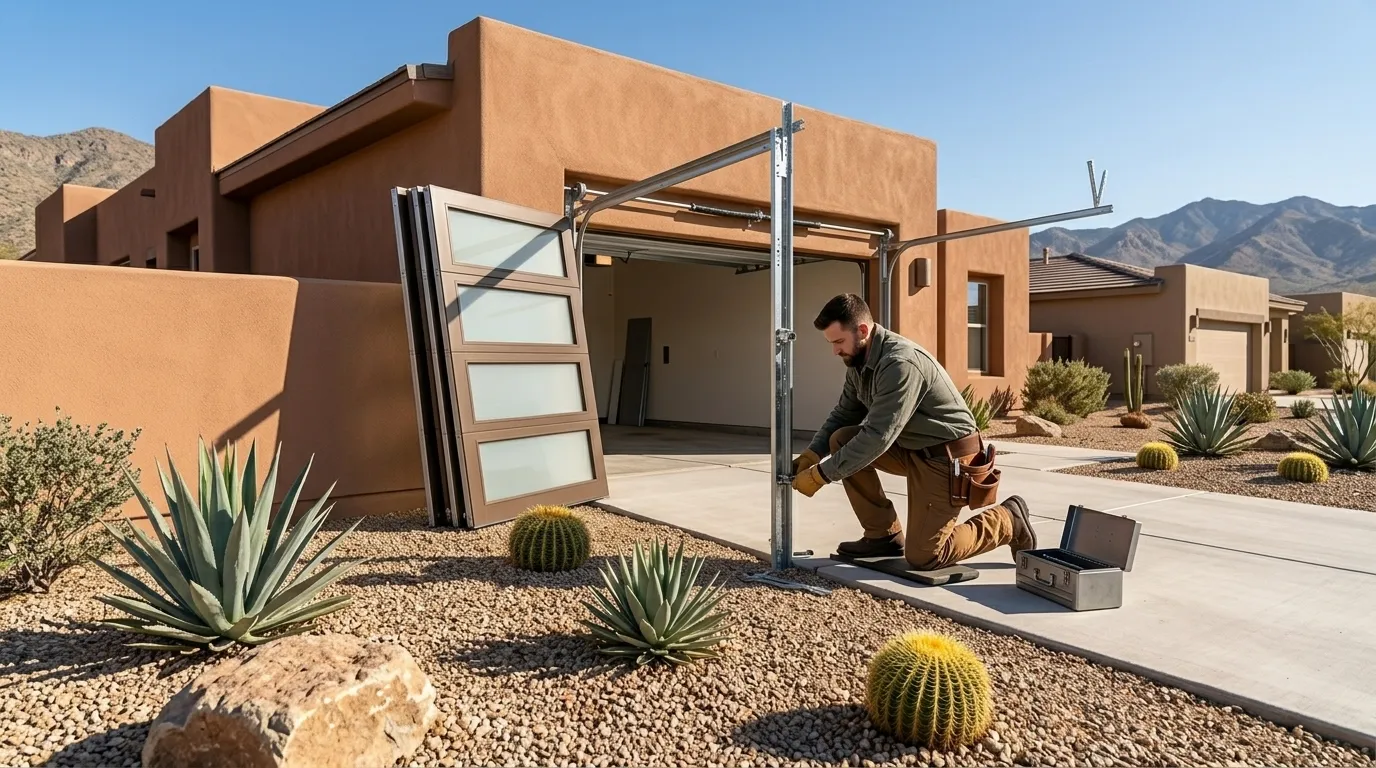
Burnham's houses mostly went up around 1970, which puts the neighborhood a bit newer than the 1964 median we see across the wider service area. That six-year gap matters more than it sounds. By 1970, most builders had moved off the old one-piece slab doors and onto sectional doors with steel tracks - the setup you still see on most garages here today. With about 1,476 households in the area, it's a small, tight pocket compared to some of the larger towns we cover, and a lot of the original garage hardware from that build wave is still hanging on, just tired.
The service area overall sits in a cold-moderate climate band, and Burnham gets the same winters as everywhere else on our route - freeze-thaw cycles that work on rubber seals and steel fasteners year after year. On a house built in 1970, that's fifty-plus winters of expansion and contraction on the same track brackets and door skin, which is a different repair conversation than a house built in 1990.
What That Means for Doors
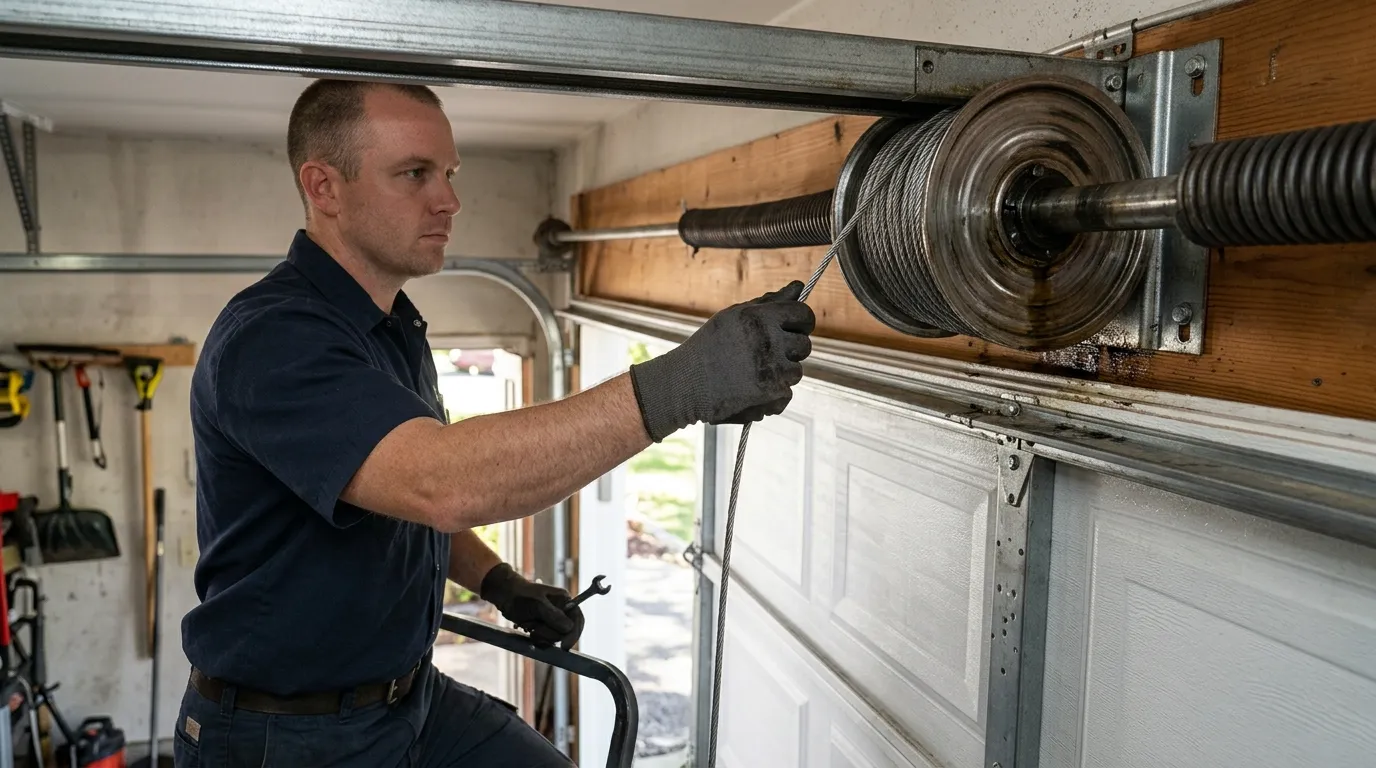
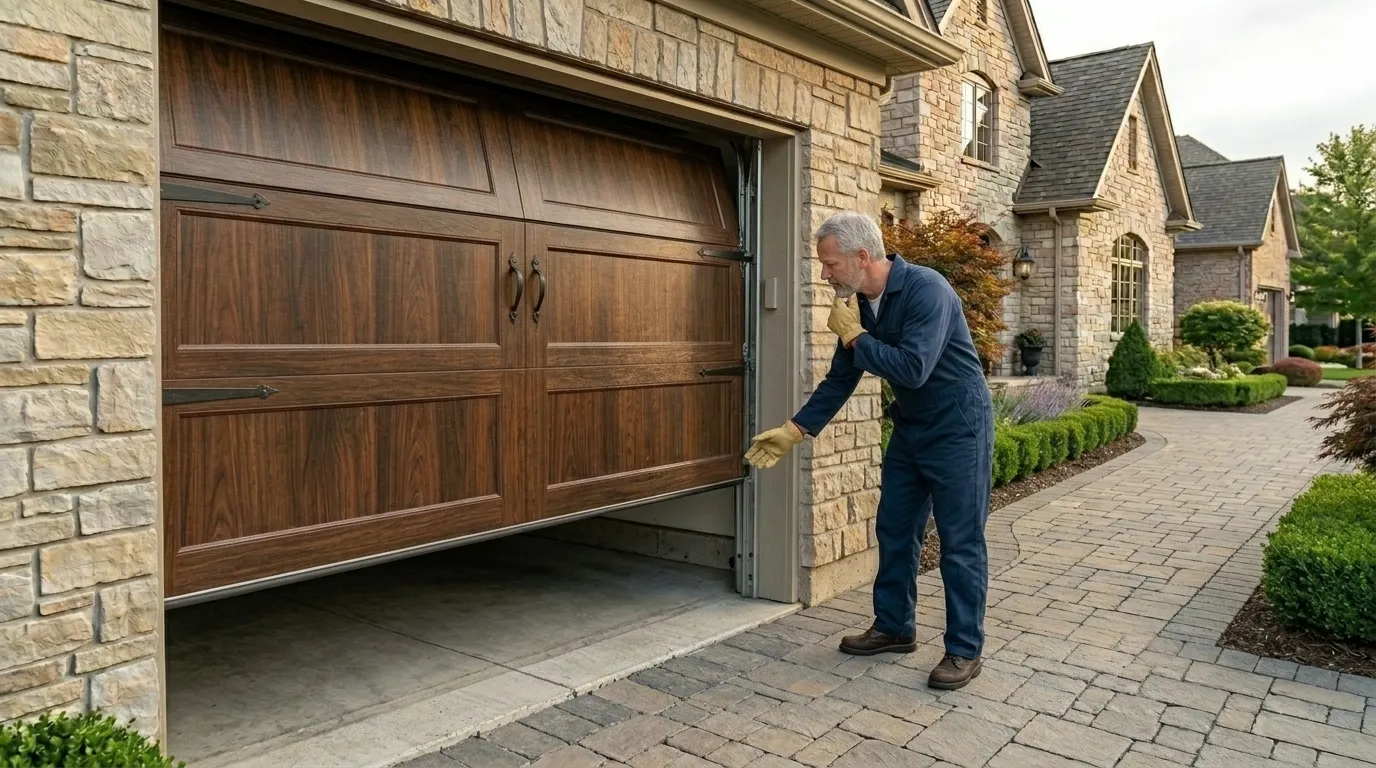
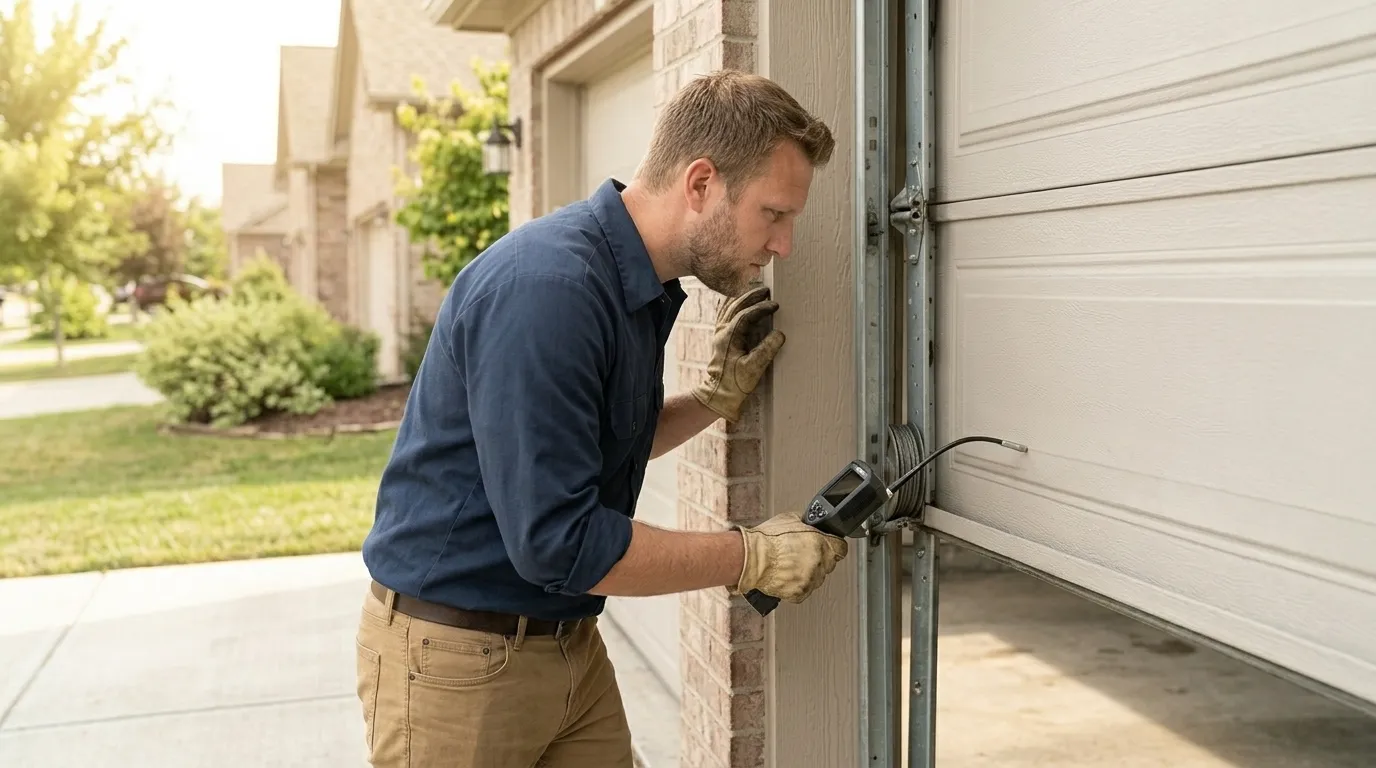
A door installed around 1970 is old enough that its torsion or extension springs have likely been swapped at least once, sometimes with parts that don't quite match the original engineering of the door. That mismatch is one of the more common things we find once we're actually looking at the hardware - a spring rated for a lighter door holding up a heavier replacement panel, or vice versa.
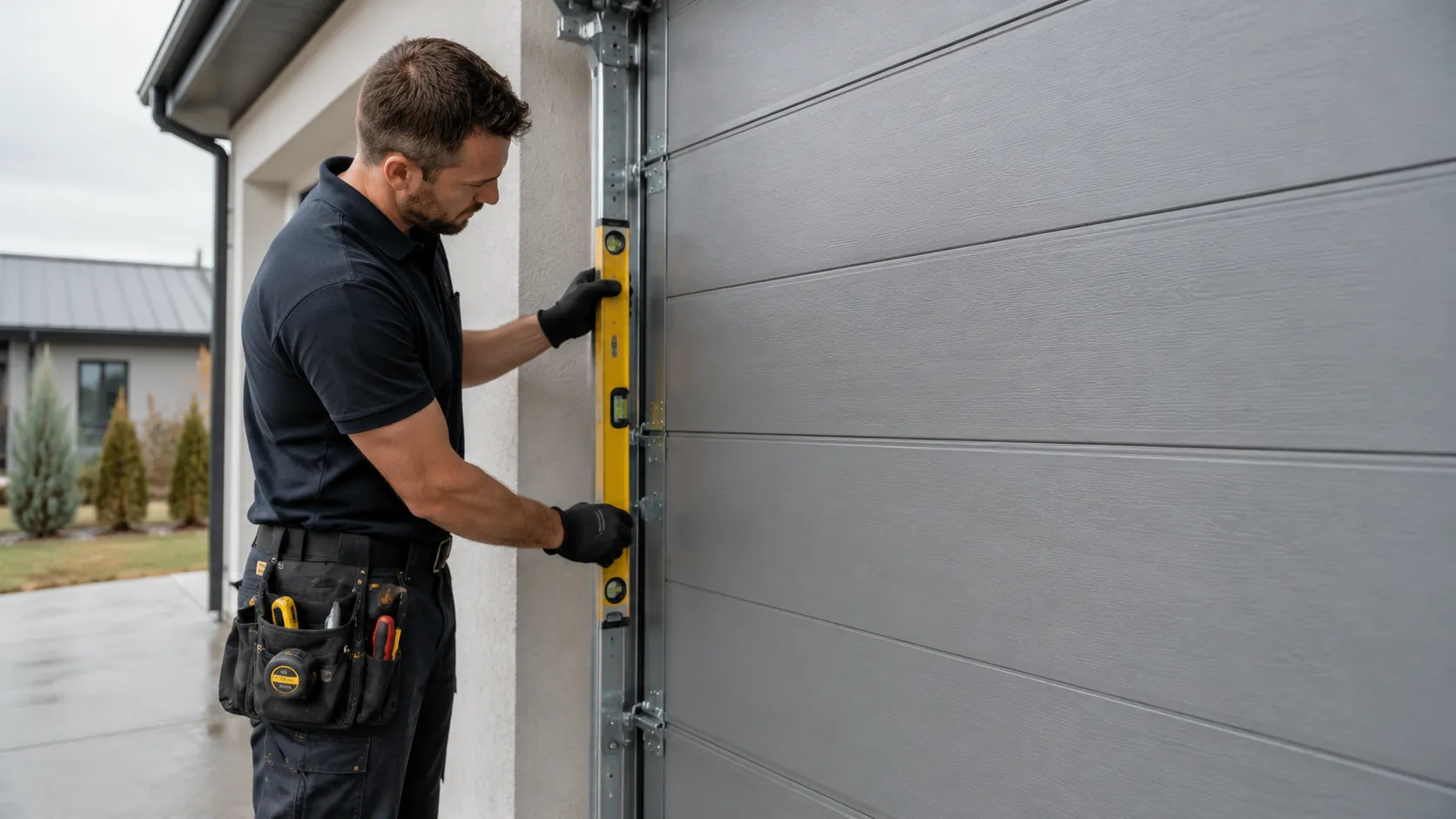
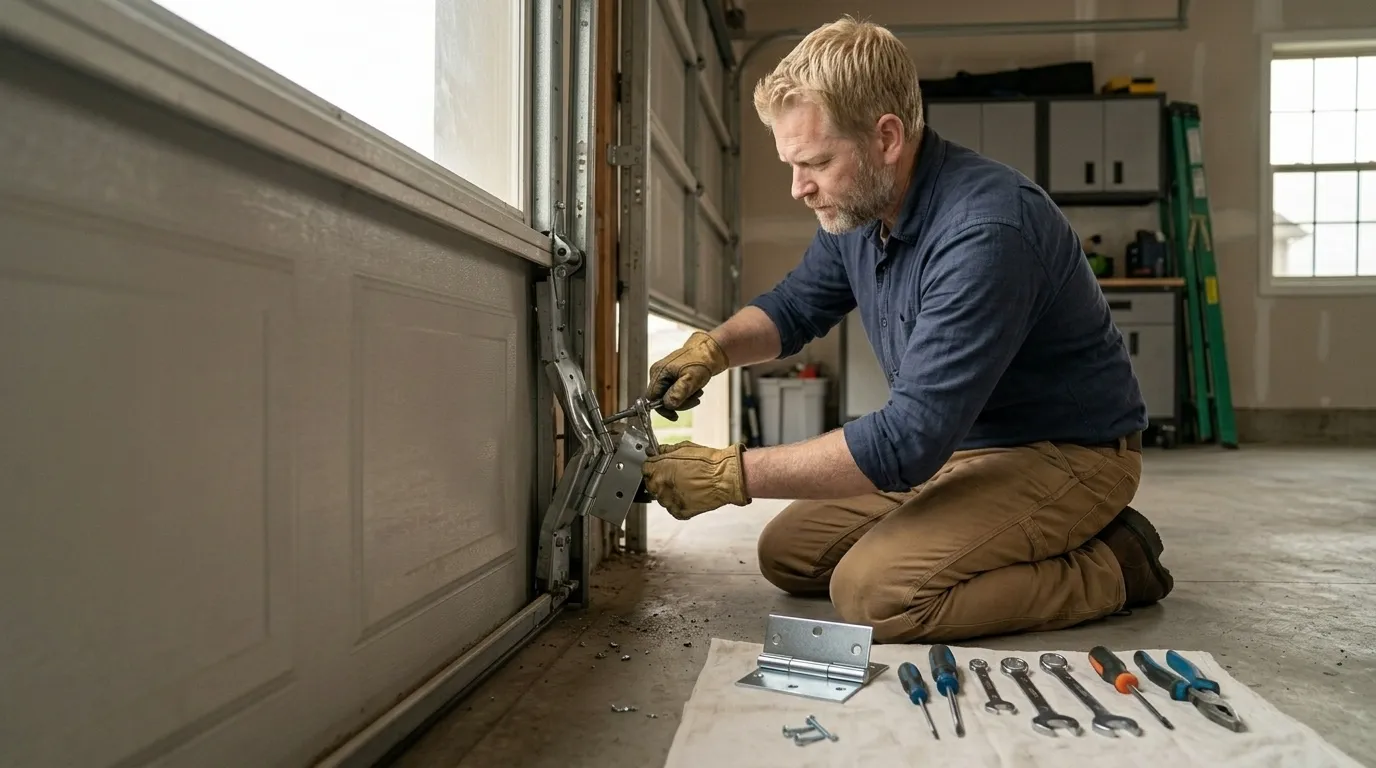
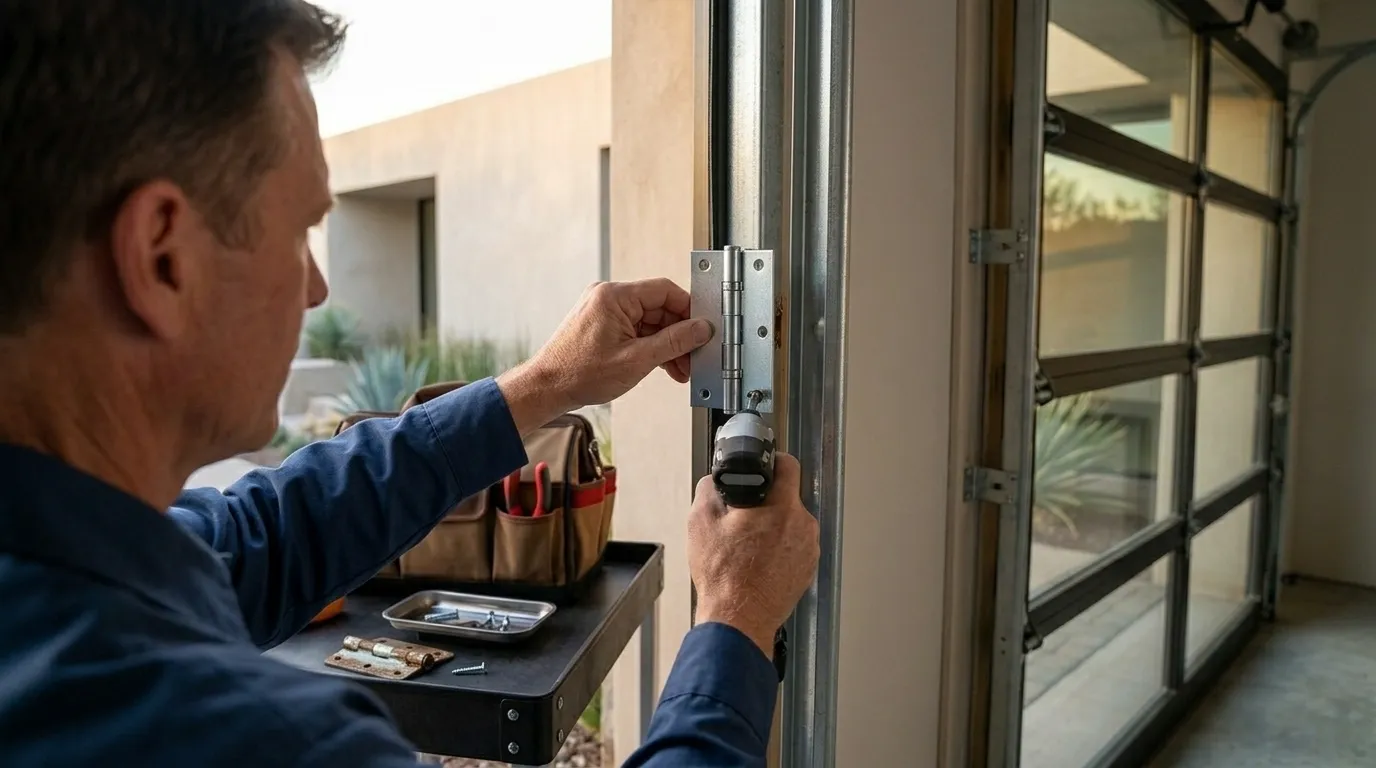
The cold-moderate climate this area sits in means steel cables and rollers see real seasonal stress, and on 50-plus-year-old track brackets, the bolt holes have often worn oblong from decades of vibration. That's not a five-minute tightening job - it's usually a bracket replacement. We'll tell you straight when a repair is worth doing versus when the door's hardware is old enough that patching one part just means the next part fails in a few months.
What People Here Ring About
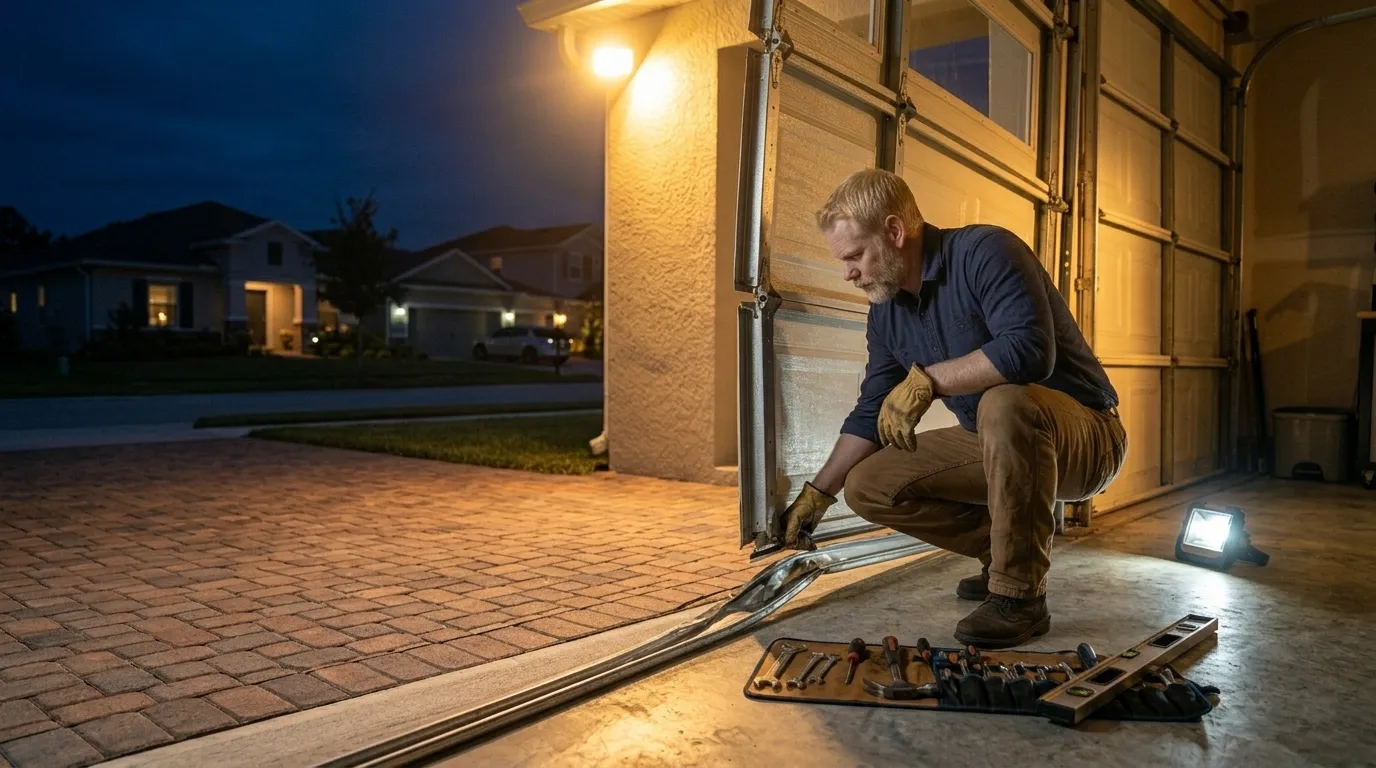
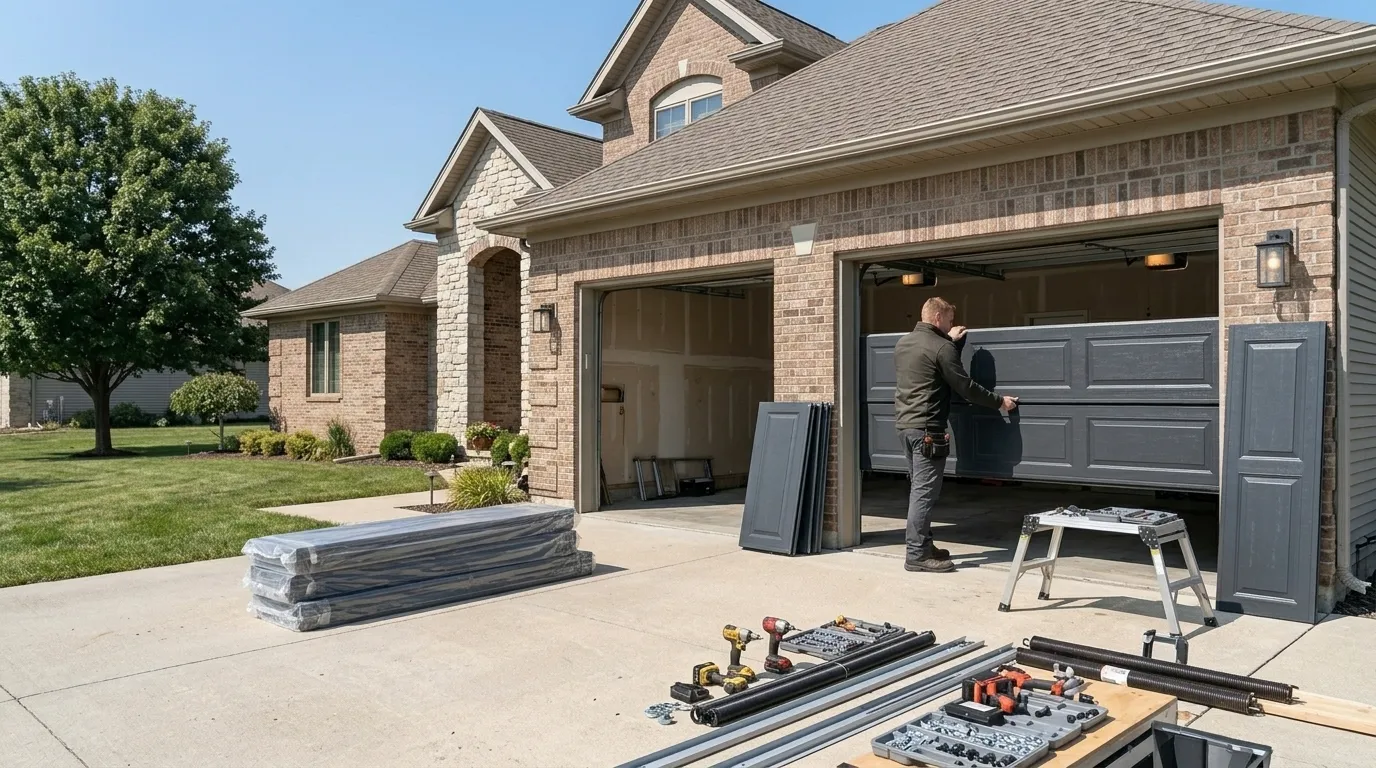
Given the age of the housing stock, the calls we get from Burnham lean toward worn spring assemblies, frayed lift cables, and openers that are original enough to be running motors nobody makes parts for anymore. Median household income here runs $55,708, notably under the $80,202 median across the full service area, and that shows up in the kind of calls we get: more requests for a straight repair quote before anyone commits to full replacement, and more questions about whether a part can be sourced instead of swapping the whole opener.
We don't stock every obsolete opener control board, so sometimes the honest answer is that replacement is faster and cheaper than hunting down a part for a unit from the Nixon-to-Reagan era of garage door manufacturing. When that's the case, we say so instead of running up a repair bill on a door that's due for retirement anyway.