This Area's Housing
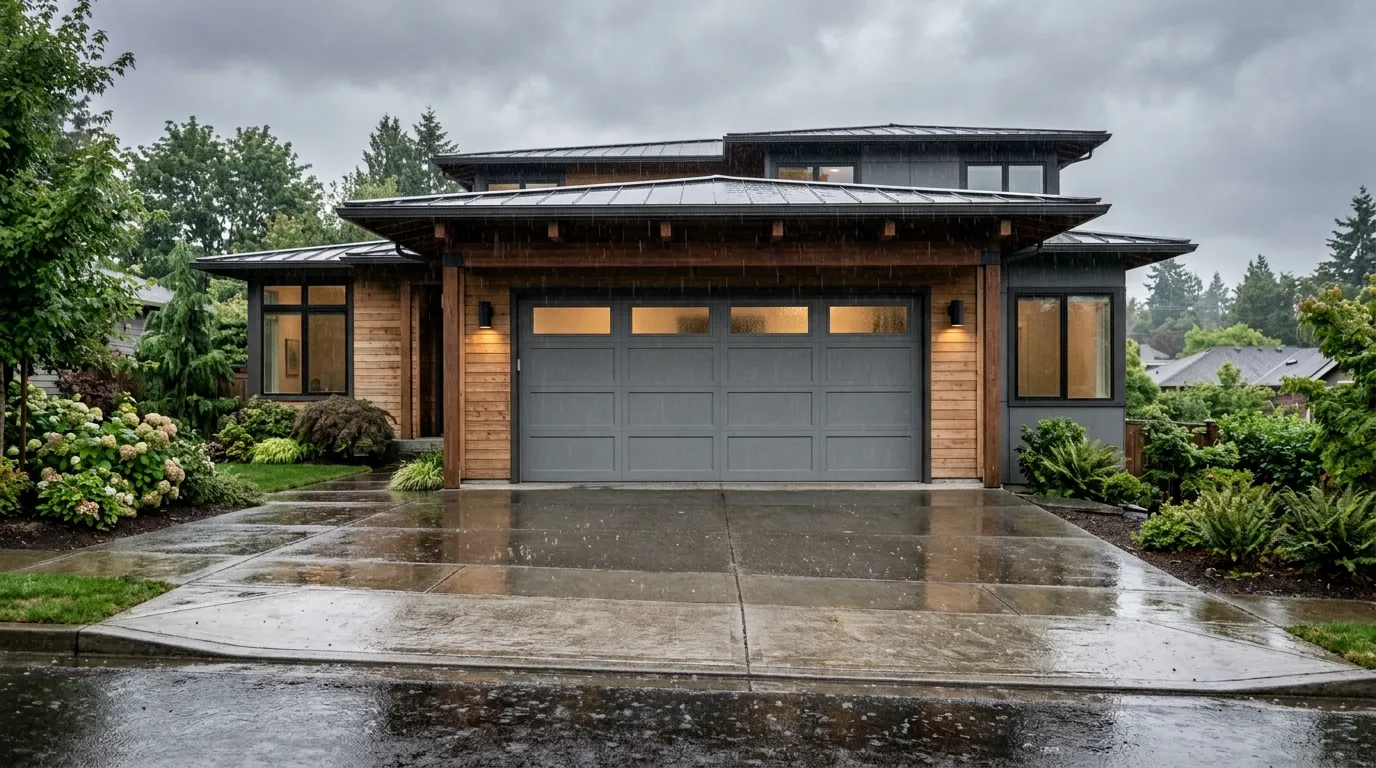
Chicago Ridge sits later on the timeline than a lot of the areas we cover. Housing here runs a median build year of 1973, newer than the broader service area's 1964 median, which is dominated by 1960s-70s construction. That decade-plus gap matters more than it sounds. A house built in 1973 usually came with a garage designed for a single steel section door on extension springs or an early torsion setup, not the older one-piece slab doors you find on pre-1960s stock. With 5,309 households in Chicago Ridge, you've got a fairly consistent building era across the area, which means a fairly consistent set of garage door problems too - not a scattershot of eras like some of the older neighborhoods closer to the city. Median household income here runs $69,389, below the wider area's $80,202, which we mention only because it shapes what kind of repair makes sense: fixing what's there usually wins over a full replacement unless the door itself is failing structurally.
What That Means for Doors
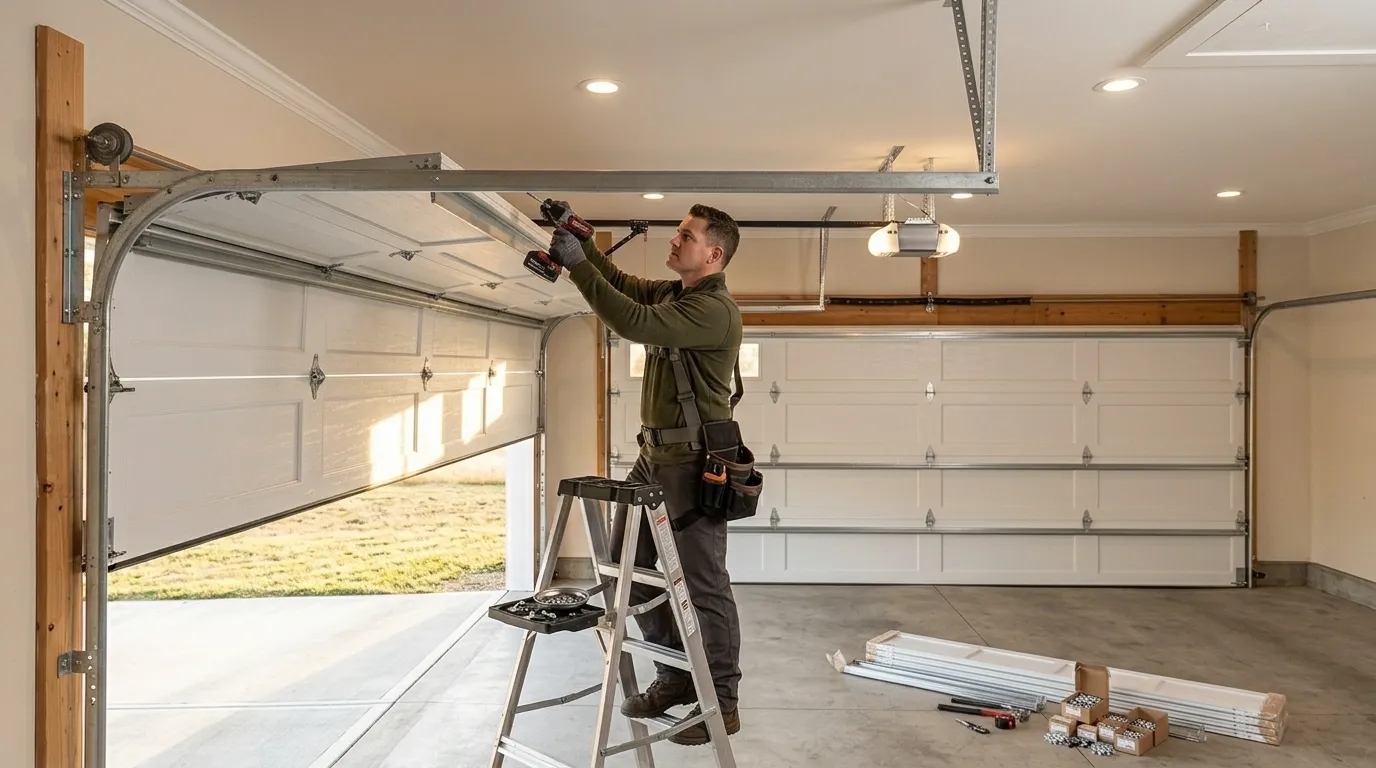
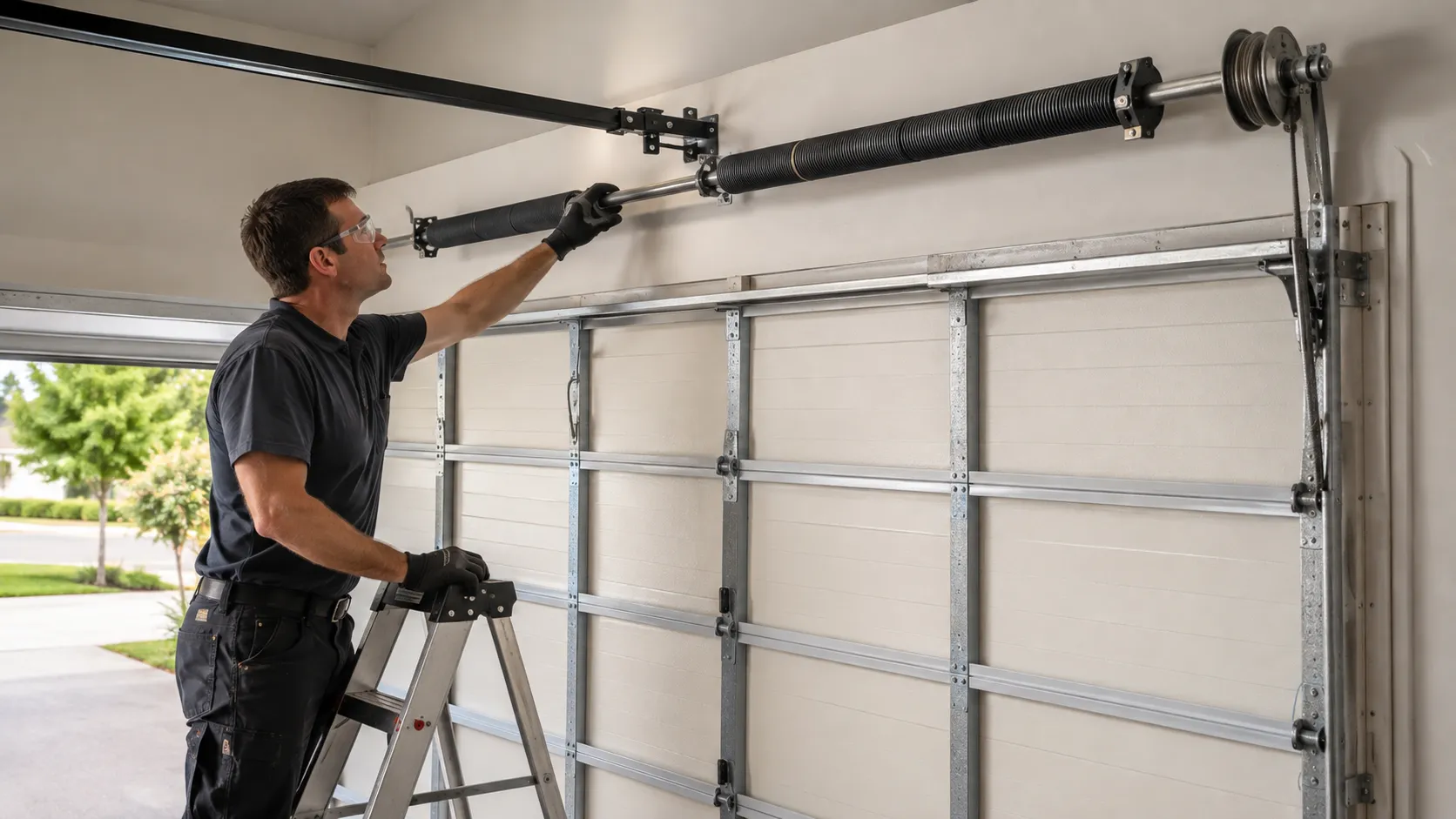
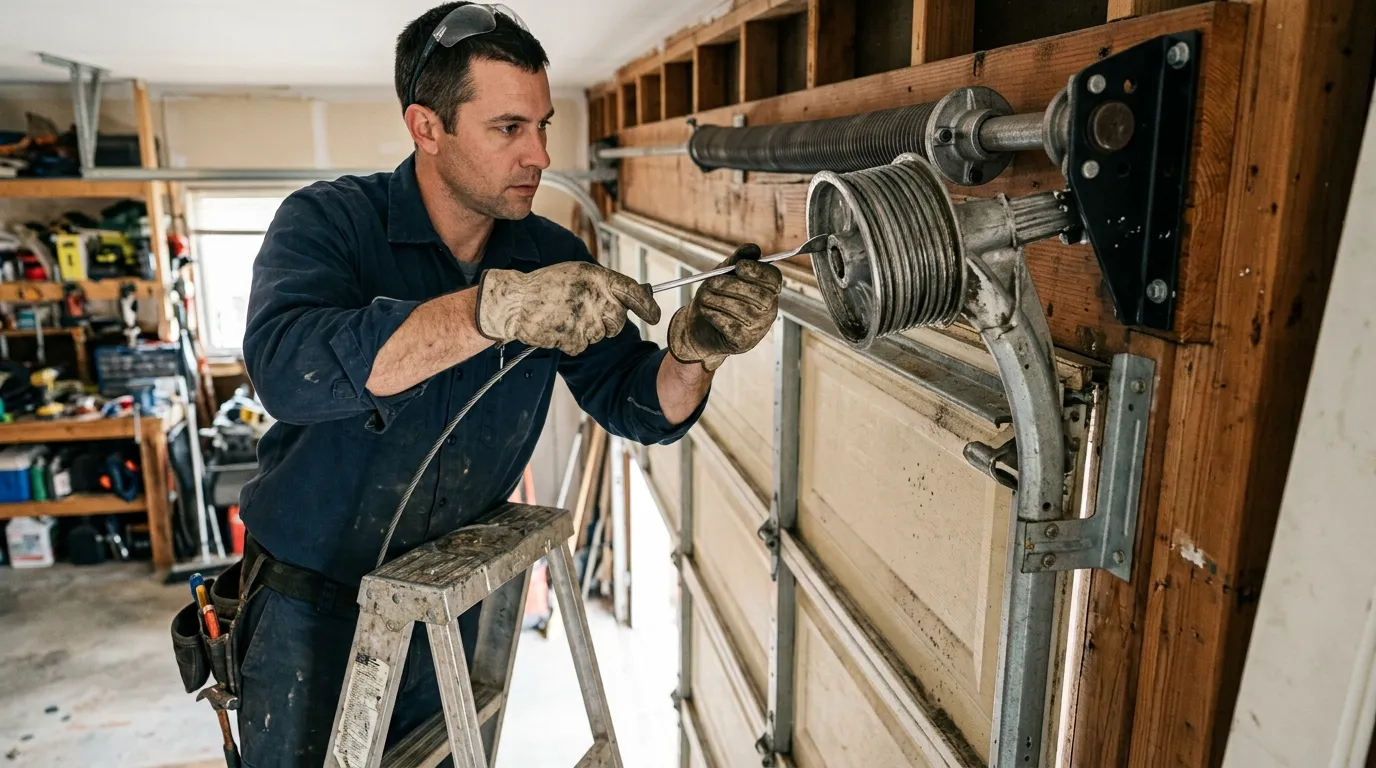
Because Chicago Ridge's housing stock skews to the early 1970s rather than the 1930s-50s builds found elsewhere in the area, the doors we replace here tend to be second- or third-generation units - steel sectional doors from a prior remodel, not original 1930s wood slabs. The torsion vs. extension spring question comes up constantly on these houses, since 1970s garages were built for either depending on the ceiling height the builder used. The area sits in a cold moderate climate band, which over 50 winters of freeze-thaw cycling is hard on any spring and any nylon roller, regardless of the door's age. What we don't do is guess at spring size over the phone - torsion spring wire diameter and wind count vary enough between 1970s installs that we measure on site rather than quote a cable-and-spring kit sight unseen.
What People Here Ring About
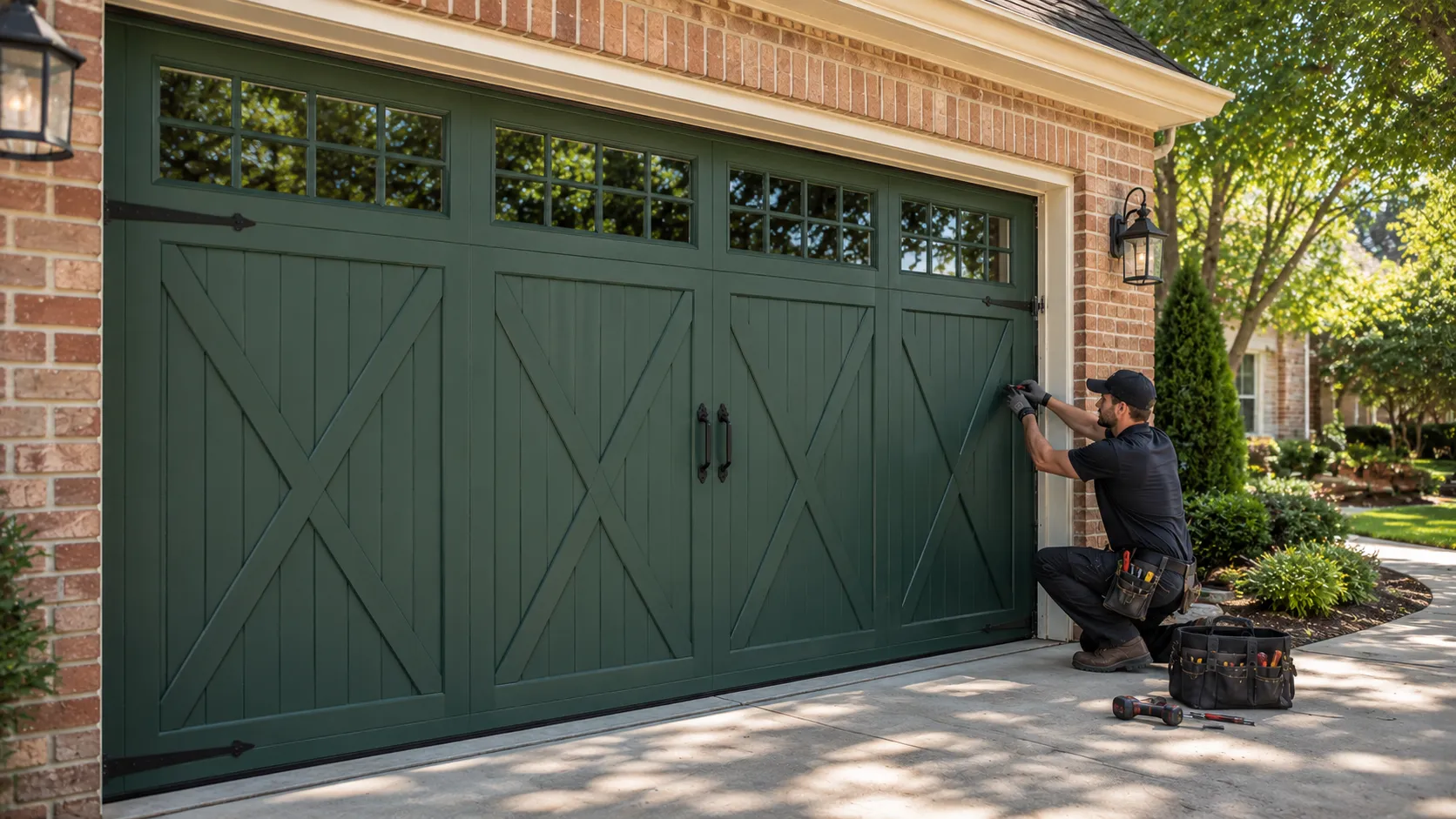
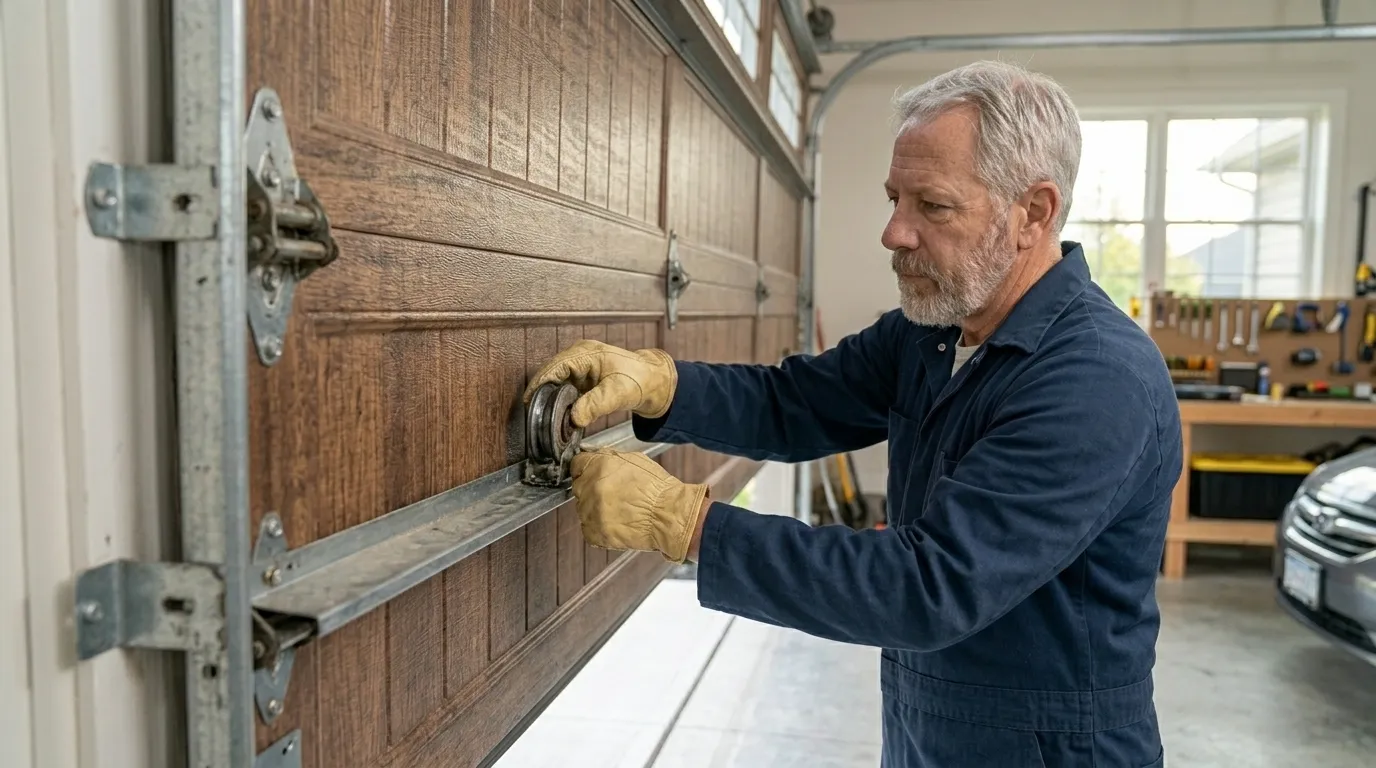
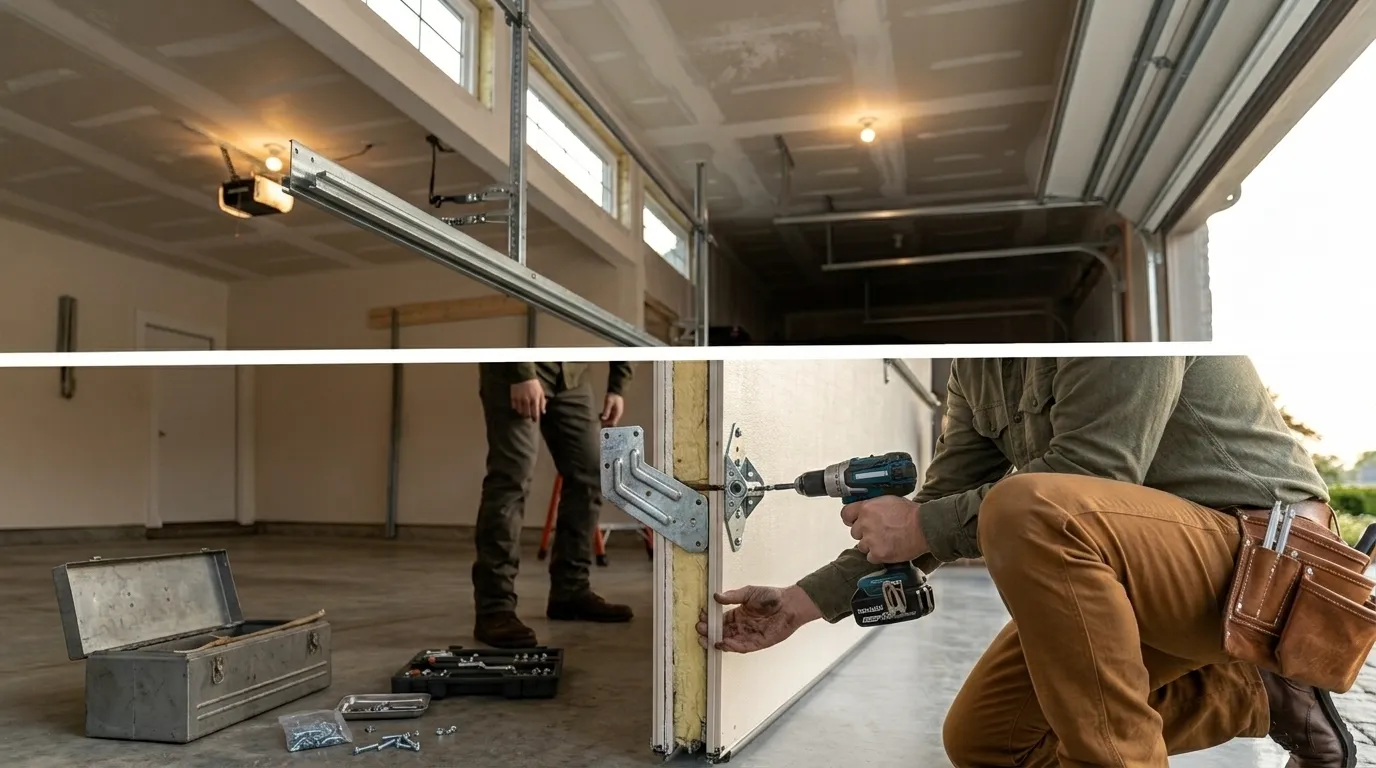
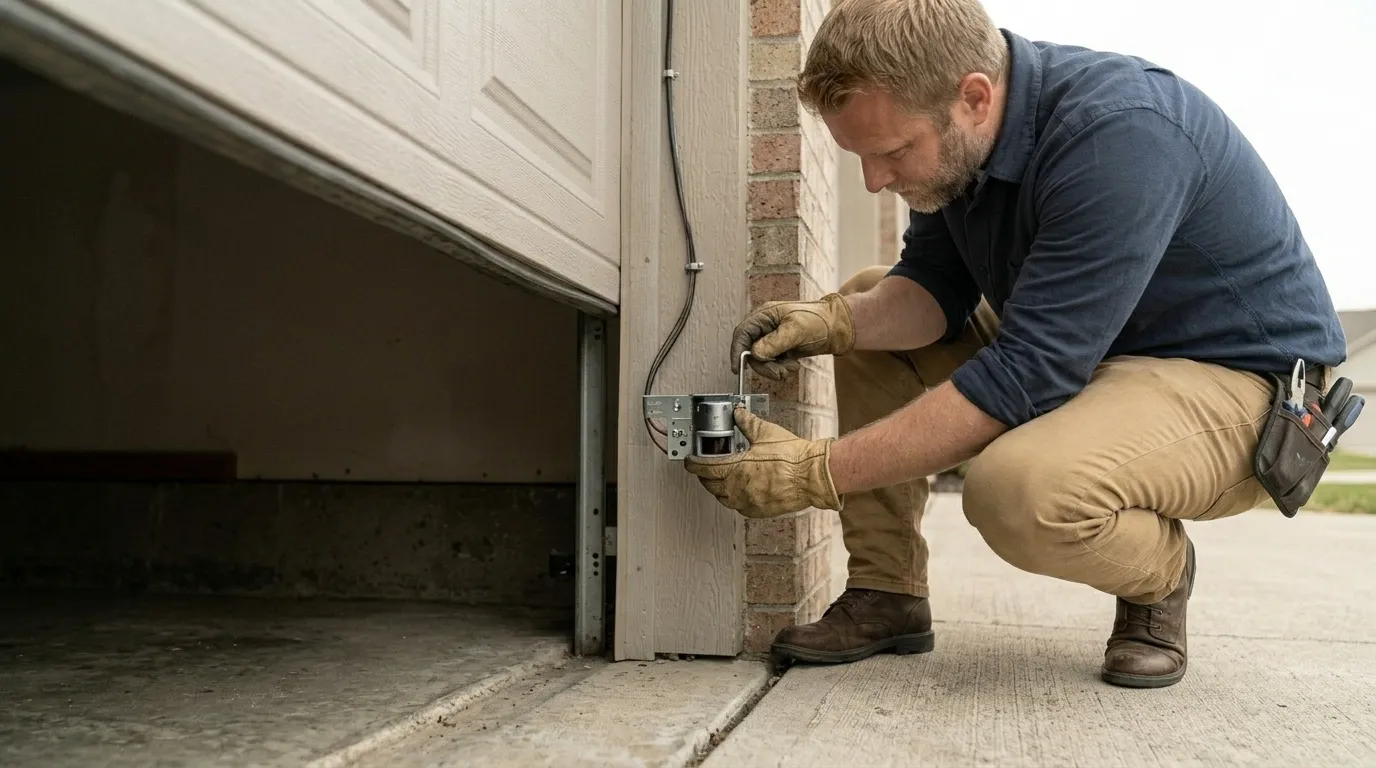
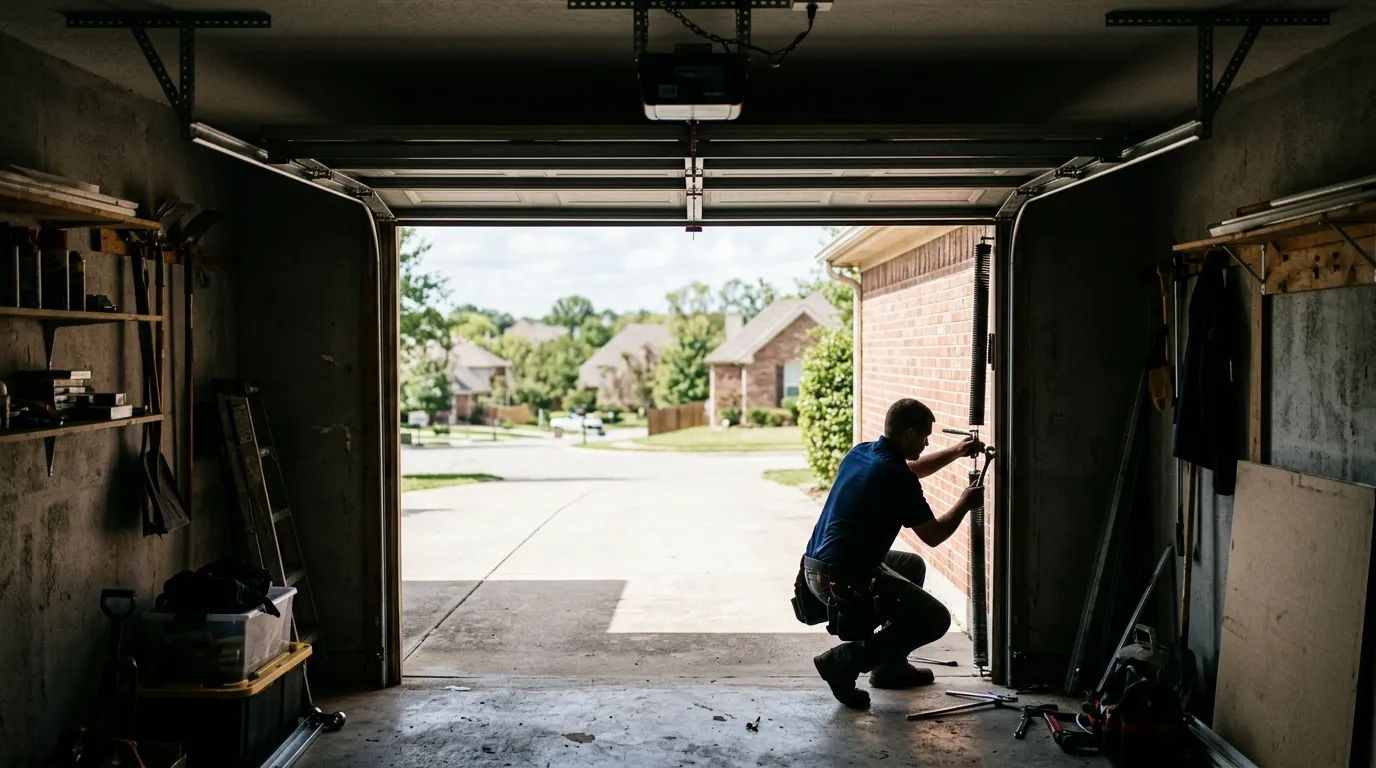
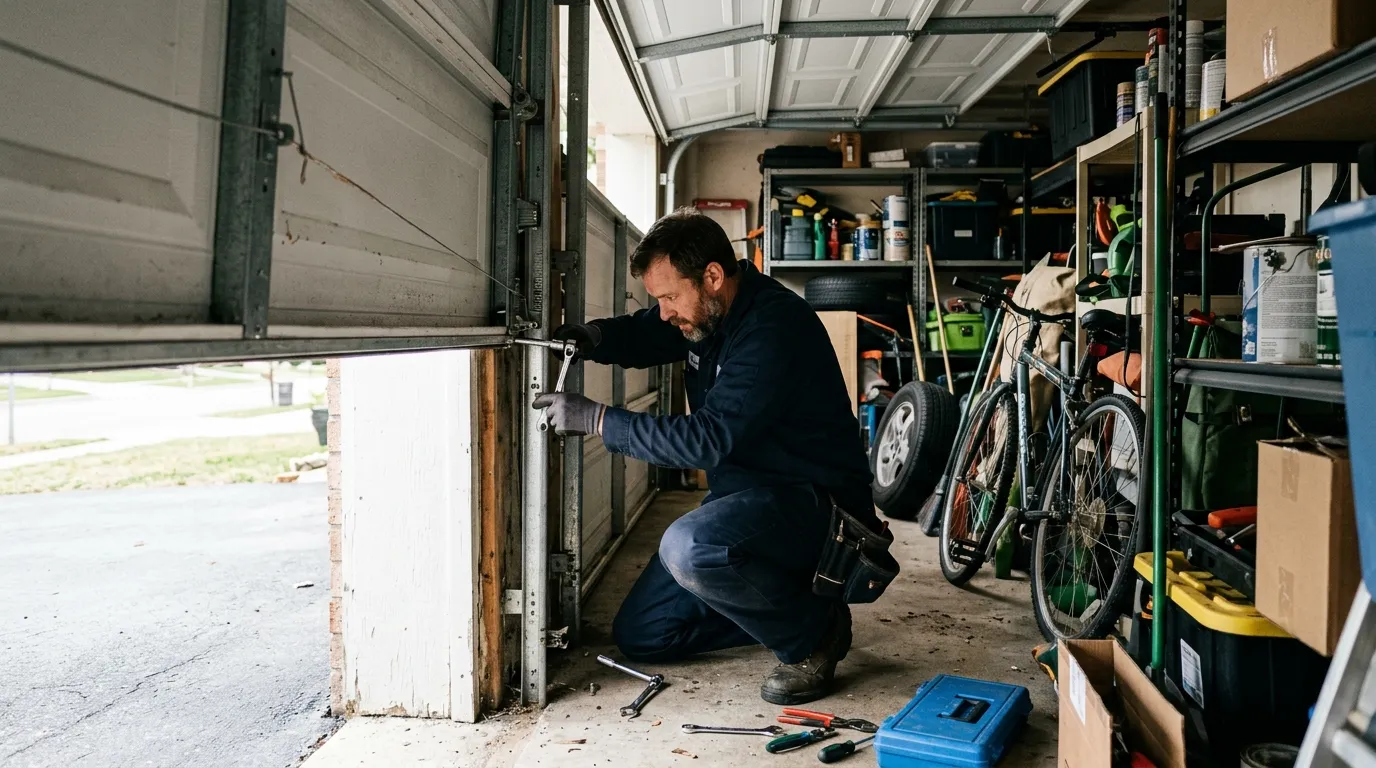
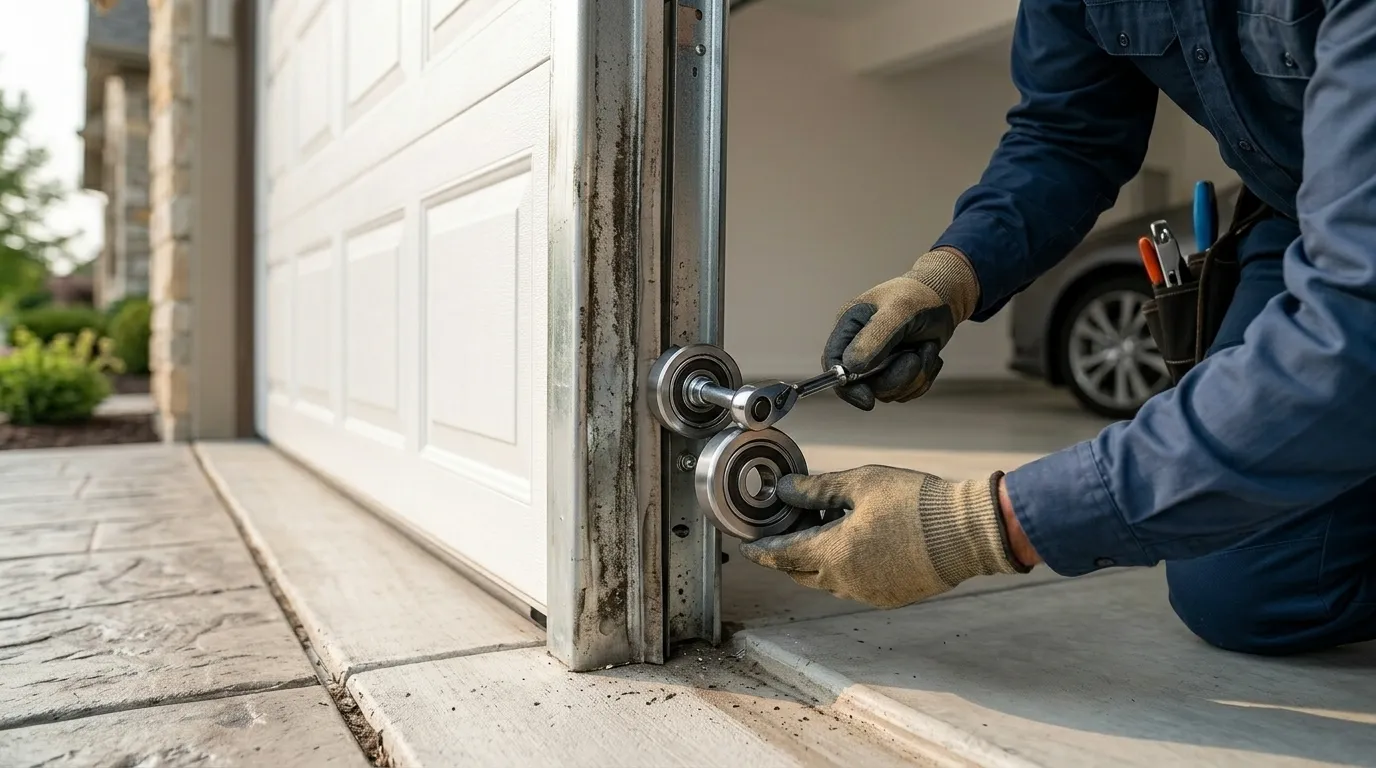
The calls we get from this stretch are mostly opener and spring related: a door that won't open because a torsion spring let go overnight, or an opener that's grinding because the drive gear wore out somewhere in the last decade or two. Broken rollers and off-track doors show up too, especially after a hard freeze when cold-stiffened cables lose a little slack. We don't recommend replacing a whole door just because one spring failed - if the panels and track are sound, a spring and hardware repair usually gets a 1970s-built garage running for years more.