This Area's Housing
Countryside's houses mostly date from around 1975, which puts the neighborhood on the newer end of a service area where the broader housing stock runs from 1938 up through 1994, with a median closer to 1964. That gap matters. A house built in the mid-1970s was framed for a different garage door standard than one built in the late 1940s - wider openings became more common, and steel sectional doors on extension or torsion springs replaced the older single-panel swing-up units you still find in the pre-war pockets of the area. With about 2,729 households in Countryside, you're not looking at a huge or unusual pool of homes, but the ones here tend to share the same door hardware generation, which is actually useful: parts for a 1975-era torsion setup are easier to source than parts for something older. Median household income here runs close to $78,132, a bit under the wider service area's $80,202, which we mention only because it shapes what kind of repair-versus-replace conversation makes sense - a lot of these doors are old enough to have worn rollers and cables but not so old that replacement parts are a guessing game.
What That Means for Doors
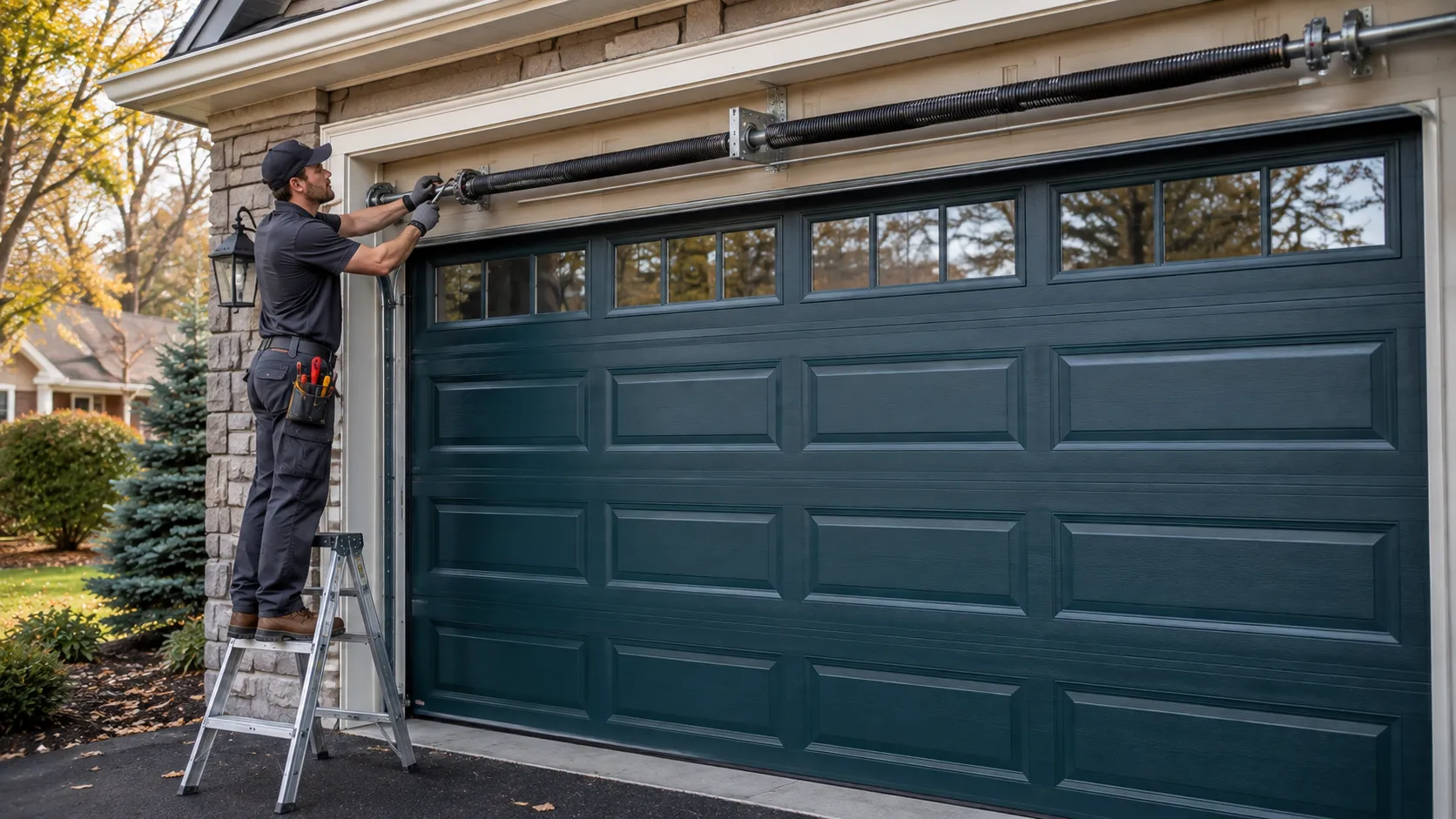
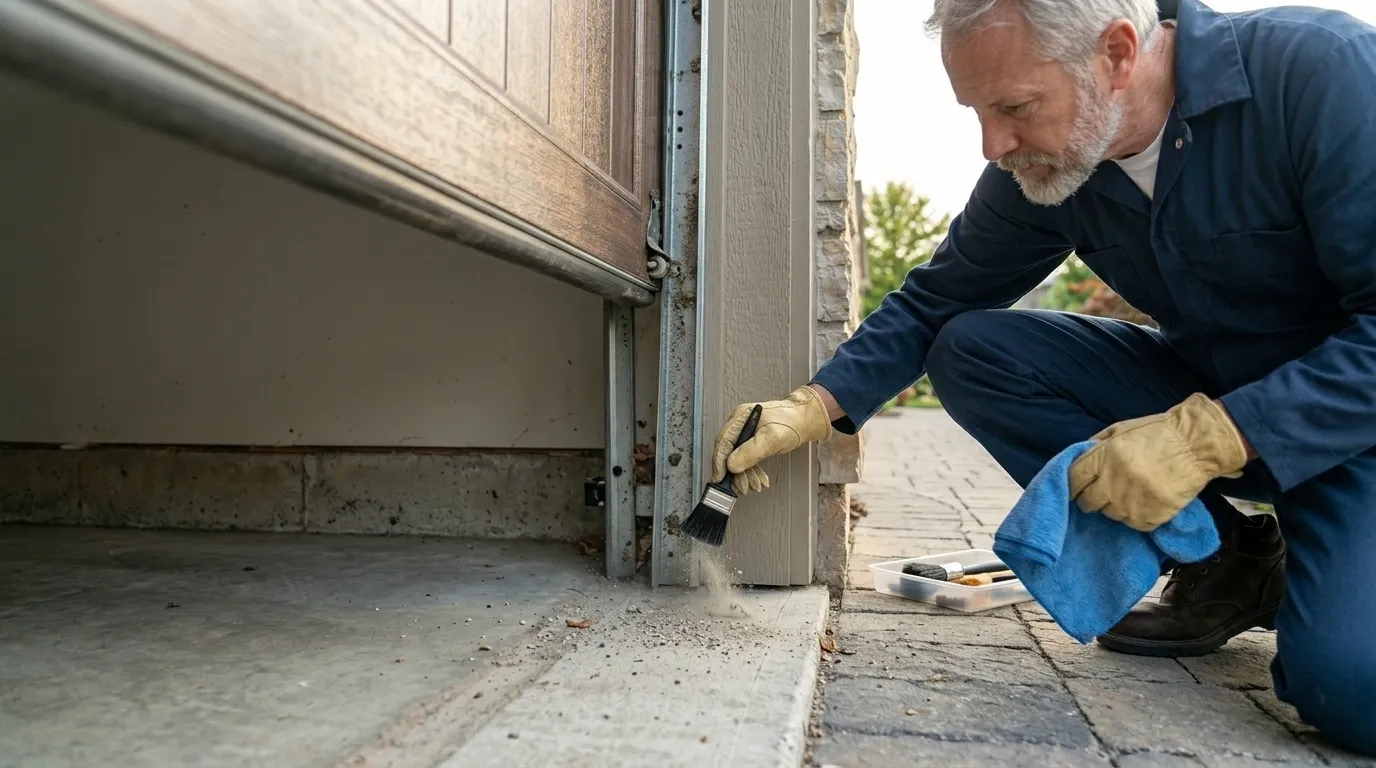
Because so much of Countryside went up around 1975 rather than in the 1948-1961 window that dominates parts of the wider area, you're less likely to be dealing with a heavy one-piece wood door on side-mounted torsion hardware and more likely to have a steel sectional door on a standard overhead torsion spring - a setup that's simpler to service but still fails in predictable ways after decades of cycles. The service area sits in a cold-moderate climate band, and on a door this age, that mostly shows up as brittle weatherstripping, stiff rollers, and springs that lose tension faster once winter cold sets in. We don't stock every spring size on the truck for every visit, so a job on an uncommon door width can mean a return trip once the part's in - that's the honest limitation, not a promise we can always finish same-visit.
What People Here Ring About
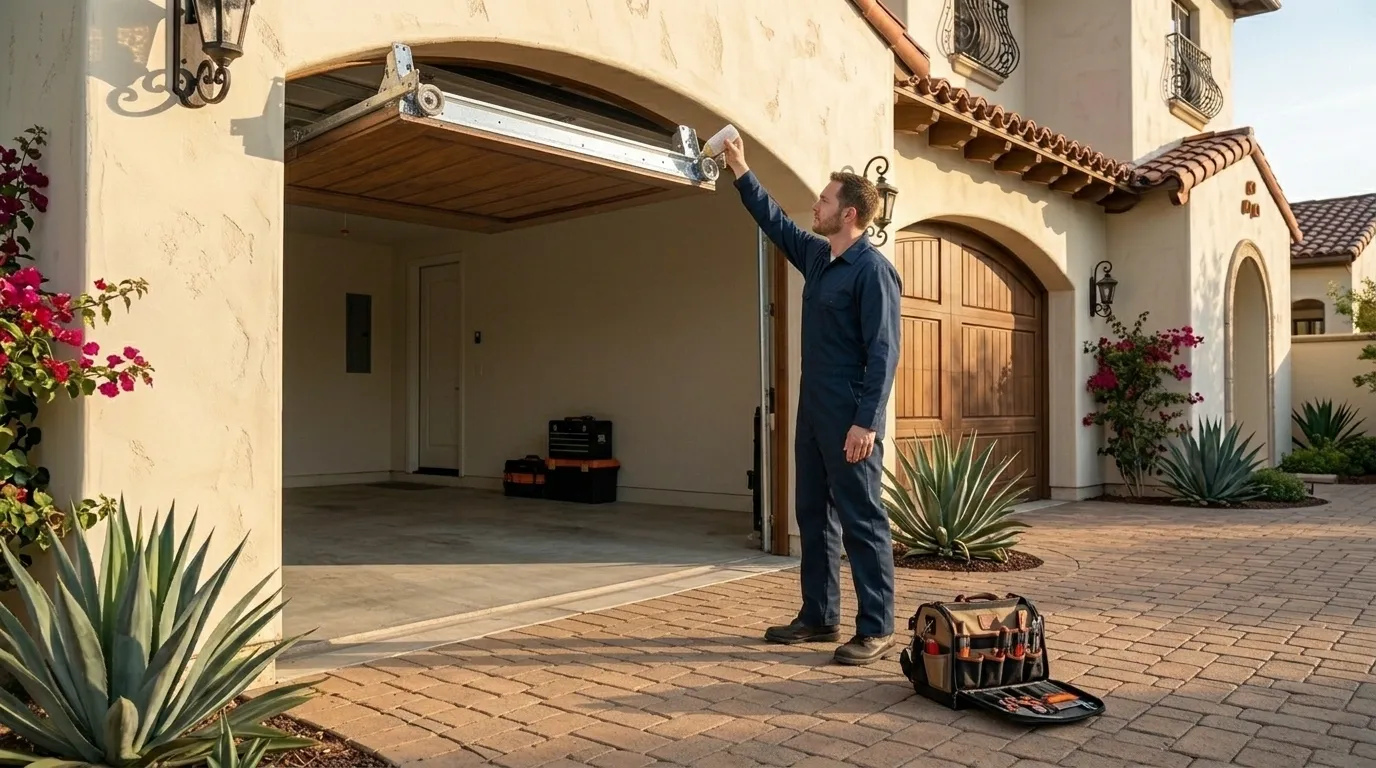
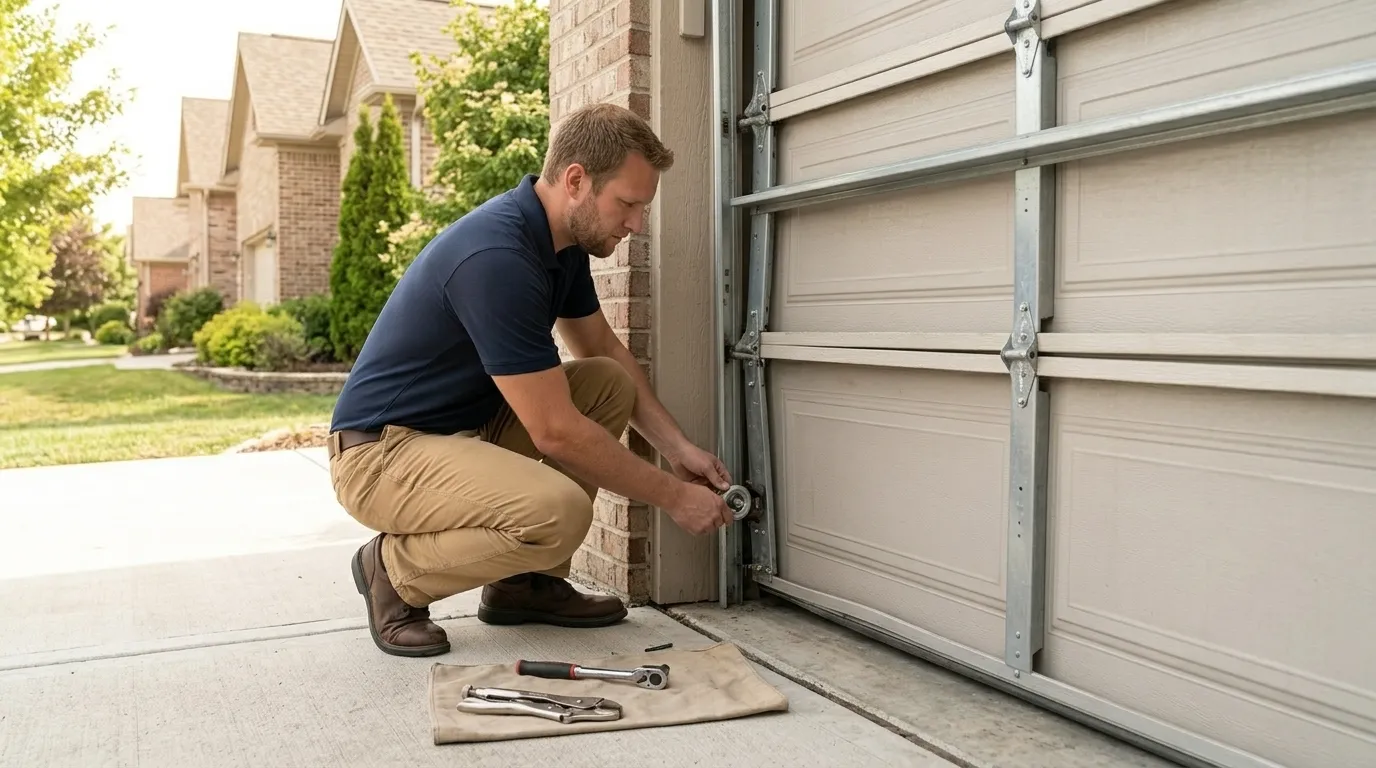
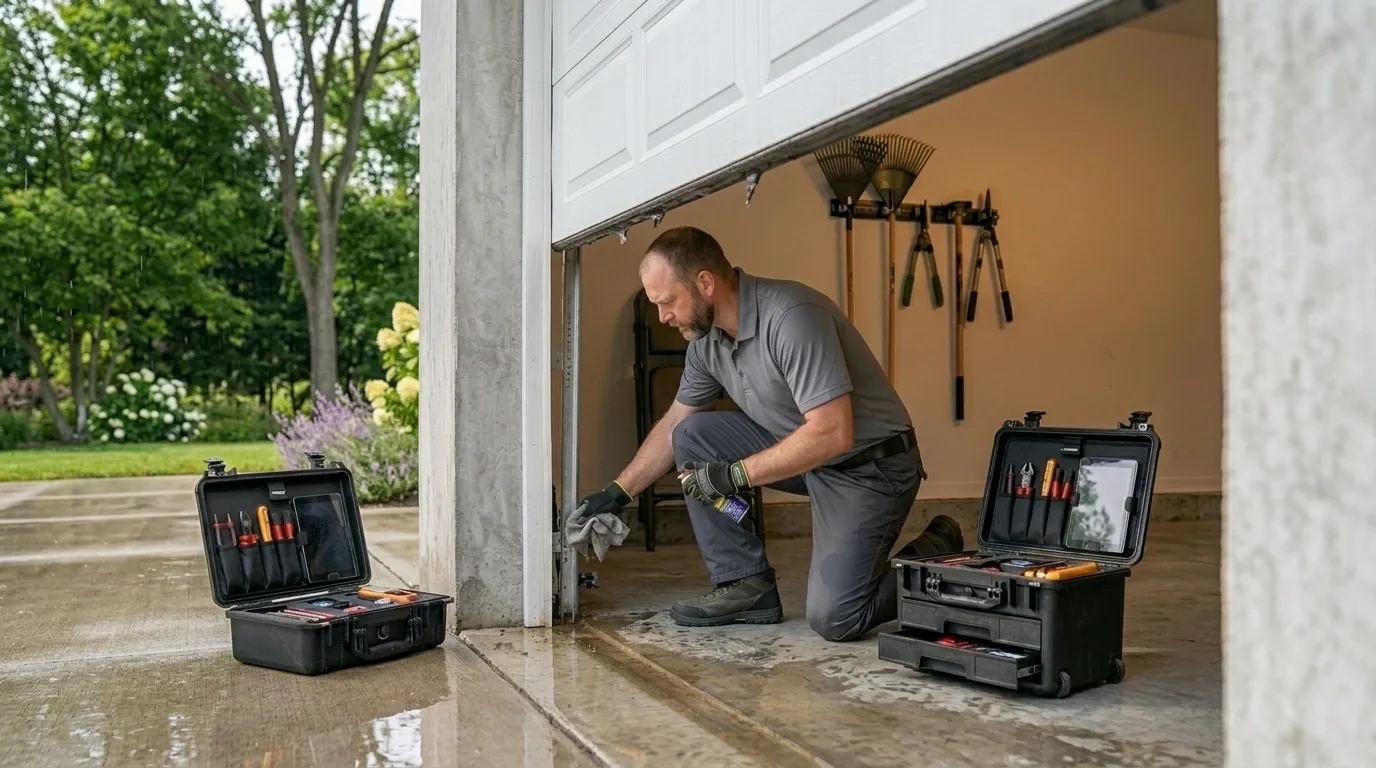
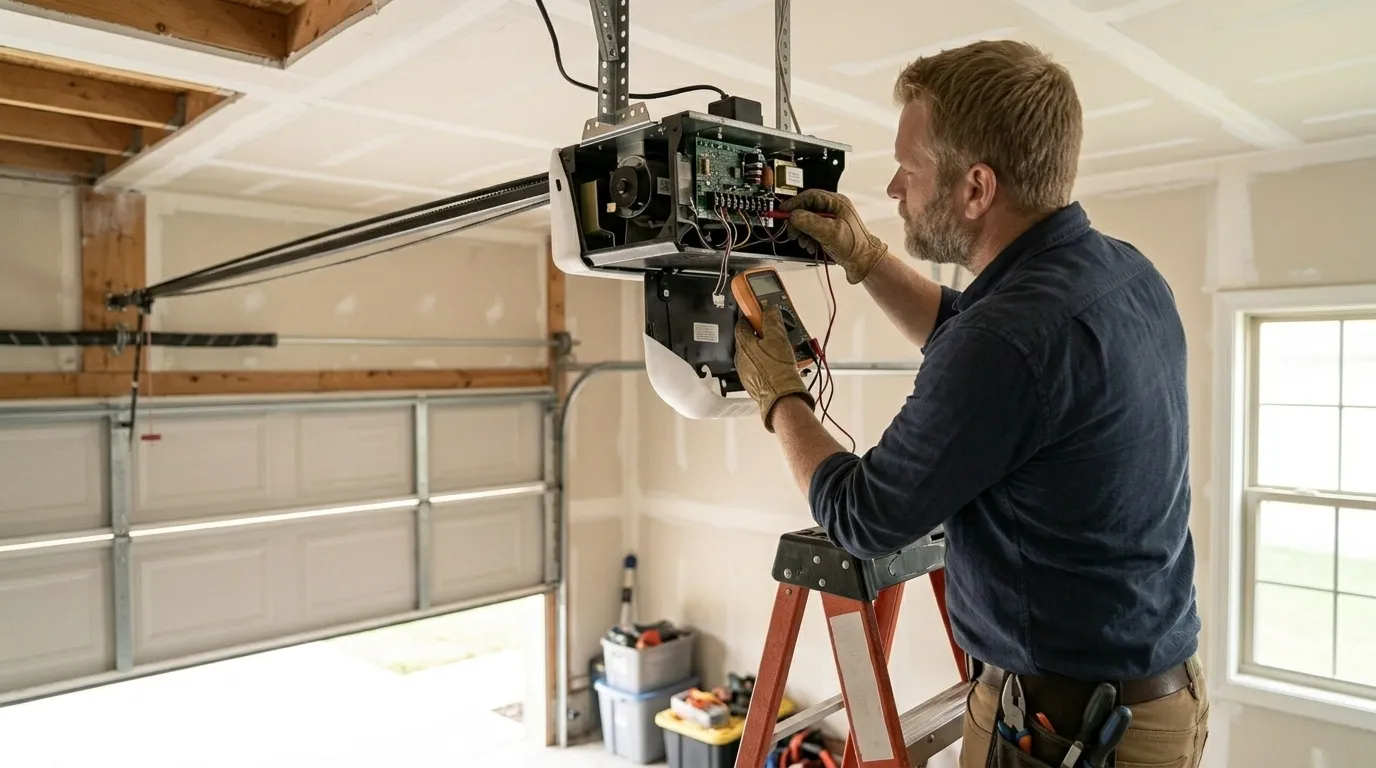
Most calls we get from this stretch are about a spring that's let go on a door from roughly that mid-1970s build era - usually noticed when the opener strains or the door won't lift past a foot off the floor. After that it's worn rollers making noise on the track, and openers original to the house finally giving out after decades of use. We also hear from owners comparing a repair quote against just replacing the door outright, which is a fair question once a door's original hardware starts failing piece by piece rather than all at once. We're not going to talk anyone into a full replacement if a spring and a set of rollers will get another decade out of the door.