This Area's Housing
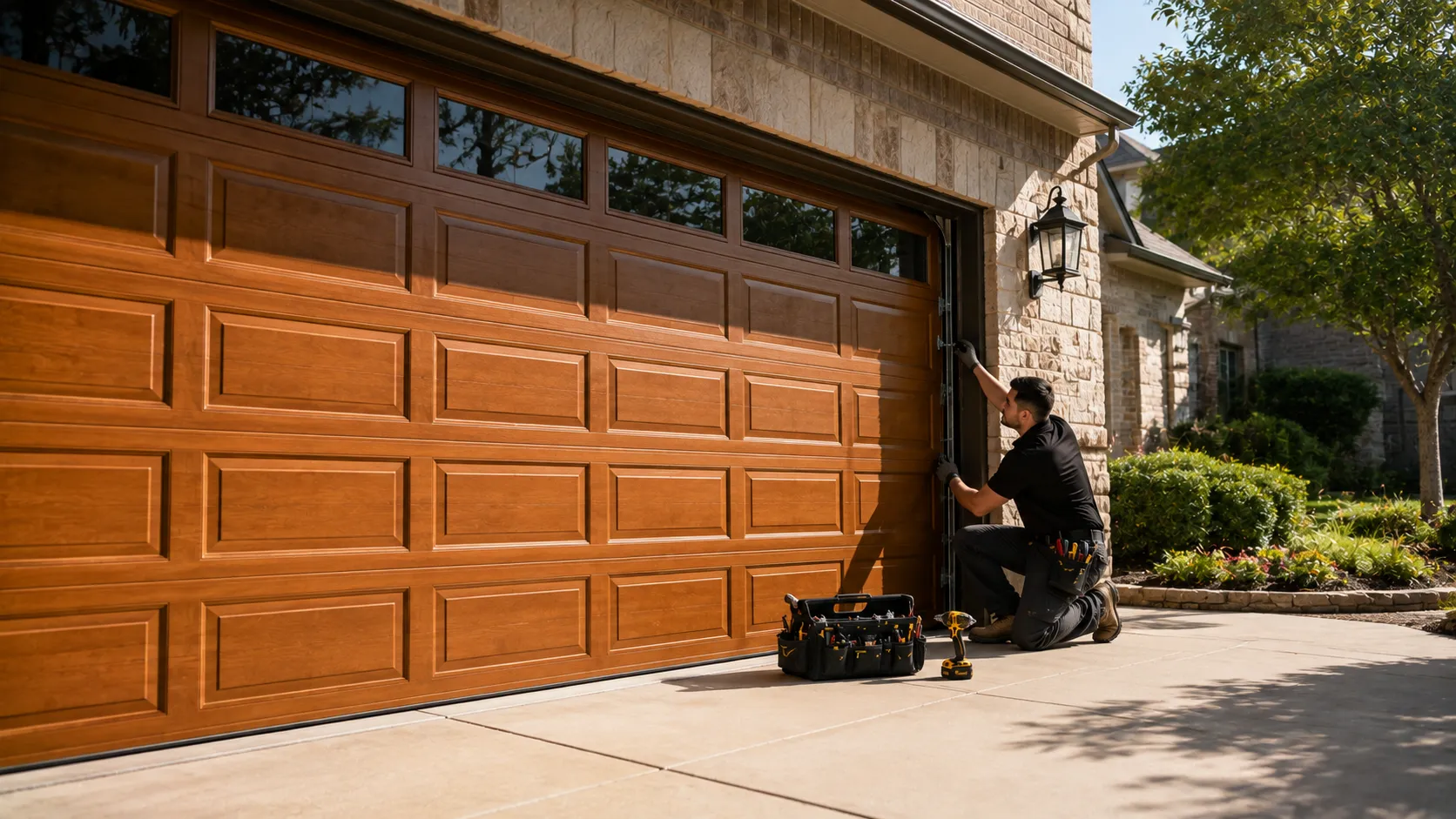
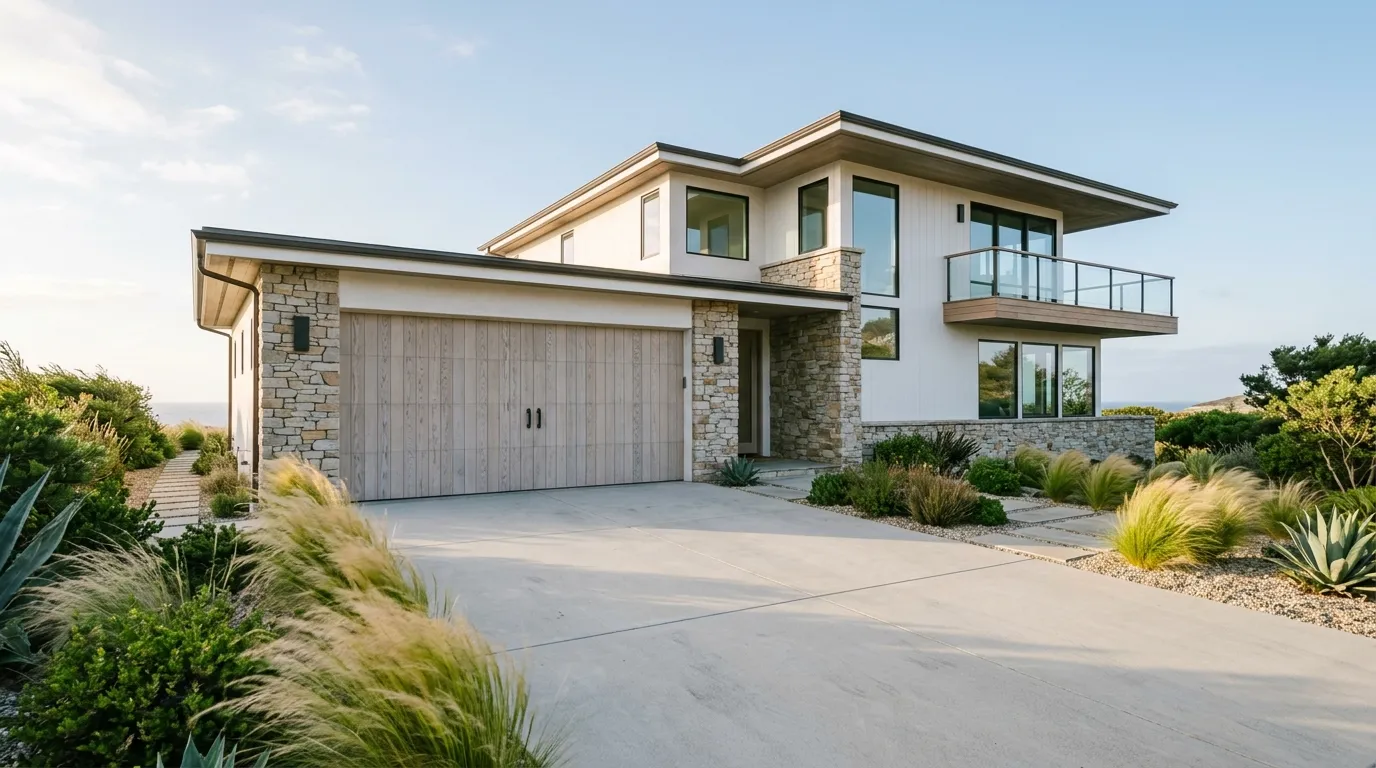
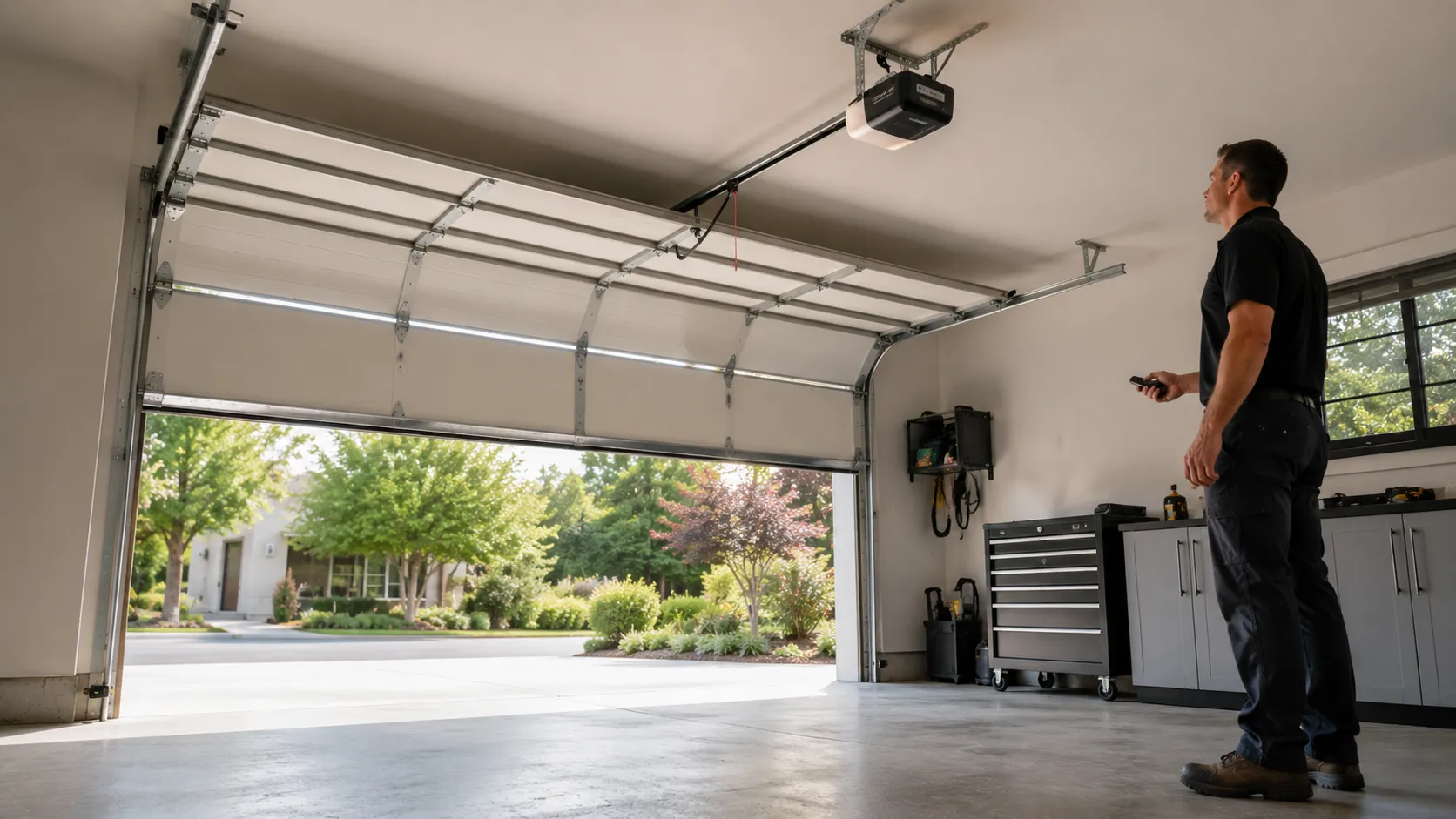
Crestwood's housing stock runs newer than a lot of what we see closer to the city. The median build year here is 1975, well past the 1964 median across our whole coverage area, and later than the 1938-1994 range that spans it. That gap matters for garage doors. Homes going up in the mid-70s got steel sectional doors as standard, not the older wood or one-piece doors you'd find on housing from the 1940s or 50s. Openers here are more likely original chain-drive units or early screw-drive replacements rather than the ancient sectional hardware we deal with on older streets closer to Chicago.
With roughly 5,020 households in Crestwood, most of the building here happened in a fairly tight window, so a lot of garage doors and their tracks are the same generation. That means when one door on a block starts having roller or hinge trouble from age, the identical model two doors down is usually not far behind. We see this pattern most on doors that have never had the torsion springs replaced since the house was built, which by now is coming up on 50 years on the original springs in some cases.
What That Means for Doors
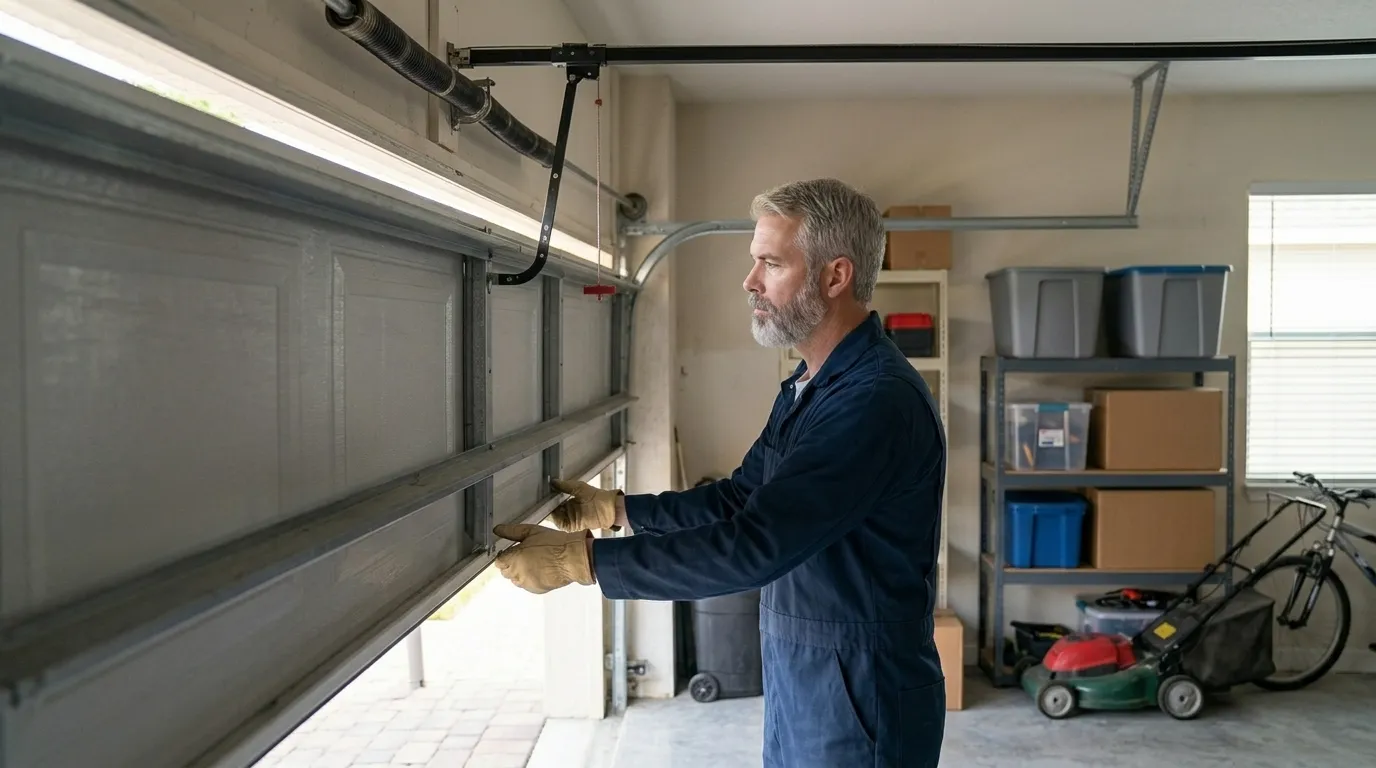
A door installed around 1975 is old enough now that the torsion spring has likely been cycled tens of thousands of times, even on a garage that only sees two openings a day. Springs rated for a certain number of cycles don't last forever regardless of how gently they're used, and a lot of Crestwood garages are due, or overdue, for a spring swap on hardware that's never been touched since the house was framed.
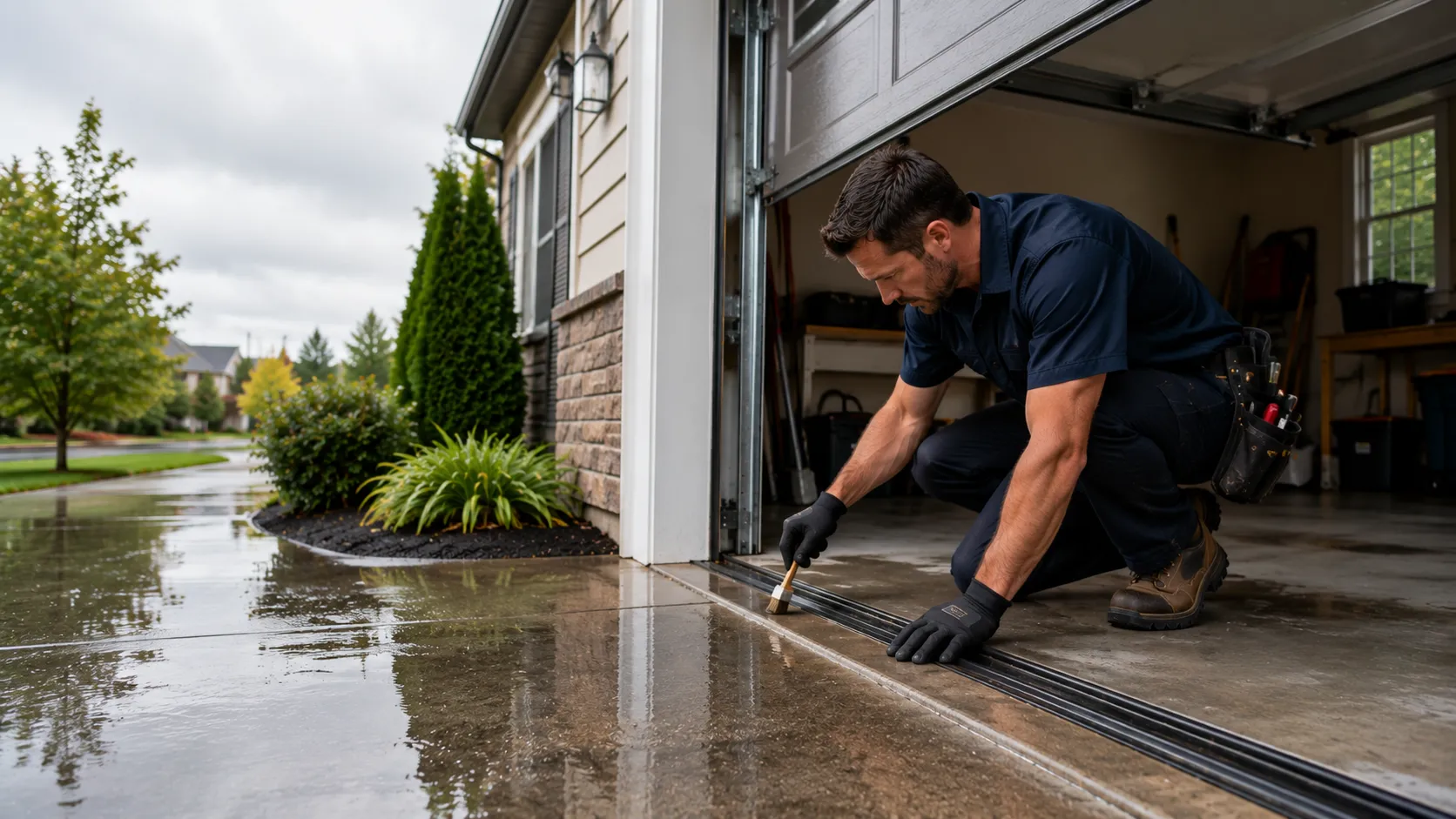
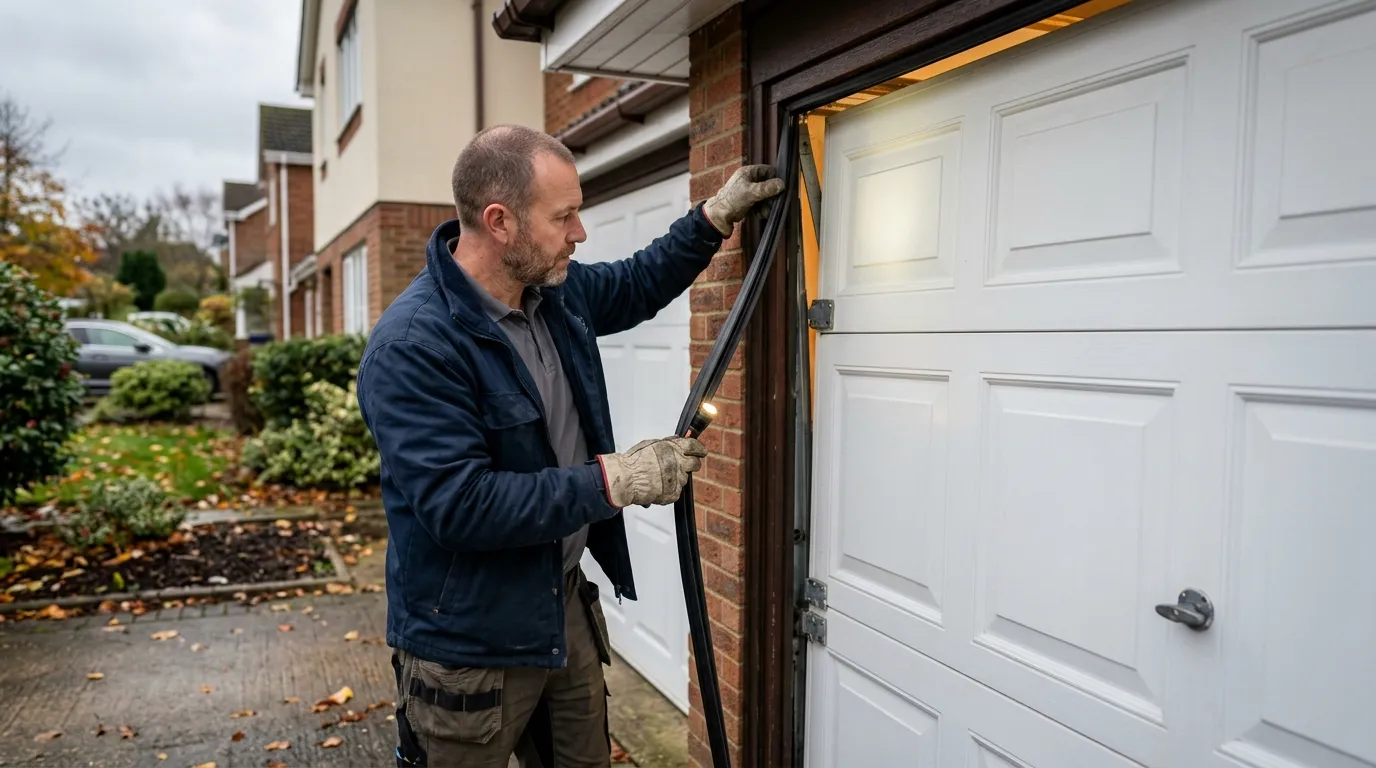
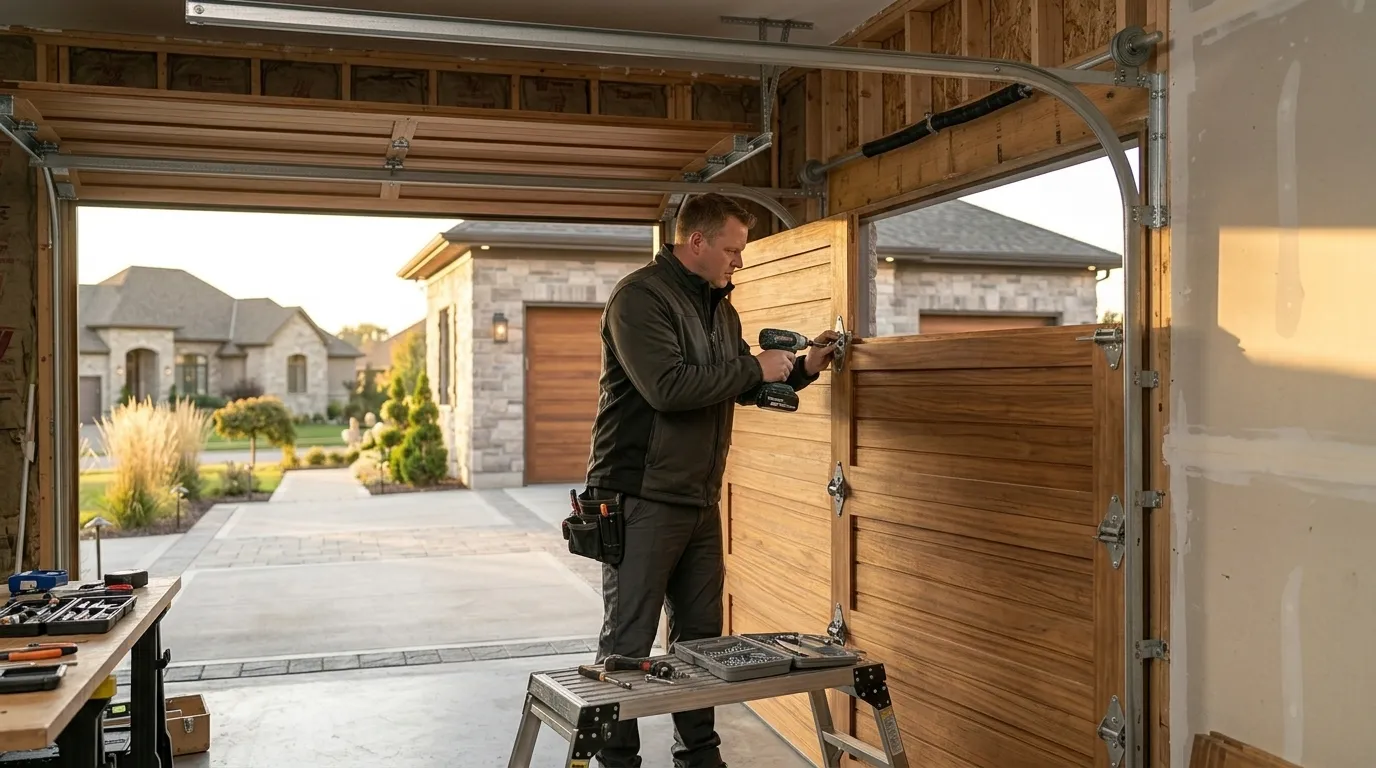
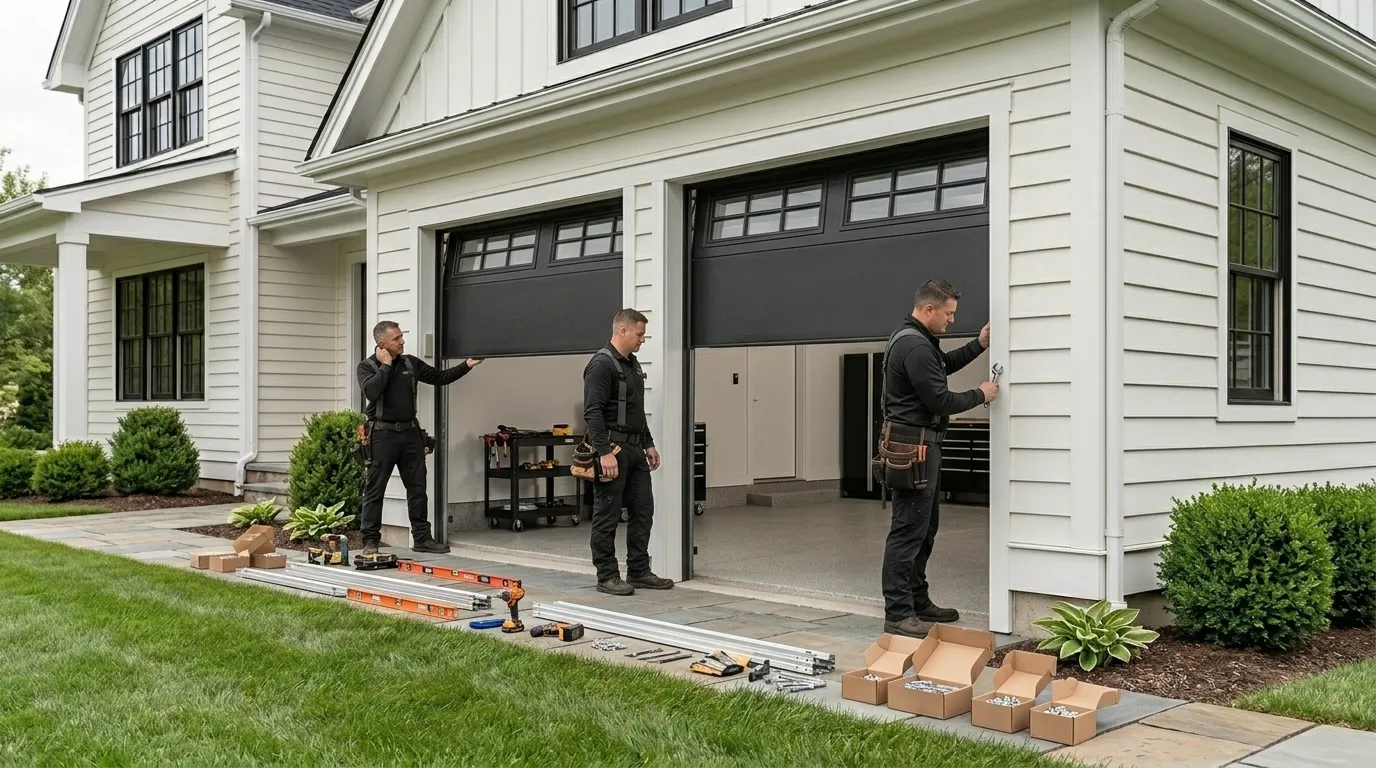
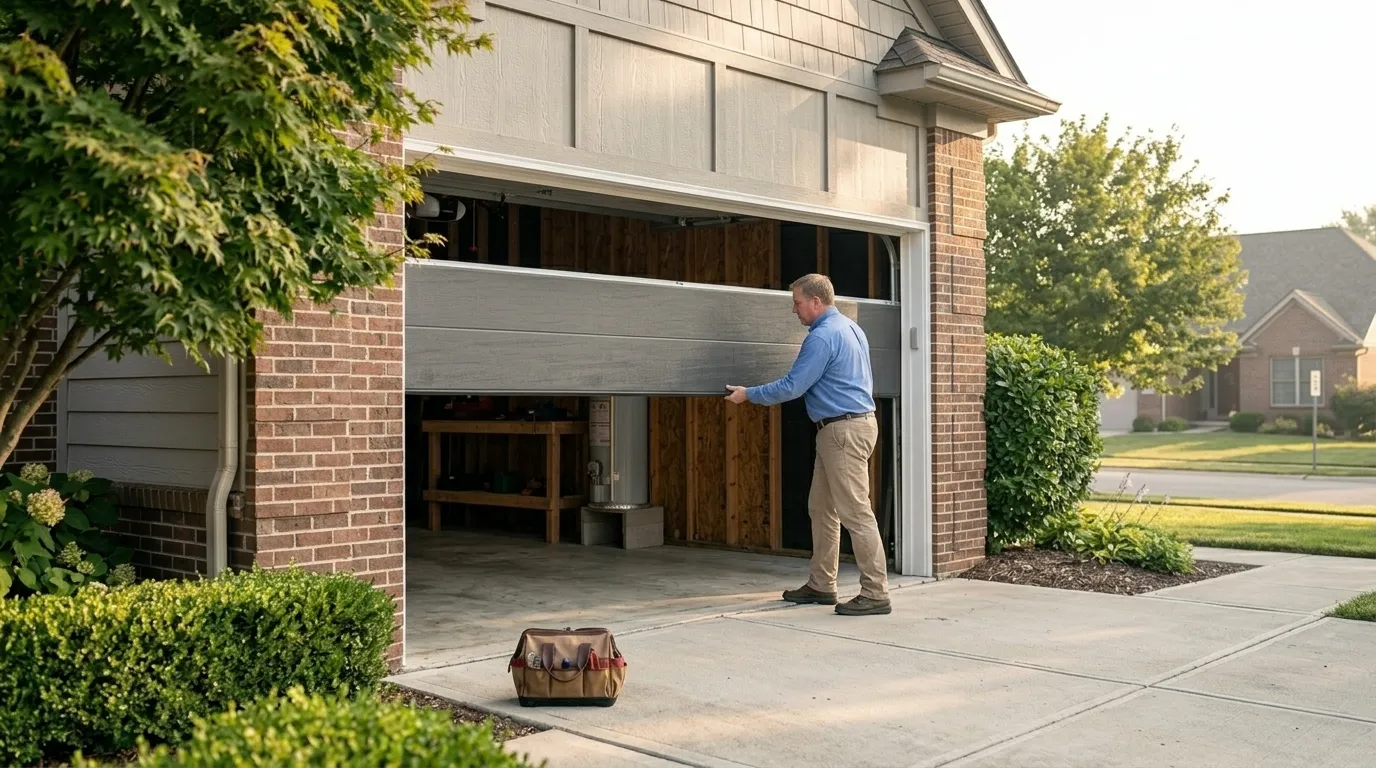
The area sits in a cold climate band with real winter swings, and steel doors from this era typically weren't built with the thicker insulation or weatherstripping standards you'd spec today. Cold makes springs more brittle and lubricant thicker, which is part of why winter is when a lot of these original-era doors finally let go. We're not going to tell you every door from 1975 needs full replacement - plenty of the steel sectional doors from that period are solid and just need new springs, rollers, and a fresh coat of weatherstripping. But if the door has already been patched more than once, replacement usually costs less over time than another one-off repair on hardware that's near 50 years old.
What People Here Ring About
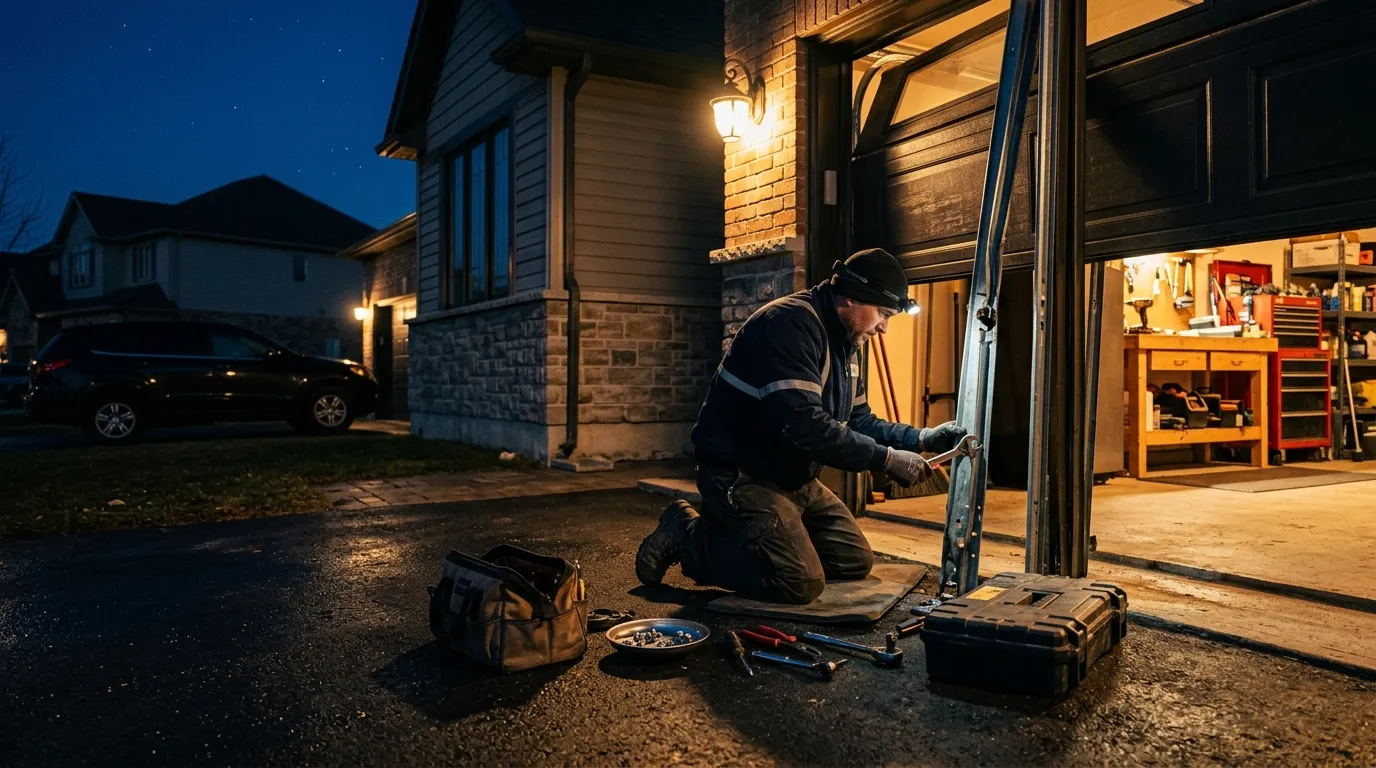
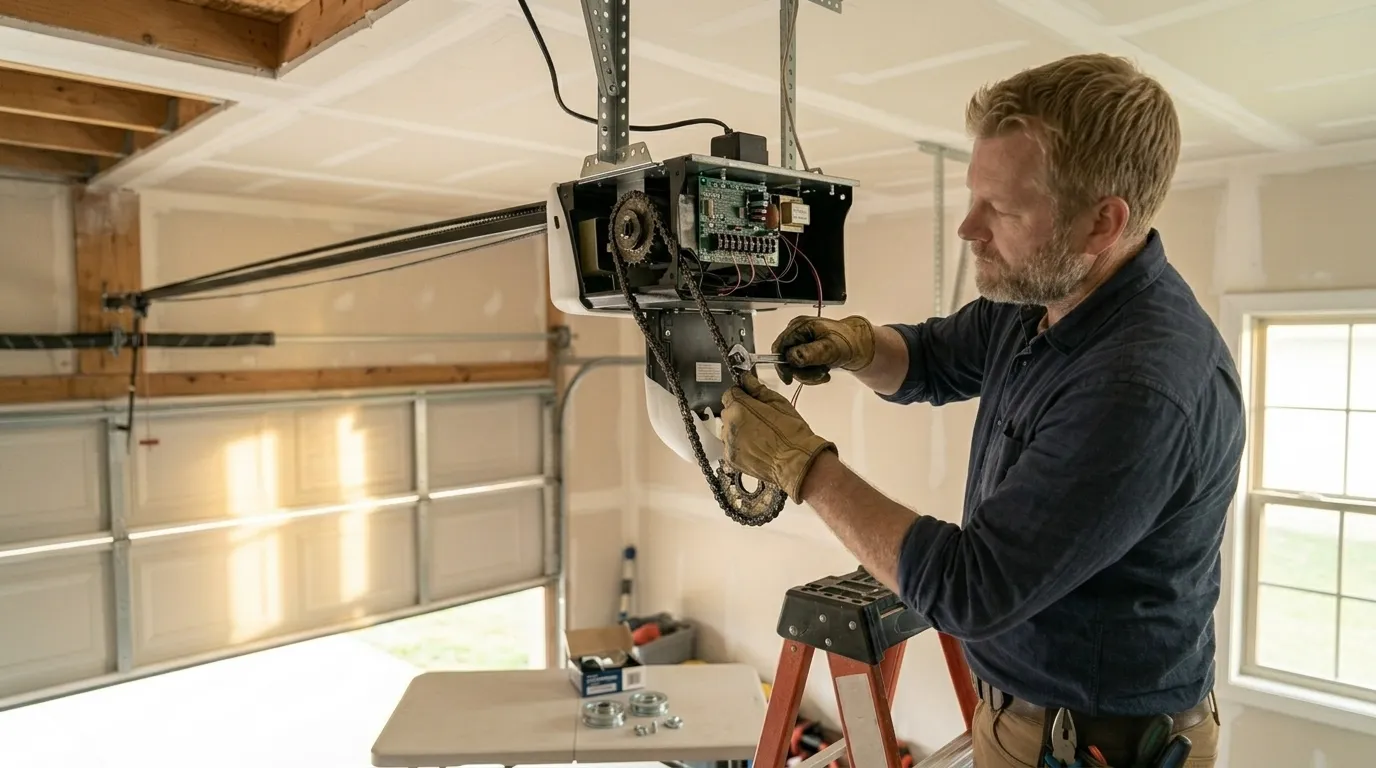
The calls we get from Crestwood cluster around a few things tied to that 1975-era housing: a torsion spring finally snapping, usually noticed as a door that won't budge or one that slams down fast when the opener tries to lift it. Second most common is an opener from that same generation grinding, humming, or tripping the breaker - these units are well past any reasonable service life even if they still limp along most days.
We also hear from owners whose track has bent or whose rollers are shot after decades of the same steel wheels running in the same channel. With median household income here at $68,686, a lot of folks want to know upfront whether a repair or a full door replacement makes more sense, and that's a fair question to ask before any work starts, not after.