This Area's Housing
Darien's housing centers on 1978, which puts it a solid generation ahead of the older housing that makes up much of this company's wider territory - where the median build year runs closer to 1964 and stock mostly dates from the 1930s through the 90s. That gap matters more than it sounds. A house built in the late 1970s went up with different door hardware, different framing tolerances, and often a different garage layout than a house from the 1950s.
Darien has about 8,830 households, a small piece of the 461,017 households across the full service area. Median household income here runs $109,354, well above the area-wide figure of $80,202. That income level tends to show up in the calls this company gets - more requests for insulated steel doors and quieter belt-drive openers, fewer bare-minimum patch jobs just to get a door moving again.
What That Means for Doors
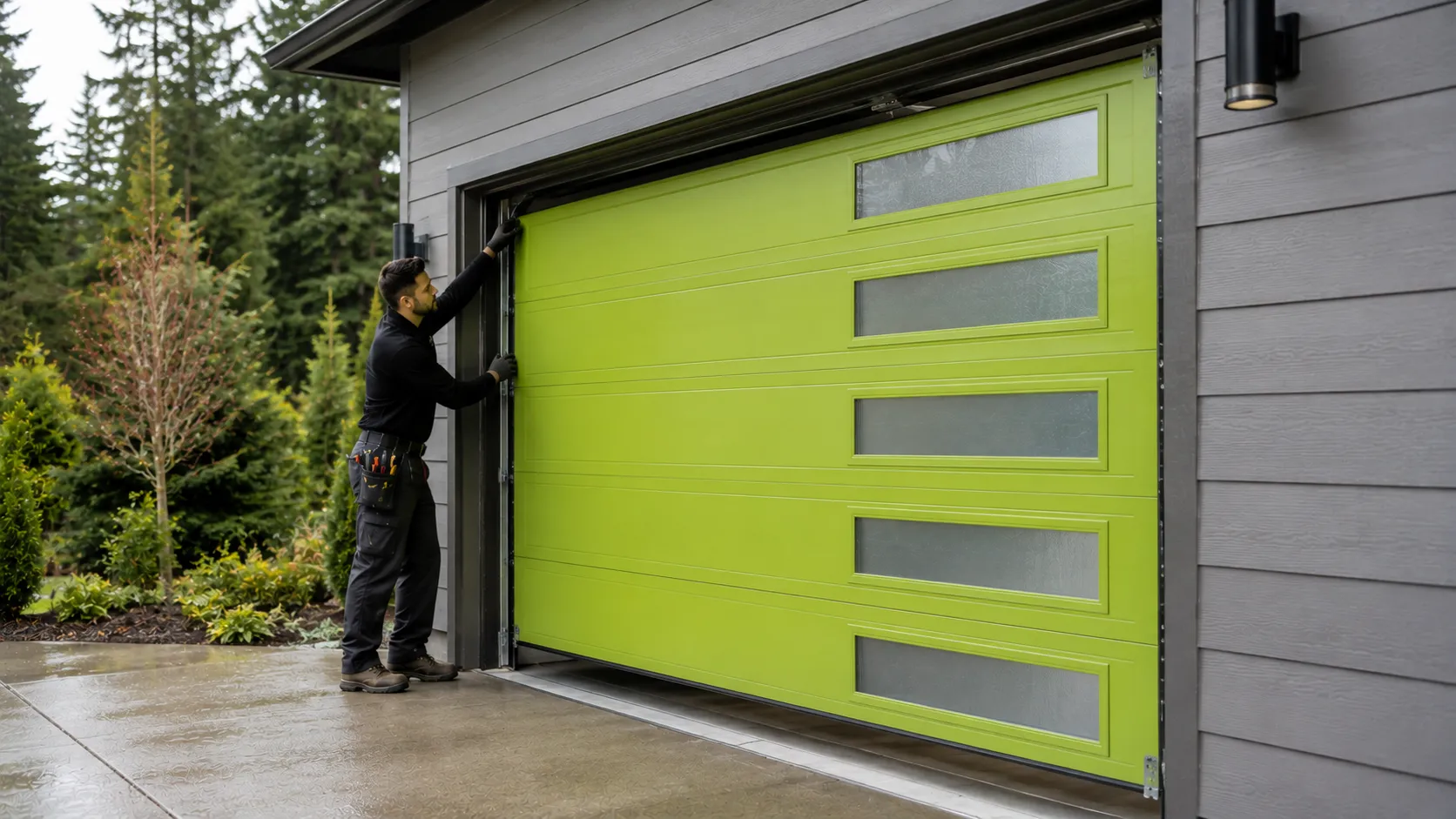
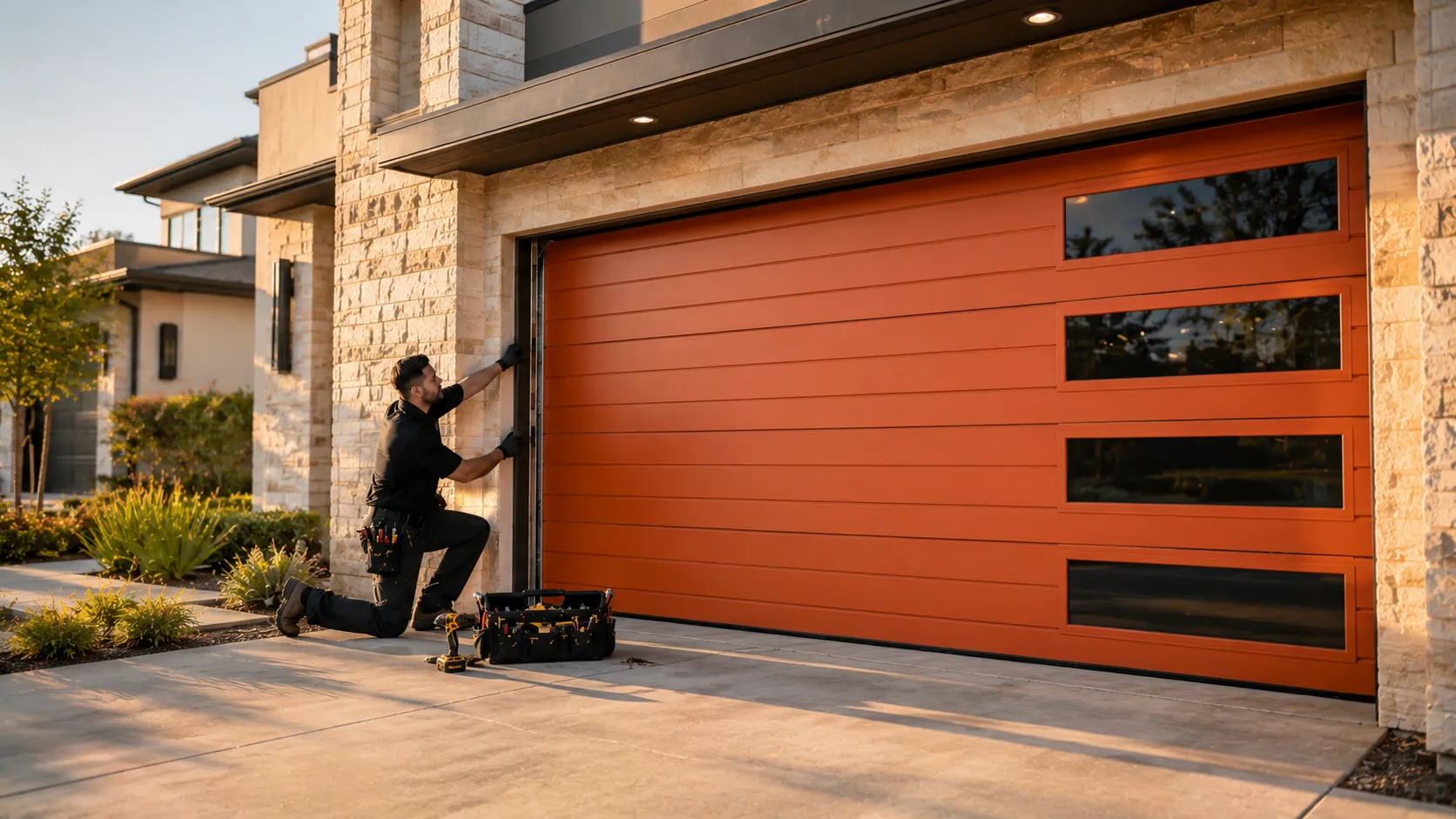
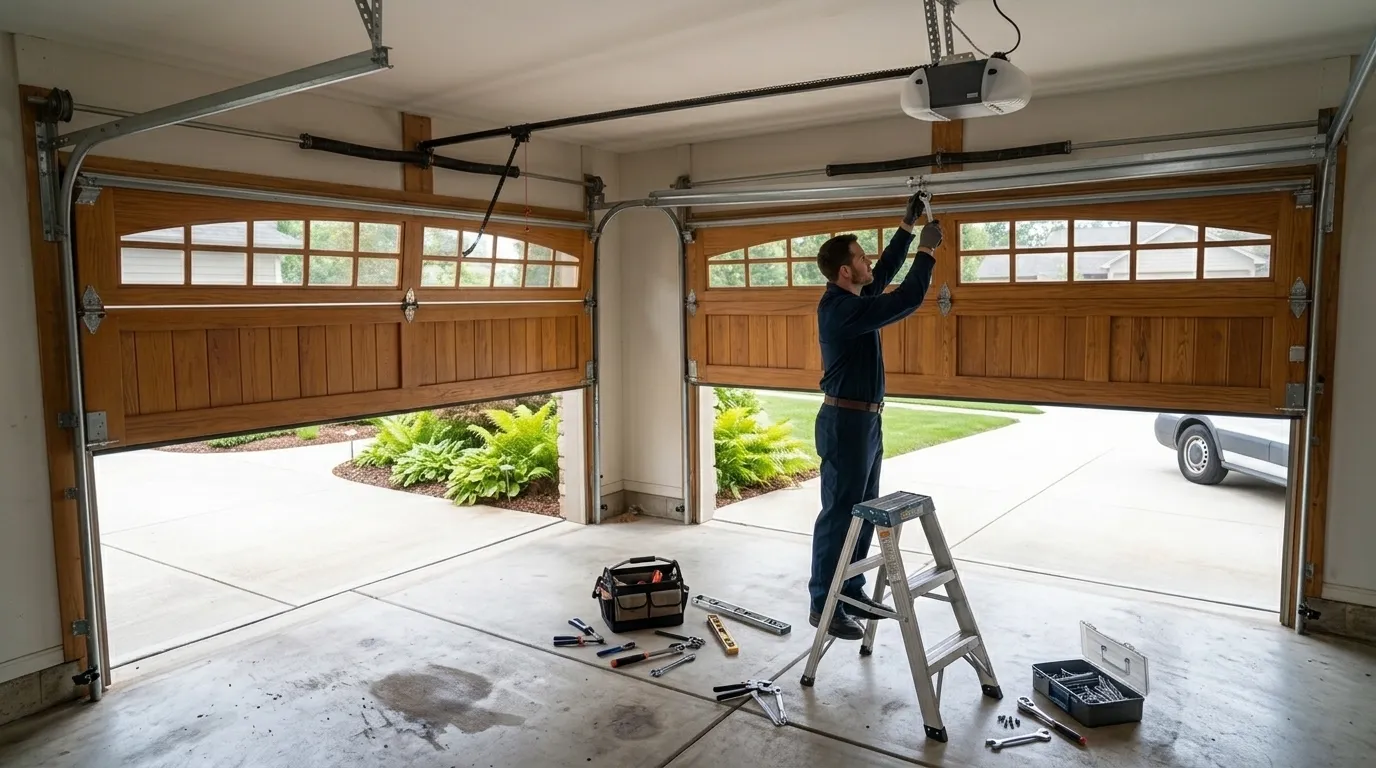
A garage built during Darien's late-1970s boom usually came with a lighter steel or aluminum panel door and, more often than not, an extension-spring system running along the horizontal tracks rather than a torsion spring mounted above the opening. That's a real difference from the one-piece doors and side-mounted torsion setups common on the older side of this company's territory, where houses date back to the 1930s through 60s.
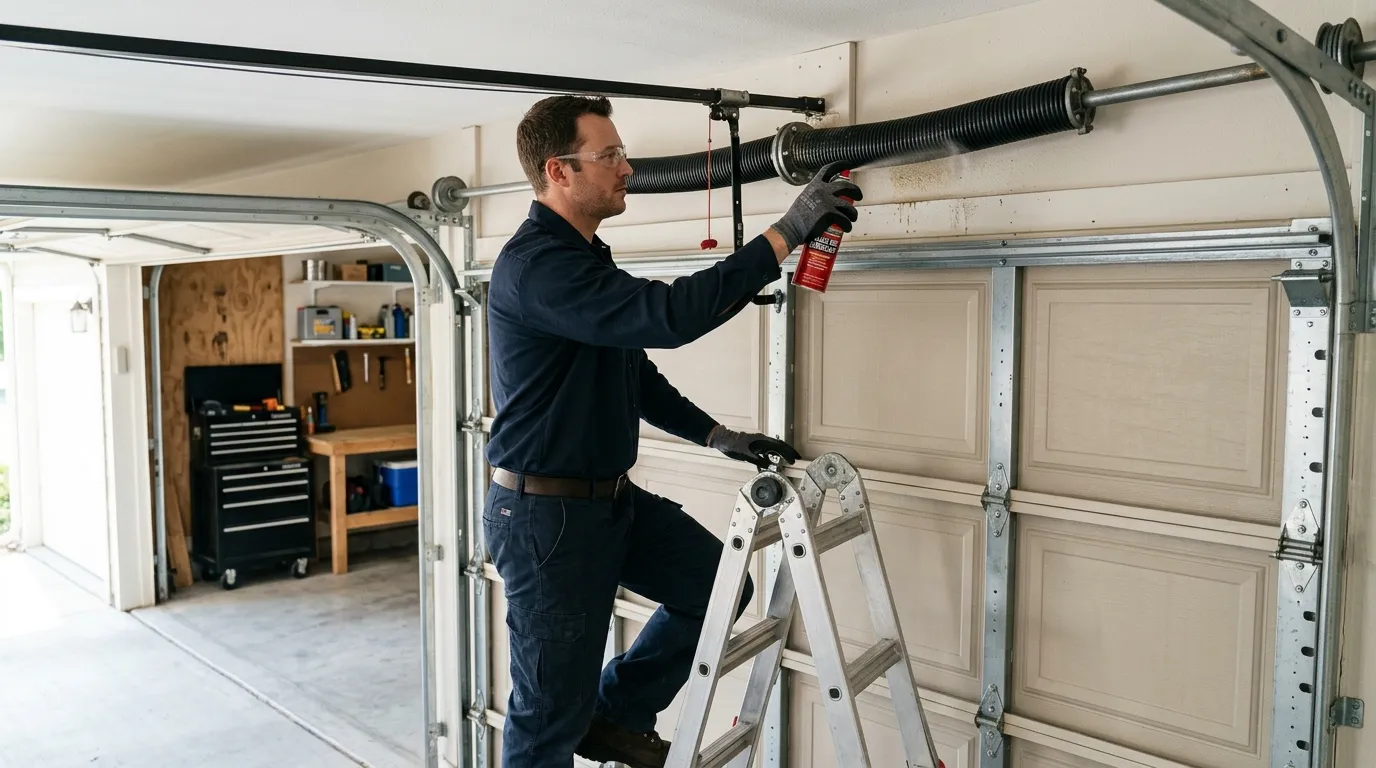
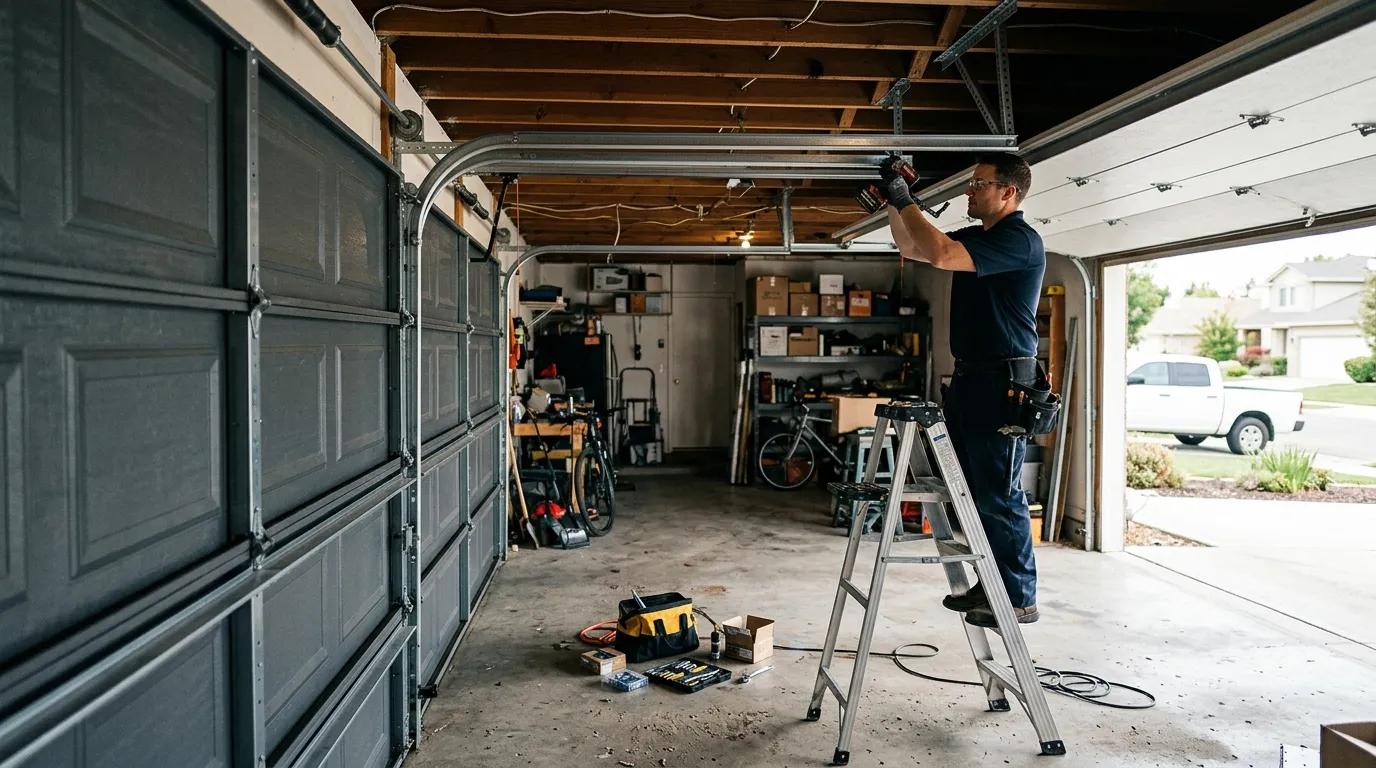
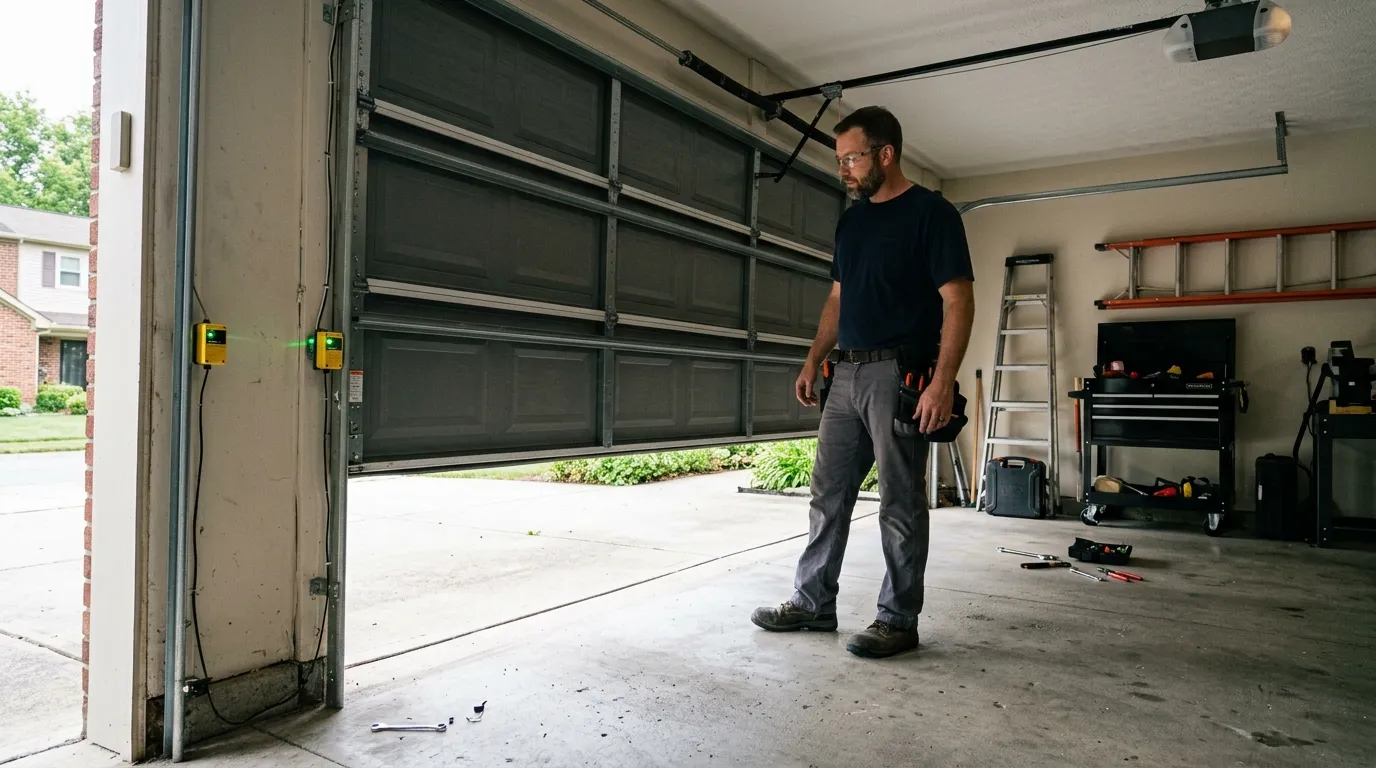
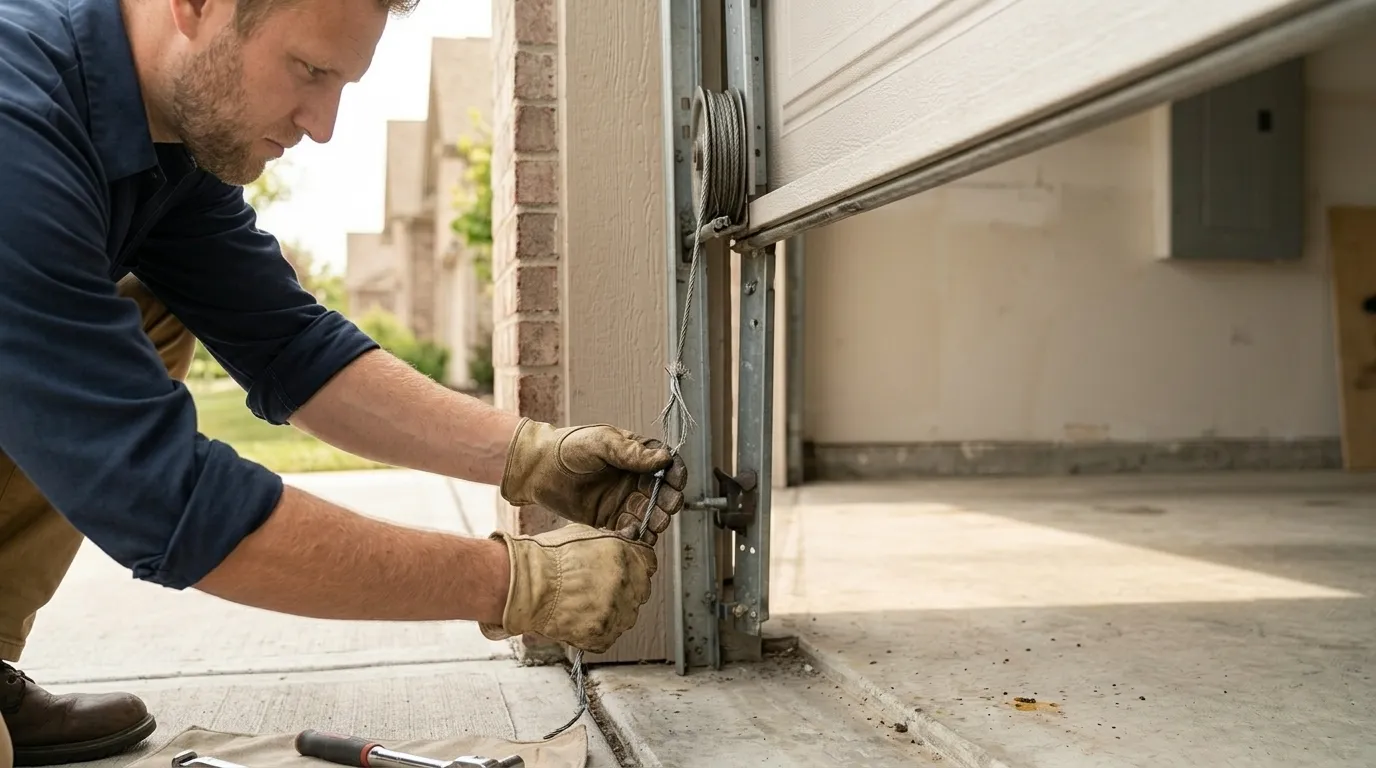
Extension springs from that era wear differently - they stretch and sag rather than fatigue and snap the way torsion springs do, and the safety cables meant to contain a broken extension spring are often missing entirely on doors that have never been touched since installation. Openers from the late 70s and 80s, if original, are long past any reasonable service life and usually lack modern safety reversal sensors.
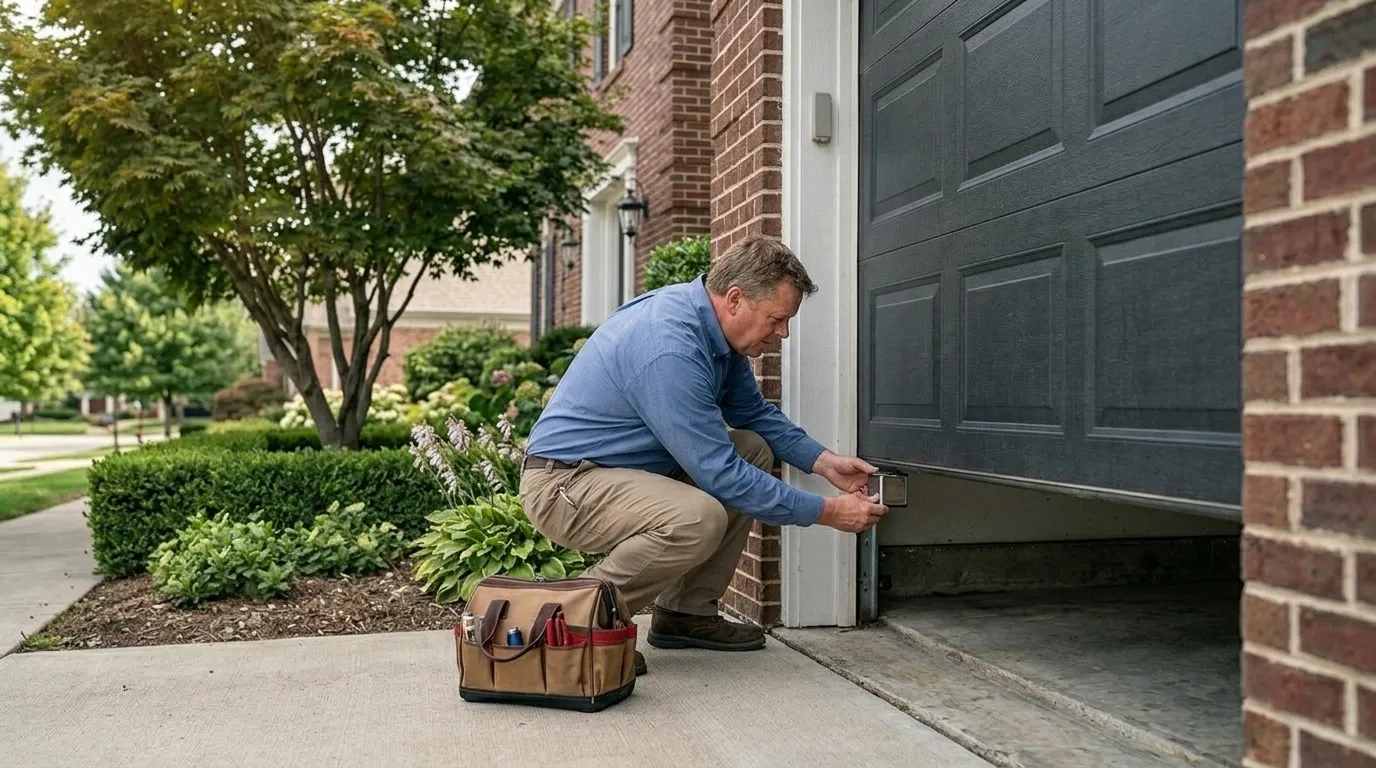
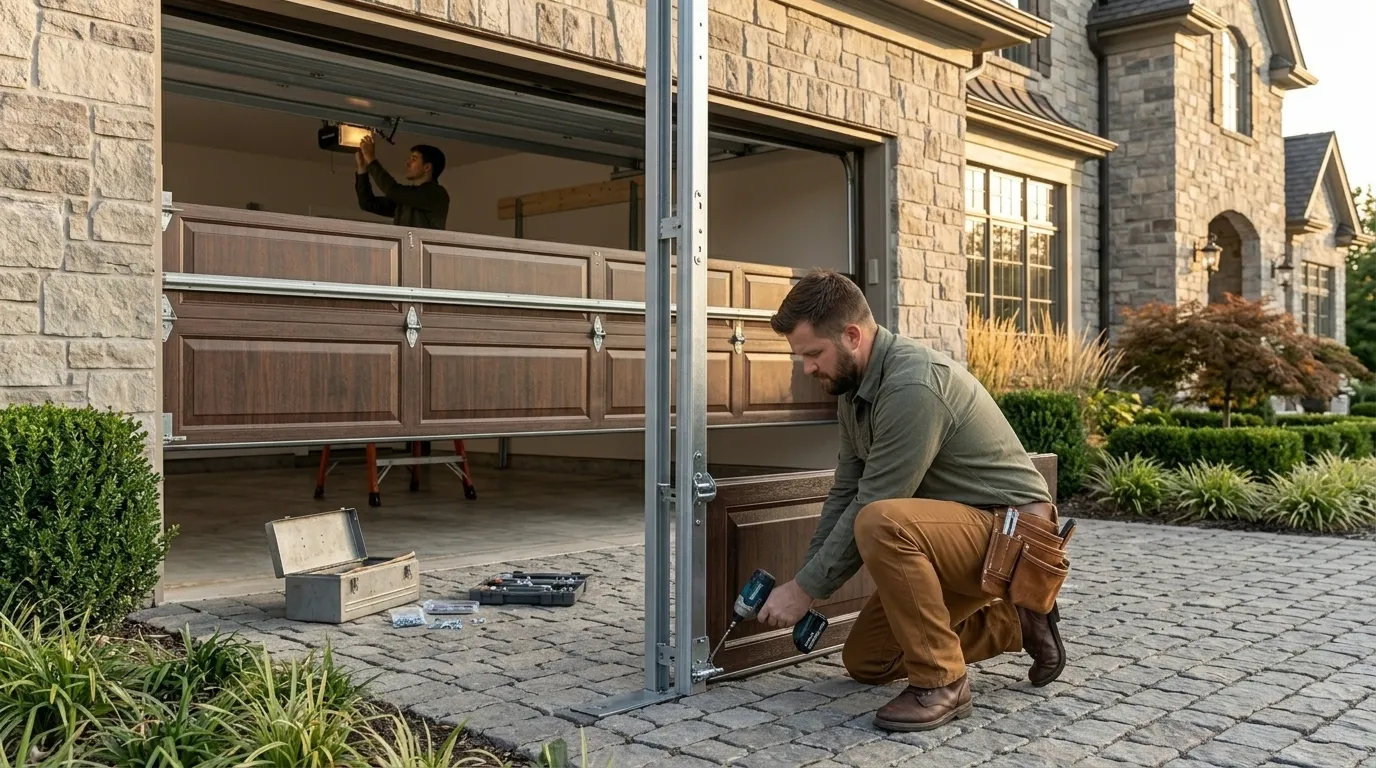
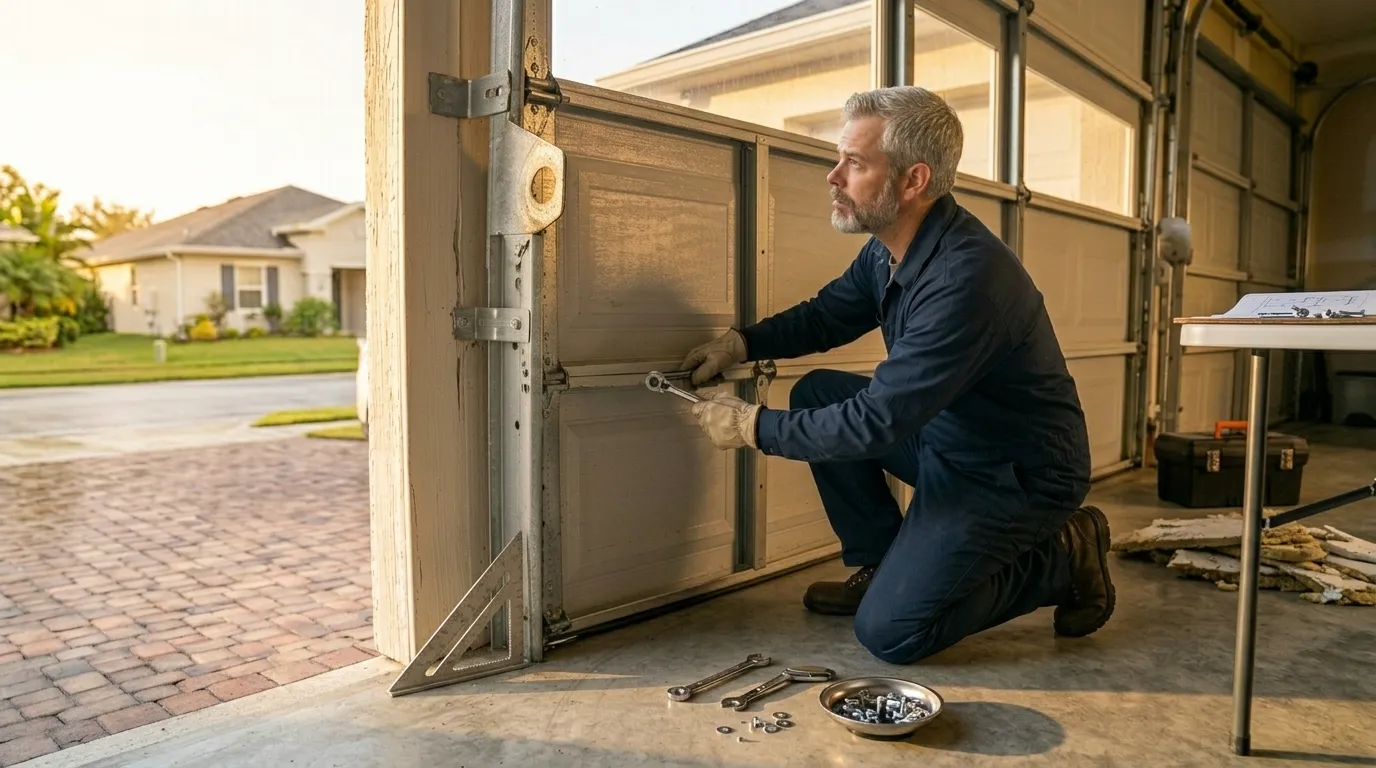
One limitation worth saying plainly: if a door's track geometry or framing has shifted with age, a same-day spring swap sometimes isn't the right call - replacing the door is. This company will say so rather than force a patch onto hardware that's due for retirement.
What People Here Ring About
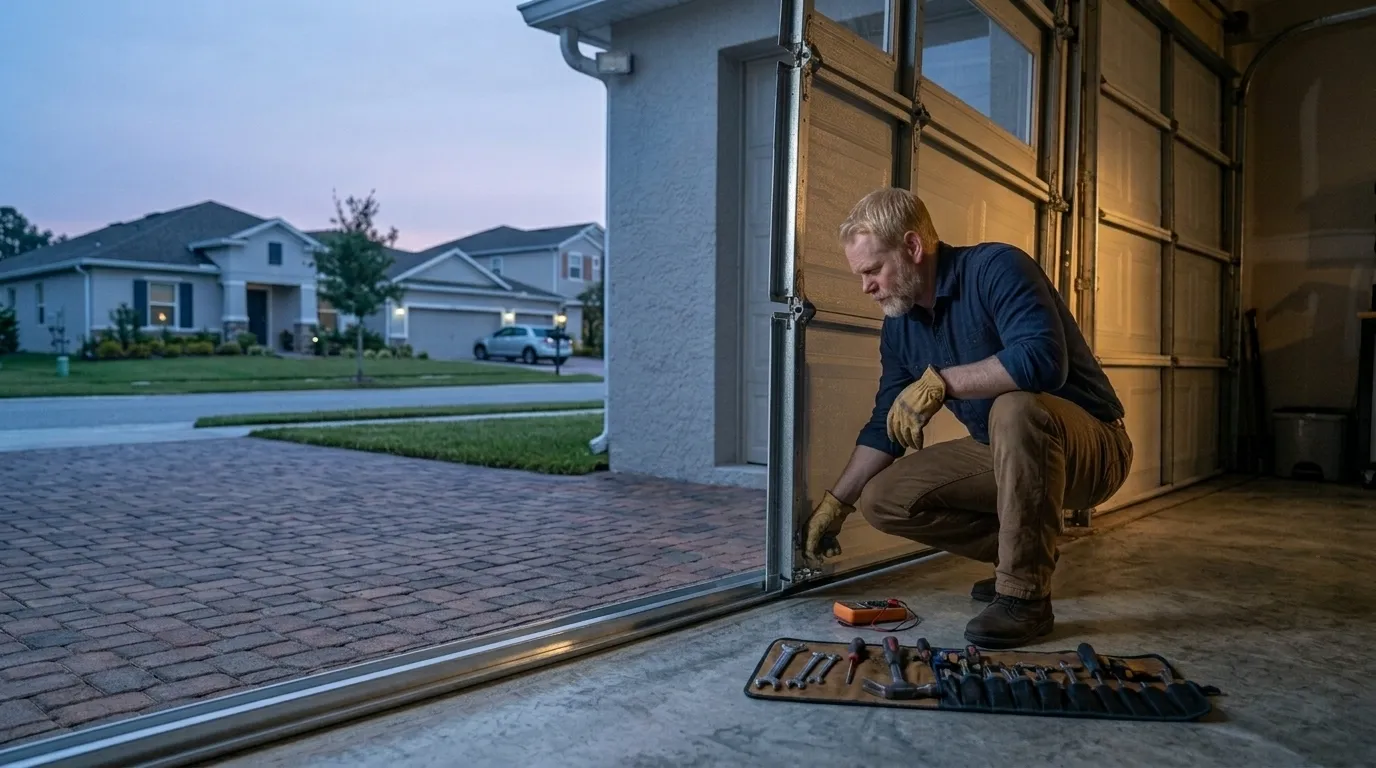
Calls from Darien tend to run toward opener failures and worn extension-spring hardware rather than the broken torsion springs and rusted rollers typical of older 1960s stock elsewhere in the territory. Panels here are more often dented aluminum than rusted steel, since aluminum was a common choice on doors installed during the area's late-70s building years.
Given the median income here sits at $109,354, a fair share of calls are homeowners asking about full replacement with insulated steel doors rather than a bare repair - upgrading both the look and the R-value of a door that's been serviceable but dated for years. Others just want a noisy chain-drive opener swapped for something quieter.