This Area's Housing
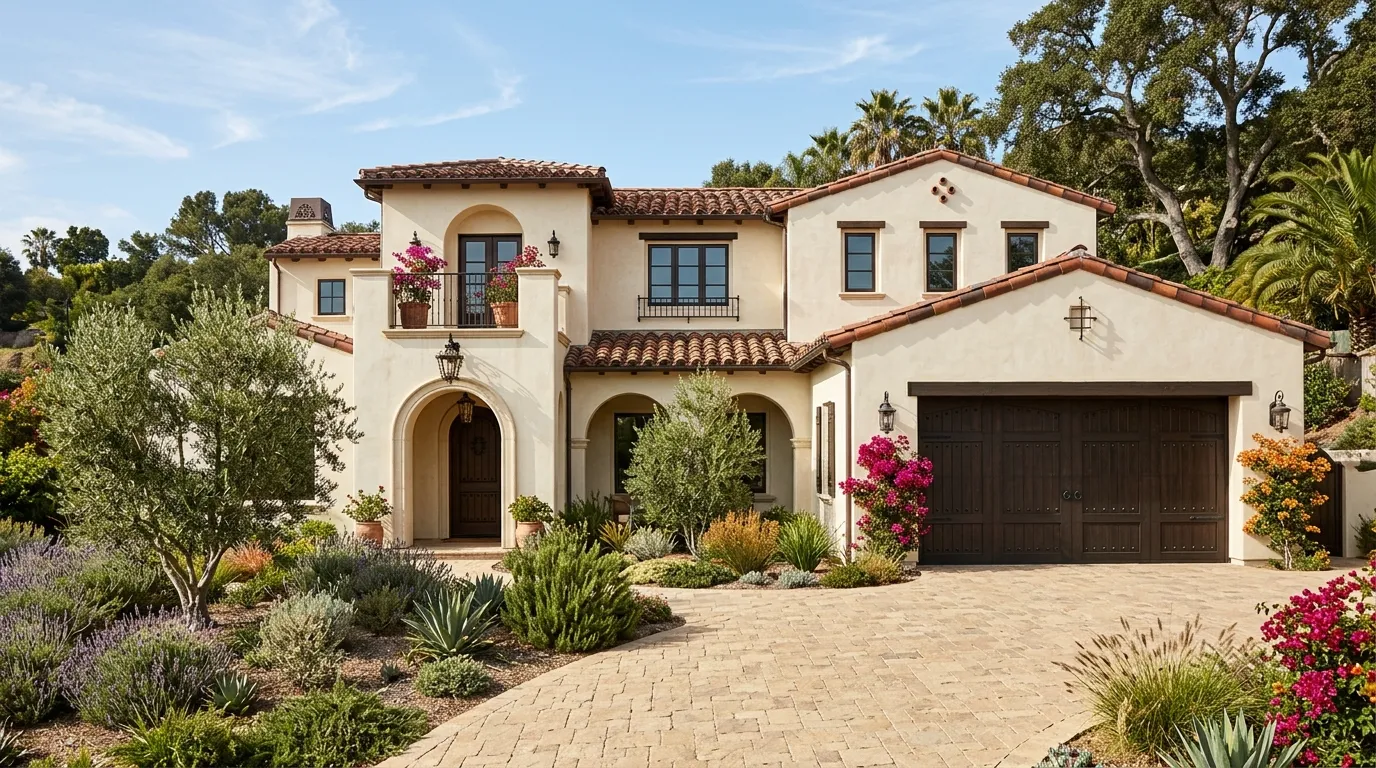
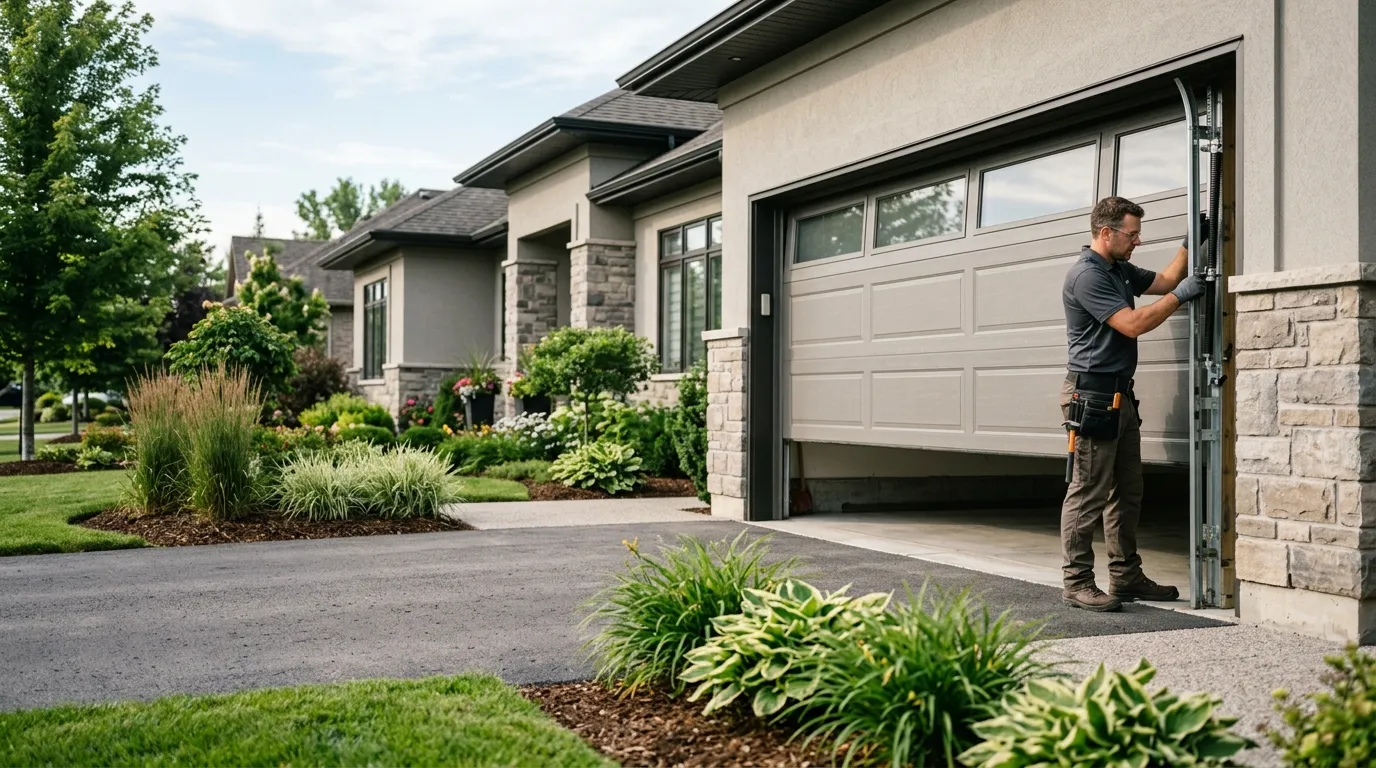
Dixmoor's housing stock centers on 1972, later than the wider service area's median build year of 1964. That gap matters more than it sounds like it should. A house built in the early 1970s usually came with a lighter-gauge steel door on a simpler extension-spring setup rather than the heavier torsion systems that started showing up in the following decade. With 919 households in the area, this isn't a huge population to generalize about, but the pattern holds across most of the blocks we've quoted work on. Median household income here runs $39,861, well under the $80,202 median for the broader service area we cover out of Chicago. That income gap shows up in the calls we get - more requests to repair a working door than to replace one outright, and more questions about whether a part can be sourced instead of swapped wholesale. We don't treat that as a lesser job. A well-maintained 1972 door with its original hardware can still run fine if the springs, cables, and rollers get attention before something snaps.
What That Means for Doors
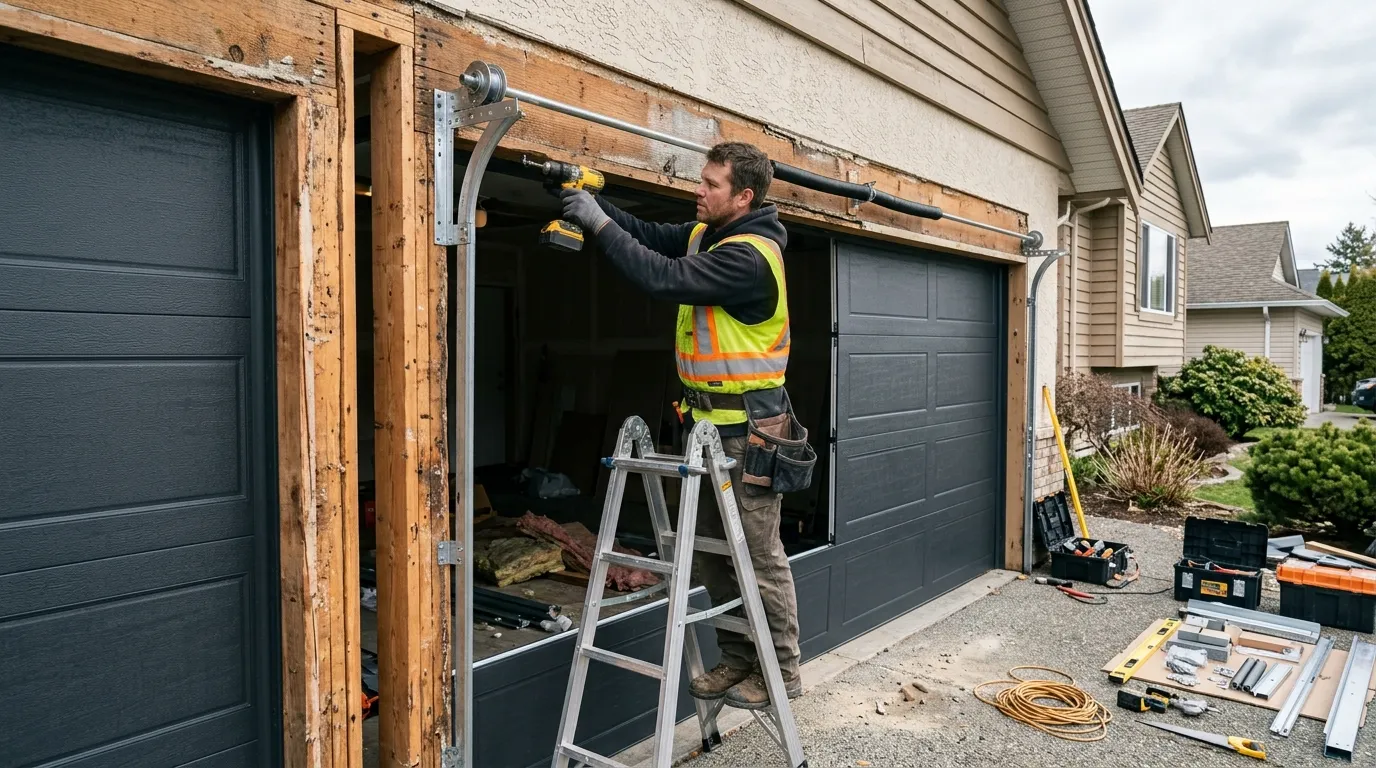
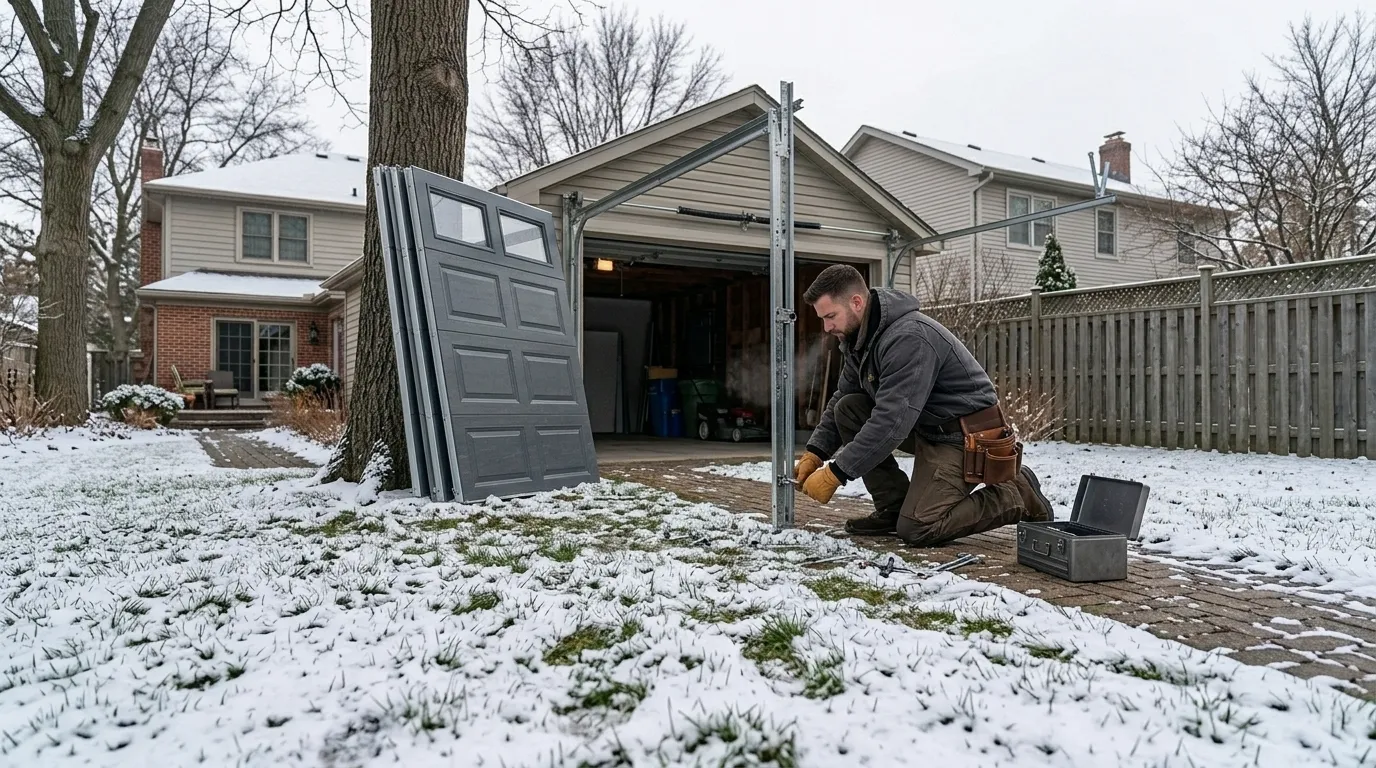
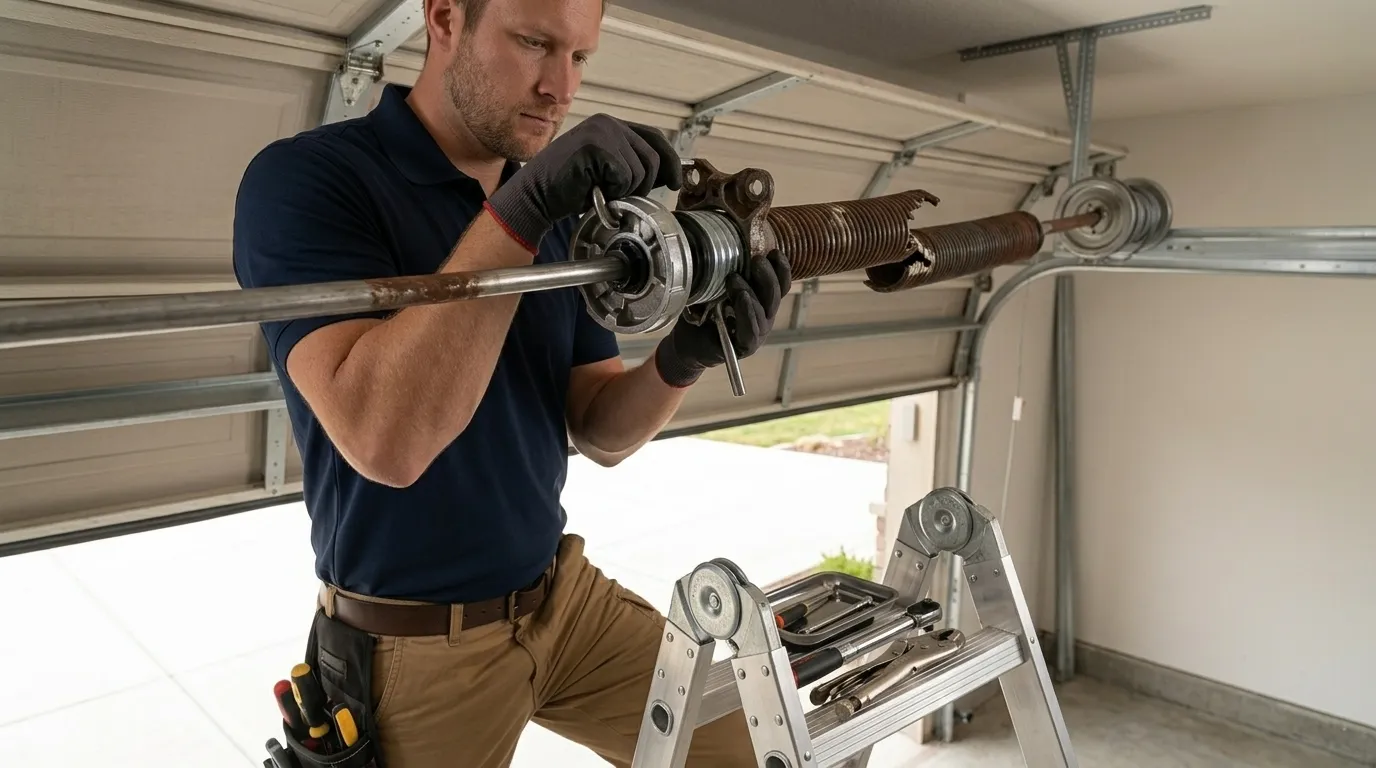
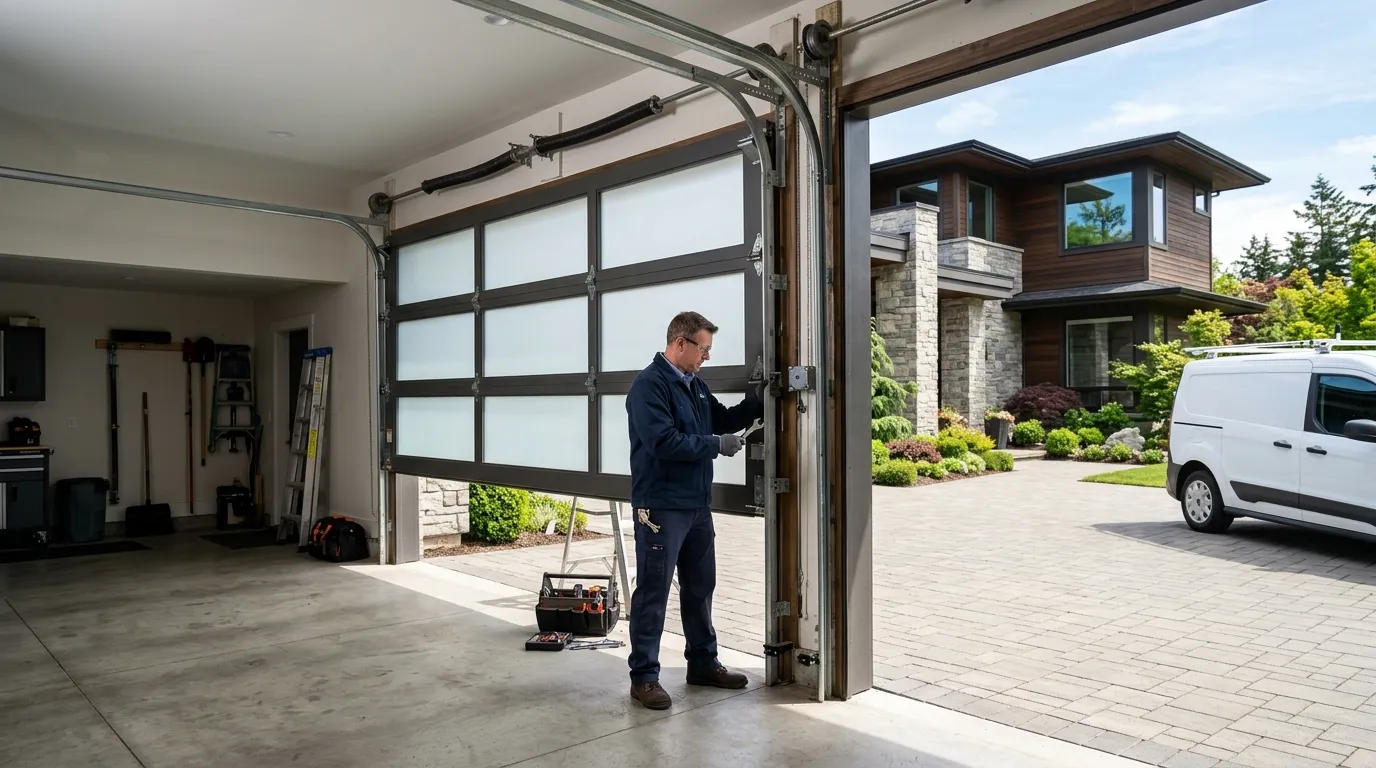
A door built to 1972 standards on extension springs ages differently than a torsion-spring door from the 1980s or later. Extension springs stretch along the horizontal tracks rather than winding on a bar above the door, and they wear out on a shorter cycle - especially once they've been through a few decades of Chicago-area winters. The service area sits in a cold, moderate climate band, and that cold cycling is hard on old spring steel and on the galvanized cable that's been flexing the same way since installation. On a house this age we also see tracks that have been bent back into shape more than once, and rollers that were never upgraded from the steel wheels that shipped with the original unit. None of that means the door needs to come out. It means the fix usually starts with hardware, not a full unit swap - unless the frame or the panels themselves have rusted through, which happens more on these older extension-spring doors than on newer torsion setups.
What People Here Ring About
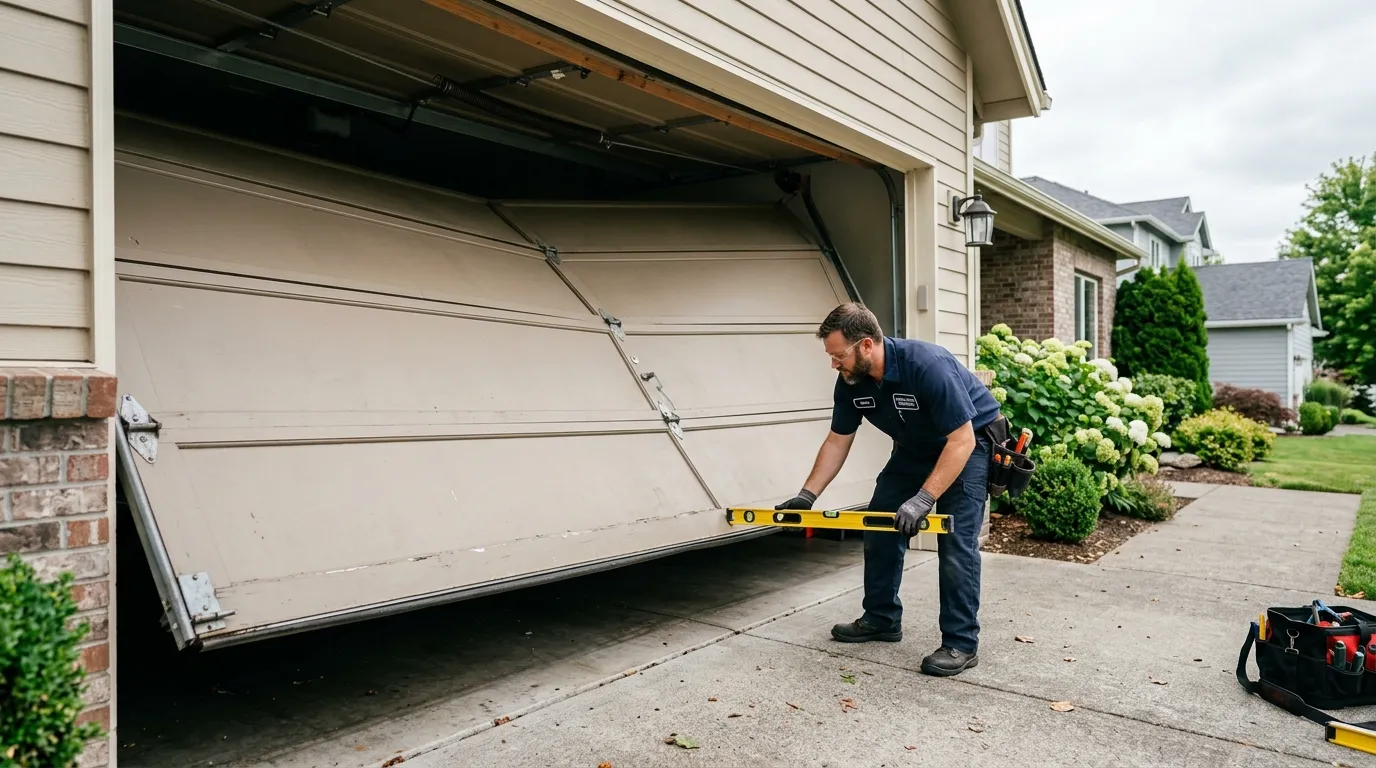
Most calls from this area are for a spring that's already broken - usually one of the two extension springs common to doors from this build era, not the double torsion springs on newer installs. Second most common is an opener that's stopped responding, often paired with a track that's slightly out of alignment from years of the door being forced closed by hand while the spring was going bad. We get fewer calls asking for full door replacement here than we do in areas with newer housing stock, which tracks with the income figures for this area. One honest limitation: if a part on an older extension-spring setup has been discontinued, we may need to order a compatible replacement rather than an exact match, and that can add a day or two to the job. We'll tell you that up front rather than promise a same-visit fix we can't back up.