This Area's Housing
Dolton's housing stock centers on 1965, which puts it right in the middle of the wider service area's 1938-to-1994 range and close to that area's own 1964 median build year. That's not a coincidence of numbers - it means Dolton got most of its garage doors and openers during the same postwar building push that filled out the rest of this side of Chicago, just compressed into a shorter window than towns with a wider spread of ages. With about 7,919 households in Dolton, this is a tightly built, fairly compact town rather than a spread-out subdivision with houses from five different decades. Practically, that means a lot of garages here share the same bones: single-car and two-car openings sized to 1960s standards, steel or early aluminum panel doors, and torsion or extension hardware that was installed once and, in a lot of cases, never swapped out since. When we get a call from Dolton, we're not guessing at what's behind the door - the build year tells us most of it before we even load the truck.
What That Means for Doors
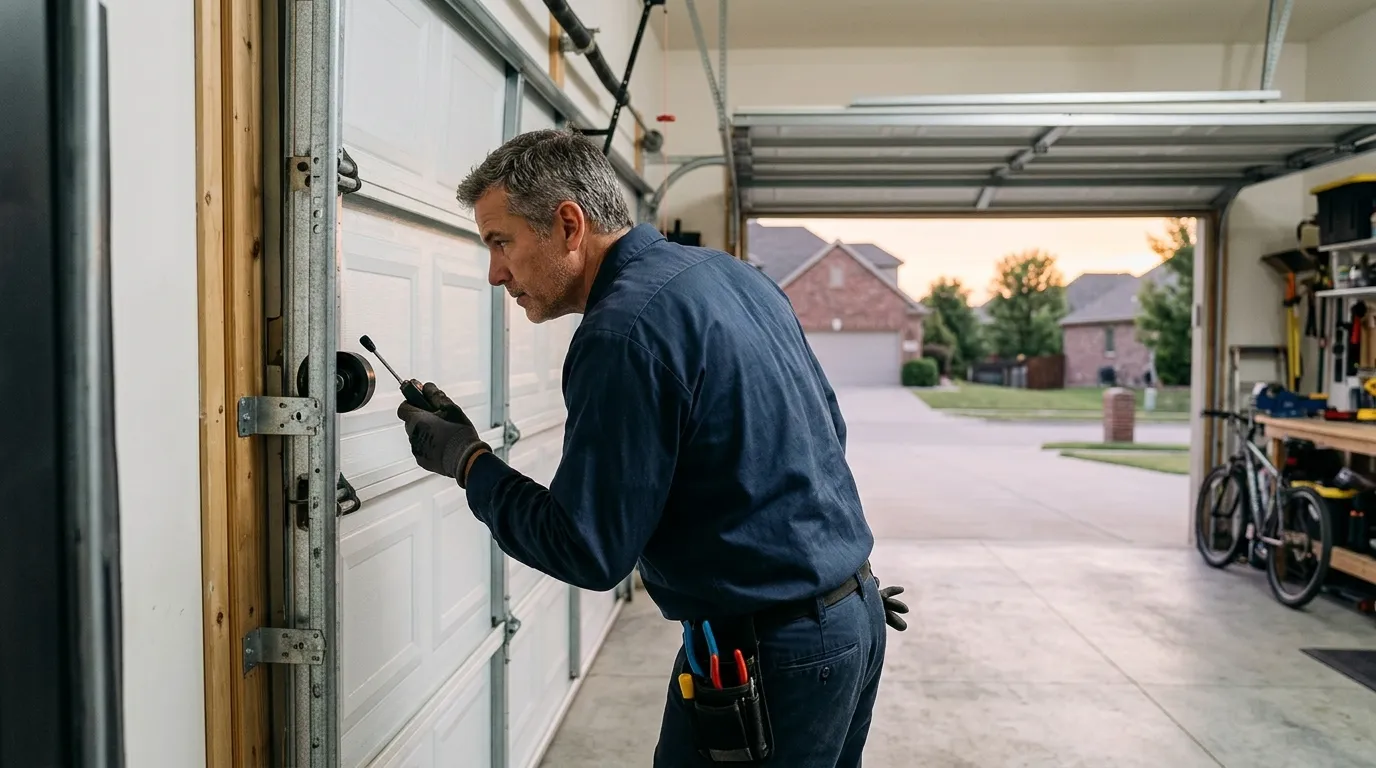
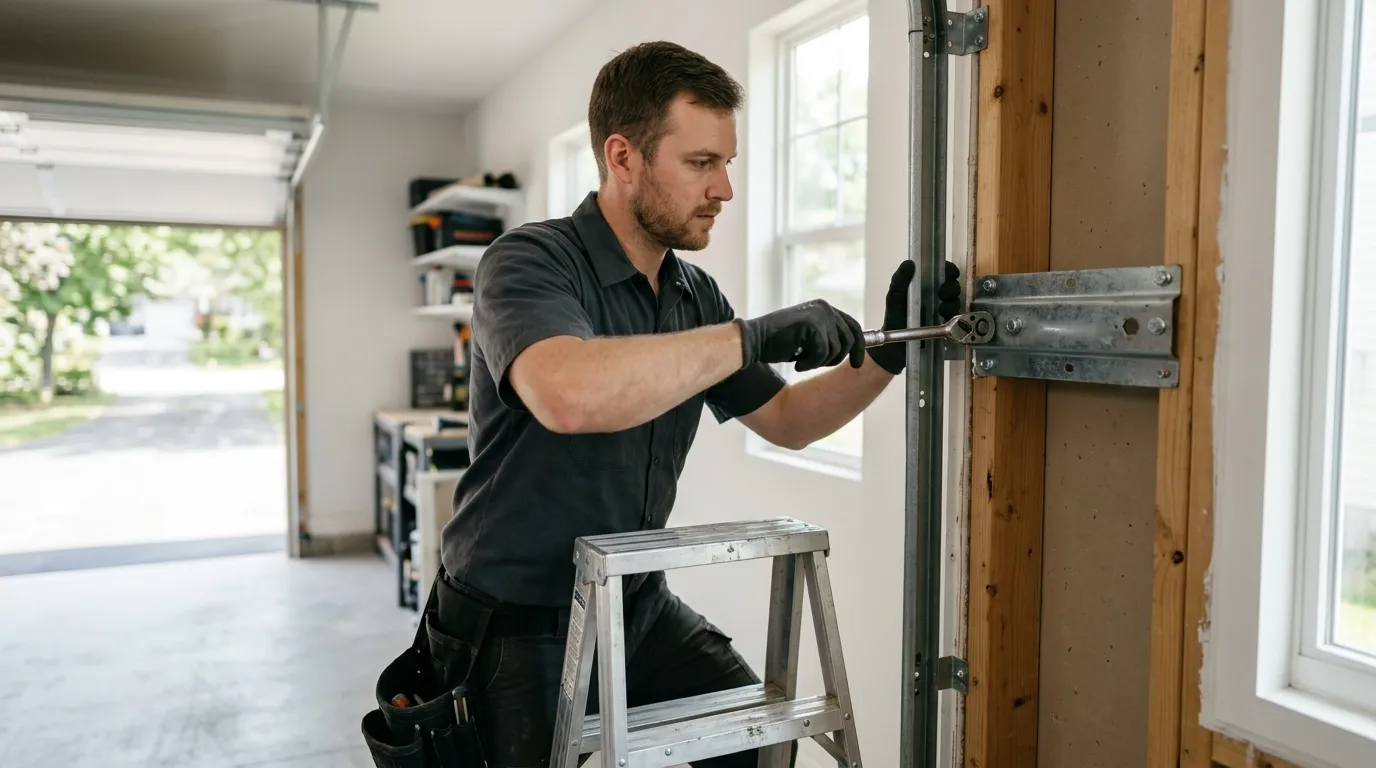
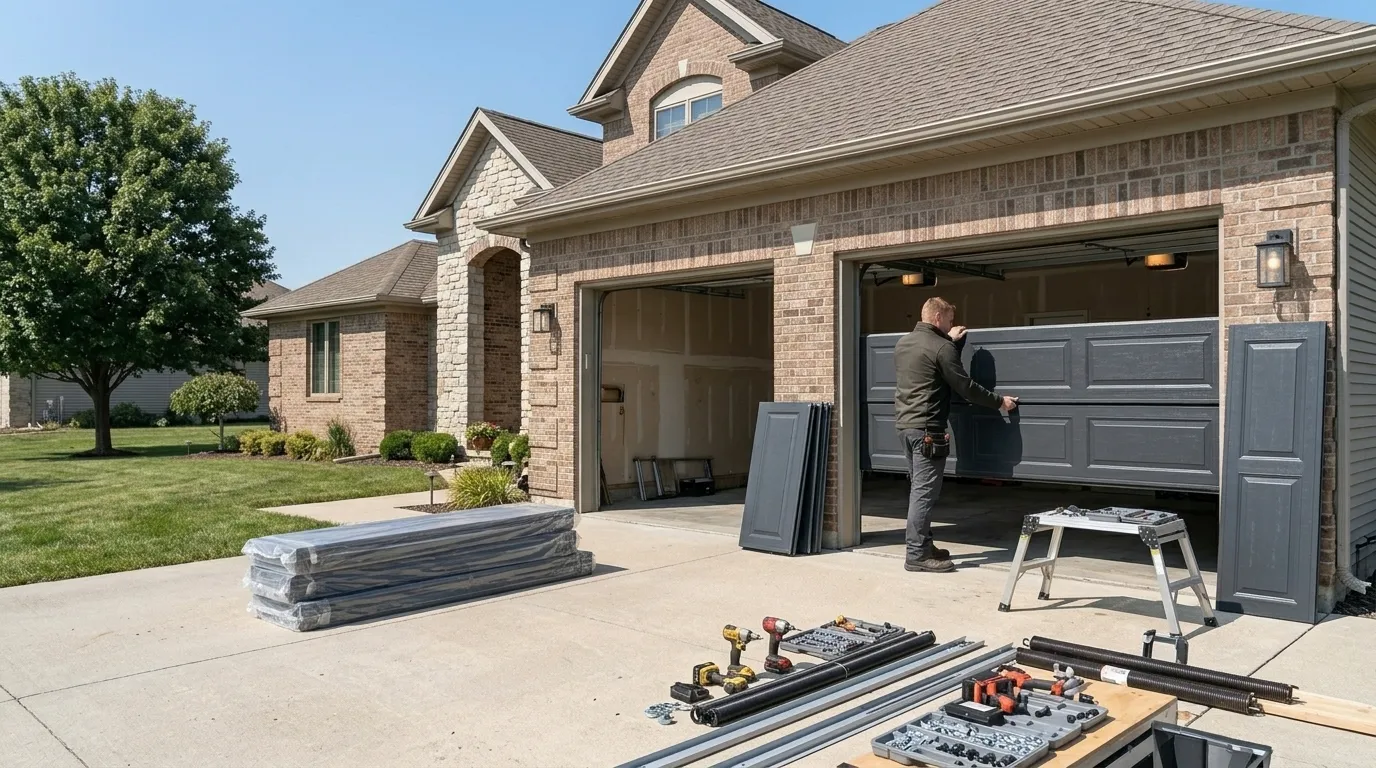
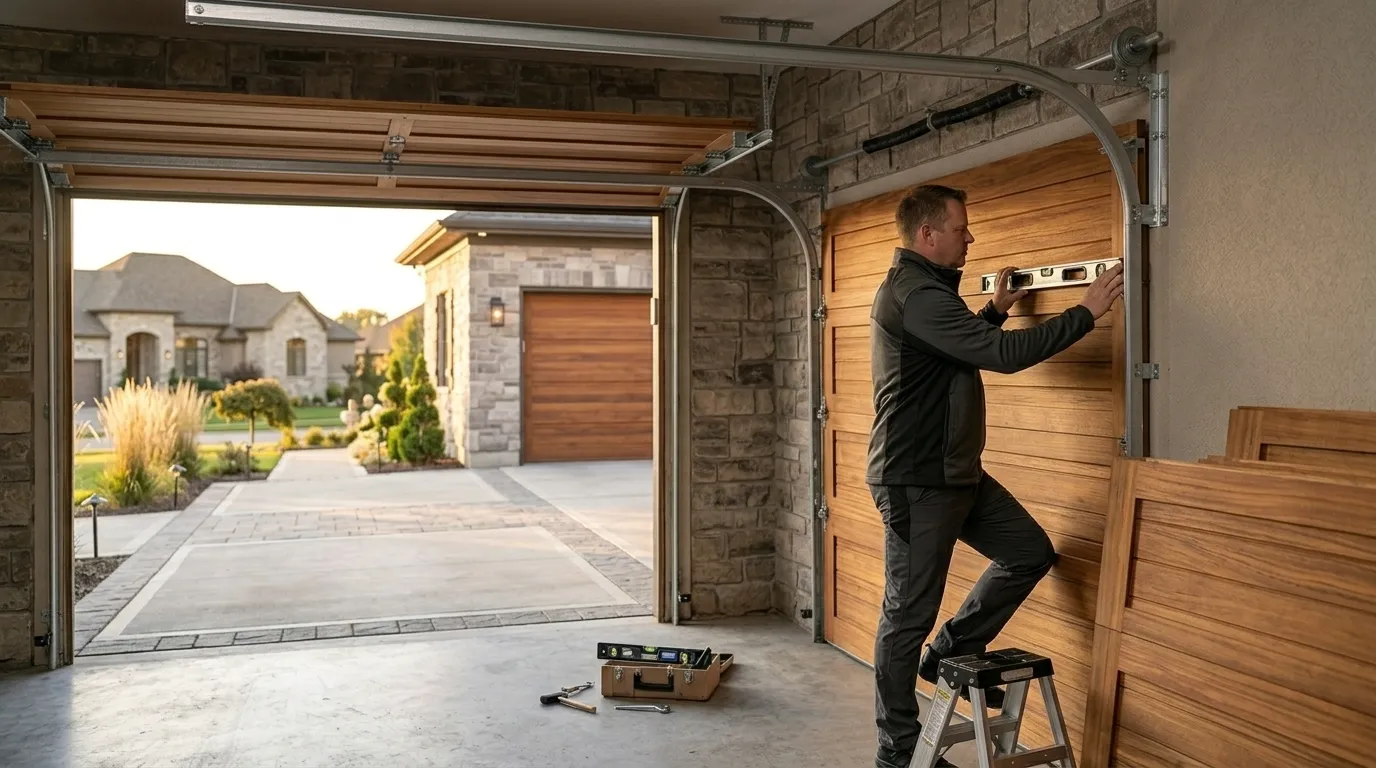
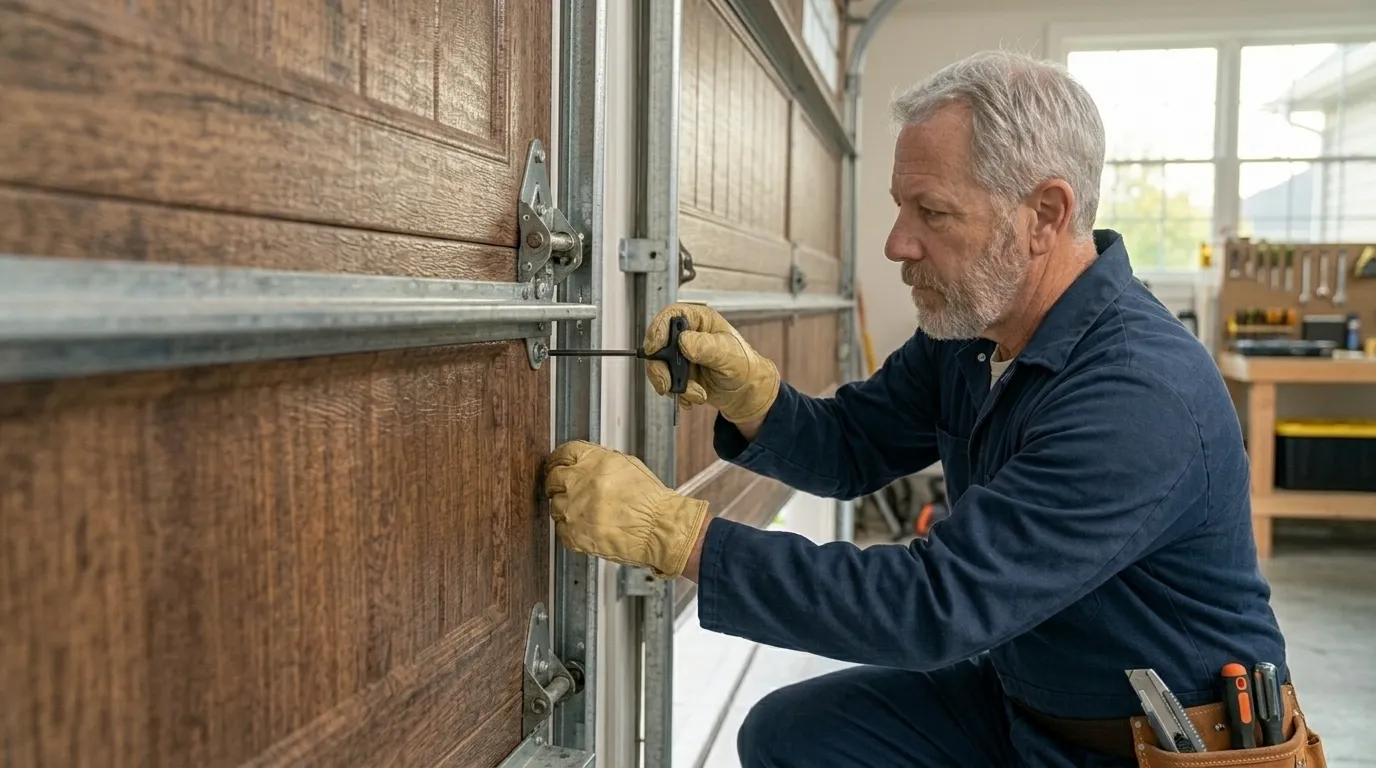
A door installed around 1965 has had roughly sixty years to wear out its rated cycle count on the torsion spring, and most owners we talk to have never had that spring replaced even once. That's the single biggest thing that separates a Dolton-era garage from a newer build: the spring, the rollers, and often the track were sized to a lighter, thinner steel panel than what's sold today, so if a door ever got a heavier replacement panel hung on old hardware, the balance is off and the opener has been fighting it for years. Cold-climate swings don't help - steel contracts, grease stiffens, and a spring that's already near the end of its life is more likely to let go on a January morning than a mild one. None of this means every door here is a lost cause. Plenty of 1960s hardware is solid and just needs a spring swap or a lubrication and adjustment. But it does mean we go in expecting original-era parts, not modern ones, and price the call accordingly rather than assuming a five-minute fix.
What People Here Ring About
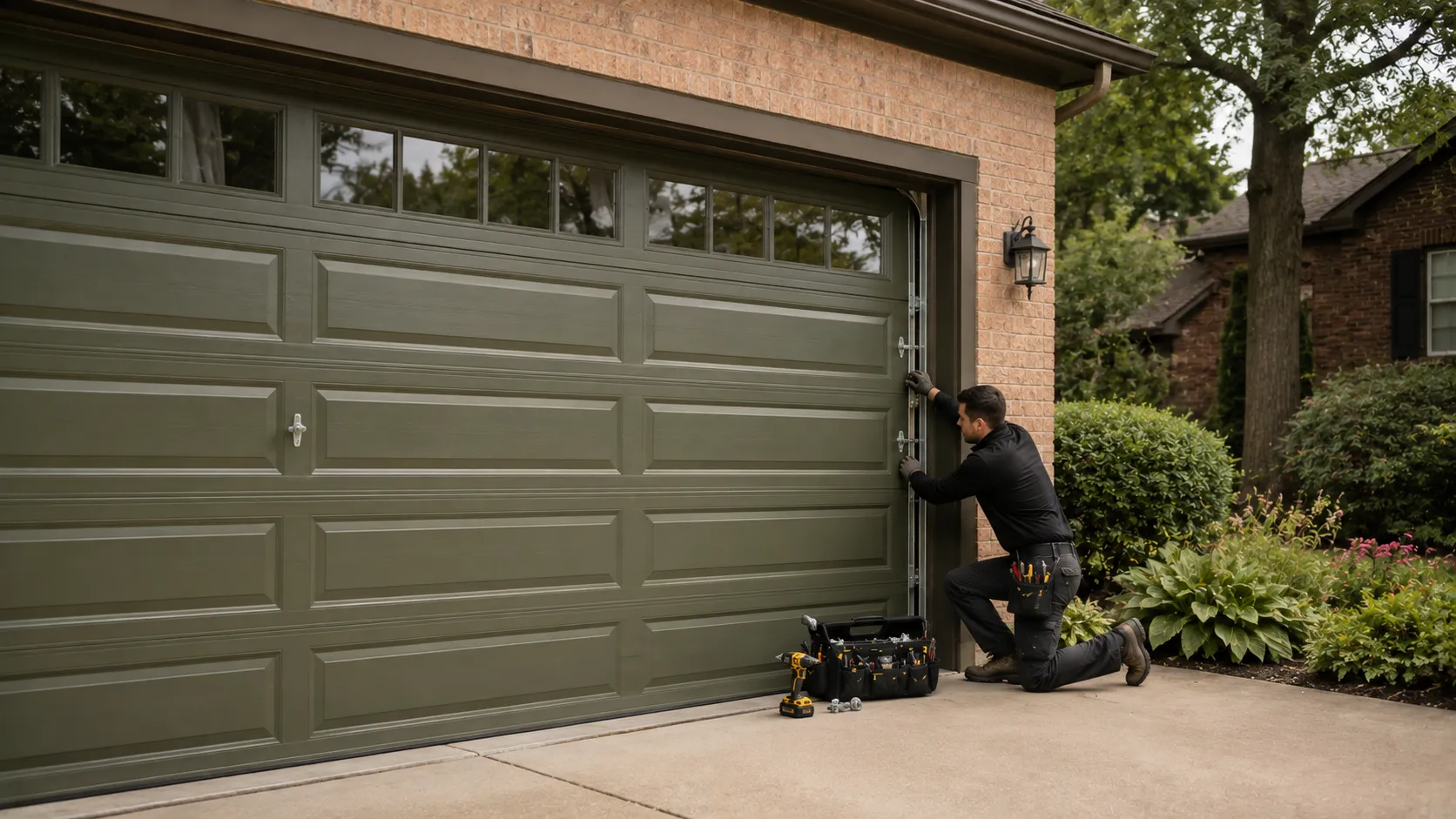
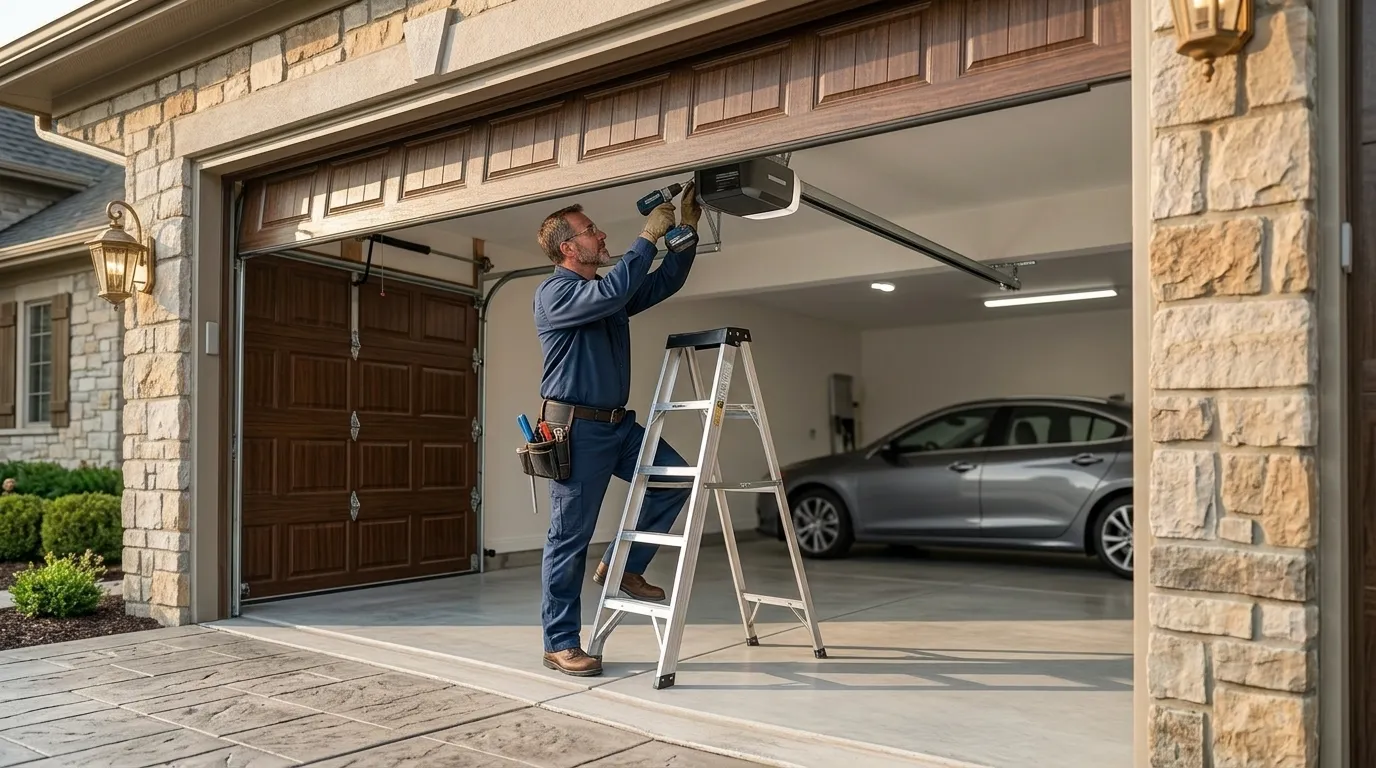
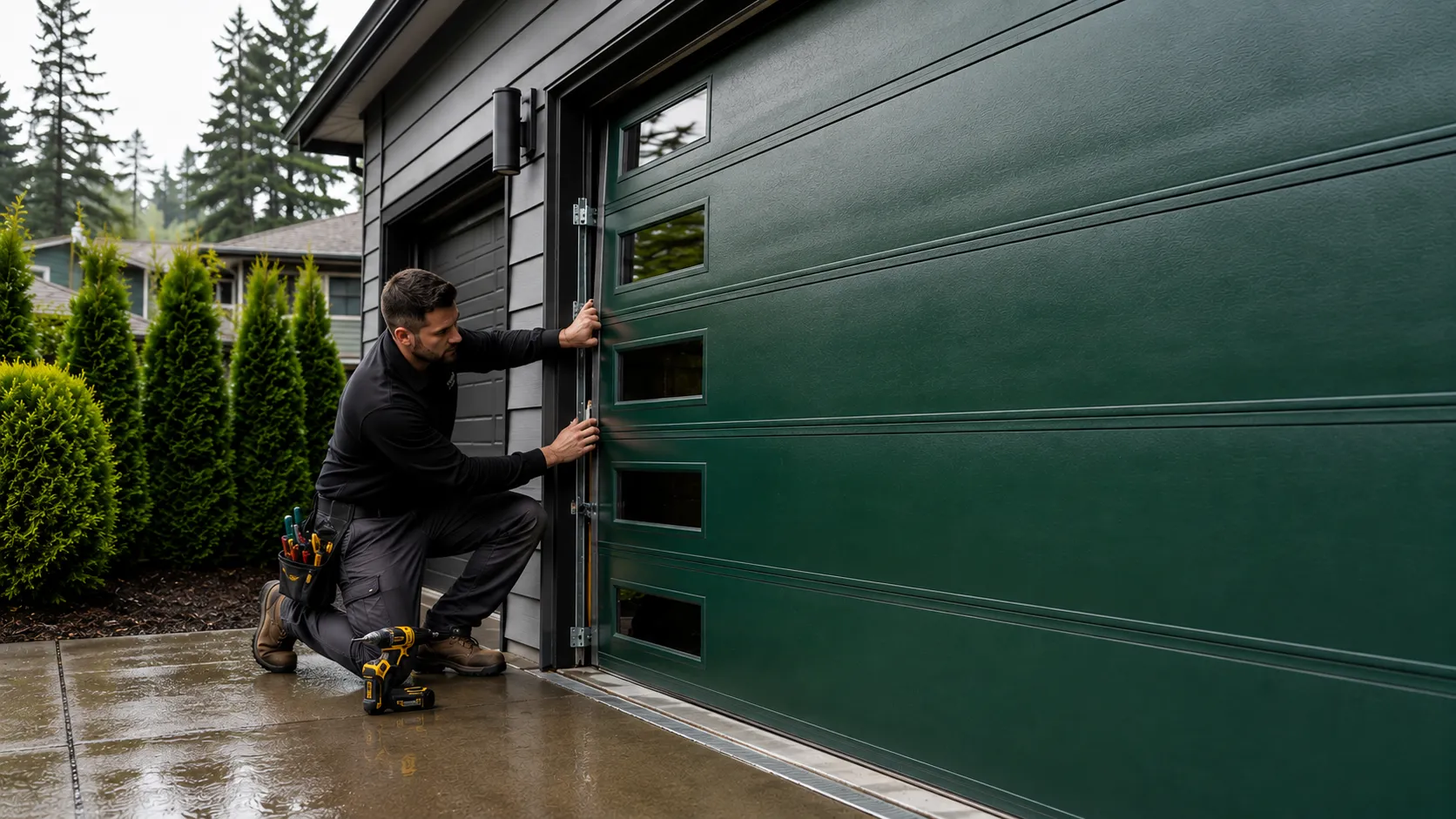
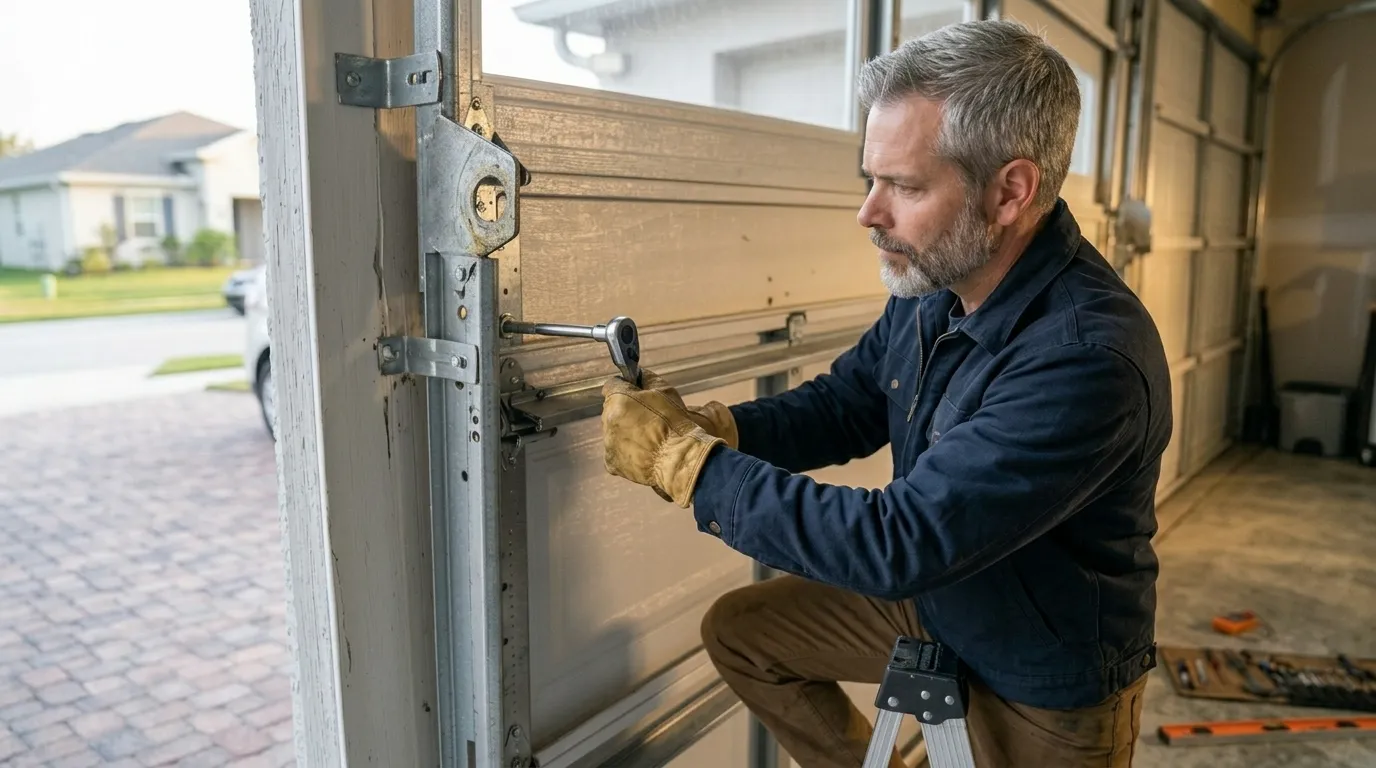
The calls we get from this part of town lean heavily toward broken torsion springs, openers that grind or stall on a door that's gotten heavier than the motor was built for, and rollers that have worn grooves into tracks that were never resurfaced. At a median household income of $58,706 for Dolton, a lot of the decisions we walk through with owners are about fixing what's there rather than replacing the whole door outright, and that's a reasonable call in plenty of cases - a spring and a roller set can buy years on a door that's otherwise sound. Where we're honest about the limit: if the door itself is warped, the panels are rusted through, or the track has been bent and re-bent, a repair is just delaying a bigger bill, and we'll say so instead of billing you twice. We don't invent a fix where there isn't a good one.