This Area's Housing
Elmhurst's housing stock centers on 1964, which puts most of the town squarely in the postwar building boom that ran across this part of the region from the late 1930s into the 1990s. That means a lot of split-levels and ranches with garages built as an afterthought - single-car openings, low headroom, and hardware that was standard for the era but hasn't been made the same way in decades. With roughly 16,863 households in the area and a median income above $145,000, a fair number of these original garages have already had one or two door replacements, but the framing and the track spacing often stayed put from the first build. That's the detail that matters more than the door itself: if your opening is original, a modern door has to be fit to a frame that was squared for 1960s lumber sizing, not today's. We see this a lot on the older side-mount torsion setups, where the spring size doesn't match anything a big-box store carries off the shelf.
What That Means for Doors
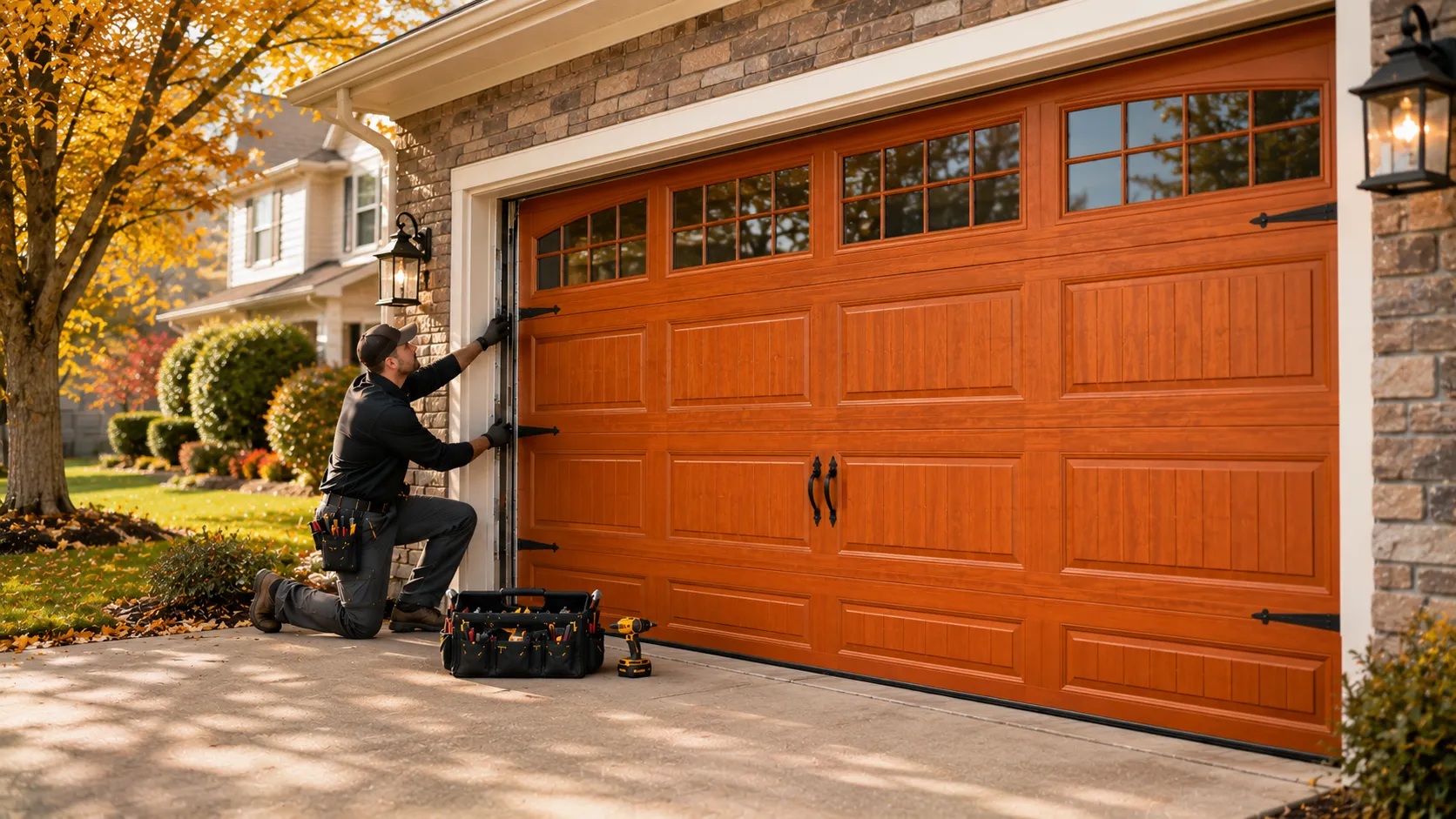
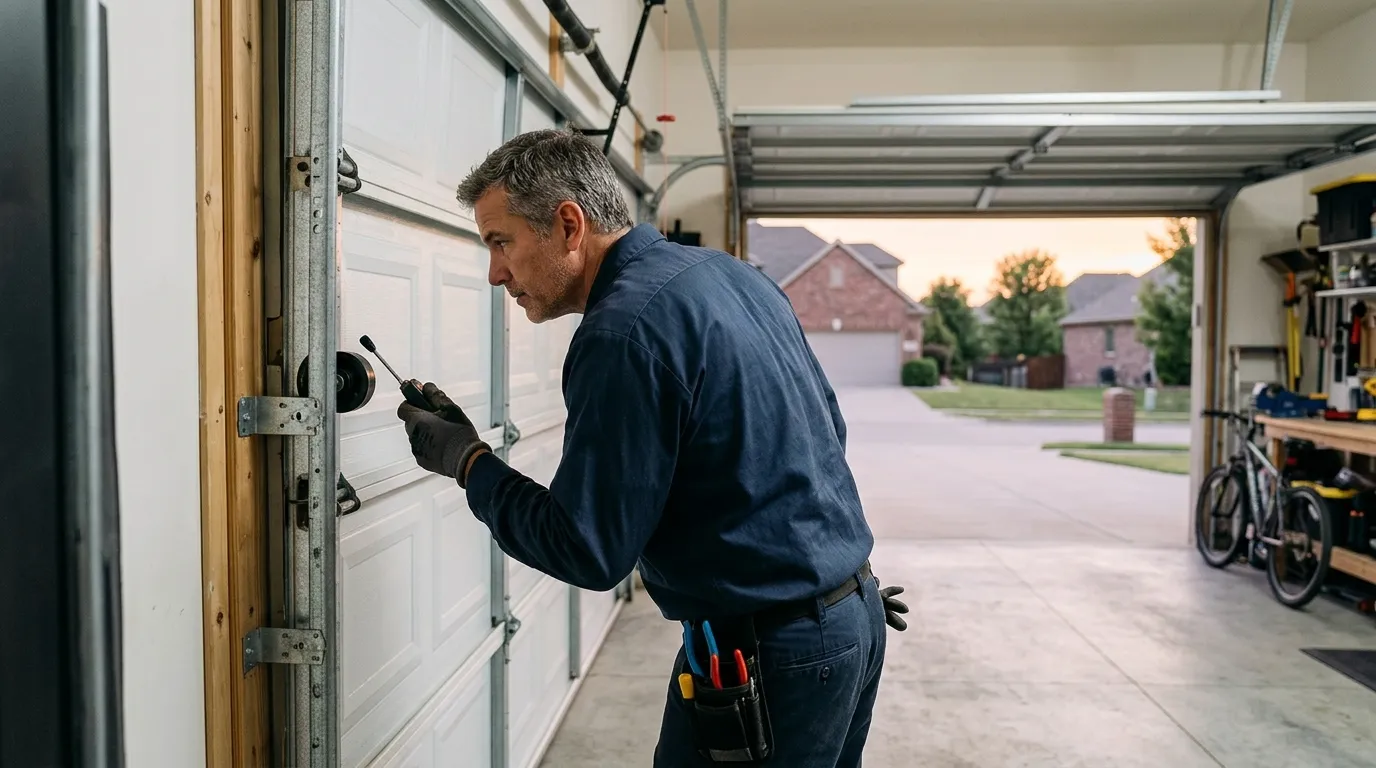
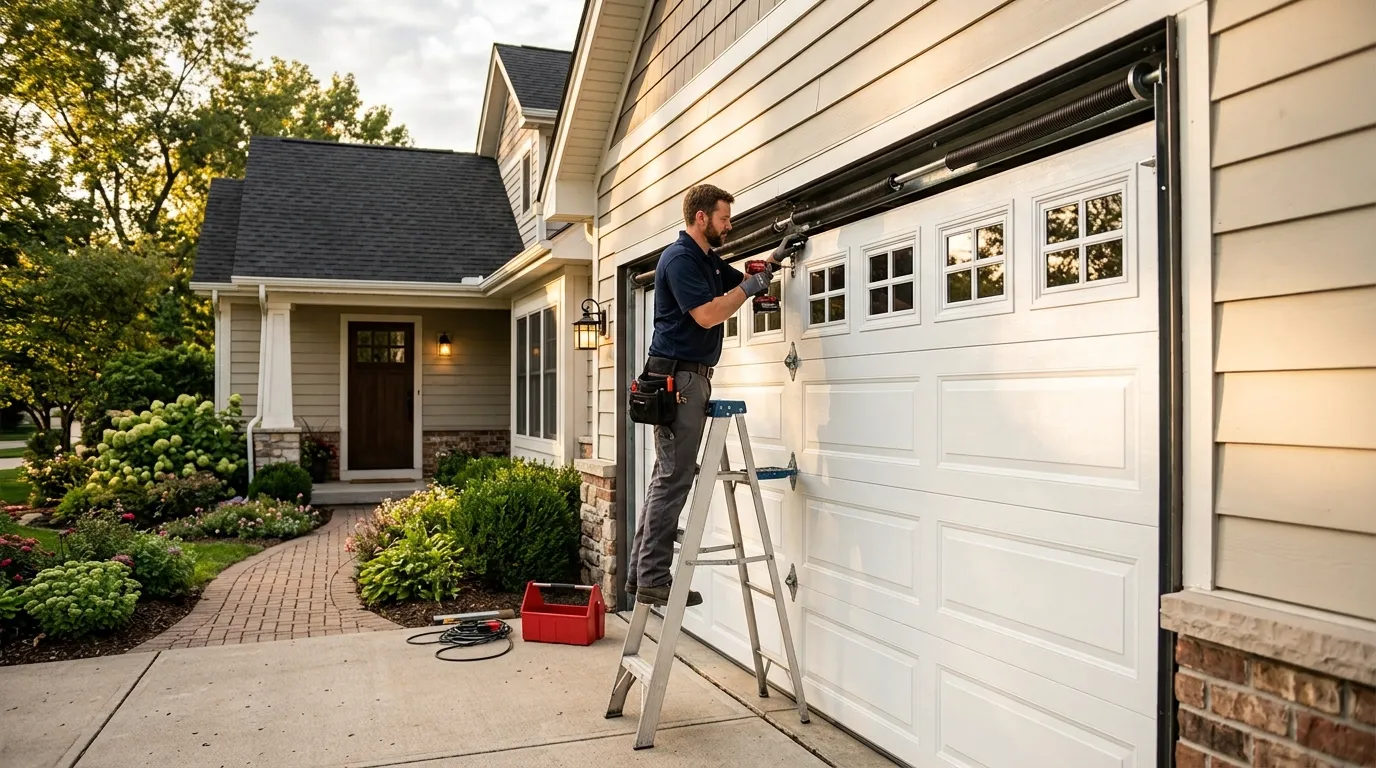
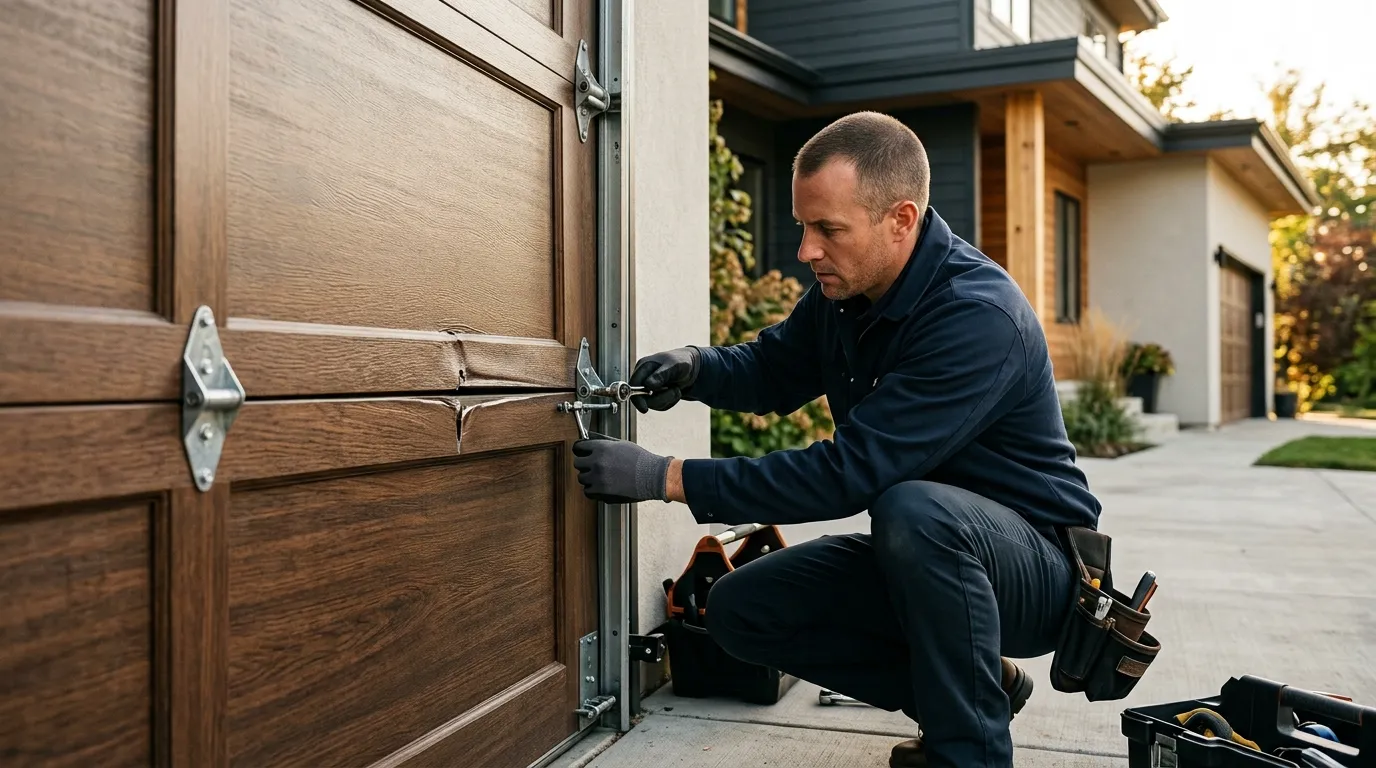
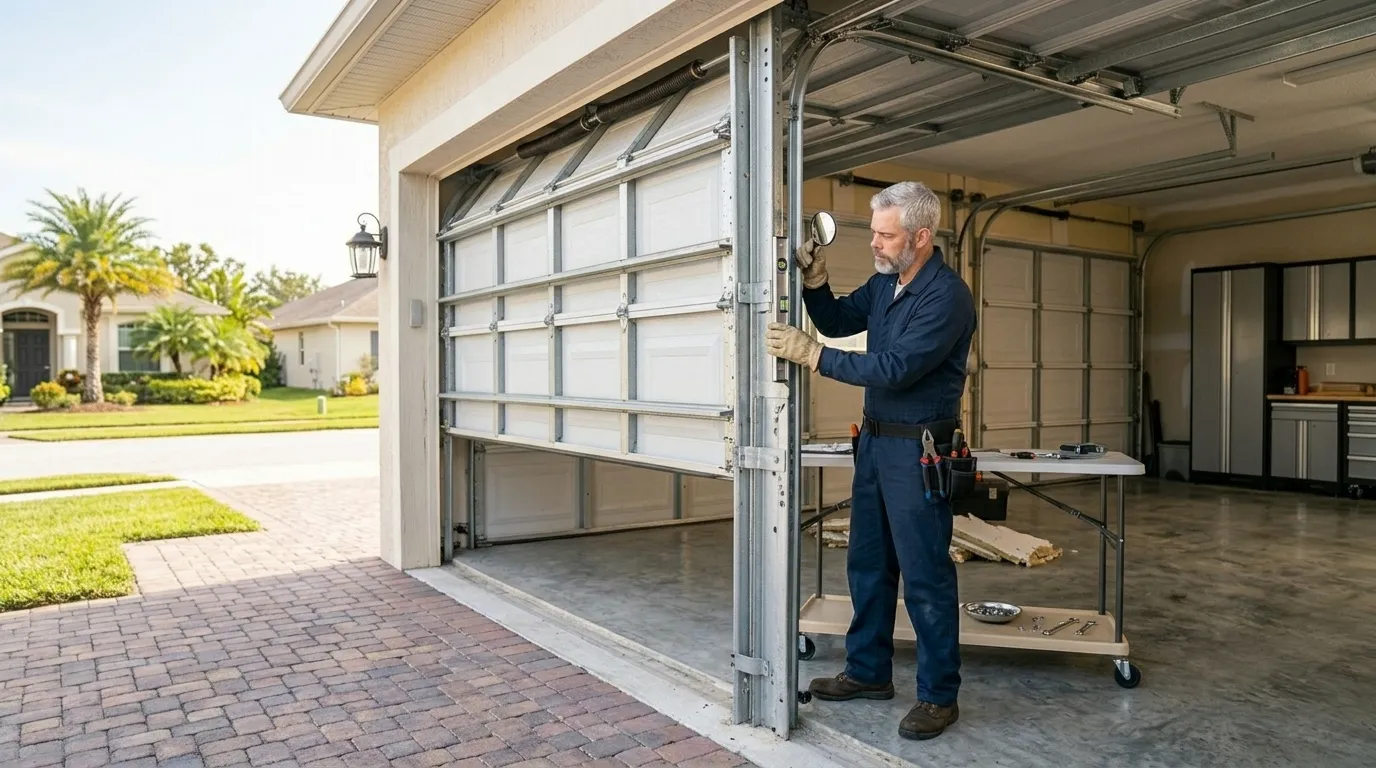
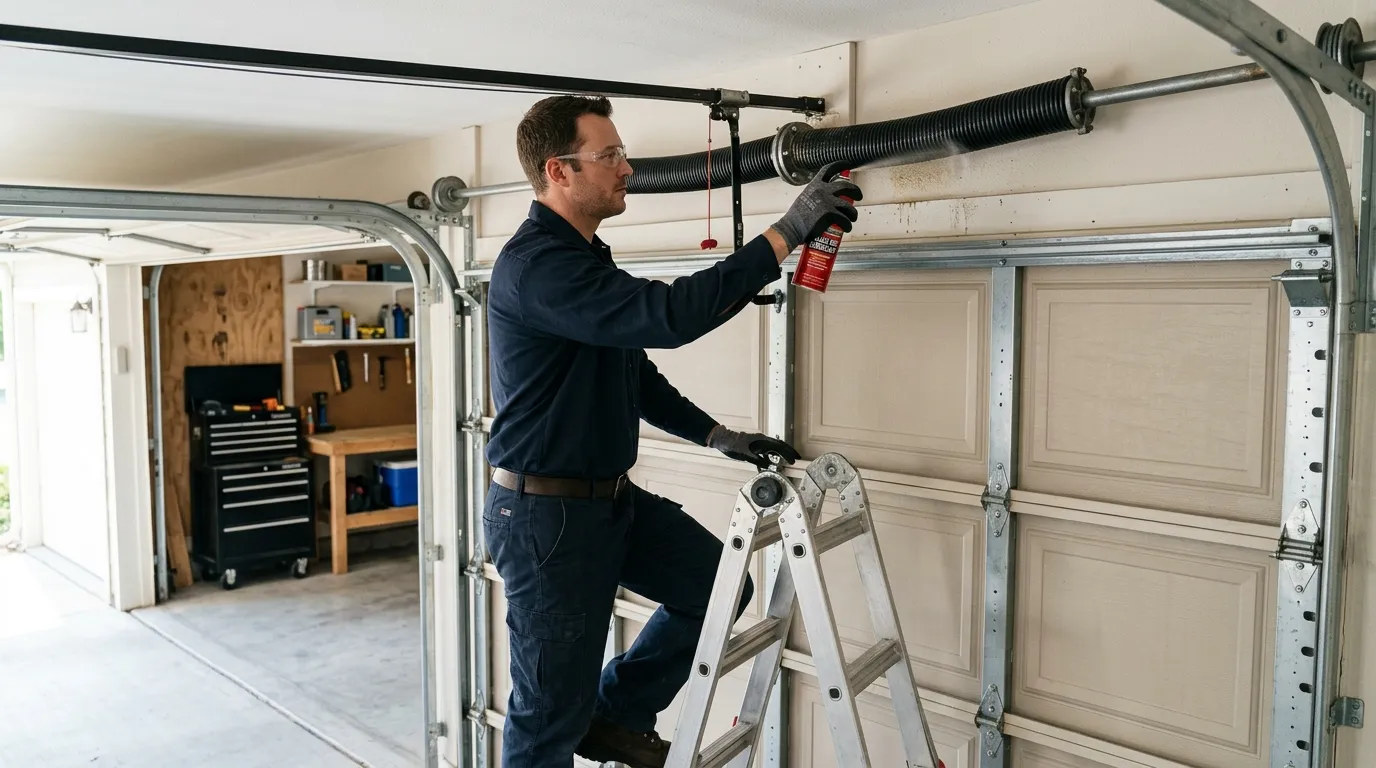
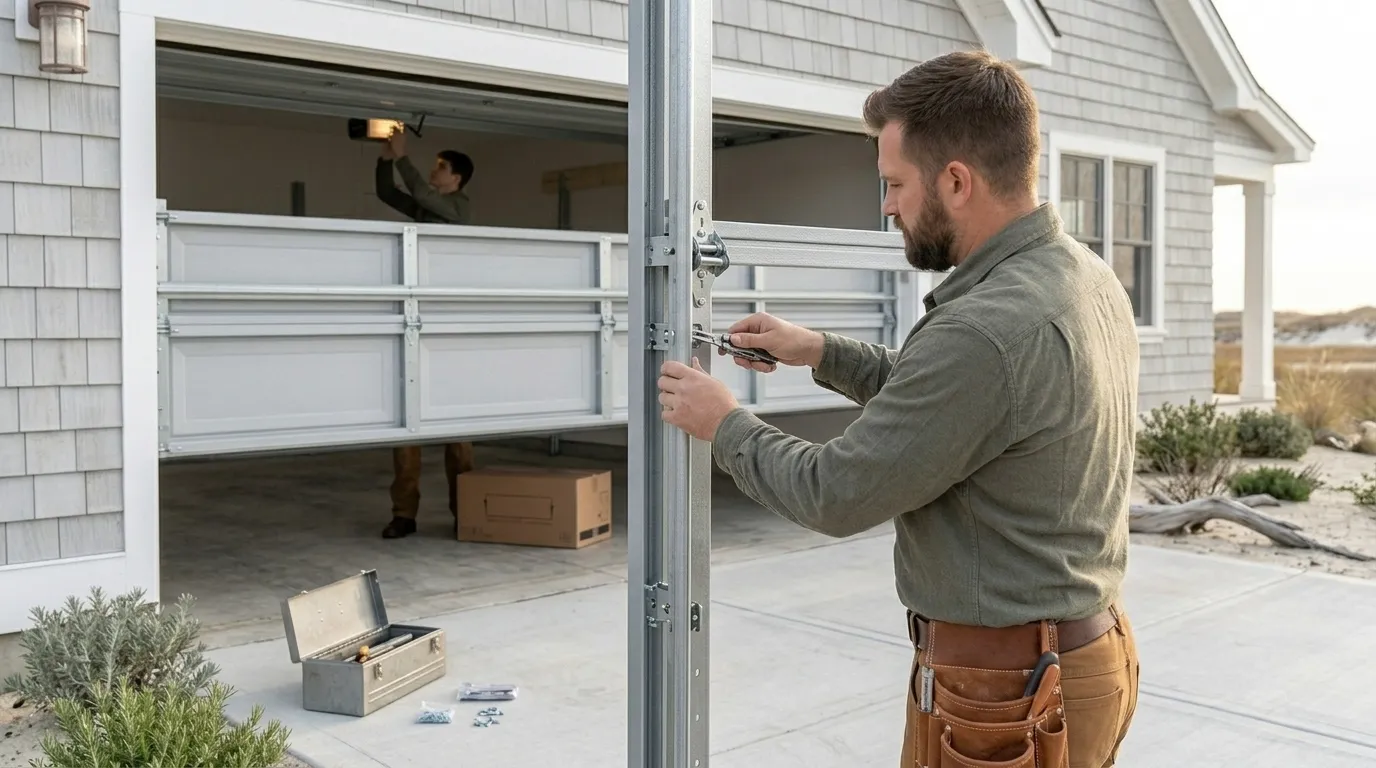
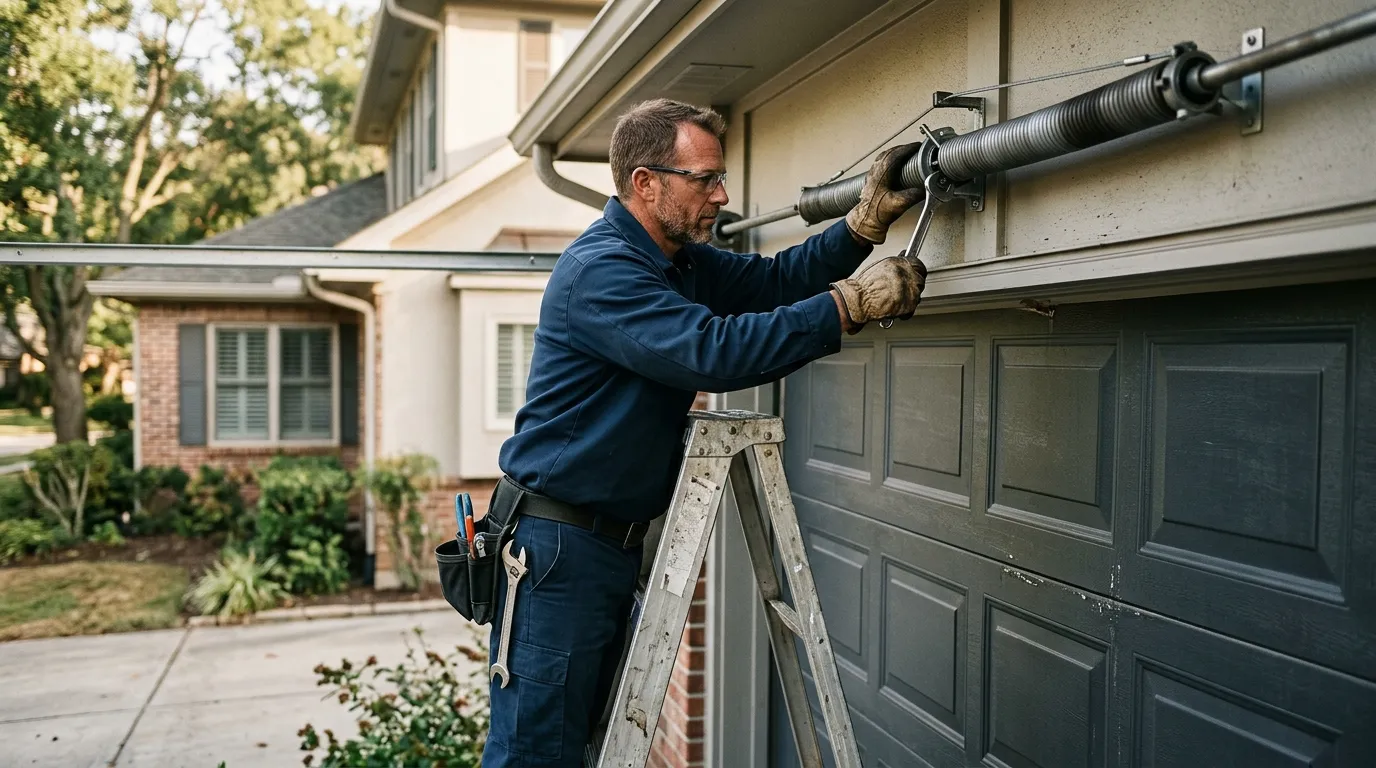
A door built to match a 1964 opening usually runs 16 gauge steel or older wood-panel construction, with torsion springs sized for the lighter doors of that period. When a homeowner swaps in a heavier insulated door - which most people do eventually, given the cold-moderate winters this whole region sits in - the original spring is now undersized for the new weight. That's one of the most common mismatches we find on these calls: a door that looks fine but is fighting its own spring every time it opens, which shortens cable life and puts extra load on the opener's drive gear. Track alignment is the other recurring issue on homes this age, since the original wood jambs have usually shifted a little over sixty-plus years, and a door that was plumb in 1964 often isn't now.
What People Here Ring About
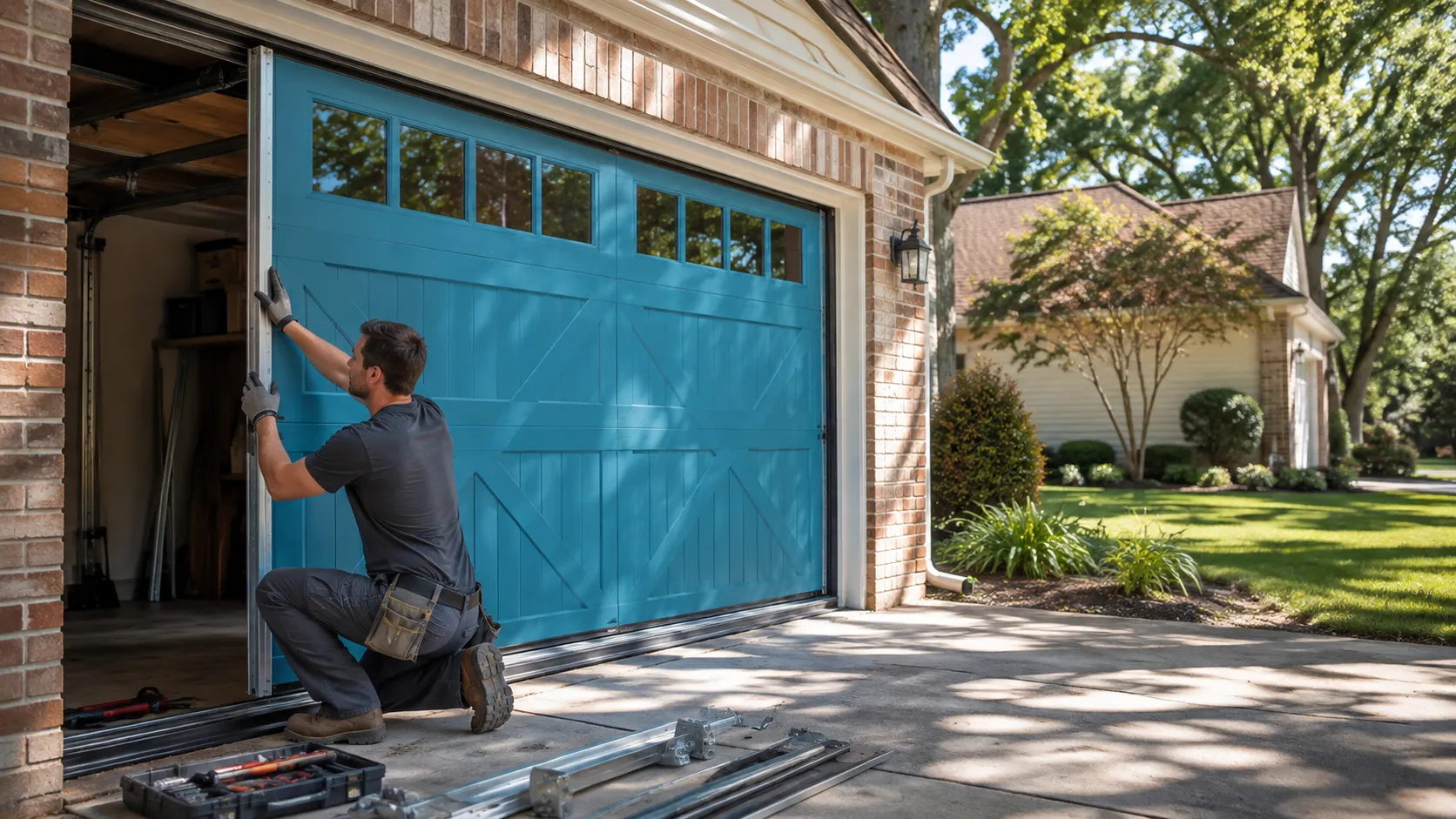
Most calls from this area fall into two buckets: a spring that's let go on a door heavier than the hardware was built for, and an opener that's aged out - not broken exactly, but slow, noisy, or skipping the remote half the time. Given the median build year here, we also get a steady run of requests to replace an original one-piece door entirely rather than keep patching a track system that predates sectional doors becoming standard. We'll tell you straight when that's the better move - a full swap on a door this old is often cheaper over five years than another round of hardware repairs on parts nobody stocks. What we won't do is quote a repair time before we've seen the door; a call that starts as 'the spring snapped' sometimes turns into a track and opener job once we're standing in the garage.