This Area's Housing
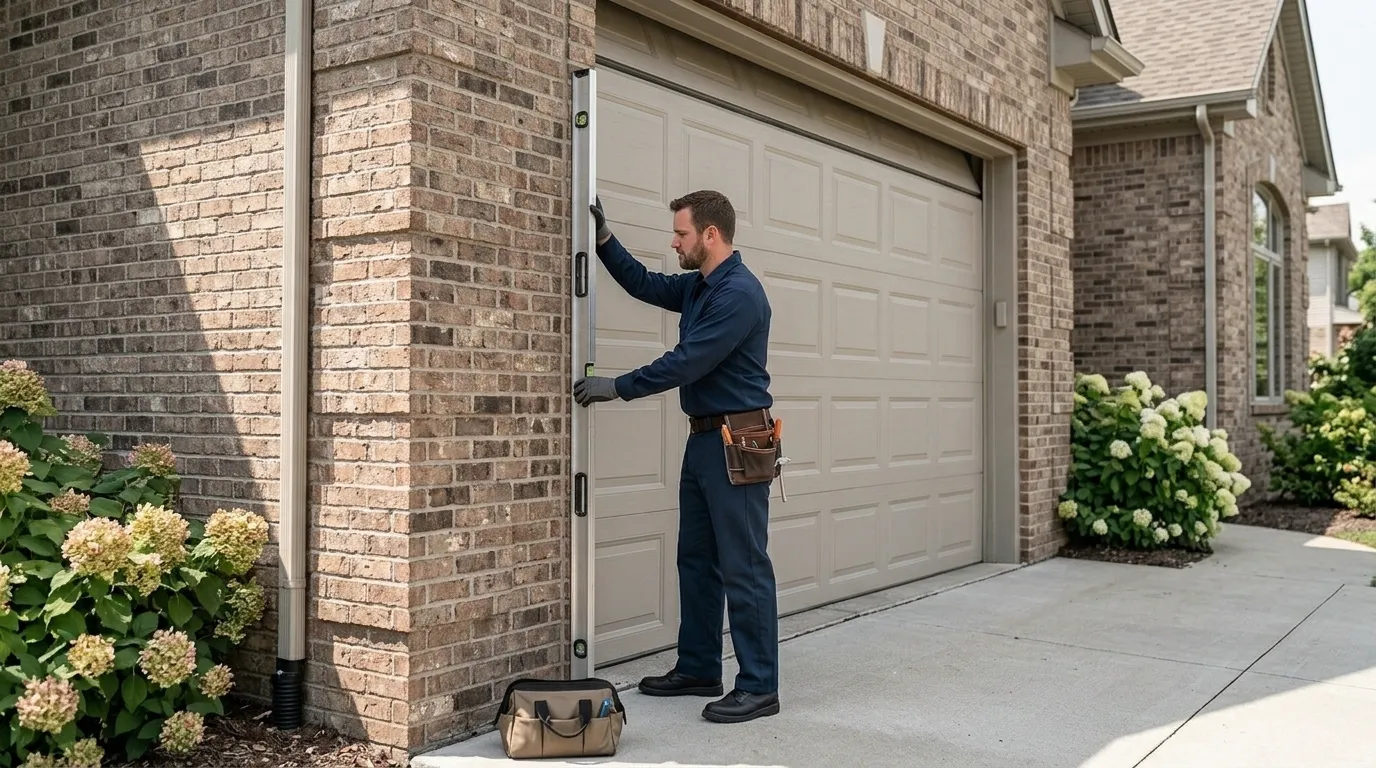
Evergreen Park's housing stock centers on 1955, which puts it right in the middle of the broader 1938-1994 range we see across the service area, but on the older side of it. A house built in 1955 almost always came with a garage added or retrofitted for a single door, not the two-car layouts you find in later builds. That means narrower openings, older stud spacing, and in a lot of cases a header that was never sized for a heavier insulated door.
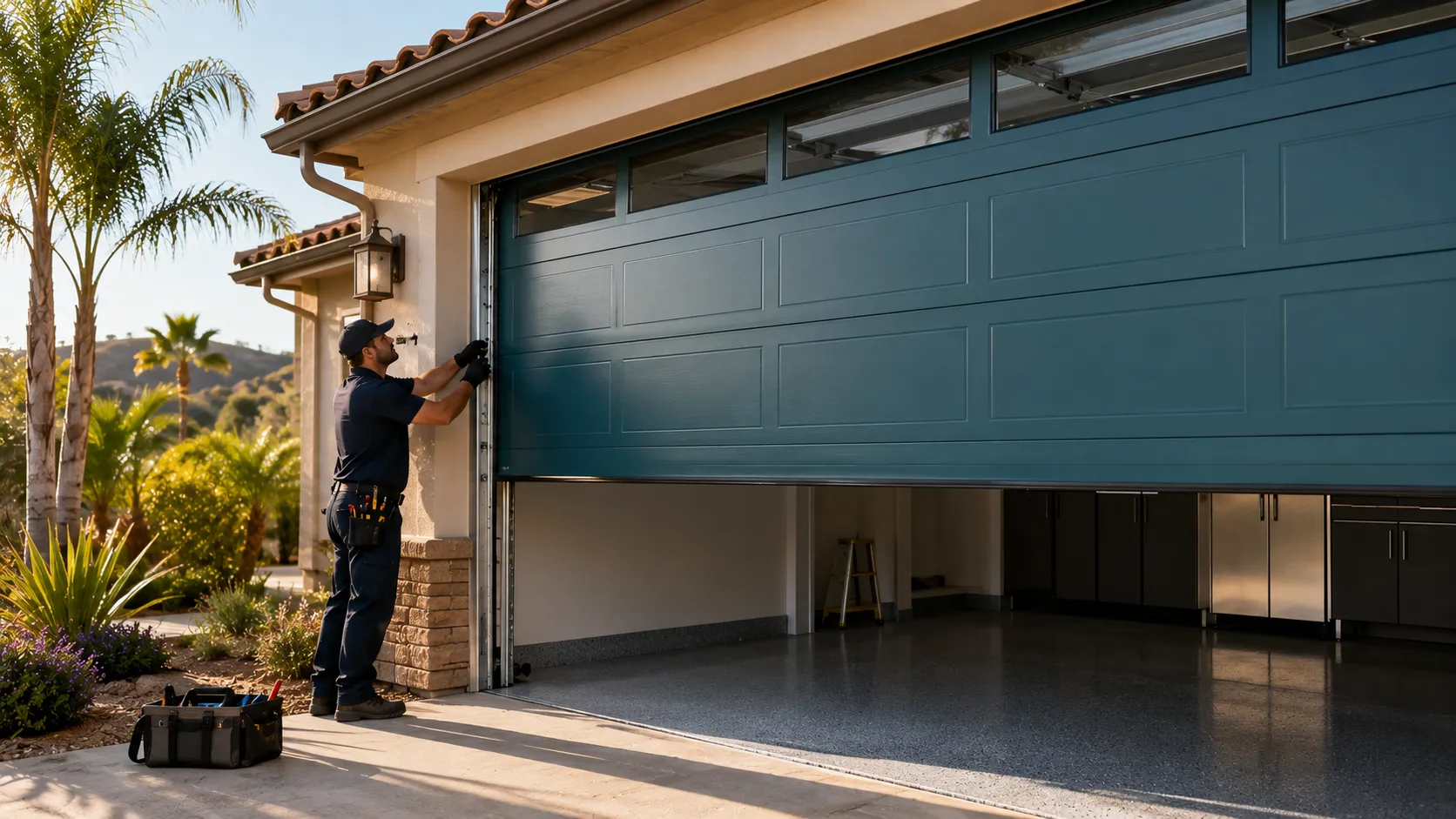
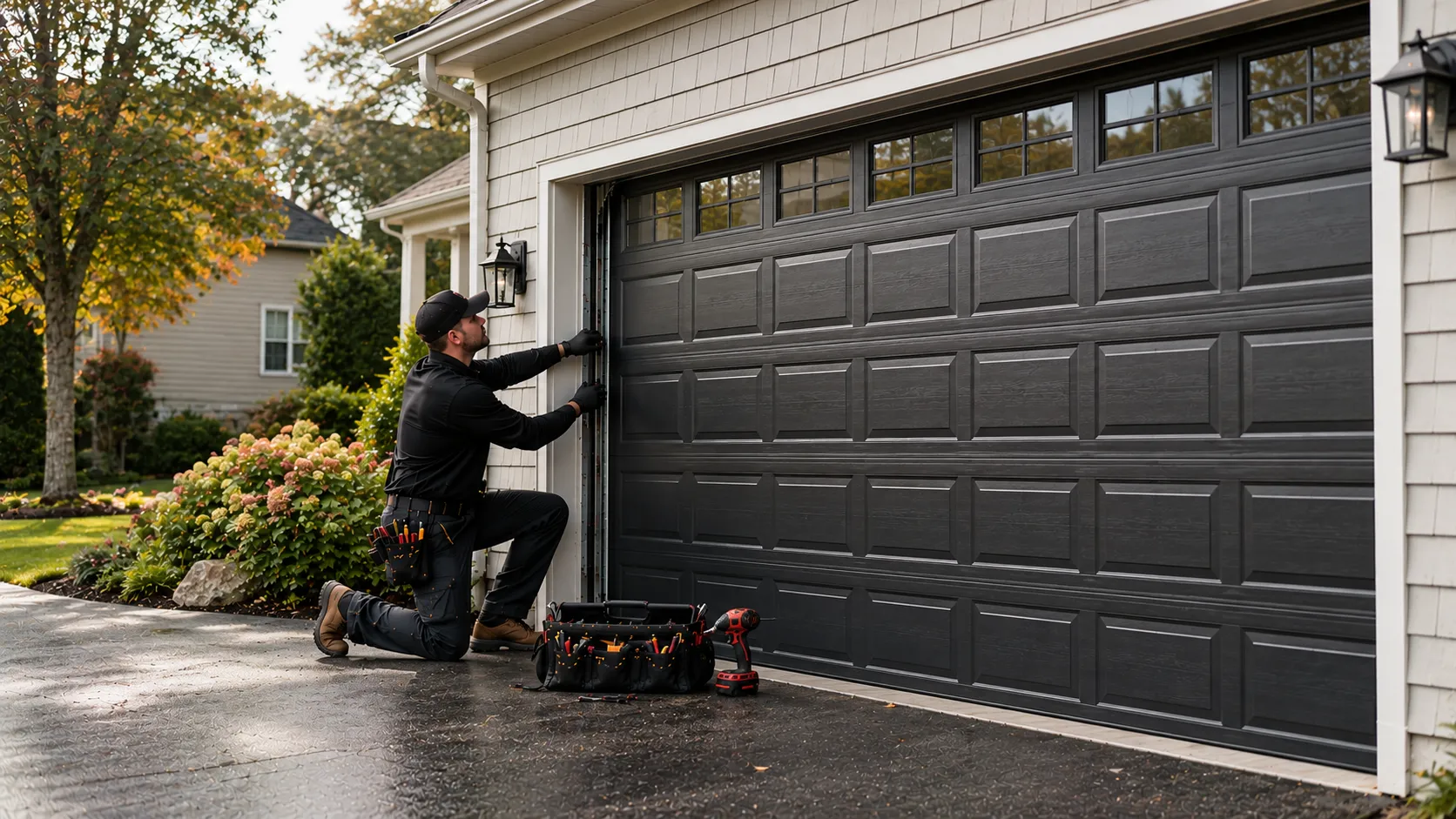
With 7,328 households in Evergreen Park, there's a fair amount of consistency block to block, more than you'd find in a town with a patchwork of building eras. The original doors from that period, where they survive, are usually single-layer steel or older wood-panel construction on extension springs mounted along the horizontal track rather than a center torsion bar. Owners who've replaced the door but kept the original track and drum setup are the calls we see most.
Median household income here runs $95,738, well above the $80,202 median across the wider service area, and it shows in how many owners in Evergreen Park have upgraded to insulated steel doors rather than living with the originals. Even so, plenty of garages still carry hardware nobody's touched since installation.
What That Means for Doors
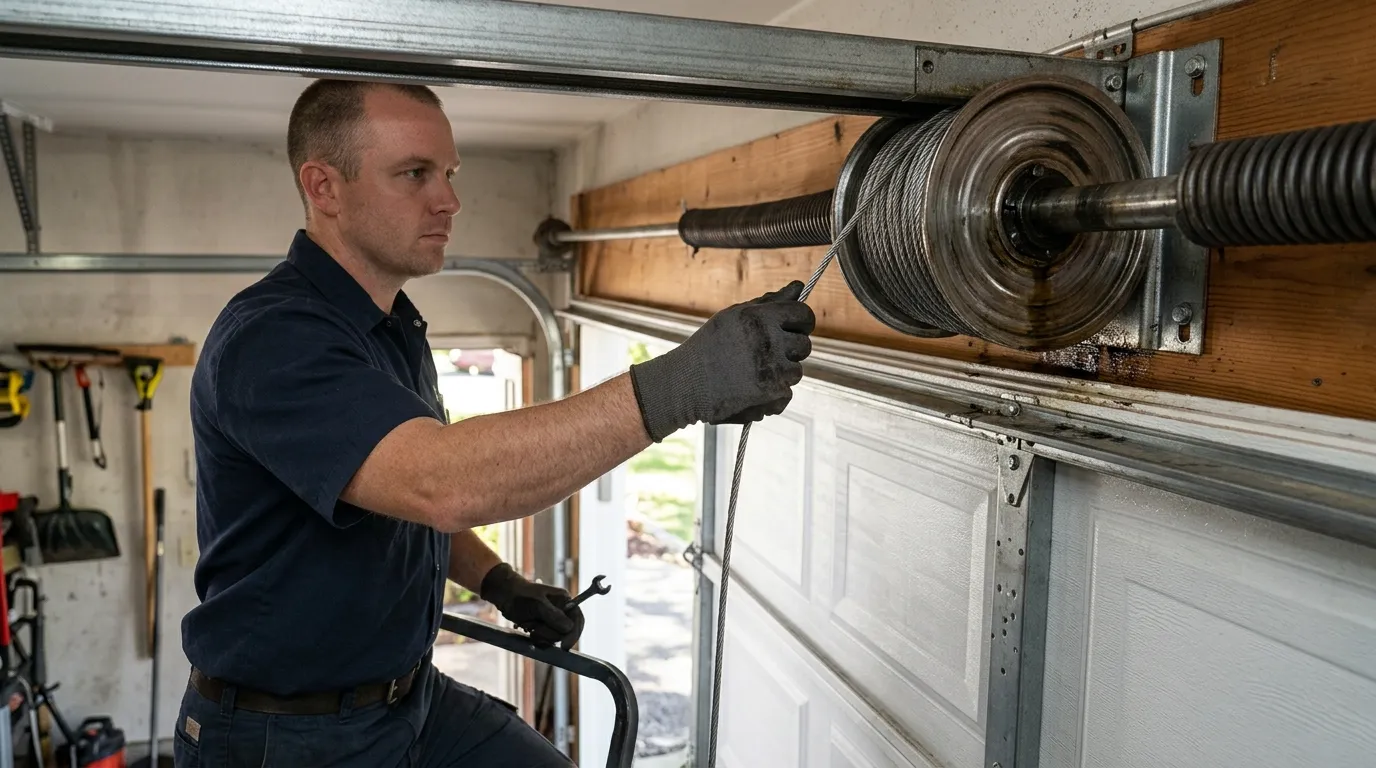
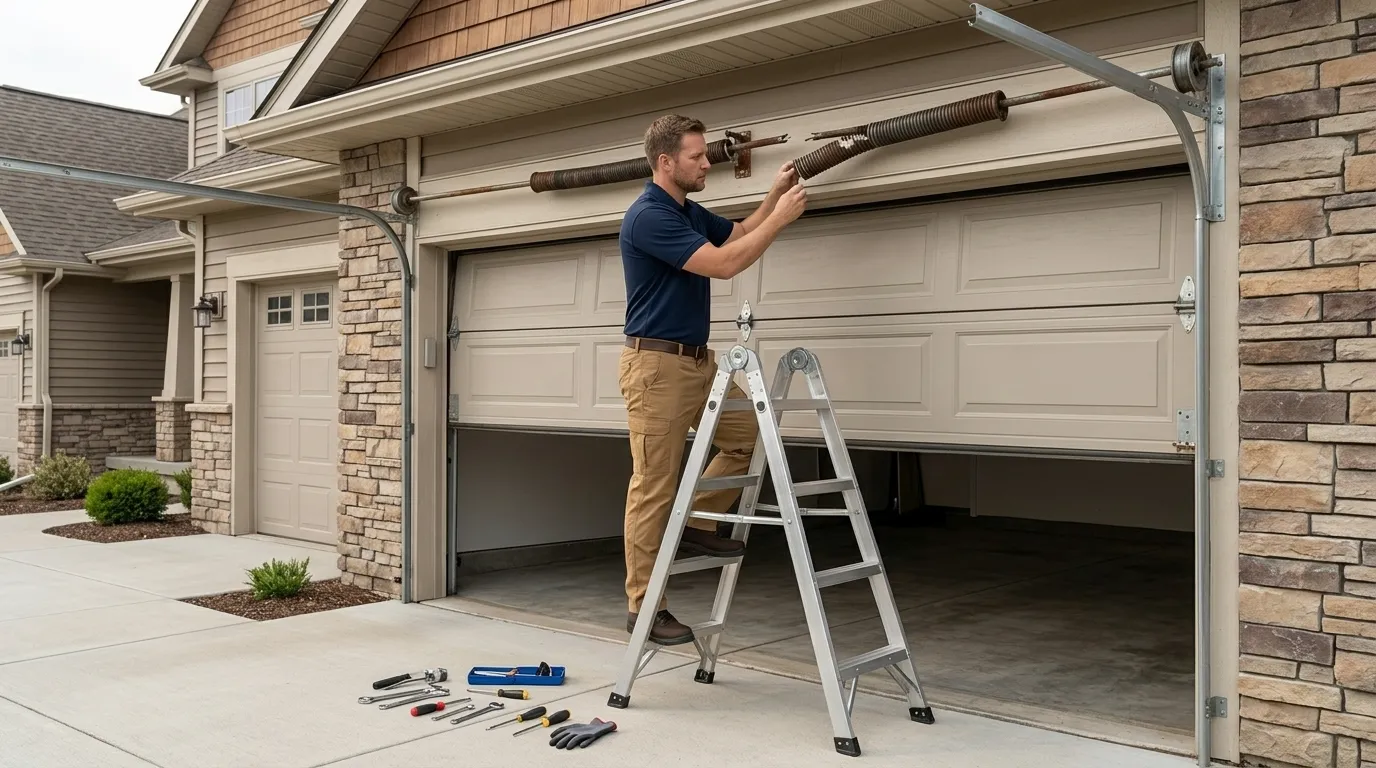
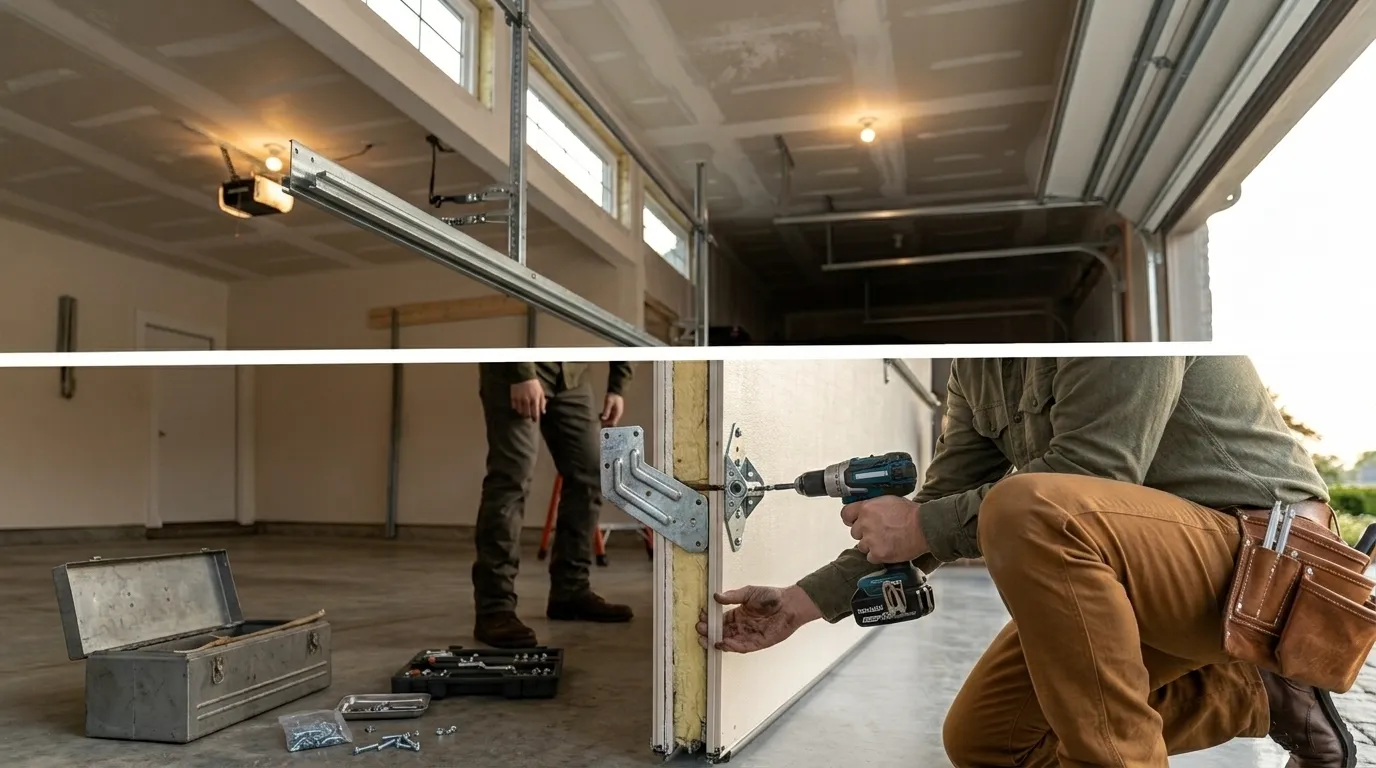
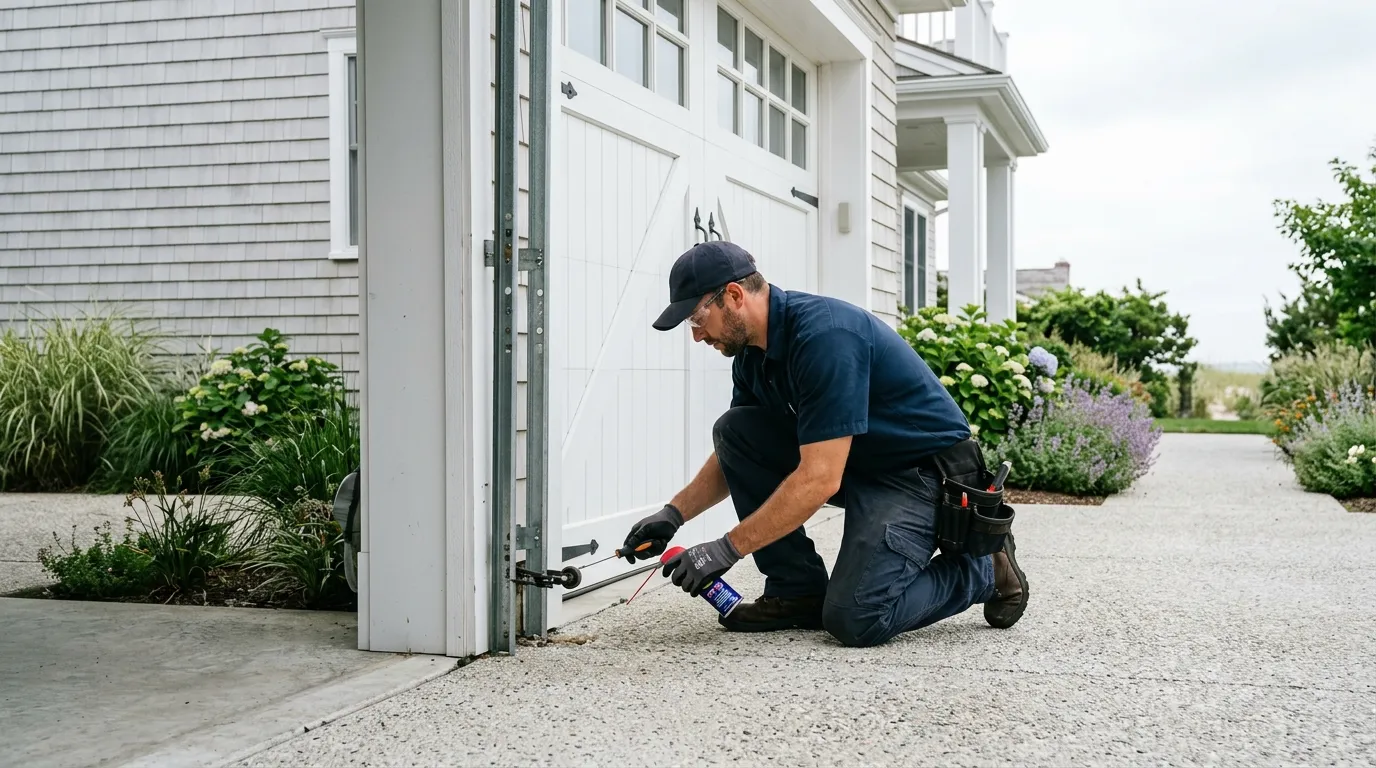
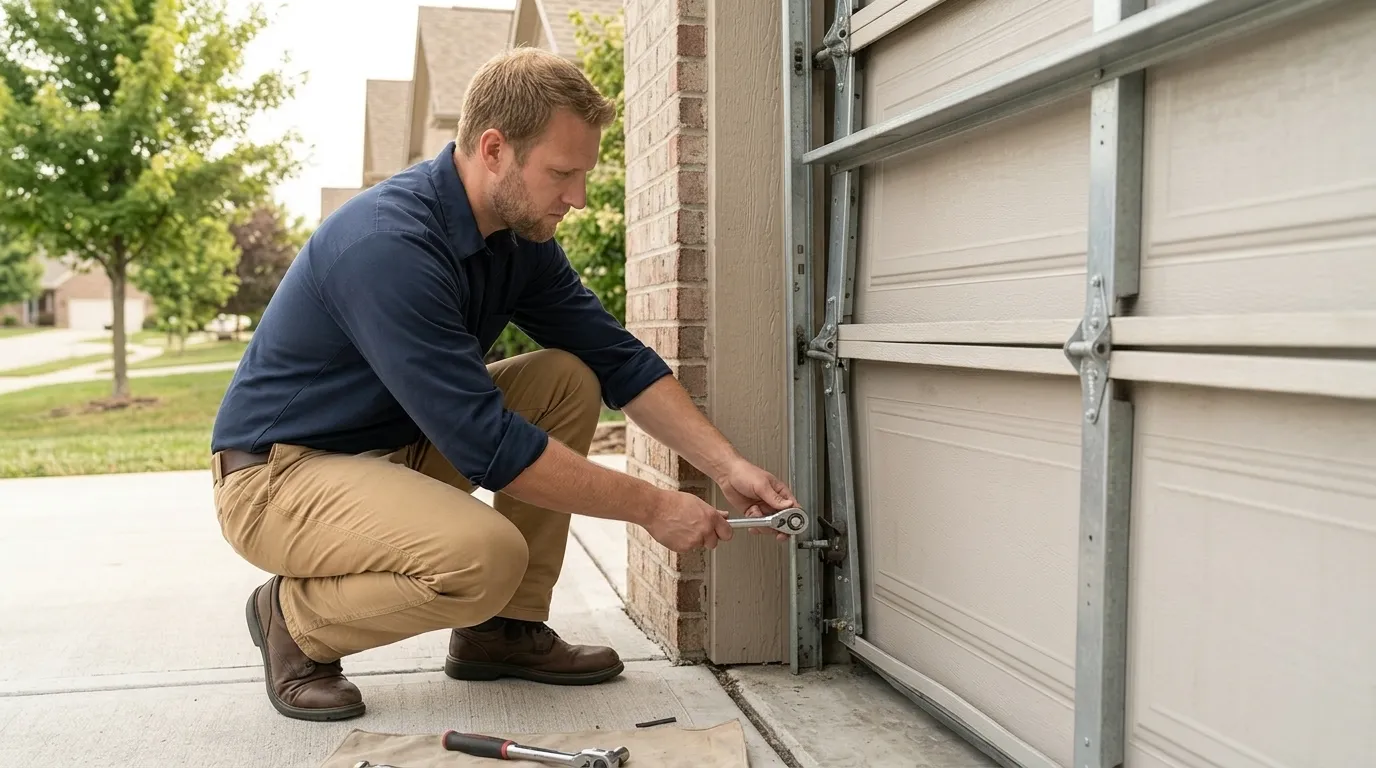
A door dating to a 1955 build usually runs on extension springs, not torsion, and those springs sit above the horizontal tracks rather than on a shaft over the opening. They're a different failure mode than what you'd expect from a 1980s or 90s torsion setup: extension springs stretch and fatigue rather than lose turns, and when they let go, the door can drop without the safety cable that later code required. If your garage still has the original springs, that missing cable is worth checking regardless of anything else that's wrong.
COLD moderate winters put steady stress on any hardware, but it hits older extension-spring setups harder because the coils are already worked closer to their limit from decades of temperature swings. Openers from a later retrofit onto original 1950s track are also a common mismatch we find, where the motor is newer but the rail and roller geometry are original and undersized for it.
One honest limit: if the header framing itself has settled or shifted over seventy years, a new door can bind no matter how well it's installed, and that's carpentry work outside a garage door call.
What People Here Ring About
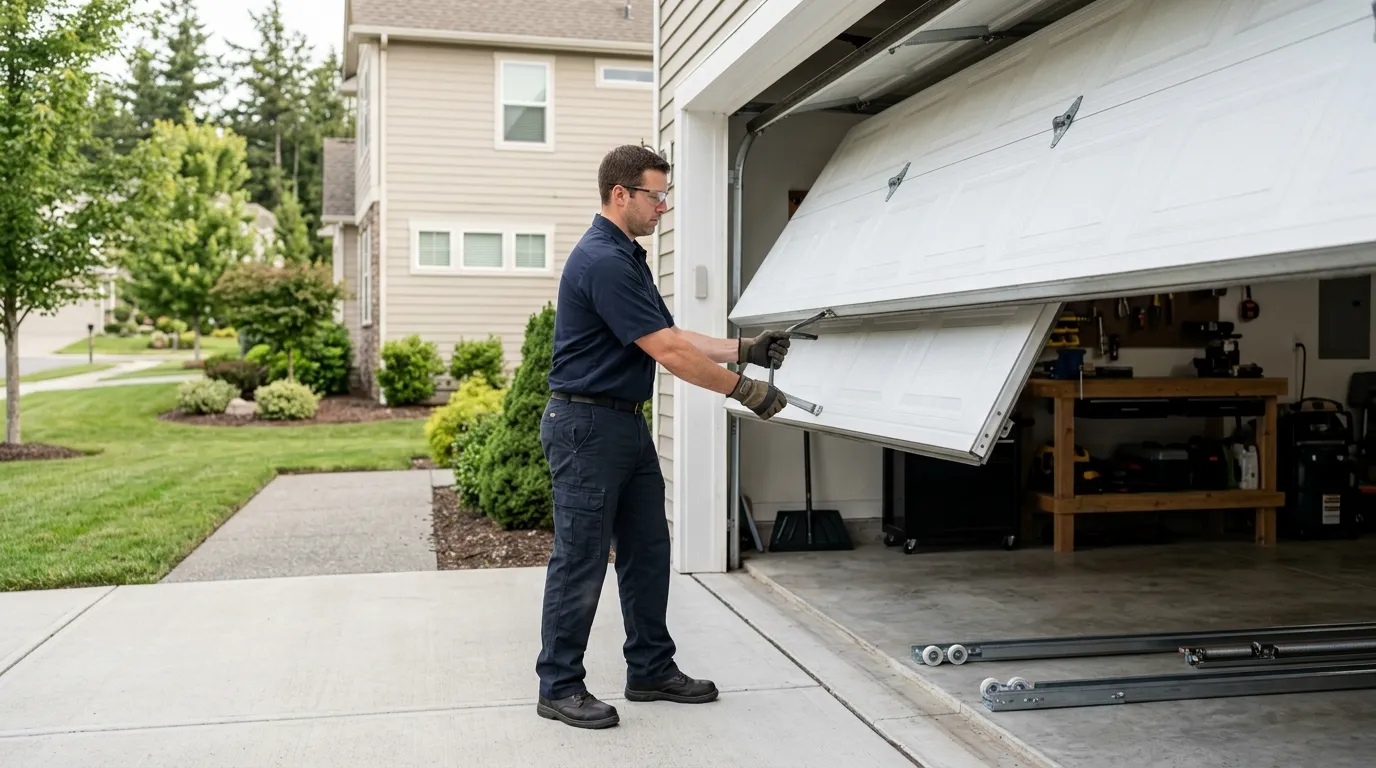
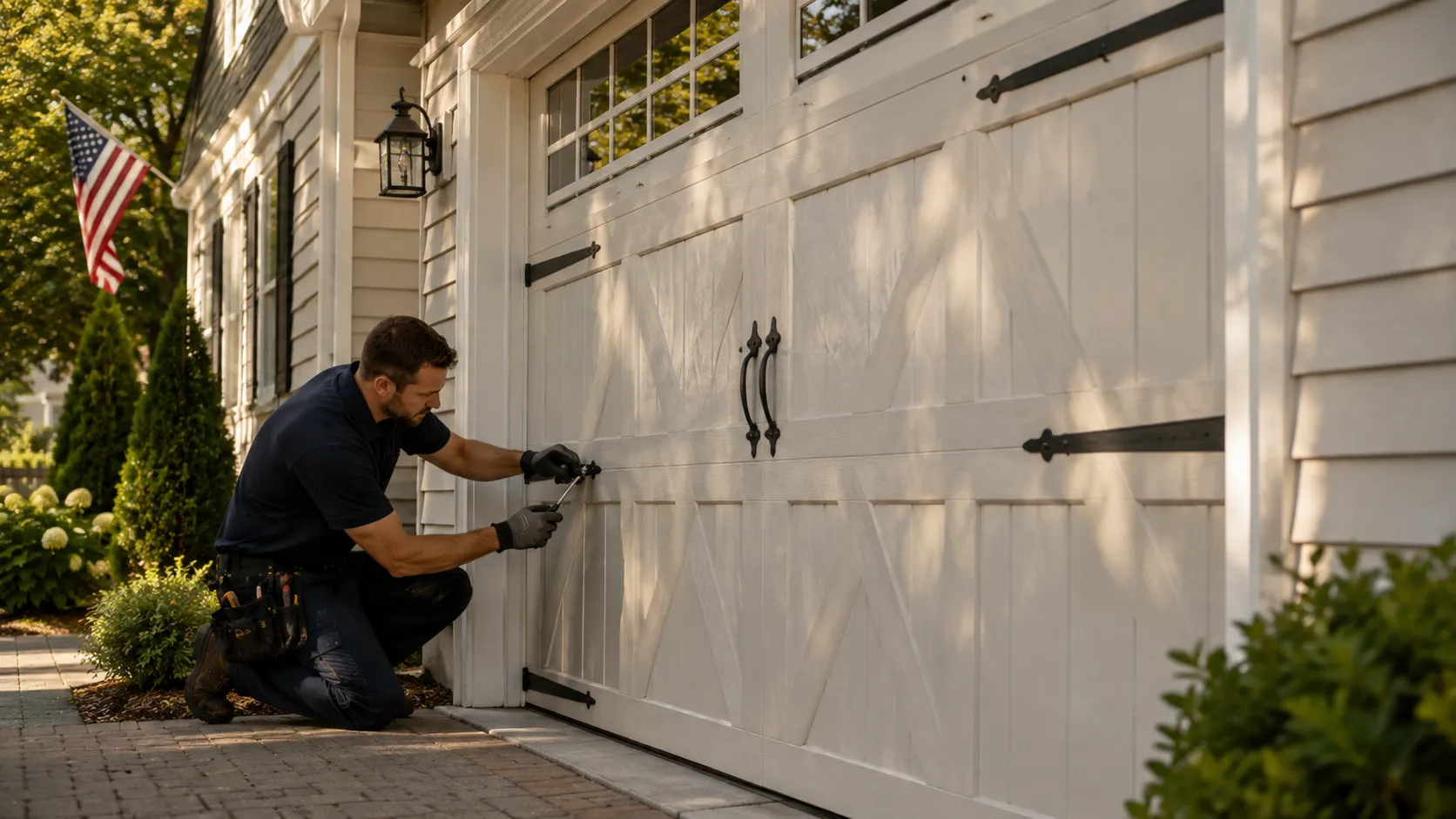
The calls that come out of Evergreen Park lean toward extension spring failures, sagging tracks that were never upgraded, and openers straining against original hardware. We also hear from owners whose parents or grandparents owned the house, dealing with a door that's original or close to it and finally past patching.
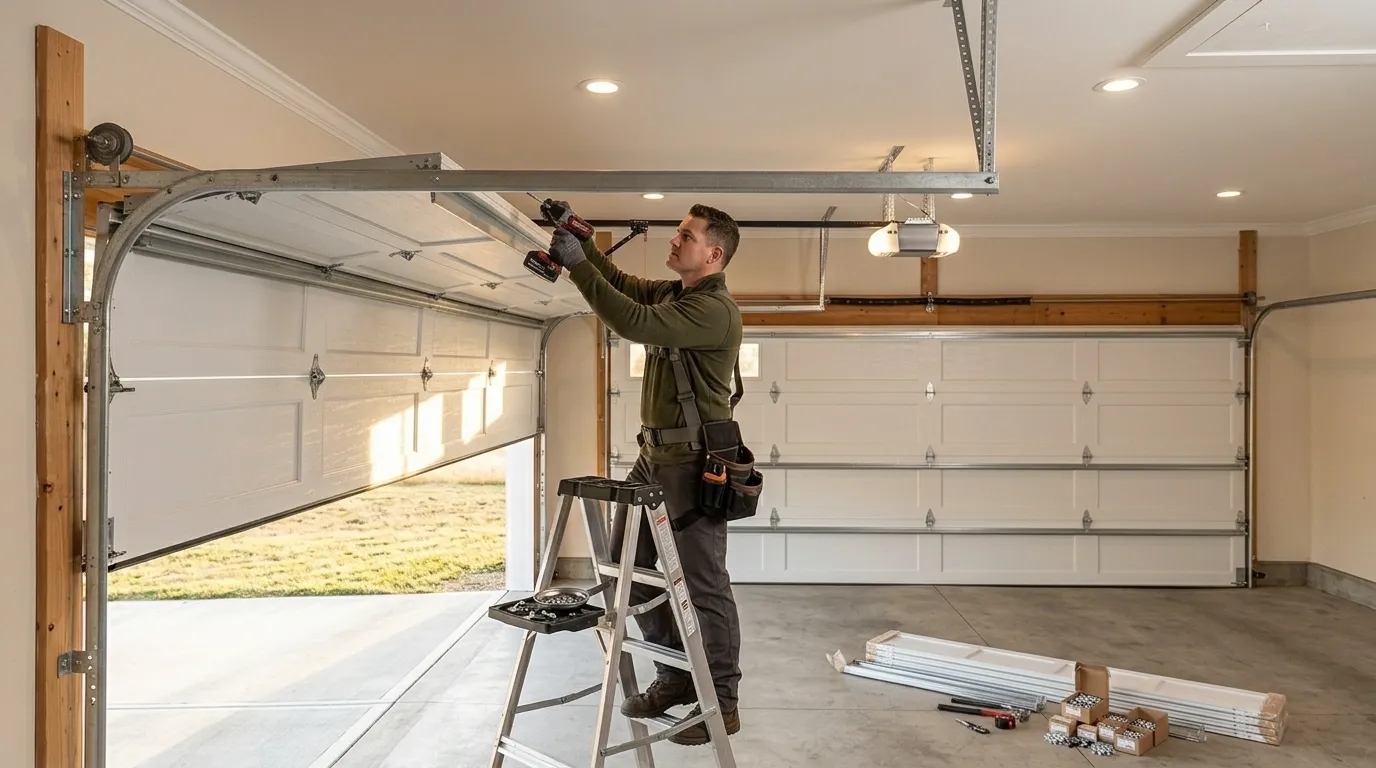
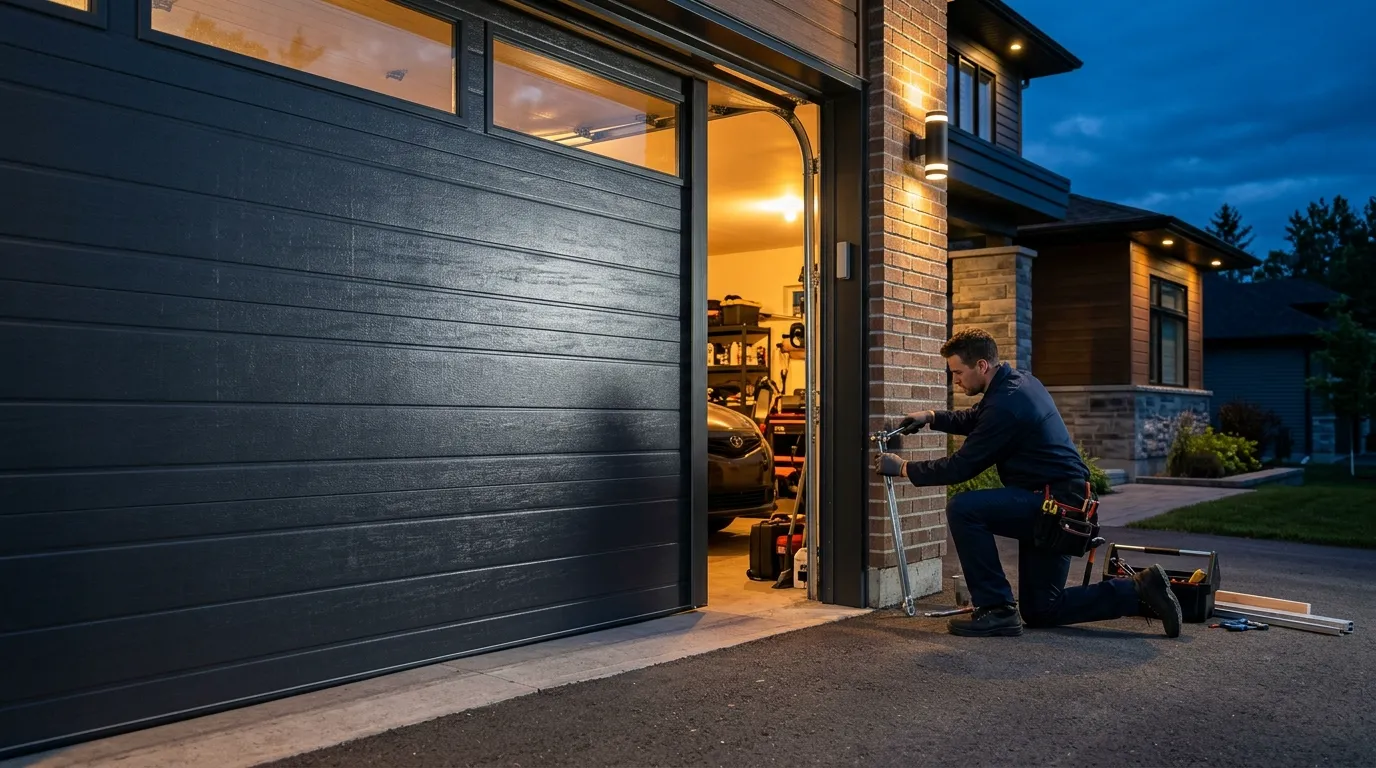
Given the income level here, more owners are choosing full replacement over another round of repair once the original hardware starts failing in more than one place at a time, and that's often the more sensible call on a door pushing seventy years old. Others just want the extension springs swapped for torsion and a safety cable added without a full door replacement, which is a reasonable middle step if the panels themselves are still sound.