This Area's Housing
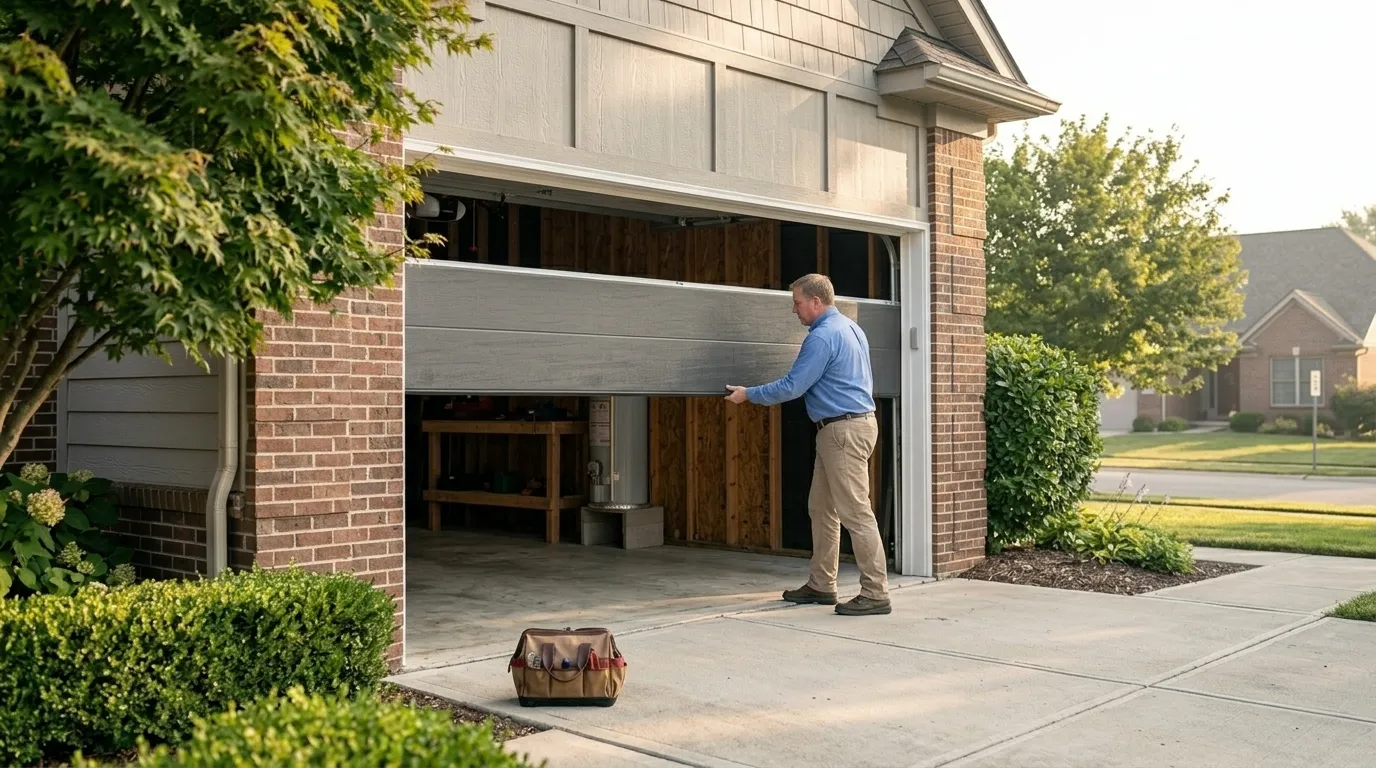
Franklin Park's houses cluster around a median build year of 1956, which puts this area on the older edge of the 1938-1994 range we see across the wider service area, where the median build year runs closer to 1964. That eight-year gap matters more than it sounds like on paper. A house built in the mid-1950s was framed for a single-car garage with a narrower opening than what gets built today, and the hardware that went in with it was whatever the builder's supplier stocked that year - often a lighter-gauge torsion setup or, on some blocks, extension springs mounted along the horizontal track instead. With roughly 5,900 households in Franklin Park, there's a real concentration of these original configurations still in service, sometimes with the original door panel still hanging on the original track. Median household income here sits at $76,009, a bit under the $80,202 figure for the broader area, which tends to show up in how doors get maintained - more patch repairs, fewer full replacements before something actually fails. None of that is a problem by itself. It just means a tech showing up to a Franklin Park job is more likely to be working on hardware that predates the parts aisle at most supply houses.
What That Means for Doors
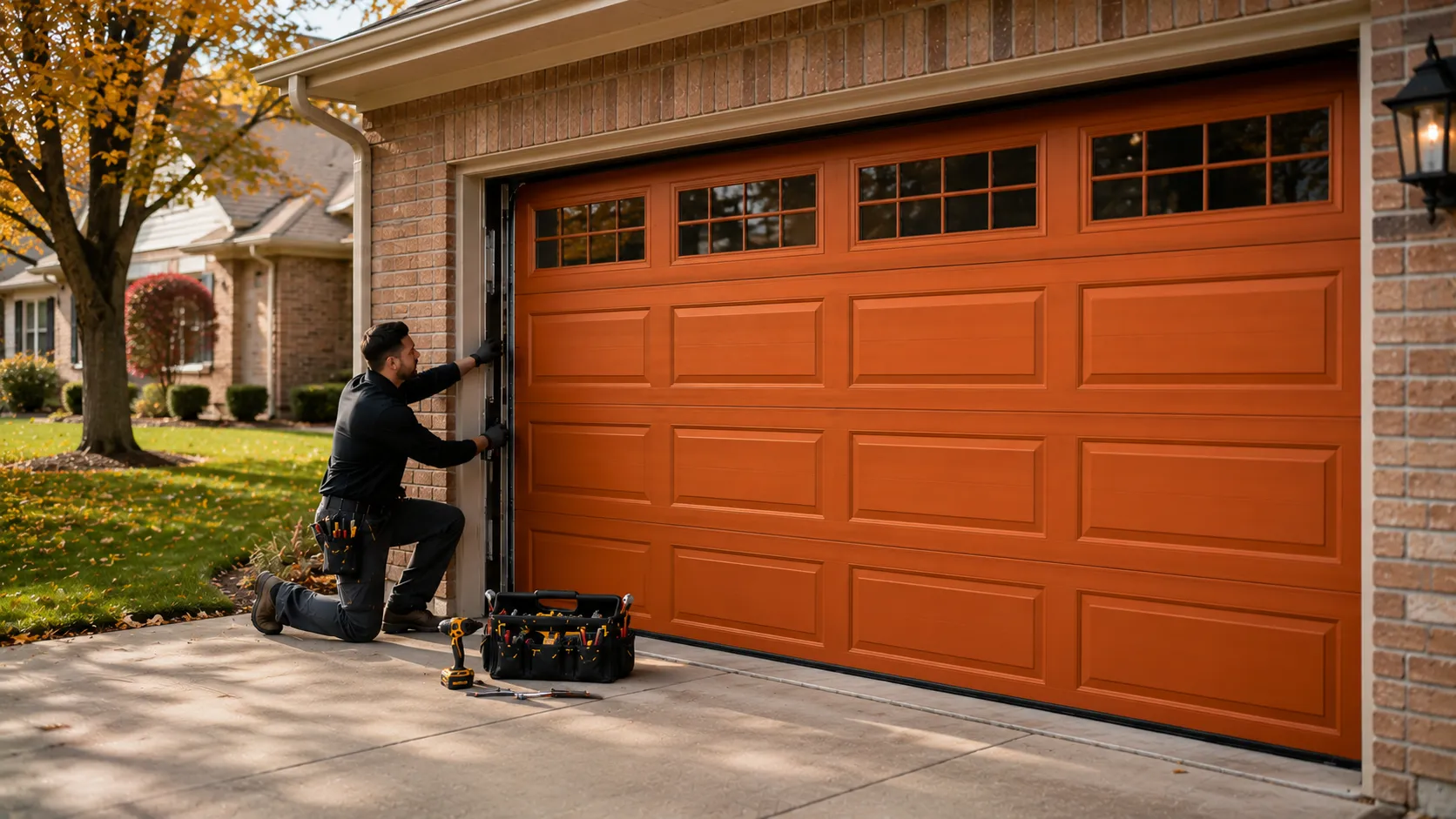
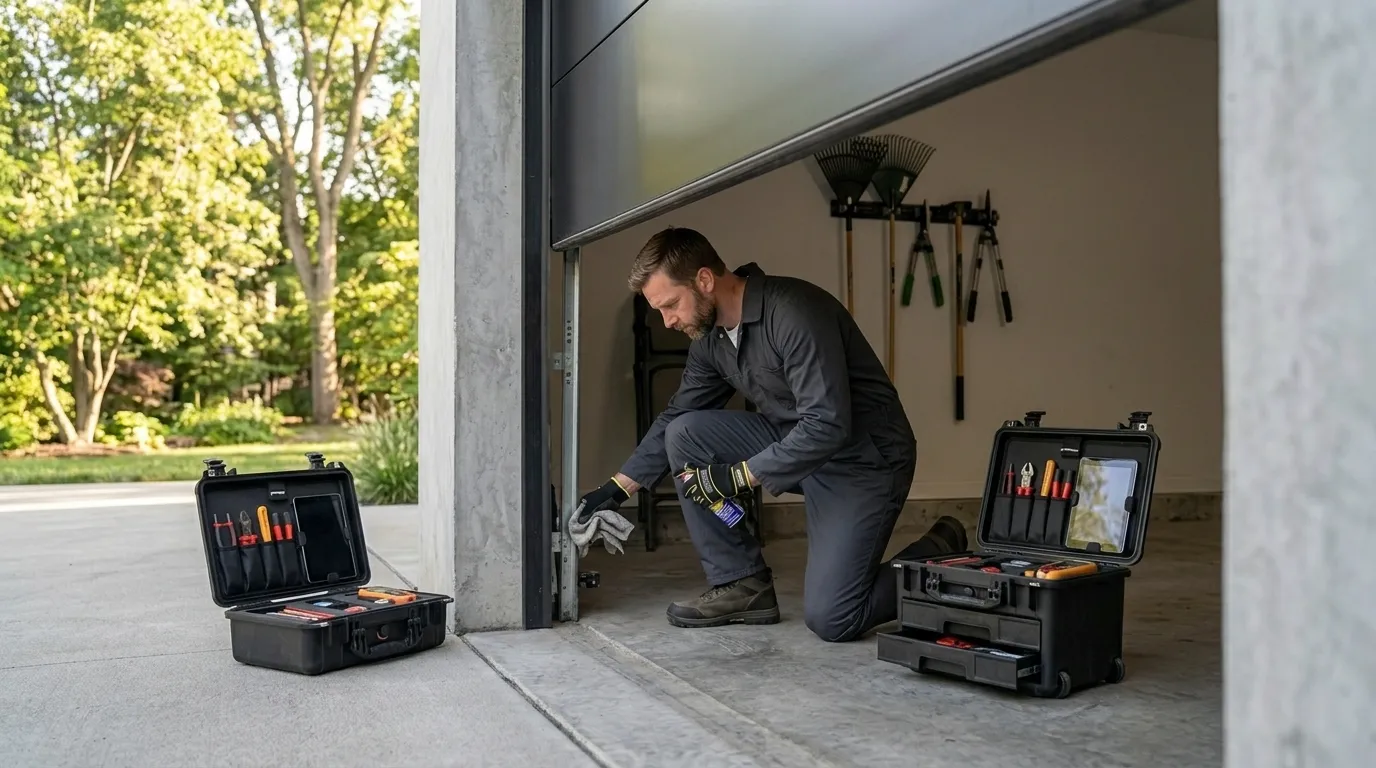
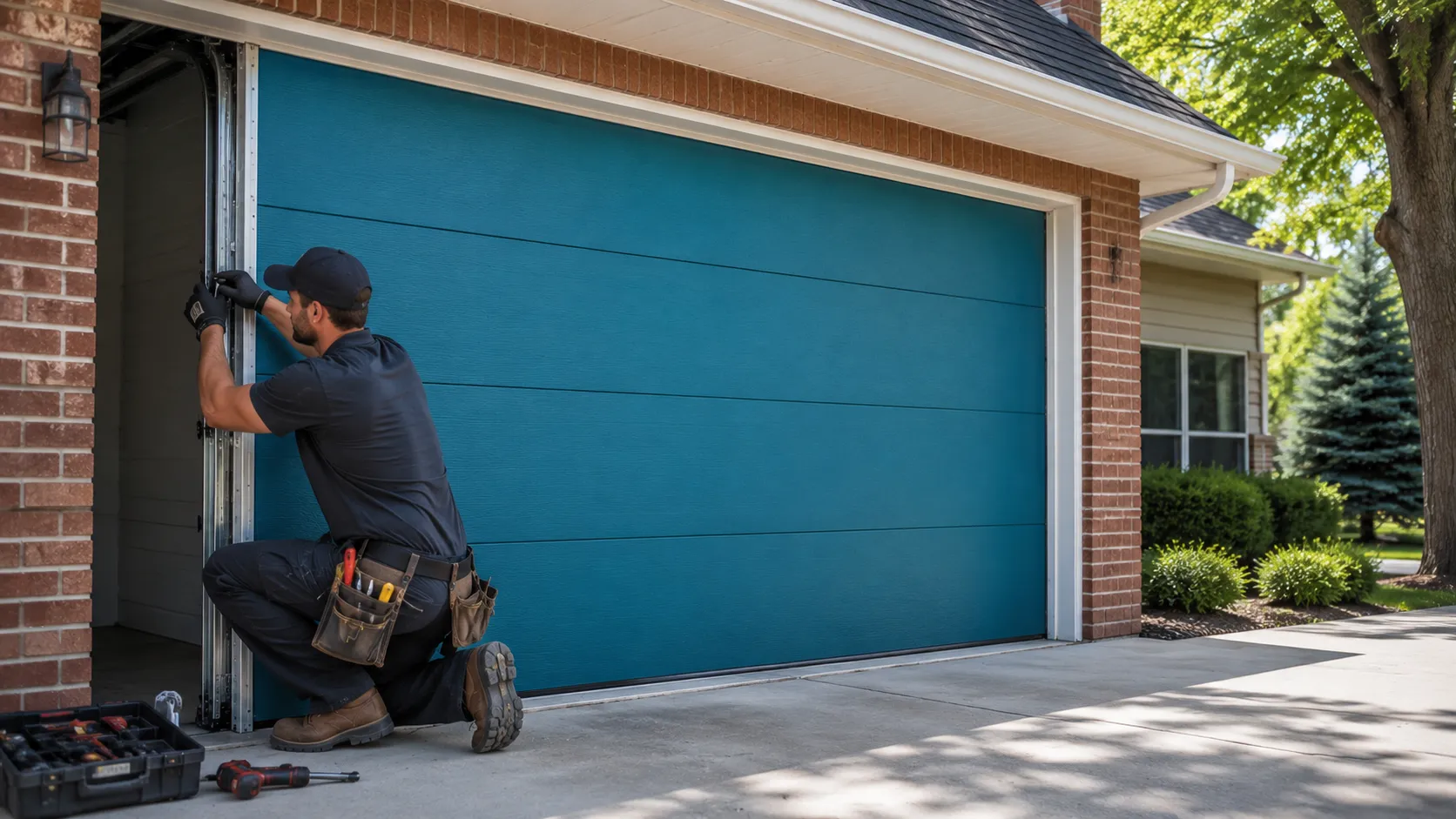
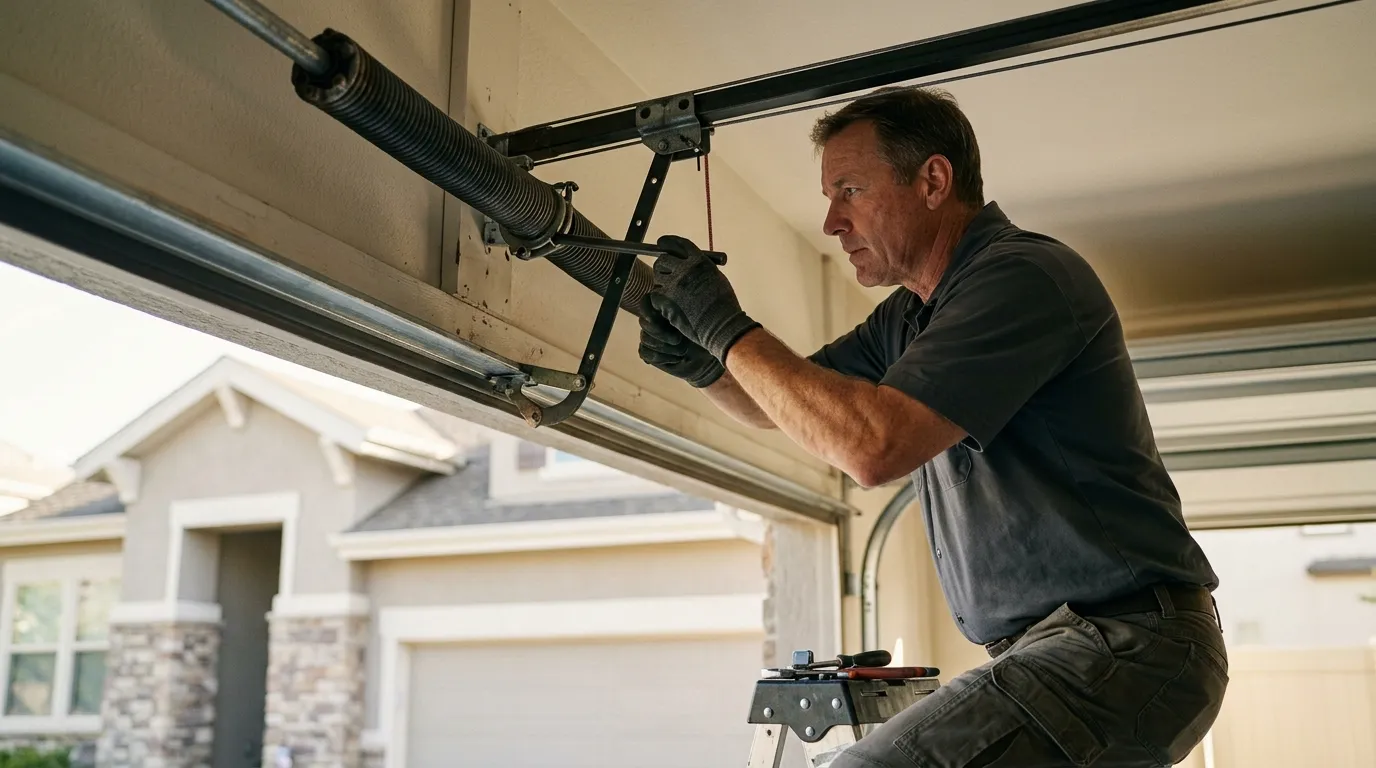
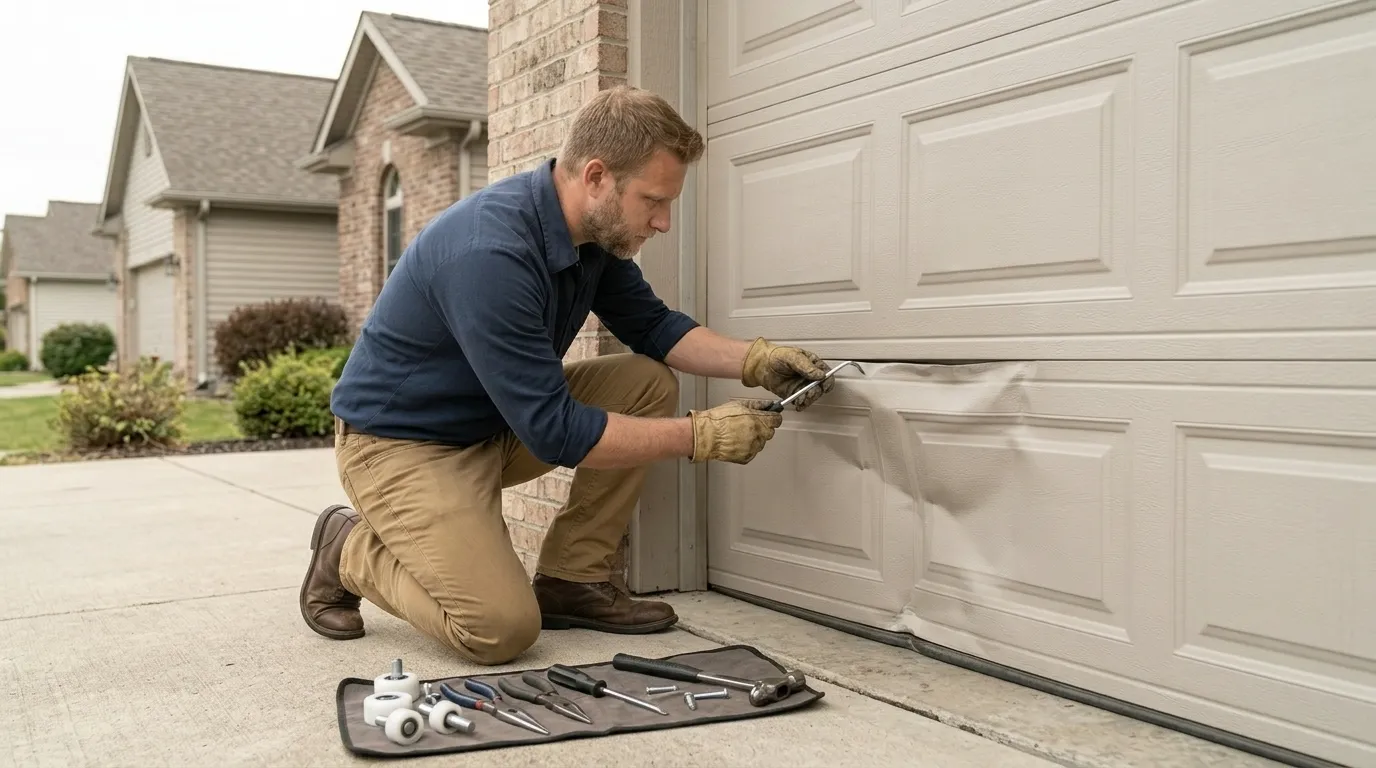
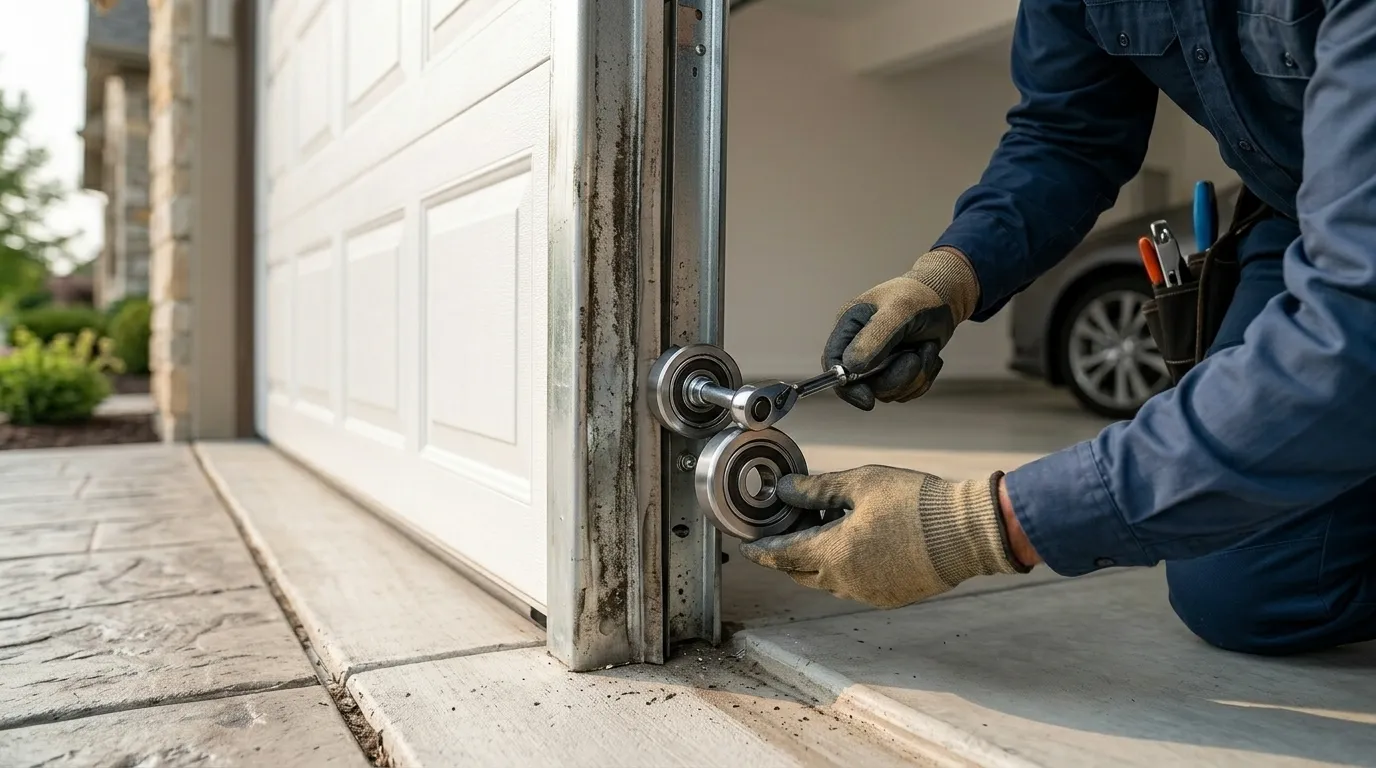
Put the housing age and the distance together and you get a specific kind of service call. On a 1956-built garage, the most common failure isn't the opener - it's the spring, and specifically a torsion spring that's outlived its cycle count by a wide margin because nobody's touched it since the house was sold twice ago. Rollers on these older single-car doors tend to be steel, not nylon, which means more noise and more wear on the track over the decades. The climate here runs cold with real seasonal swings, and that combination of age and weather is rough on galvanized hardware - tracks pit, cables fray at the drum, and painted panels show rust bubbling at the bottom seam before anything else quits. We'll be straight with you: on some of these older doors, once the track is bent and the panel's rusted through, replacing the section costs more than replacing the whole door, and we'll tell you that instead of billing you for a patch that won't hold a season.
What People Here Ring About
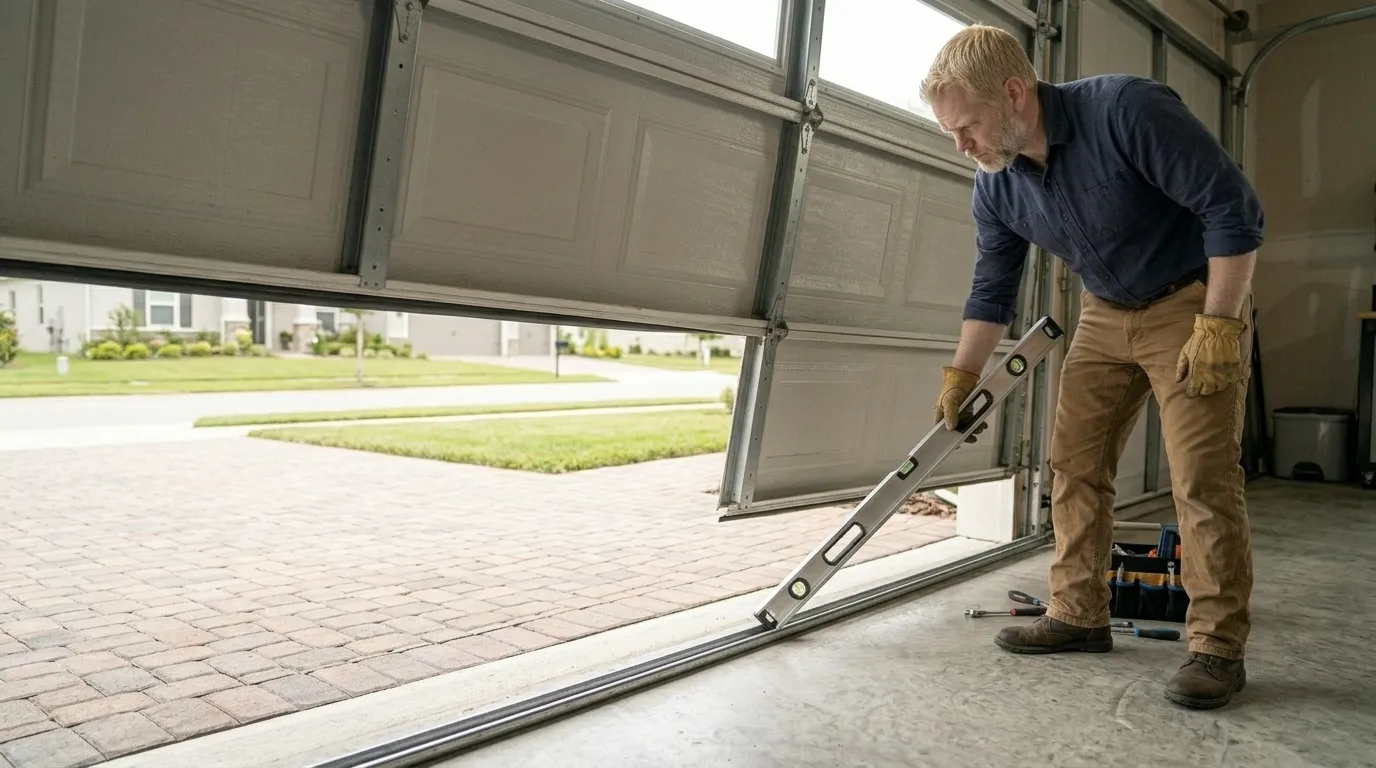
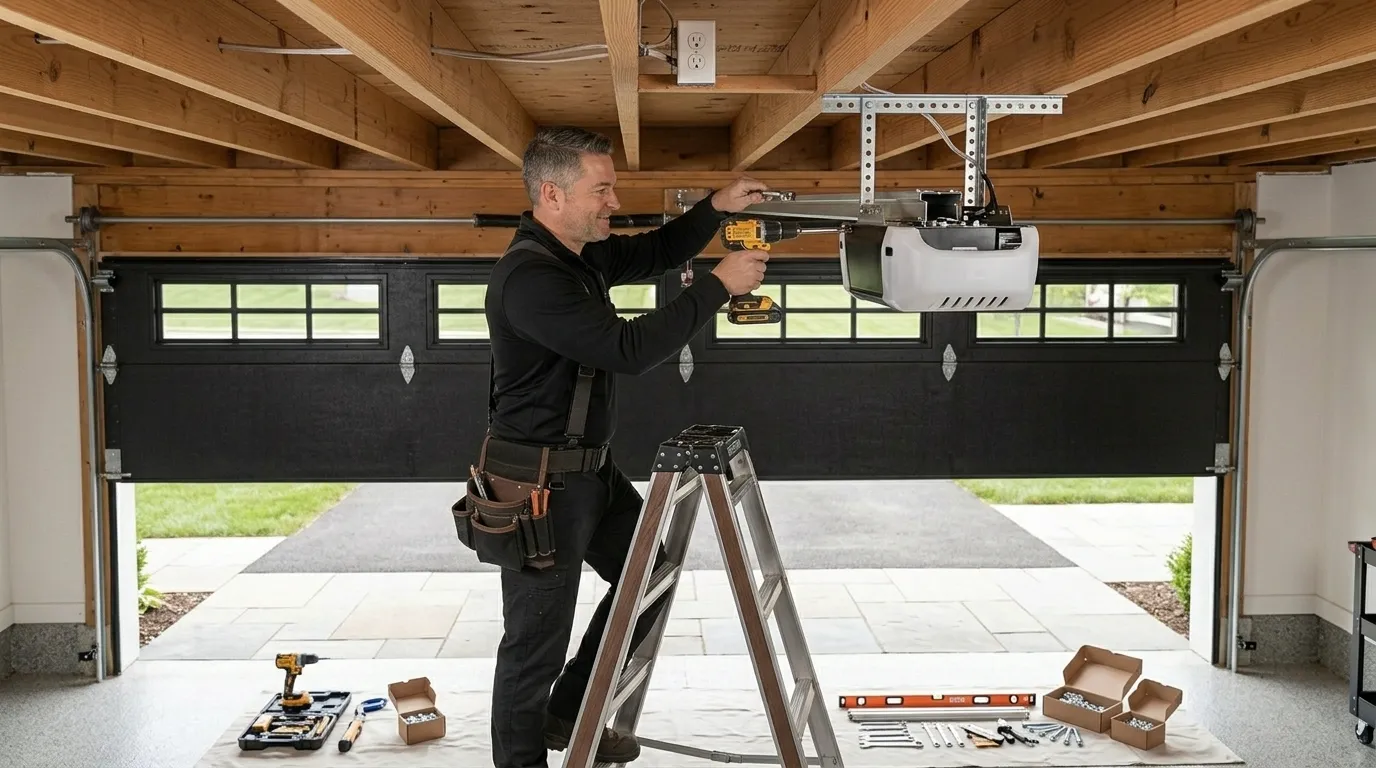
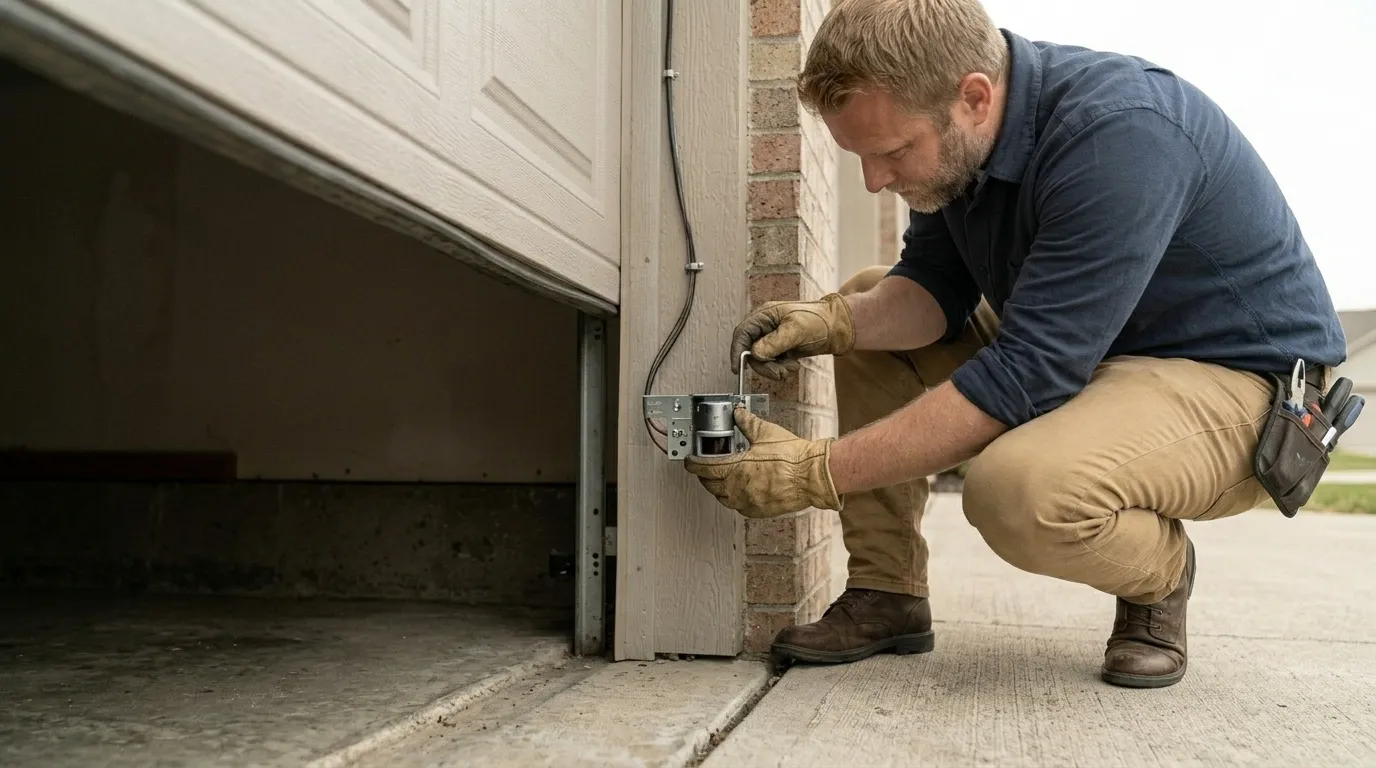
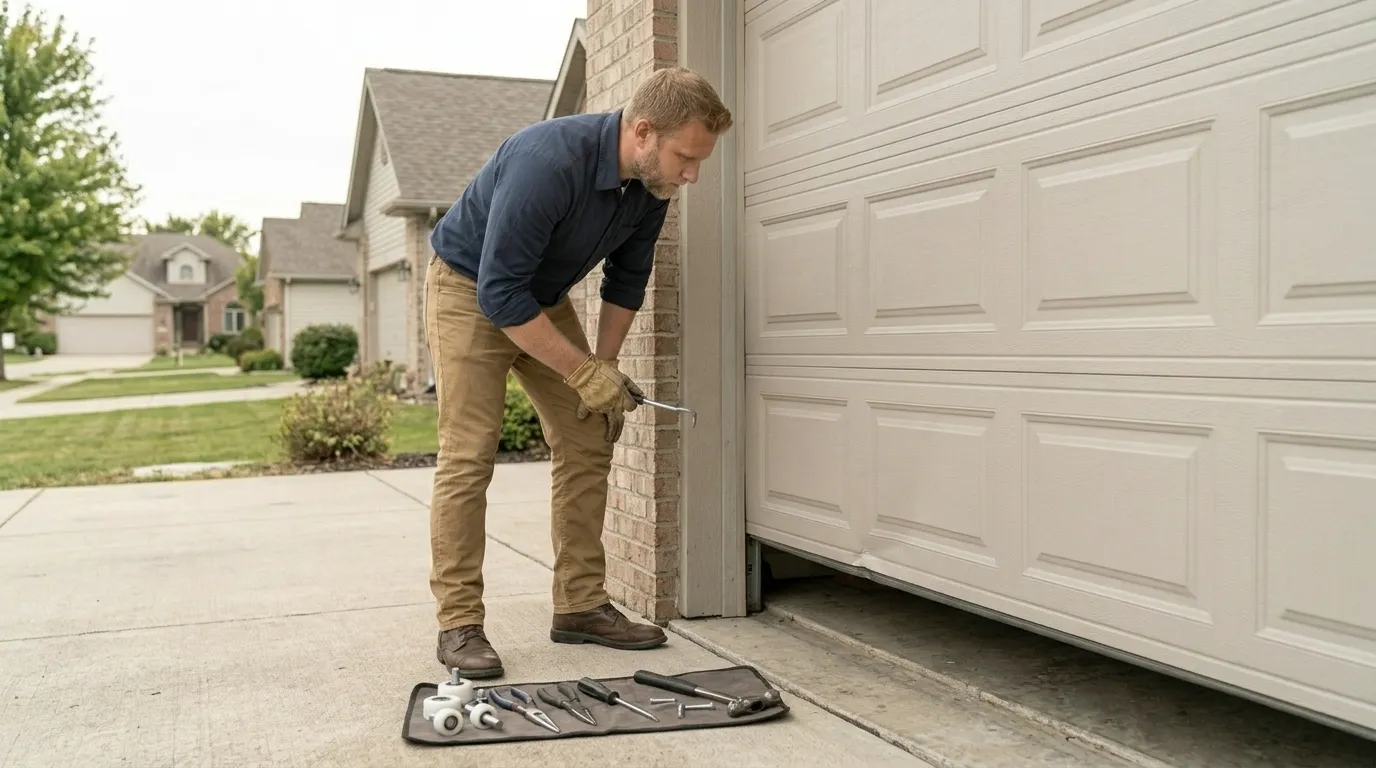
The calls we get from this area follow a pattern tied to the housing stock. Torsion springs snapping cold on a January morning is the big one - a 1950s spring under decades of cycles doesn't give much warning. Second most common is a door that's gone crooked in the track, usually because one cable stretched or frayed faster than the other, which on an older single-car opening throws the whole panel off square fast. We also hear from owners whose opener is newer than the door itself - someone swapped the opener at some point but left the original hardware, and now the two don't match up well, especially the safety sensors. We don't stock every obsolete part for a door this old, and if yours needs a piece nobody's made in years, replacement is usually the straighter answer than chasing it down.