This Area's Housing
Golf is a small village, and it shows in the numbers: about 199 households total, with a median year built of 1965. That's tighter and more uniform than the wider service area, where homes went up anywhere from 1938 to 1994. In Golf, you're mostly looking at one construction wave, mid-1960s, which means the garage doors and openers going bad right now are largely doors and openers from the same era of hardware.
Median household income here runs $238,098, well above the $80,202 median across the 461,017 households in the broader service area. That doesn't change how a torsion spring fails, but it does mean more owners in Golf are choosing full door and opener replacements over patch repairs when something from 1965 finally gives out, rather than stretching an old system another five years.
With so few households, Golf doesn't have the mixed housing stock you see in a place with 86 named subdivisions built across five decades. It's a small, consistent target: doors and tracks that are all roughly the same age, wearing out around the same time.
What That Means for Doors
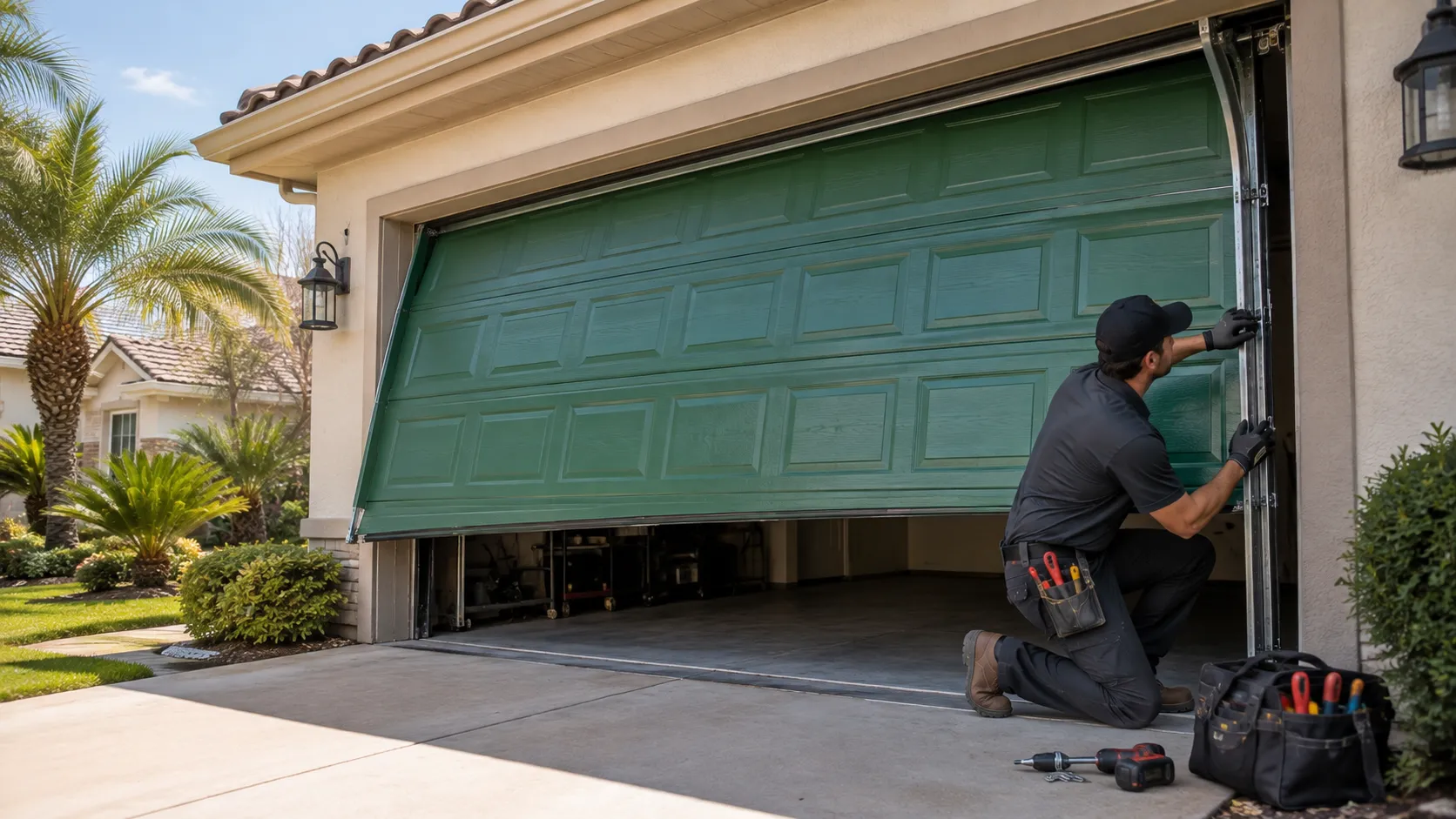
A door built around 1965 is a different animal from a door built in 1990. At that age, you're often dealing with a single-layer steel panel, older-style torsion or extension spring setups, and openers that have likely already been swapped out once or twice by a previous owner - sometimes with hardware that doesn't quite match the original track spacing.
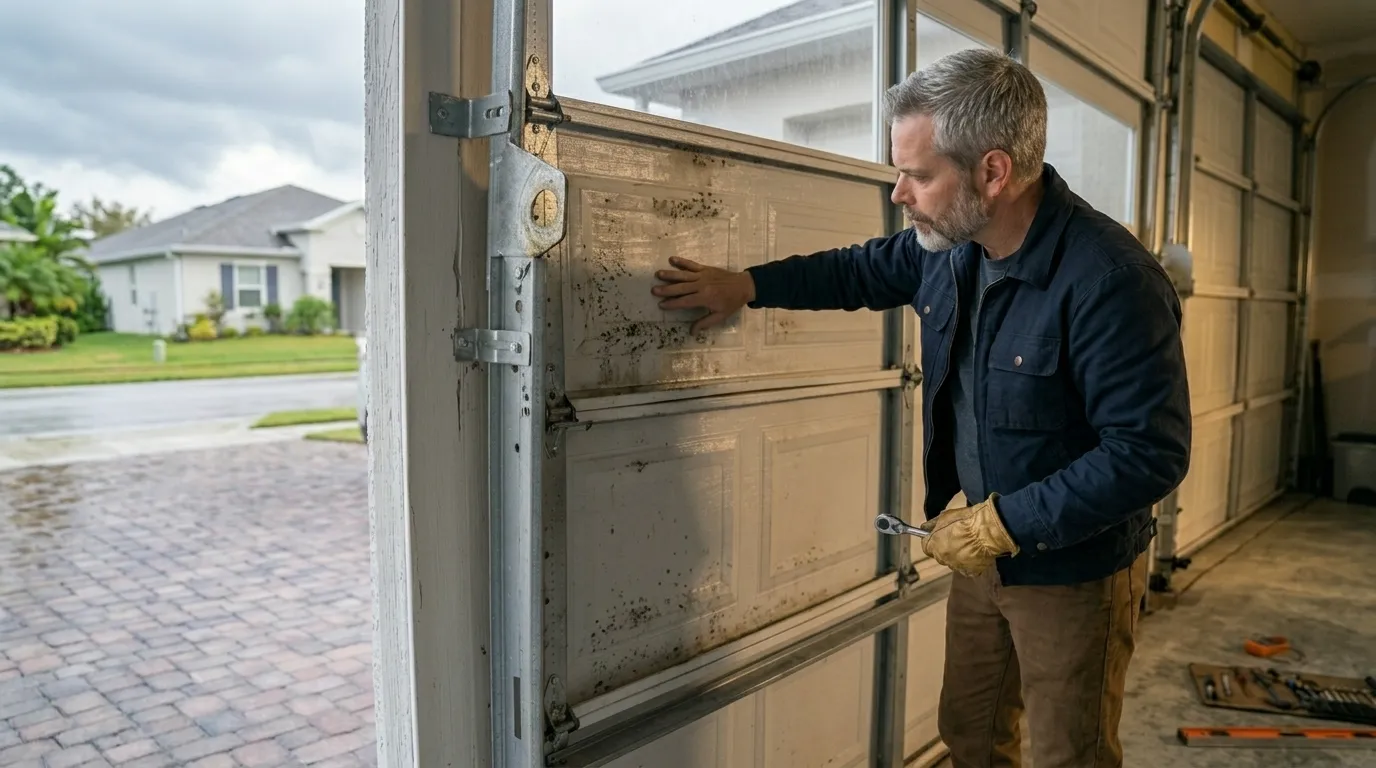
Our climate here runs cold with moderate swings, and 60 years of freeze-thaw cycles on original or near-original hardware adds up. Rollers dry out, track brackets loosen from repeated expansion and contraction, and springs rated for a lighter door sometimes end up holding a heavier replacement panel that was never weighed against the original spec.
One honest limitation: we don't carry every obsolete spring size or original-era track bracket on the truck. If your door is running true 1965 hardware that hasn't been touched, there's a real chance we need to special-order a part rather than fix it same-visit. We'll tell you that on-site rather than guess and leave you with a door that's half-fixed.
What People Here Ring About
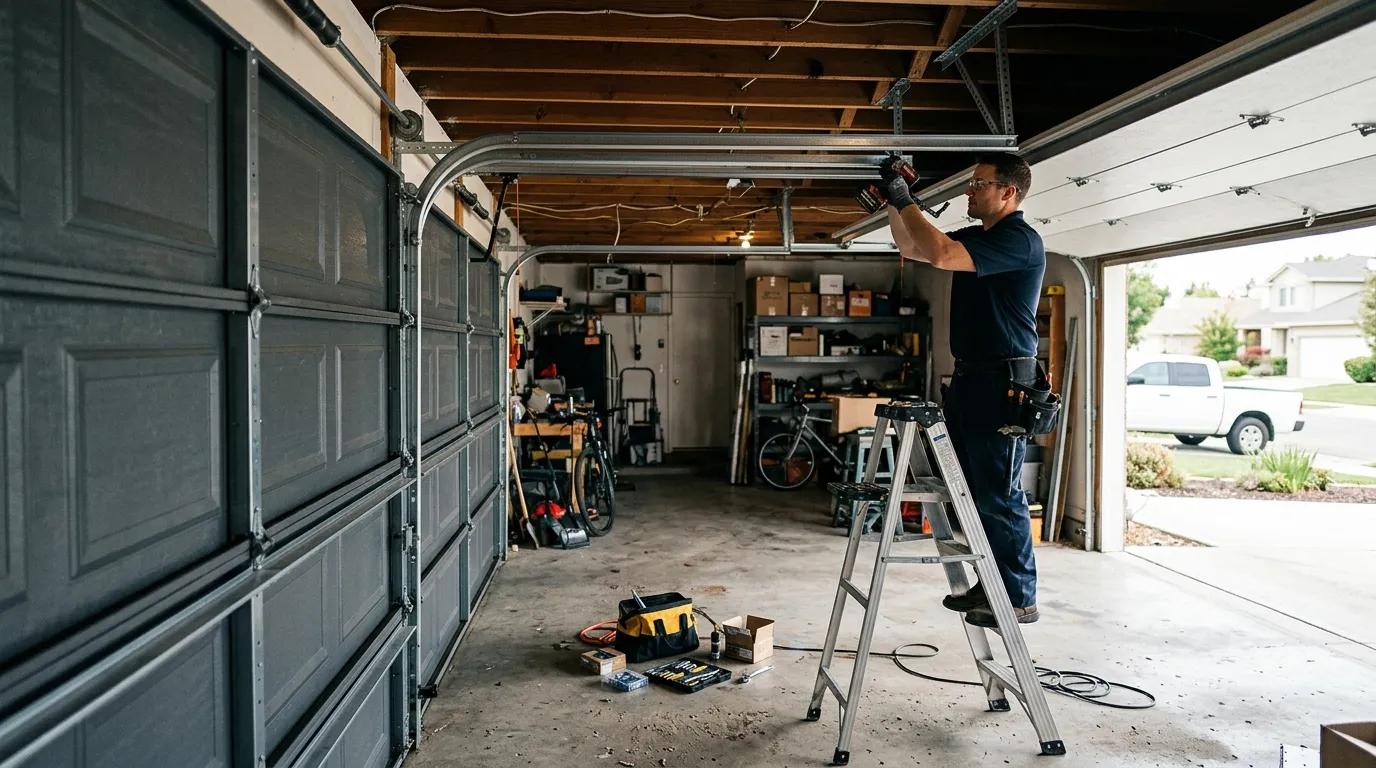
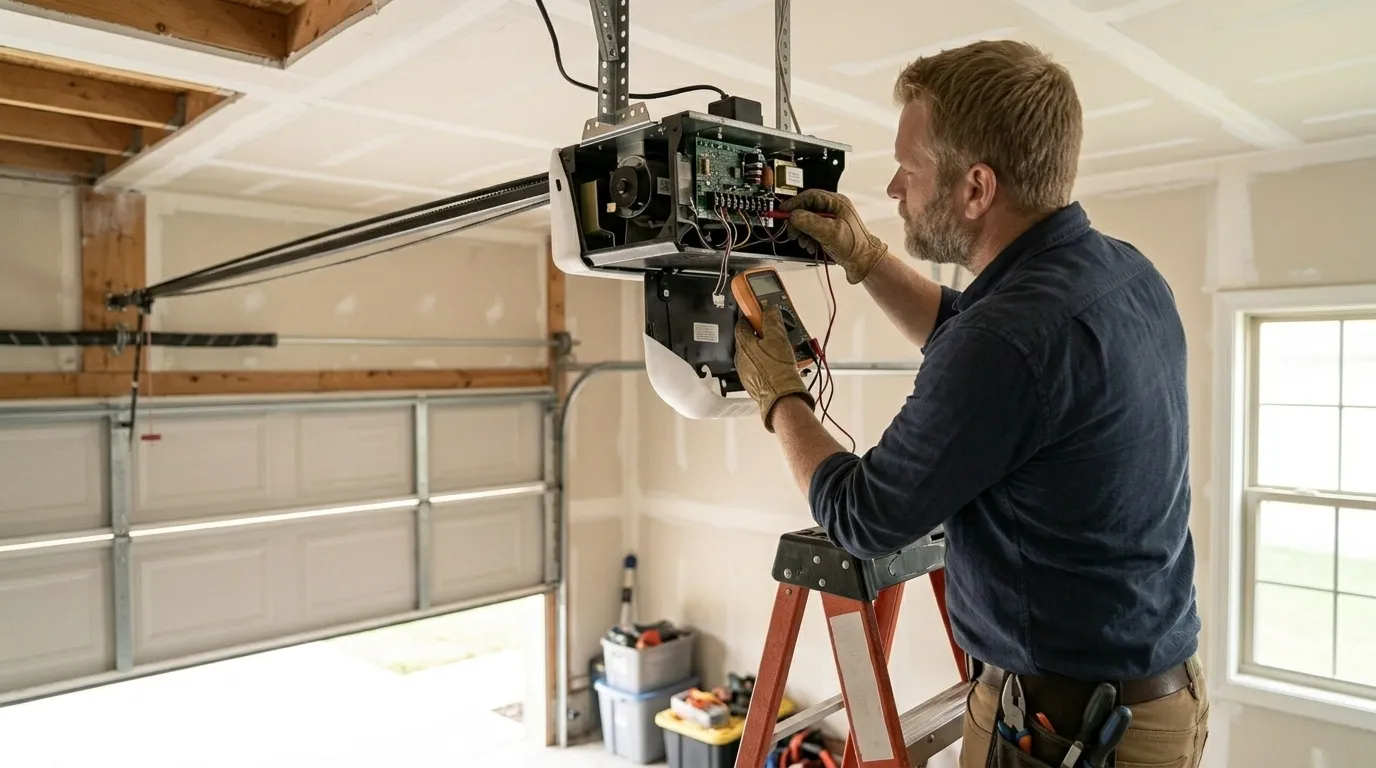
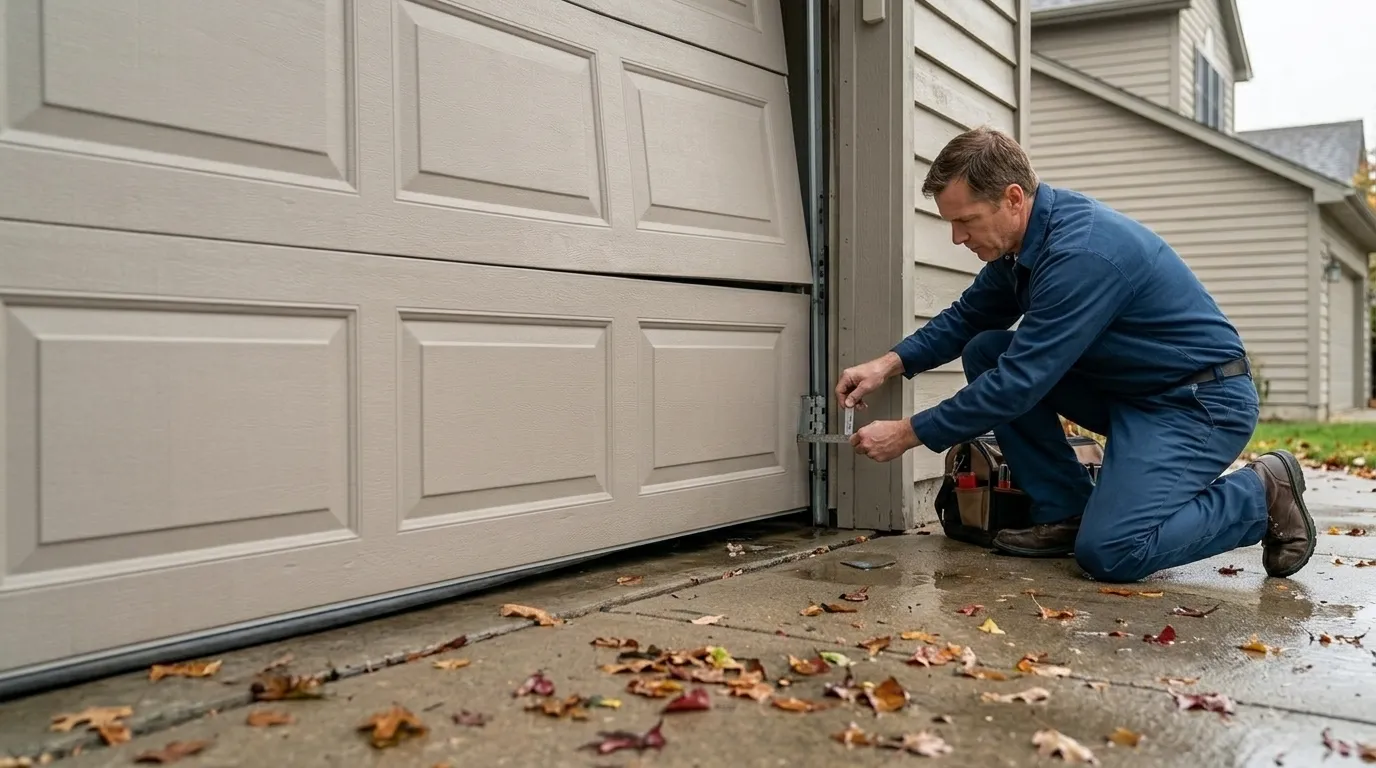
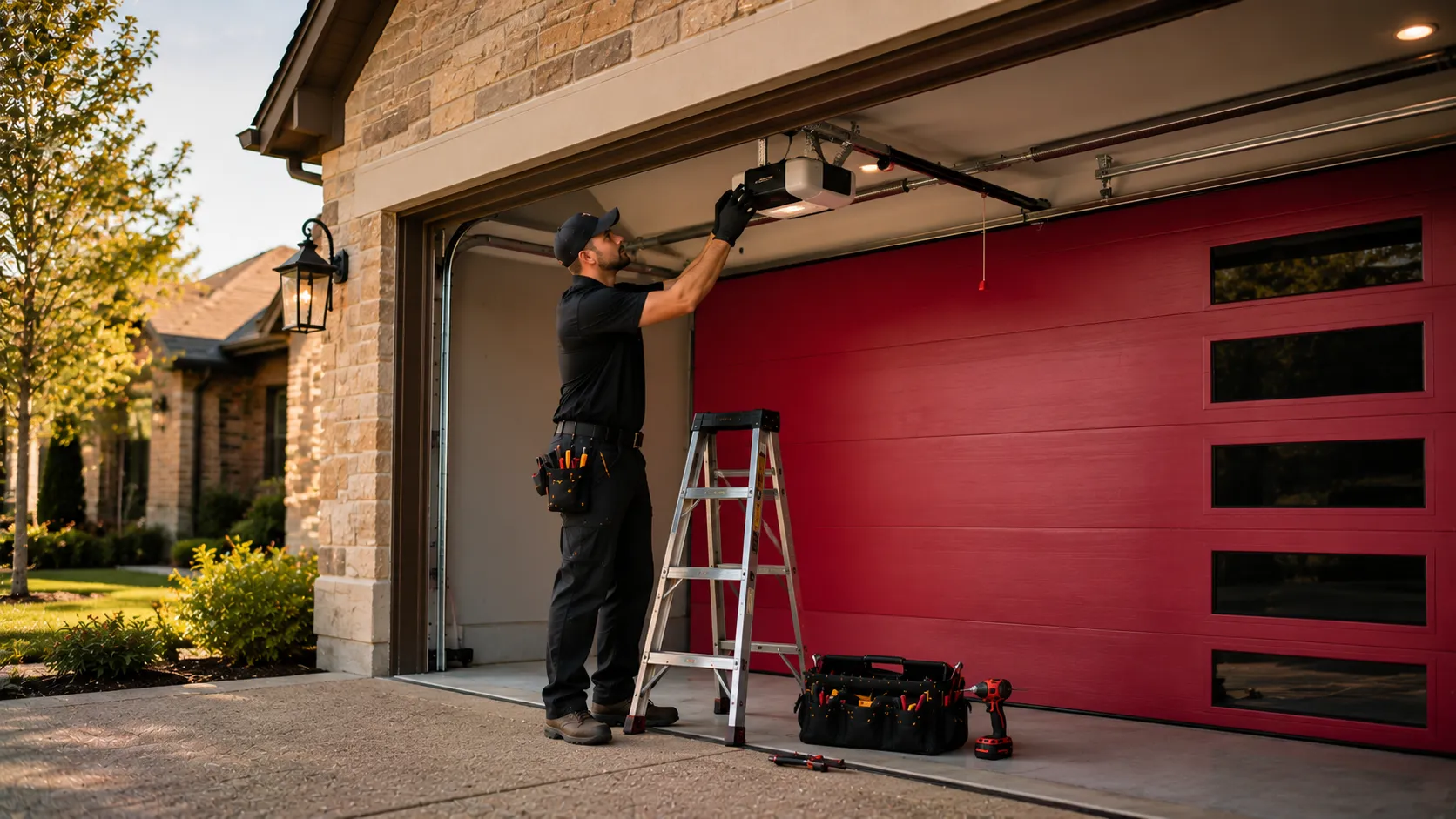
Given the age and consistency of the housing stock, the calls from Golf tend to cluster: a torsion spring that's finally worn through after decades of cycling, an opener from an earlier replacement round that's grinding or failing to reverse, or a track that's pulled loose from a bracket that was never upgraded past the original 1960s mounting.
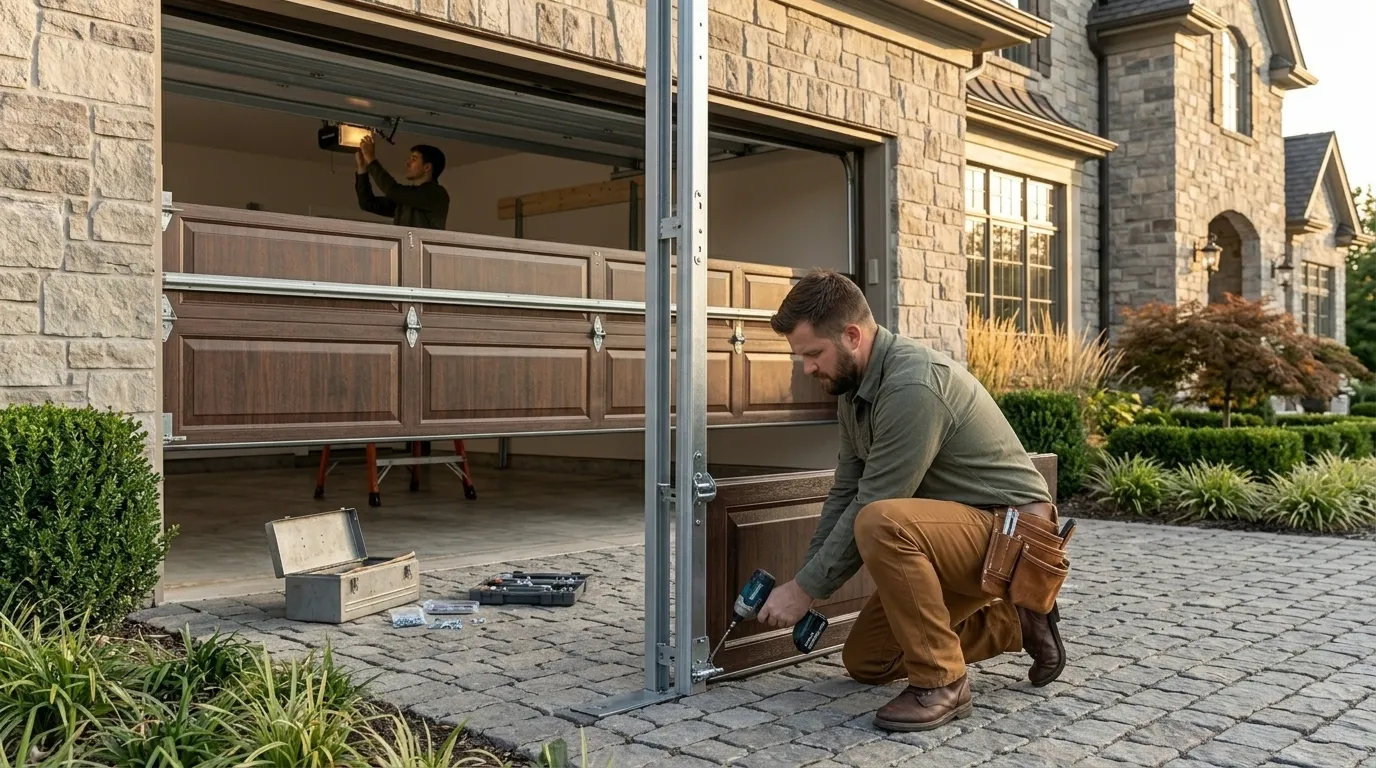
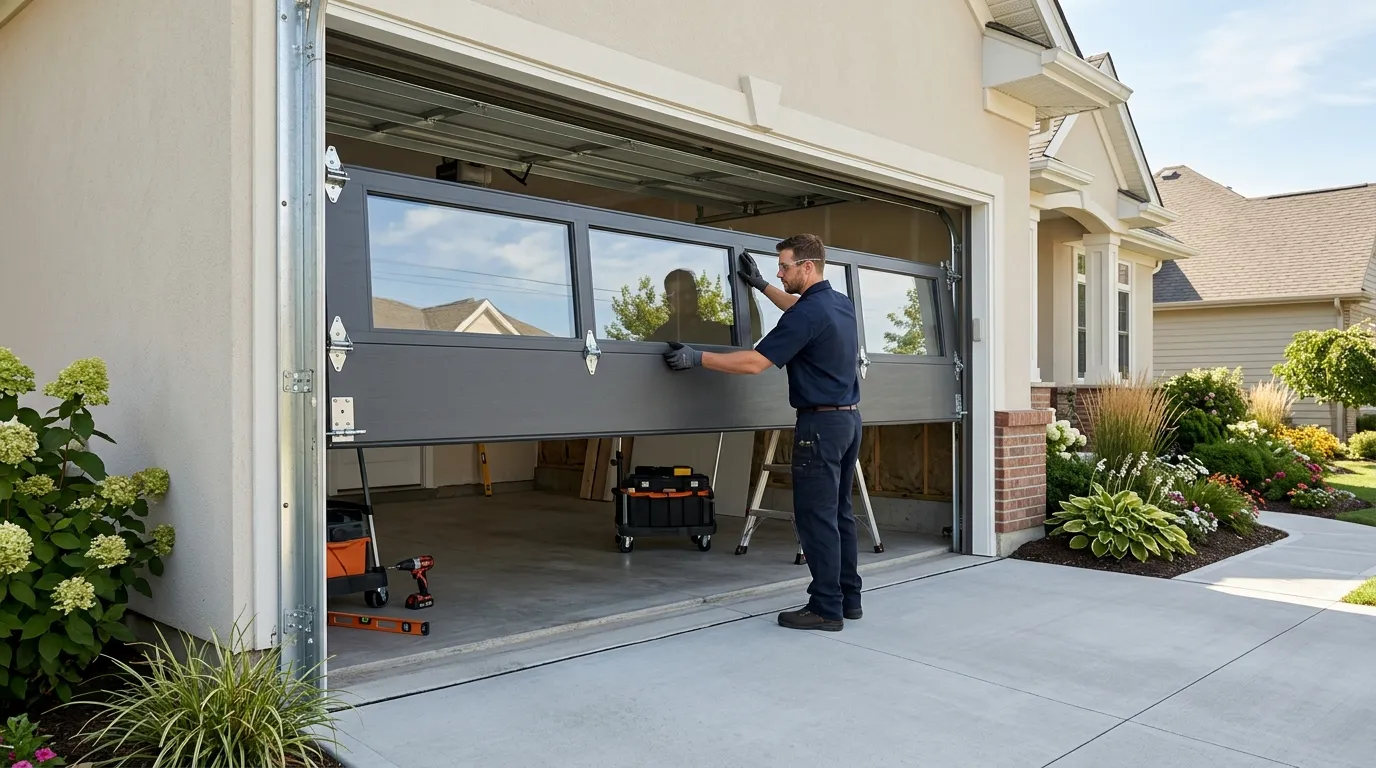
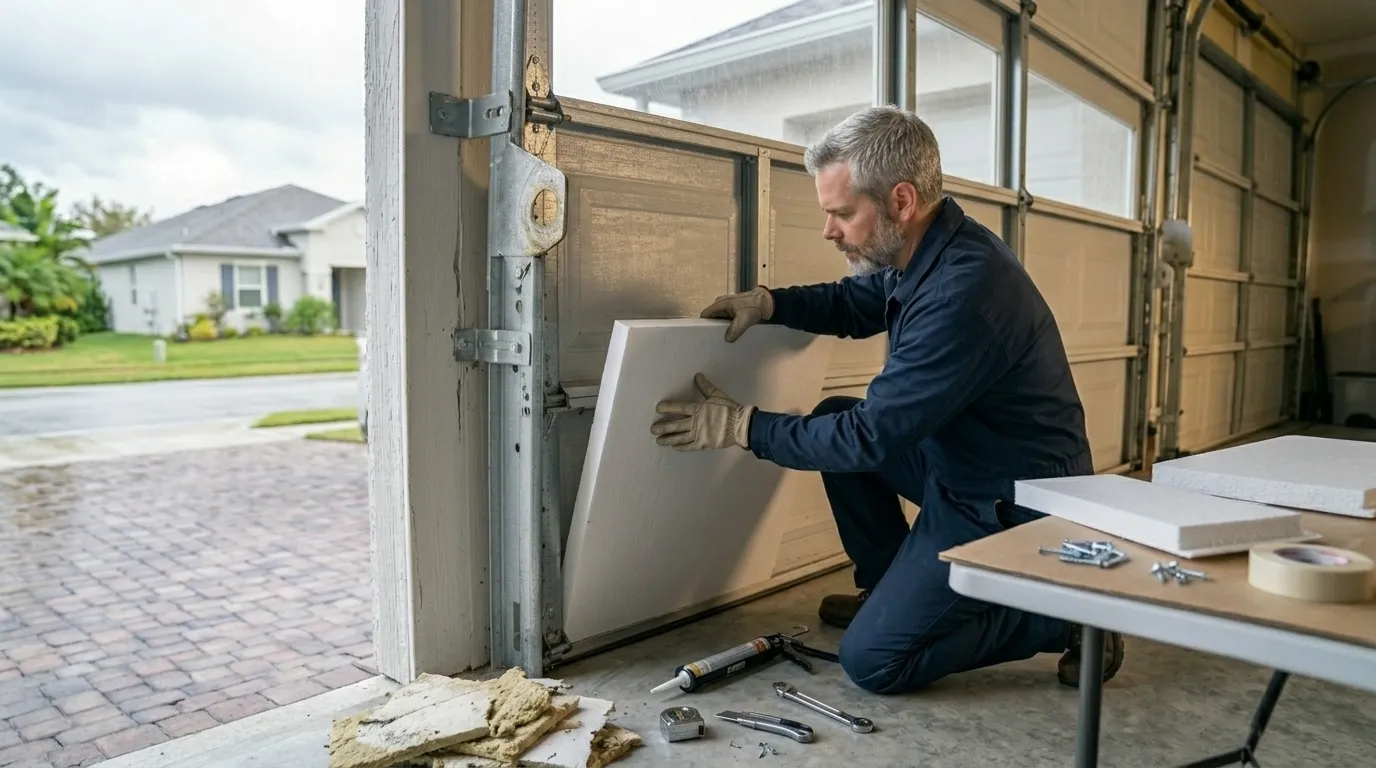
Because household incomes here run high relative to the service area, we also get more calls that start as a repair question and end as a full door replacement - owners who'd rather put in a new insulated door built for this climate than keep patching a 1965 panel. That's a reasonable call on an older door, and we'll say so plainly if a repair isn't worth the money compared to replacing the unit outright.