This Area's Housing
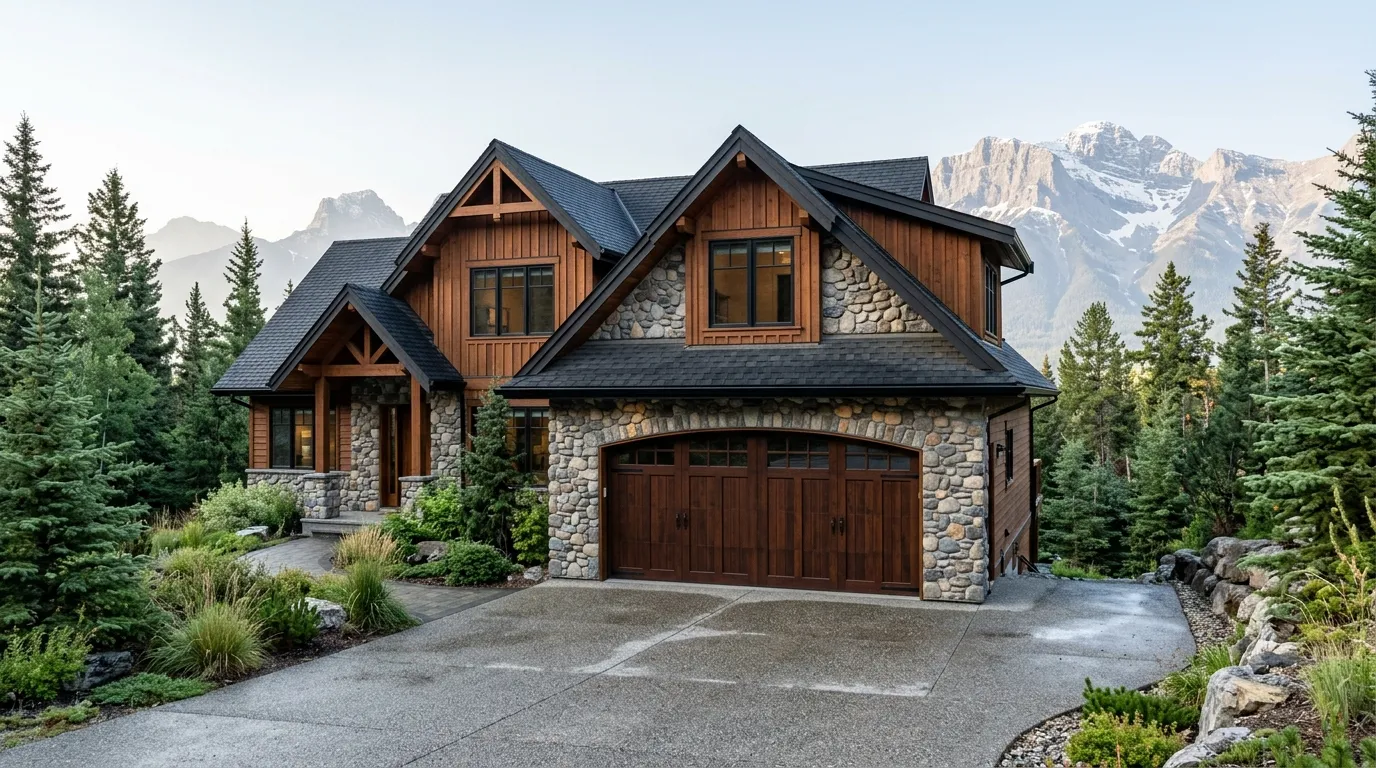
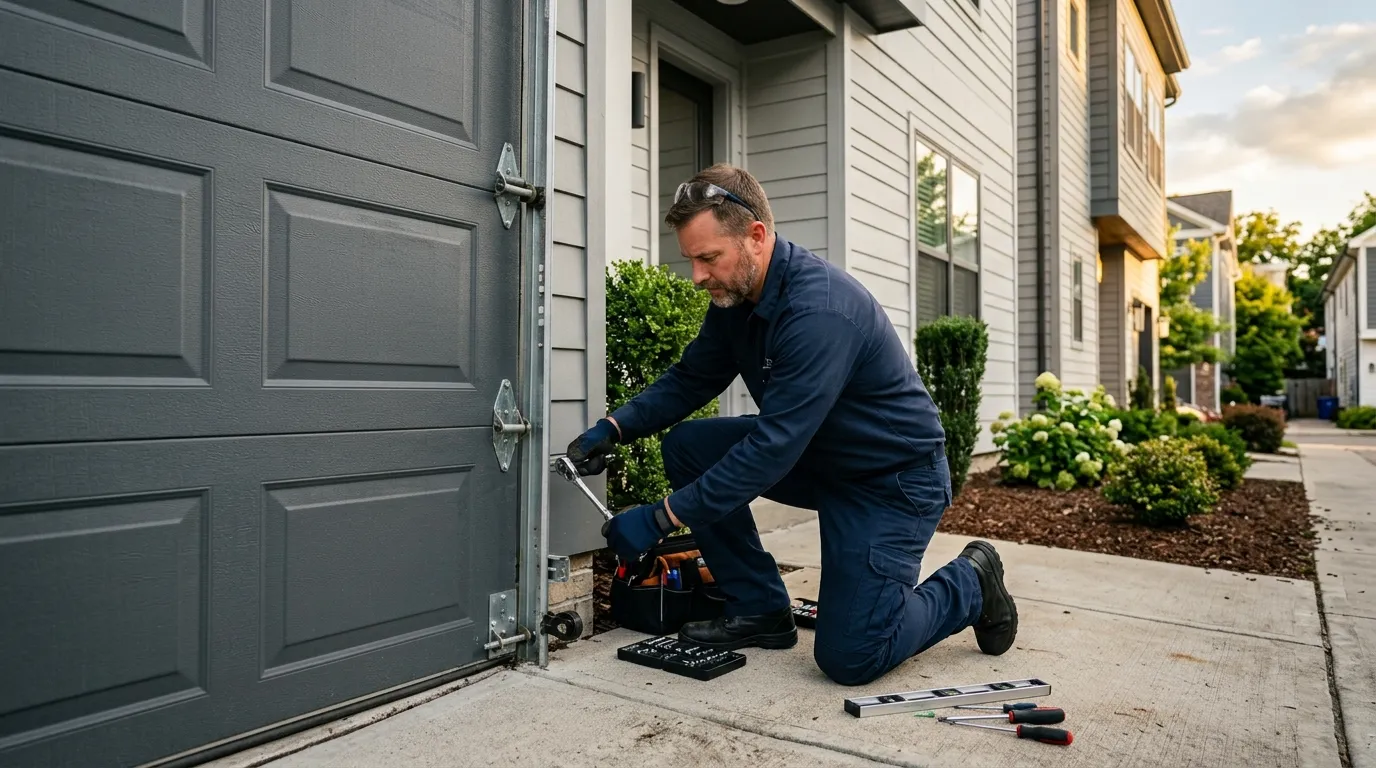
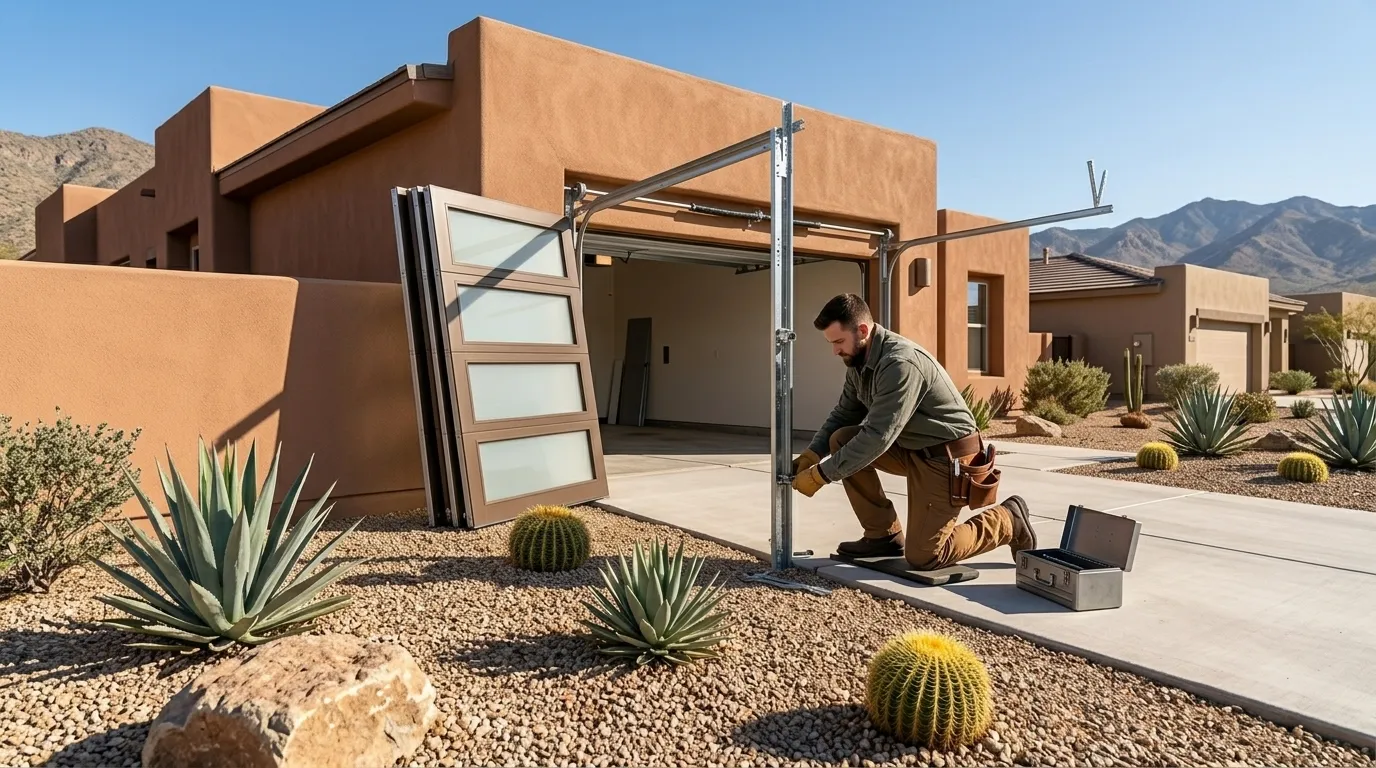
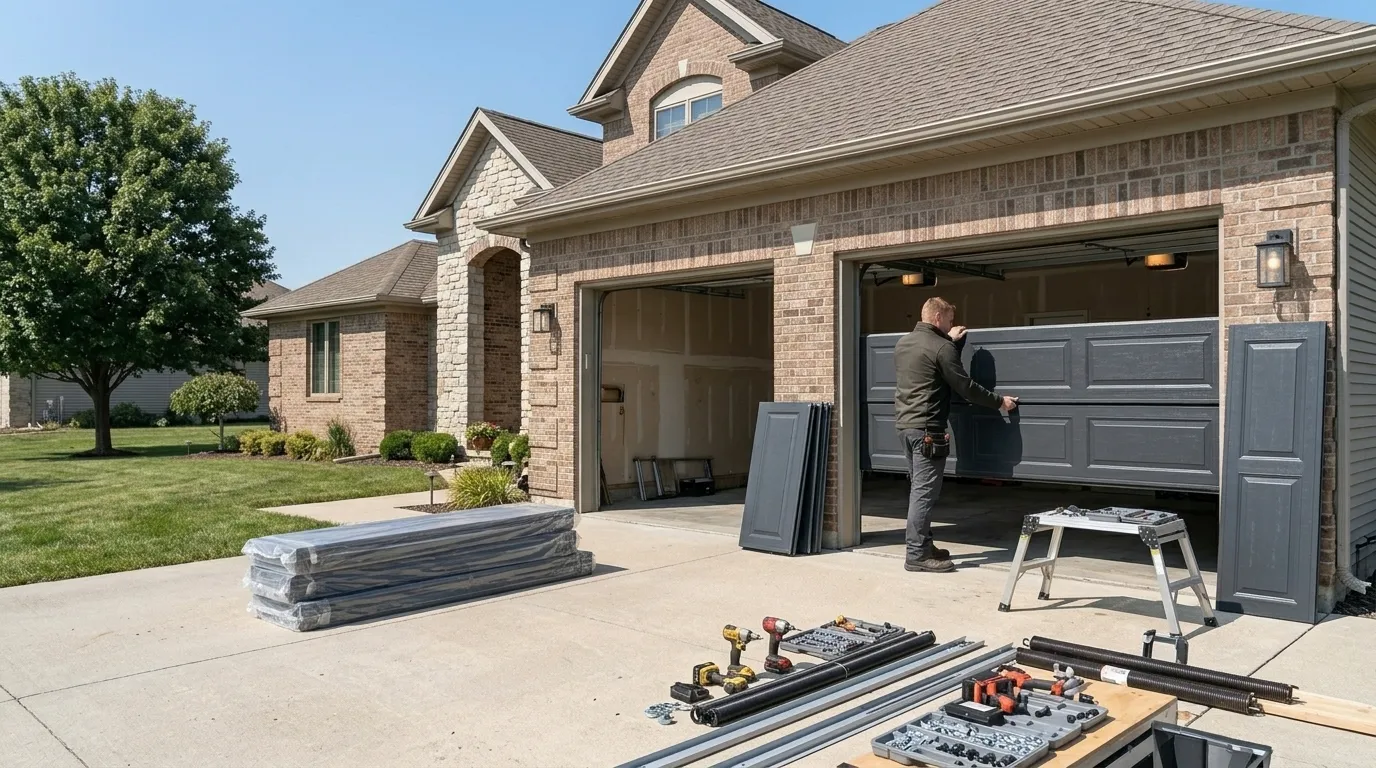
Harvey's housing stock centers on 1960, squarely inside the 1938-1994 range you see across this whole service area, but Harvey itself skews older than a lot of the towns we cover. A door installed when a house went up in the early 1960s is not the door you'd find in a subdivision built in the 1980s. That means single-layer steel panels, torsion springs sized for lighter doors, and hardware that predates the photo-eye safety sensors required on anything made after the mid-1990s. With about 7,145 households in Harvey and a median income of $41,091 - noticeably below the $80,202 median across the wider area we serve - a lot of homeowners here are weighing a $200 spring swap against a $1,500 full replacement, and the honest answer depends on the door, not the zip code. We won't tell you to replace a door that just needs a new spring and a lube job. We also won't pretend a 60-year-old door with rusted track and a cracked panel is worth saving just to avoid a harder conversation.
What That Means for Doors
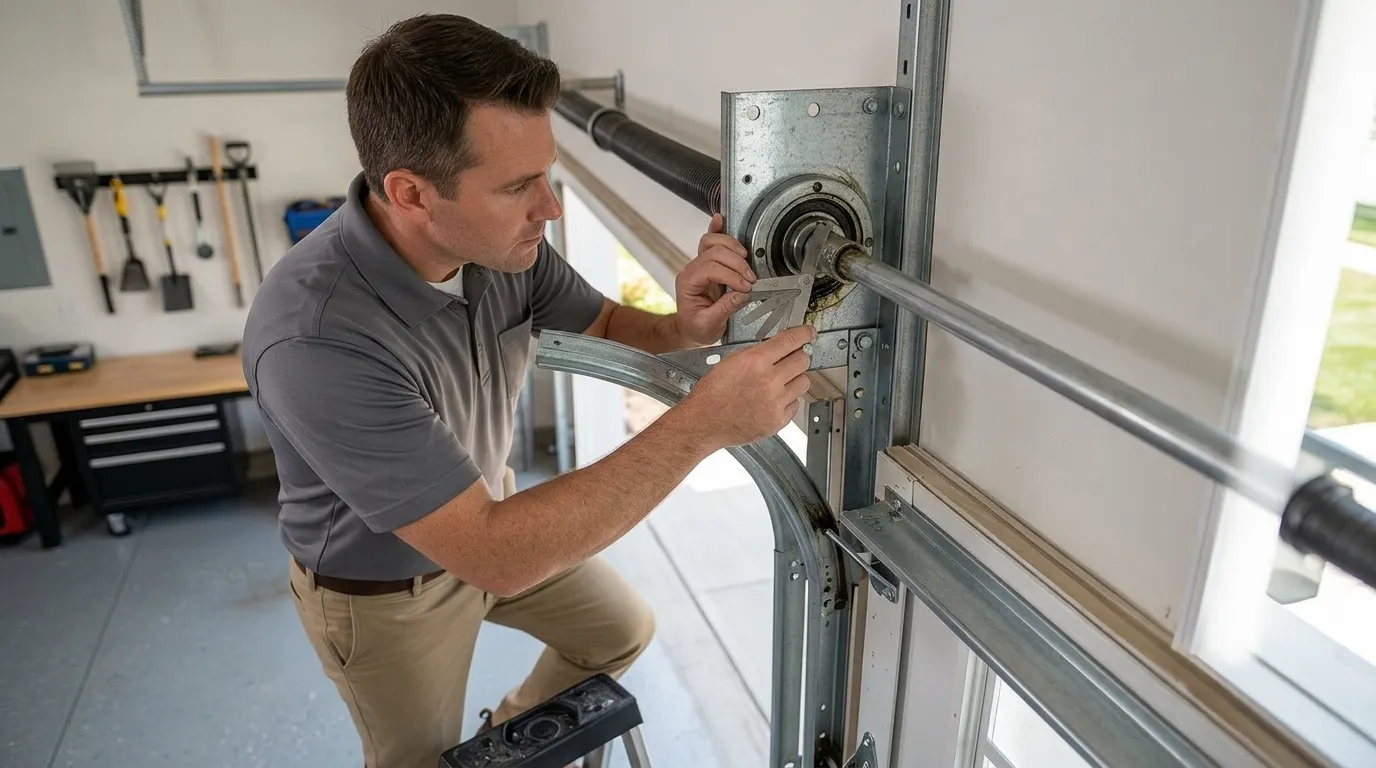
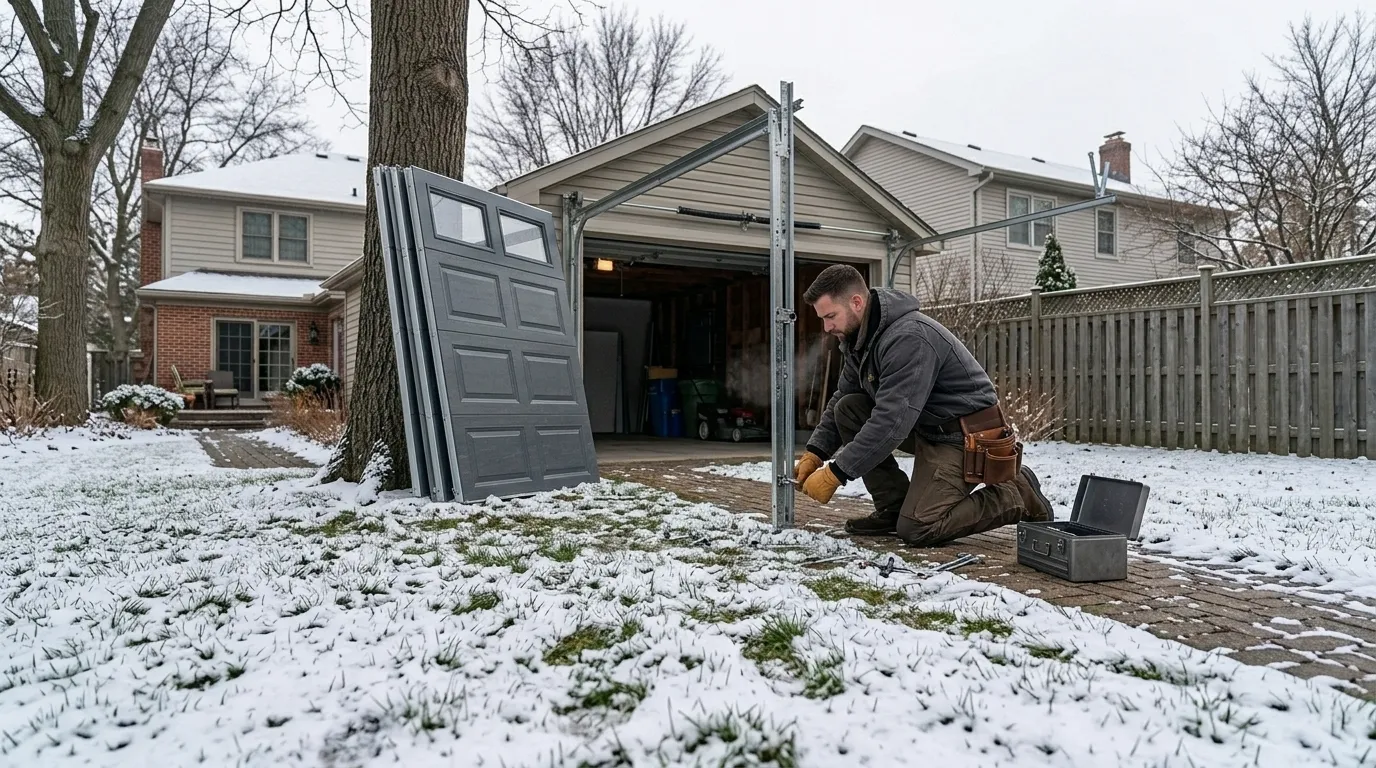
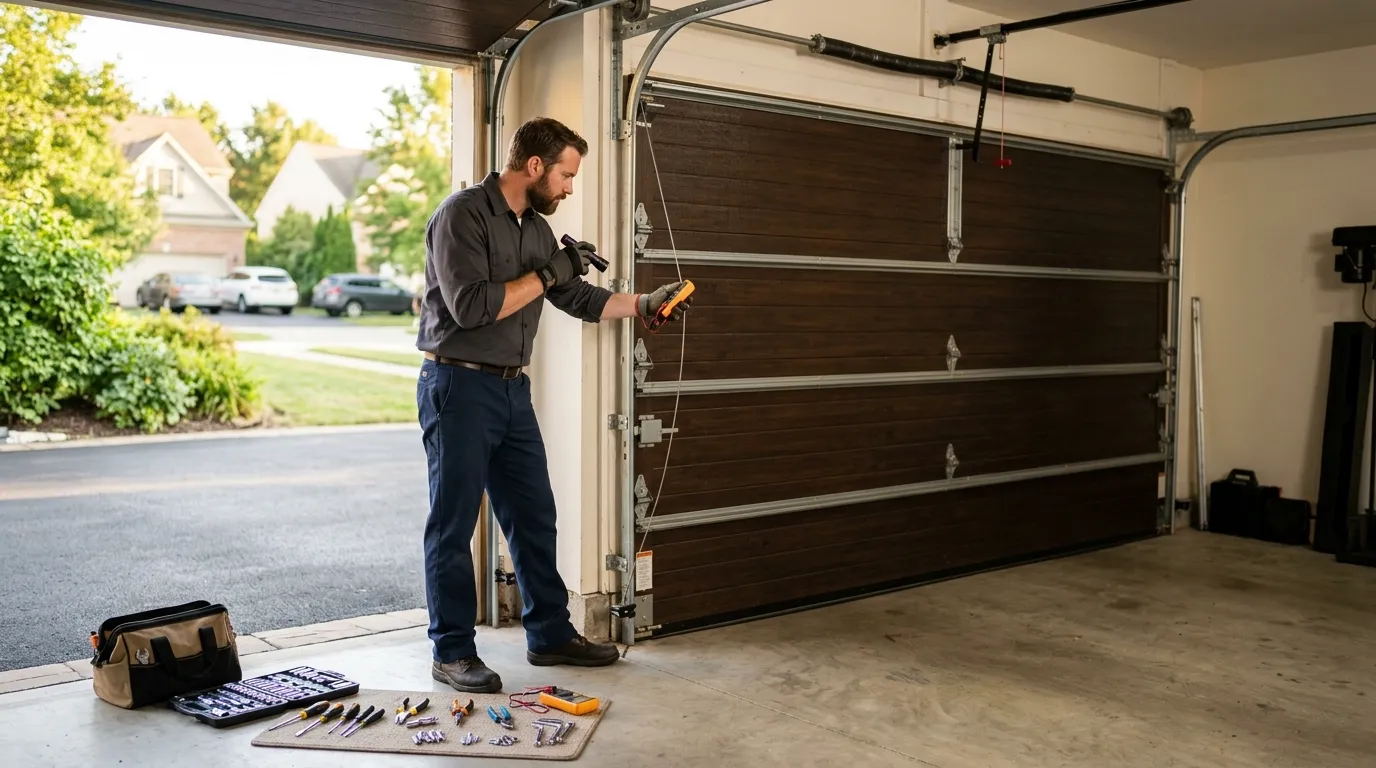
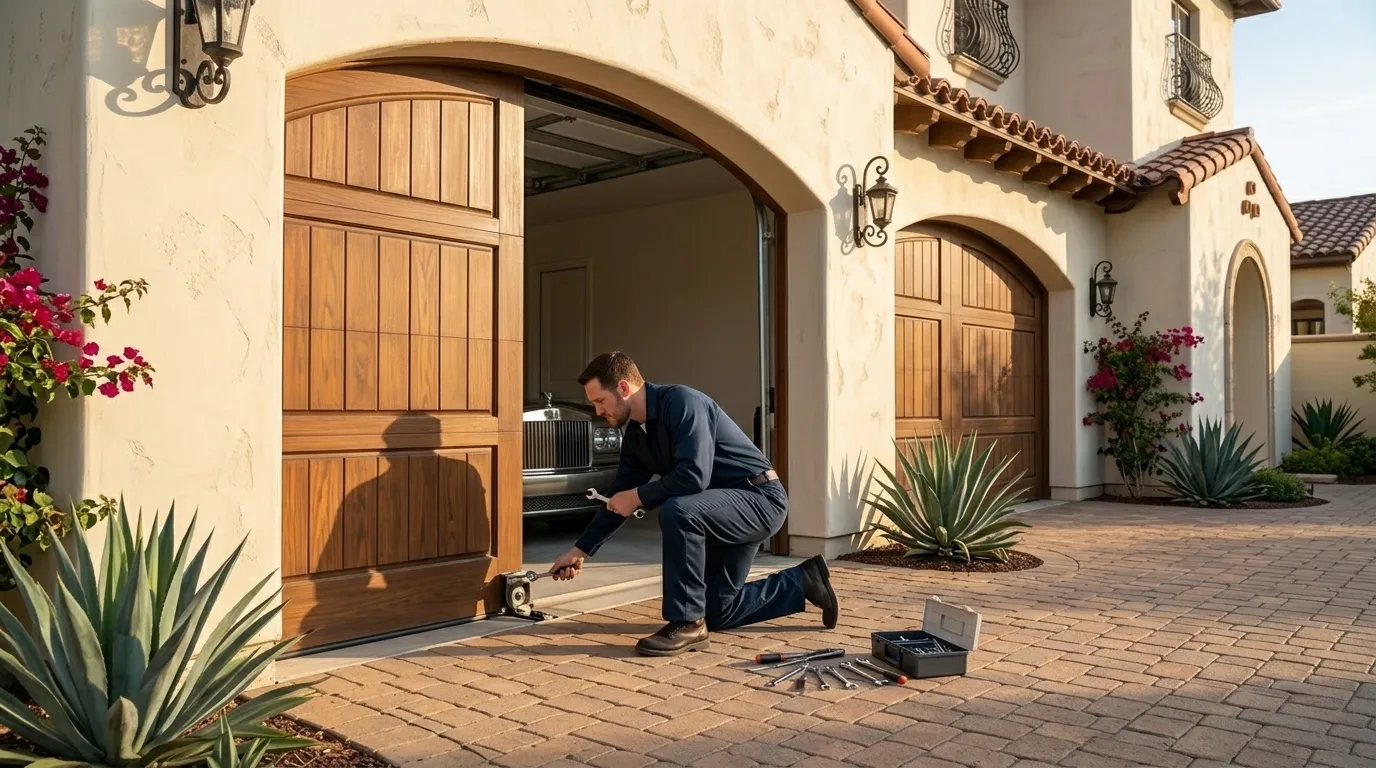
On a door built around 1960, the failure points are predictable. Torsion springs from that era were often sized for lighter wood or single-layer steel doors, and if a previous owner swapped in a heavier insulated panel without upsizing the spring, the opener has been fighting an uphill battle for years - that shows up as a motor that strains, a door that reverses on its own, or a spring that snaps early. Rollers on original track are usually steel-on-steel with no nylon sleeve, which means more noise and more wear on the track itself over decades. Cold-weather stiffening is part of the story too - in this climate band, grease that's thickened up over a Midwest winter makes an old opener work harder than it should, which accelerates wear on gears that are already older than the warranty ever covered. None of this is unique to any one house, but it is what you'd expect from stock this age, not from a door built in 1995 with galvanized track and a nylon-roller kit.
What People Here Ring About
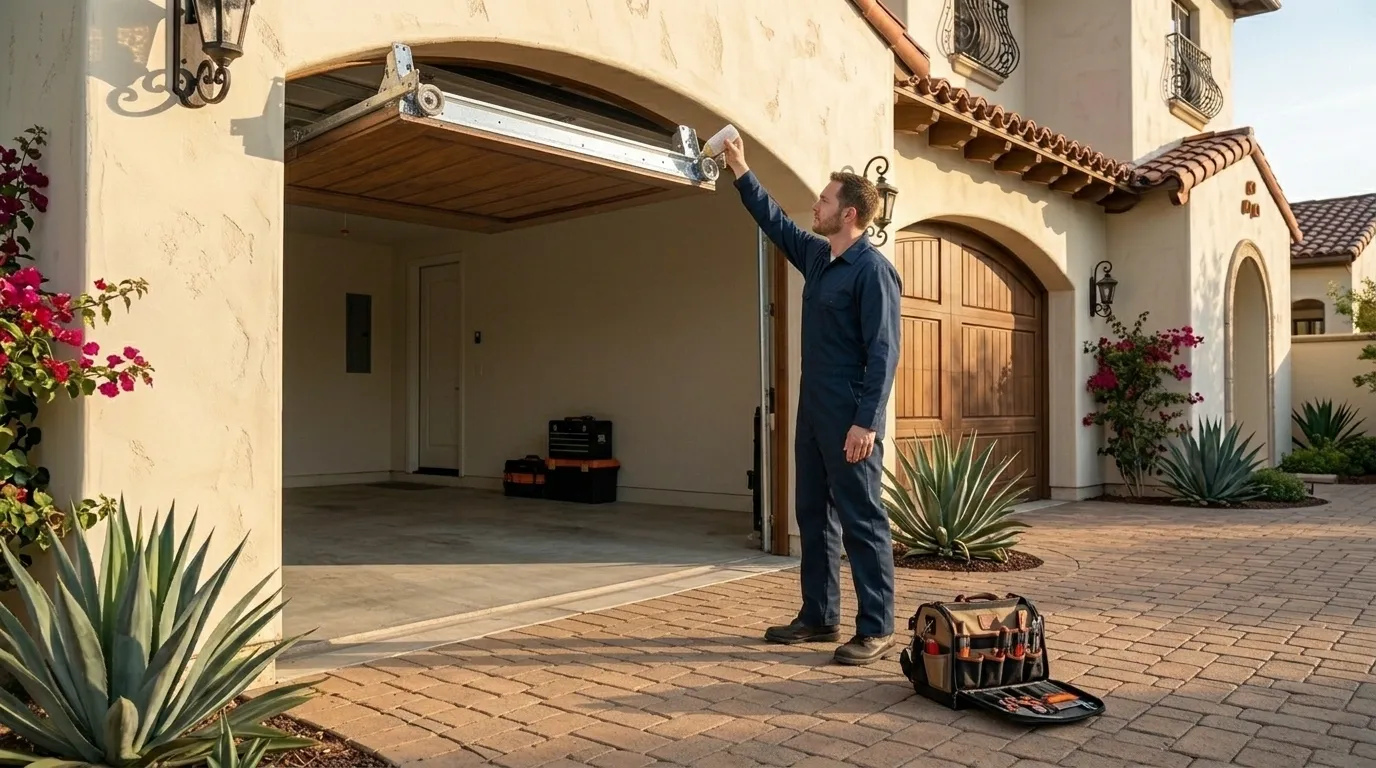
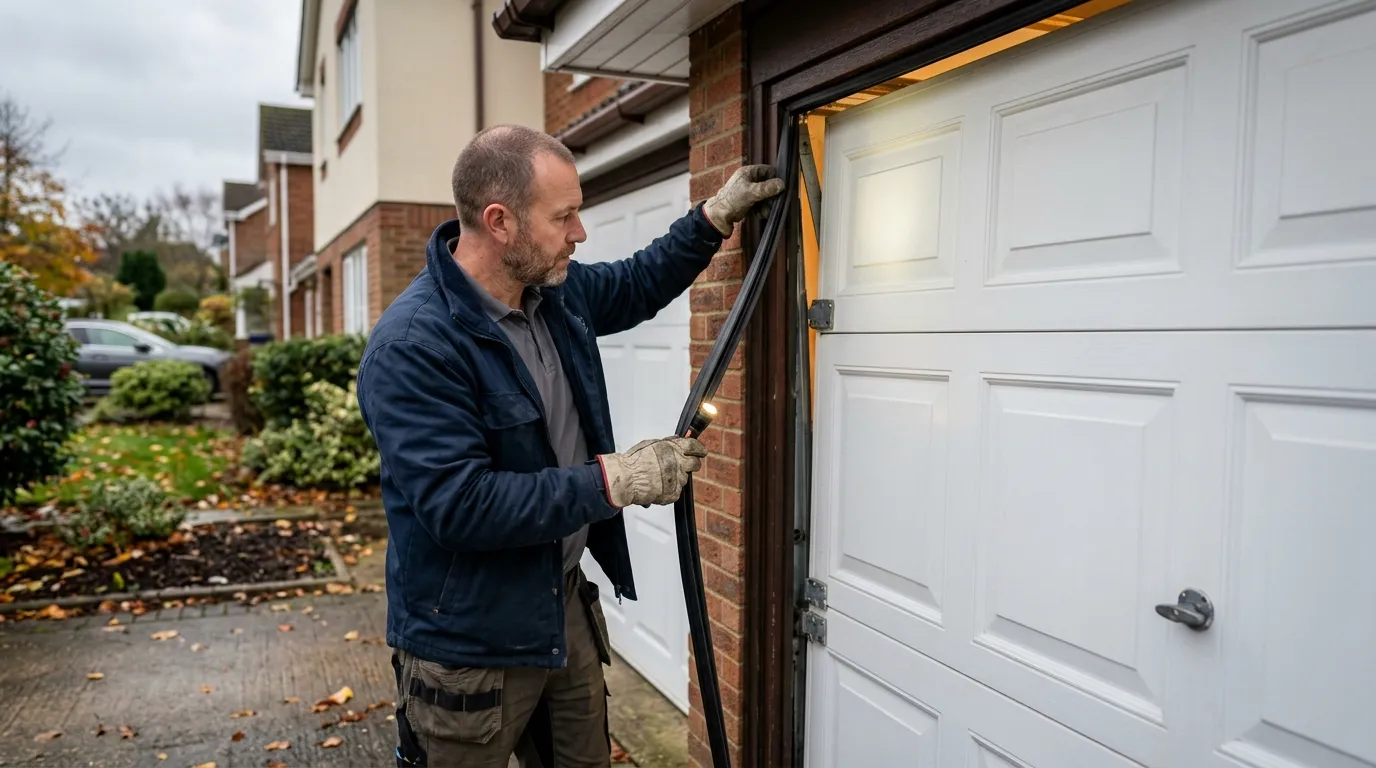
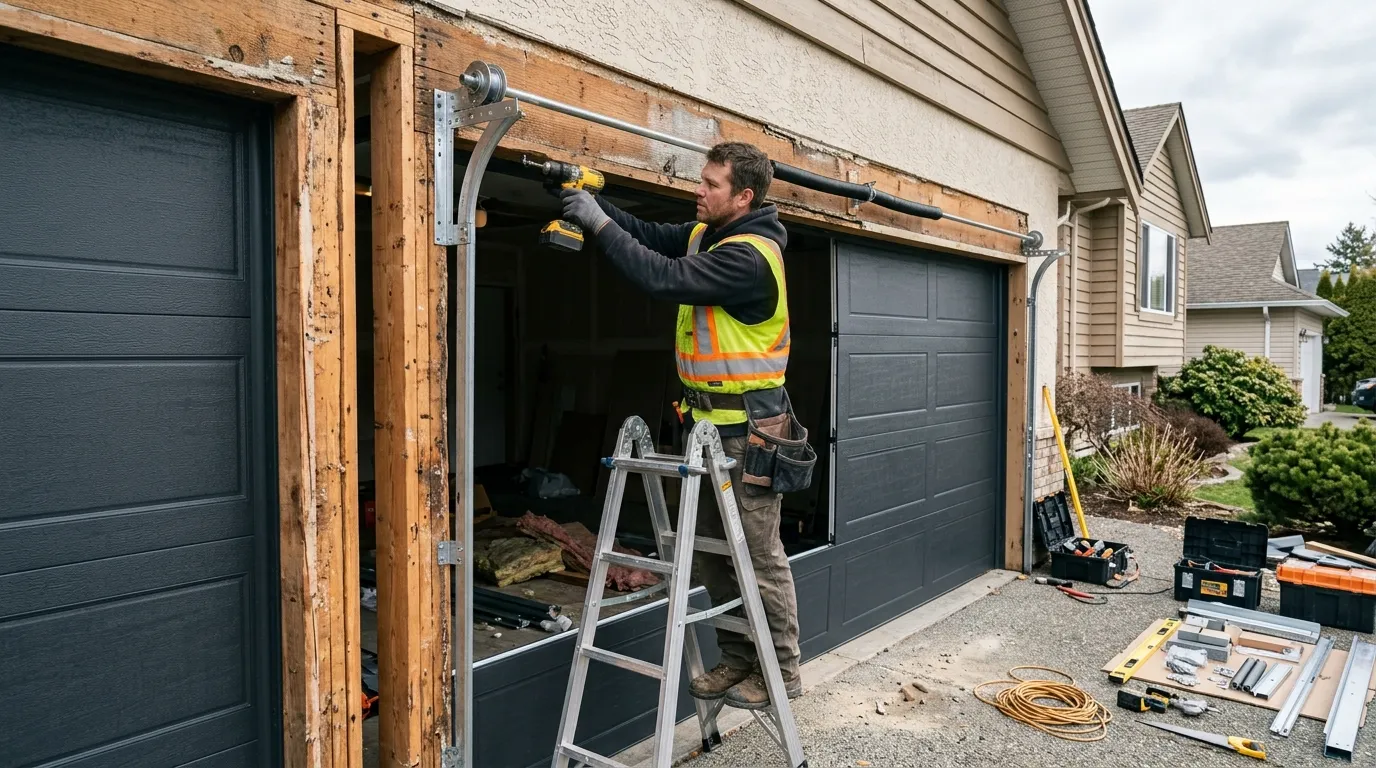
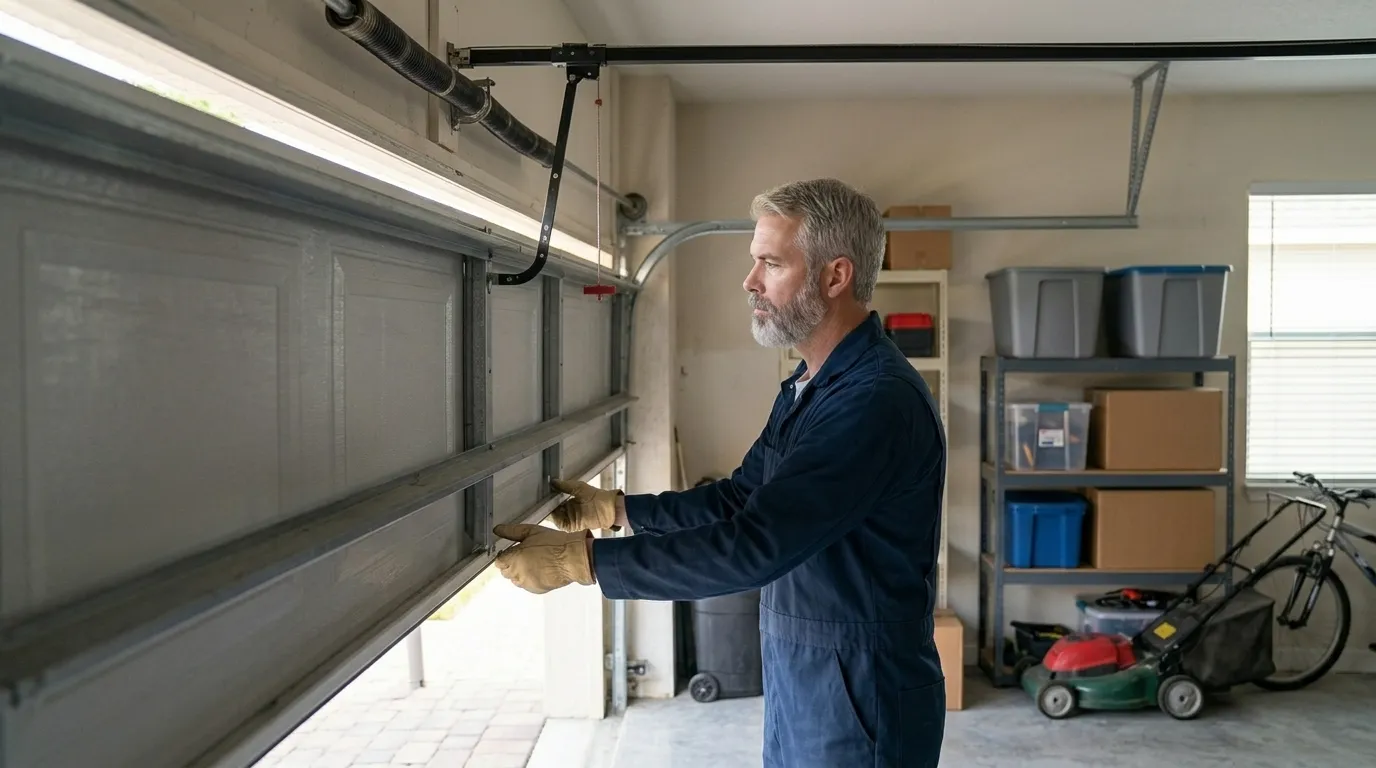
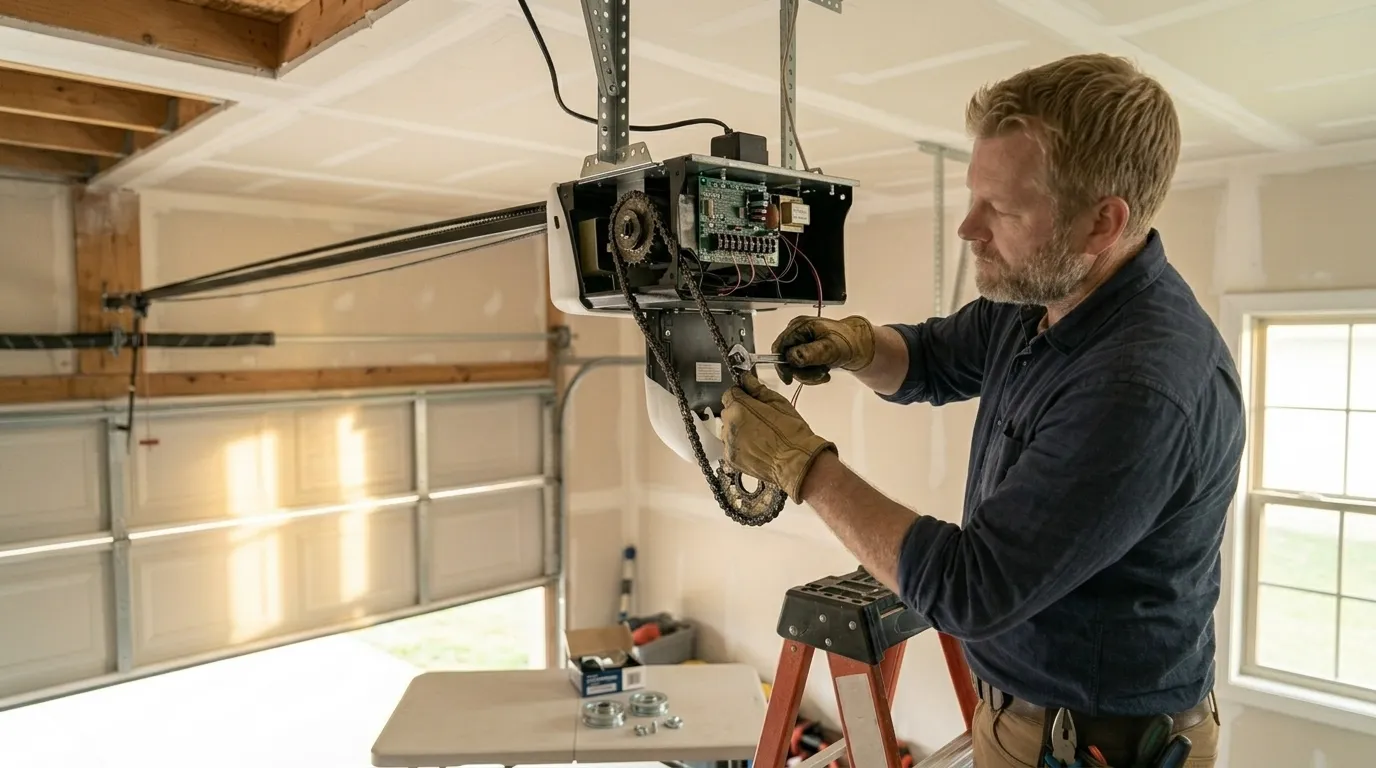
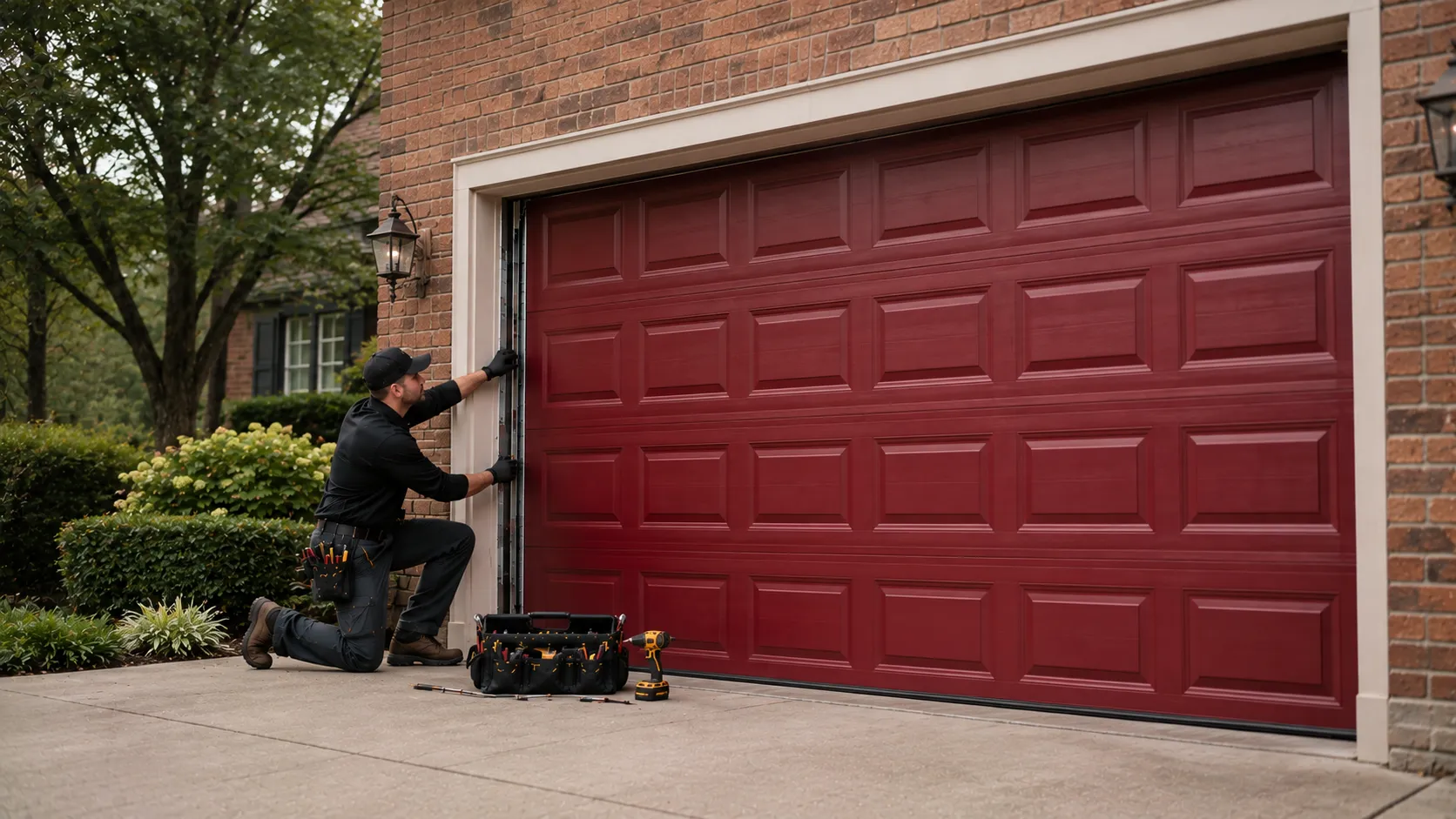
Given the age of the housing, the calls we get from Harvey lean toward hardware failure rather than cosmetic wear - a torsion spring that finally gives out after decades of cycling, a cable that's frayed at the drum, or an opener that's grinding because the gear inside has worn down. We also see doors where a panel has been dented or the bottom section has rusted through at the seams, which is common on original steel doors that never got insulated or resealed. One thing we're upfront about: if the door itself is original to a 1960s build and the track brackets are rusted into the framing, a spring replacement alone won't fix the underlying problem, and we'll say so rather than sell you a repair that buys six months.