This Area's Housing
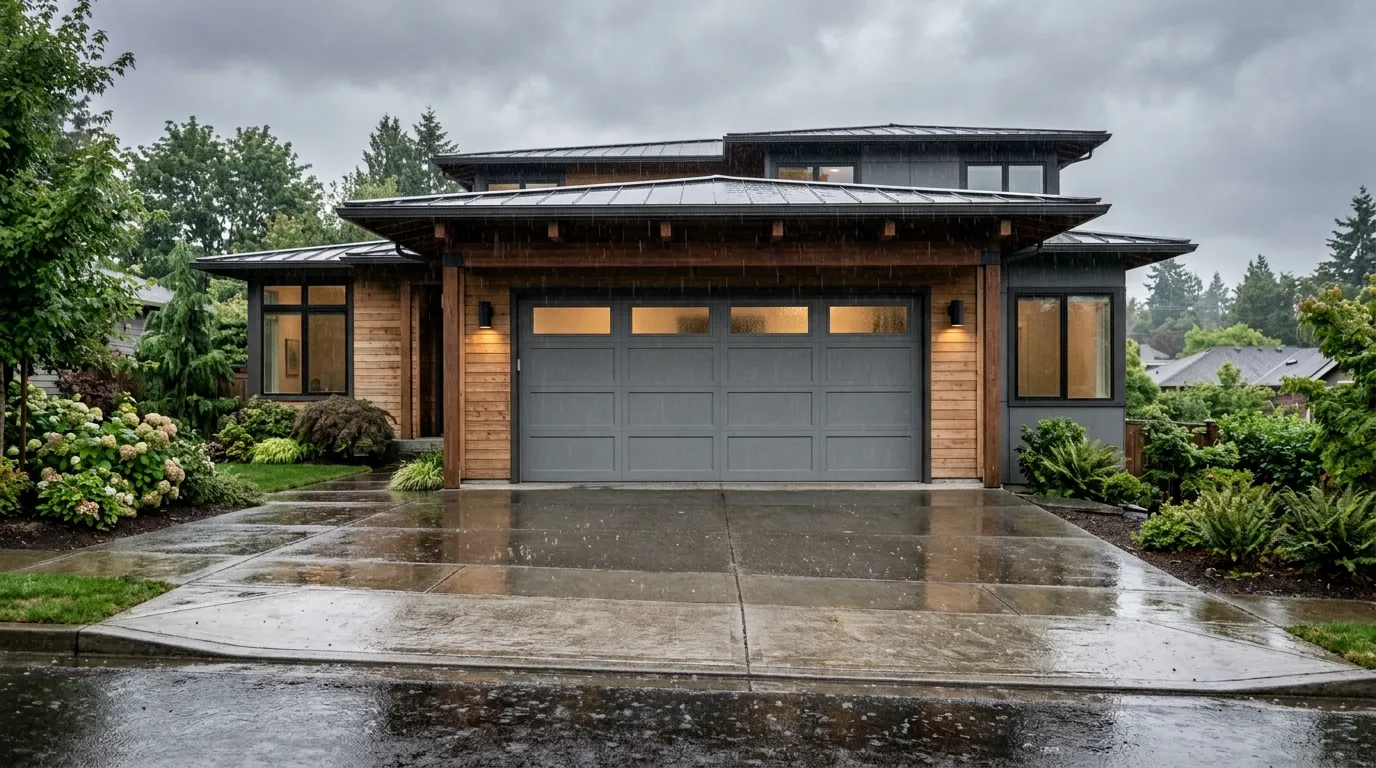
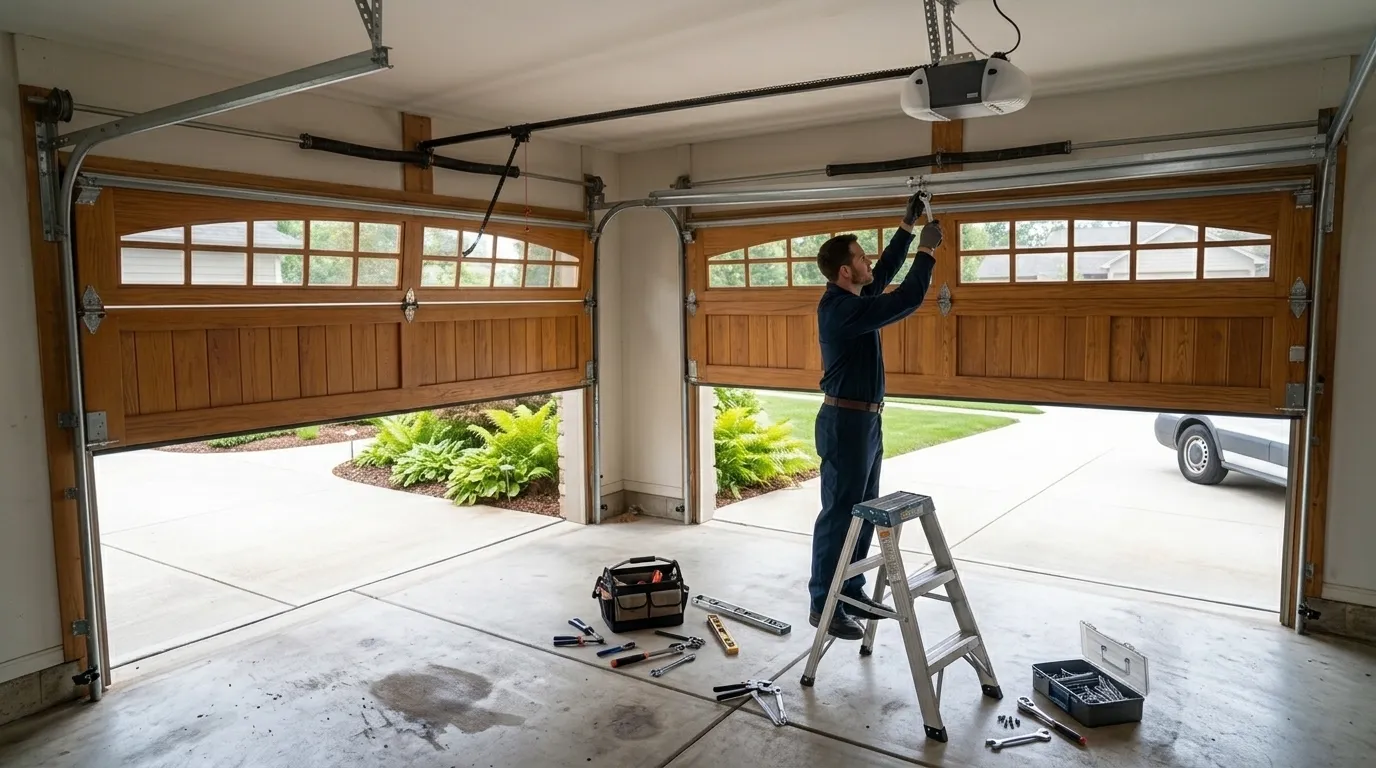
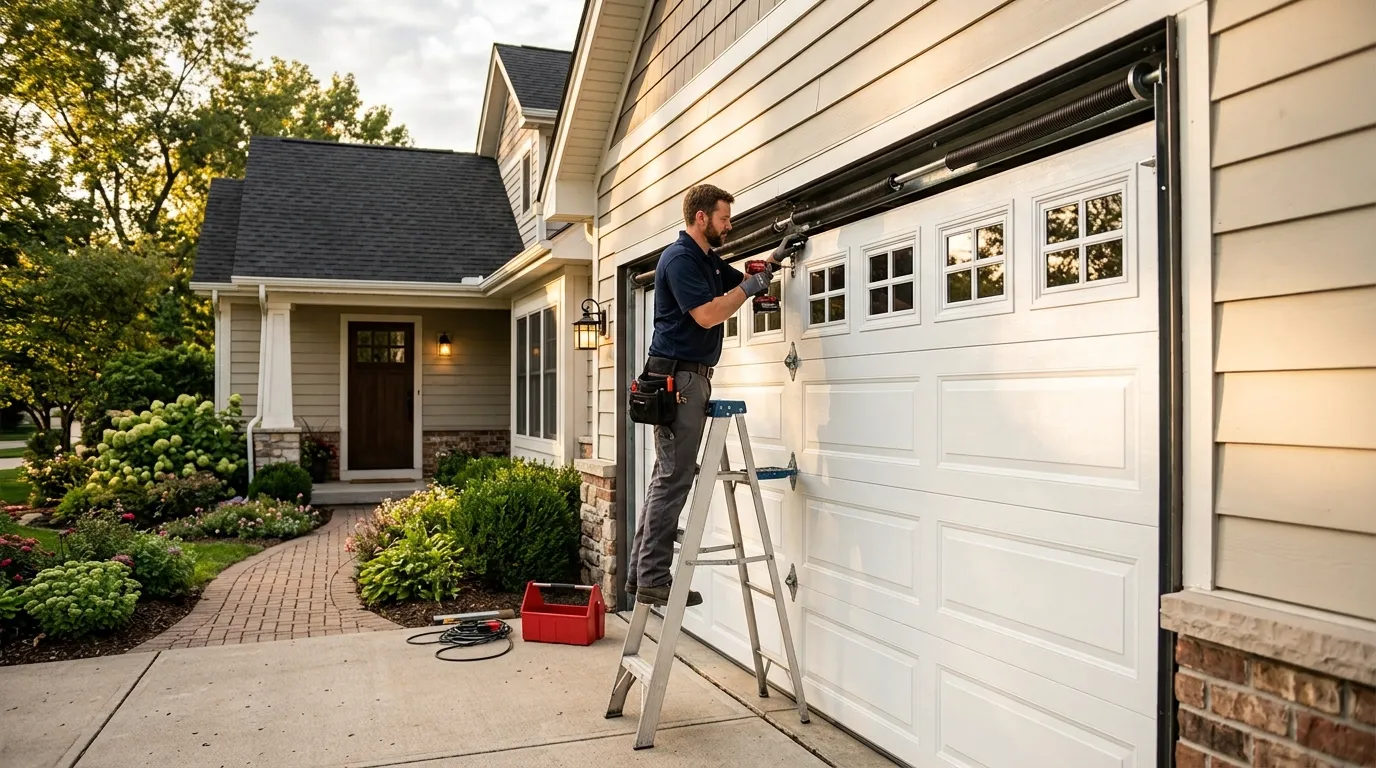
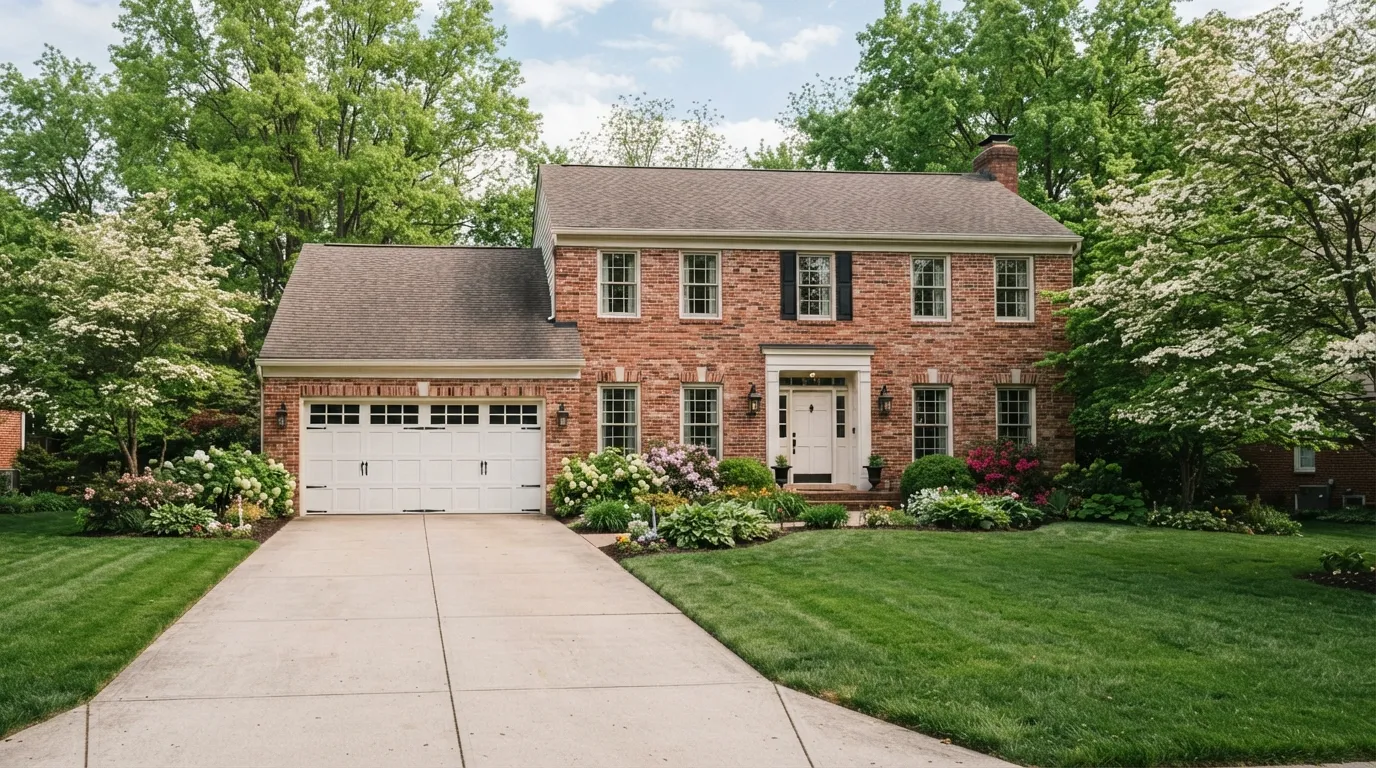
Harwood Heights sits at the newer edge of a region where the median house went up in 1964. Here, the typical home dates to 1967 - just a few years later, but enough to matter for garage doors. Houses from this stretch of the 1960s almost always shipped with steel sectional doors rather than the older wood or single-panel styles you find in the pre-war blocks nearby. That means torsion springs mounted on a header bracket above the door, not the side-mount coil hardware you'd see on an older place.
With 3,582 households in the area, most of the housing stock reads consistent: same builders, same eras, same handful of door and opener setups repeated block after block. Median household income here runs $79,651, close to the wider service area's $80,202, which tracks with what we see on service calls - owners who keep a door running rather than replace it early, and who want a repair that lasts rather than the cheapest part on the shelf.
Across the broader area, the housing mix runs 1938 to 1994 across 86 named communities, so a lot of what we know about garage doors comes from decades of variety. Harwood Heights is one of the more uniform pockets in that mix, which actually makes diagnosis faster once we're on site.
What That Means for Doors
A door installed around 1967 has usually been through at least one opener swap and probably one spring replacement already, sometimes more if the original hardware was never upgraded. The steel sectional panels common to that build era hold up structurally, but the galvanized coating on original rollers and hinges tends to be long gone by now, and torsion springs from even a mid-life replacement are due for another look.
The area sits in a cold, moderate climate band, which matters more than people expect. Steel contracts in cold weather, and a torsion spring that's already fatigued is far more likely to snap on a sub-freezing morning than in July. Weatherstripping on doors this age also tends to have hardened and cracked, letting cold air and moisture into the garage - a smaller problem than a broken spring, but the one that shows up as a drafty room above or beside the garage.
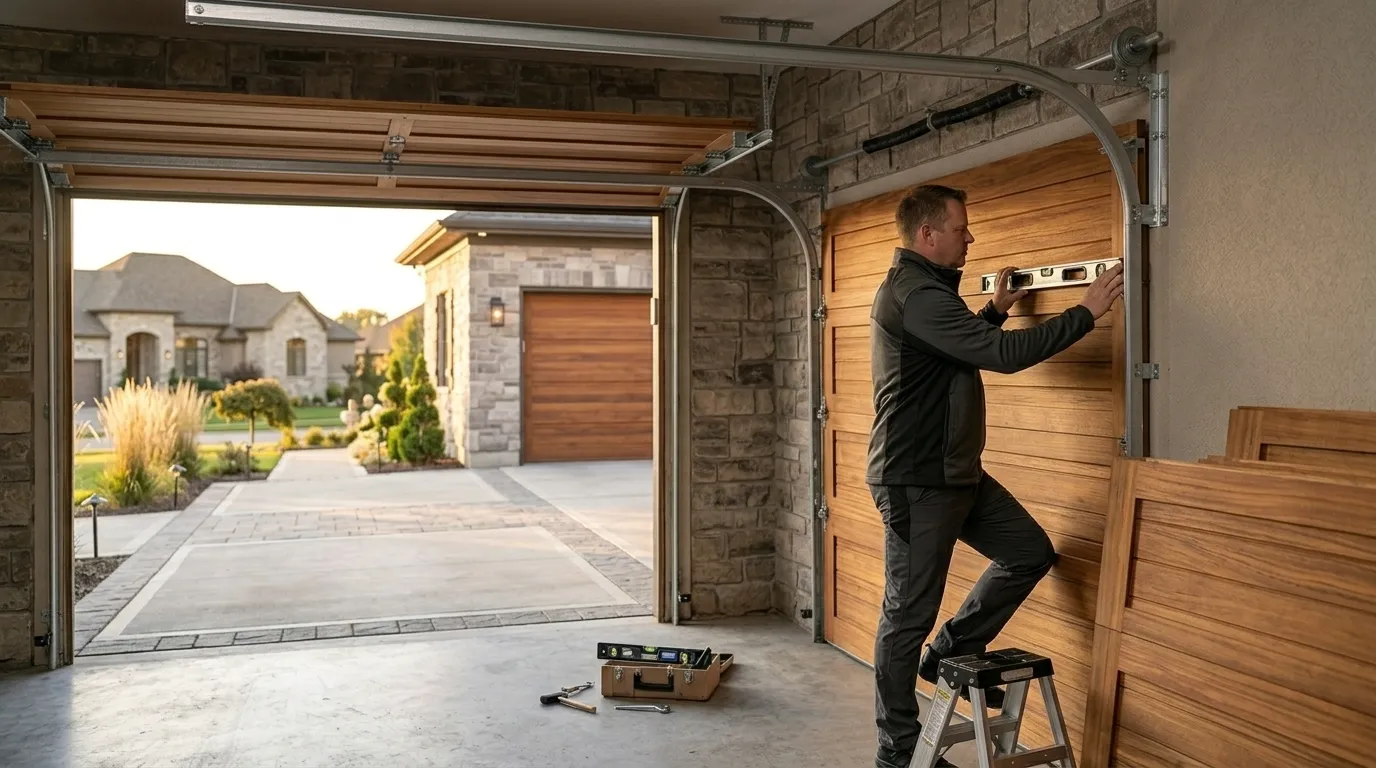
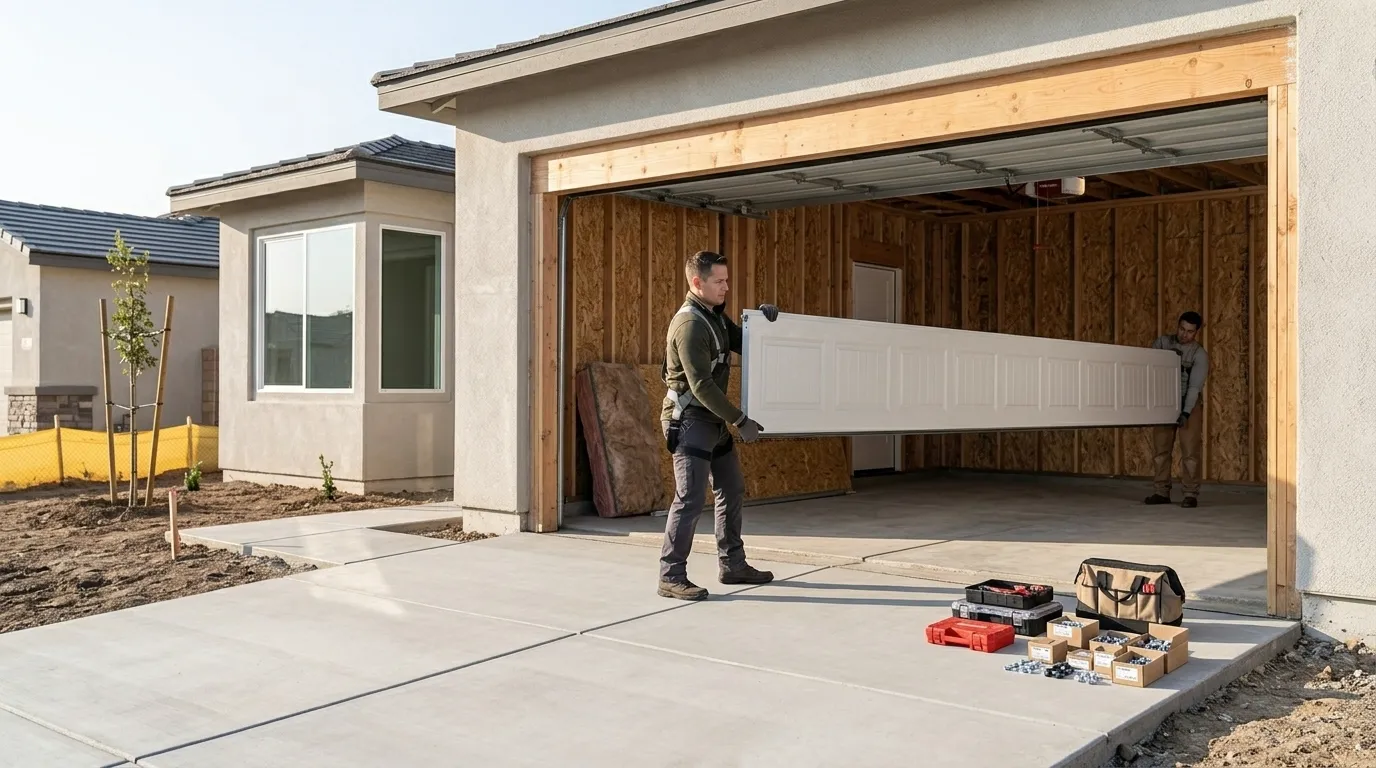
One honest limit: if a door's original track or header bracket was never sized for a heavier insulated replacement panel, we won't force a same-day swap onto old hardware. Sometimes the right call is replacing the track and springs together, and we'll say so instead of patching around it.
What People Here Ring About
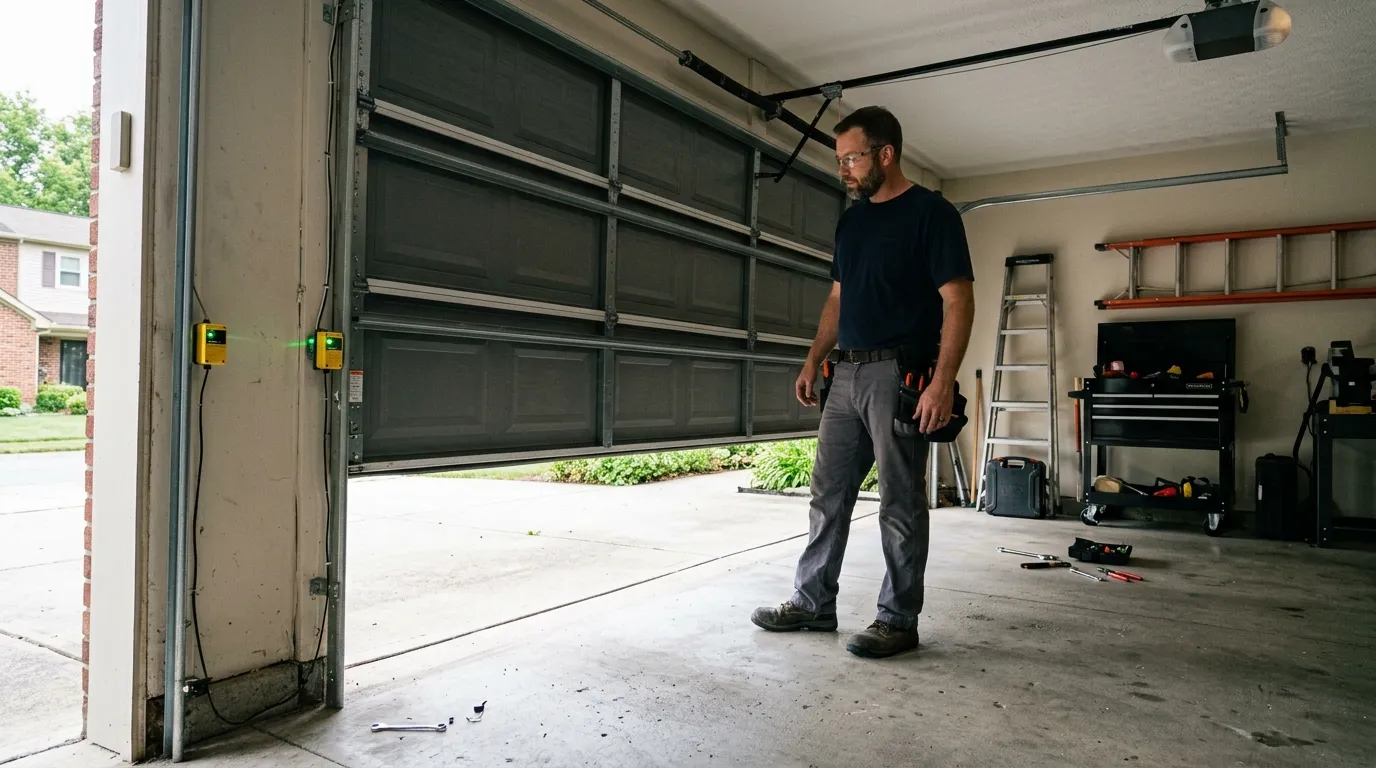
Most calls from this area fall into a short list. Torsion springs that let go in cold weather top it, especially on doors that still have their original 1960s-era hardware or a first-generation replacement spring nobody's touched since. Openers are the second most common call - chain-drive units from an earlier remodel that finally give out, or a motor that runs but won't lift the door past halfway.
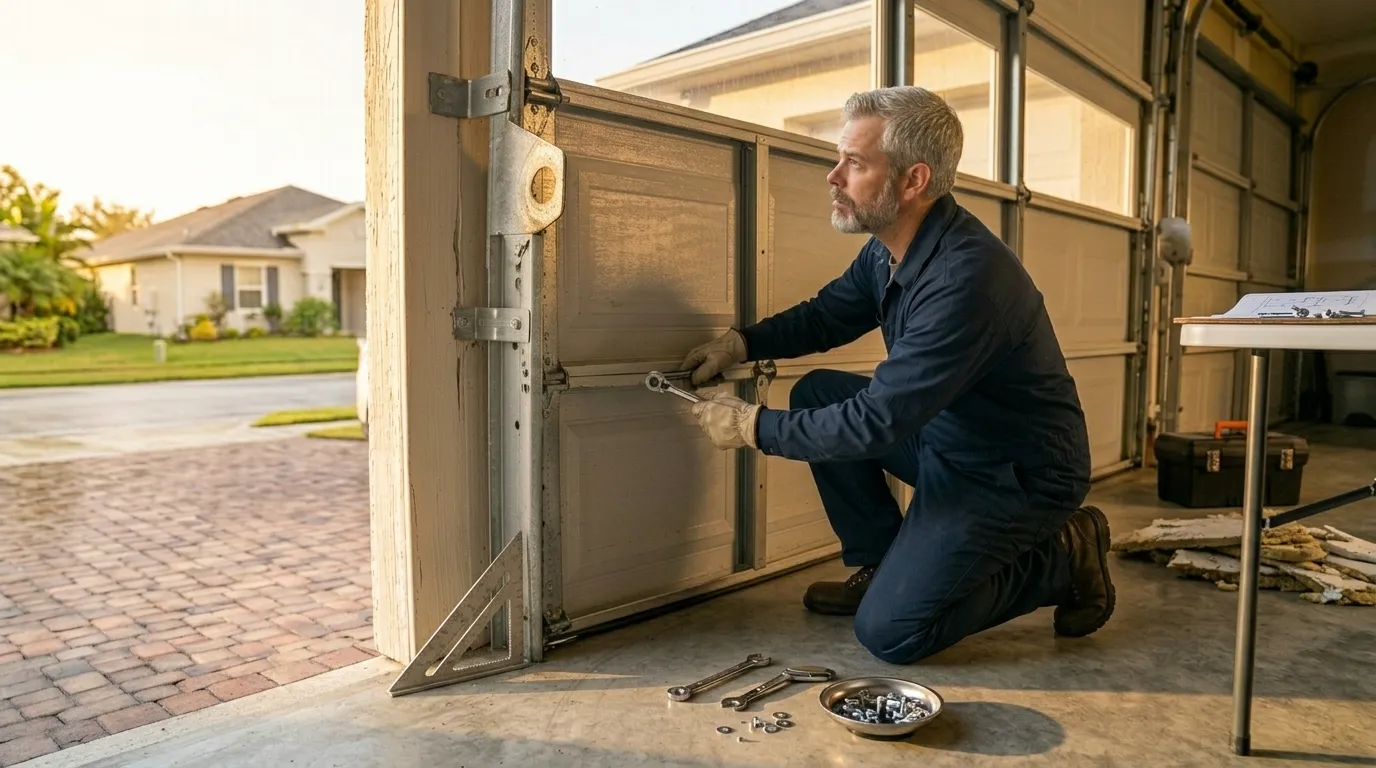
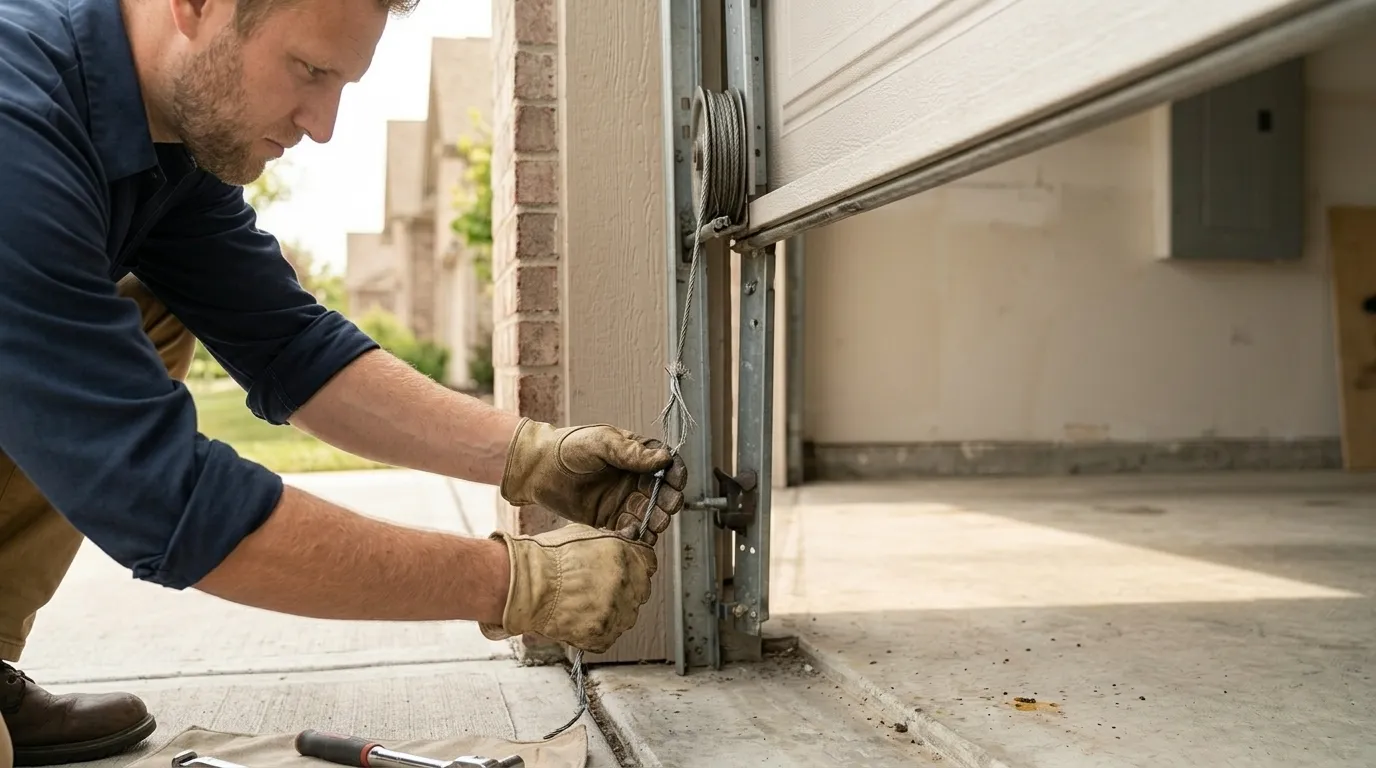
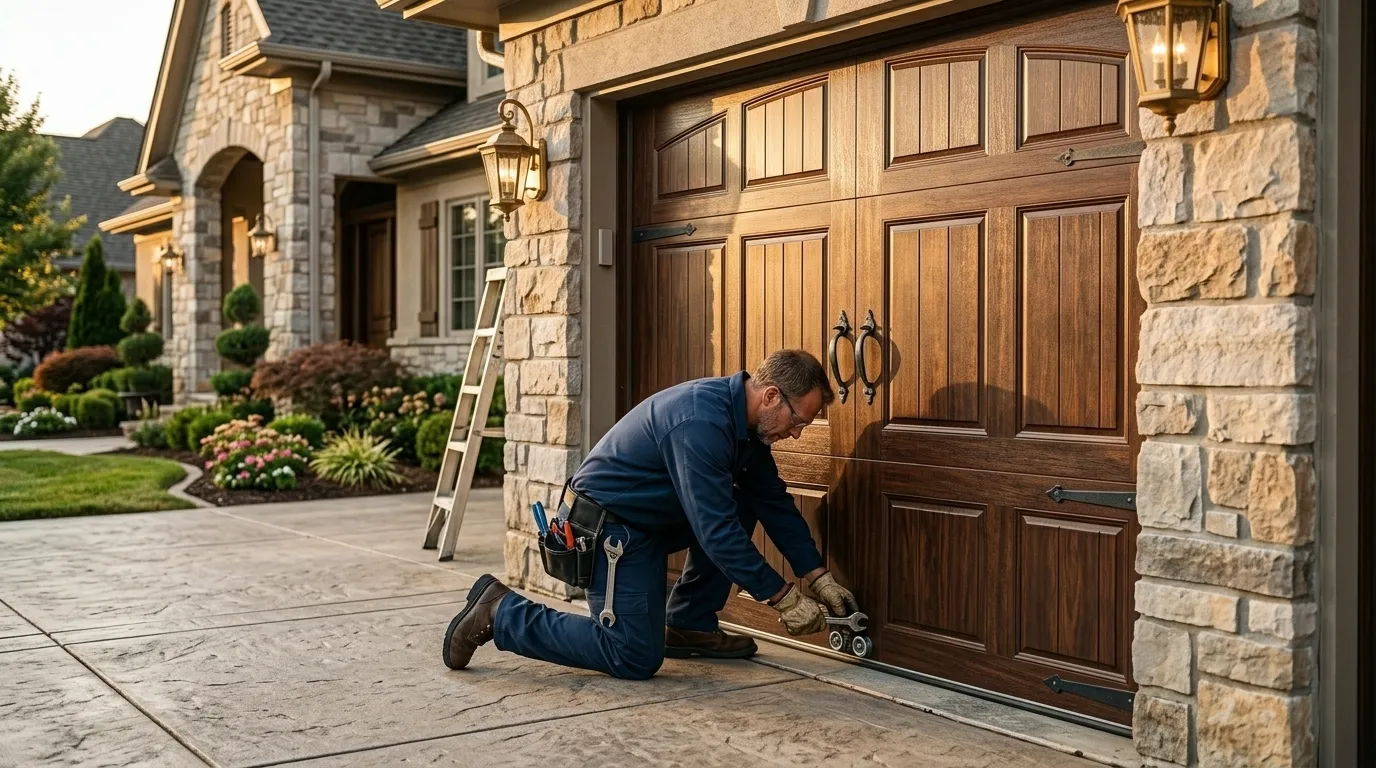
We also hear about rollers and hinges rusted stiff enough to bind the door in its tracks, more common on doors that have never had the hardware serviced since installation. Rust and stiffness show up faster on hardware that's been through a few winters without lubrication, which tracks with a housing stock built mostly in one tight window rather than staggered over decades.
Less often, but regularly enough to mention: dented steel panels from a car bumper or a dropped ladder. On a door from this era, replacing a single panel is usually possible and cheaper than a full door, though matching the original color and rib pattern isn't always exact.