This Area's Housing
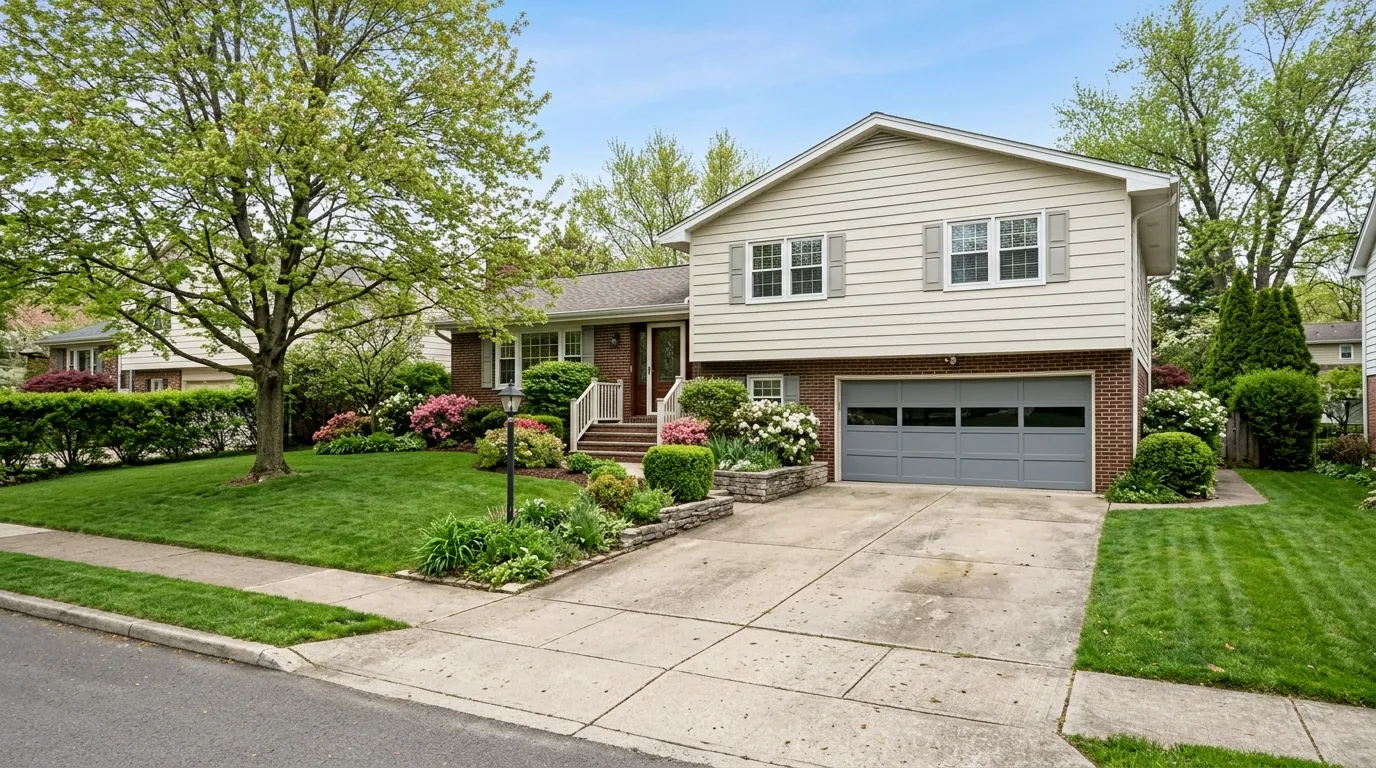
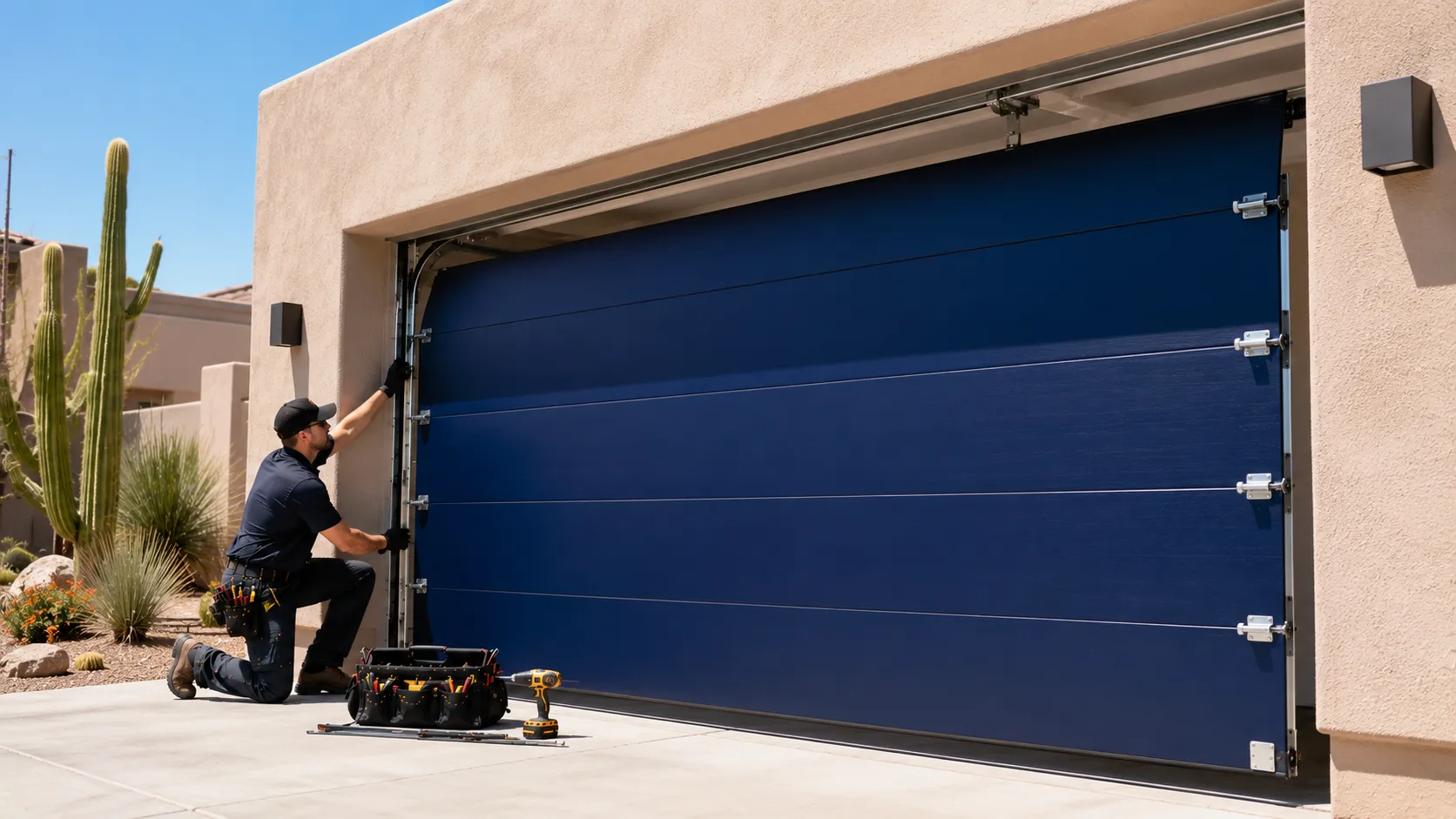
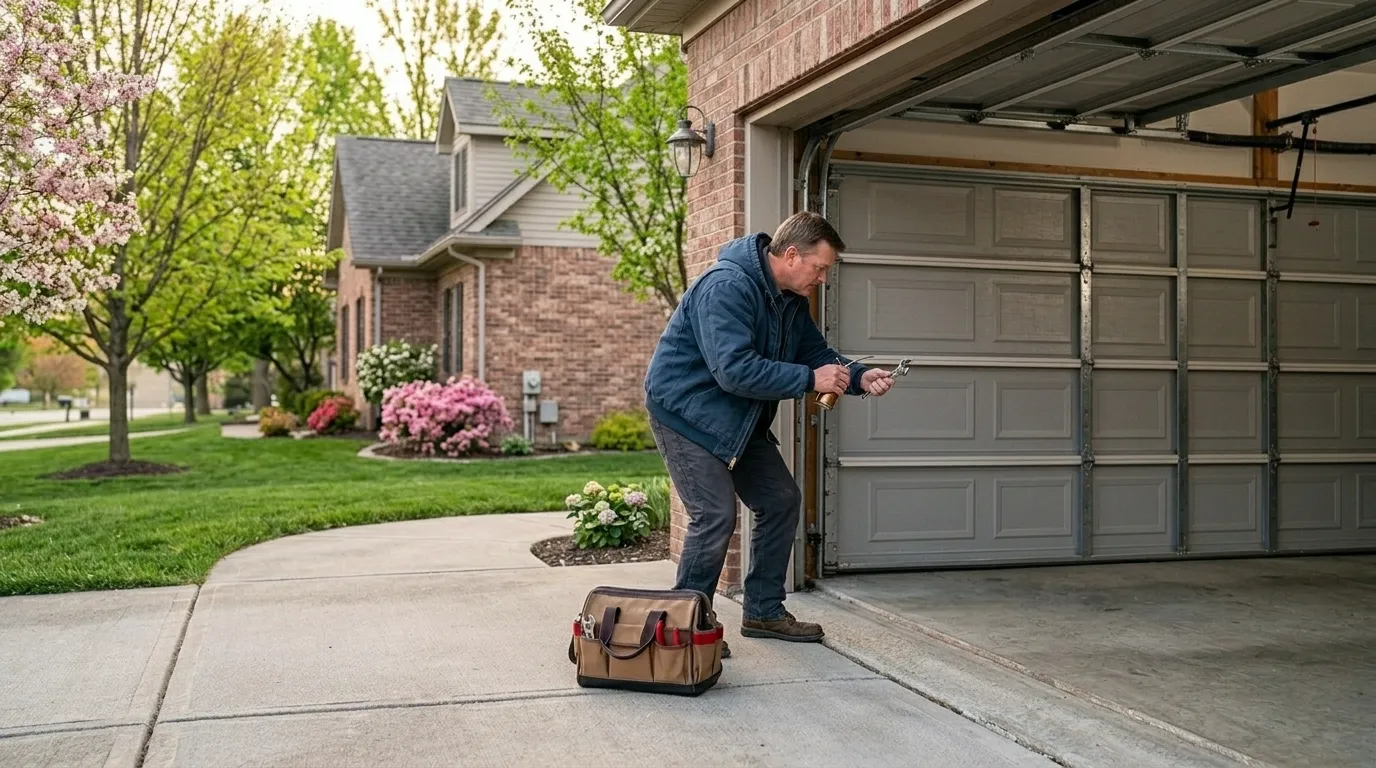
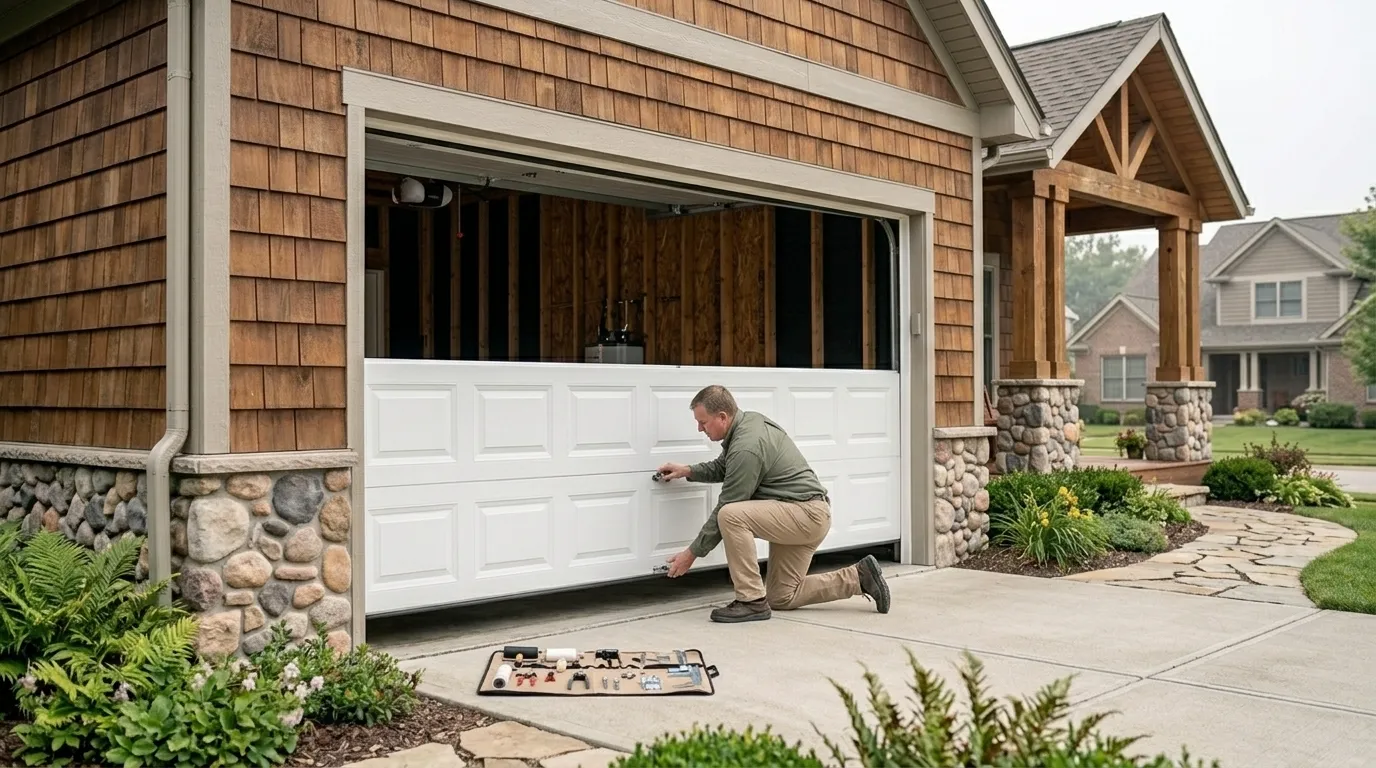
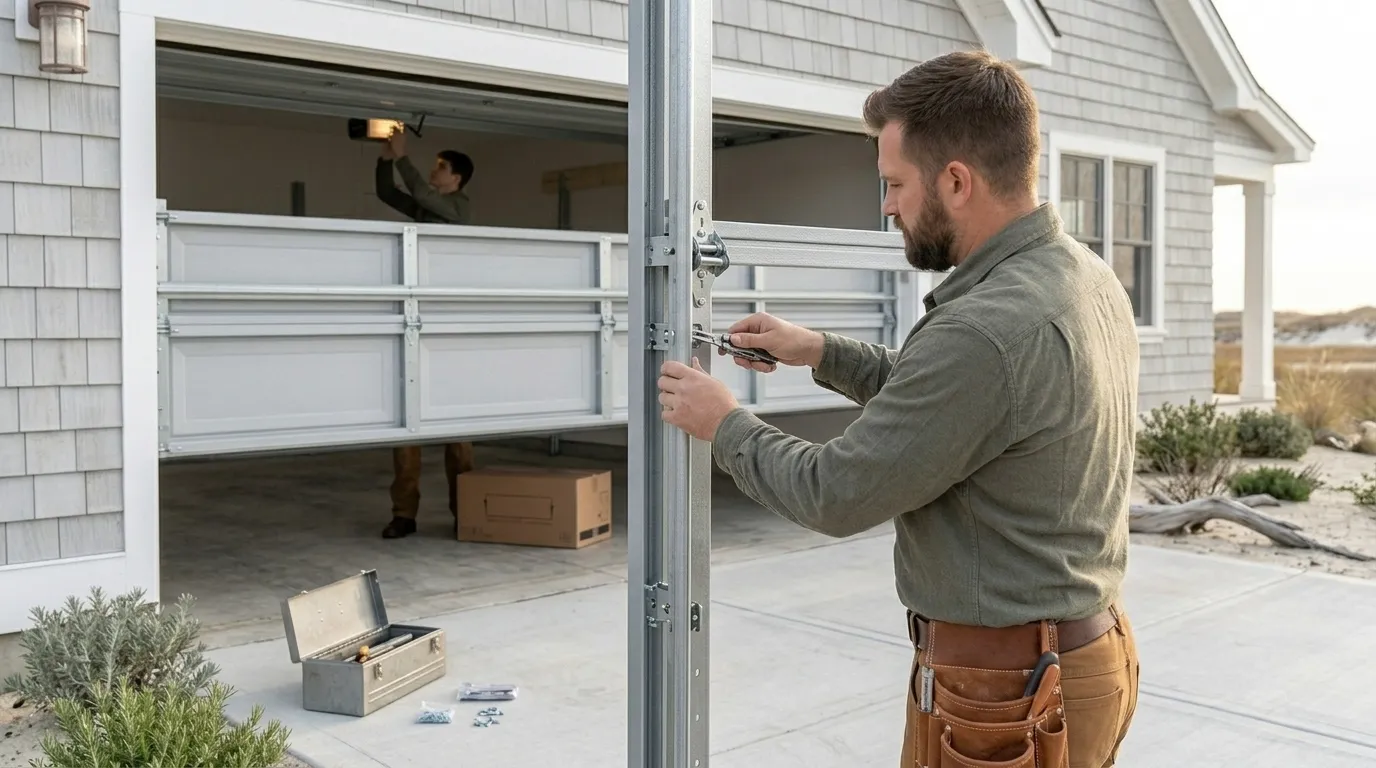
Hazel Crest's housing stock centers on 1970, a little newer than the 1964 median you'll find across the wider service area we cover from Chicago. That gap matters more than it sounds like it should. A 1970-built house usually came with a steel sectional door on torsion springs mounted overhead, not the older side-mounted extension setups you still find on houses from the 1940s and 50s stretch of the broader area. If your house is original to the block, you're likely dealing with hardware from that same window - torsion springs, a steel track, and an opener that's been replaced at least once by now since openers rarely last as long as the door itself. The panels themselves hold up fine; it's the springs, the rollers, and sometimes the drums that wear out on that timeline. We work from what's actually on the house, not a guess based on the neighborhood's reputation, so a quick look at the spring gauge and the track condition tells us more than the build year alone.
What That Means for Doors
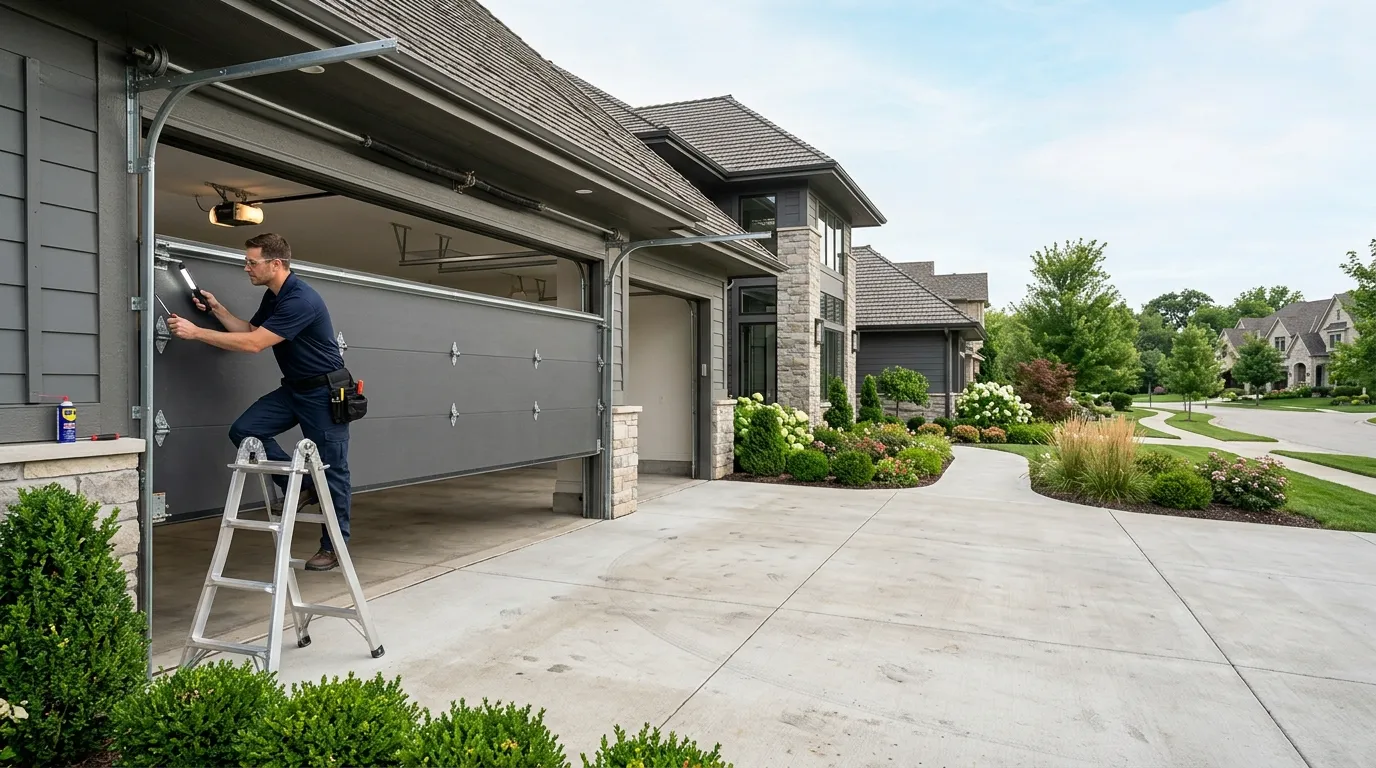
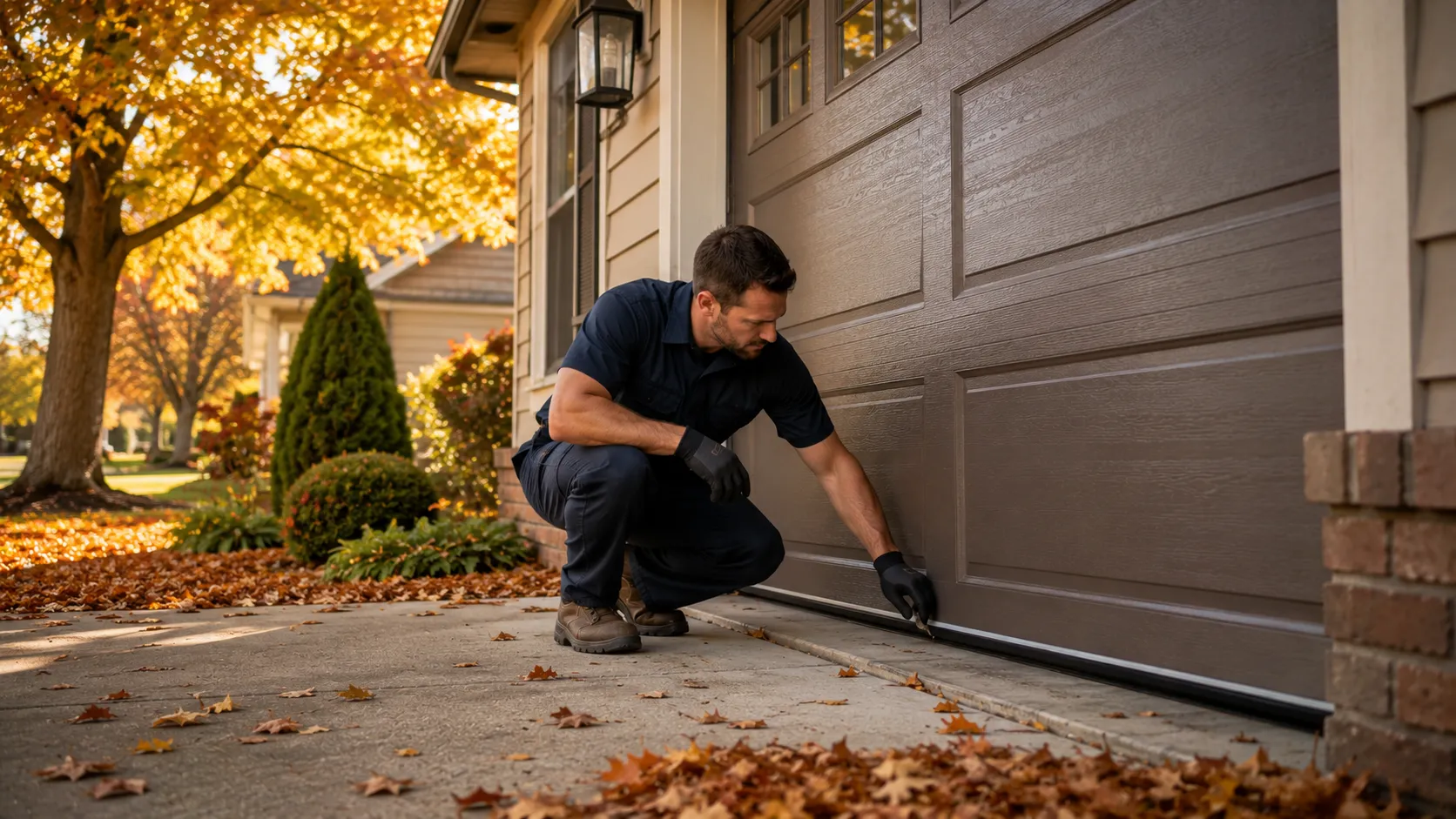
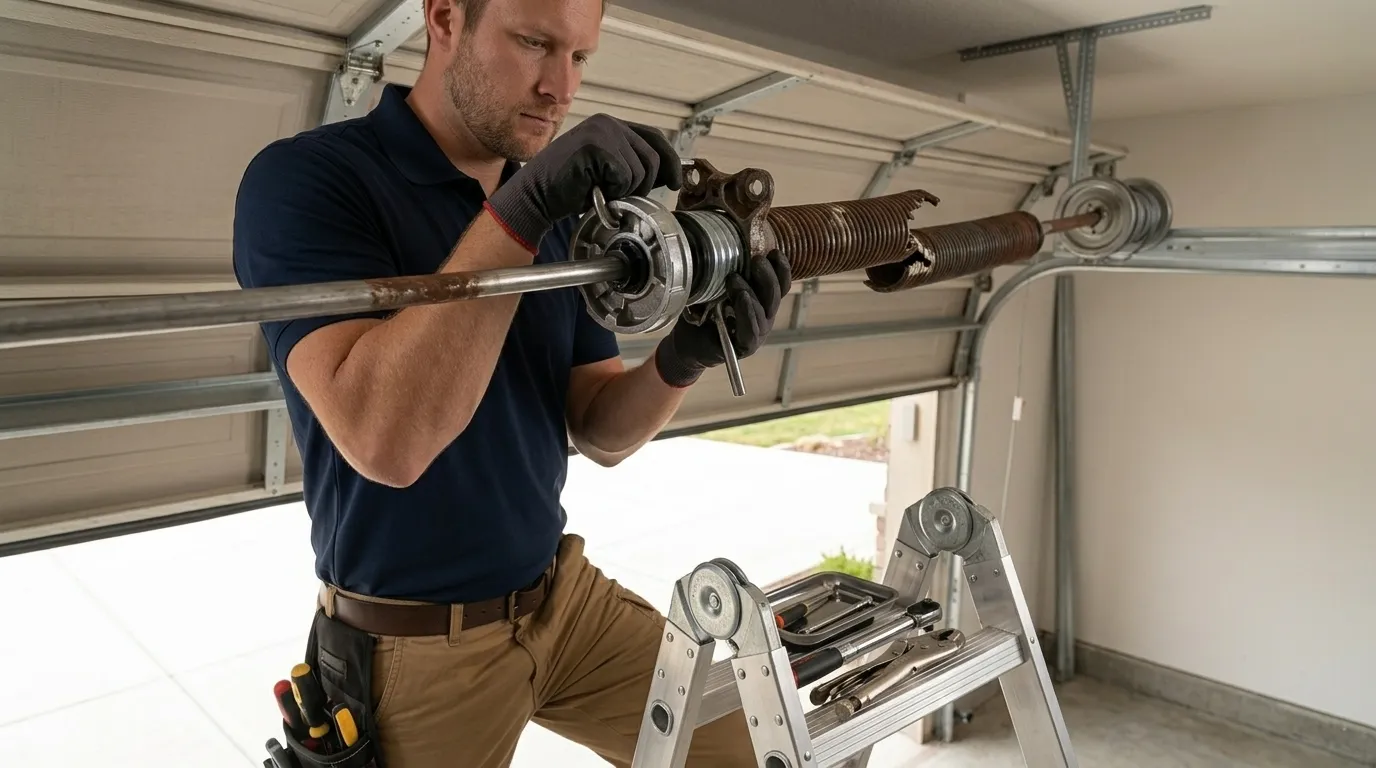
The area sits in a cold climate band, and that shows up in specific ways on a door built or last replaced in the 1970s window. Steel panels from that era typically have thinner insulation than what's sold now, and the bottom seal - the rubber strip along the floor - hardens and cracks faster in repeated freeze-thaw cycles than people expect. On a door that old, we also see torsion springs that have simply cycled out: 1970s-spec springs weren't rated for the cycle counts we design to today, so a spring that's 30-plus years old snapping isn't a fluke, it's just due. Openers from a mid-life replacement (say, installed in the 90s or 2000s) are also hitting the age where the drive gear strips or the logic board starts skipping signals in cold weather. None of this is unique to any one house - it's just what a door of this era does once winter starts working on it.
What People Here Ring About
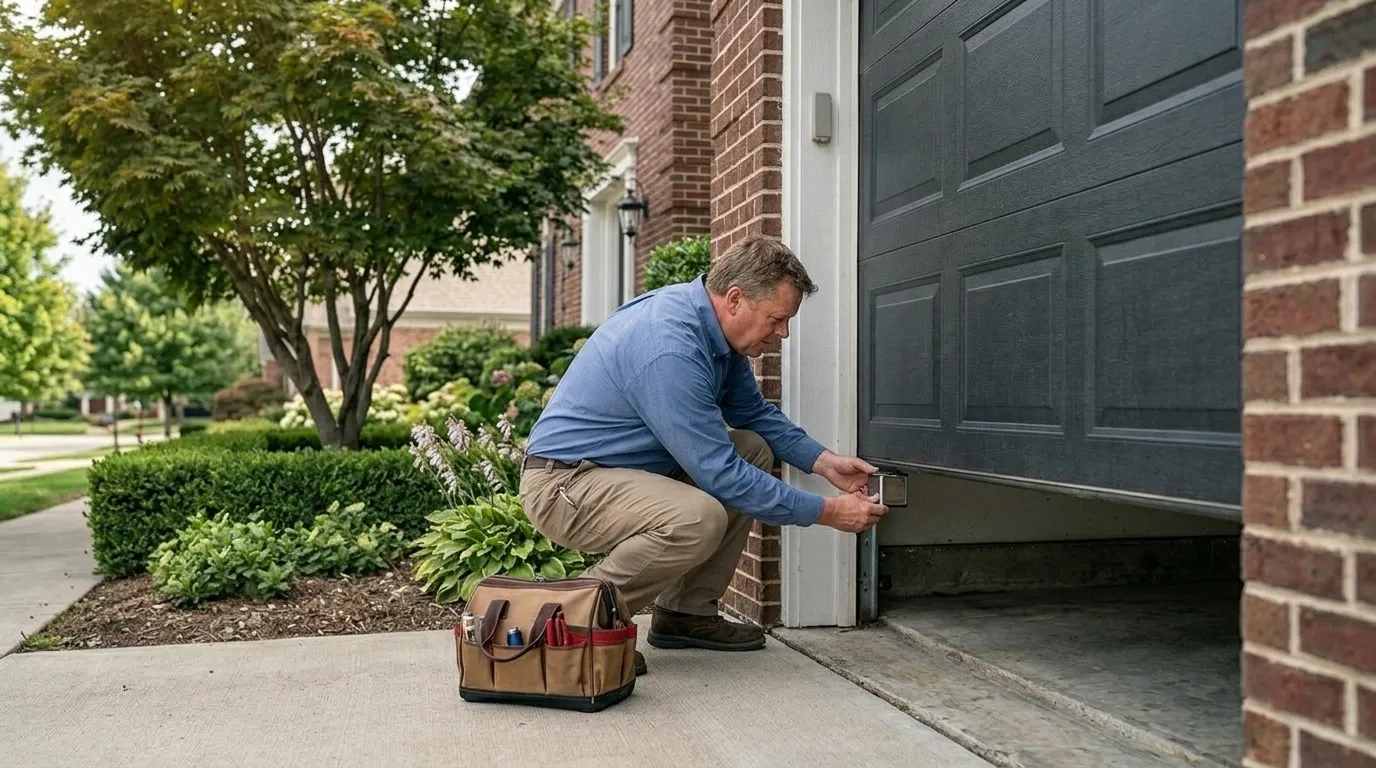
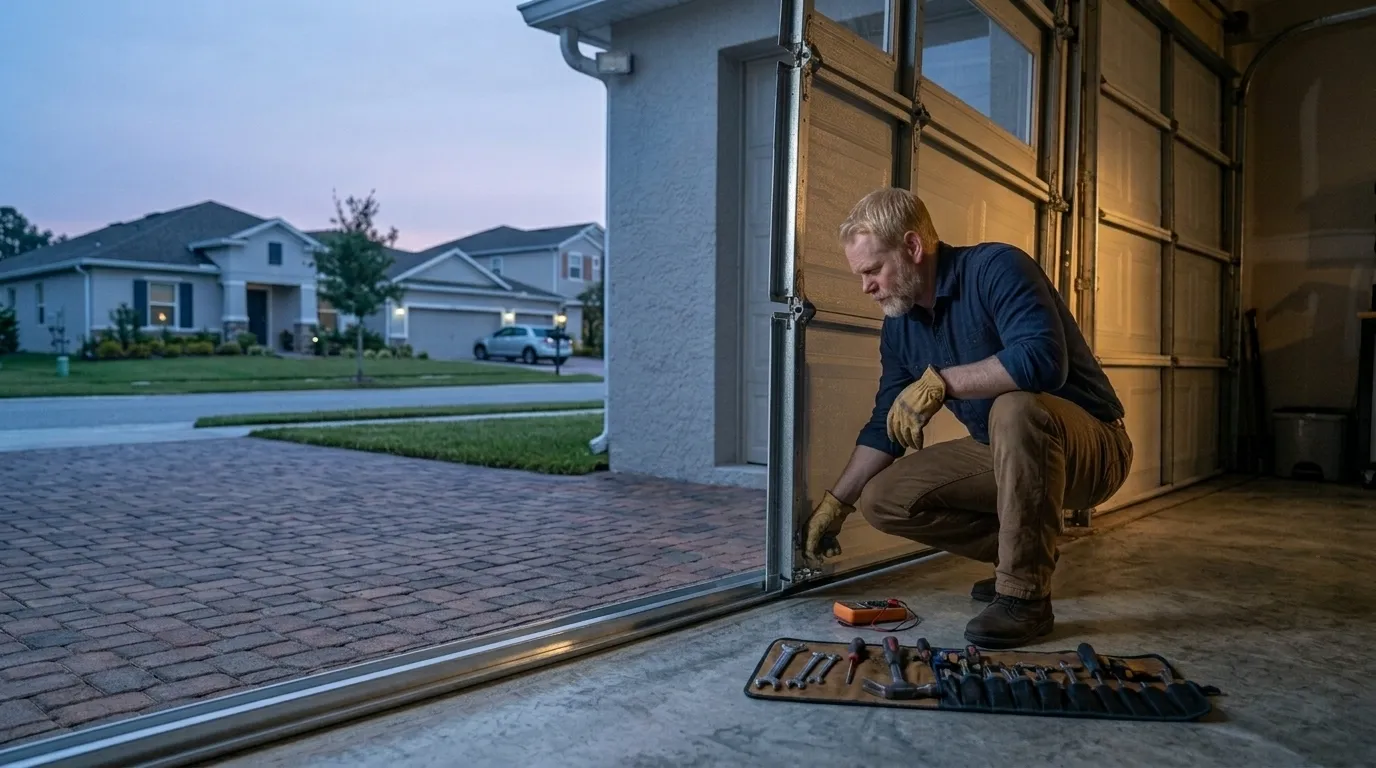
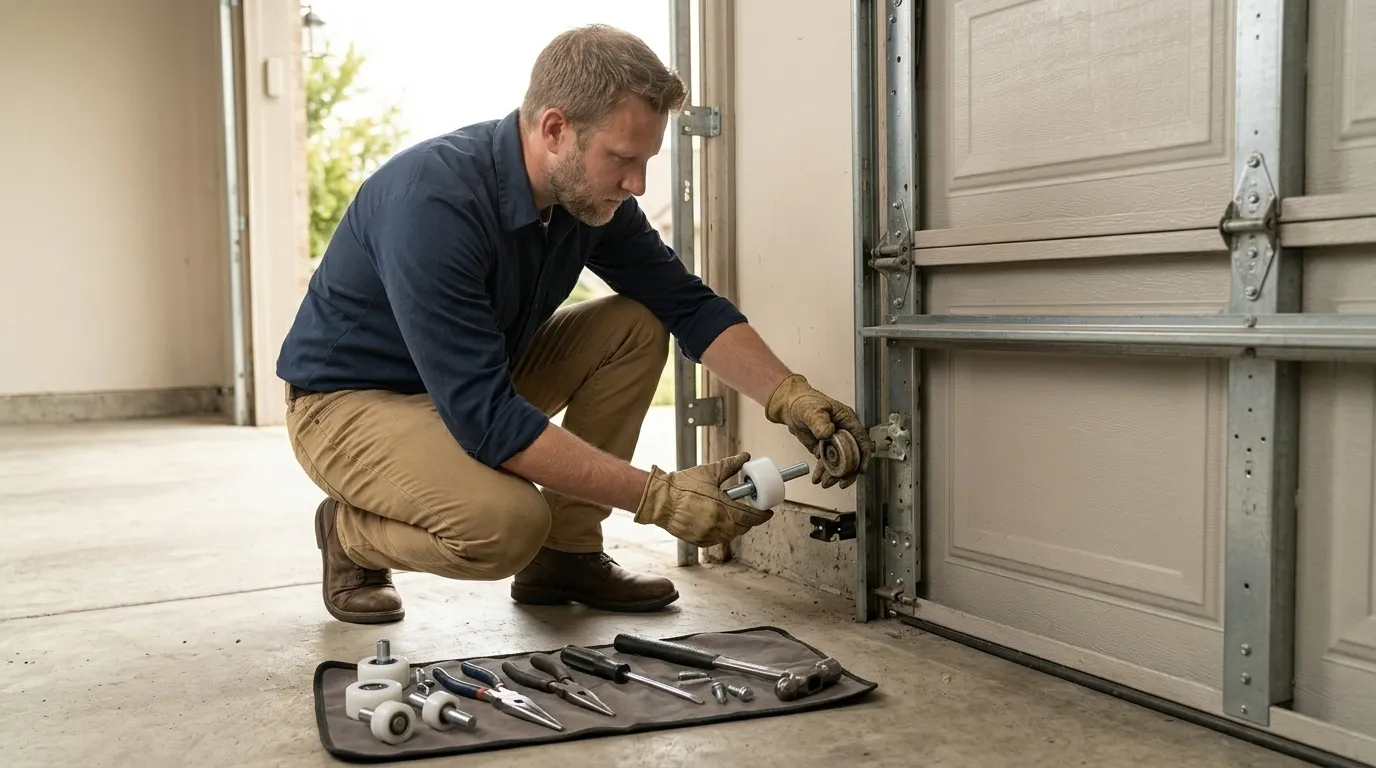
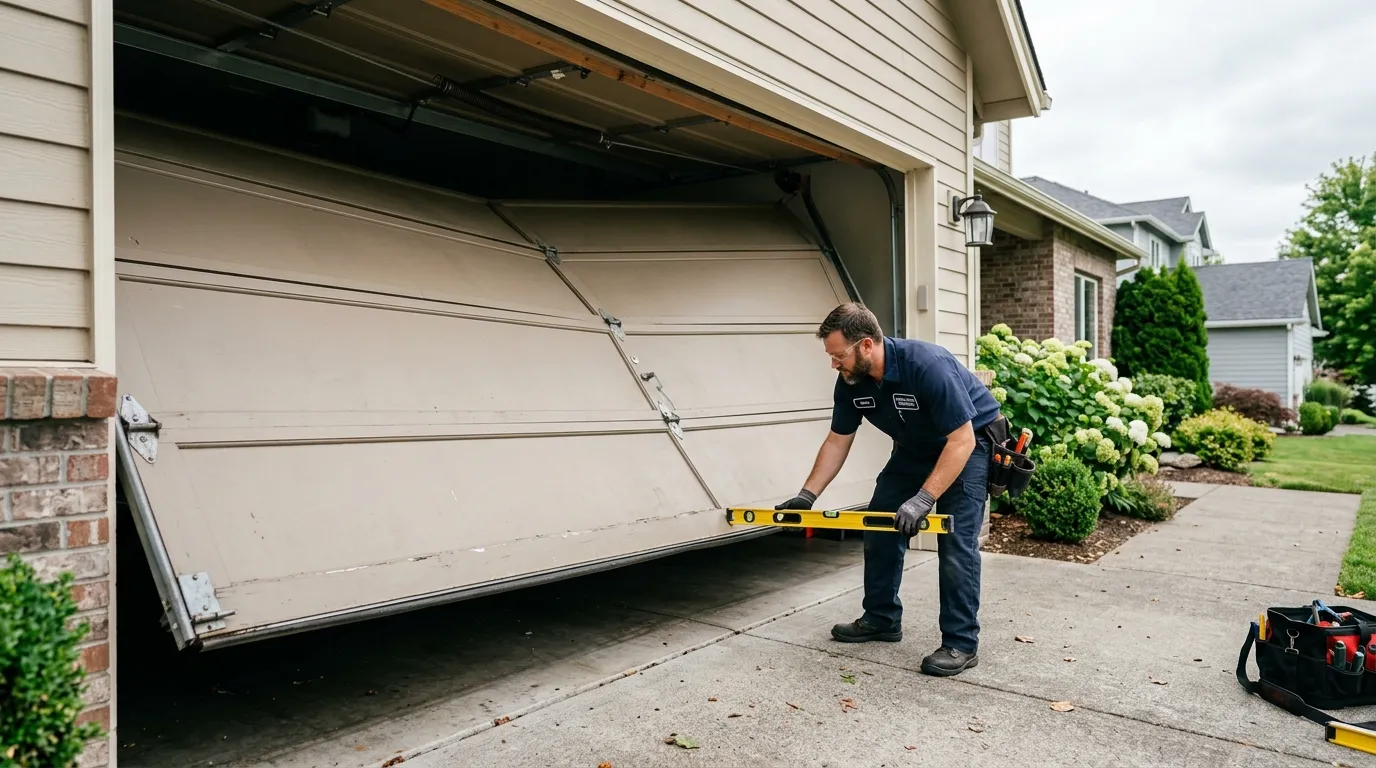
The calls we get from this area cluster pretty tightly: a torsion spring that let go overnight and the door won't lift, an opener that runs but doesn't grab the door hard enough to lift it, and worn bottom seal letting cold air and water under the door. Fewer calls are about full panel replacement, since the steel from the 1970s build years tends to outlast the springs and openers that get bolted to it. One honest limit here - if a spring has been failing quietly for a while, the drums or cables sometimes go with it, and we won't know that until we're looking at the door in person. We quote the spring job first and flag anything else we find before we touch it, rather than assuming the worst case up front.