This Area's Housing
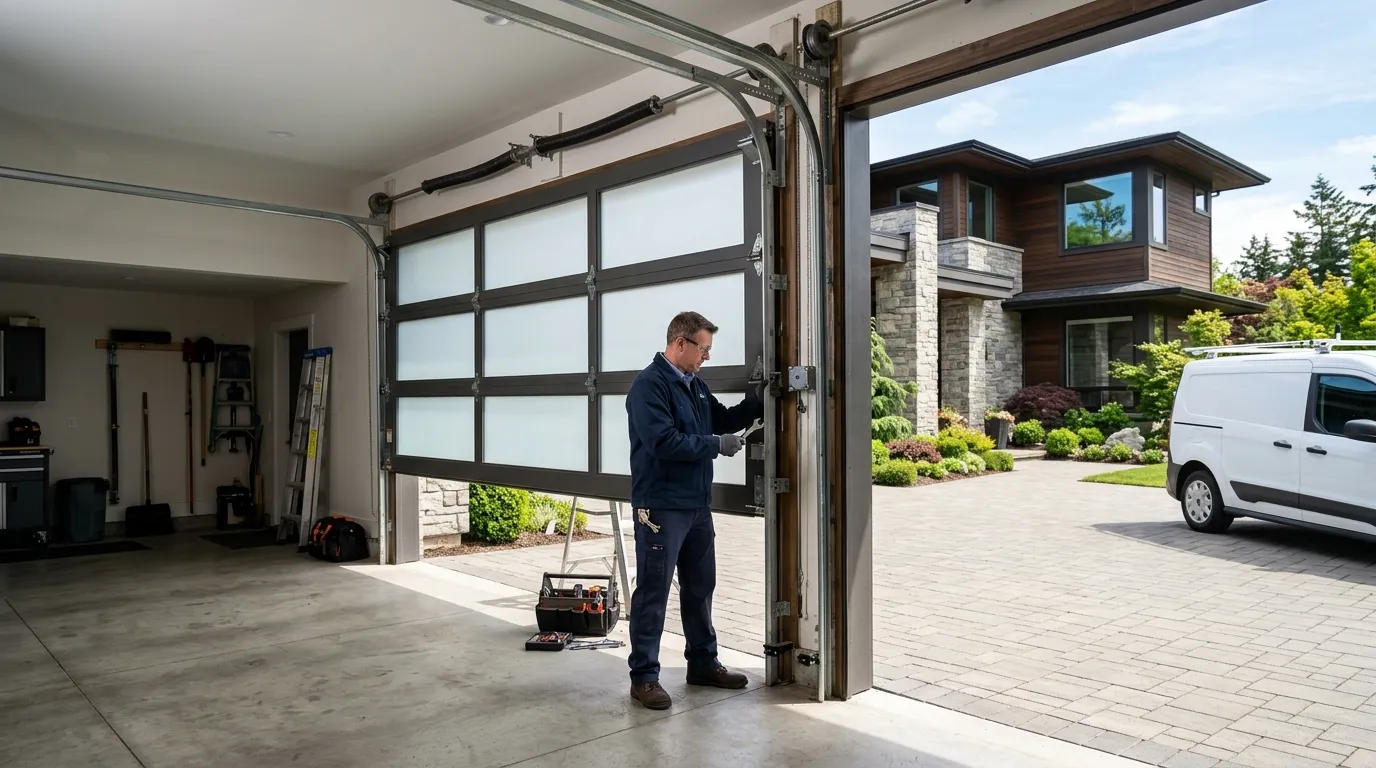
Hickory Hills sits at the newer end of the housing wave that built out this whole side of Chicago. The median build year here lands around 1970, a few years past the broader 1964 median across the service area, and it puts most garages here squarely in that 1960s-70s construction run that's common across the 86 named communities we cover. That matters because a door built in 1970 is not the same animal as a door from 1948. By 1970, steel sectional doors with extension or torsion springs had mostly replaced the older wood one-piece swing-up doors, so what you're dealing with here is usually a sectional door on a track system - just an old one, with hardware that's been through fifty-plus winters. With 5,610 households in Hickory Hills, that's a lot of original torsion tubes, worn end bearing plates, and openers that have outlived two or three motors already. Median household income here runs $85,541, a bit above the wider area's $80,202, which we mention only because it tracks with what we see: more owners who've kept up with maintenance rather than letting a door run until it fails completely.
What That Means for Doors
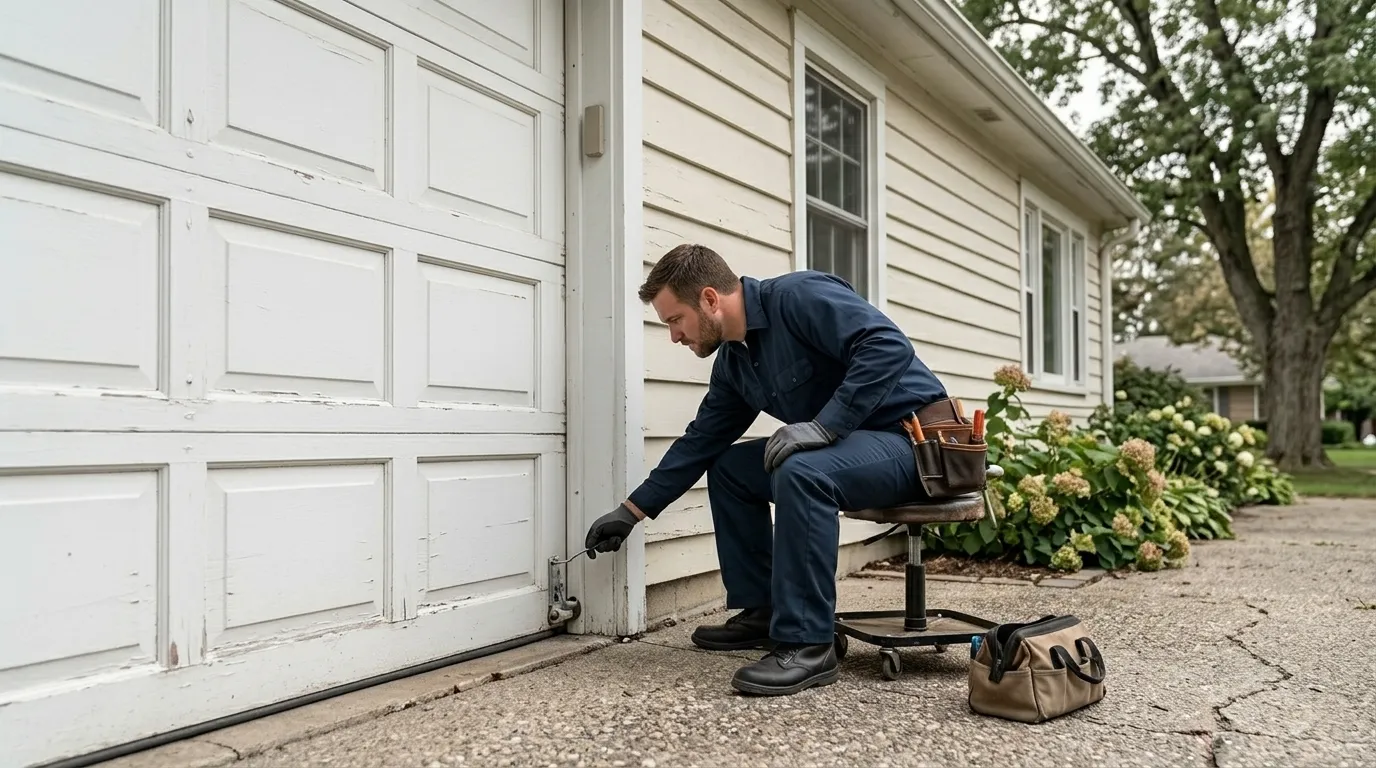
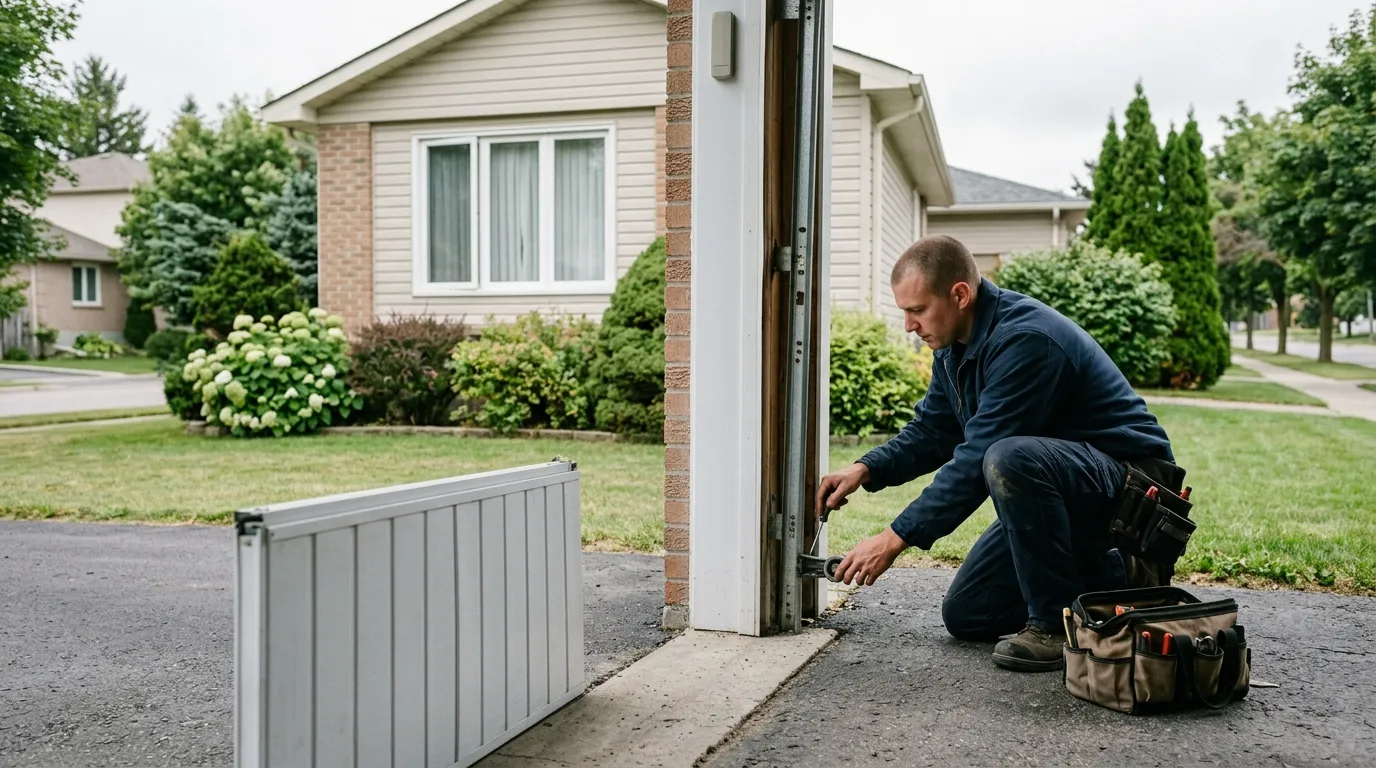
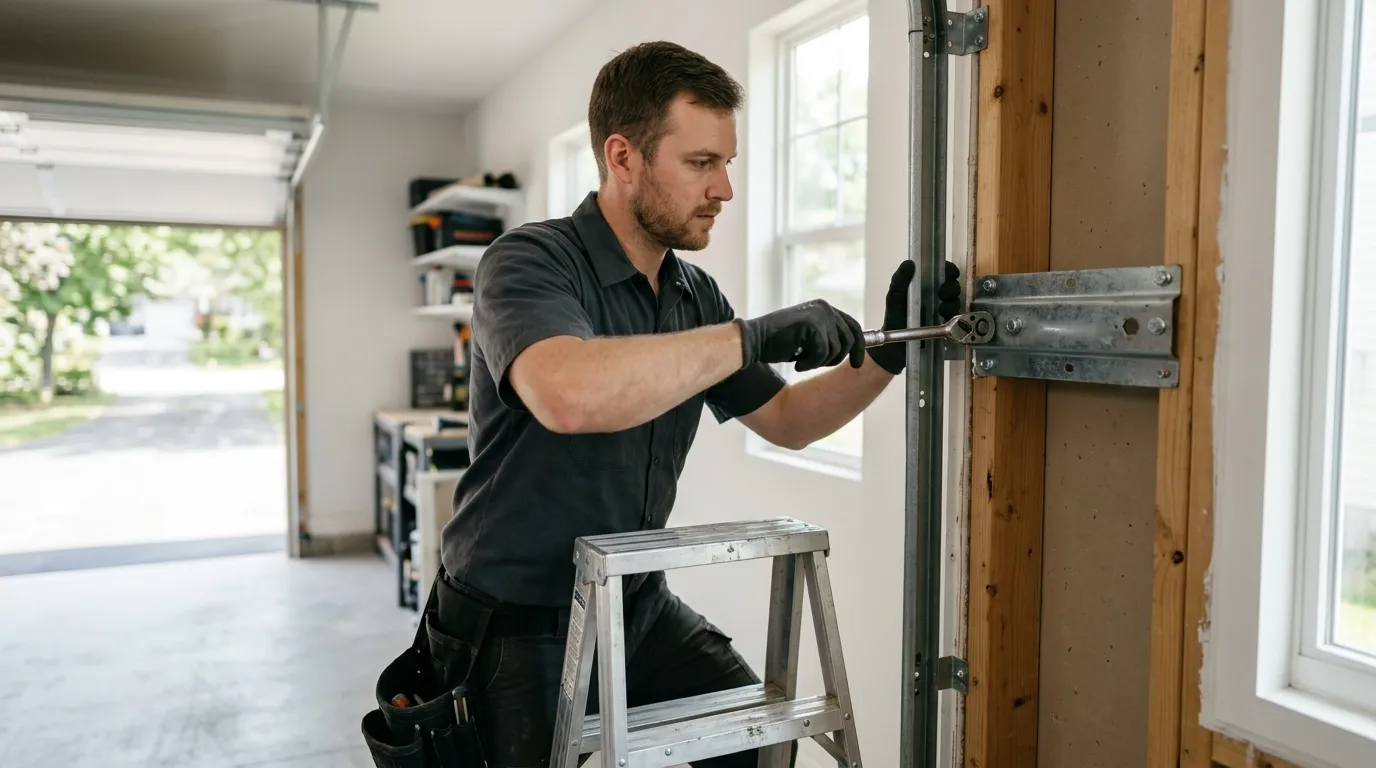
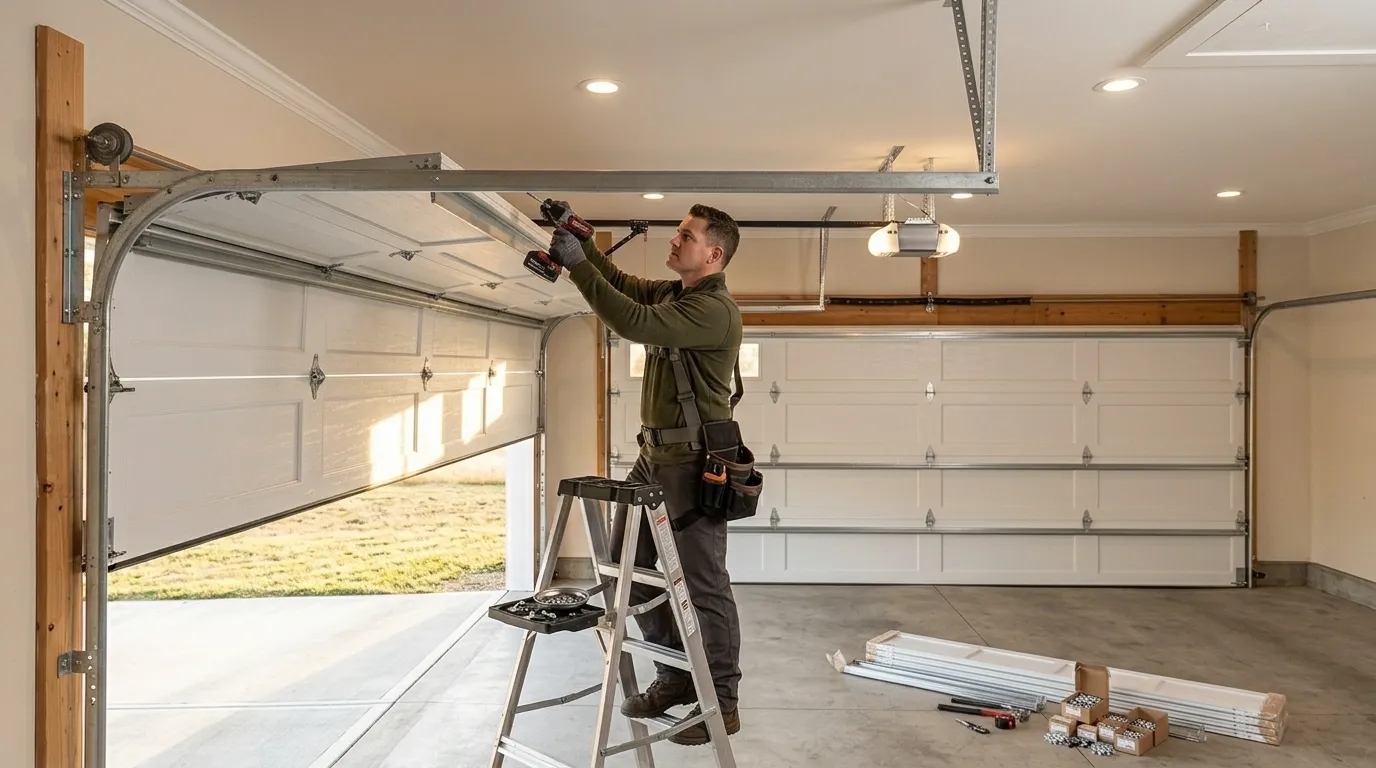
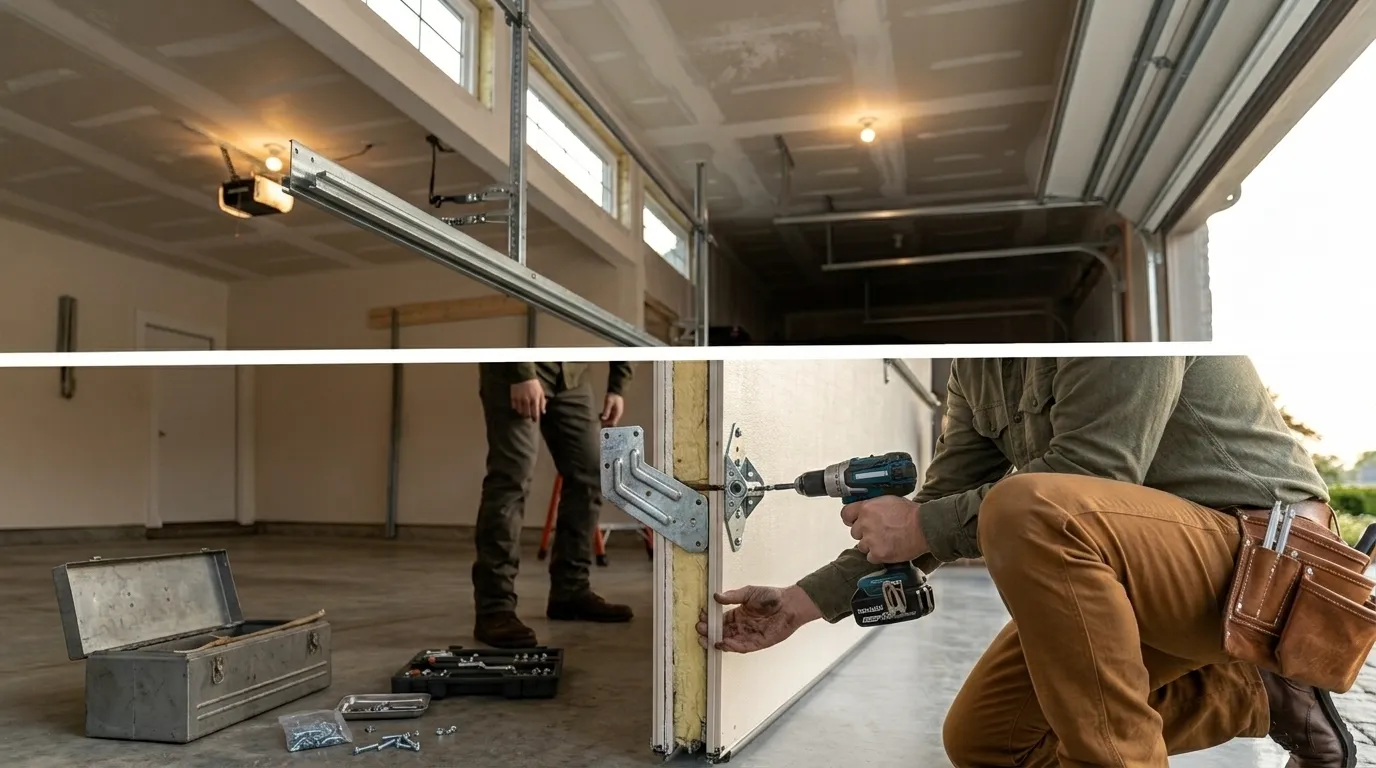
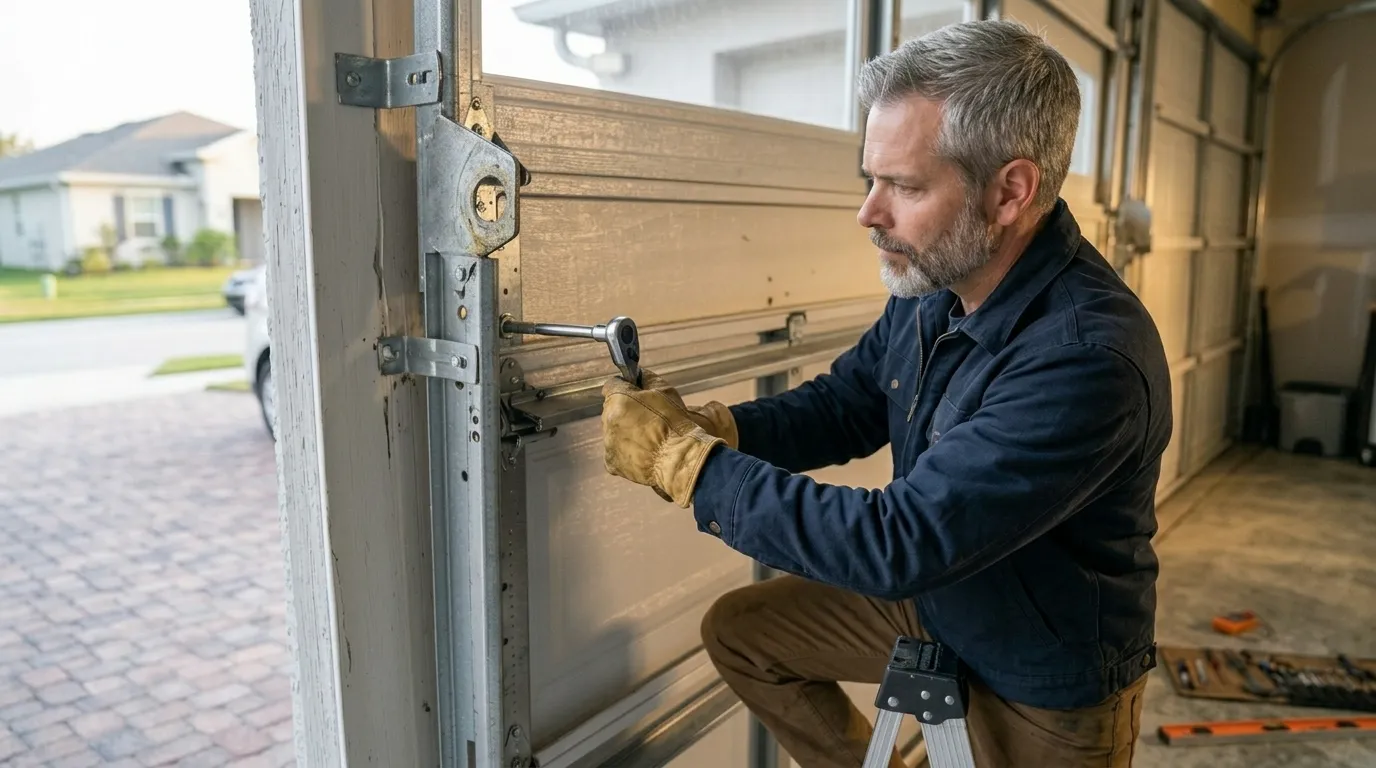
A door installed around 1970 has usually had one or two spring replacements by now, and whoever did the last one may not have upgraded the safety cable or the end bearings while they were in there. That's the pattern we watch for on 1960s-70s stock: a torsion spring that's been swapped but sits on original, worn brackets, or an opener from the 90s bolted onto 1970s track that's slightly out of alignment from decades of settling. None of that shows up until the spring finally lets go or the opener starts grinding. On homes in this build era, the tracks are usually galvanized steel and hold up fine structurally - it's the moving hardware, rollers and hinges, that wear out first. We check both when we're out, not just whatever part failed.
What People Here Ring About
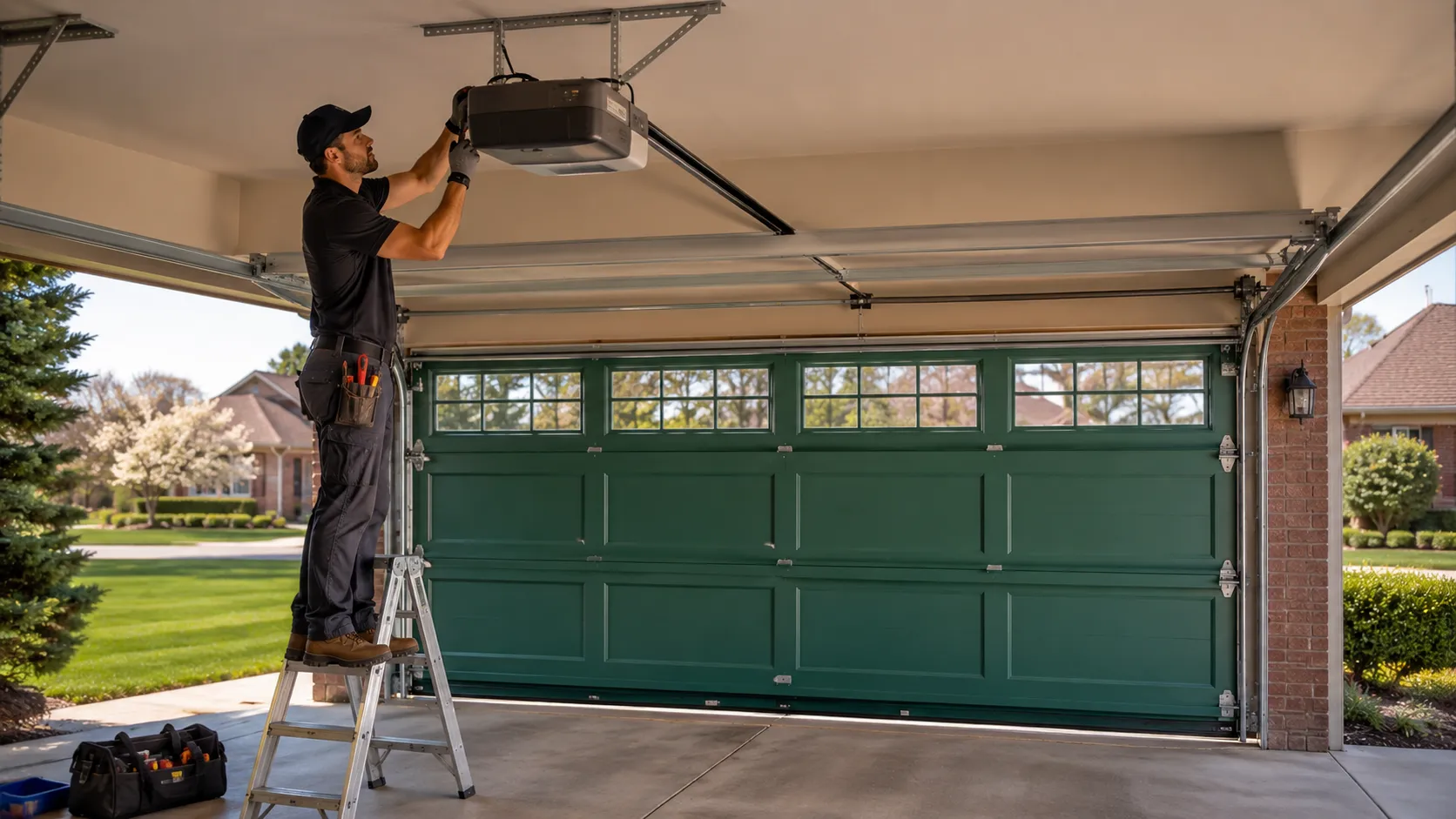
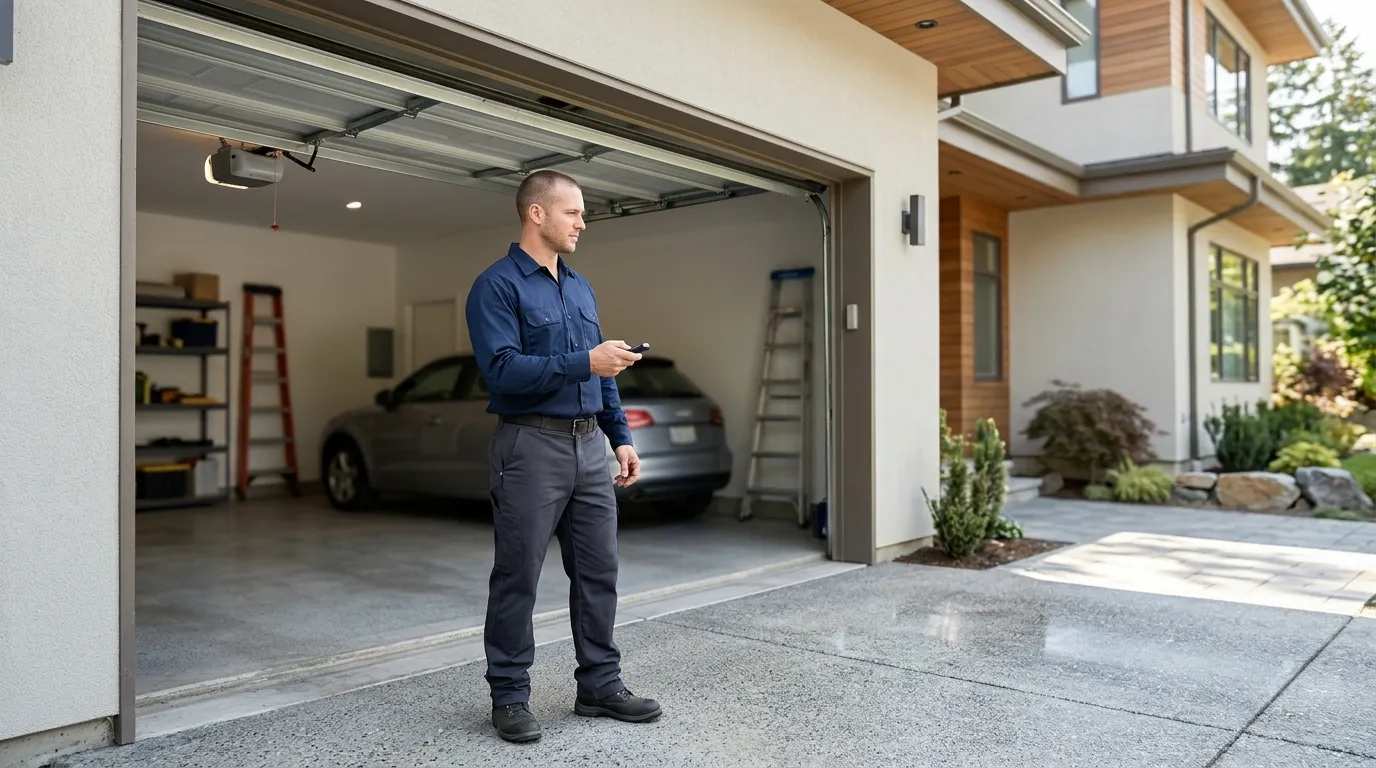
The calls we get from Hickory Hills addresses split pretty evenly between two things: a torsion spring that's snapped overnight - usually loud, usually happens in cold weather since steel contracts and stresses old springs harder - and an opener that's started reversing, slipping, or just not responding to the remote. Both are common on doors from this construction period because the springs are rated for a cycle count, not a calendar, and thirty-plus years of daily use gets most of them there eventually. We'll be honest about the second kind of call: if your opener is original to a 1970s install, replacing it usually makes more sense than repairing it piece by piece, since parts for motors that old are getting hard to source and a new unit runs quieter and safer besides. We won't push a new opener on a unit that's just having an off day, but we'll tell you straight when patching isn't worth it.