This Area's Housing
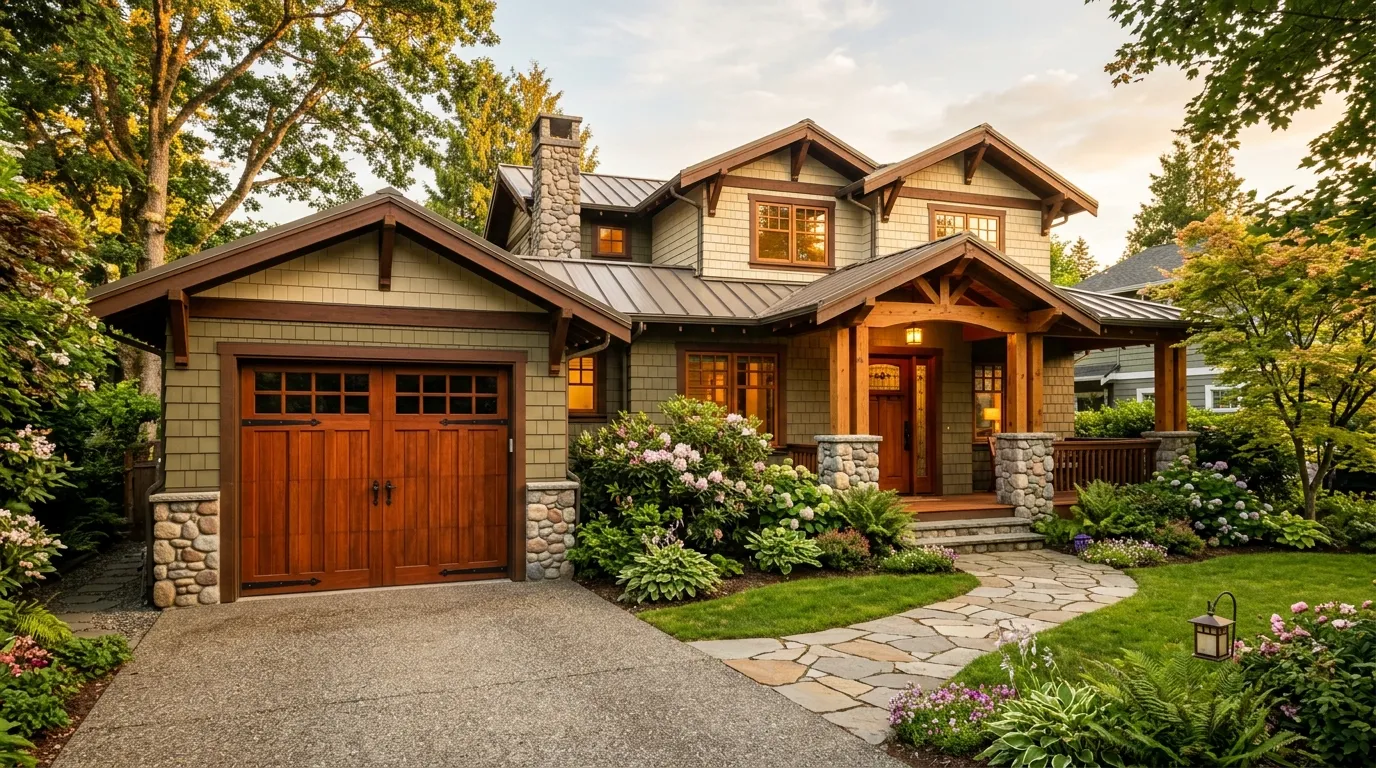
Hillside's houses cluster tight around 1960, a touch earlier than the 1964 median across the wider service area we cover. That handful of years matters more than it sounds like it should. A house built in 1960 is more likely to still have its original torsion spring setup, sometimes even the original door, than one built in the early 1970s when door makers started shifting to lighter steel and different bracket spacing.
With roughly 3,050 households in this stretch, you've got a fairly compact pocket of similar-age homes rather than a mix of decades. That's actually useful for diagnosing a problem over the phone before a truck ever pulls up - if we know the block was built in 1960, we already have a decent guess at spring wire gauge and track type before we open the panel.
The area sits in a cold-moderate climate band, which over sixty-plus years means a lot of freeze-thaw cycles working on steel brackets and lift cables. Original hardware from that build era wasn't engineered for that many decades of temperature swings, and it shows up as slow openers, sagging sections, and springs that finally let go on a cold morning.
What That Means for Doors
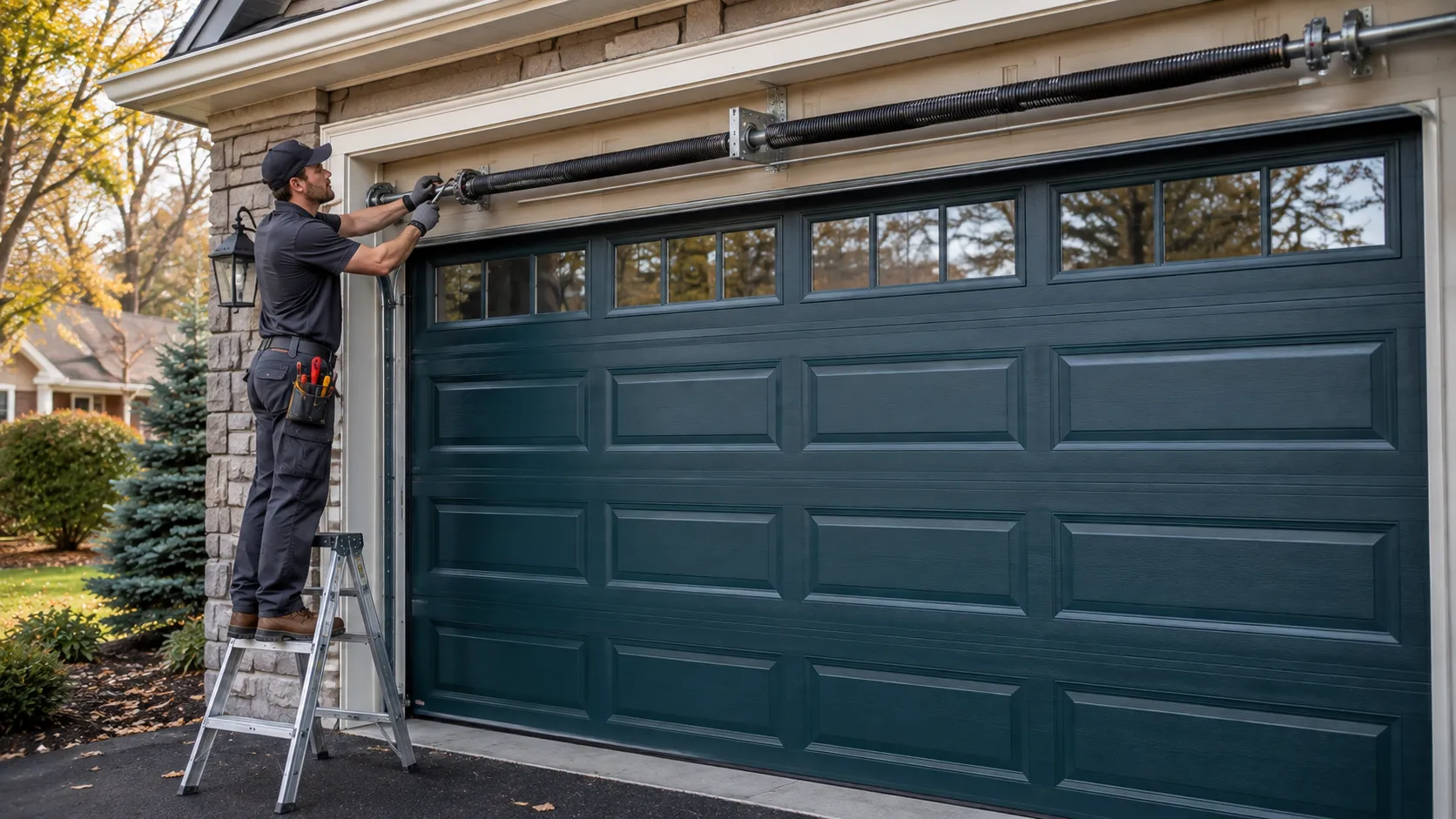
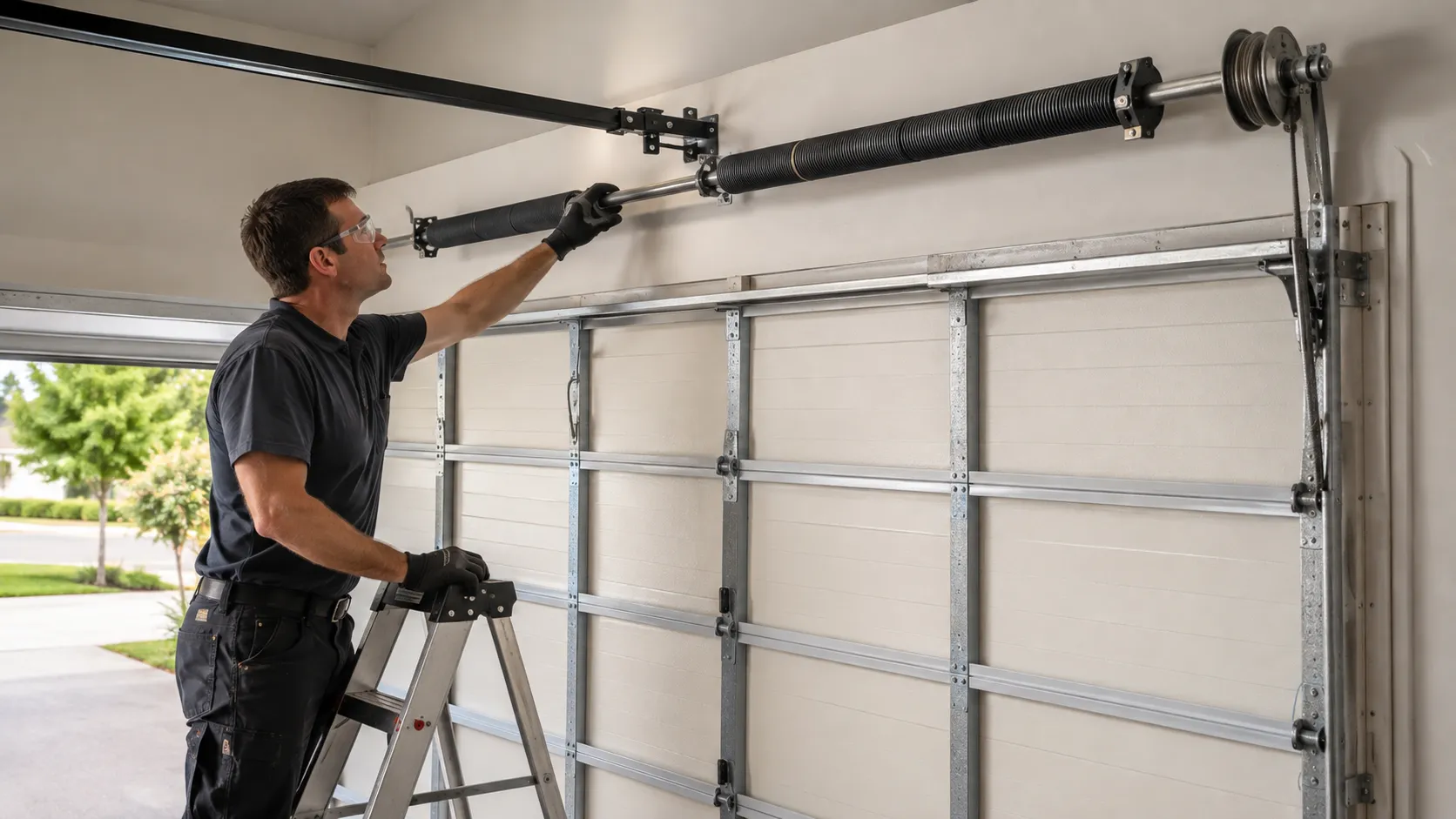
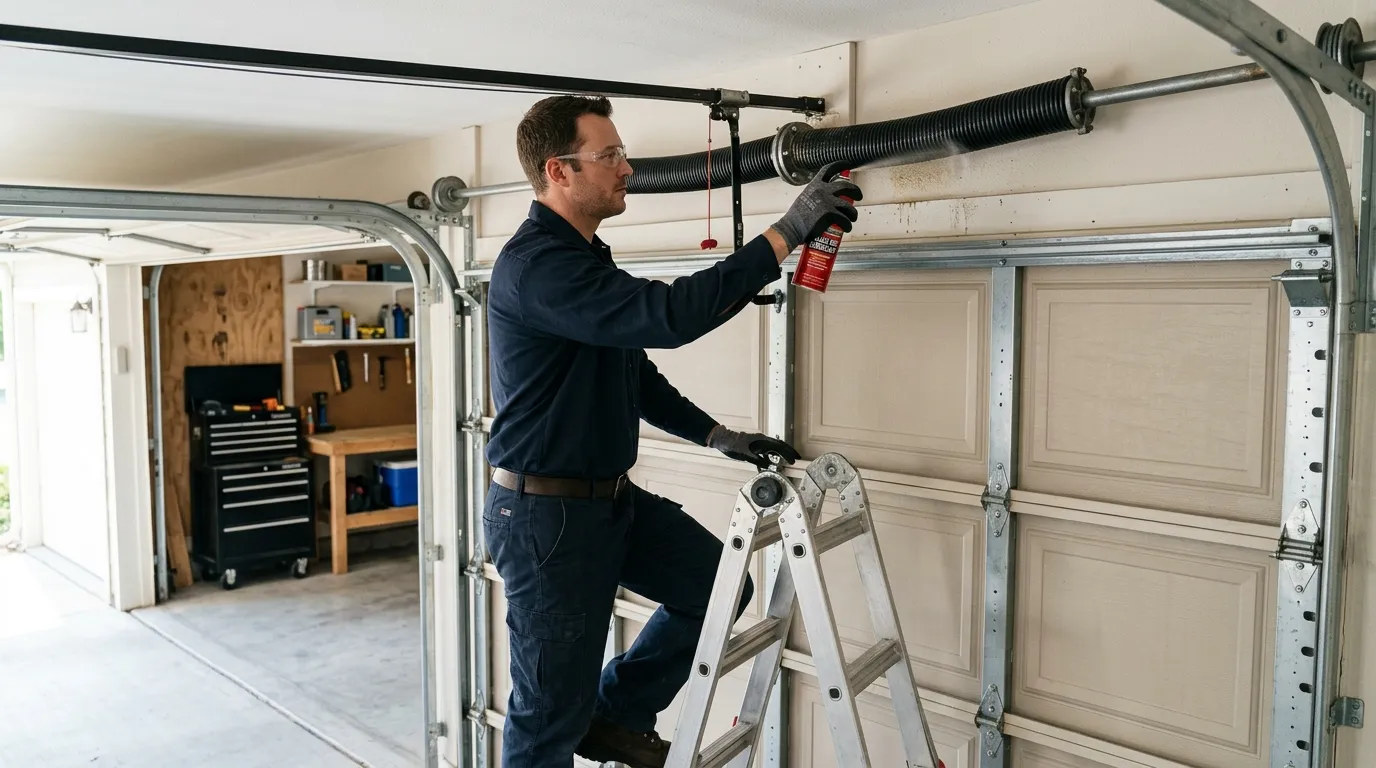
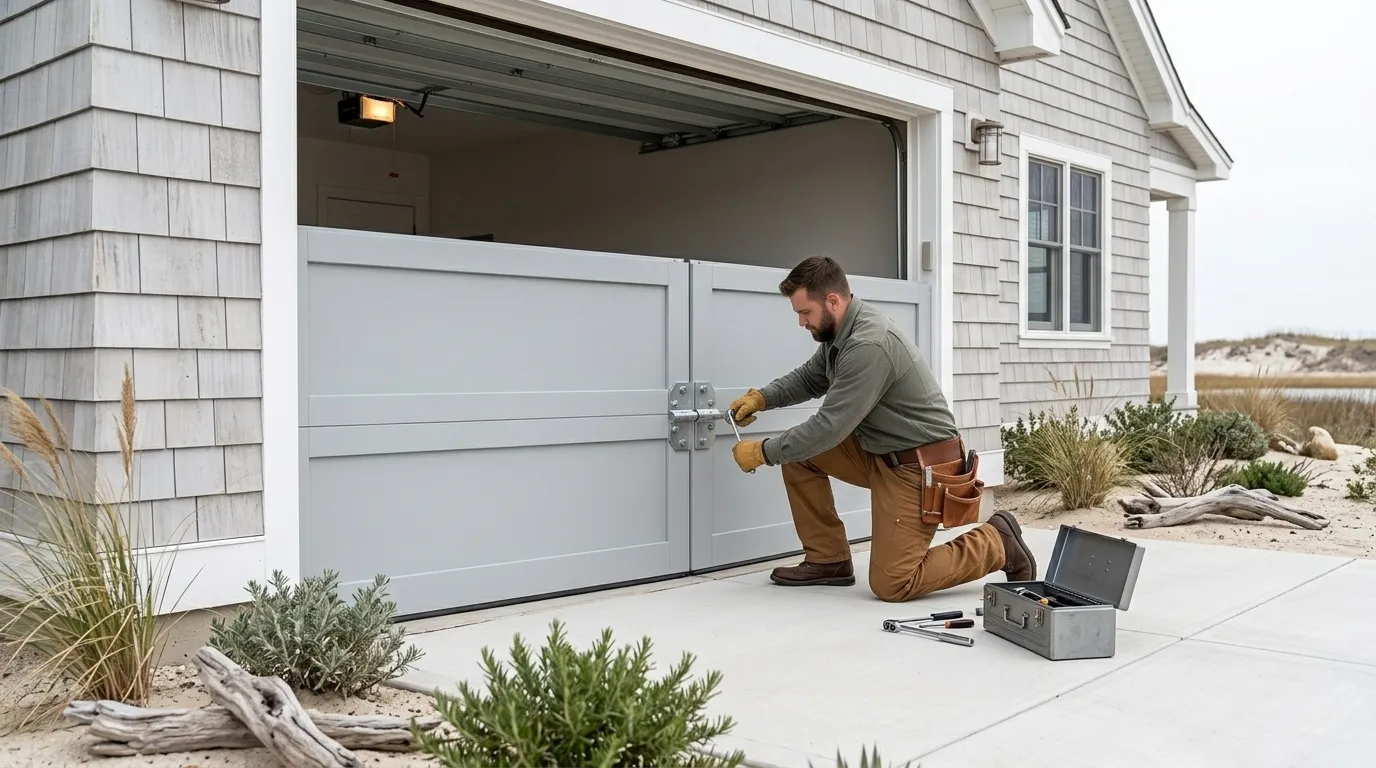
A door installed around 1960 was almost certainly a single-layer steel or wood panel unit on side-mounted torsion springs, not the insulated sandwich-style doors sold today. Those springs were sized for a lighter door and for a lot fewer open-close cycles per year than modern openers put on them. Sixty-plus years and a couple of opener swaps later, the spring is often mismatched to whatever door or opener sits on it now.
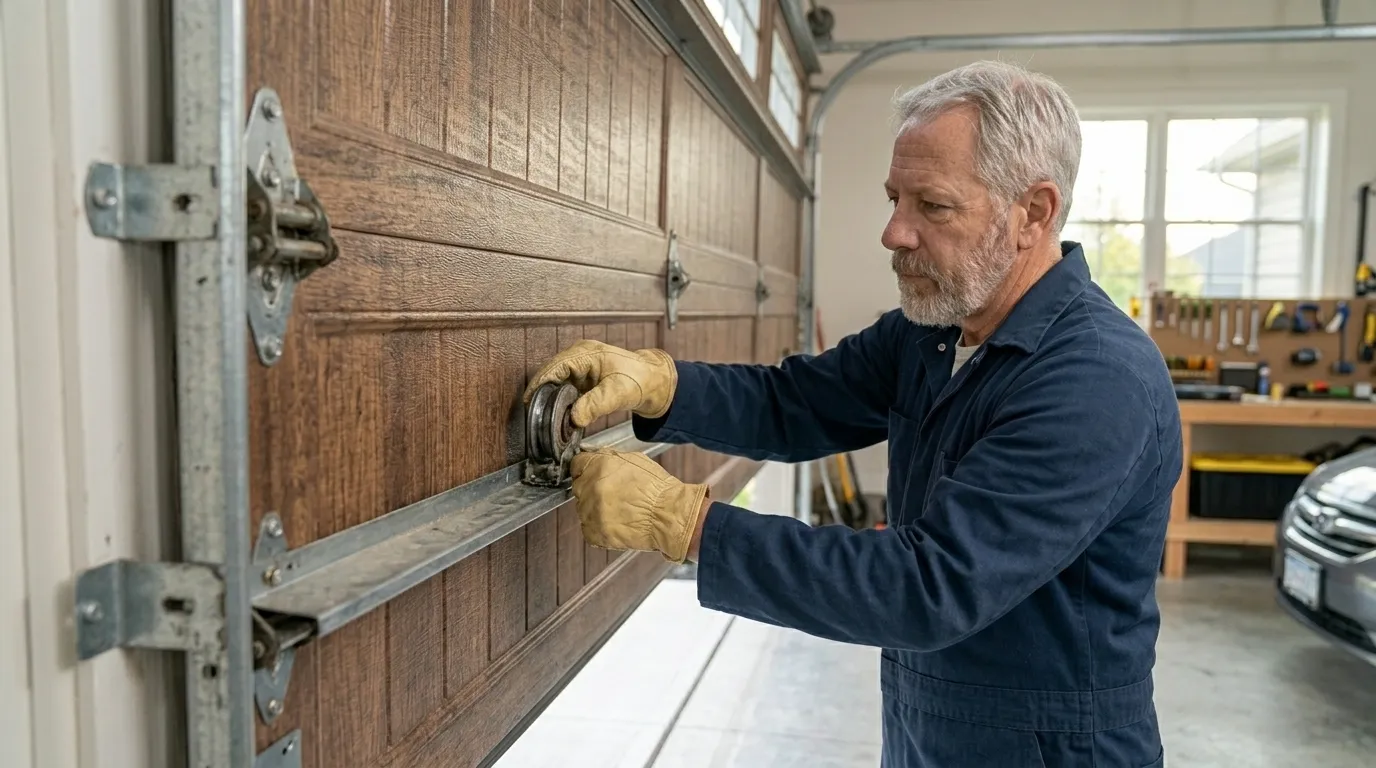
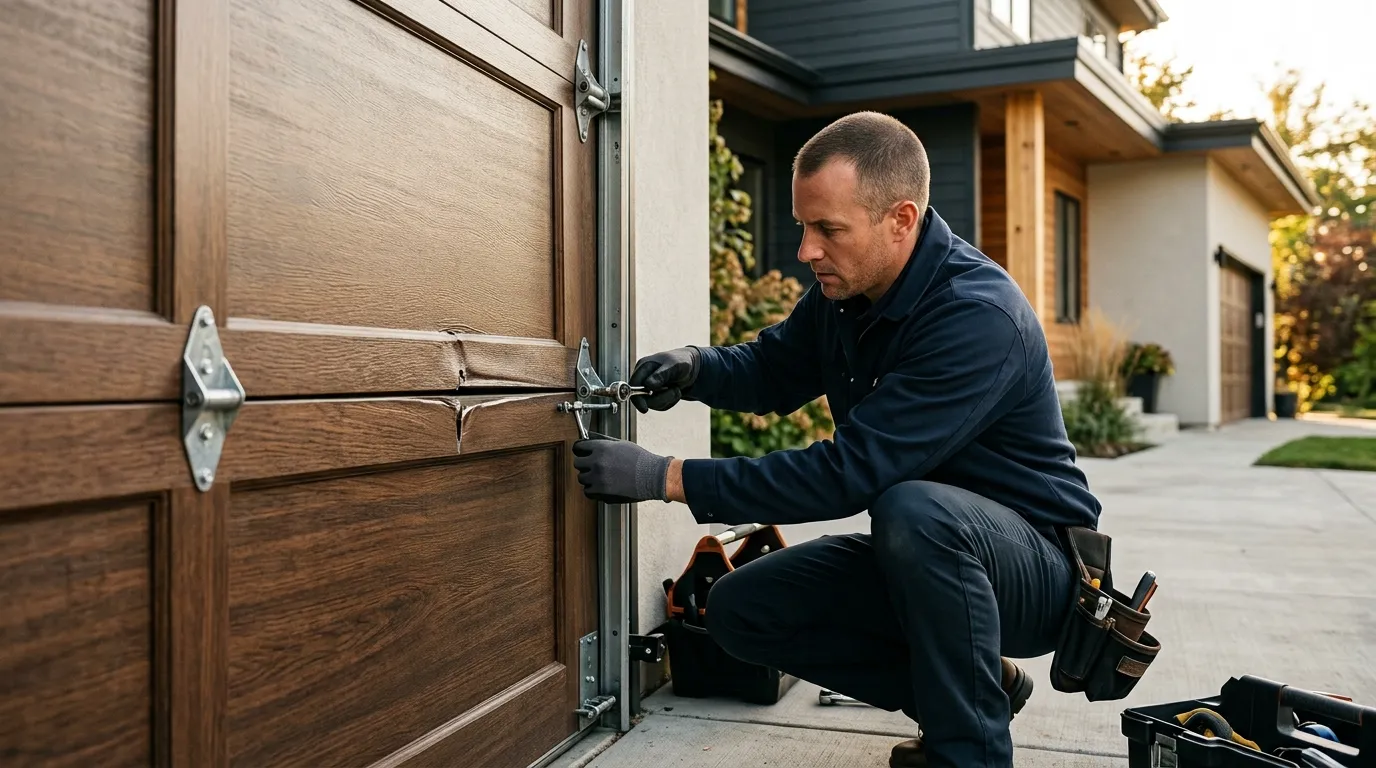
The cold-moderate climate here adds its own wear. Steel brackets and lift cables that have gone through decades of winter freeze and spring thaw develop rust at stress points you can't see from the garage floor - usually where the cable meets the bottom bracket. That's a common reason a door that
What People Here Ring About
placeholder