This Area's Housing
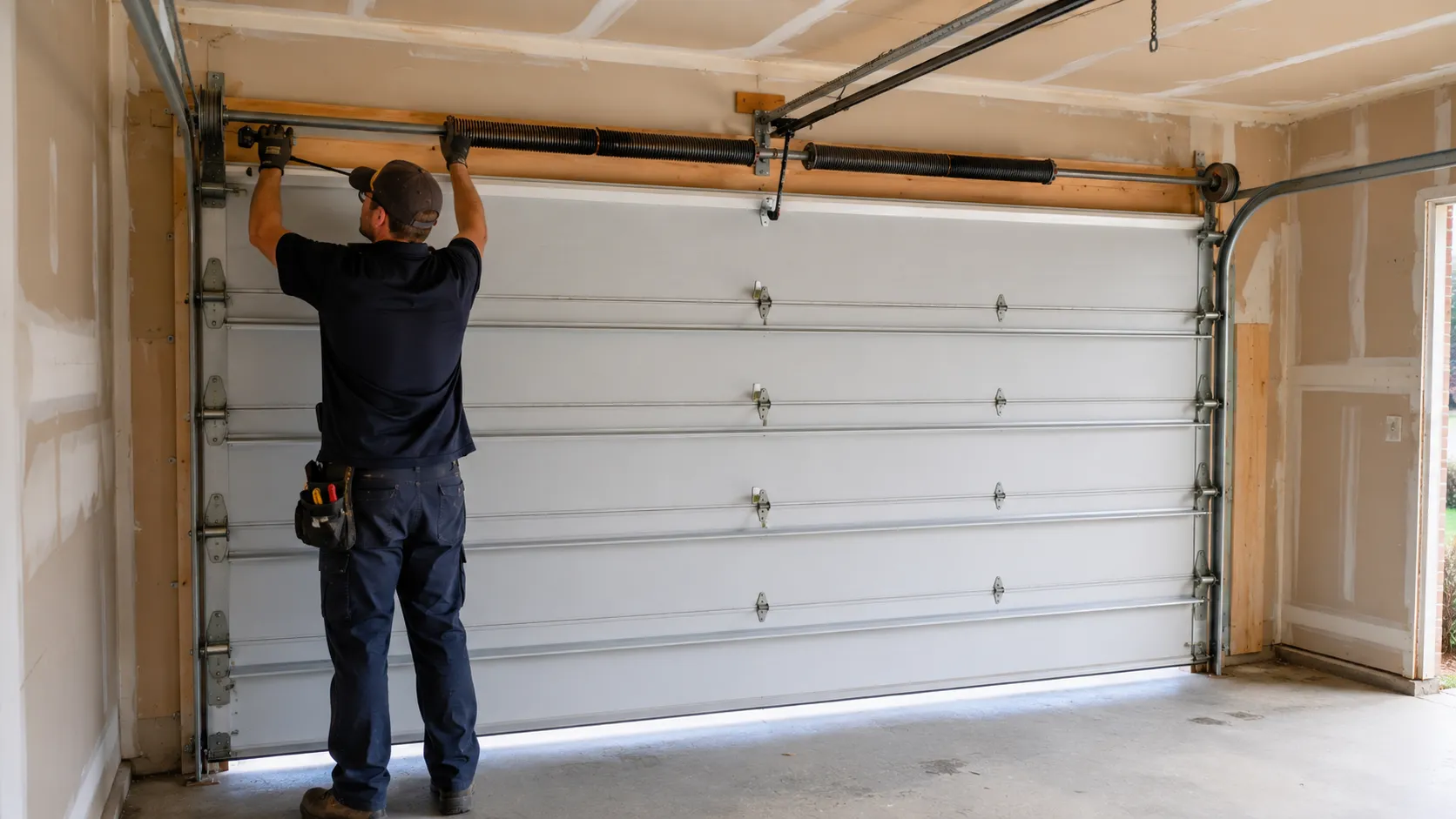
Hinsdale skews newer than most of the territory we cover out of Chicago. The median build year here lands around 1979, while the broader service area we work - 461,017 households across 86 named communities - centers on 1964, with homes going back as far as 1938. That fifteen-year gap matters. A house built in the late 1970s came with a wider garage bay than the 1950s two-car openings common closer to the city, usually paired with an extension-spring or early torsion setup rather than the older side-mounted hardware you find in the pre-war pockets we also serve. With 5,640 households in Hinsdale, most sitting on lots built out during that same late-70s/early-80s wave, the doors we see here tend to be original steel sectional units on double-wide openings, sometimes swapped once for an insulated replacement but rarely touched twice. That means parts are more standard than in the older stock, but the springs are sized heavier for the extra width - a detail that trips up a repair sized off a smaller-door parts bin.
What That Means for Doors
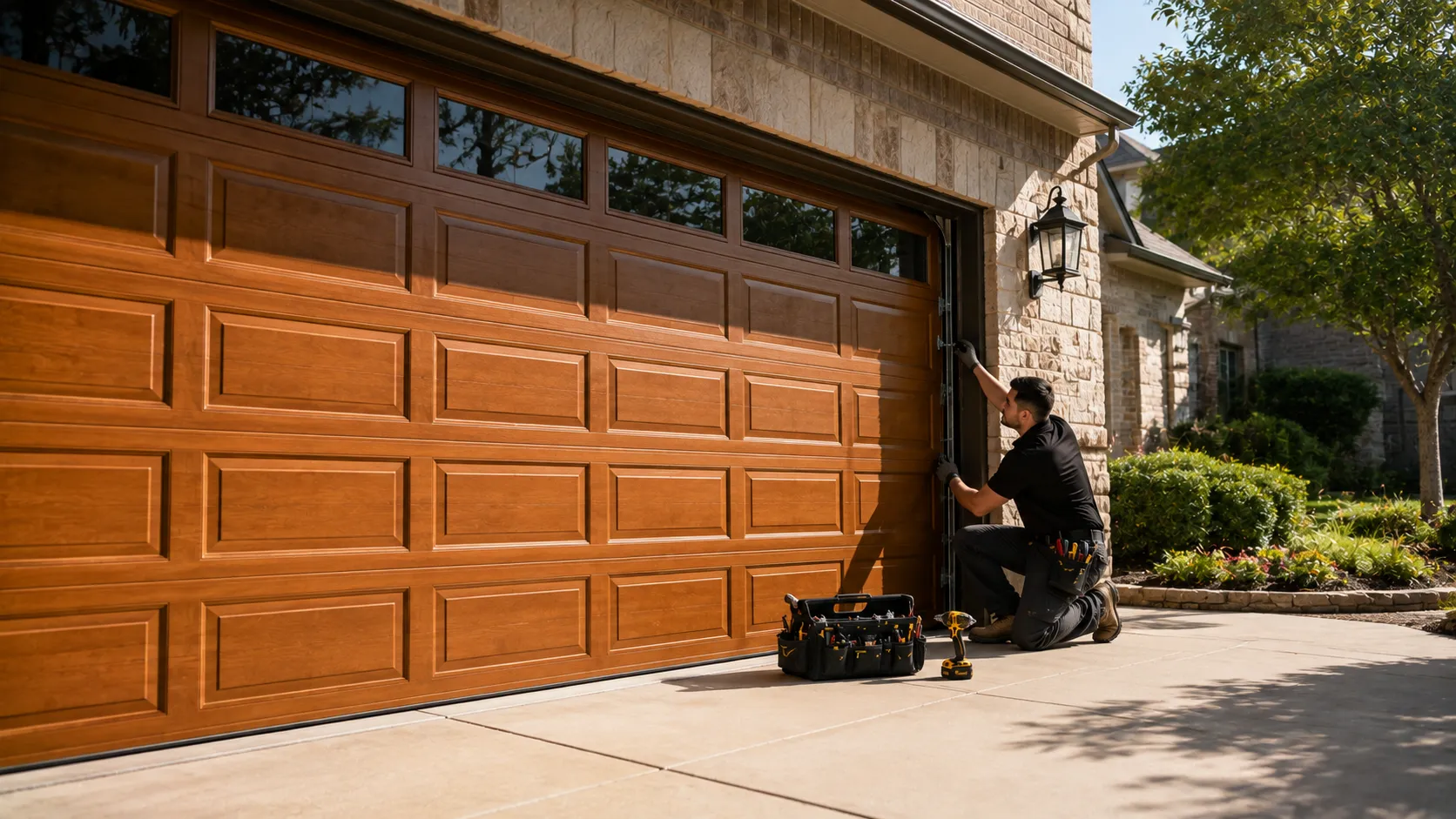
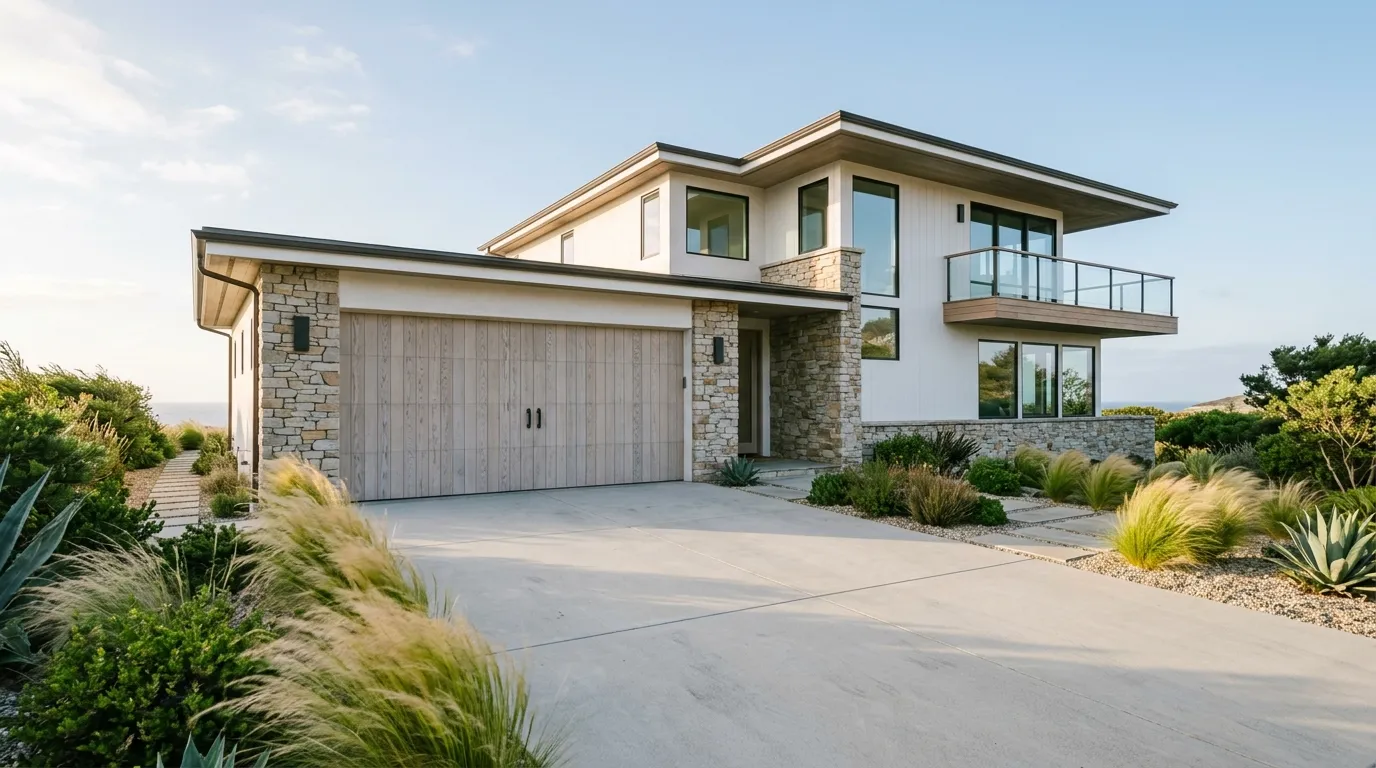
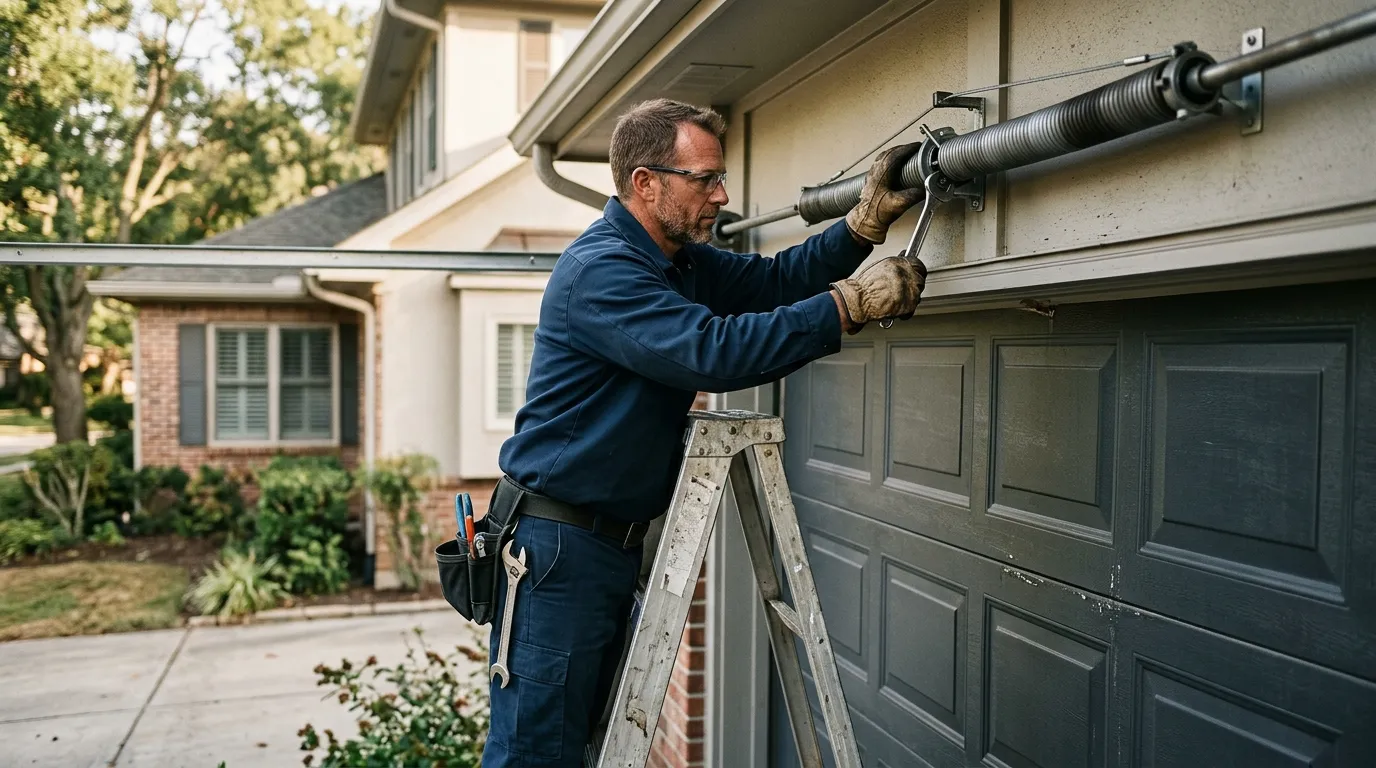
Household income here runs well above the wider service-area median of $80,202 - Hinsdale's figure sits around $250,001 - and that shows up in the doors themselves. We see more insulated steel and a fair number of custom wood-look panels than in older, lower-cost housing stock nearby. Those doors cost more to replace and the panels aren't always something we carry on the truck, so a cracked custom panel can mean a longer wait on a special-order part rather than a same-visit swap. The cold-moderate climate band still governs the mechanical side no matter the price point: a heavier insulated door puts more load on the springs and opener than a bare steel one, and on wider 1970s-and-later openings that load is already higher than it would be on a narrower older door. That combination - wide opening, insulated panel, an aging original torsion spring - is the profile we plan for before we even see the door.
What People Here Ring About
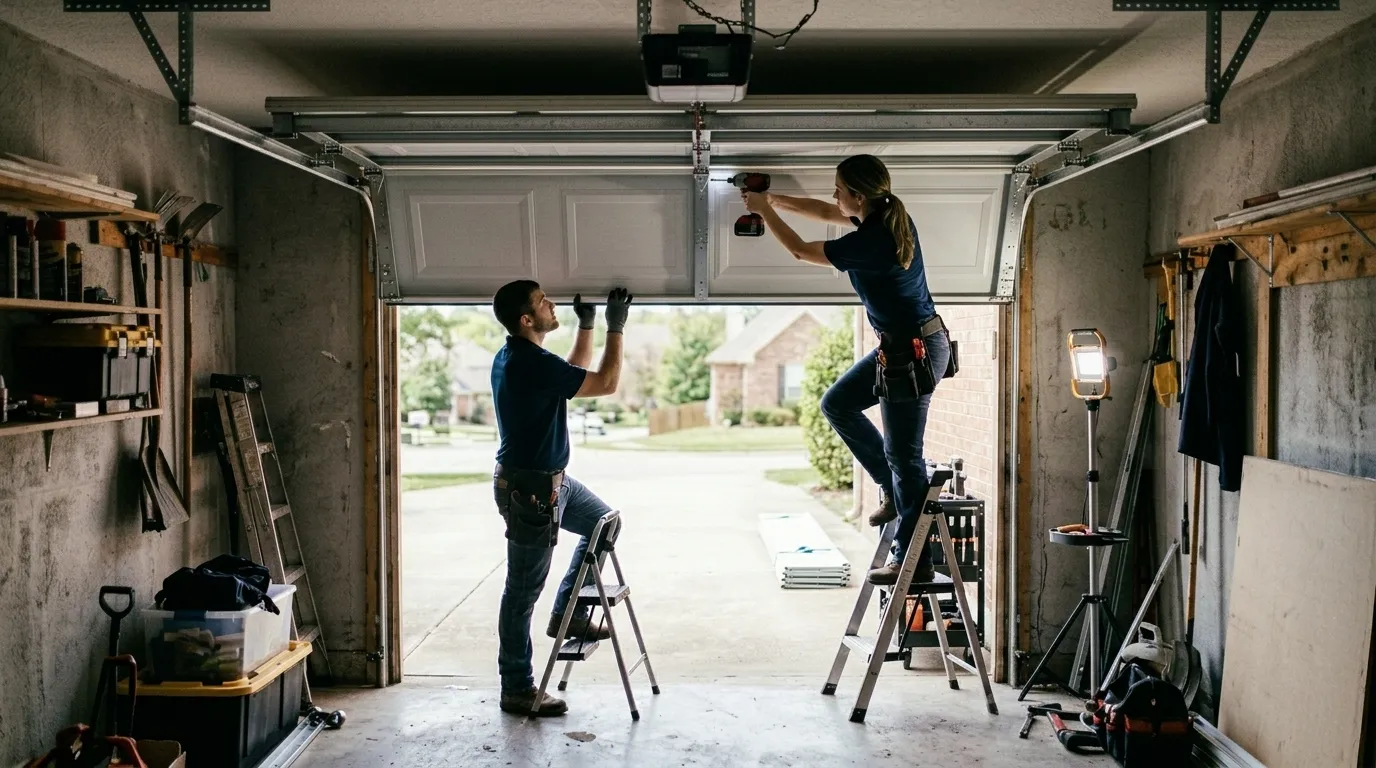
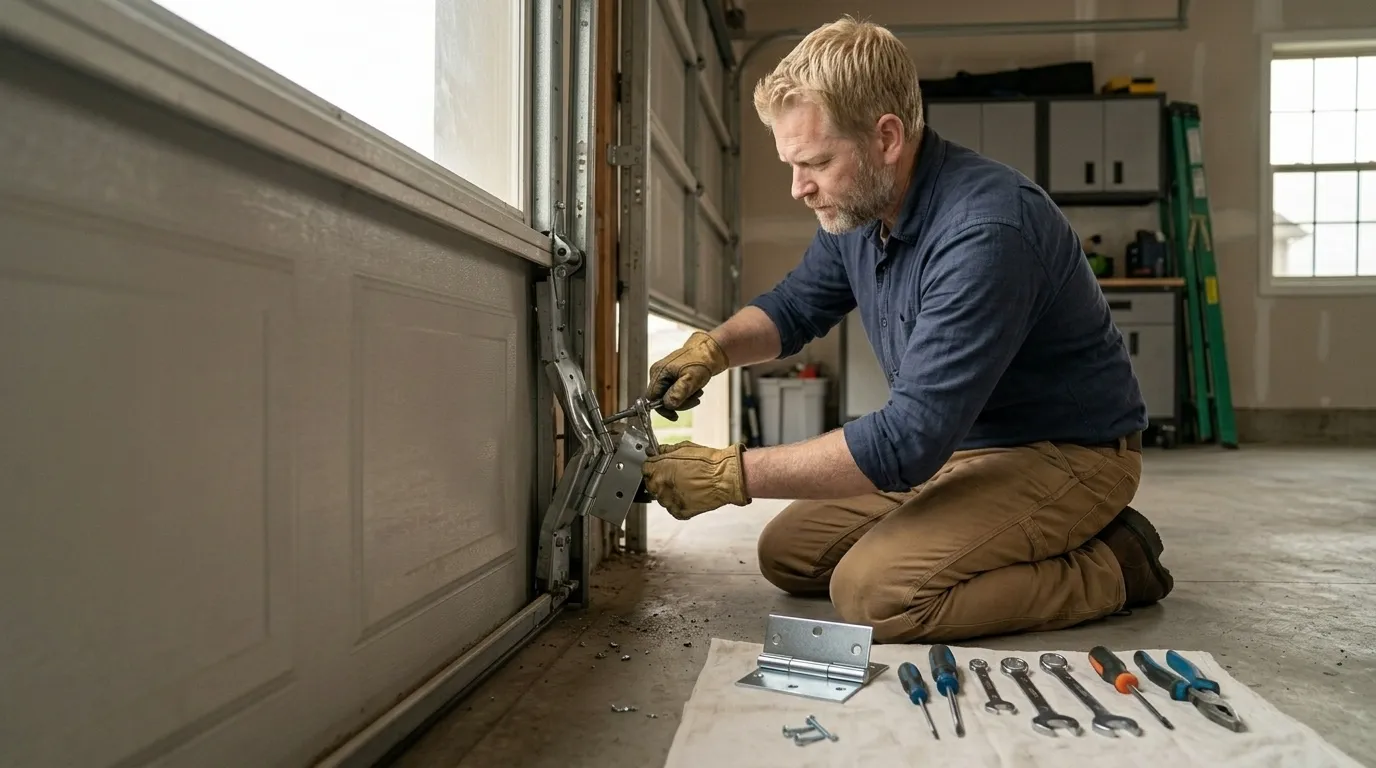
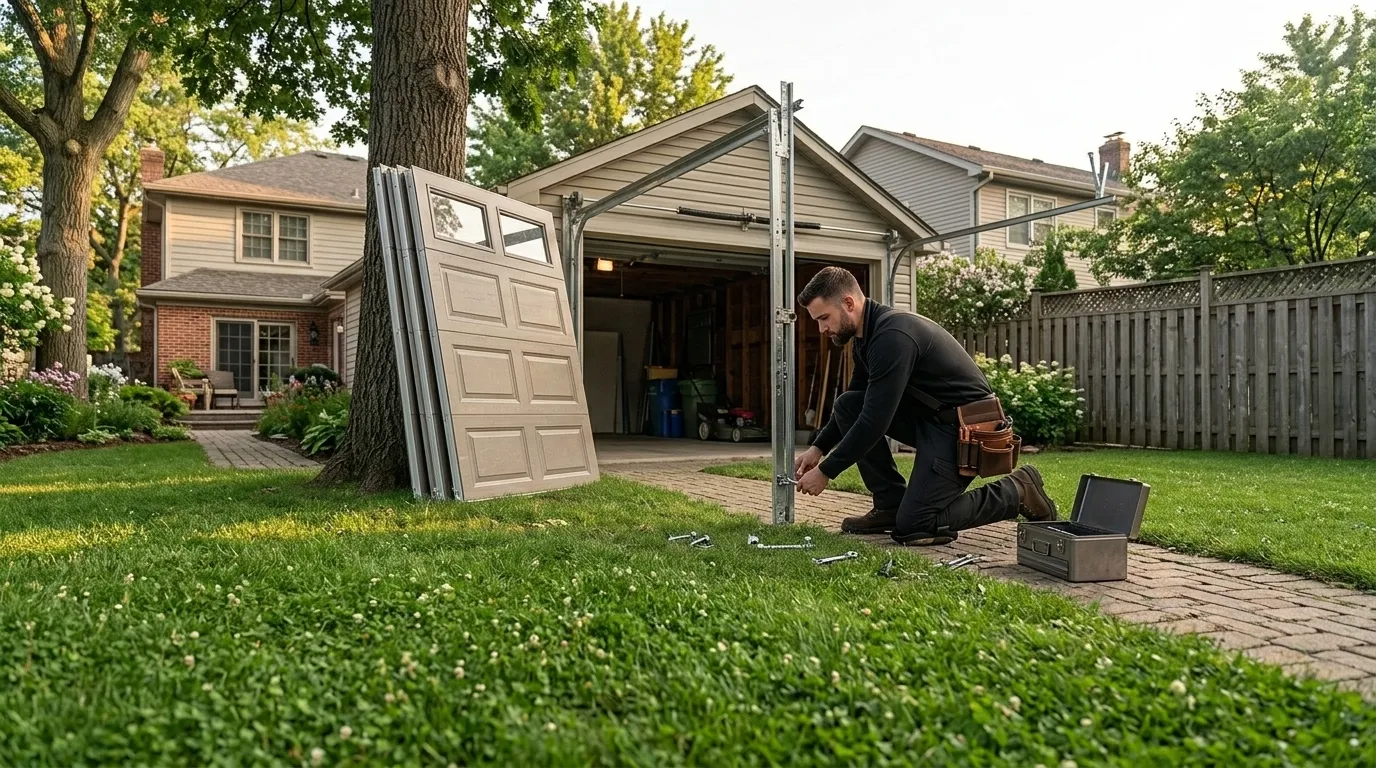
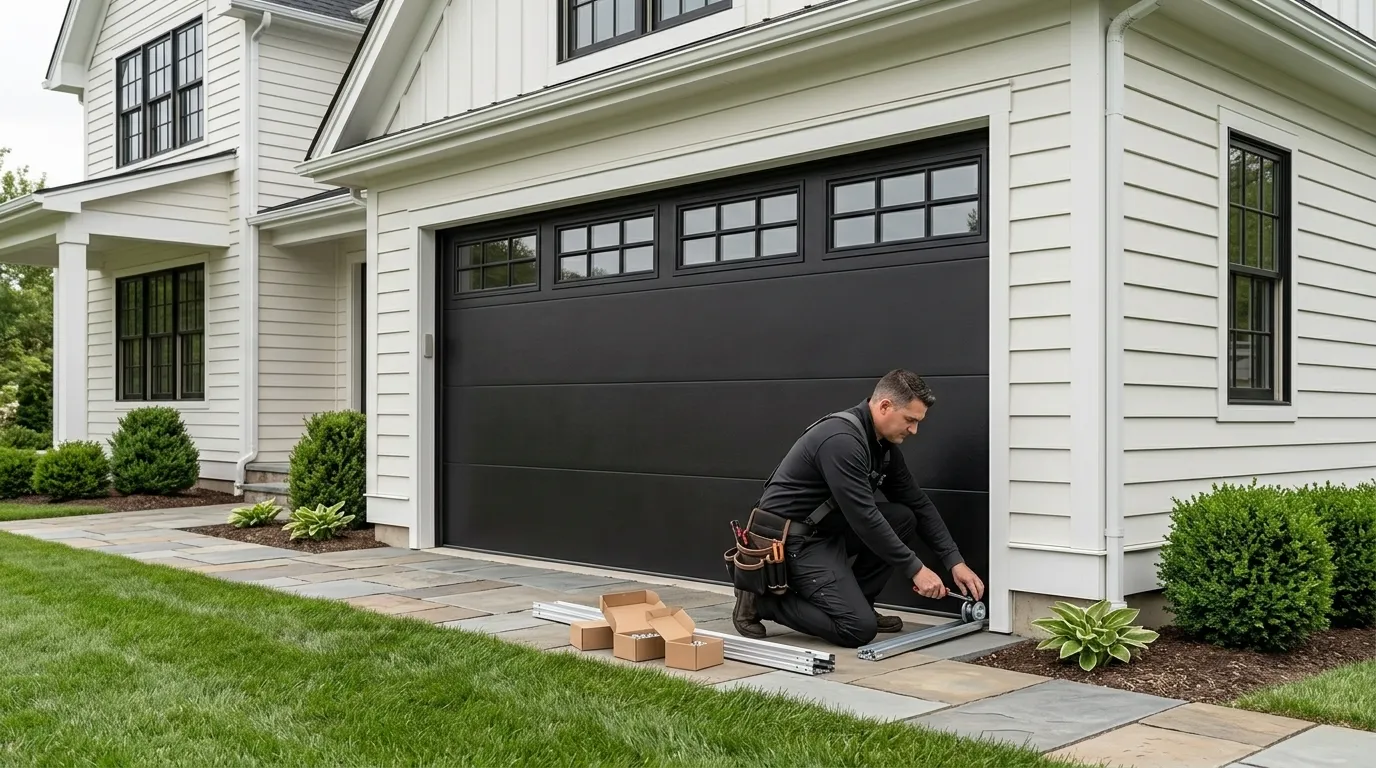
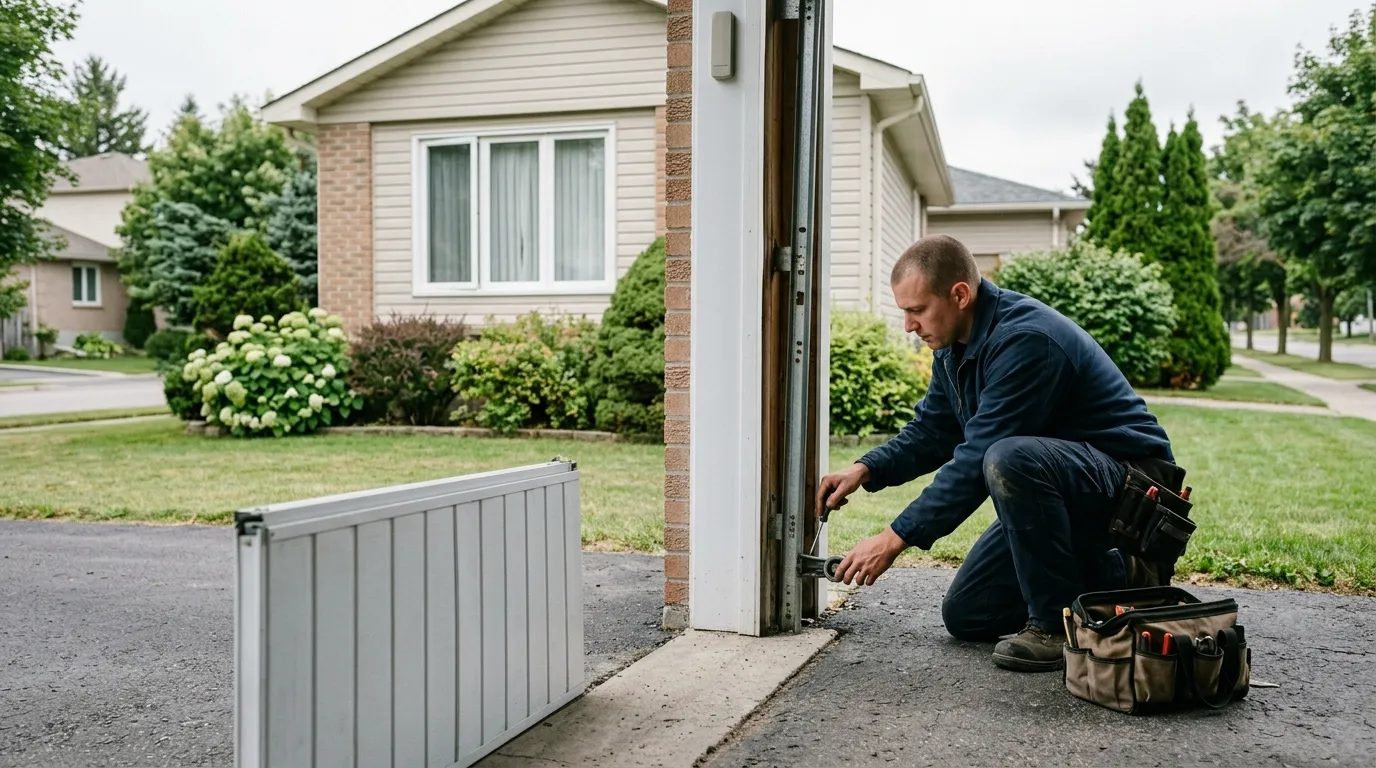
The calls we get from this side of the route tend to be openers on their way out and springs that were sized for a lighter door than the one now hanging on them. A double-wide opening from the late 1970s carries more dead weight than the openers built for it back then were rated for, especially after a heavier insulated replacement panel goes in later without the spring being re-rated to match. We also get cable and roller wear on originals that have never been serviced - not surprising on a door pushing forty-plus years old. One honest limitation: if a custom or oversized panel needs replacing, we're often ordering it rather than pulling it off the truck, and that can mean a wait measured in days, not hours. On a door like that, we'll tell you upfront whether patching it or planning for the order is the better use of your money.