This Area's Housing
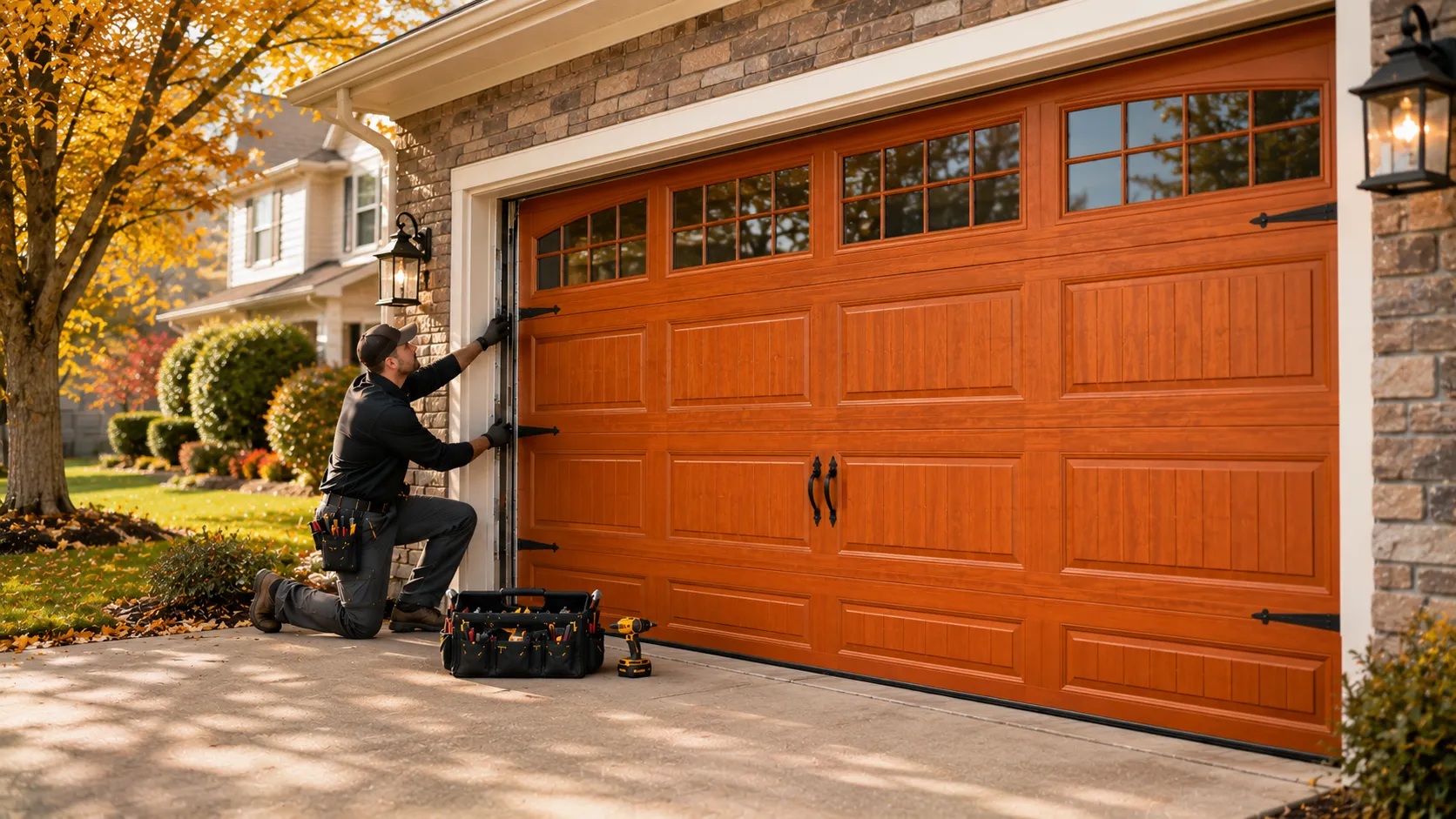
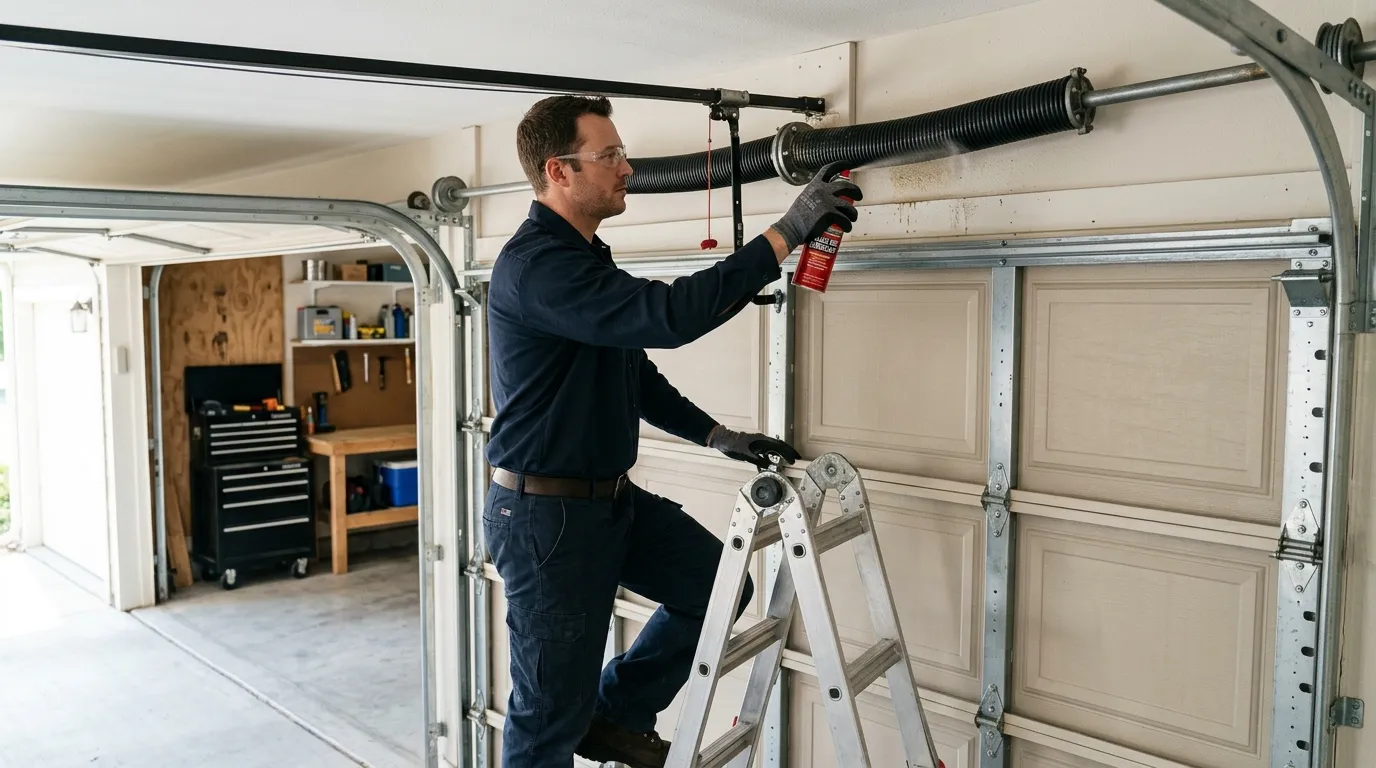
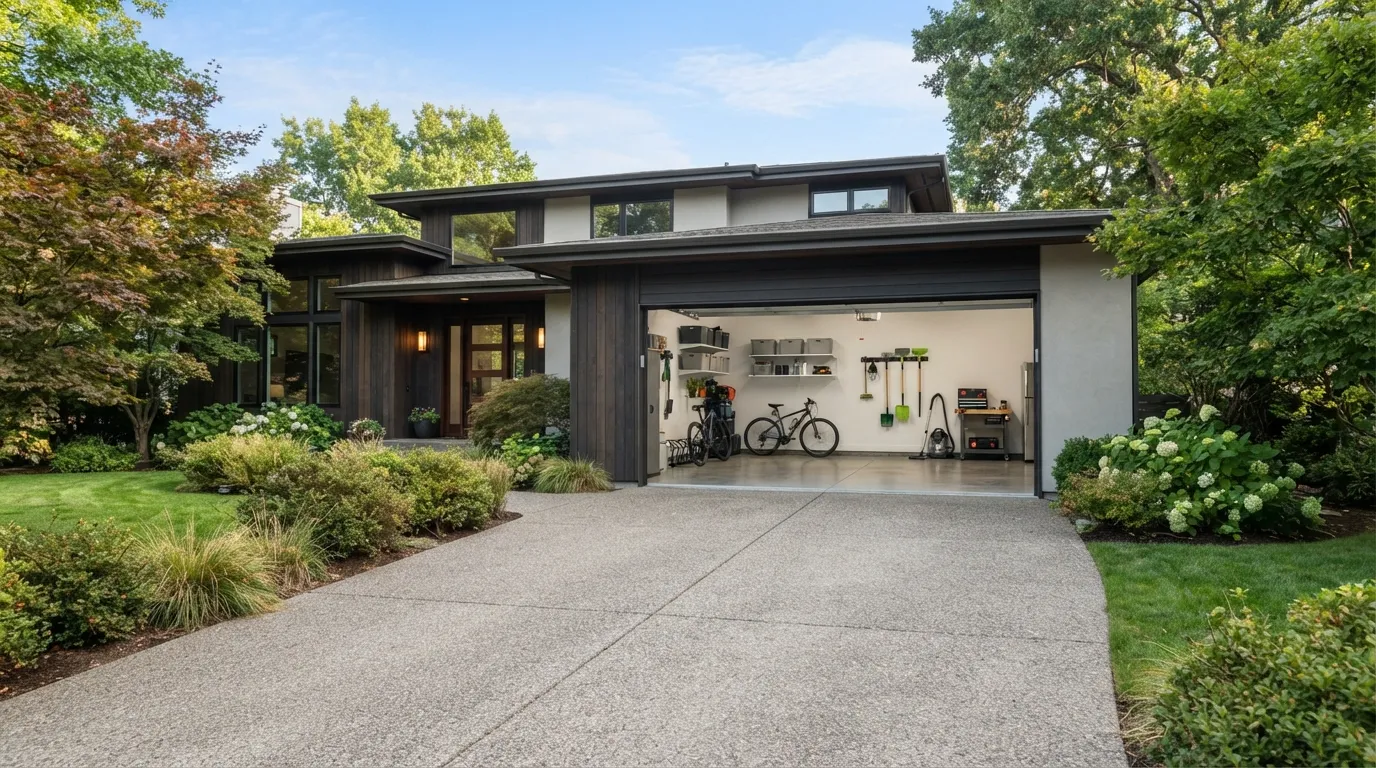
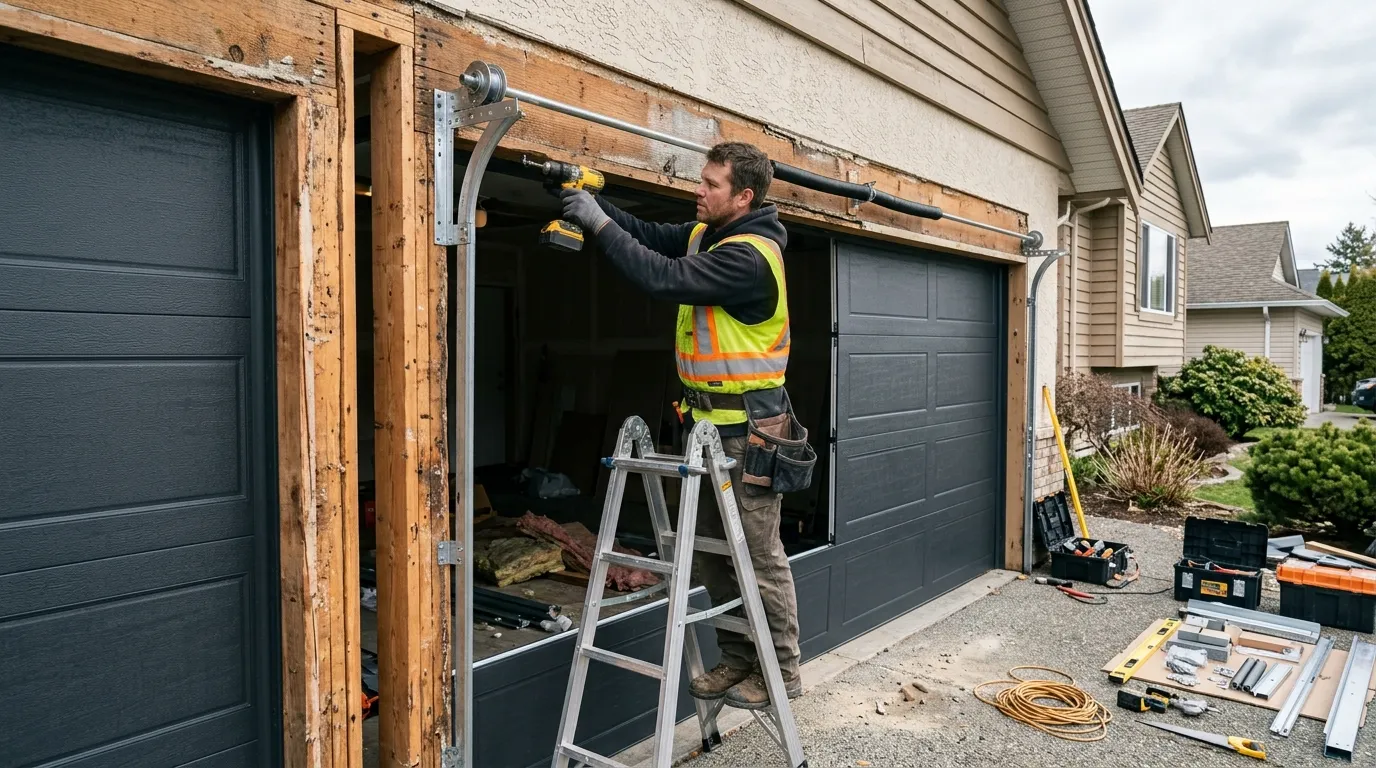
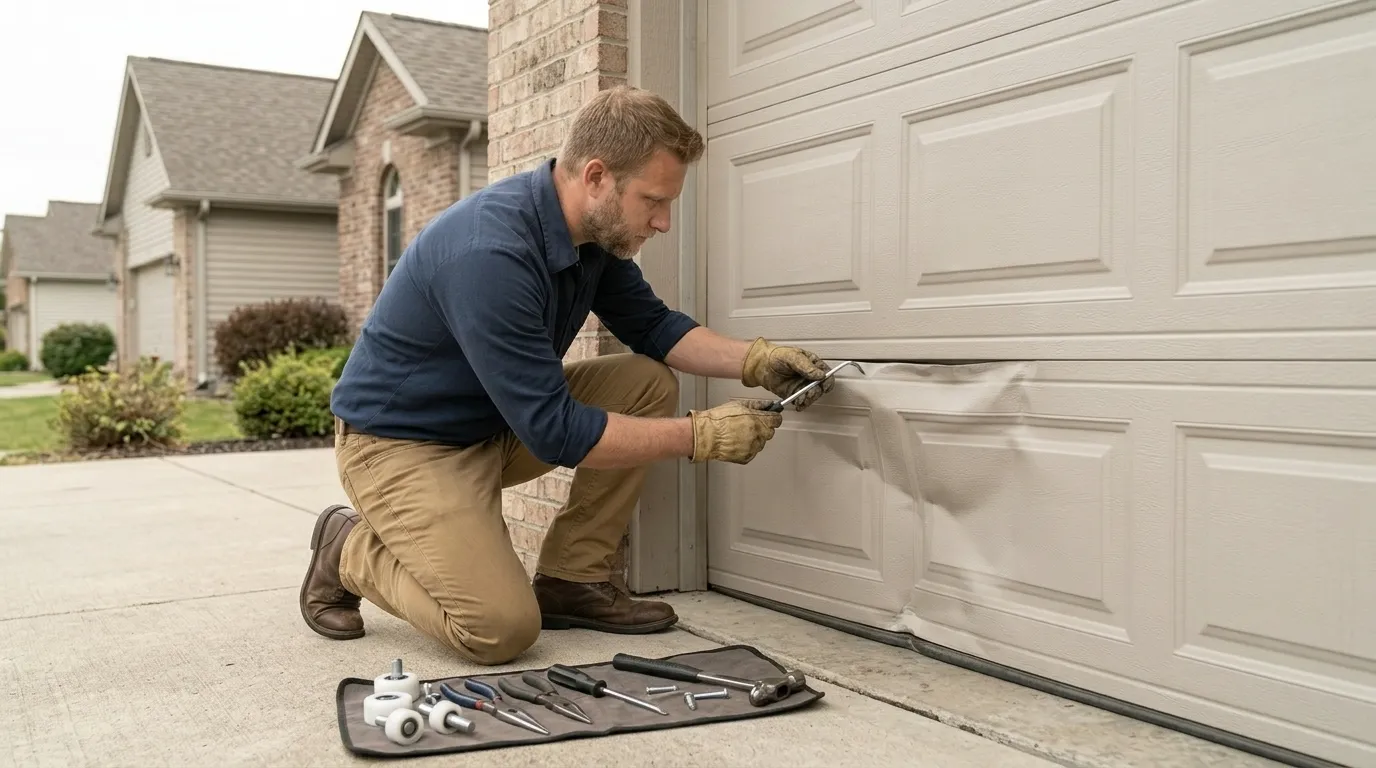
Itasca's housing stock centers on 1978, a good decade and a half newer than the median build year across our wider Chicago service area, which runs closer to 1964. That gap matters more than it sounds like it should. A house built in 1978 almost always shipped with a steel sectional door on an extension-spring system, not the older one-piece or torsion side-mount setups you find in the pre-1960s pockets of Chicago. With roughly 3,827 households in the area, you're mostly looking at a consistent generation of garage doors going up over a fairly tight window, which means the failure patterns repeat house to house: extension spring cables fraying, older galvanized track pitting, and steel panels from that era denting easier than the doors sold today. If your door still has its original hardware, it's pushing 45+ years, which is long past the working life of any spring or roller regardless of brand.
What That Means for Doors
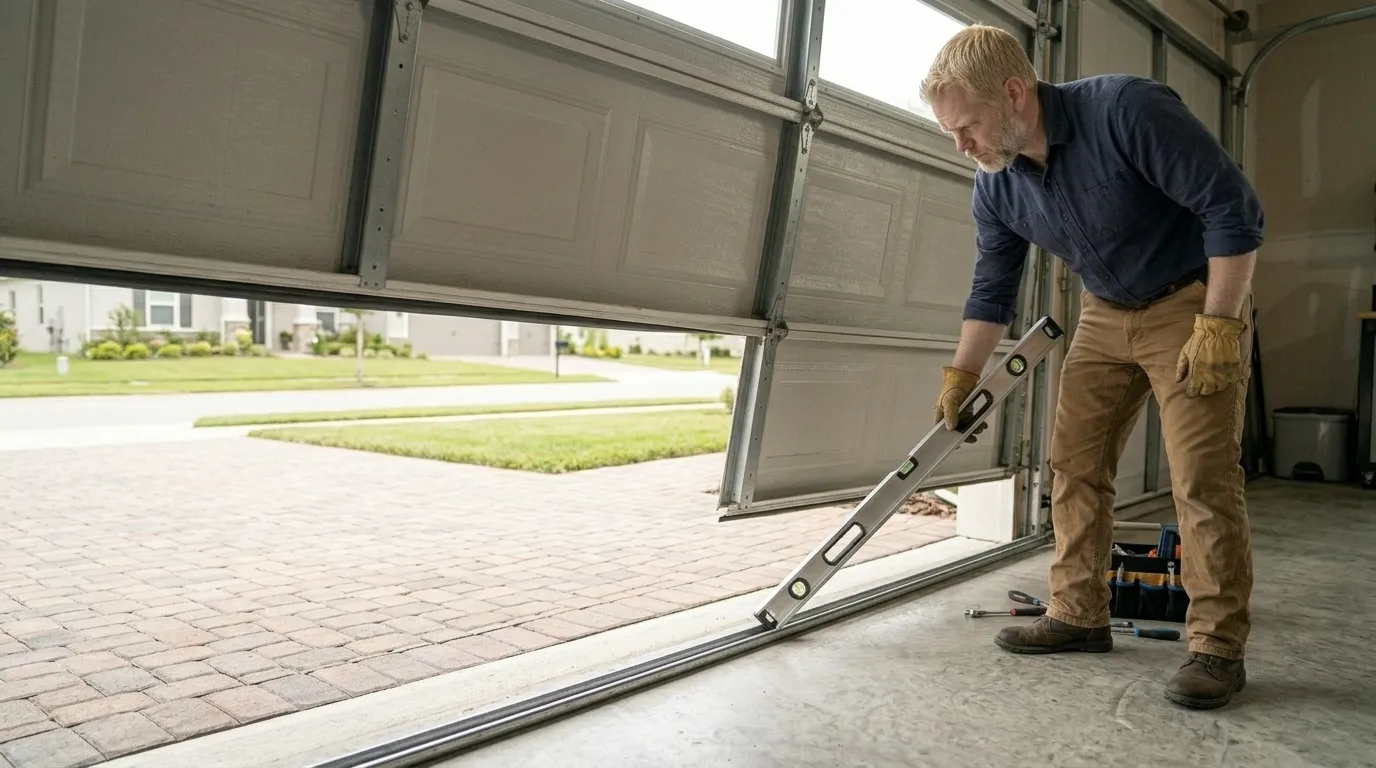
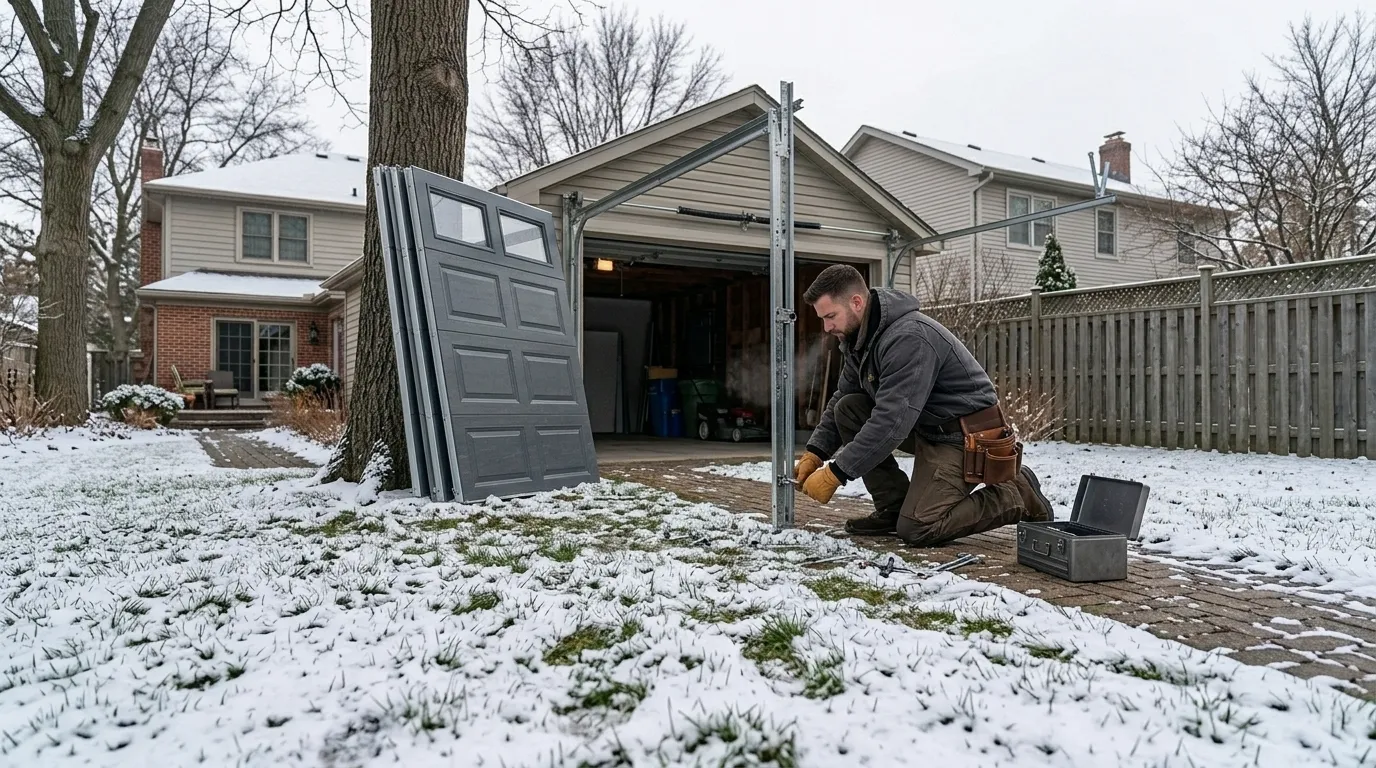
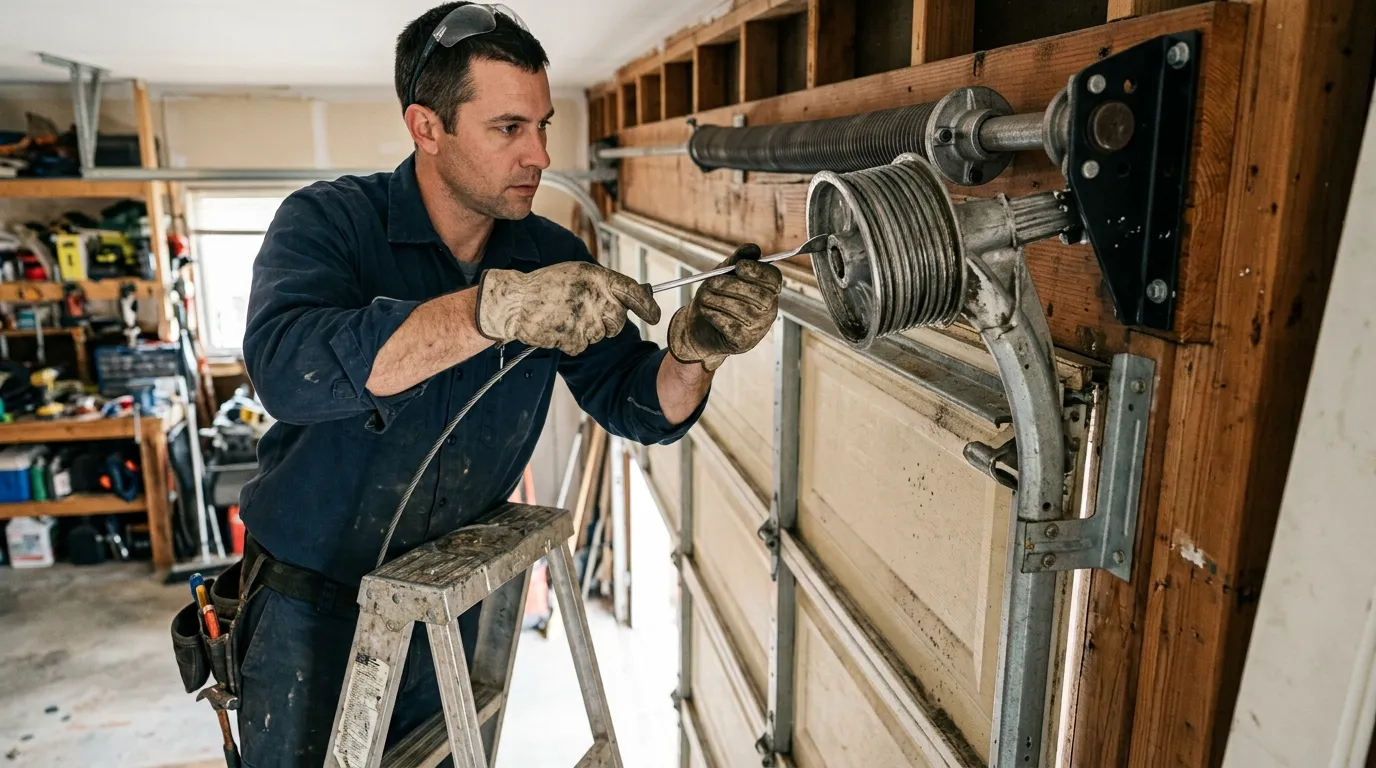
Itasca sits in the same cold-moderate climate band as the rest of our coverage area, which means freeze-thaw cycling on tracks and weatherstripping every winter regardless of build year. But because most doors here date to the late 1970s through the 1980s, the specific problems skew toward tired chain-drive openers with worn drive gears, extension springs that have lost tension after decades of temperature swings, and steel panels with foam-backed insulation that's compressed and stopped doing its job. Newer belt-drive openers with battery backup are common upgrade requests here, not because the old chain drives are unsafe, but because they've simply outlived their gears and logic boards. We'll tell you straight when a spring swap or opener repair still makes sense versus when the whole unit is due for replacement - patching a 1980s opener with a new circuit board rarely pencils out once you add up the parts.
What People Here Ring About
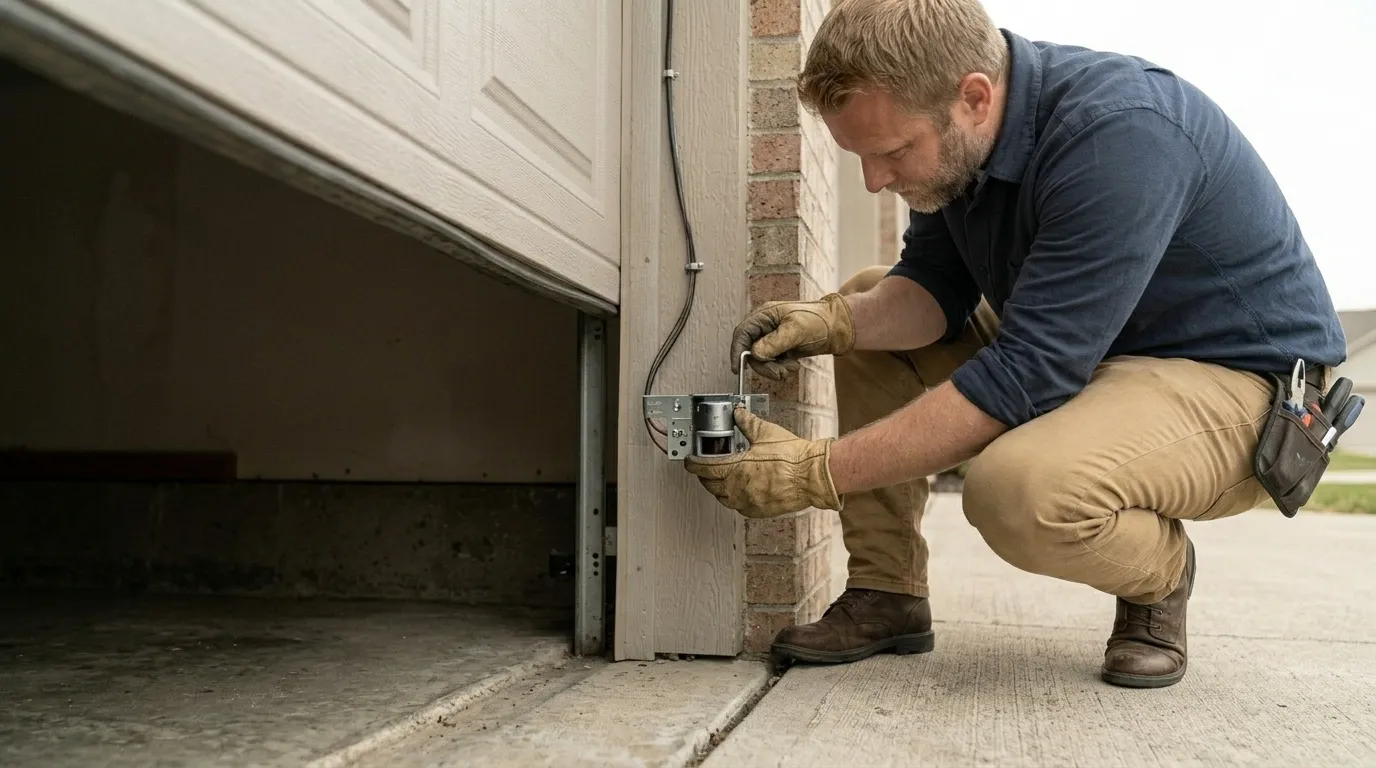
Median household income in Itasca runs around $111,898, well above the roughly $80,202 median across our broader Chicago service area, and it shows in the calls: fewer emergency spring jobs where someone's been living with a broken door for weeks, more requests to replace an aging opener before it fails outright, and more interest in insulated steel doors with quieter belt-drive systems rather than the cheapest fix available. That said, a broken torsion or extension spring is still the single most common reason the phone rings here, same as anywhere - money doesn't change physics. We just find Itasca callers are more likely to ask about replacing the whole door once we're out looking at a 1978-era unit that's earned its retirement.