This Area's Housing
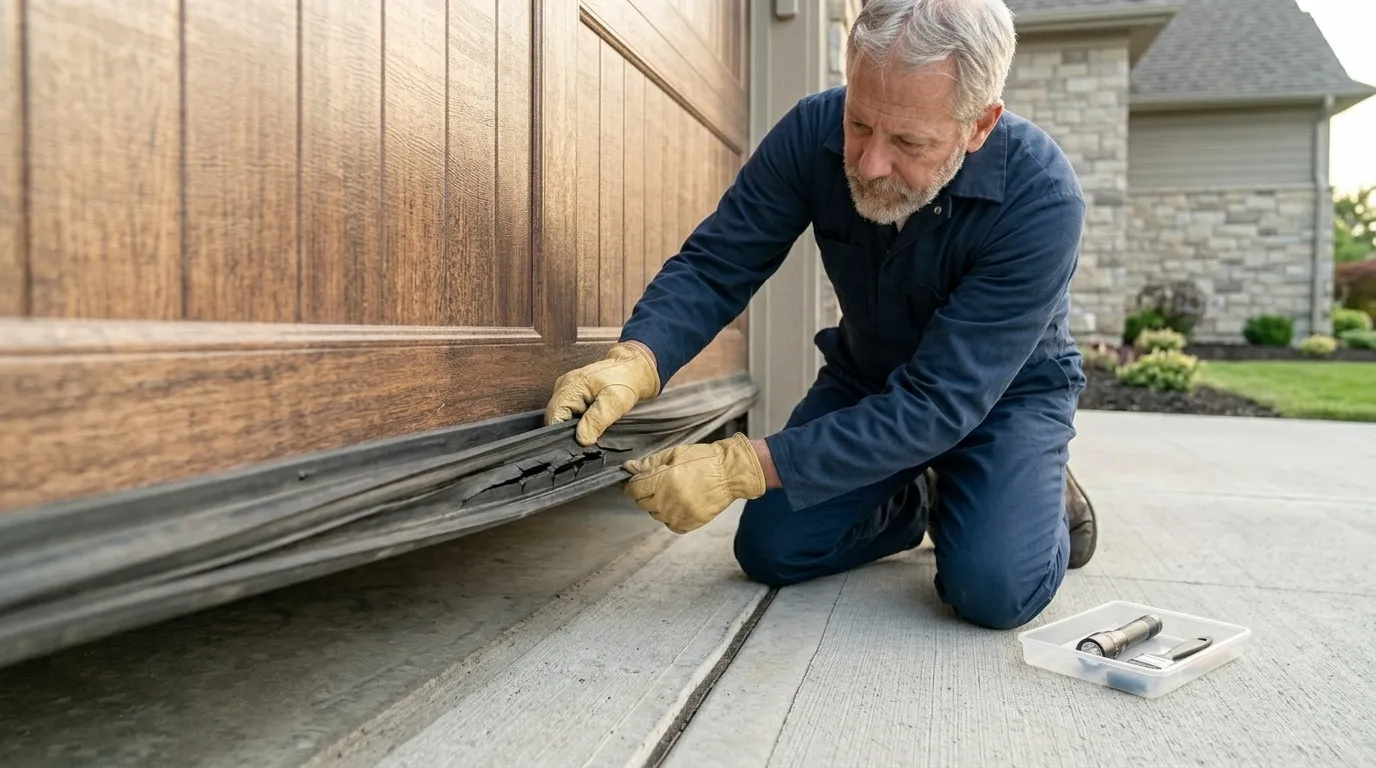
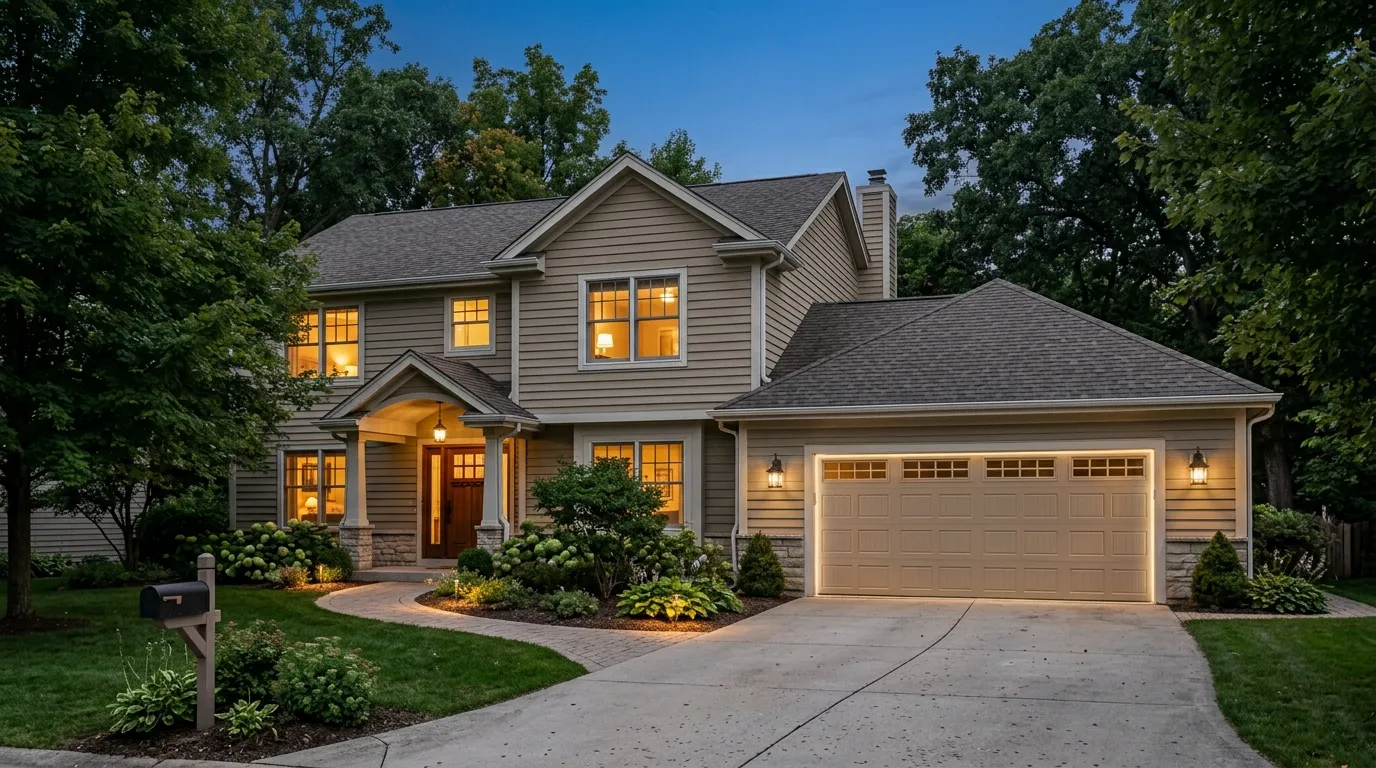
Justice sits apart from a lot of the older Chicago housing stock we work on elsewhere in the service area. The city's overall housing runs 1938 to 1994 with a median build year of 1964, but Justice itself centers closer to 1976 - a full decade newer than that citywide midpoint. That gap matters. Houses built in the mid-1970s came with different garage setups than the 1950s two-car detached garages we see in older pockets of the service area. You're more likely to find an attached garage with a door built for an extension spring system or an early torsion setup, sometimes retrofitted with a chain-drive opener added a few years after the house went up. With roughly 4,804 households in Justice, this isn't a huge area, but it's a fairly consistent one - most garages here are working with hardware that's now pushing fifty years old, whether or not it's been replaced once already. A median household income of $58,514 also shapes what we see: more owners doing a targeted repair - a spring, a cable, an opener board - rather than a full teardown and replace, at least until the door itself starts failing at the seams.
What That Means for Doors
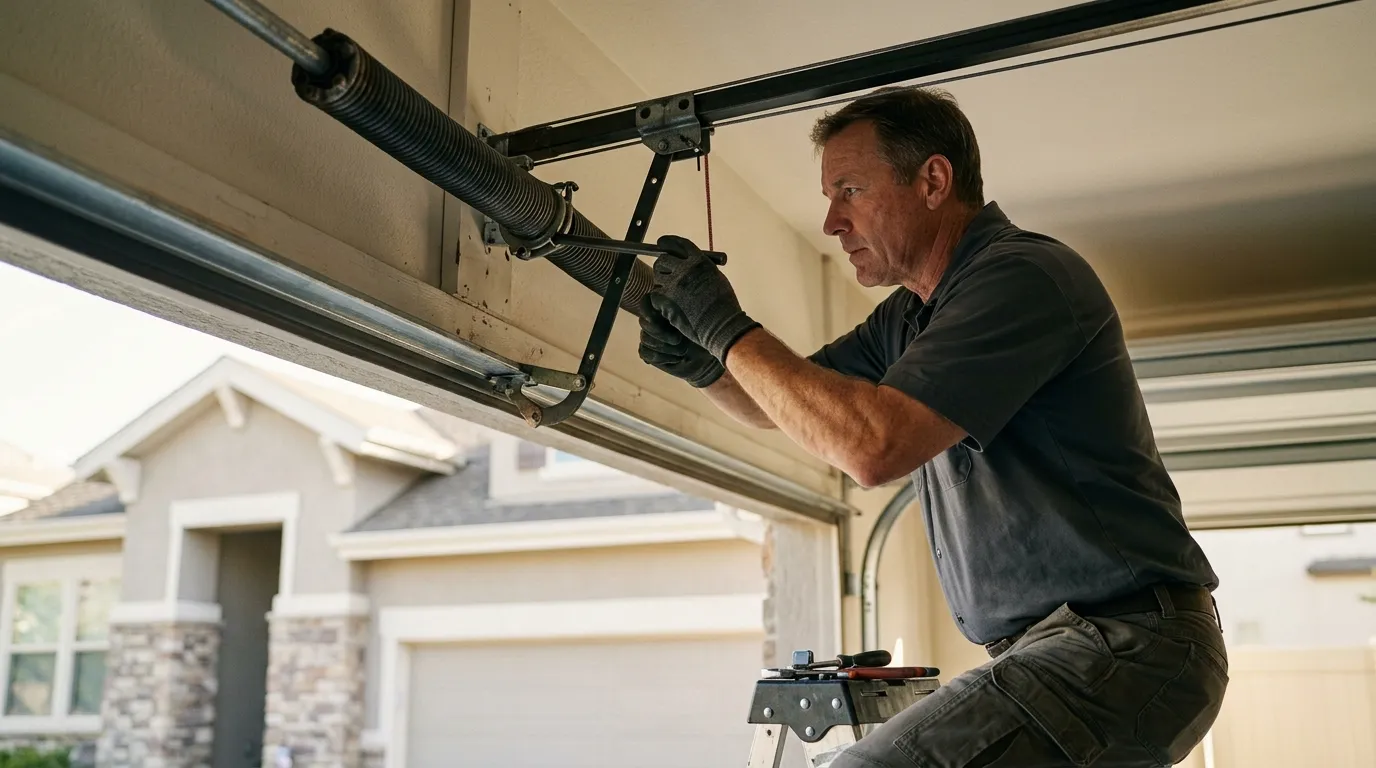
A 1976-era door - if it's original - is likely a single-layer steel or wood panel door on either extension springs mounted along the horizontal track or an early torsion bar setup above the opening. Neither is unusual, but both have quirks a tech needs to recognize before touching a cable. Extension spring systems from this period rarely have safety cables running through them, which is the one detail we always flag: if a spring lets go without that cable, the spring can come off the track entirely. That's not a scare tactic, it's just how those systems were built before later code changes. If the opener was added after the original build - common in this stretch of homes - the mounting bracket and rail length sometimes don't match what a newer opener kit expects, which is why a straight swap-in replacement doesn't always work cleanly. We'll tell you when a part needs custom fitting instead of pretending it's a ten-minute job.
What People Here Ring About
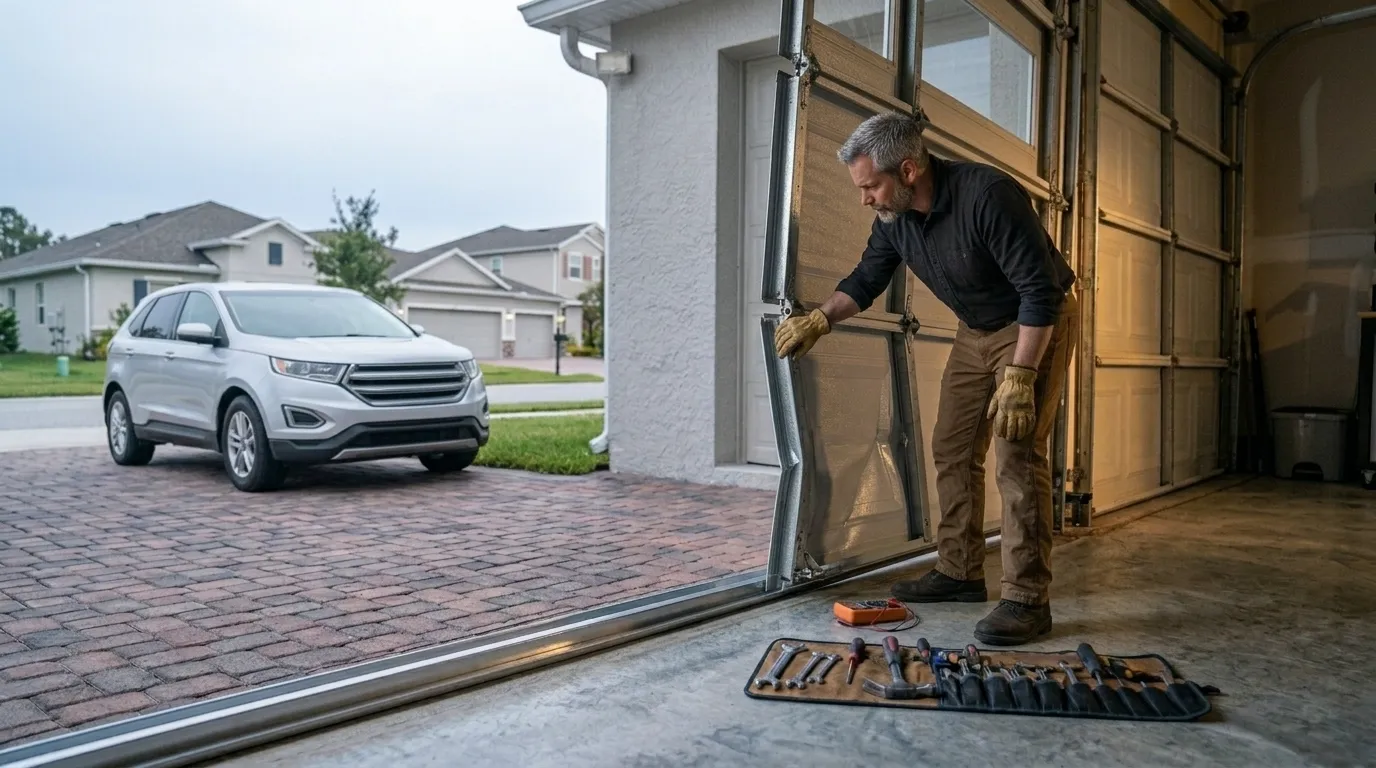
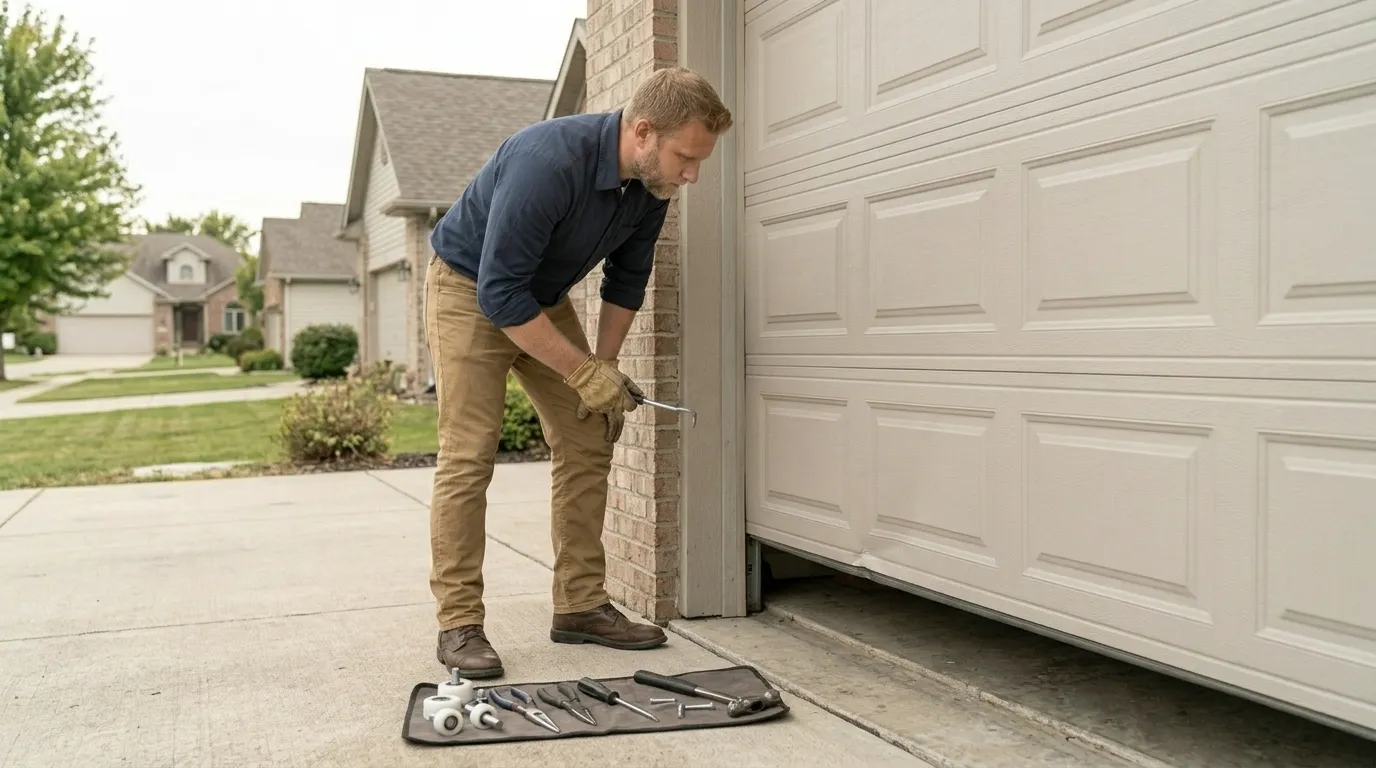
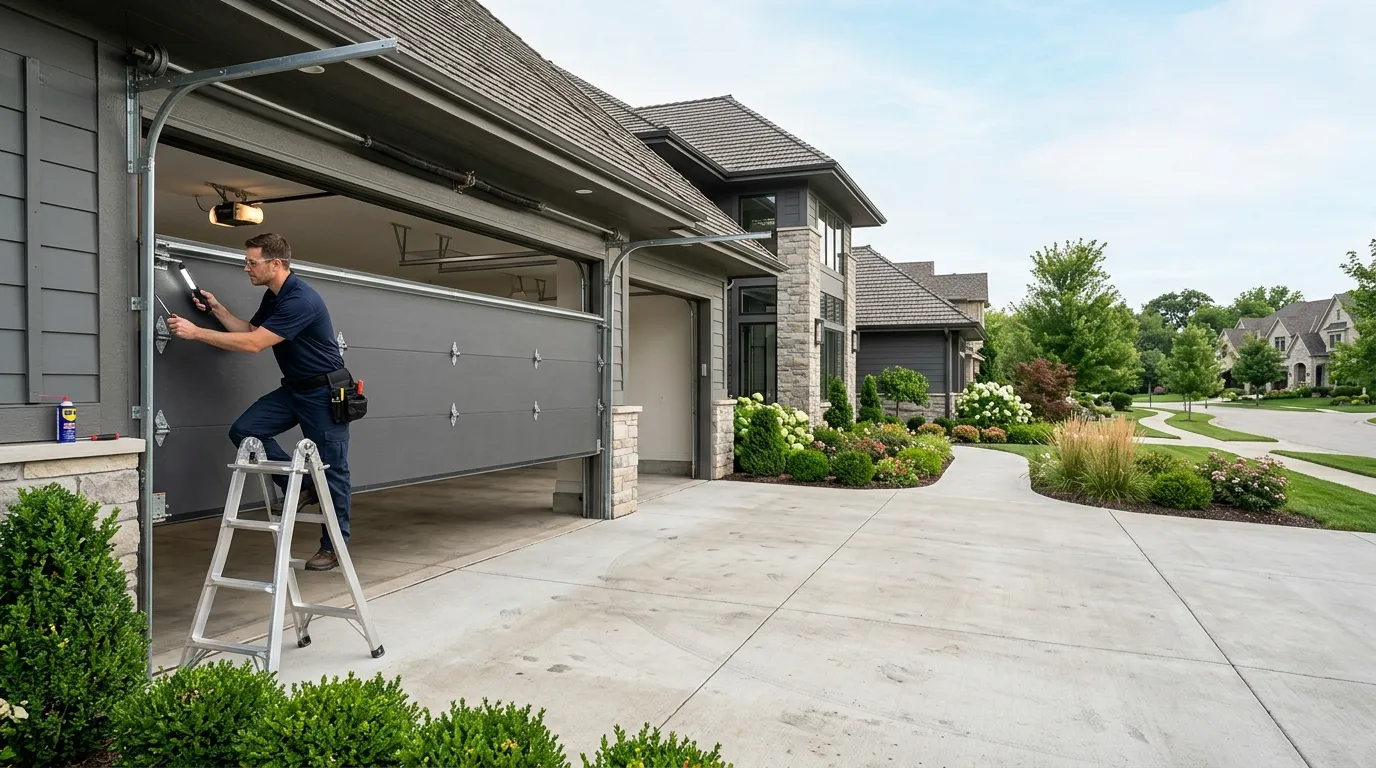
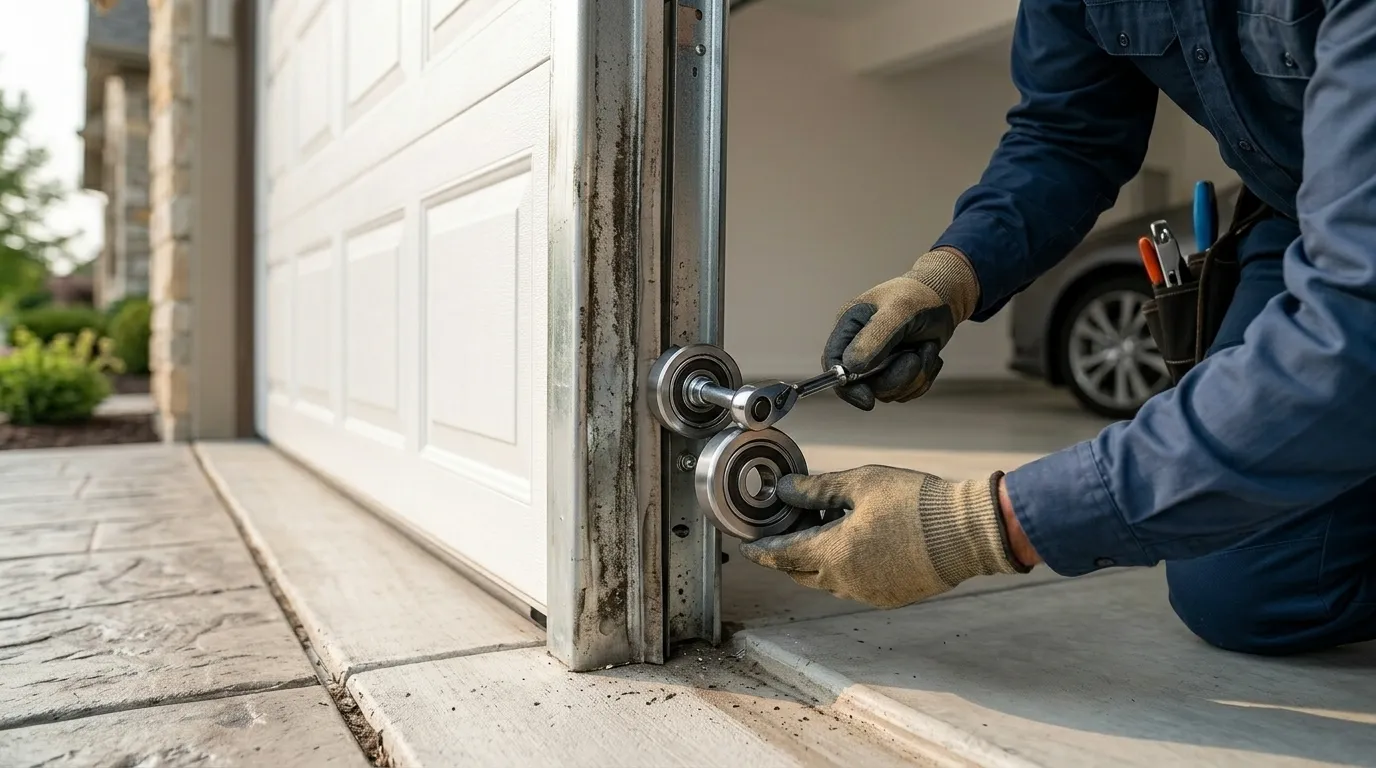
The calls we get from Justice lean toward worn extension springs, opener motors that run but don't lift (usually a stripped gear or a failing capacitor), and tracks that have shifted out of alignment after decades of settling. We also see a fair number of remote and keypad failures tied to openers that are original to the house - at nearly fifty years old, the electronics simply reach end of life before the mechanical parts do. One honest limitation: if your opener is that old, we may not be able to source an exact replacement part, and the more sensible fix is a new opener unit rather than chasing parts for a discontinued model. We'll say that plainly instead of running up a bill trying to patch something that's done.