This Area's Housing
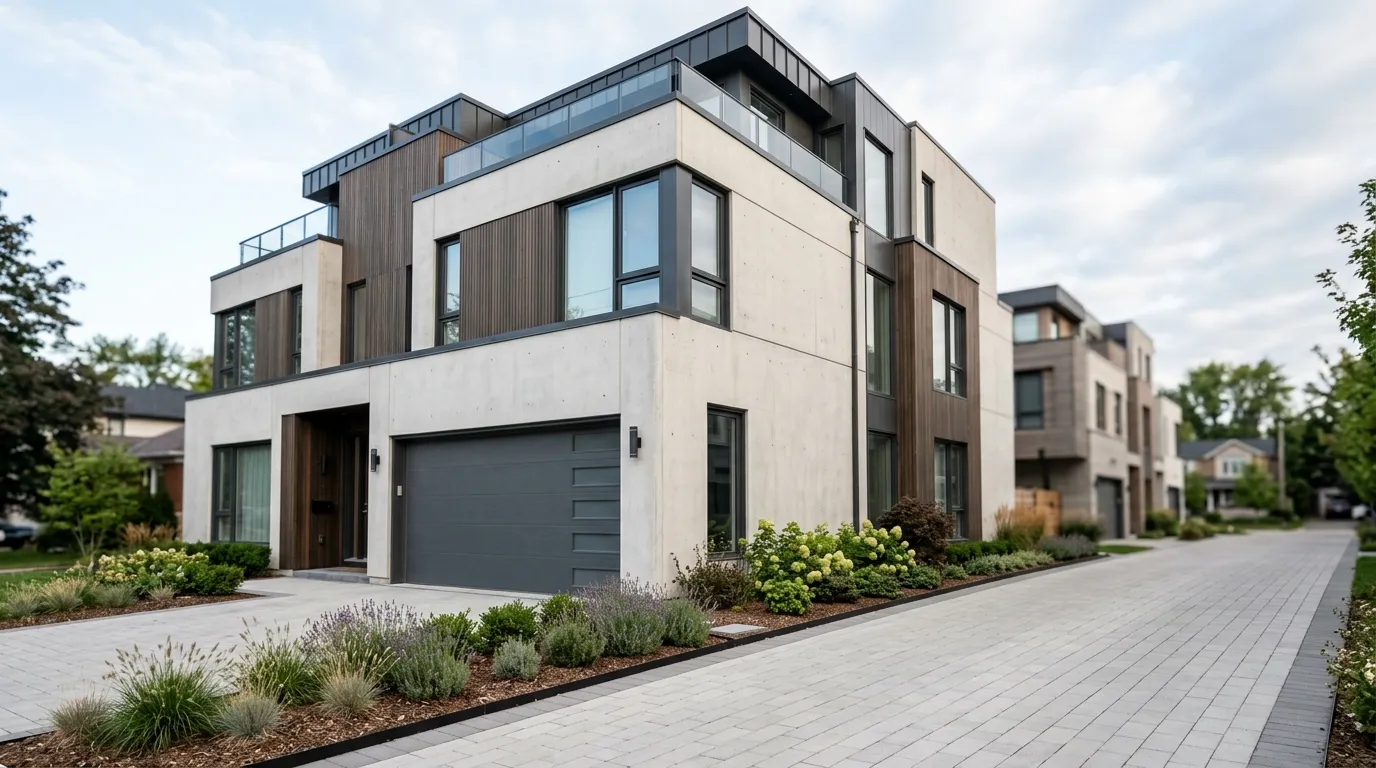
Kenilworth's median year built is 1938. That puts it well ahead of the broader service area, where the median across the region runs closer to 1964 and most stock dates from the 1960s and 70s. A house built in 1938 was not designed with a modern sectional door in mind - garages here were often added later, or built with narrower openings and lower headroom than what a standard 16-foot double door assumes today. With only 776 households in Kenilworth, this isn't a town of cookie-cutter subdivisions built in one construction push. Each garage tends to have its own history: some converted from carriage houses, some retrofitted decades after the main house went up, some rebuilt entirely. That means less standardization in track length, header clearance, and opening width than you'd find in a postwar development. When we look at a job here, we're rarely assuming anything about size or hardware until we've measured it. The age of the housing is the single fact that shapes almost everything else about how a door in this town gets fixed or replaced.
What That Means for Doors
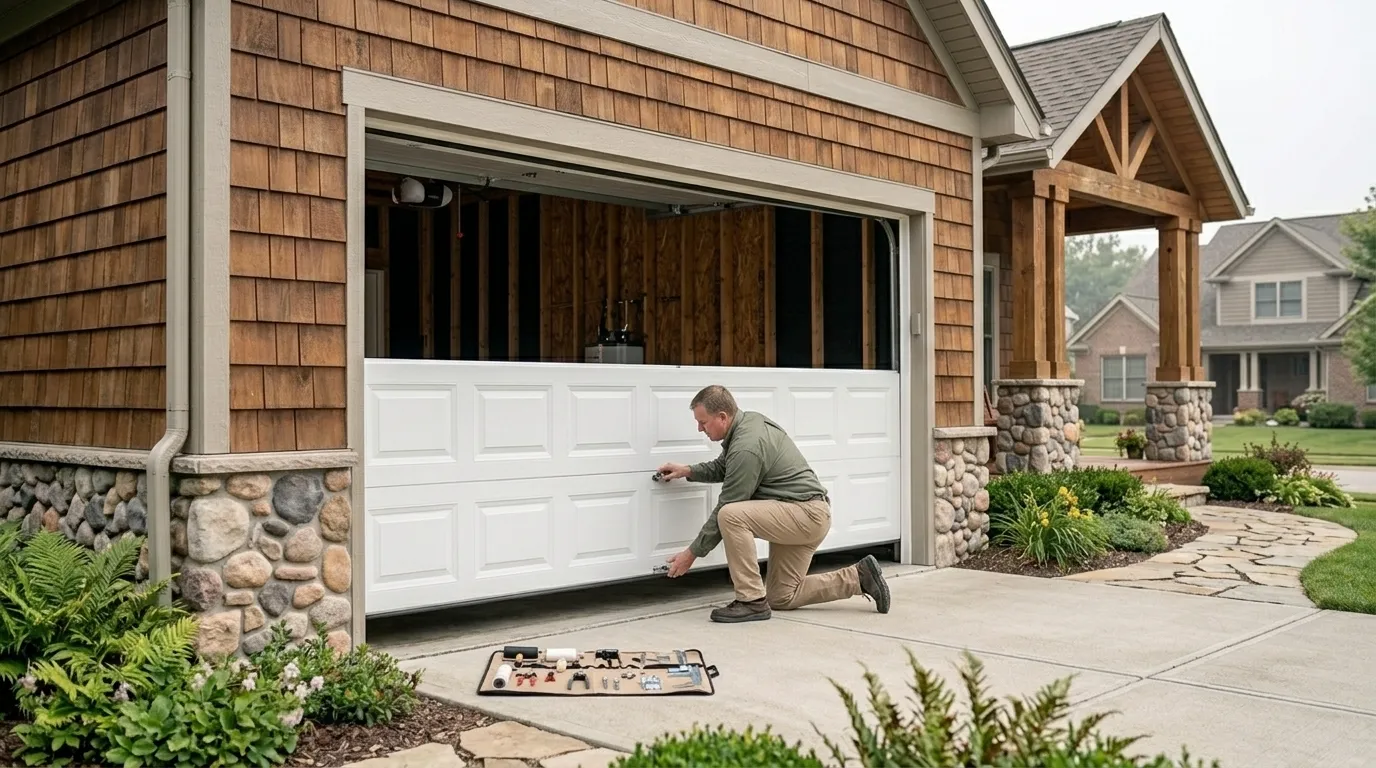
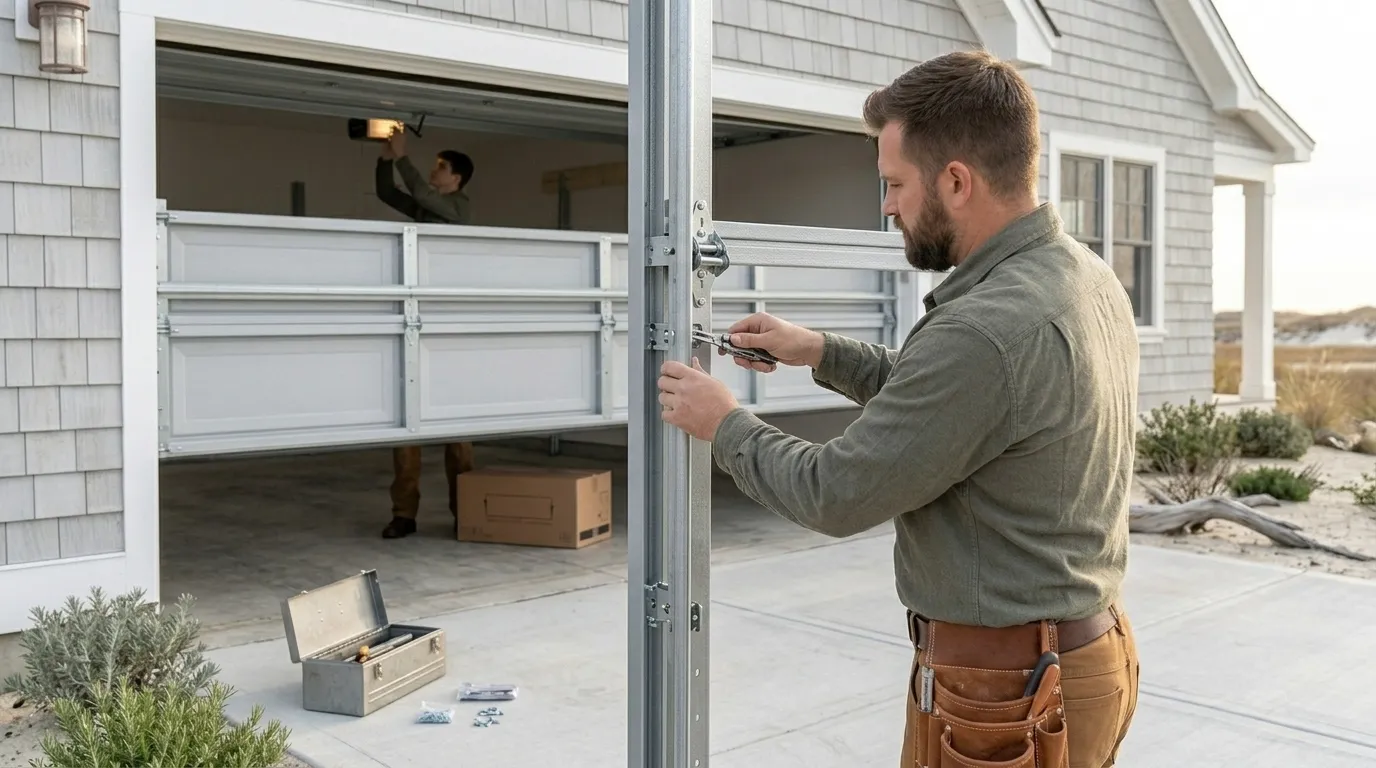
Doors installed on 1930s-era garages tend to fall into two camps by now: original wood doors that have been patched and repainted for decades, or doors replaced at some point with sectional steel units forced to fit an opening that predates the current sizing standard. Neither is unusual, and neither is a quick catalog swap. A non-standard width means panels often have to be special-ordered rather than pulled off a shelf, and that adds lead time - something worth knowing before you're stuck waiting on a broken door through a stretch of the area's cold winters. The climate band here runs cold, which is hard on any door, but it's especially hard on old wood jambs and hardware that's already been retrofitted once. Steel torsion springs rated for a modern door don't always transfer cleanly onto framing built for something narrower. Honest limitation: if your opening is genuinely non-standard, we may need to order a panel rather than fix it same visit, and that's not something we can promise around.
What People Here Ring About
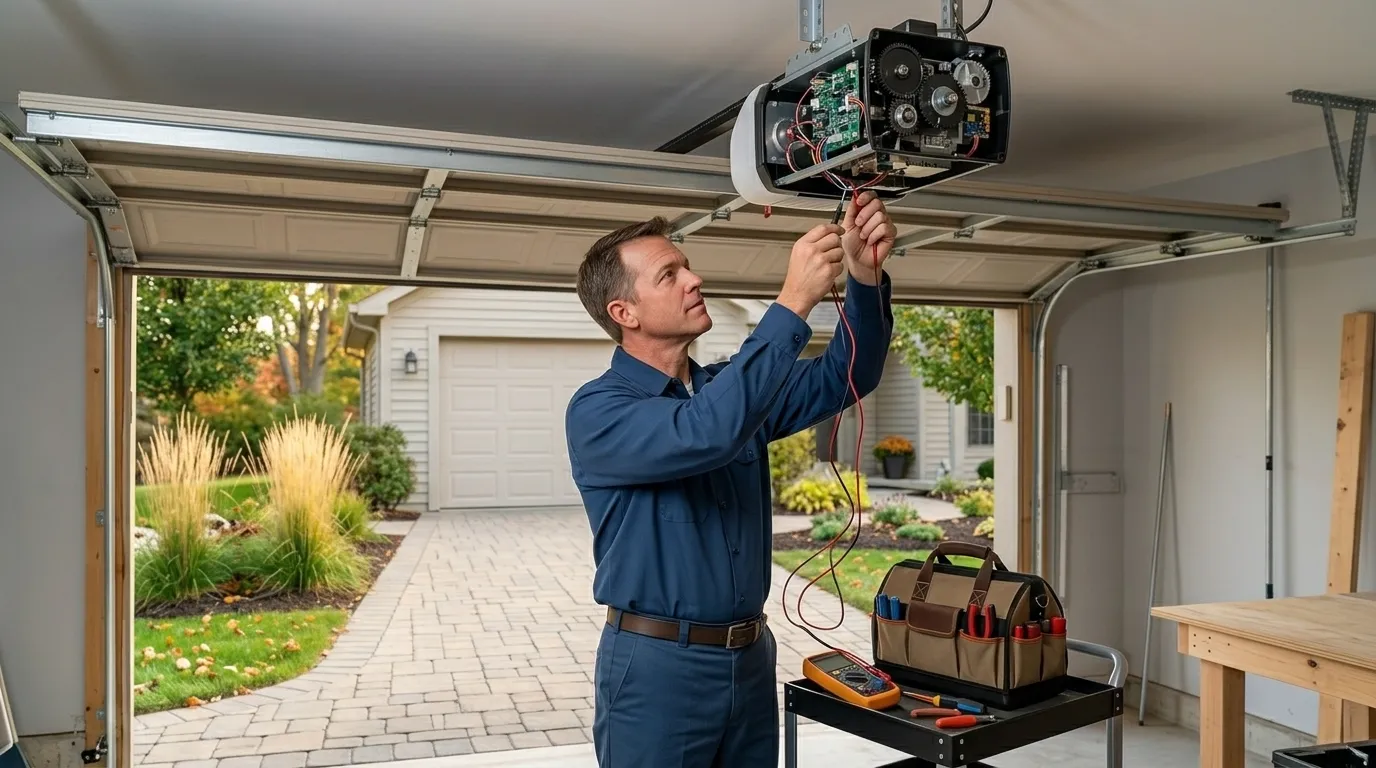
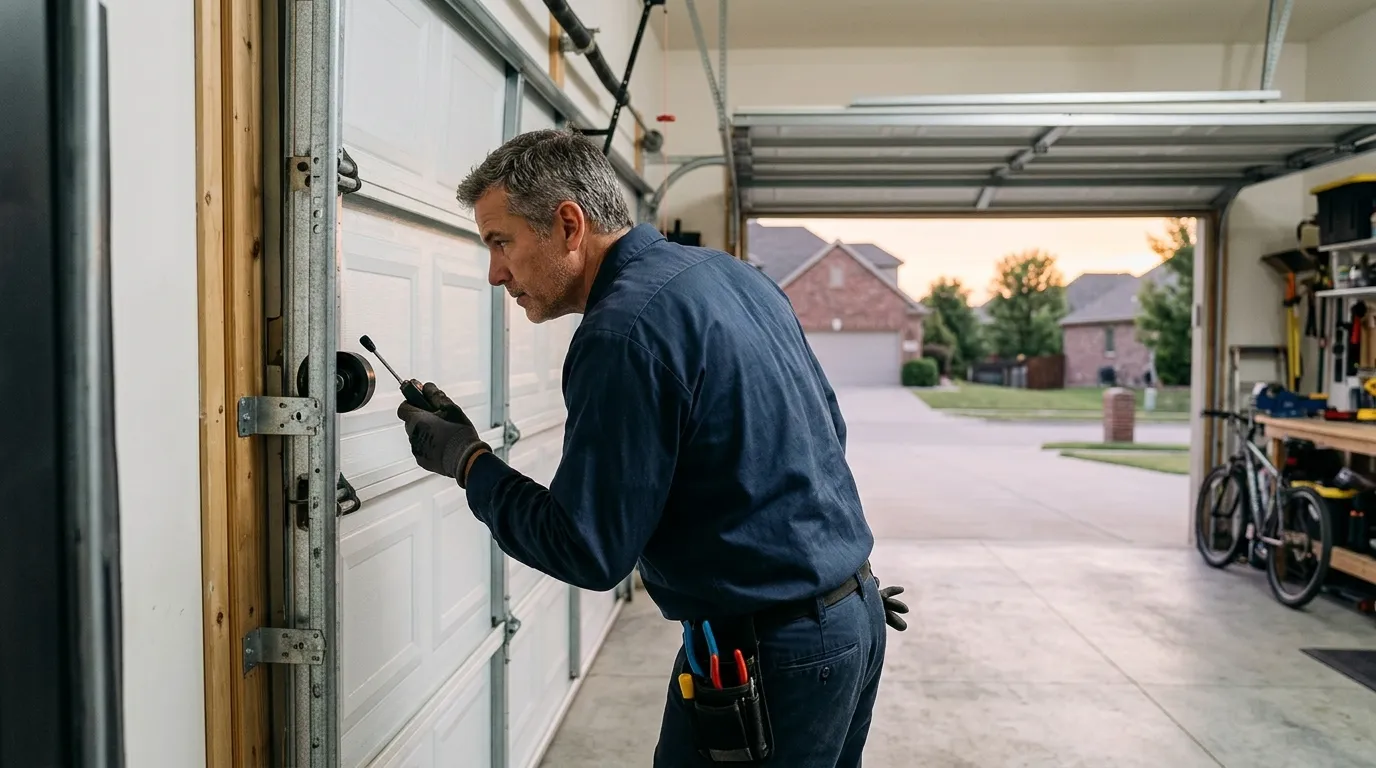
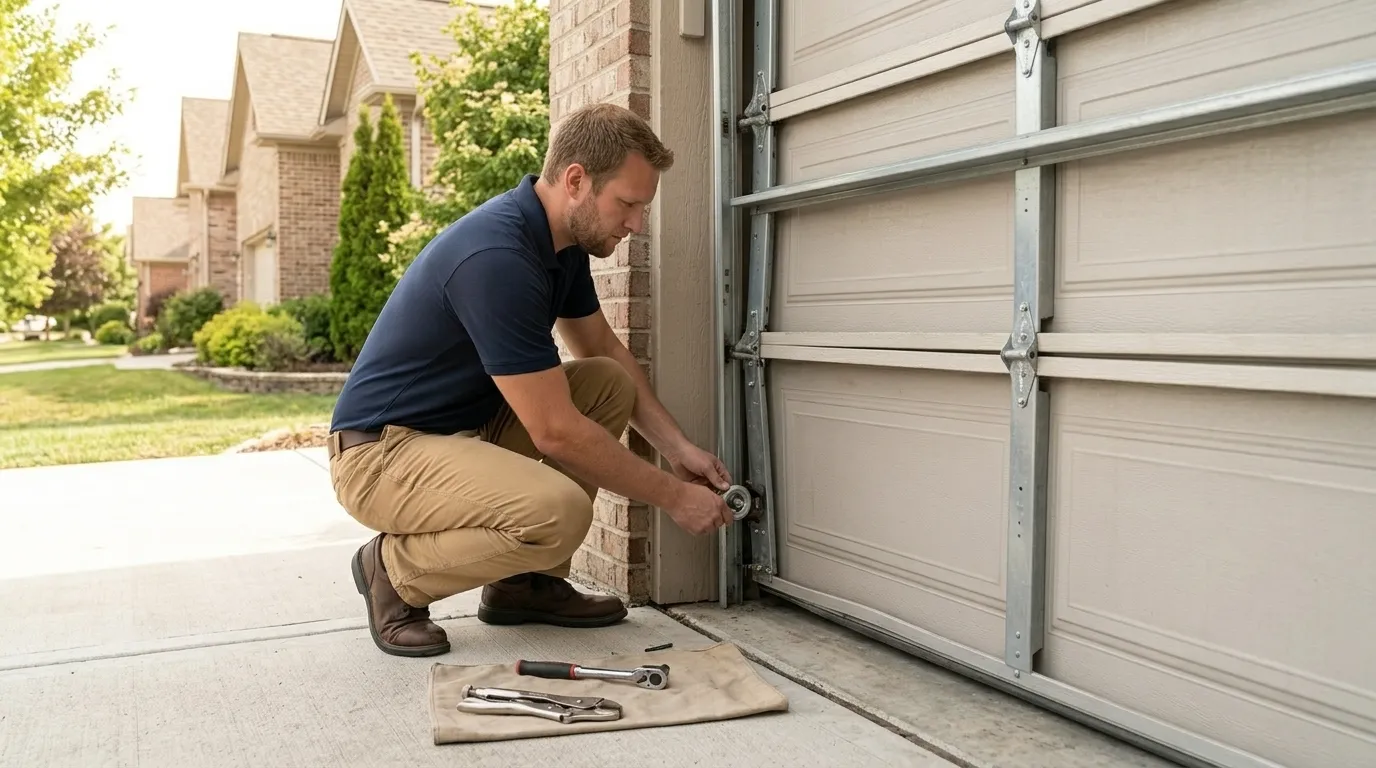
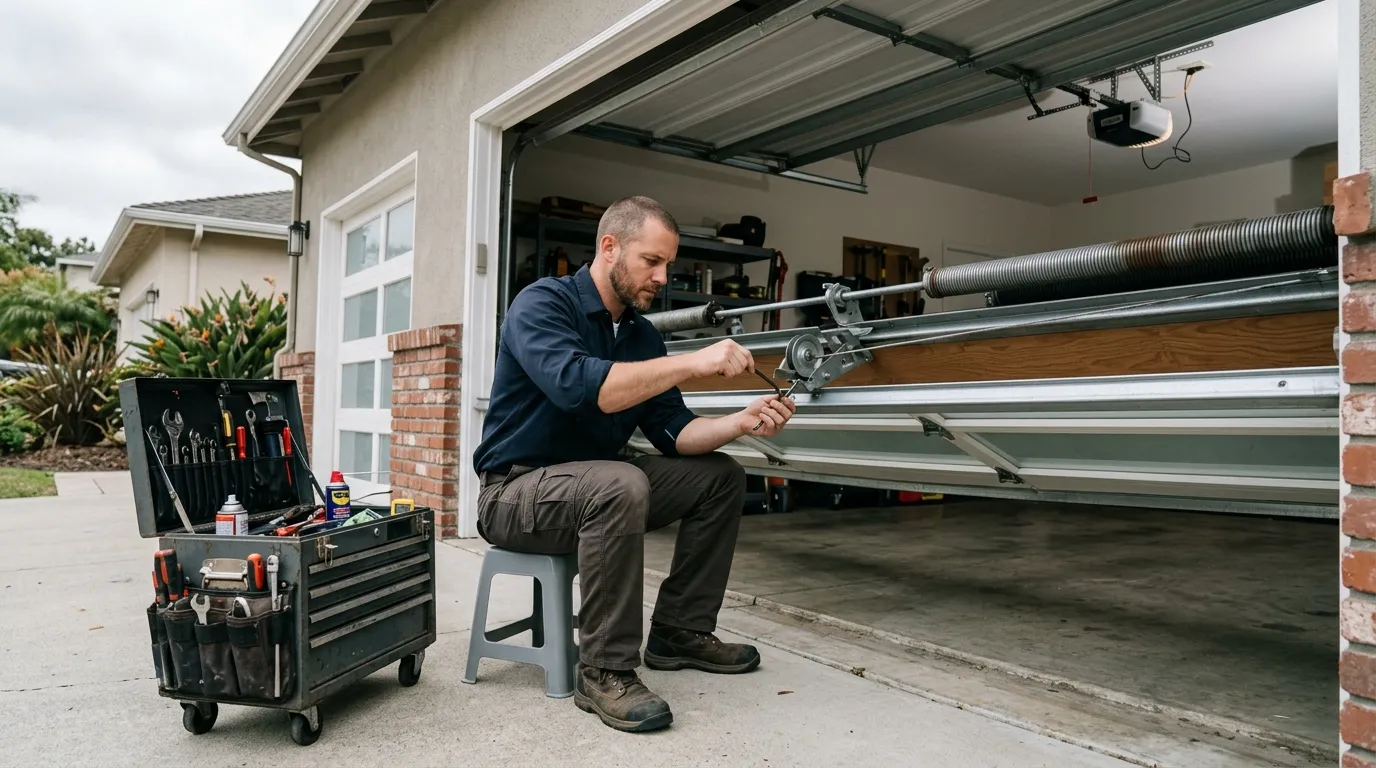
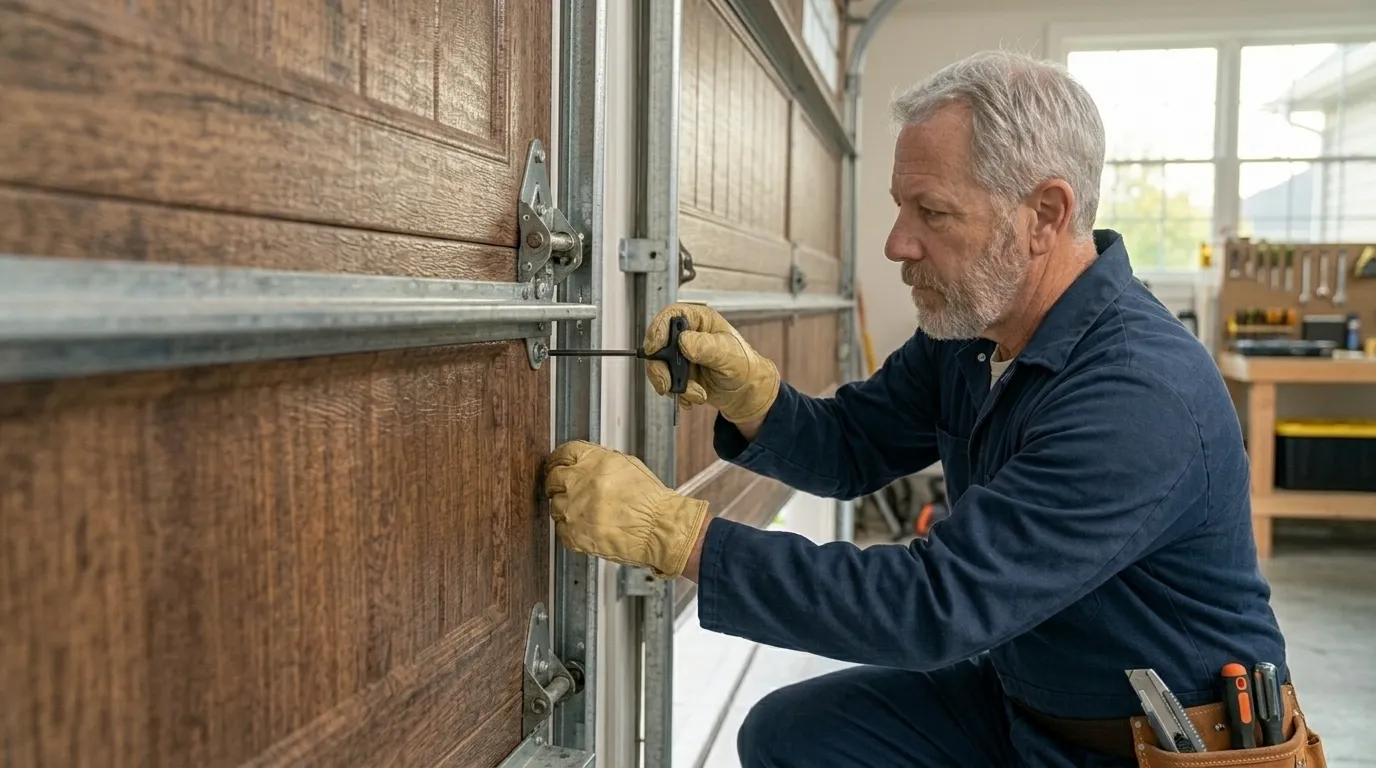
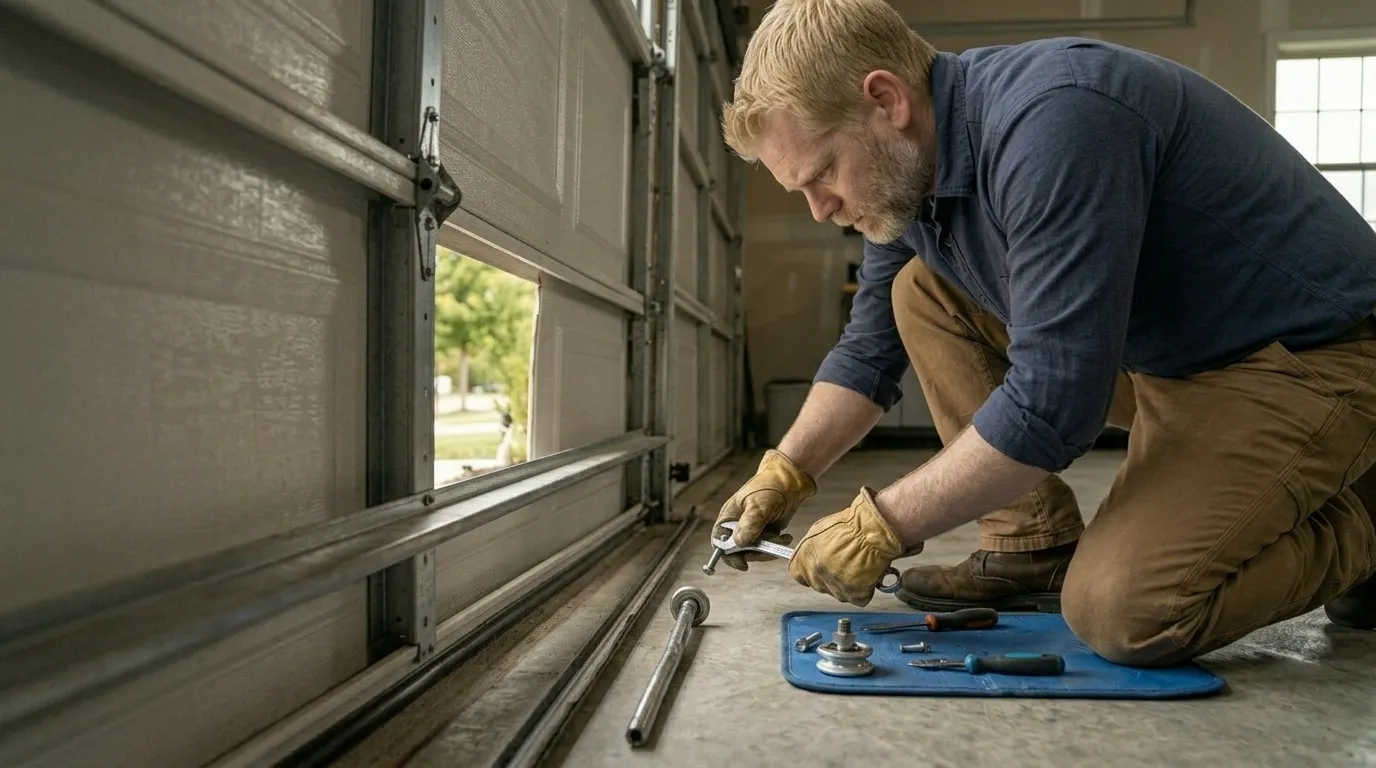
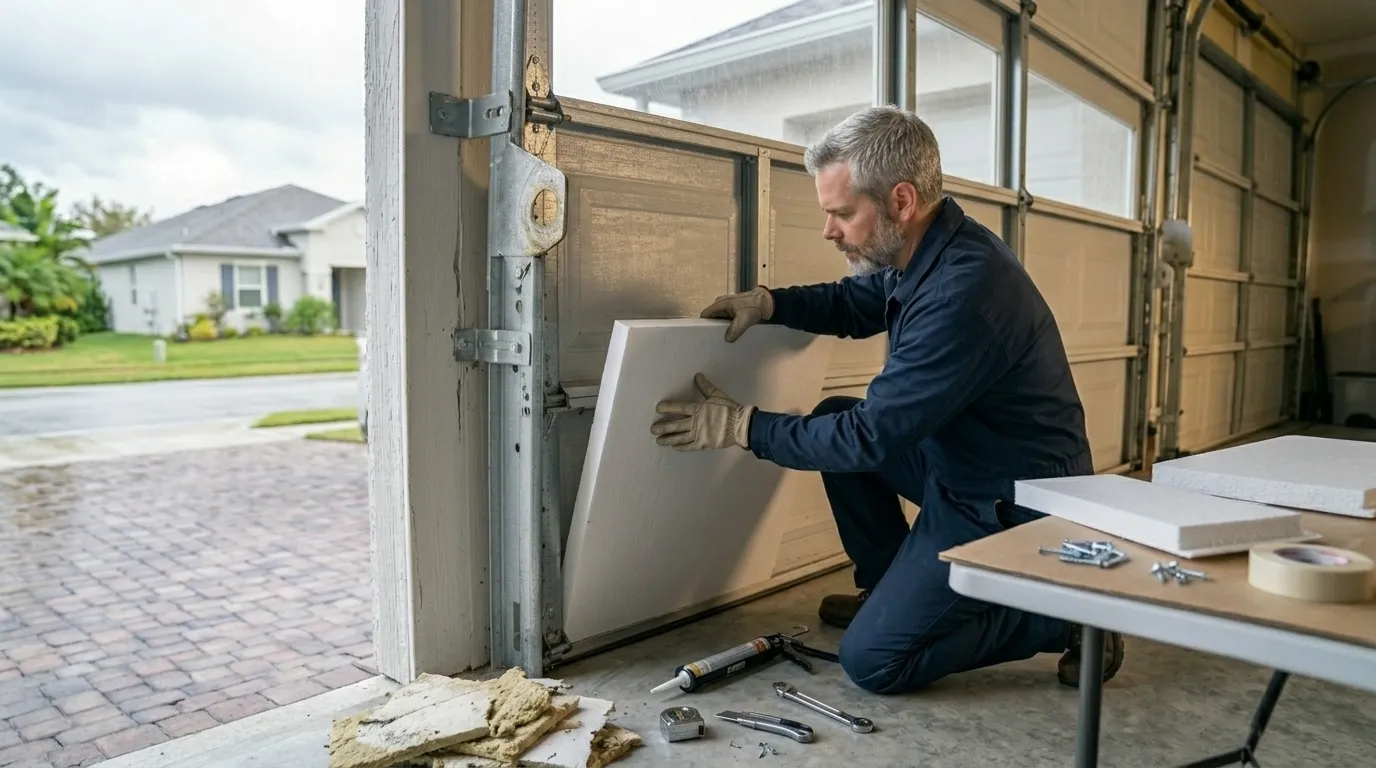
Given the age of the housing, most calls from Kenilworth aren't about a brand-new opener glitching out - they're about doors that were never quite right for the space or hardware that's outlasted its reasonable working life. Springs on older torsion setups that were sized for a door replaced sometime after the original build. Track alignment on openings that were never perfectly squared to begin with. Weatherstripping failing against cold-weather swings, which matters more here than in newer construction because the seals often weren't upgraded when everything else was. With household incomes in Kenilworth running well above the area median, replacement is sometimes the more sensible call rather than another patch repair on old hardware - that's a conversation we're glad to have honestly rather than push a repair that won't hold. We don't stock parts for every vintage of pre-war hardware on the truck, so some jobs mean a return trip once the right piece is in hand.