This Area's Housing
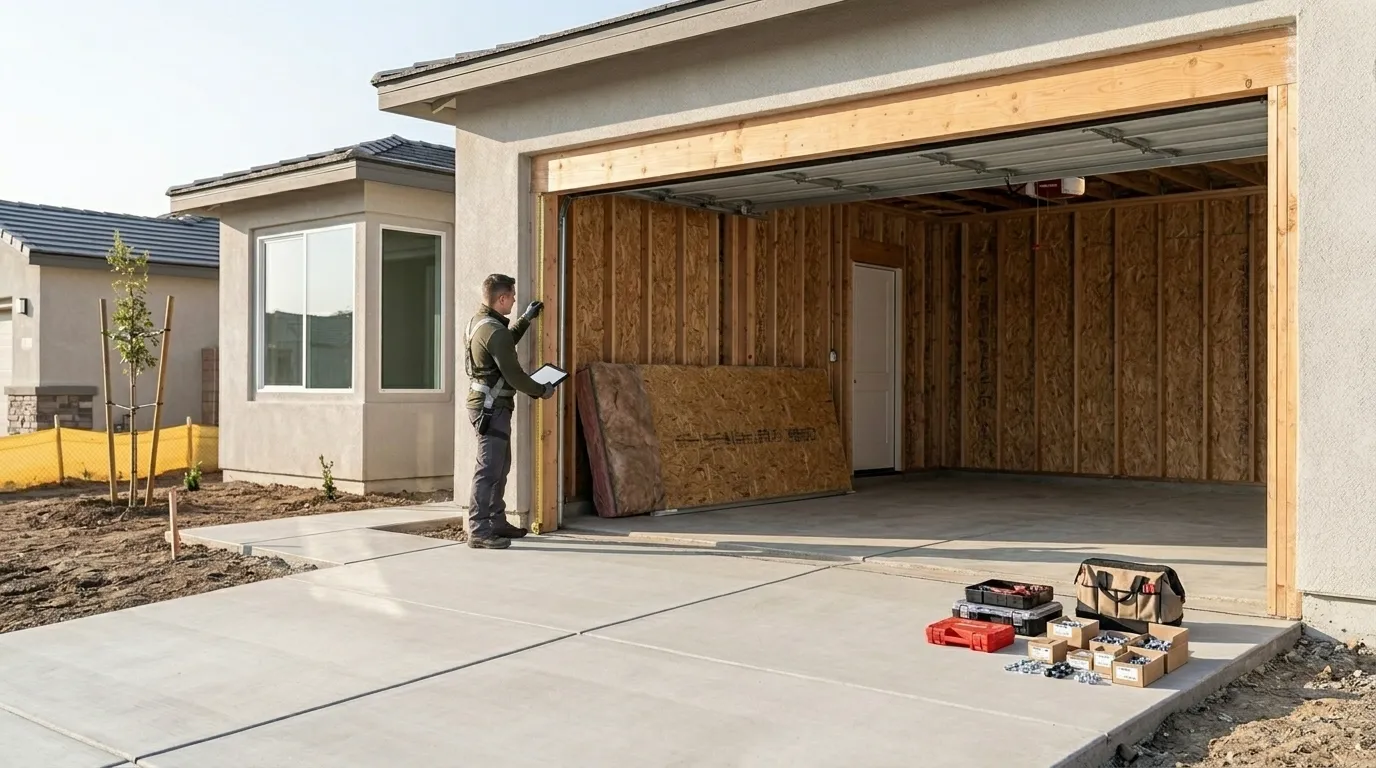
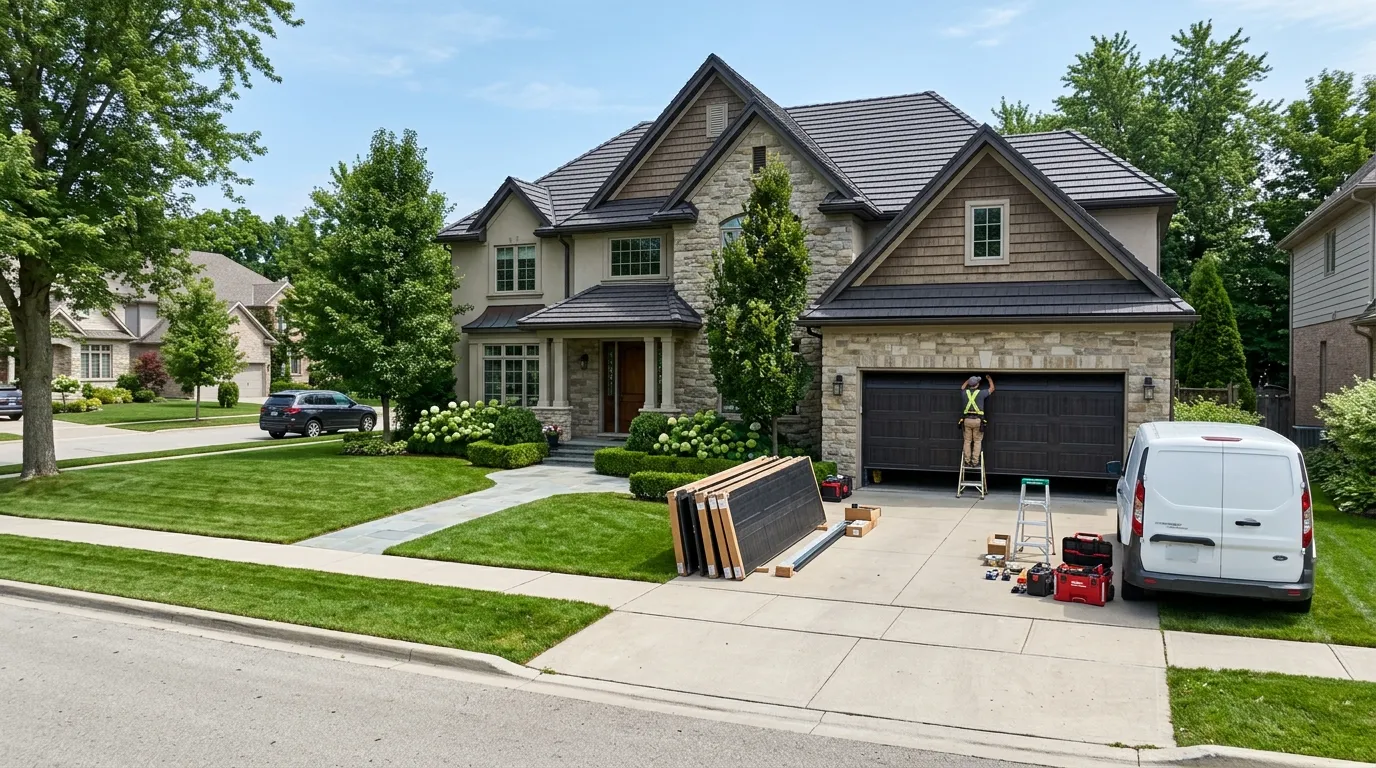
La Grange Park's houses cluster tighter around 1956 than the wider service area does. Across the 86 named communities we cover, homes went up anywhere from 1938 to 1994 with a median near 1964, but this pocket sits earlier and more uniform - most garages here were built or attached during the same postwar decade. That matters more than it sounds like it should. A neighborhood built in one tight window tends to have the same door width, the same header height, and the same style of original hardware, which means when one garage door on a block starts grinding, the one three doors down is usually about to do the same thing. With 5,039 households in the area, we see a lot of repeat patterns: single-car openings on older wood jambs, and short-radius tracks that don't leave much room for a modern opener bracket without a shim kit.
What That Means for Doors
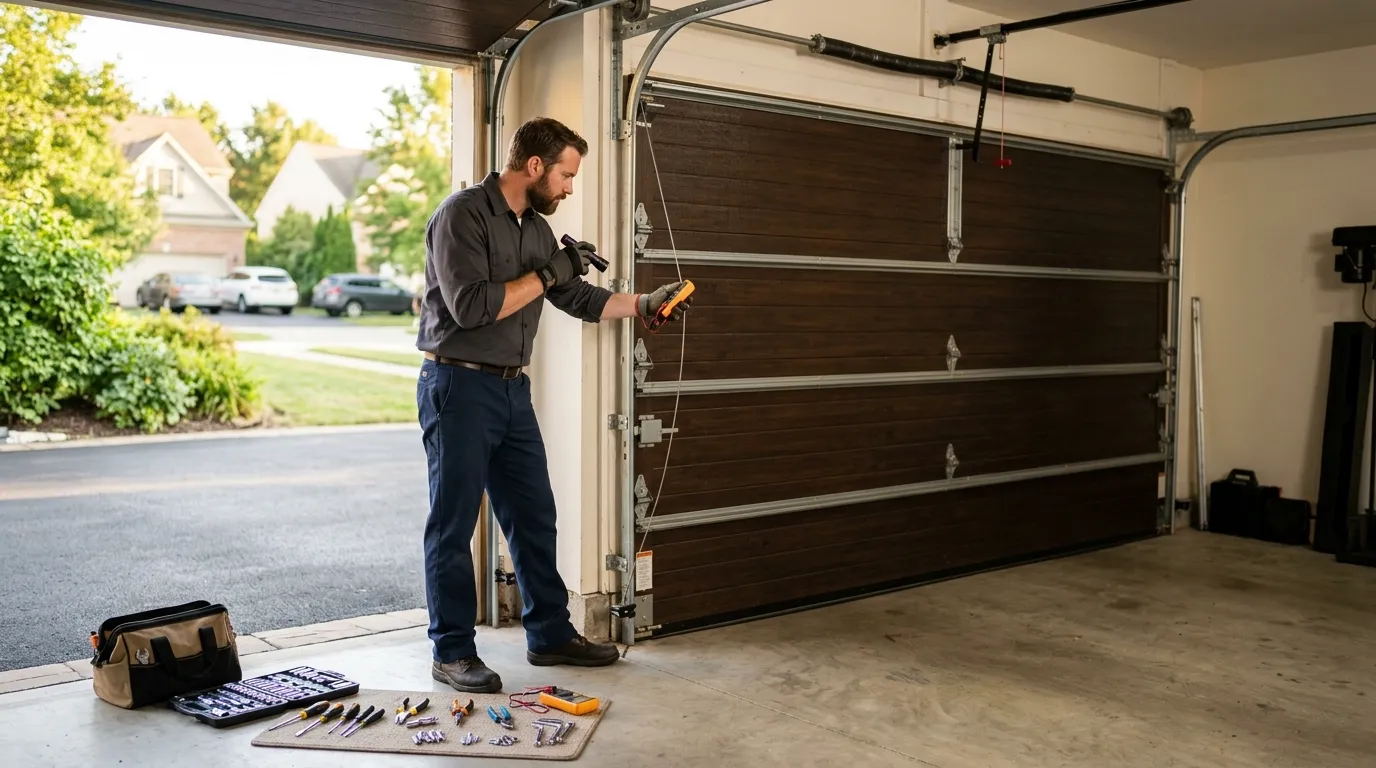
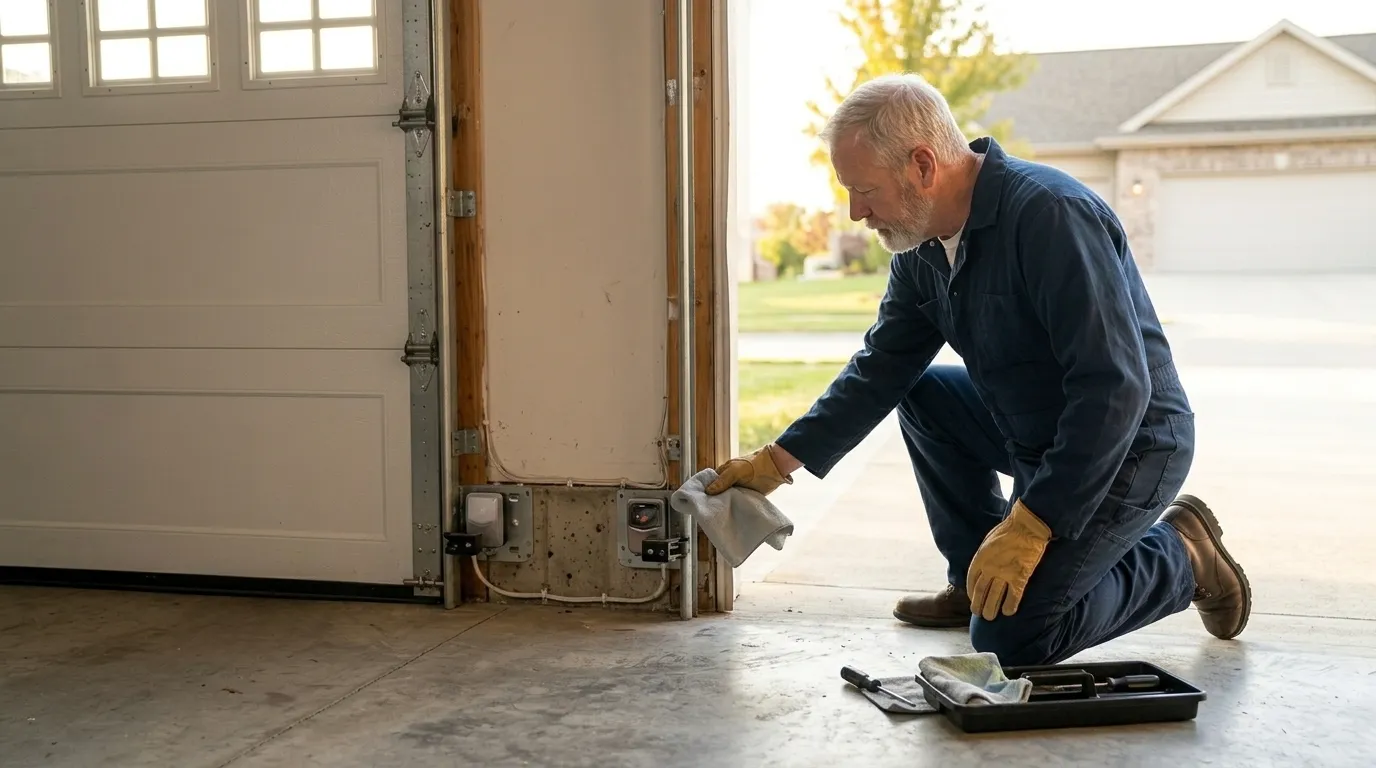
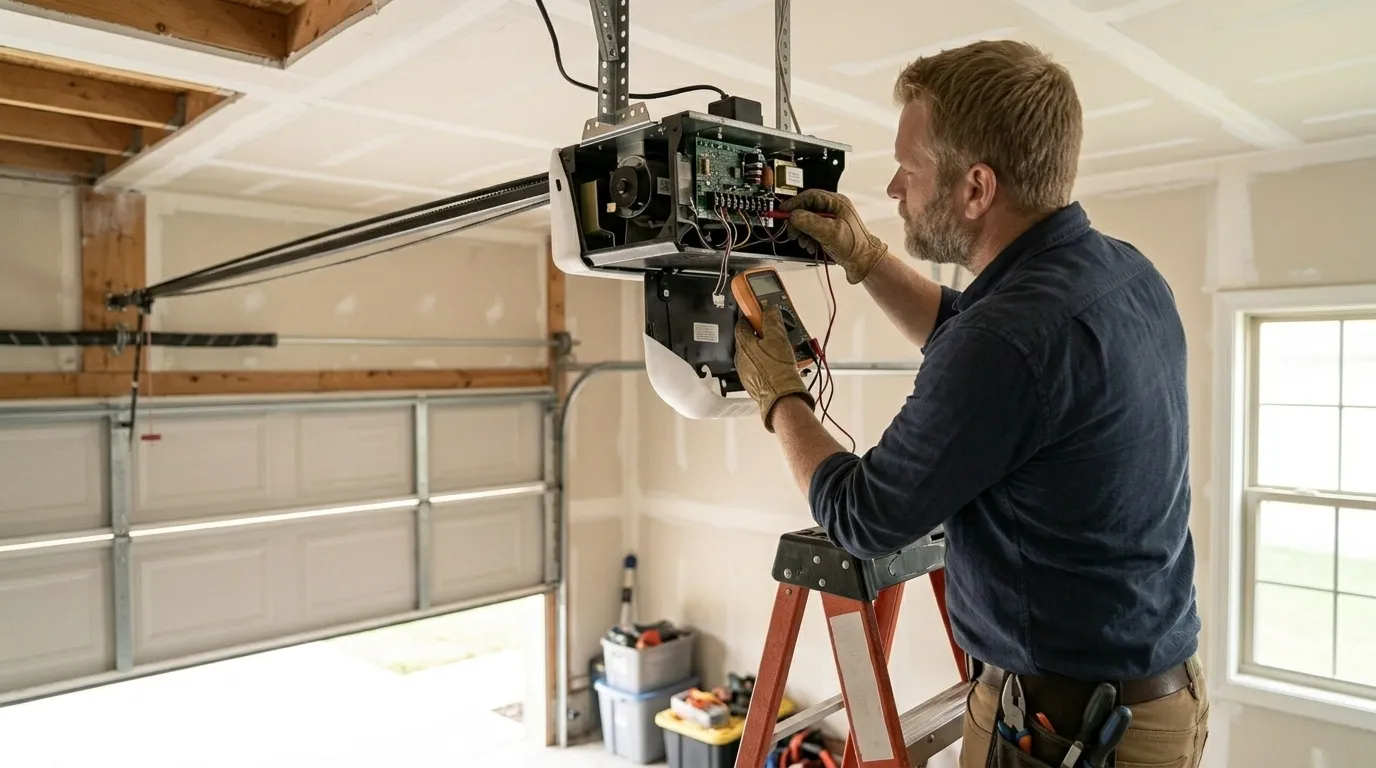
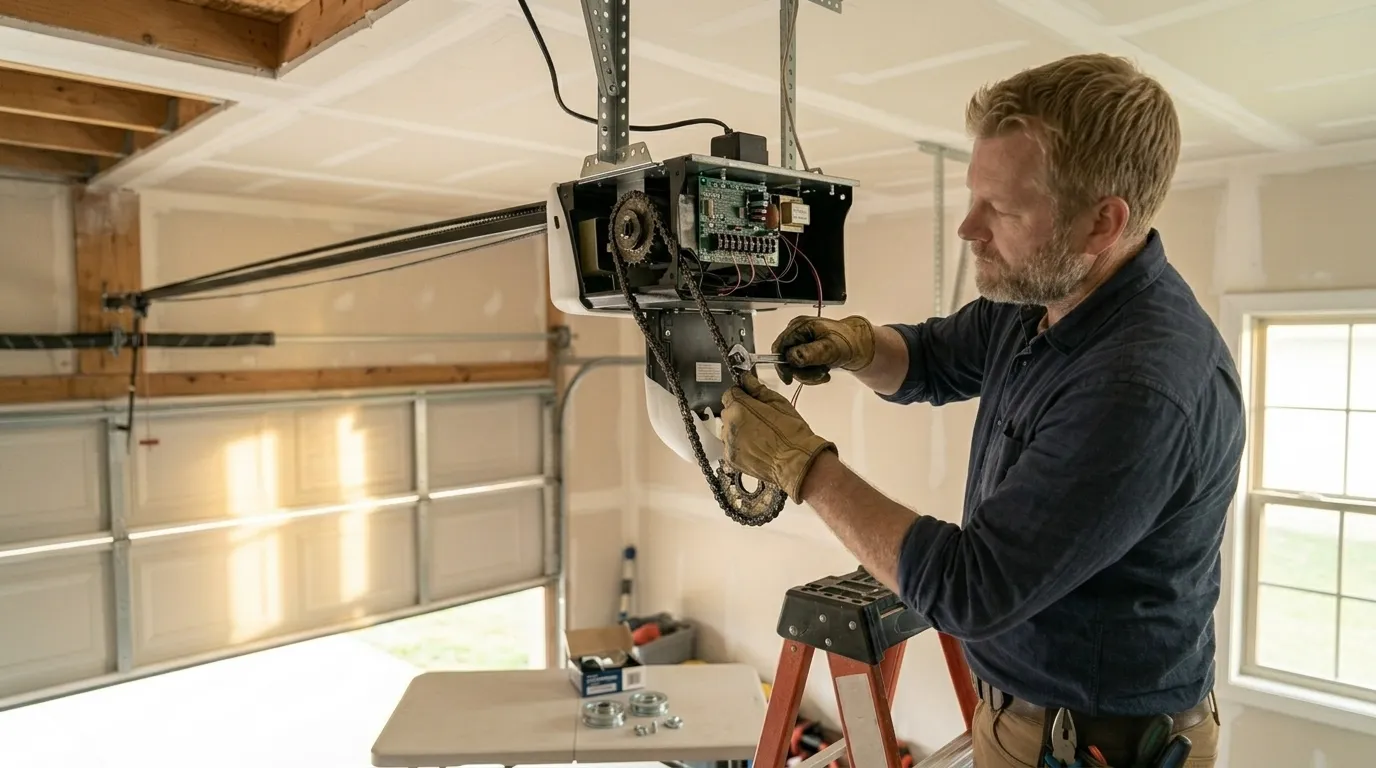
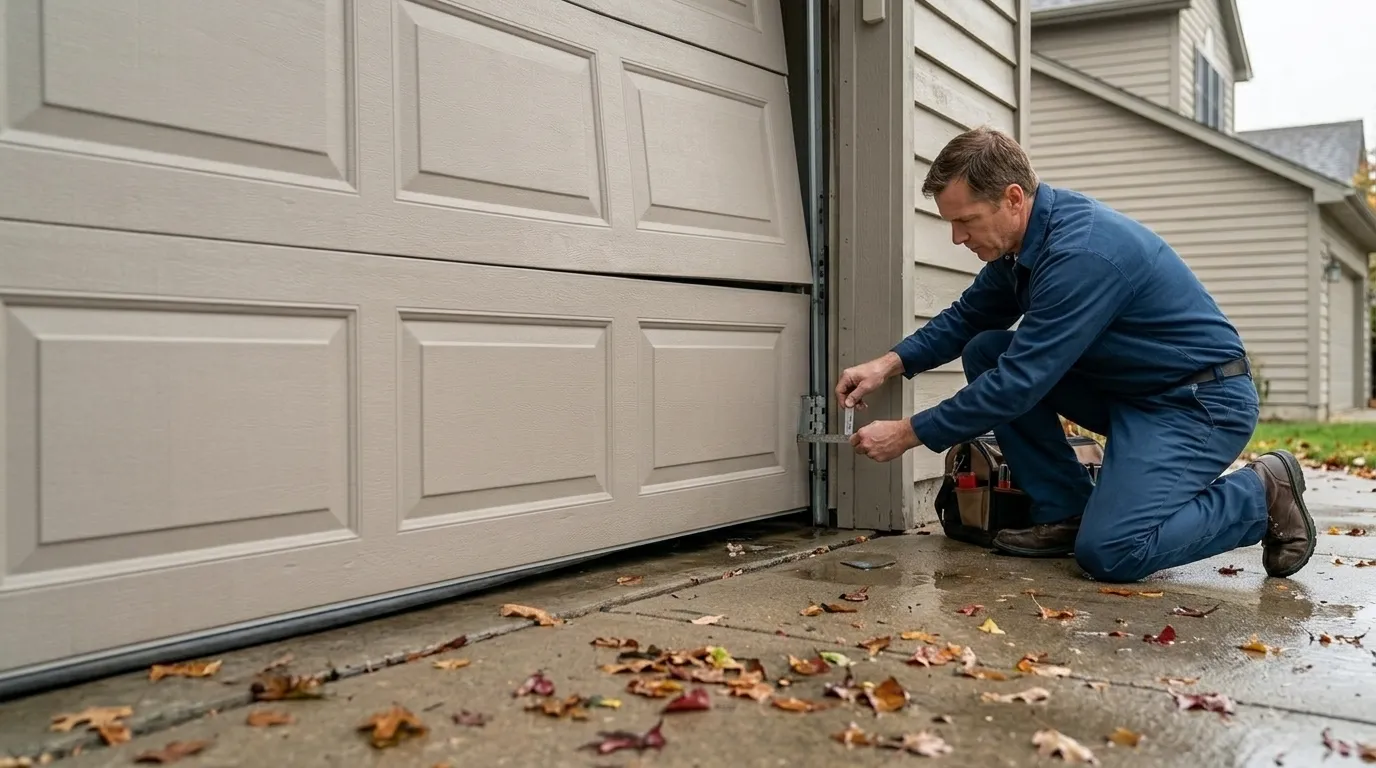
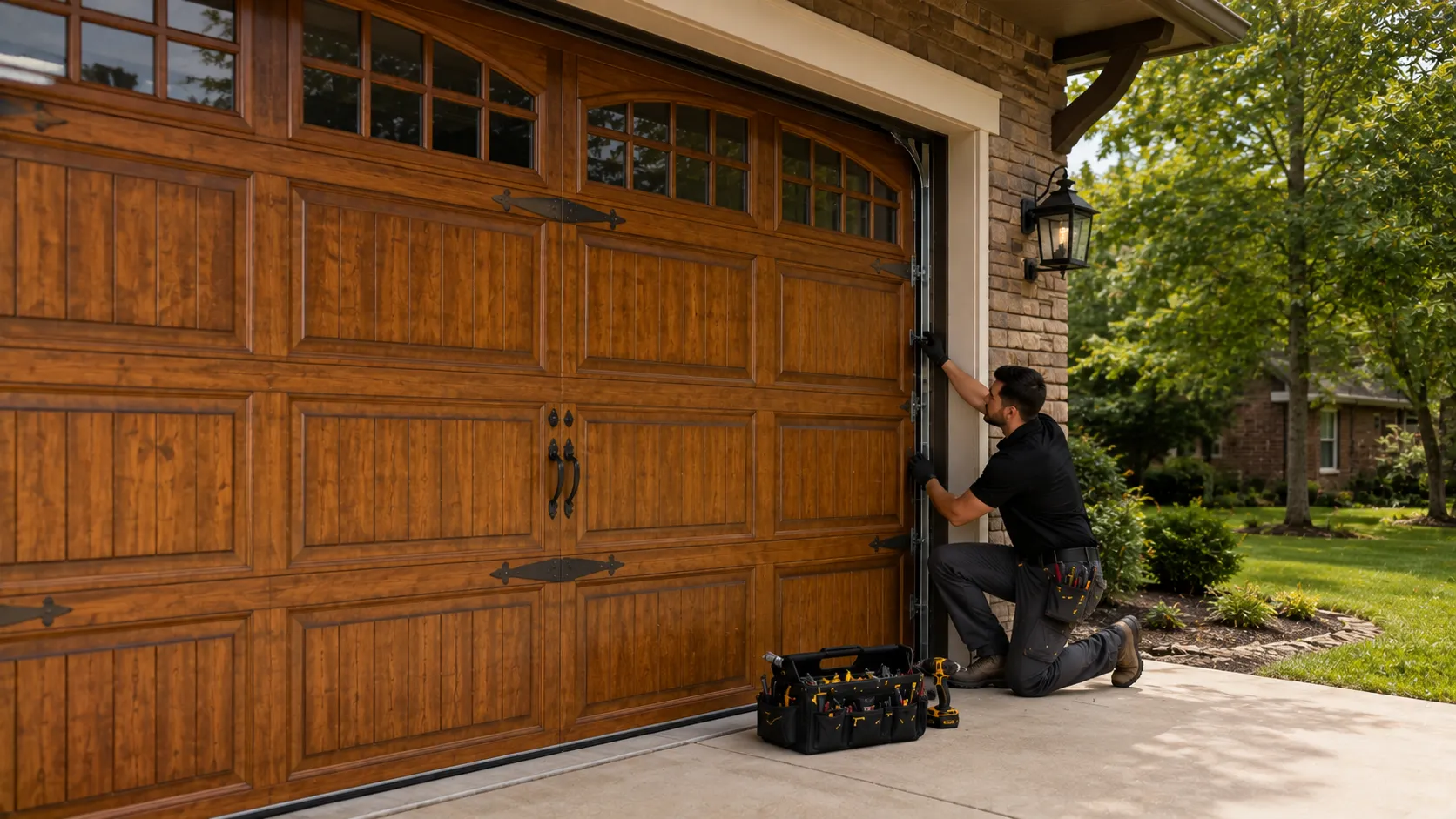
A door installed in the mid-1950s was almost never built for a 3/4-horsepower belt-drive opener bought in the last ten years. The most common mismatch we run into on 1956-vintage garages is an opener retrofit onto a track system that was never resized for it - the door lifts, but it fights the last six inches of travel, or the safety reversal doesn't trip cleanly because the track has drifted out of parallel over sixty-plus years of settling. Torsion springs on these houses are often the original replacement size, not the size the door actually needs, because whoever swapped it last just matched what was already there instead of recalculating for the door's weight. In a cold-moderate climate band like this one, steel hardware that's been through that many freeze-thaw cycles is also more likely to have a cable starting to fray at the drum, even if the spring itself still looks fine. None of that is a reason to panic about a door that's working - it's a reason to get the track and cable checked before the spring lets go on its own schedule.
What People Here Ring About
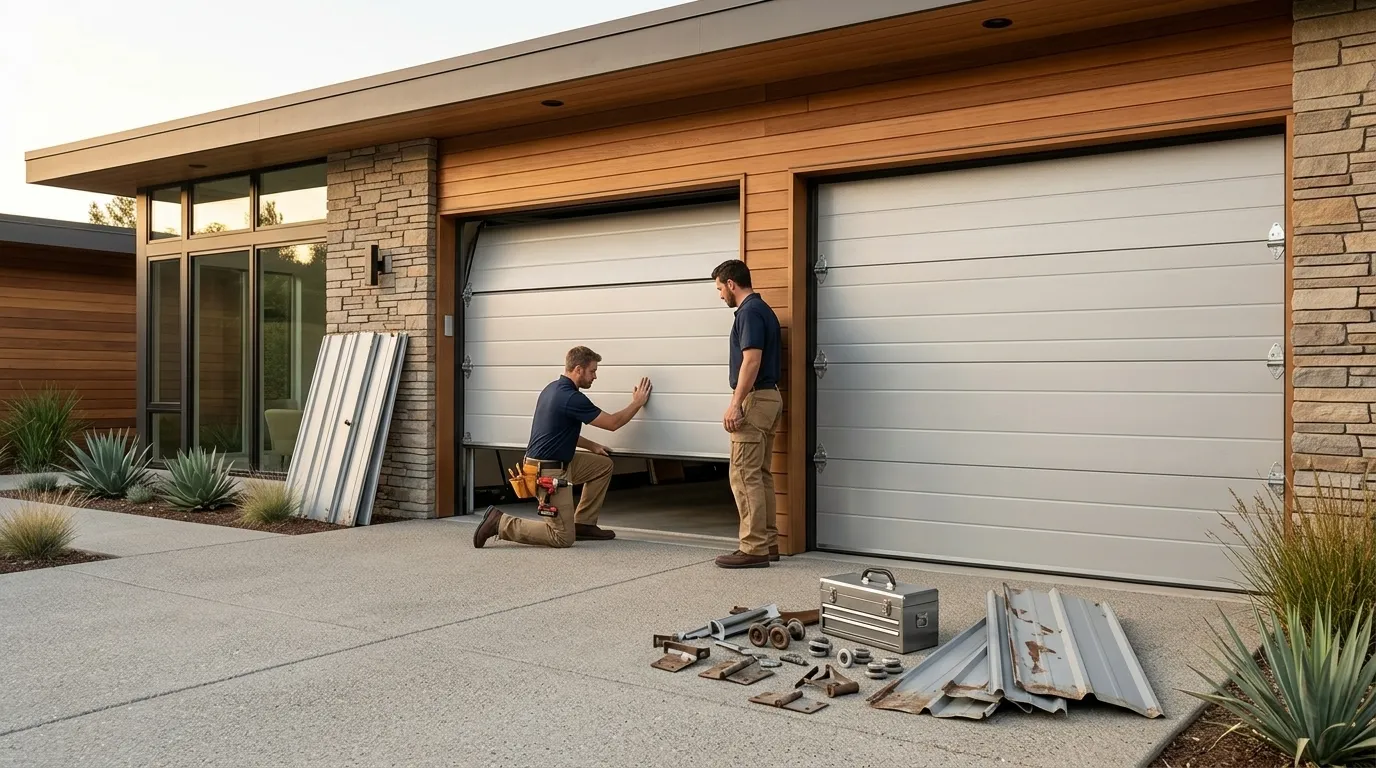
Most calls from this stretch of town are for a torsion spring that's already broken - the door won't budge, or it slams down the last foot - and for openers that run but won't reverse safely, which we won't leave working that way regardless of the fix requested. We also get a fair number of panel and roller replacements on doors old enough that the roller track has worn oval instead of round. What we're honest about: if the door itself is original from the 1950s and the wood has started to delaminate at the bottom panel, patching it usually costs more over two years than replacing the door once. We'll tell you that straight instead of running a repair that won't hold.