This Area's Housing
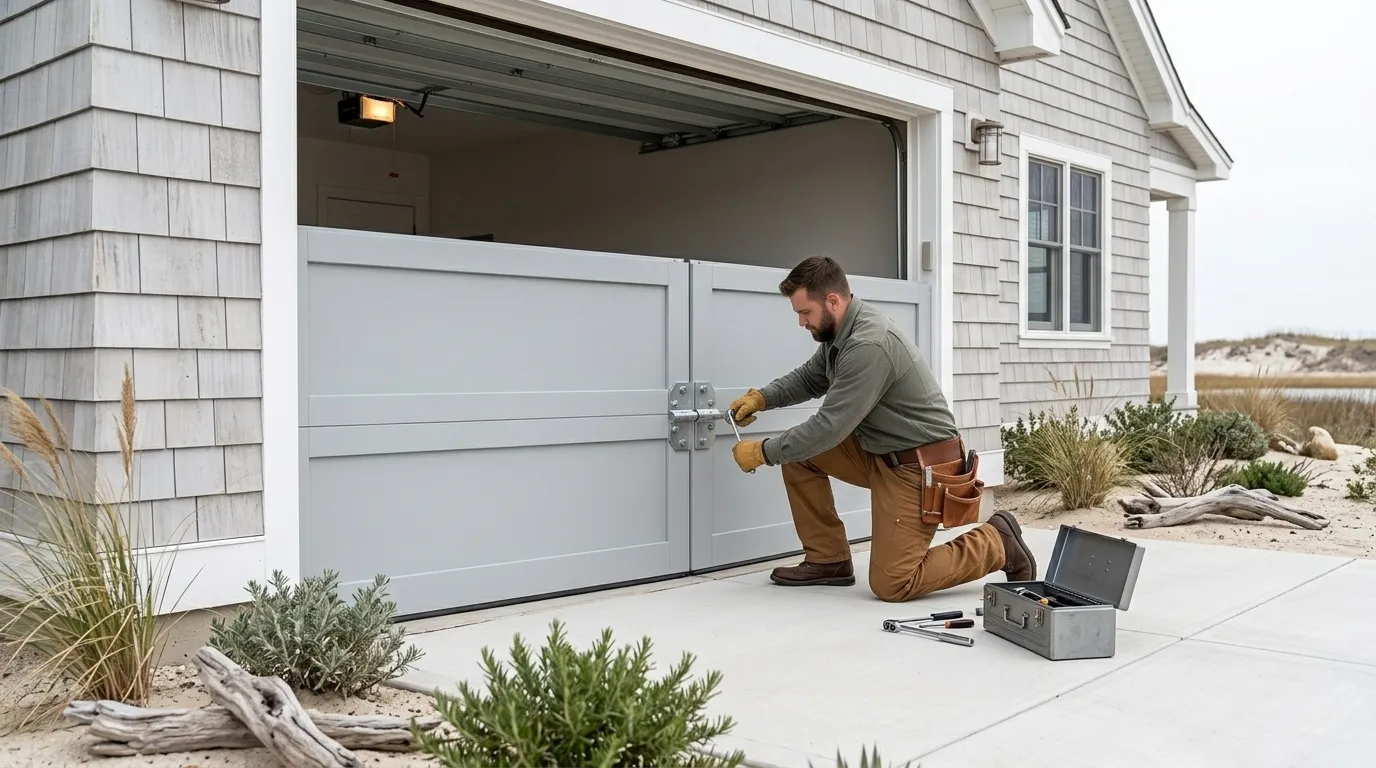
La Grange's houses mostly date to around 1951, which puts this area a good decade or more ahead of the broader service area's median build year of 1964. That earlier date matters more than it sounds like it should. A garage built in the early 1950s was often an afterthought or a later add-on to the original lot, tucked behind the house on a narrow drive rather than designed in from the start. The doors that went into those openings, and the ones that replaced them over the decades since, tend to run smaller and use hardware that newer subdivisions never had to deal with.
With 5,813 households in La Grange and a median income of $154,556, well above the wider area's $80,202, this is a town where people tend to fix things properly rather than patch them. We see that reflected in the calls we get: owners who want the actual problem diagnosed, not just a quick band-aid on a spring that's going to let go again in a year. The housing age here sets the whole conversation before we even open the door panel.
What That Means for Doors
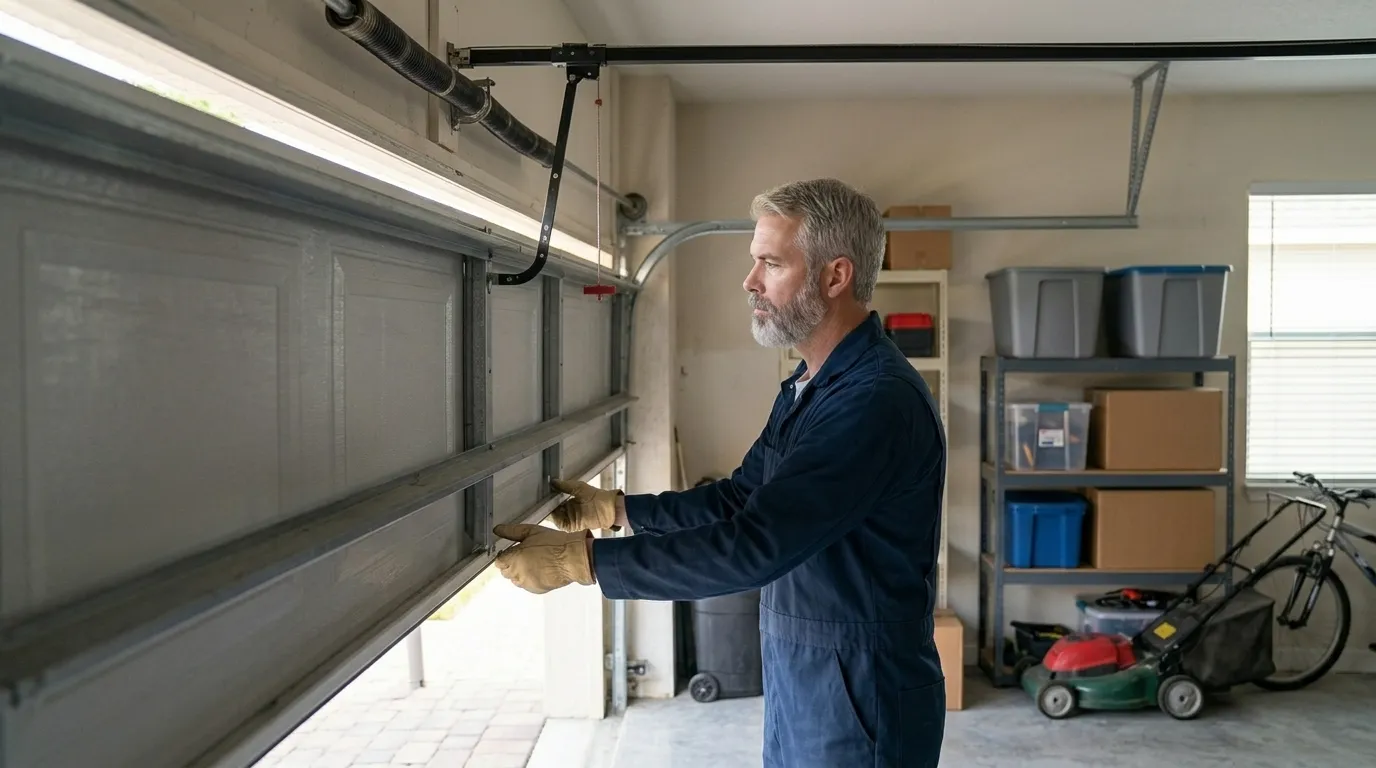
A door installed or last replaced when a house near La Grange was built in the early 1950s is very likely a torsion or extension spring setup that's been rebuilt at least once, maybe twice, by whoever owned the house before you. The track alignment on these older openings is often tighter than what you'd find on a door built to modern width standards, which means less tolerance for a bent roller or a track that's shifted even slightly out of plumb.
The area also sits in a cold climate band, which is worth mentioning because steel contracts in winter and older torsion springs that have already taken decades of cycles are the ones most likely to fail on a hard cold snap rather than a mild one. We see more spring calls in La Grange's older housing stock in the coldest weeks of the year than we do from houses built in the past twenty years, simply because the metal is older and has less give left in it.
We'll say plainly: if a door on a 1950s-era house has a bent track, a worn-out spring, and a cracked panel all at once, replacement usually costs less over time than three separate repairs. We'll tell you that on the call, not after we've billed you for all three.
What People Here Ring About
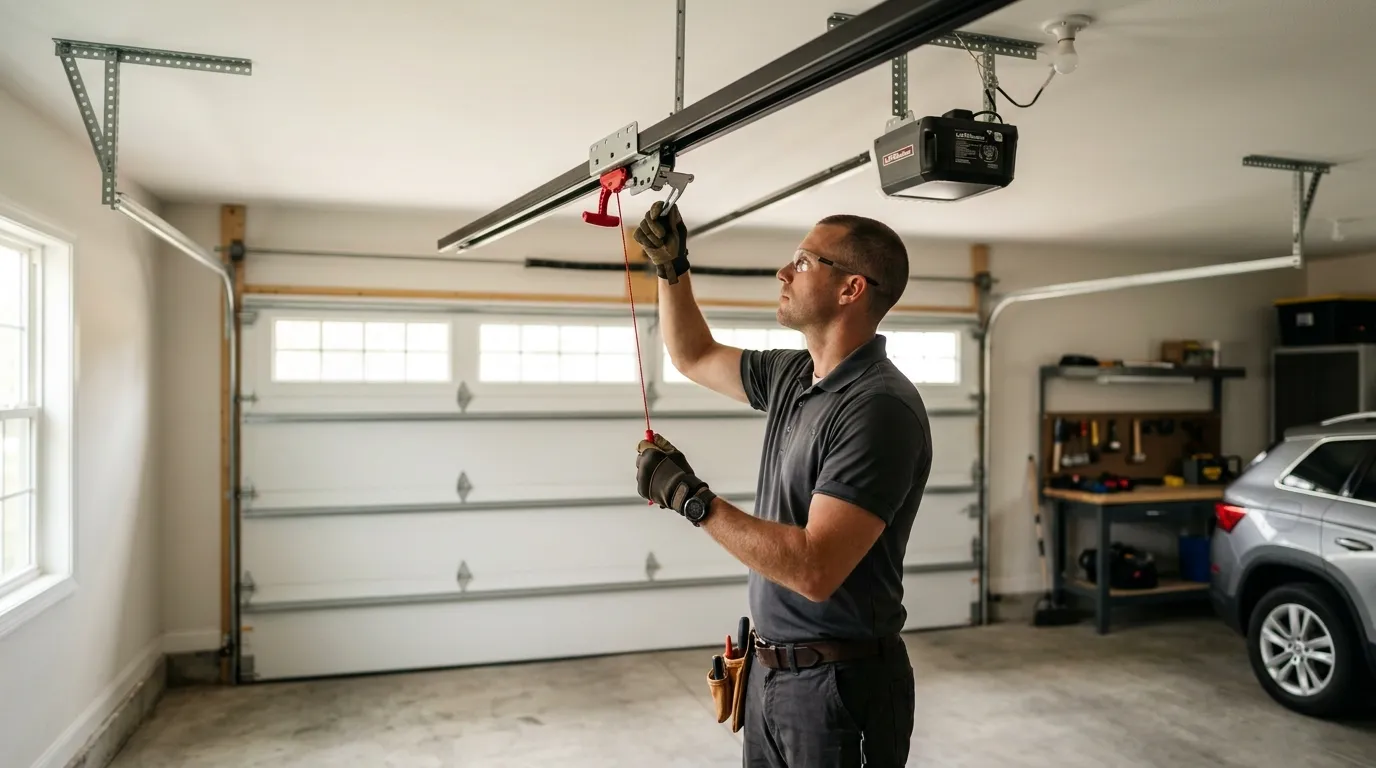
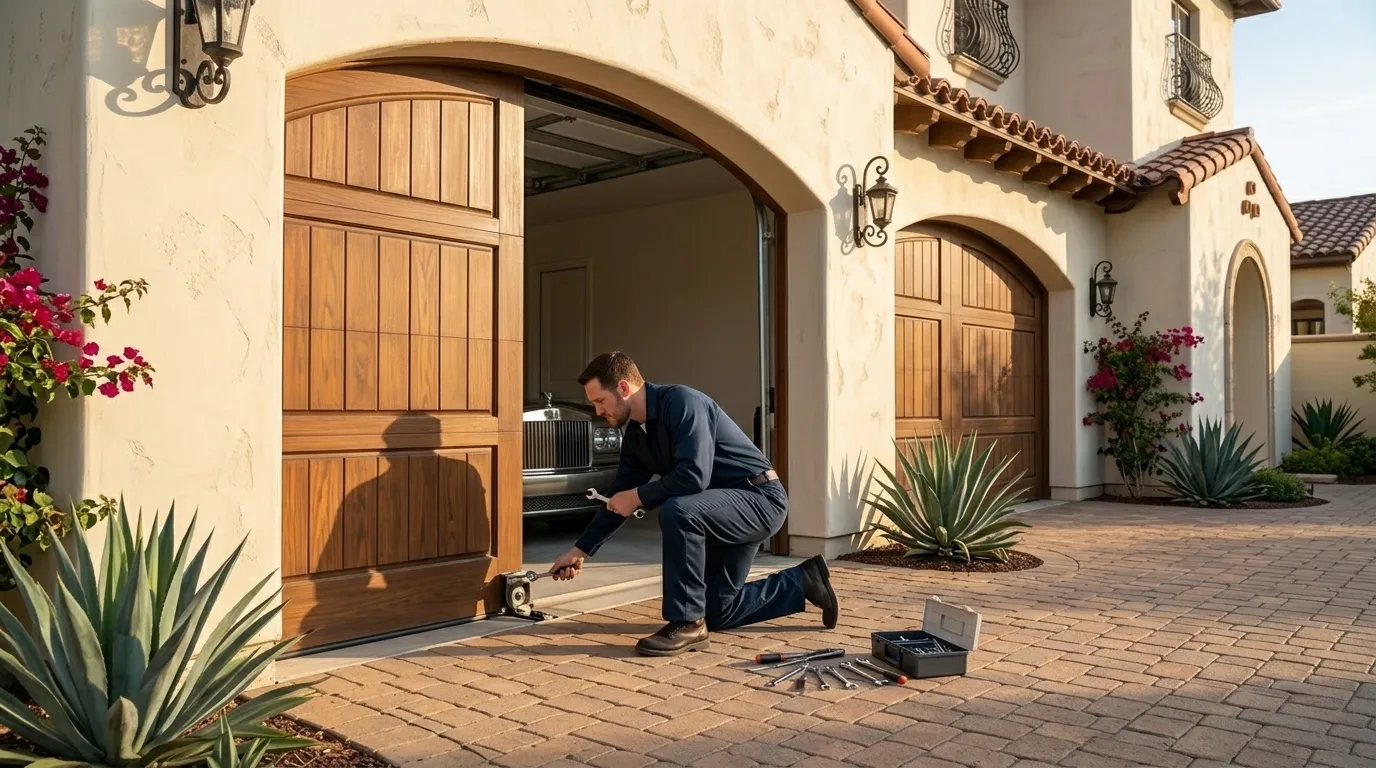
Given the age of the housing, most calls into La Grange are springs first, openers second. A torsion spring that's original to a house built around 1951 has had seventy-plus years to accumulate fatigue cycles, and when it goes, it usually goes without much warning. Openers come in close behind, particularly older chain-drive units that were bolted onto a door built for a smaller, lighter panel and never sized up when the door itself was eventually replaced.
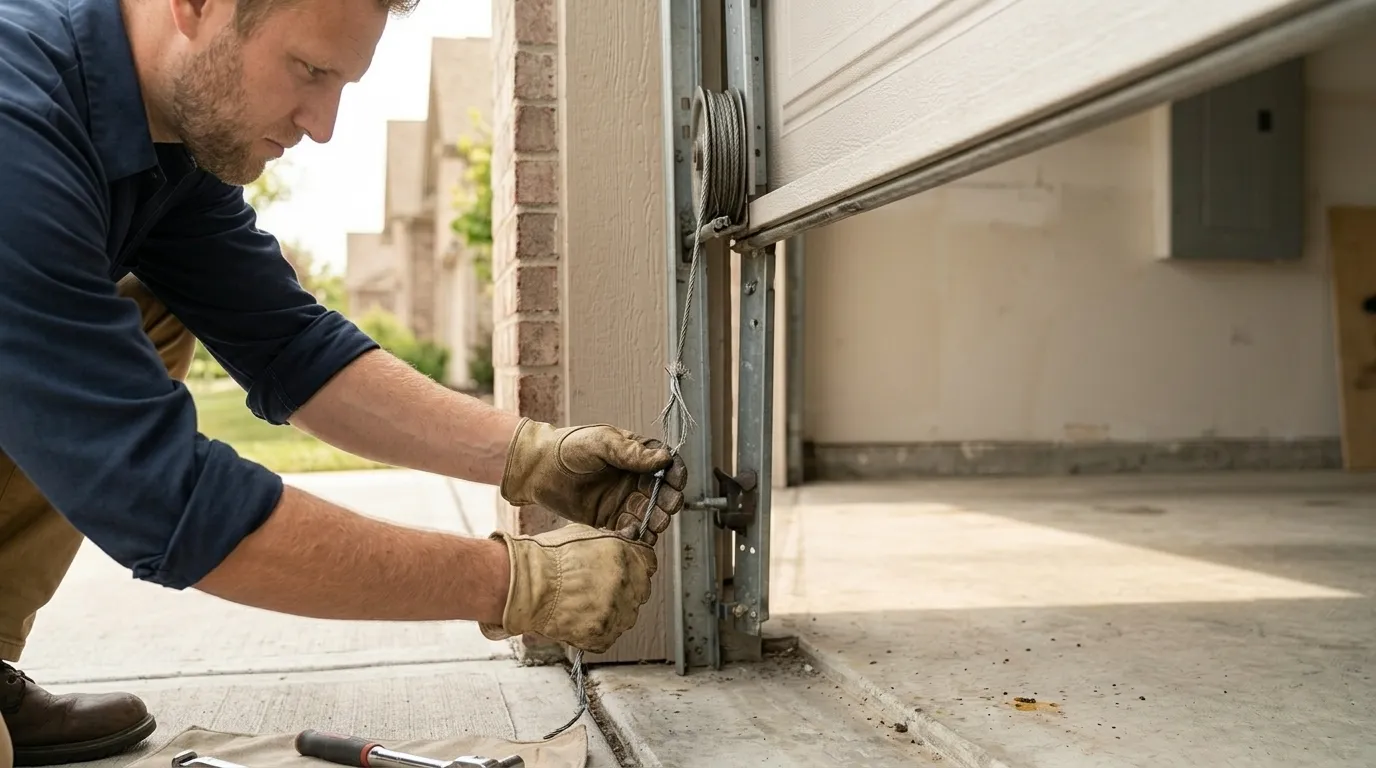
We also hear from owners dealing with a cable that's frayed on an old drum, or rollers that have worn their track grooves wider than spec over decades of use. None of this is unusual for houses this age. It's just a different set of problems than you'd get from a garage built in 1995, and knowing that going in means we bring the right parts on the truck the first time instead of the second.