This Area's Housing
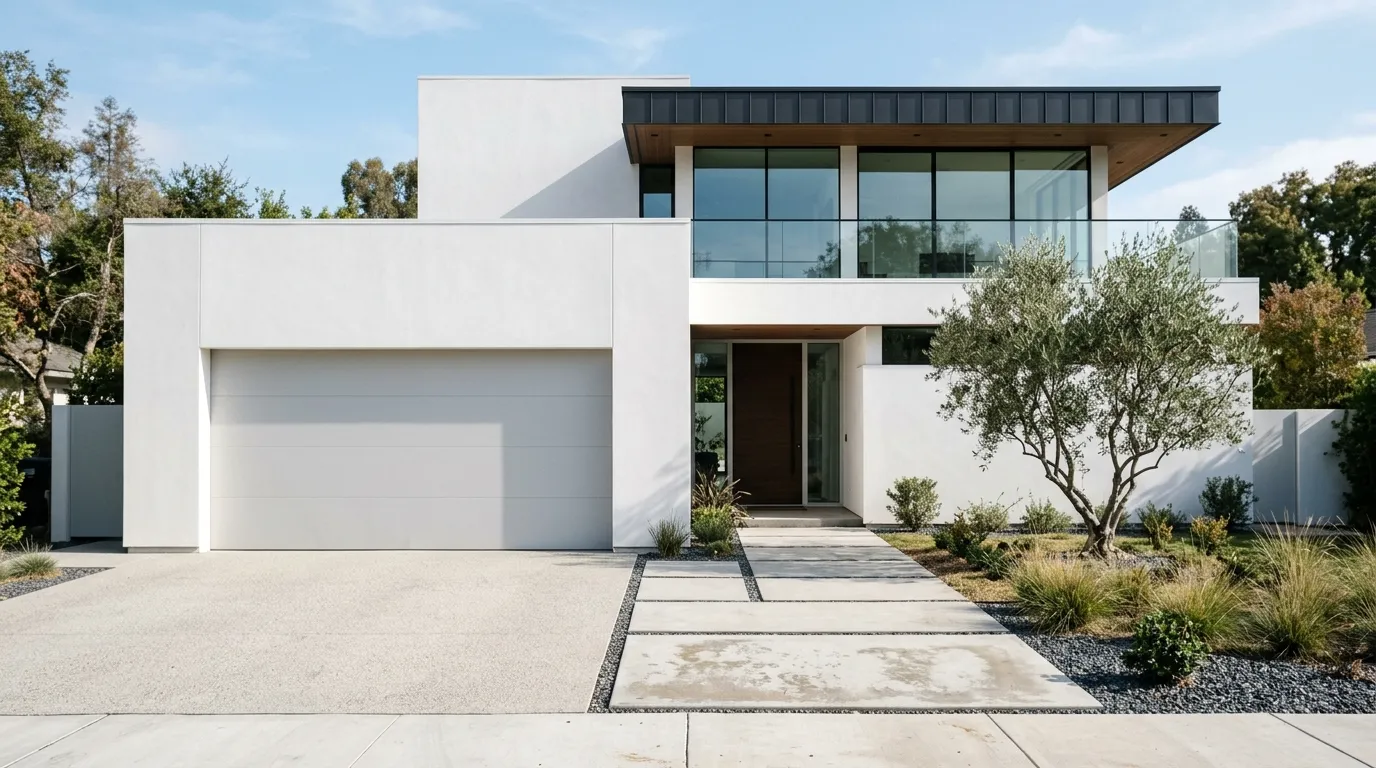
Lemont sits at the far edge of a service area where the median home was built in 1964. Here it's different - the median year built runs around 1994, a full three decades newer. That gap matters more than it sounds like it should. Across the rest of the area we cover, garage doors and openers are often original to houses from the 1960s and 70s, worn hardware, obsolete parts, the works. Lemont skips most of that. With 6,334 households in this area, and a median income of $126,100 against the $80,202 median across the wider service area, the housing here tends to be larger, later-built, and fitted with garage doors and openers that are a full generation newer than what we pull parts for on the older side of our territory. That doesn't mean nothing breaks. It means what breaks, and why, looks different from a 1966 side-mounted torsion setup.
What That Means for Doors
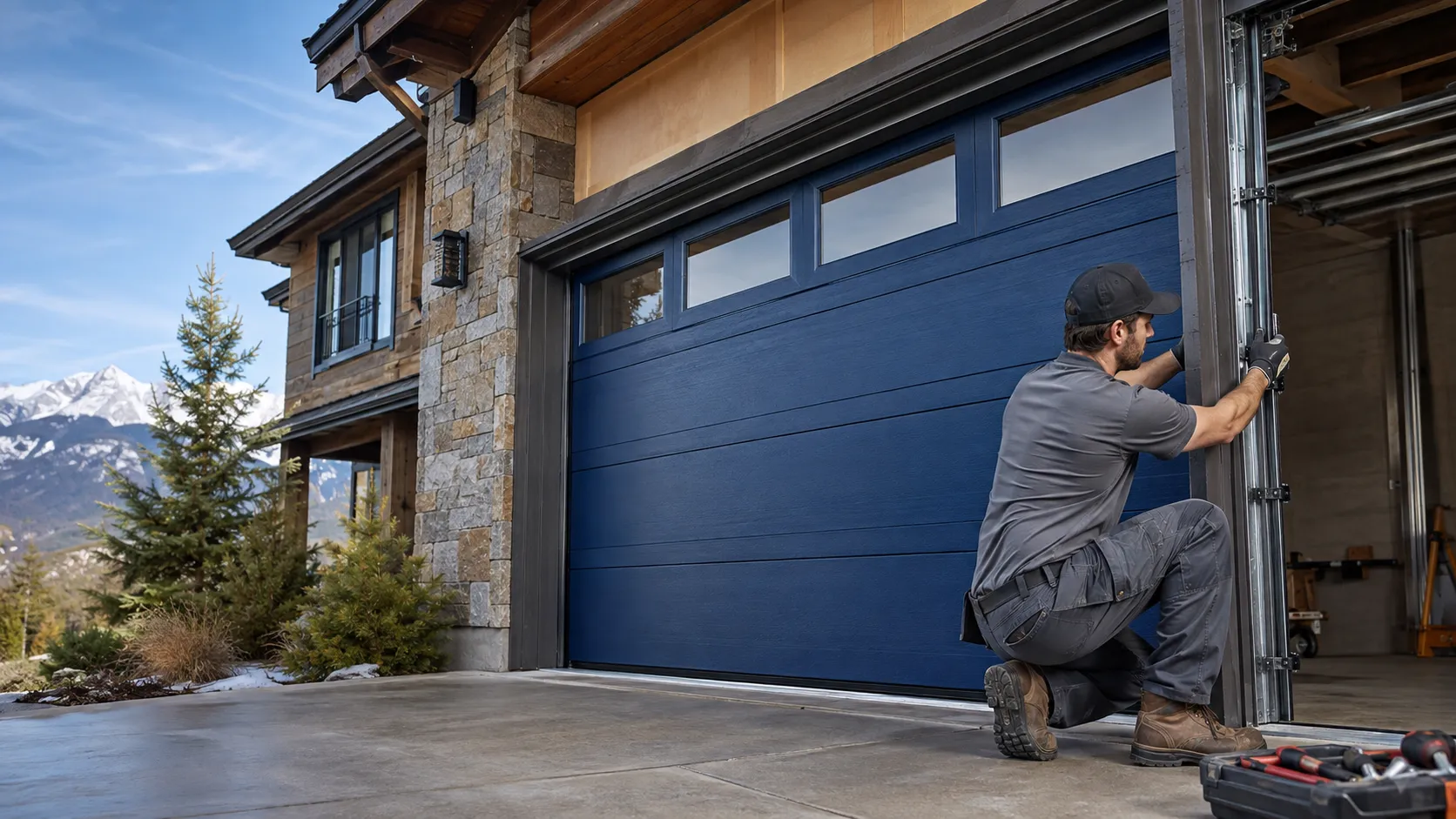
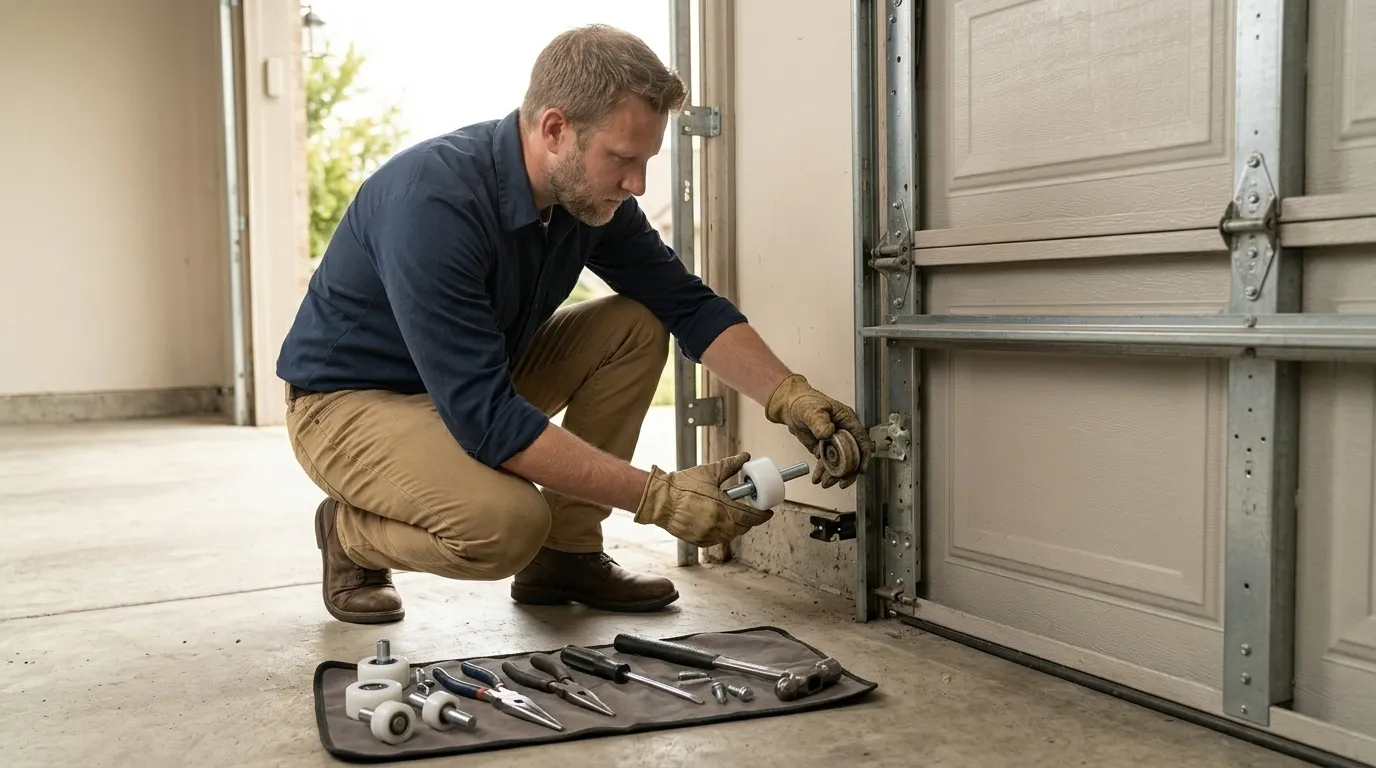
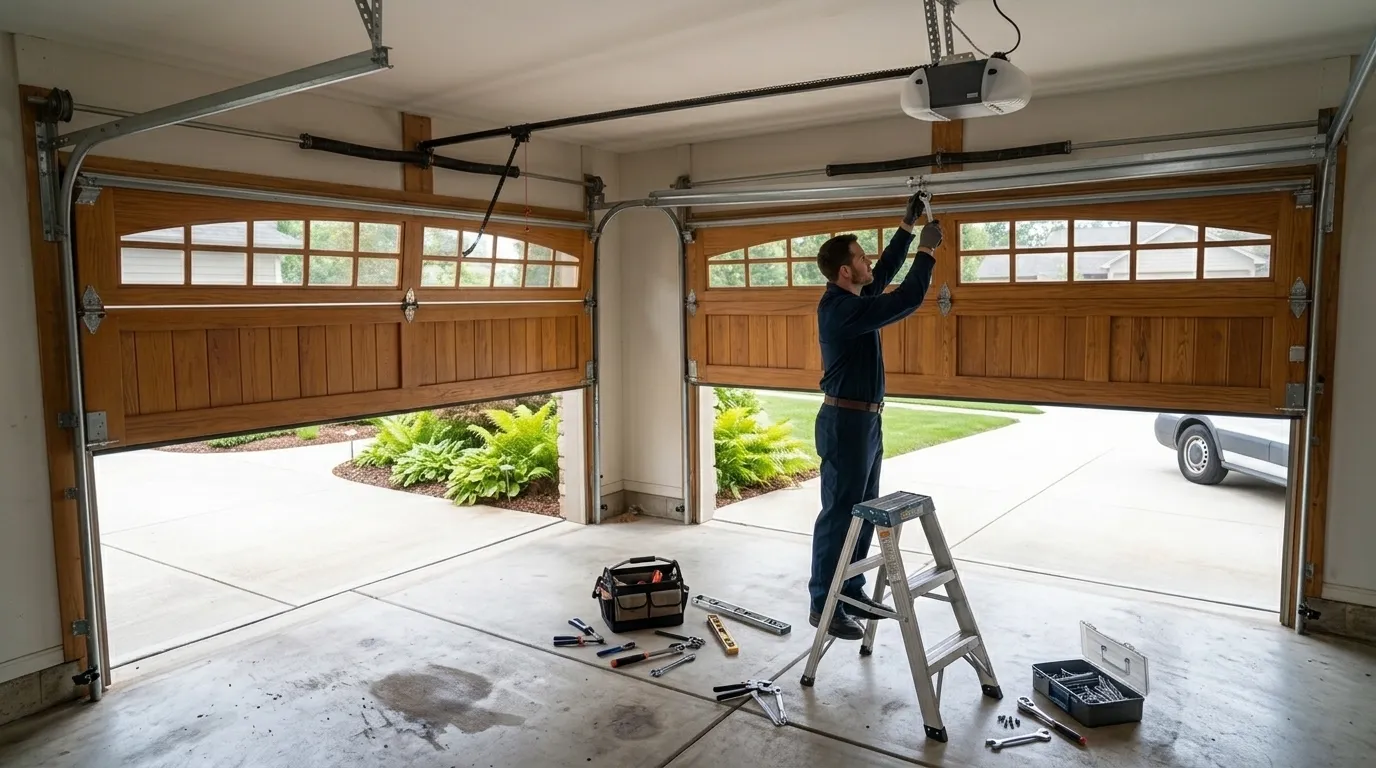
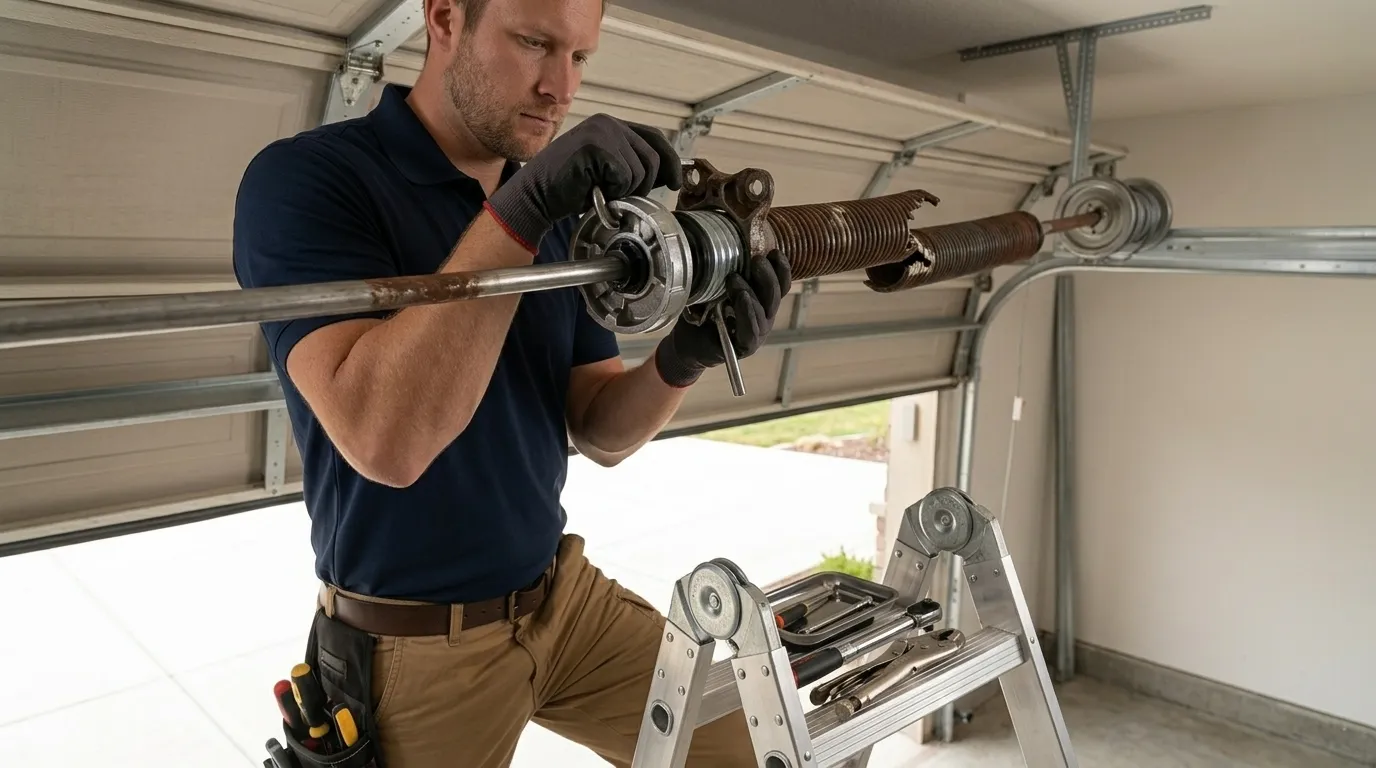
A door installed in the 1990s or later is a different animal from one installed in the 60s. Torsion spring systems became standard by then, not the older extension-spring setups we still find on the oldest stock closer to the city. Openers tend to be later models too, with electronics that fail in their own particular ways - circuit boards, sensor alignment, remote programming - rather than the worn gear-and-sprocket problems common on ancient units. Lemont sits in the same cold-moderate climate band as the rest of the area, so the usual cold-weather issues still apply: stiff springs, brittle weatherstripping, openers that hesitate on the first cold mornings of the year. But you're not fighting original hardware from the Johnson administration. The parts are newer, more standard, and easier to source. That's the honest tradeoff - newer doors are simpler to diagnose but not immune to anything winter throws at them.
What People Here Ring About
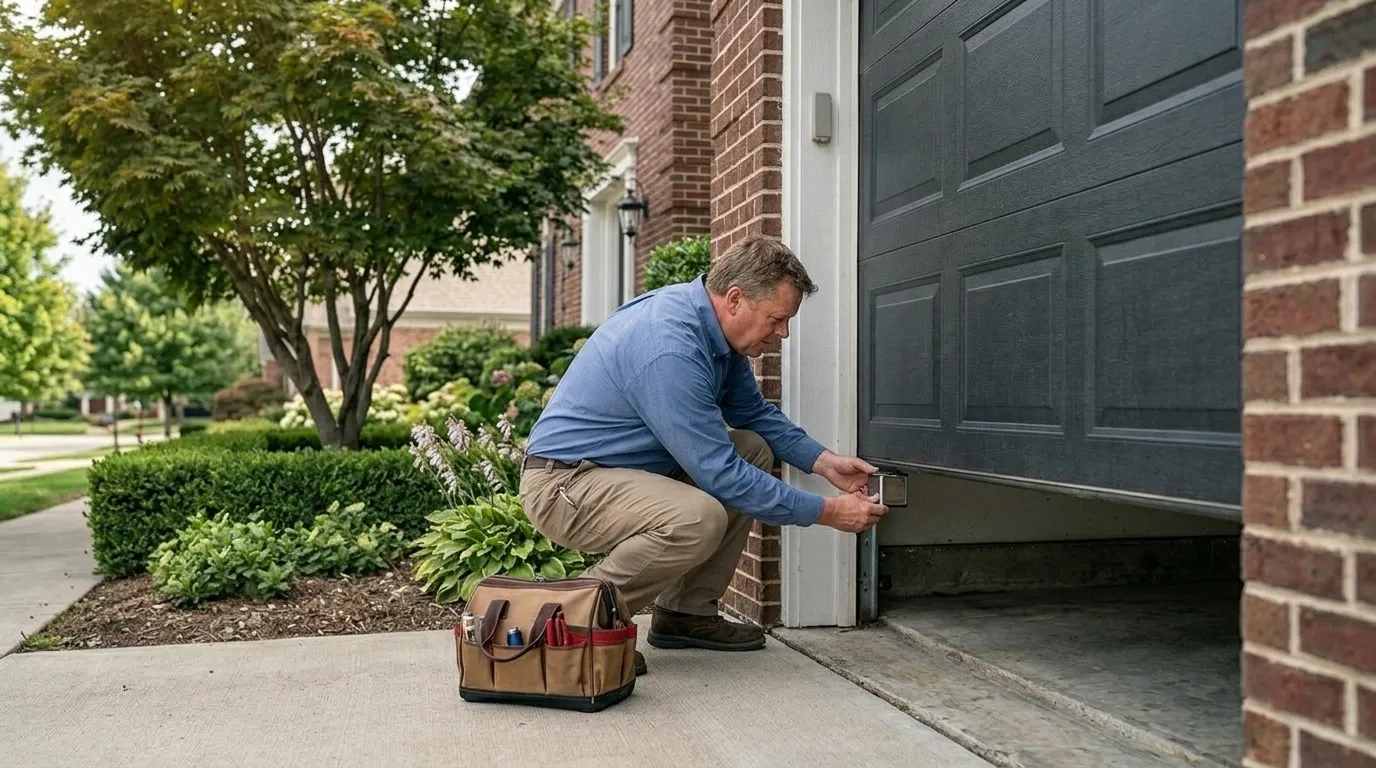
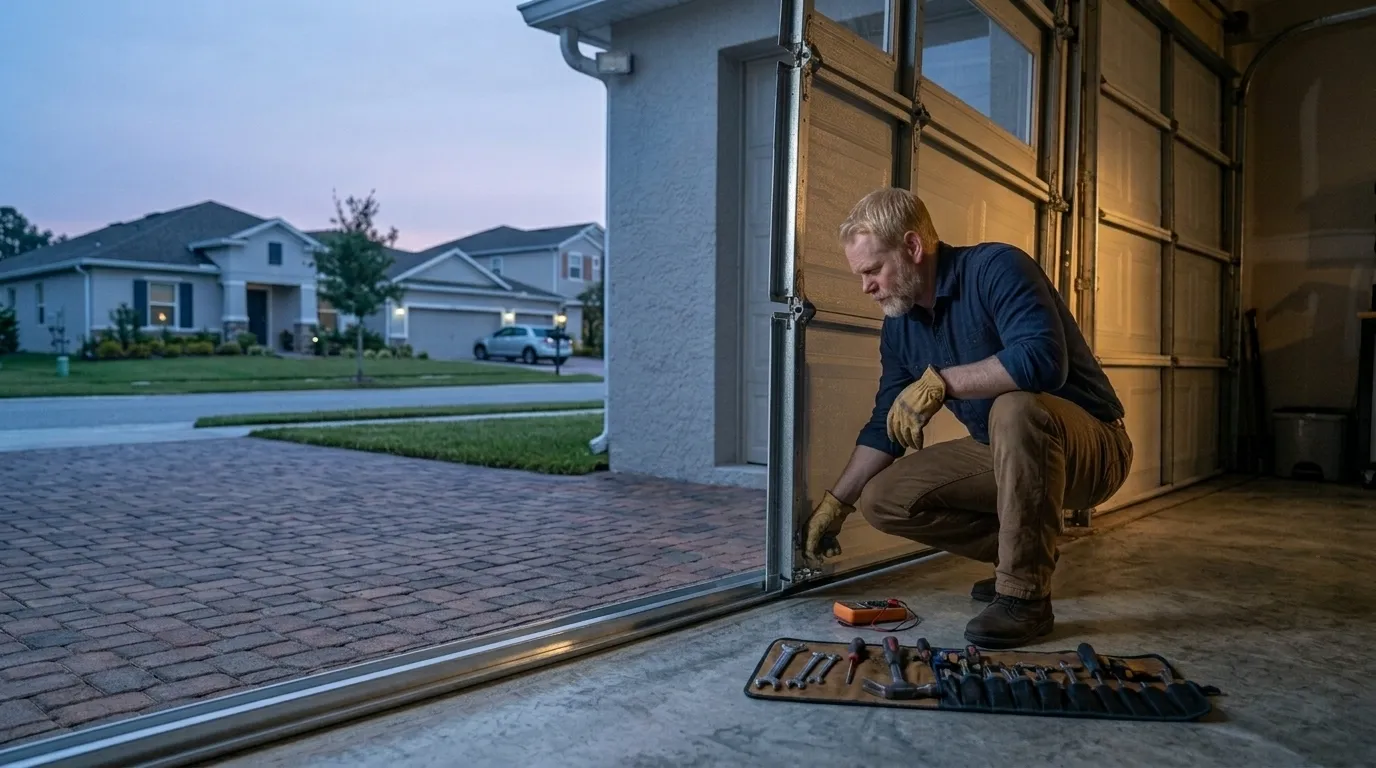
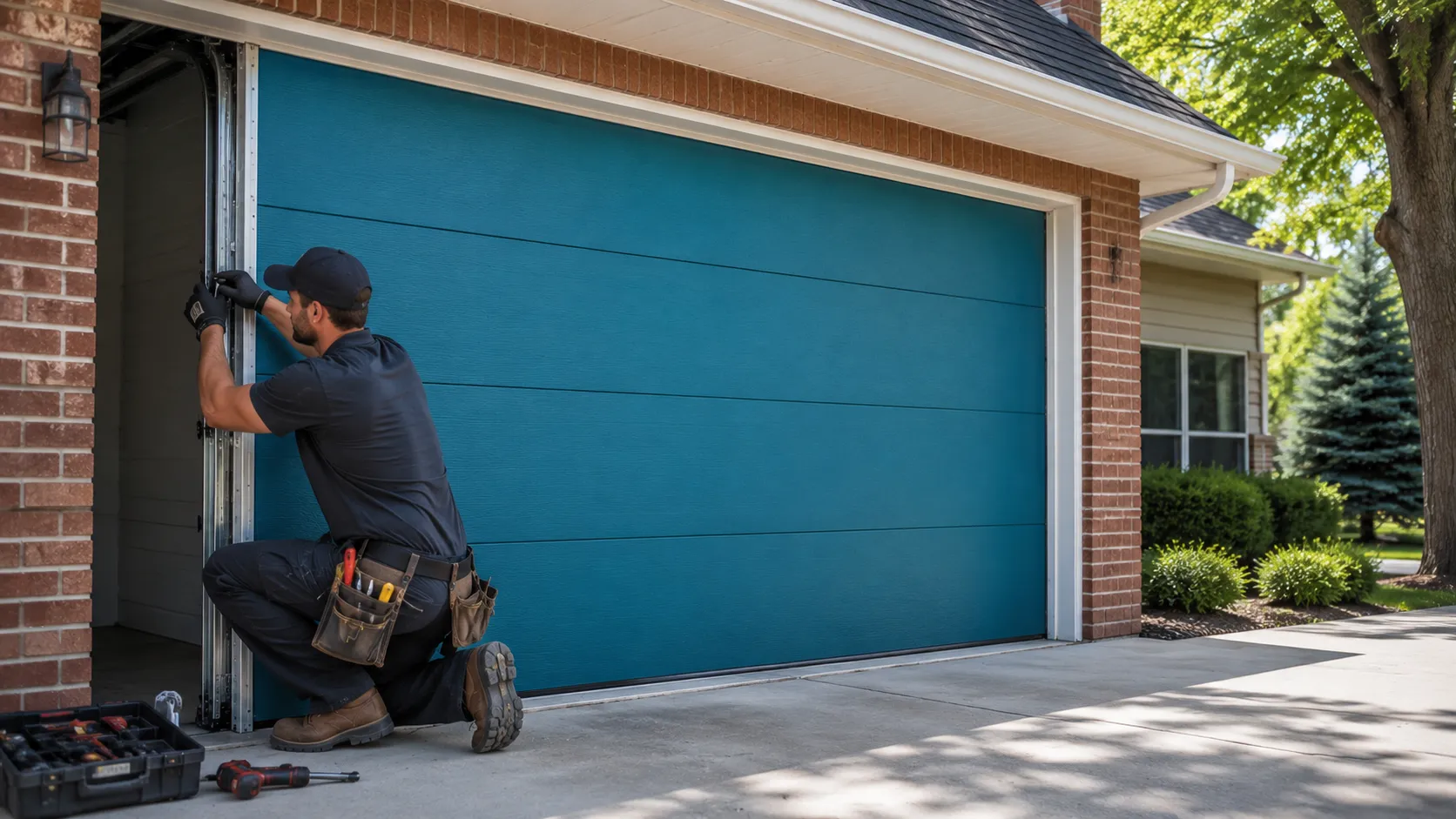
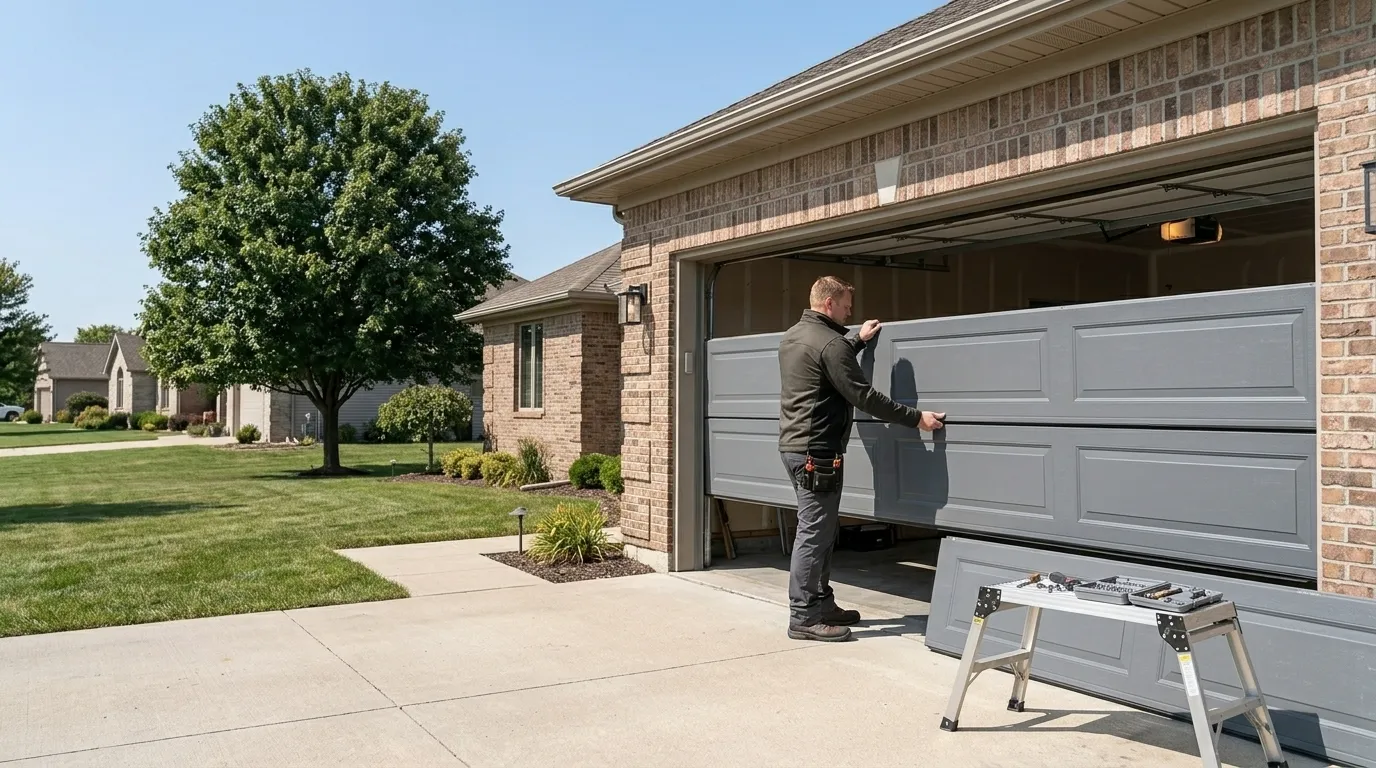
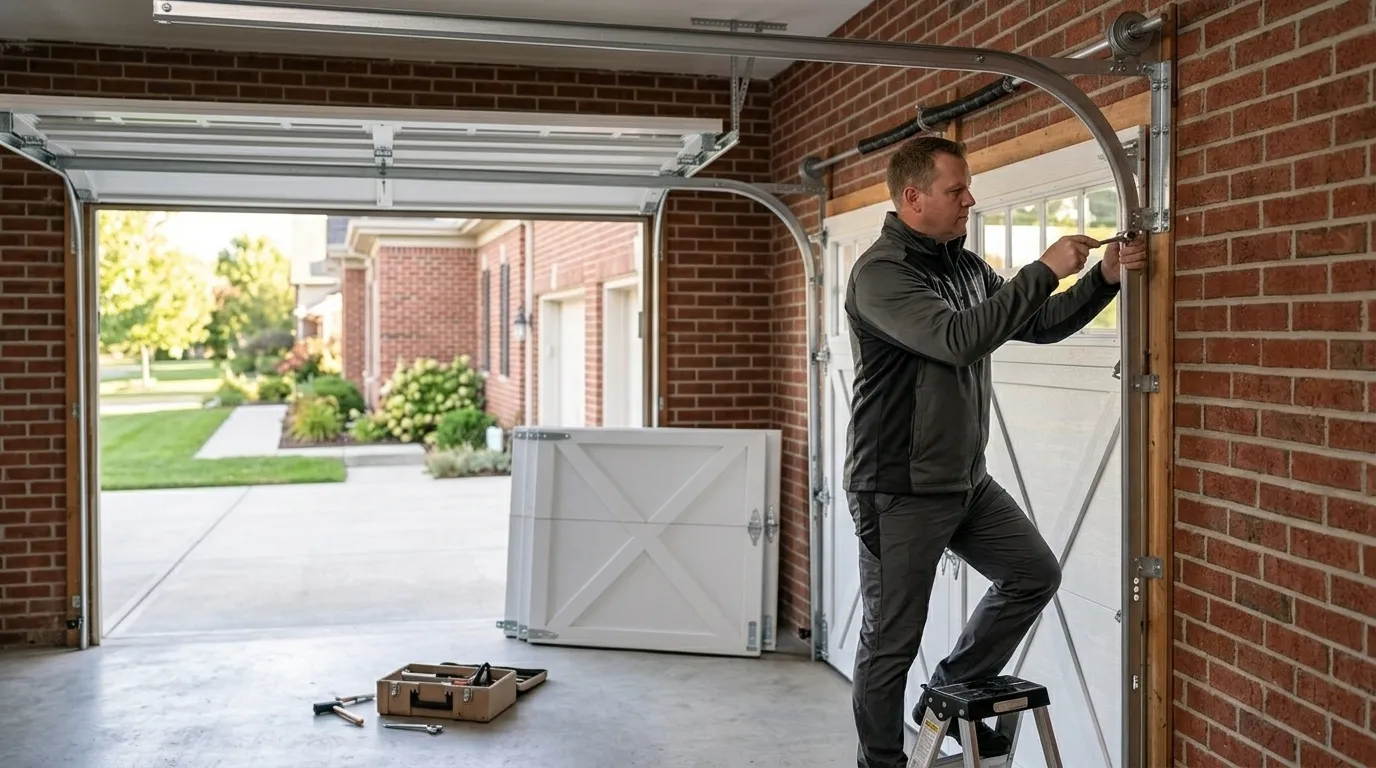
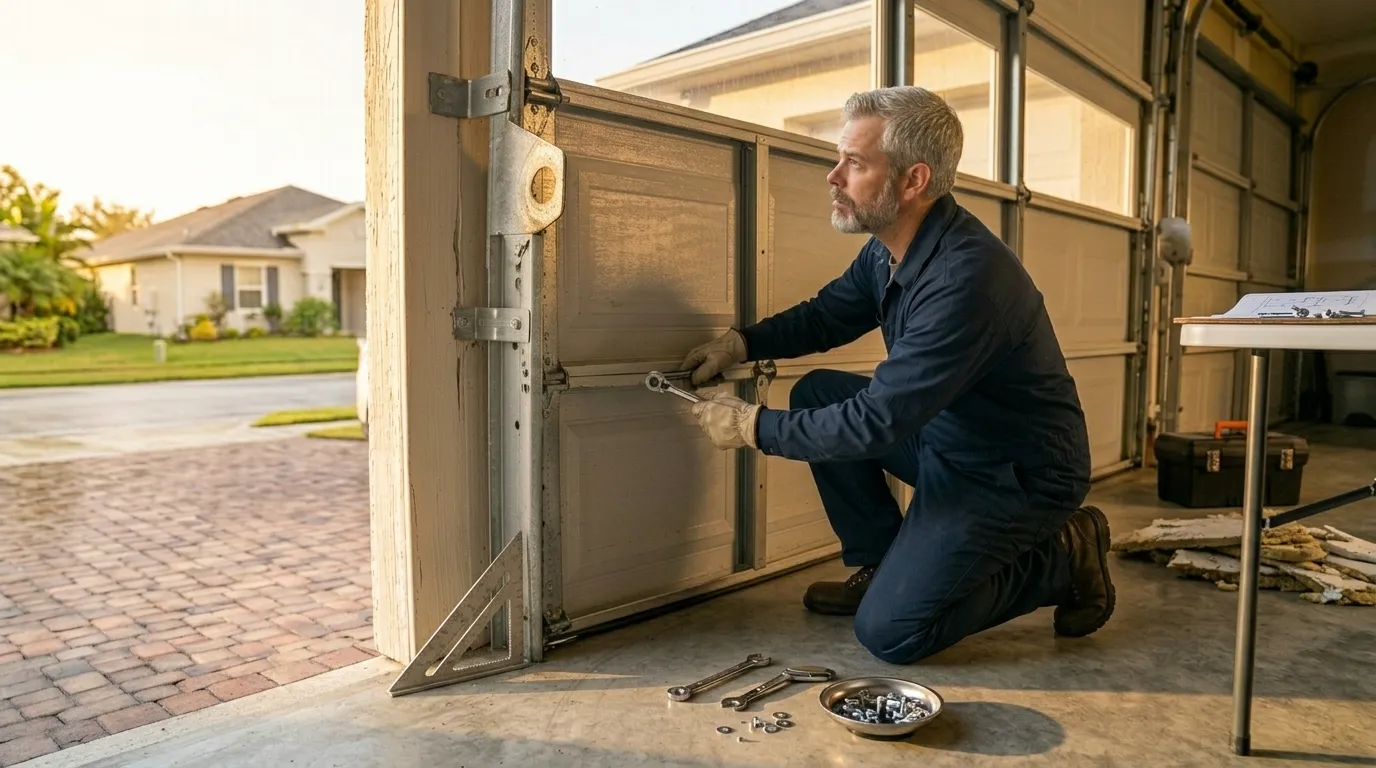
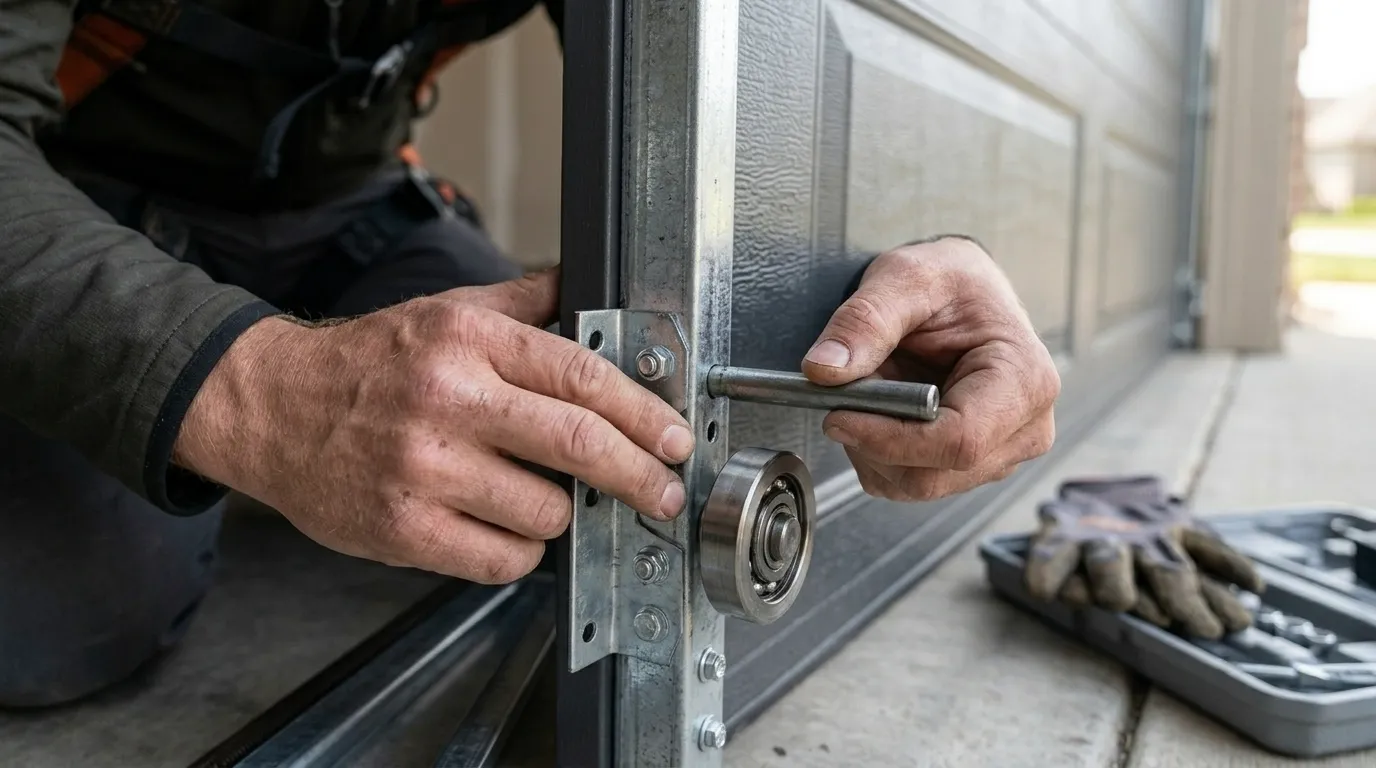
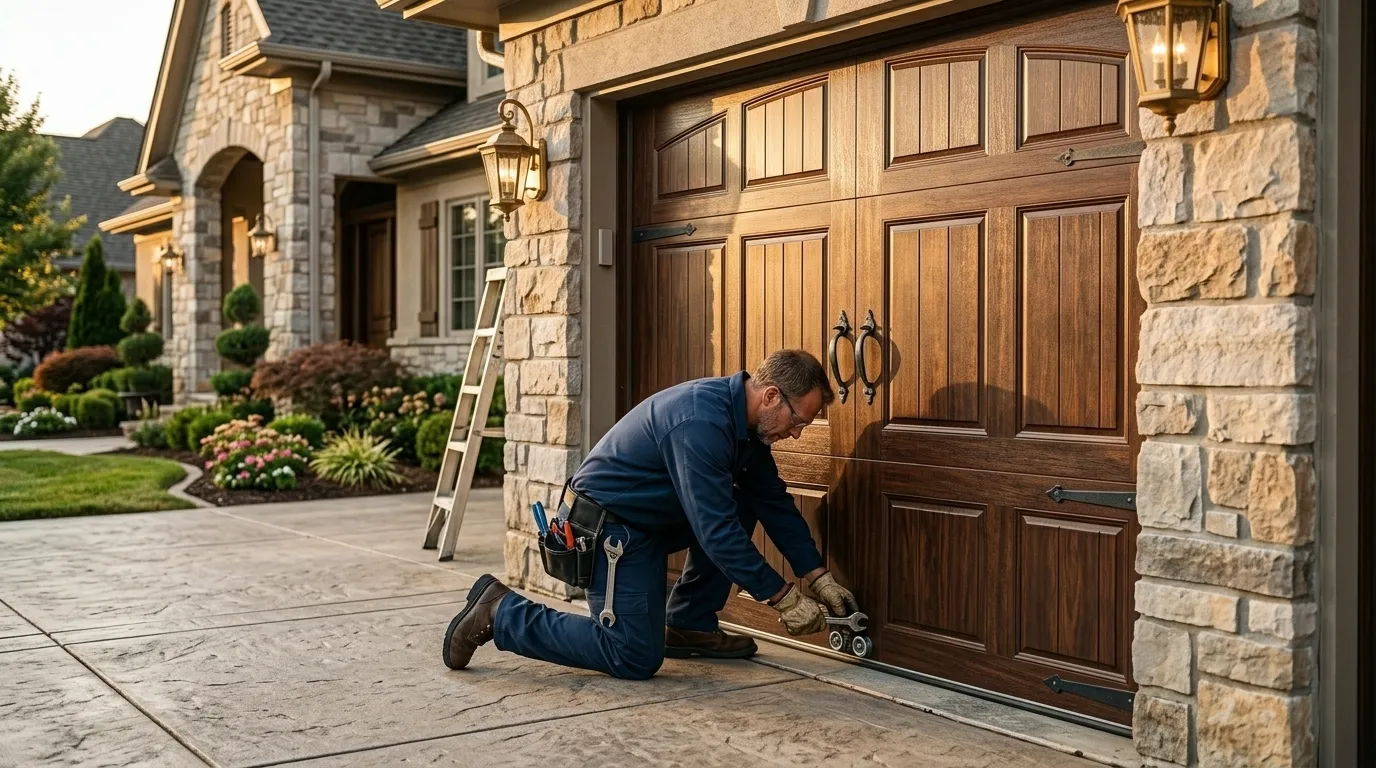
Most calls we get from this part of the coverage area aren't about ancient one-piece doors - they're about newer opener electronics acting up, a keypad or remote that's stopped talking to the unit, or a torsion spring that's given out on a heavier insulated steel door. Insulated doors are more common on housing stock from this era, and they're heavier on the springs than the thin panel doors from decades earlier, which means spring wear shows up differently here. Panel dents and track misalignment come up too, usually from an attached garage getting clipped by a car bumper rather than age-related sag. We don't do cosmetic touch-up work on painted panels - if a dent's bad enough to matter, replacement of that section is usually the straighter answer than trying to match paint on a door that's not that old to begin with.