This Area's Housing
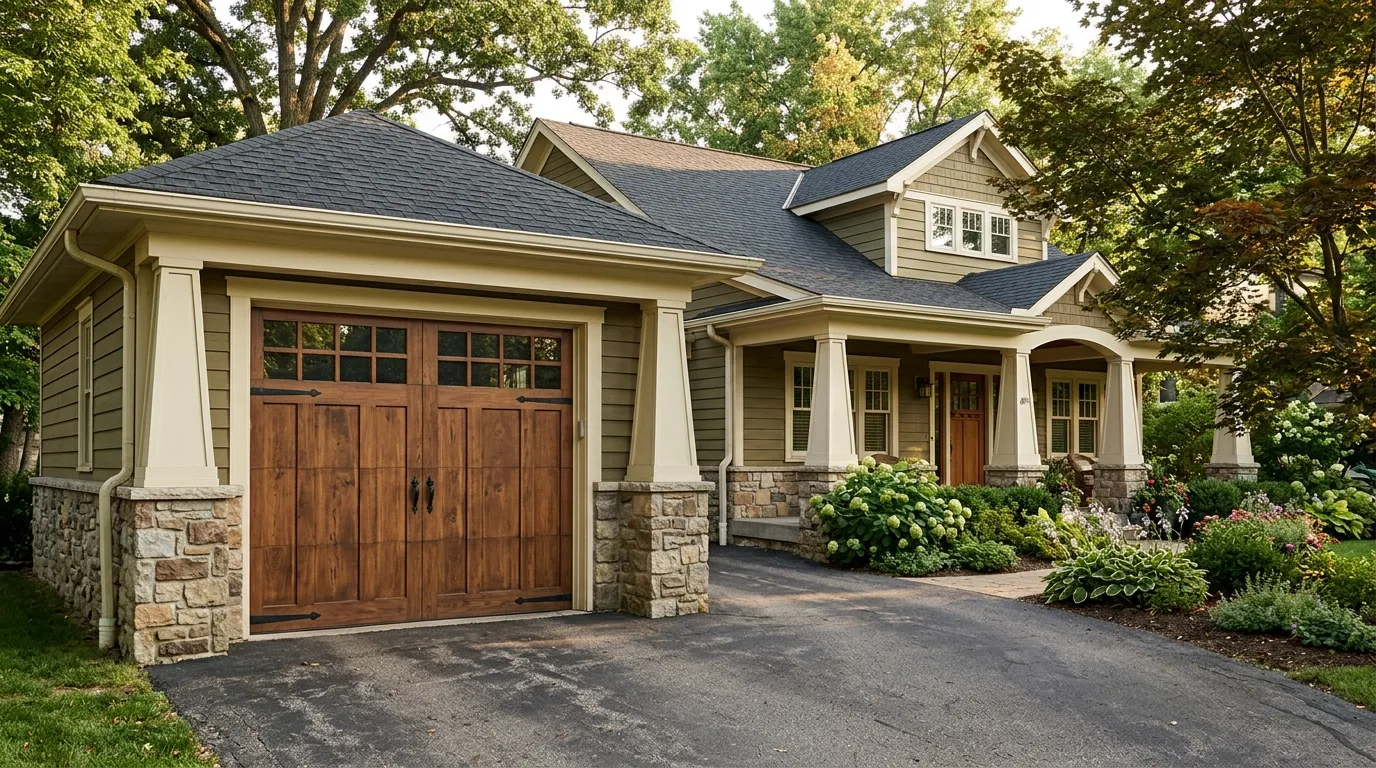
Markham's houses cluster tight around 1963, which sits almost exactly on the median build year for the whole service area we cover out of Chicago. That's not a coincidence of timing so much as it tells you what's actually bolted to these garages: early-1960s steel sectional doors, extension or torsion spring setups from the era before galvanized coil coating was standard, and openers that in a lot of cases are second or third replacements on original track. With roughly 3,753 households in the area, we're talking about a fairly consistent build era rather than a scattered mix of decades.
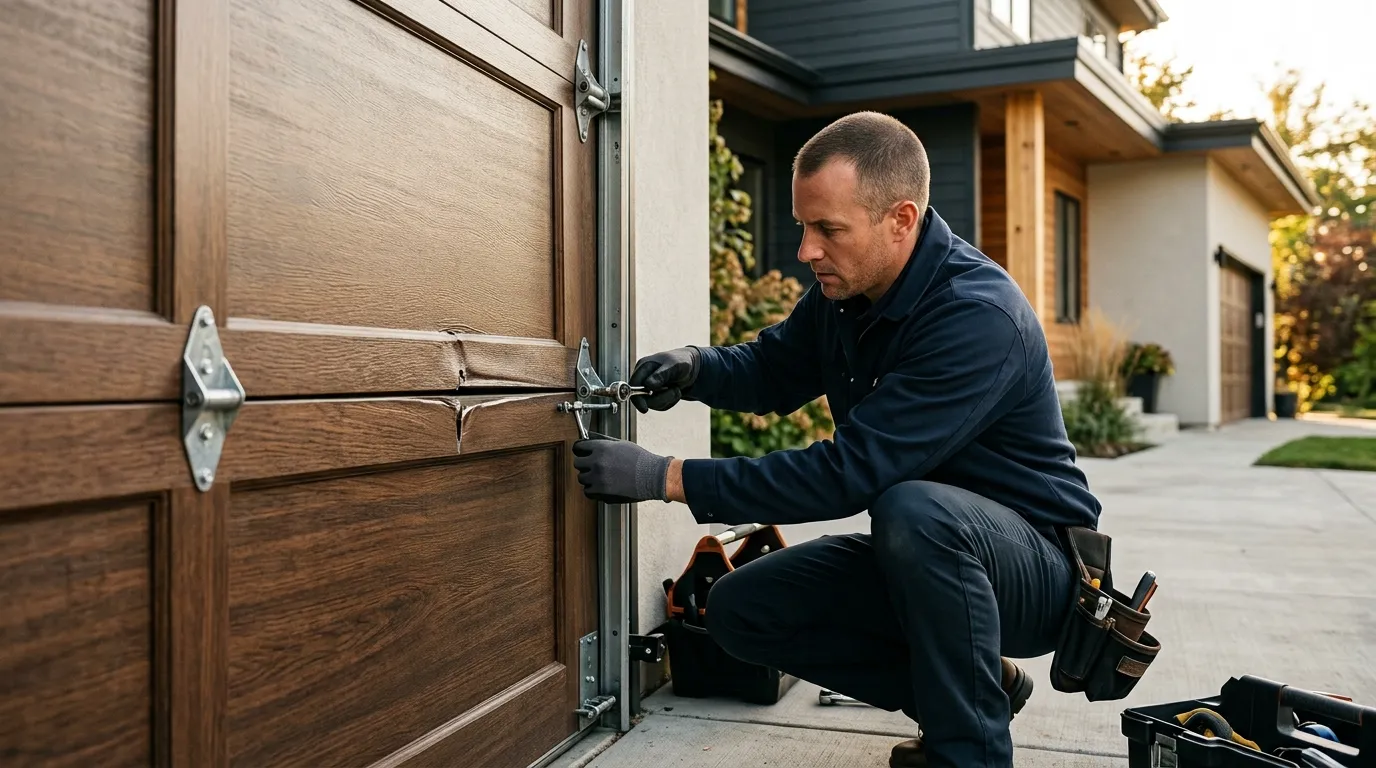
One number worth sitting with: median household income here runs $52,364, well under the $80,202 median across the broader area we serve. That gap matters for the kind of calls we get. More owners here are repairing a spring or a section rather than replacing the whole door outright, and that's a reasonable call on a door that still has good bones. We won't talk anyone into a full replacement when a spring swap or a track adjustment solves it.
What That Means for Doors
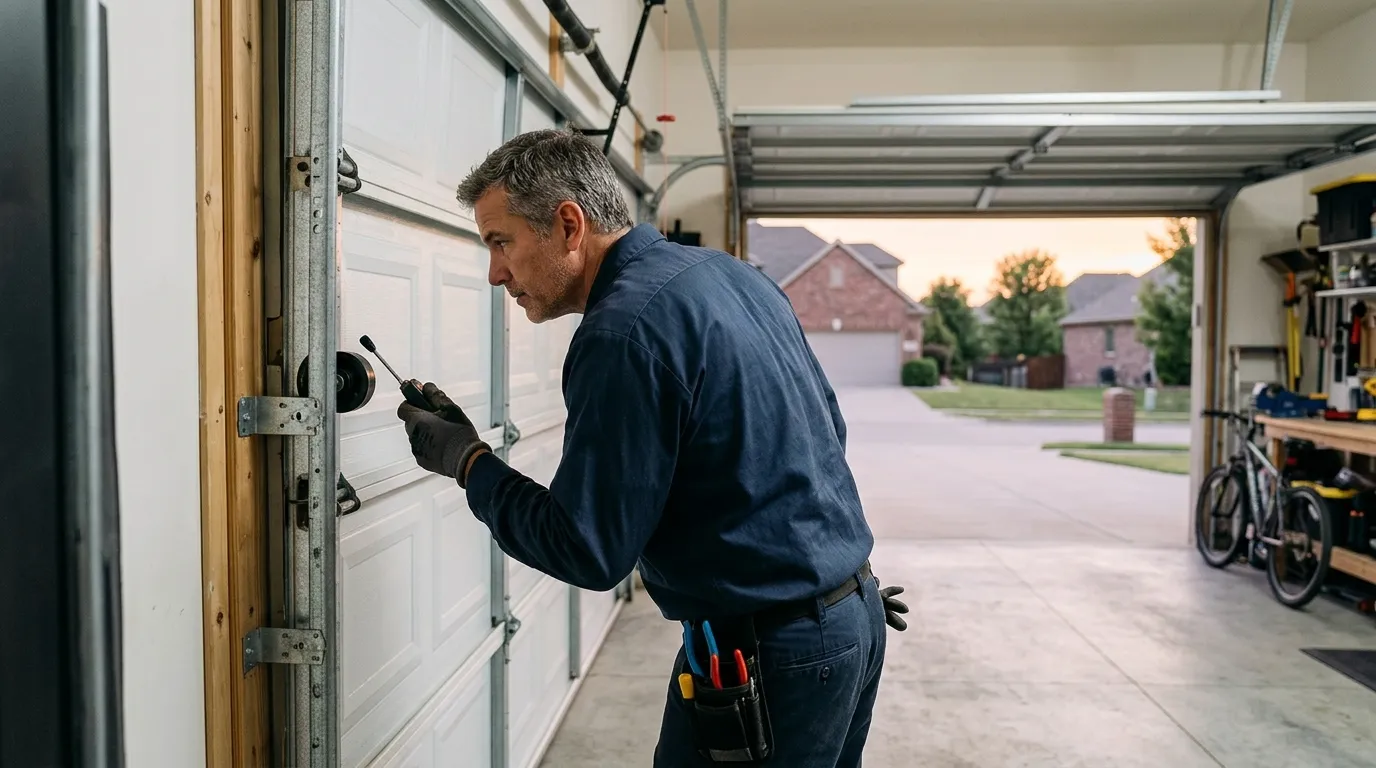
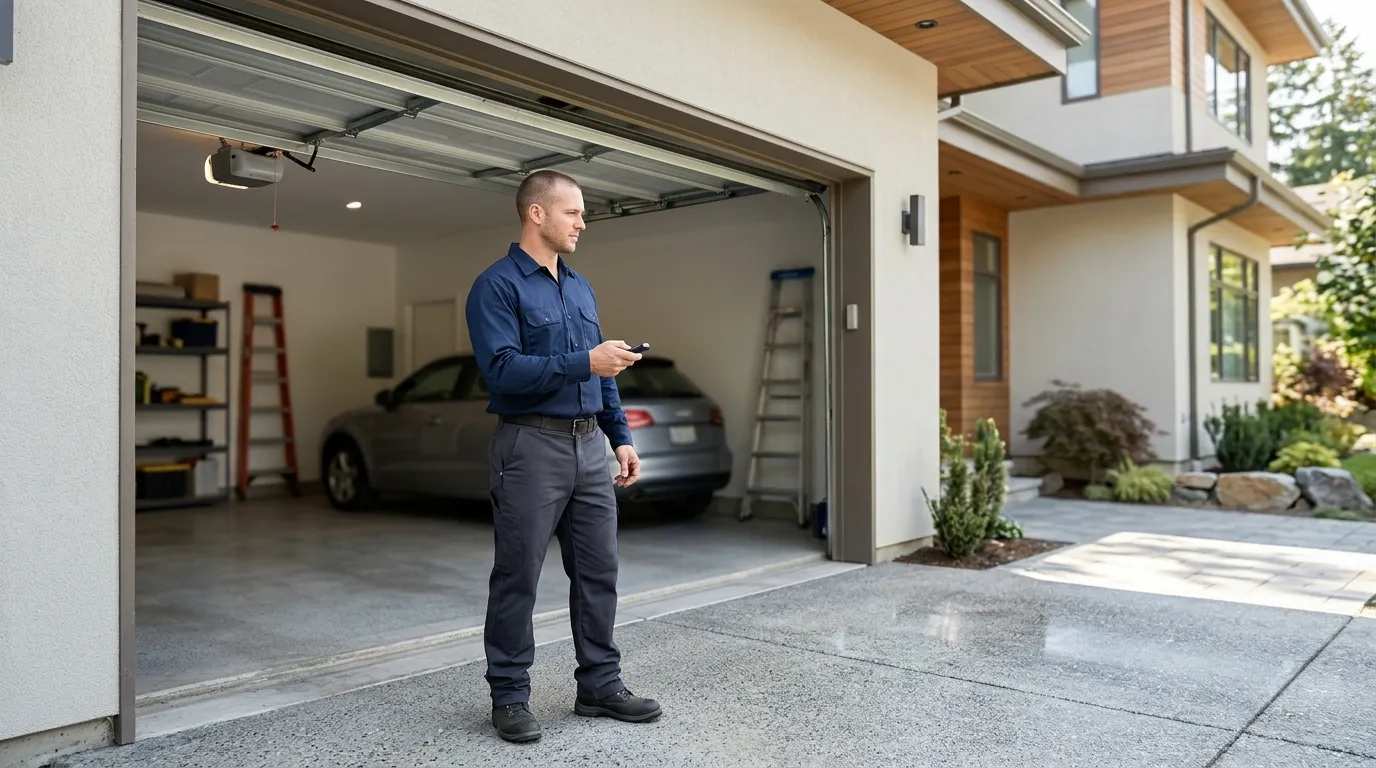
A door installed in the early 1960s wasn't built to any of the safety-sensor requirements that came later - photo-eye reversal sensors weren't required until 1993, so a lot of original openers on these homes predate that entirely, even after one or two opener swaps since. If your opener is old enough that it doesn't have two small sensor eyes near the floor on each track, that's worth flagging on its own, separate from whatever else is wrong.
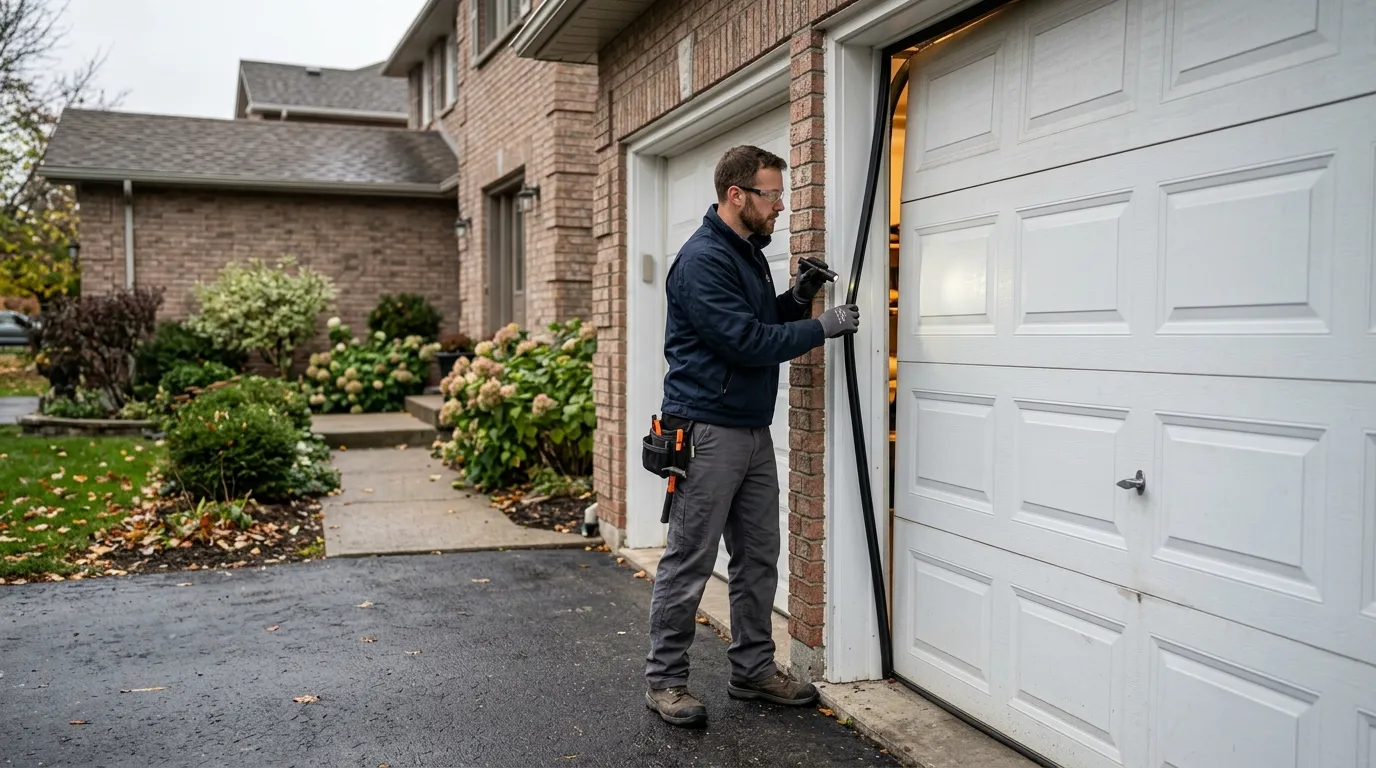
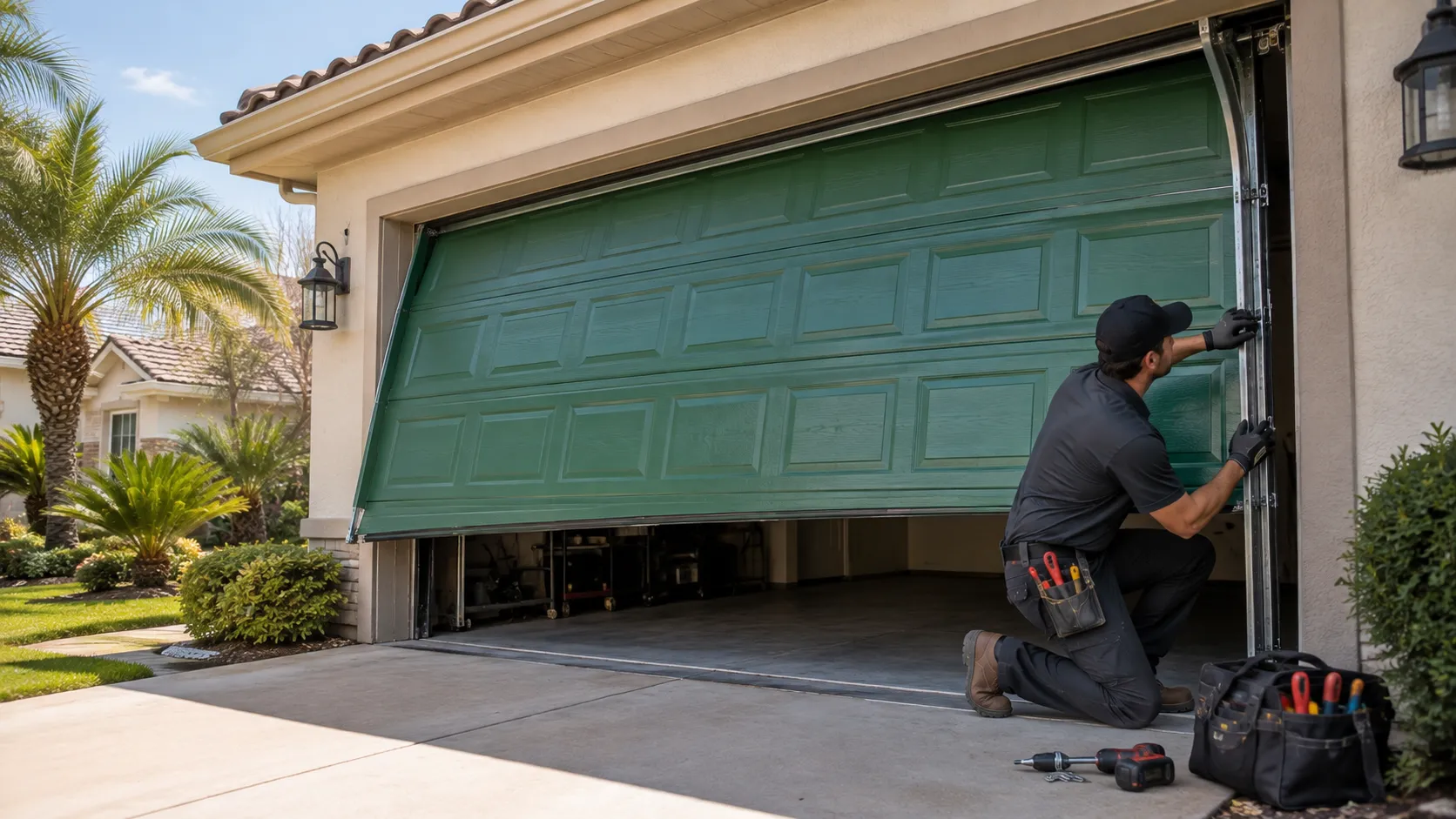
The climate band here is cold-moderate, which over sixty-plus years works on steel and hardware in a specific way: torsion spring wire fatigues from repeated cold-to-warm cycling, rollers on original track wear grooves that make the door bind in winter specifically, and non-insulated steel panels from that era transmit cold straight through, which shows up as condensation and rust at the bottom panel first. None of that is dramatic. It's just what sixty years of freeze-thaw does to a door nobody's touched since it went in.
What People Here Ring About
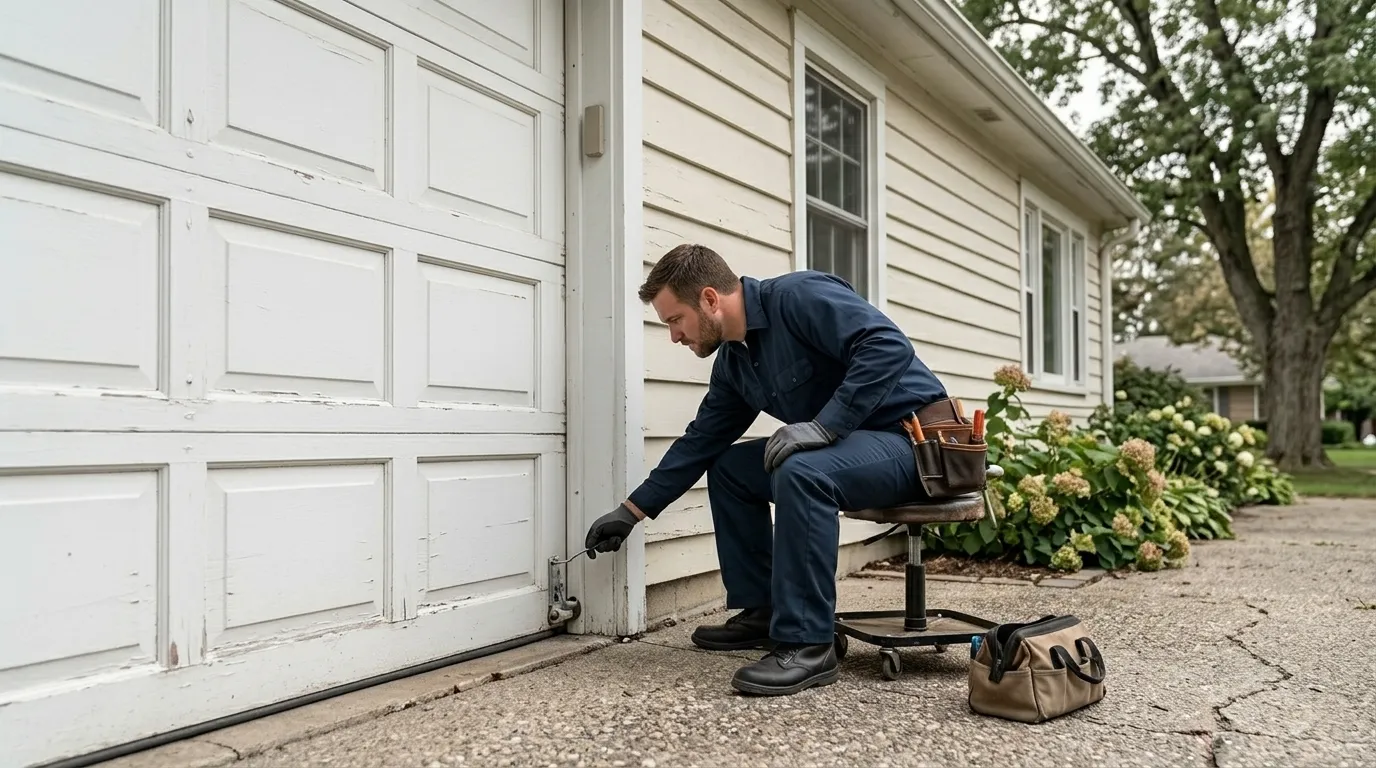
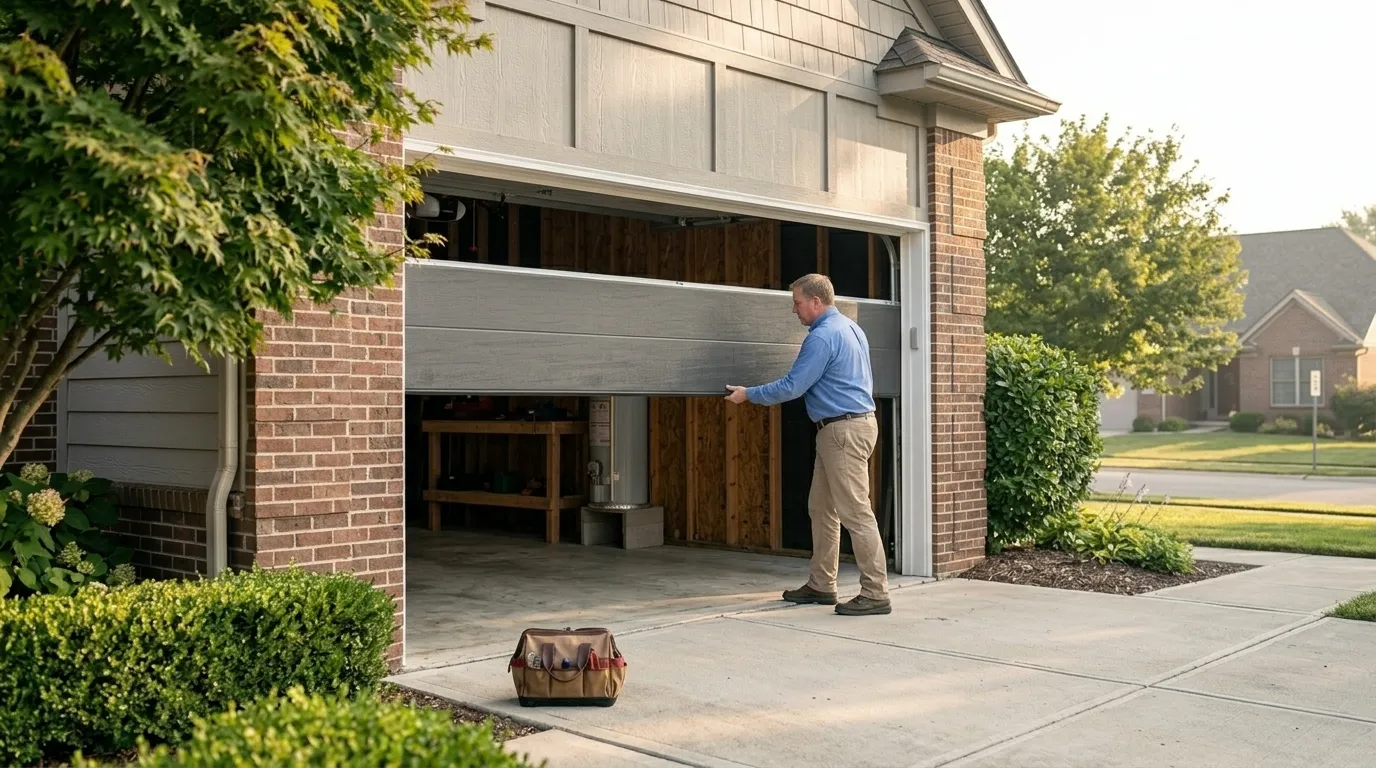
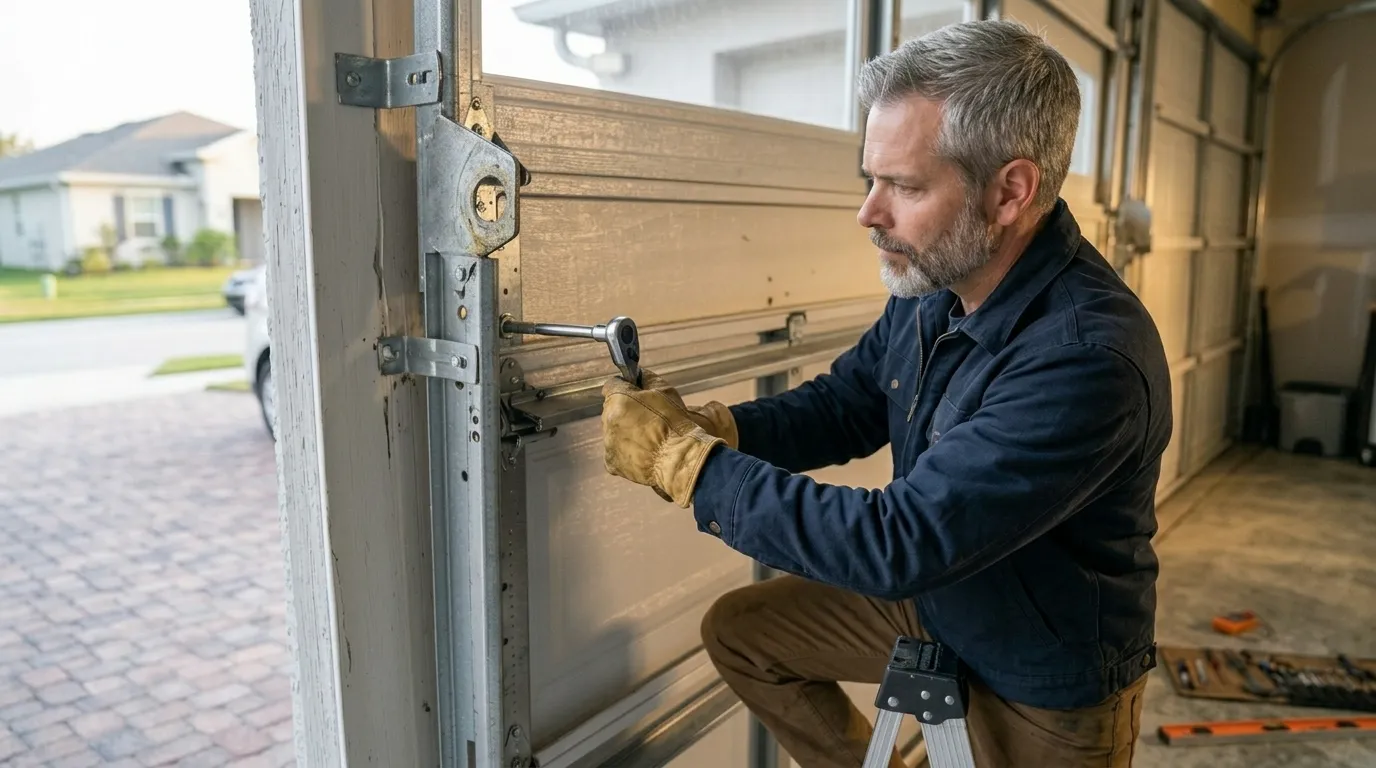
Broken torsion springs top the list, and on a house this age it's usually the original spring or a direct replacement of it, sized for a door and hardware combination that isn't always what's stocked on newer trucks - we bring options rather than one size. Worn rollers are close behind, especially on doors that still have their factory track.
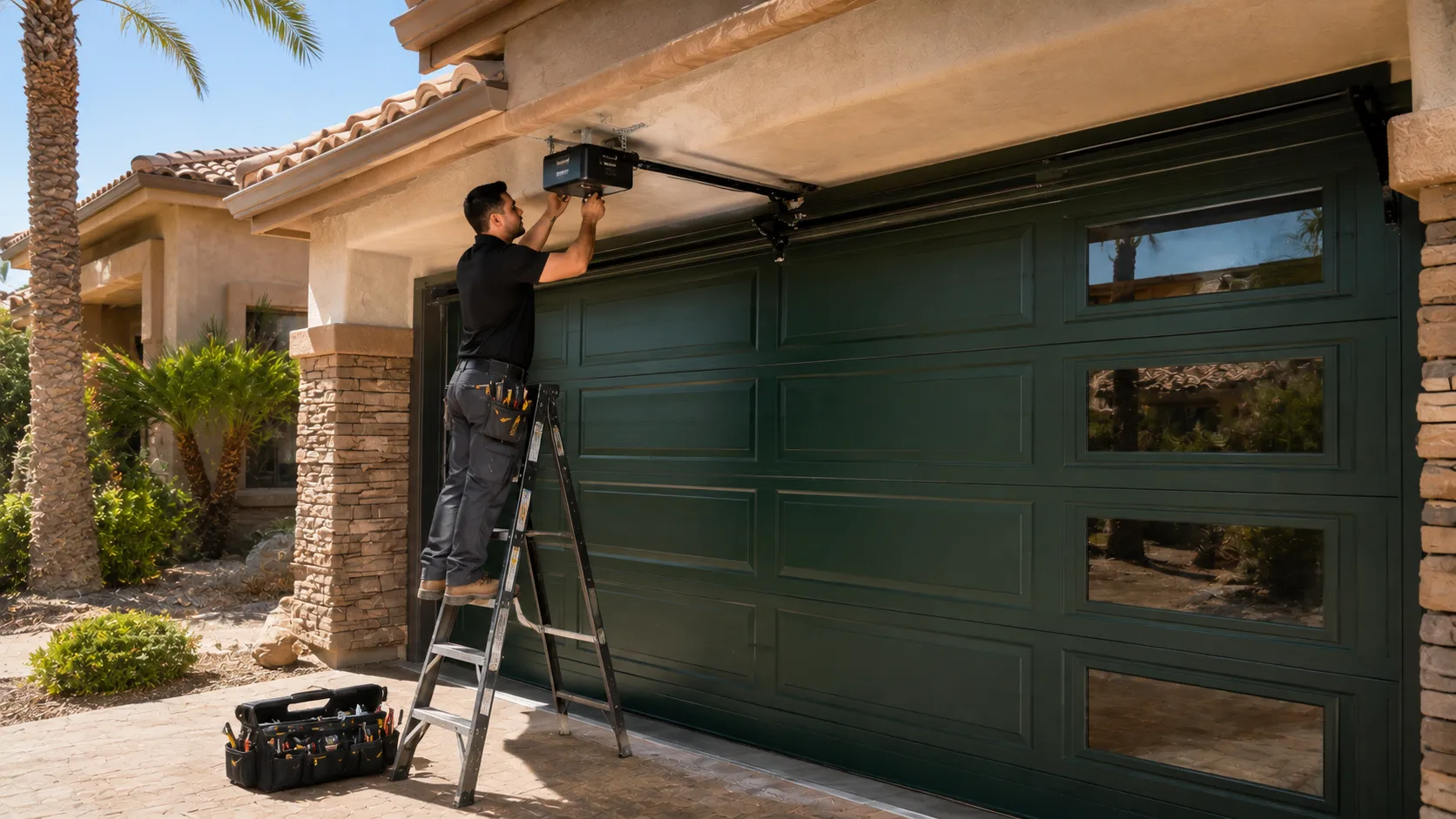
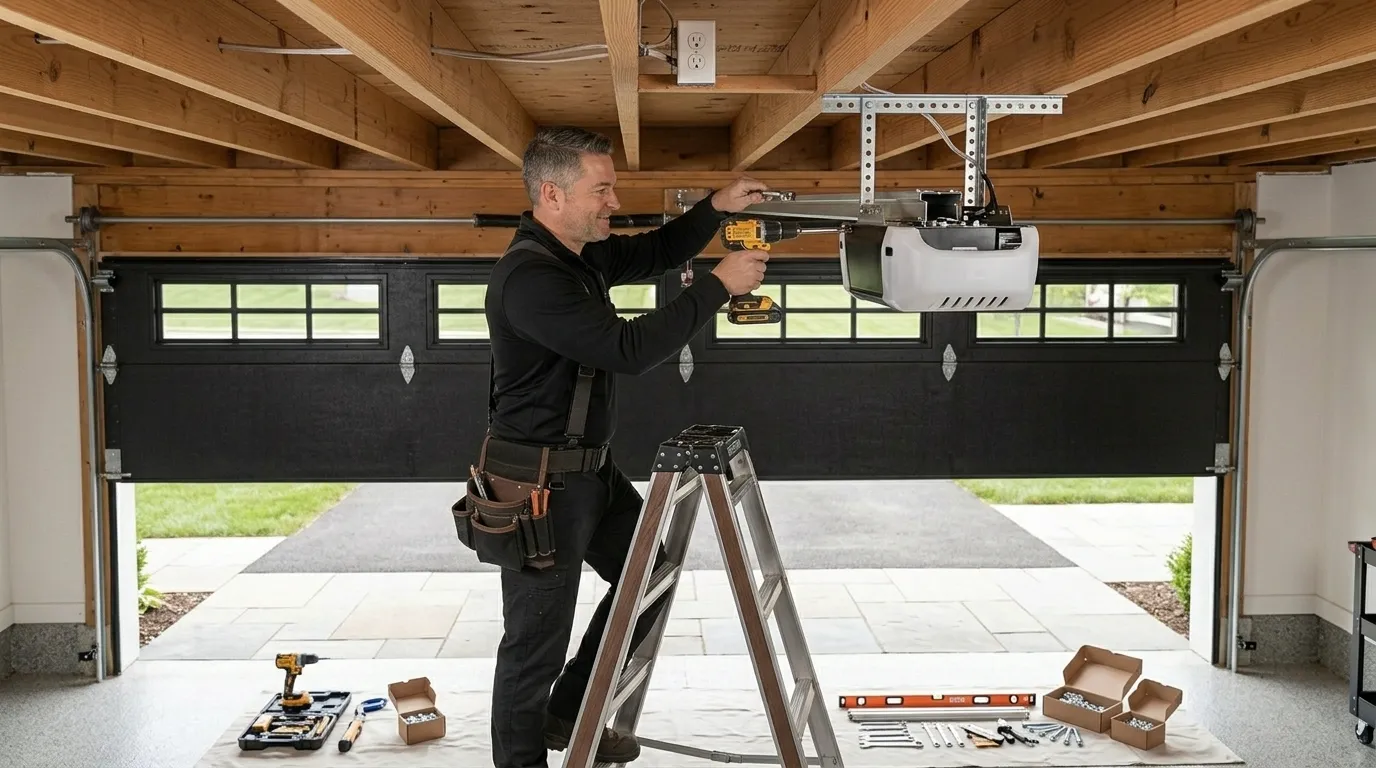
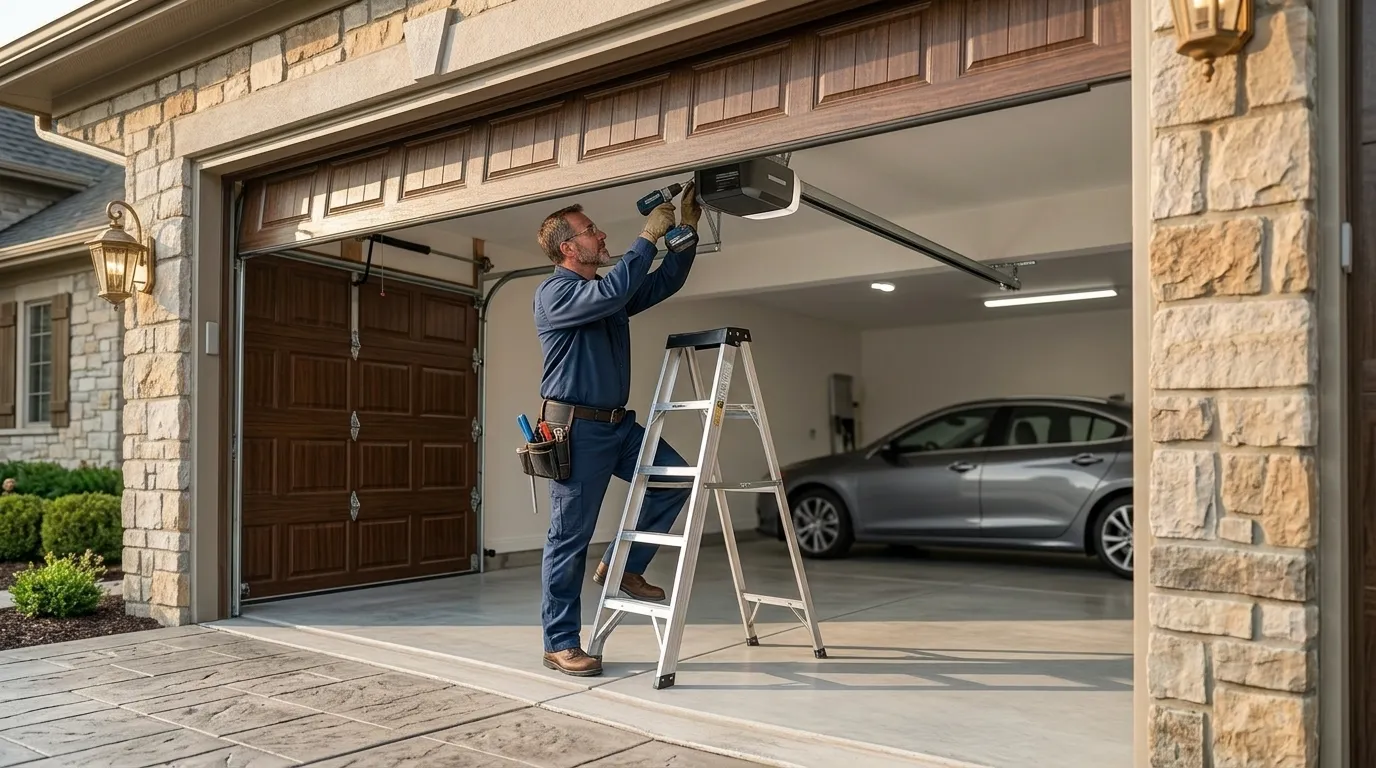
Opener failures are common enough that we treat them as expected rather than surprising, given how many of these units are old enough to lack modern safety sensors. When that's the case, we talk through whether a repair or a full opener swap makes more sense, because retrofitting sensors onto a decades-old chassis isn't always worth it compared to a new unit.
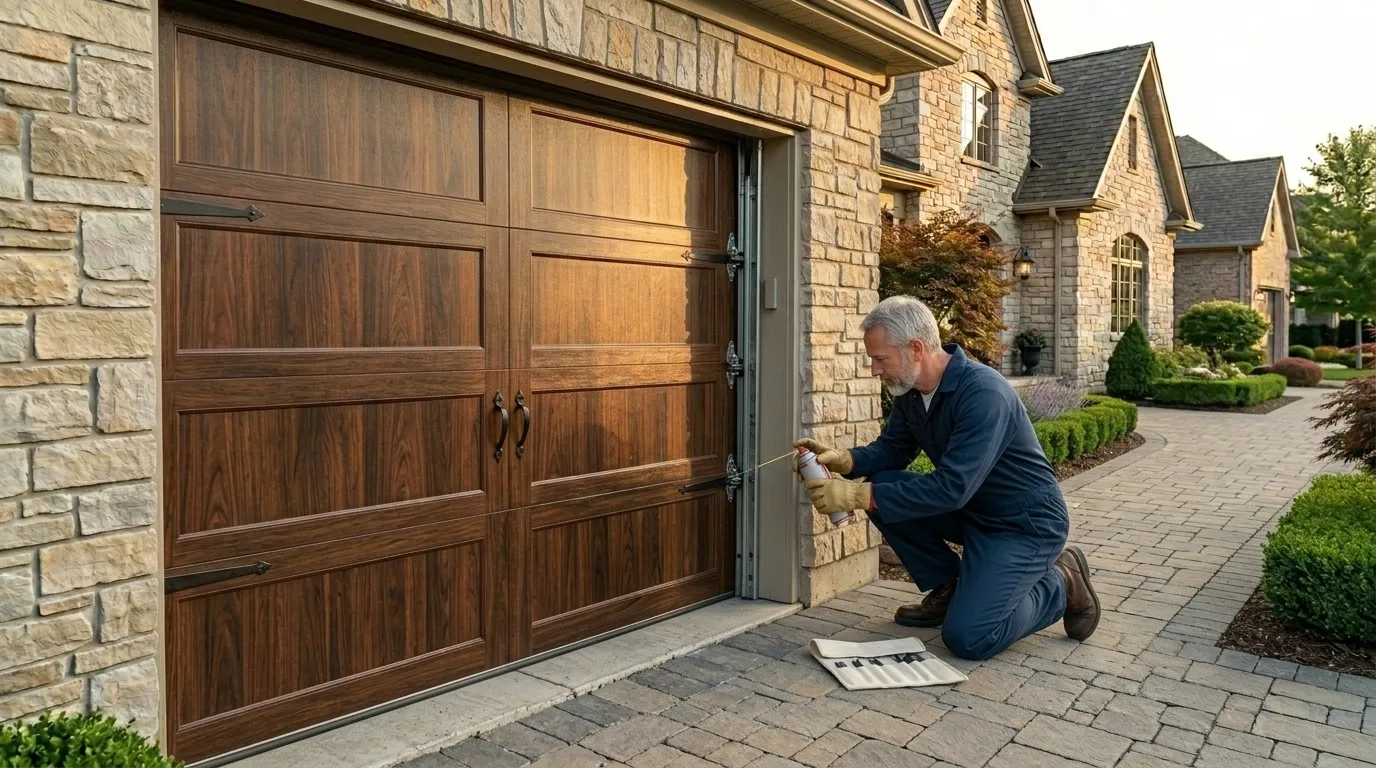
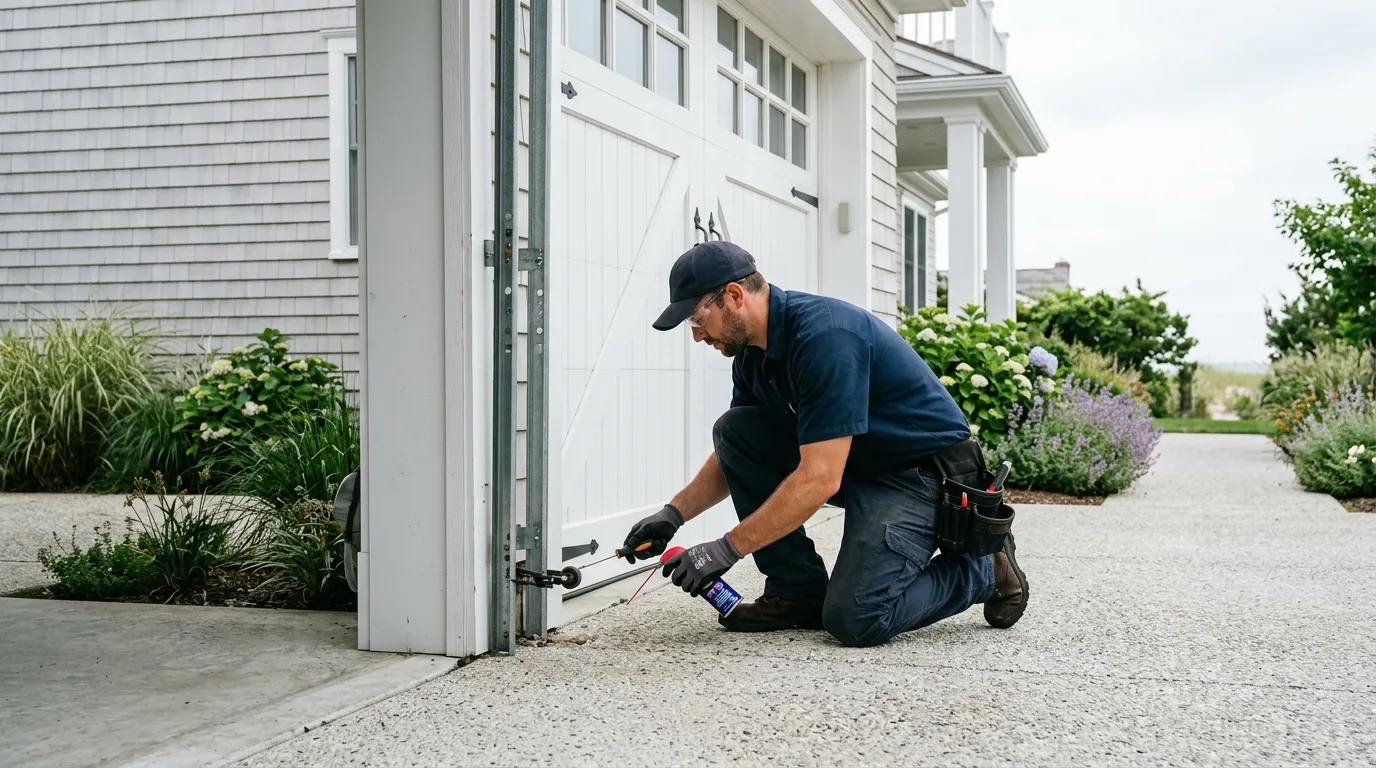
We also hear from owners dealing with a door that's gone stiff or noisy every winter without being broken - often just cold-thickened lubricant on old hardware, which is a small fix, not a big one.