This Area's Housing
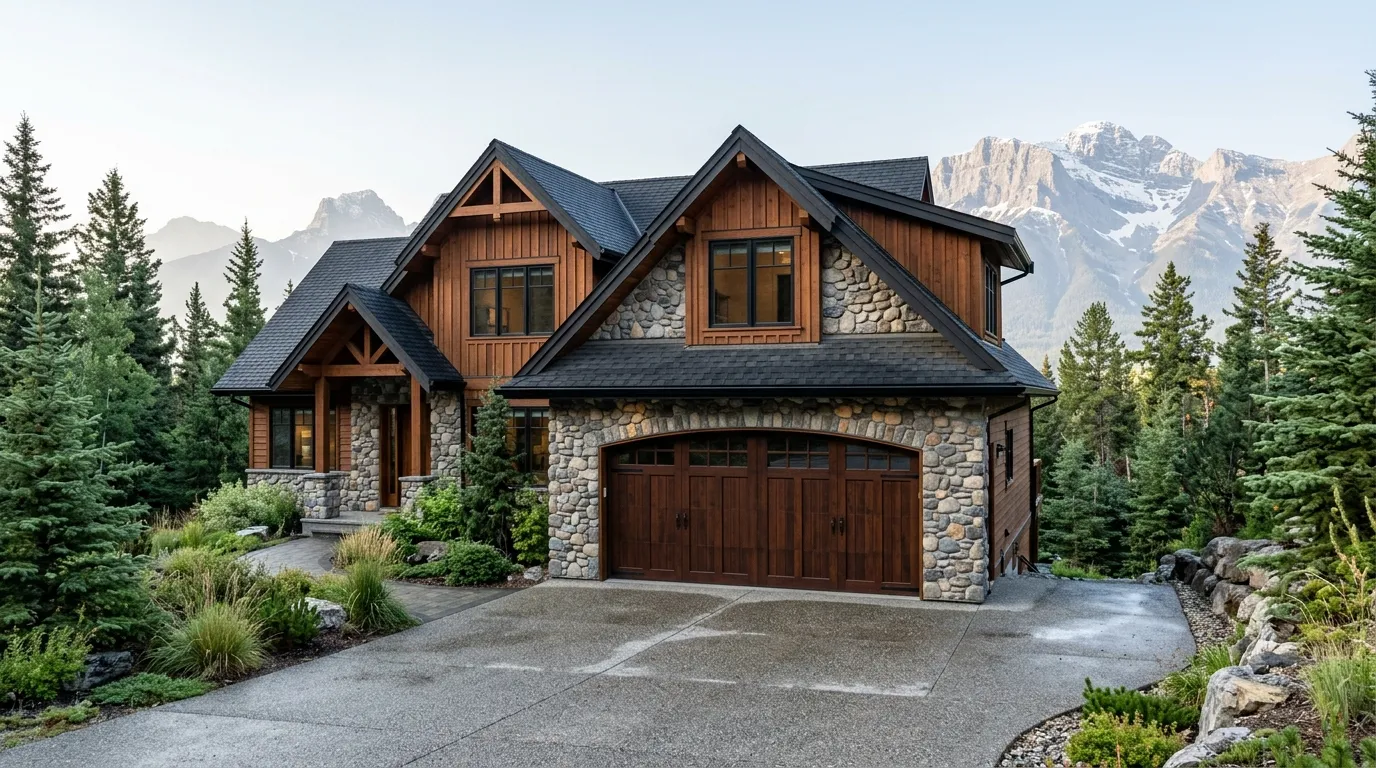
Maywood's housing stock centers on a median build year of 1938, which puts it decades ahead of the broader service area, where the mix of 86 named communities runs newer, mostly 1960s and 70s construction with a median closer to 1964. That gap matters. A door installed in a house built before the war has usually been replaced once or twice already, but the track brackets, header framing, and sometimes the opener rail are still sized to a garage built for a car half the width of what people park now.
Maywood counts 7,333 households, a small slice of the 461,017 households and 223,261 owner-occupied houses across the wider area we cover from Chicago. Median household income here runs $66,498, below the area-wide figure of $80,202. That income gap shows up in the calls we get: more repair requests to keep an old door running, fewer full replacements booked on the first visit. Neither approach is wrong - a well-maintained older door can outlast a cheap new one, but only if the hardware underneath it gets checked instead of ignored.
What That Means for Doors
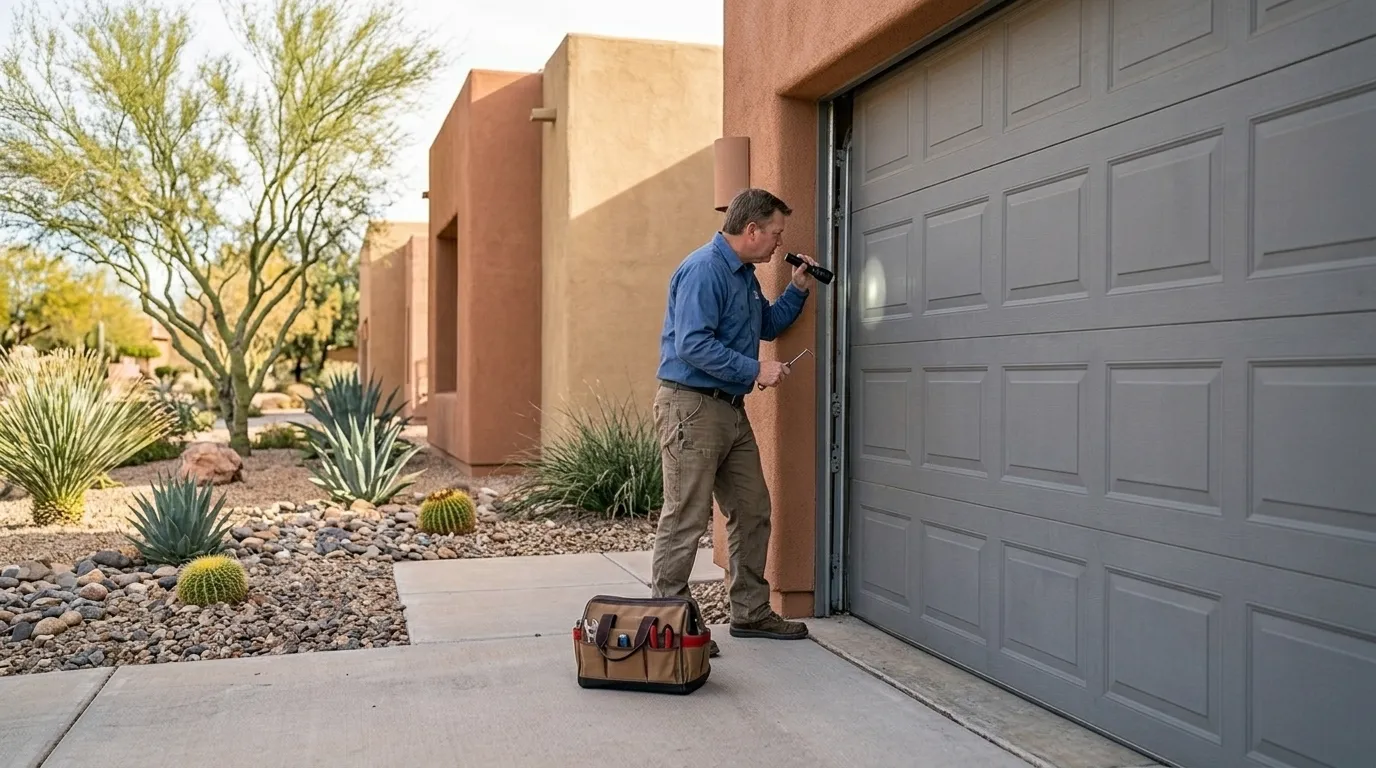
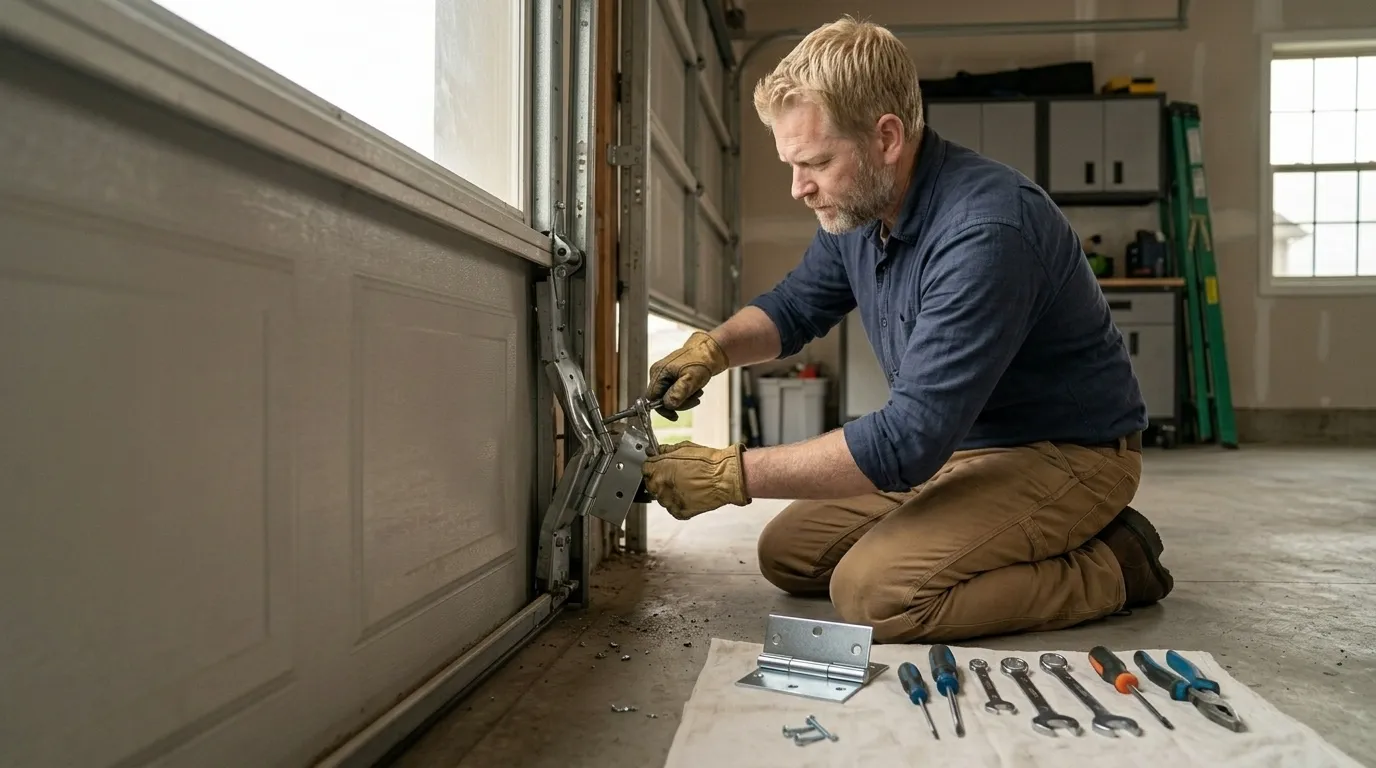
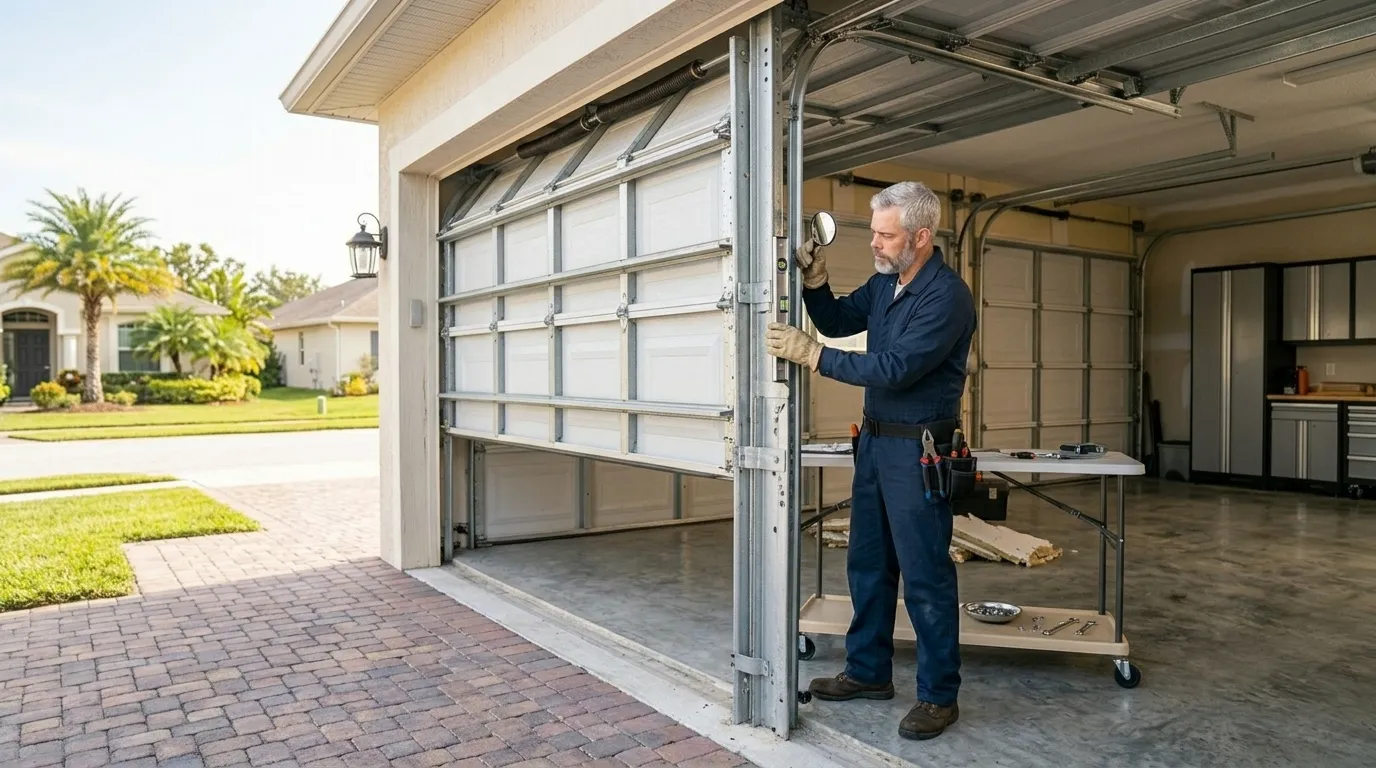
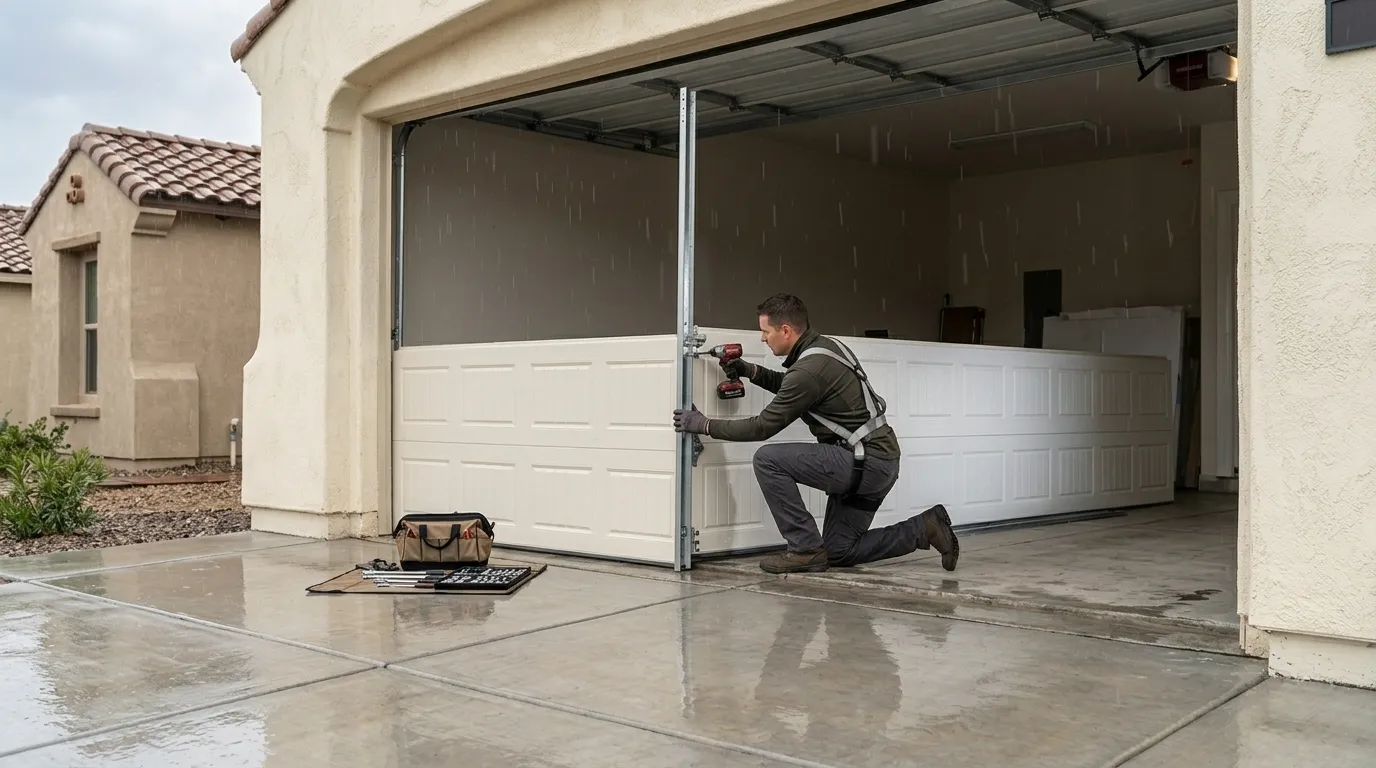
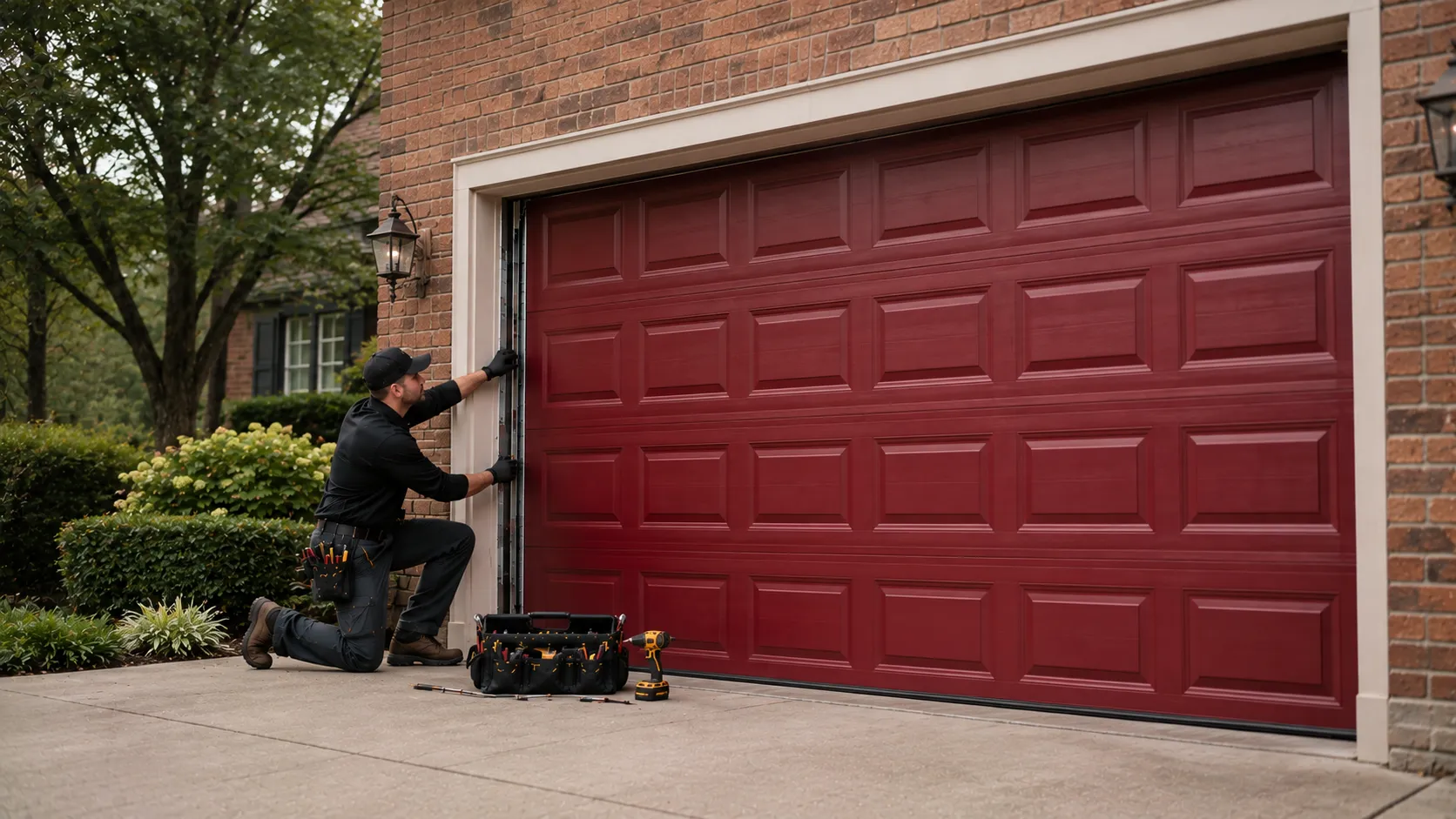
A house built in 1938 was not built with a garage door opener in mind - most of those got added decades later, bolted onto framing that was never engineered for the extra load an opener puts on a track. On original one-piece or early sectional doors, that often means loose header brackets, a track pulling away from the jamb, or a spring sized for a door that's been swapped out since but never re-measured.
The area sits in a cold climate band, and Maywood's older wood-framed garages don't always seal the way a door built to current standards would. Weatherstripping wears out faster on a frame that's shifted with 80-plus years of freeze-thaw cycles, and a door that doesn't seat square lets more cold air through no matter how new the panel is.
We won't tell you every old door needs replacing - plenty of these can run another twenty years with the right spring and hardware swap. But when the frame itself has racked out of square, patching the door is a short-term fix, and we'll say so instead of billing for a repair that won't hold.
What People Here Ring About
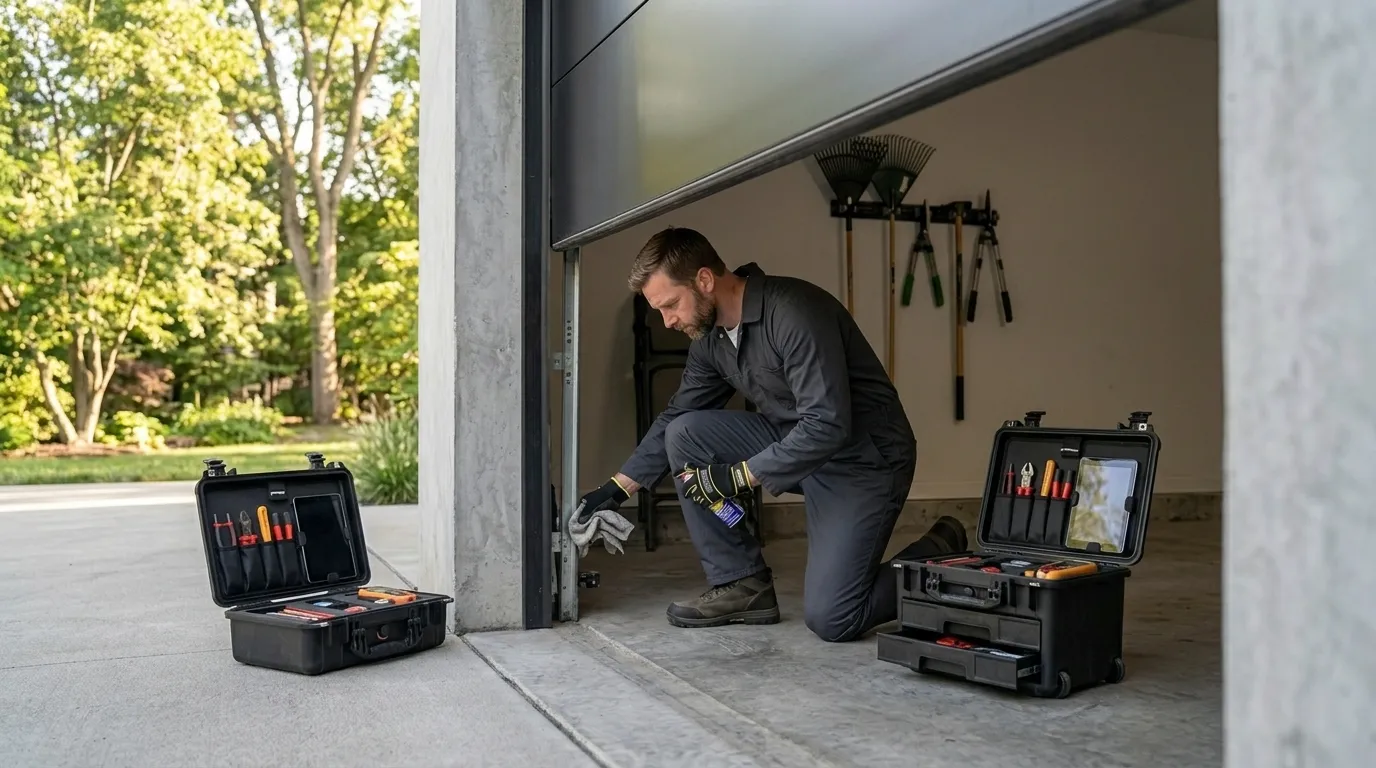
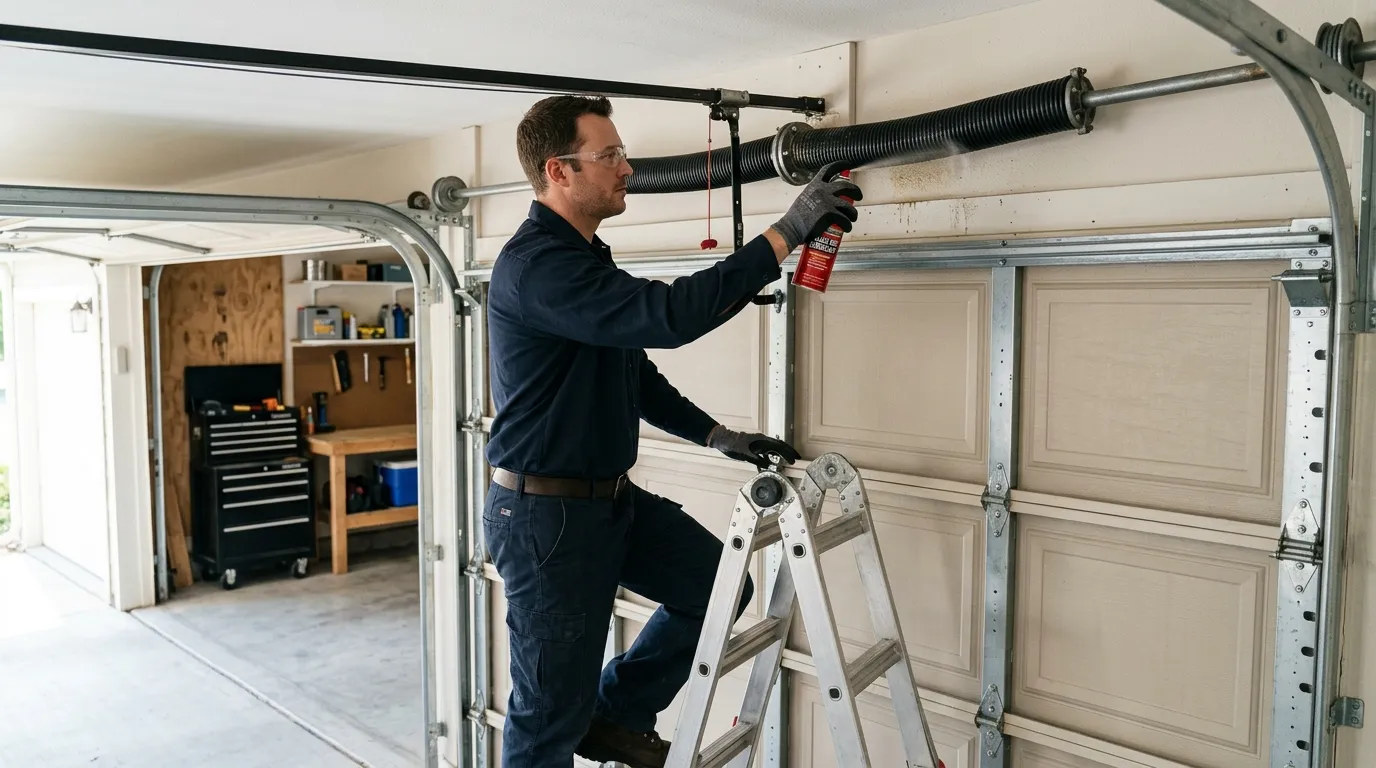
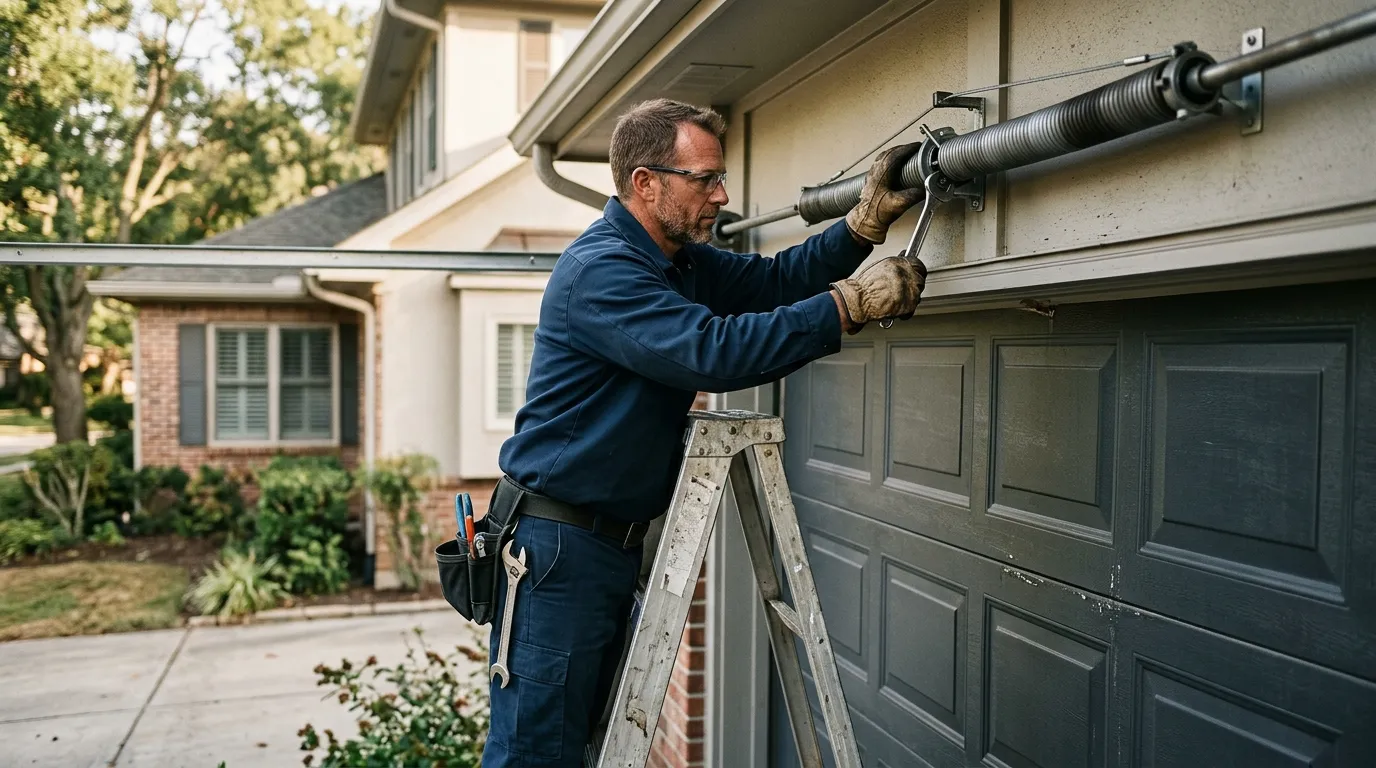
Most calls from Maywood are about a broken torsion or extension spring on a door that's older than the opener bolted to it - the spring gave out first because it was never matched to the door's actual weight after a past panel swap. Second most common: a cable that's jumped its drum on a track that's slightly out of alignment, which is a hardware-age problem more than a wear problem.
We also get calls about rollers that have worn oval instead of round, usually steel rollers original to a decades-old install rather than nylon replacements. Panel rust shows up more here too, especially on doors that sat unpainted for years in a garage without much airflow. Full replacements do happen, but they're usually a homeowner's decision after a repair estimate, not our first suggestion - a working door with new hardware is often the better dollar-for-dollar move on a house this age.