This Area's Housing
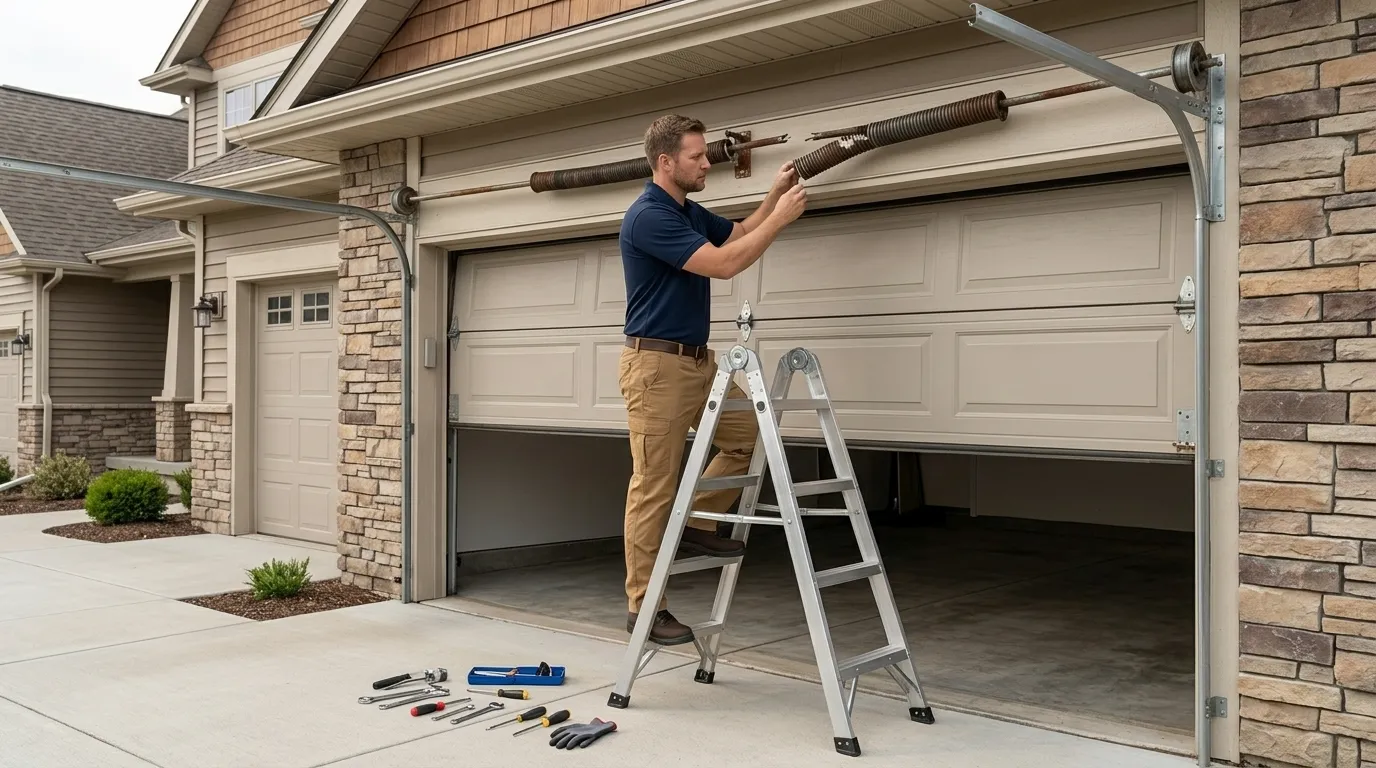
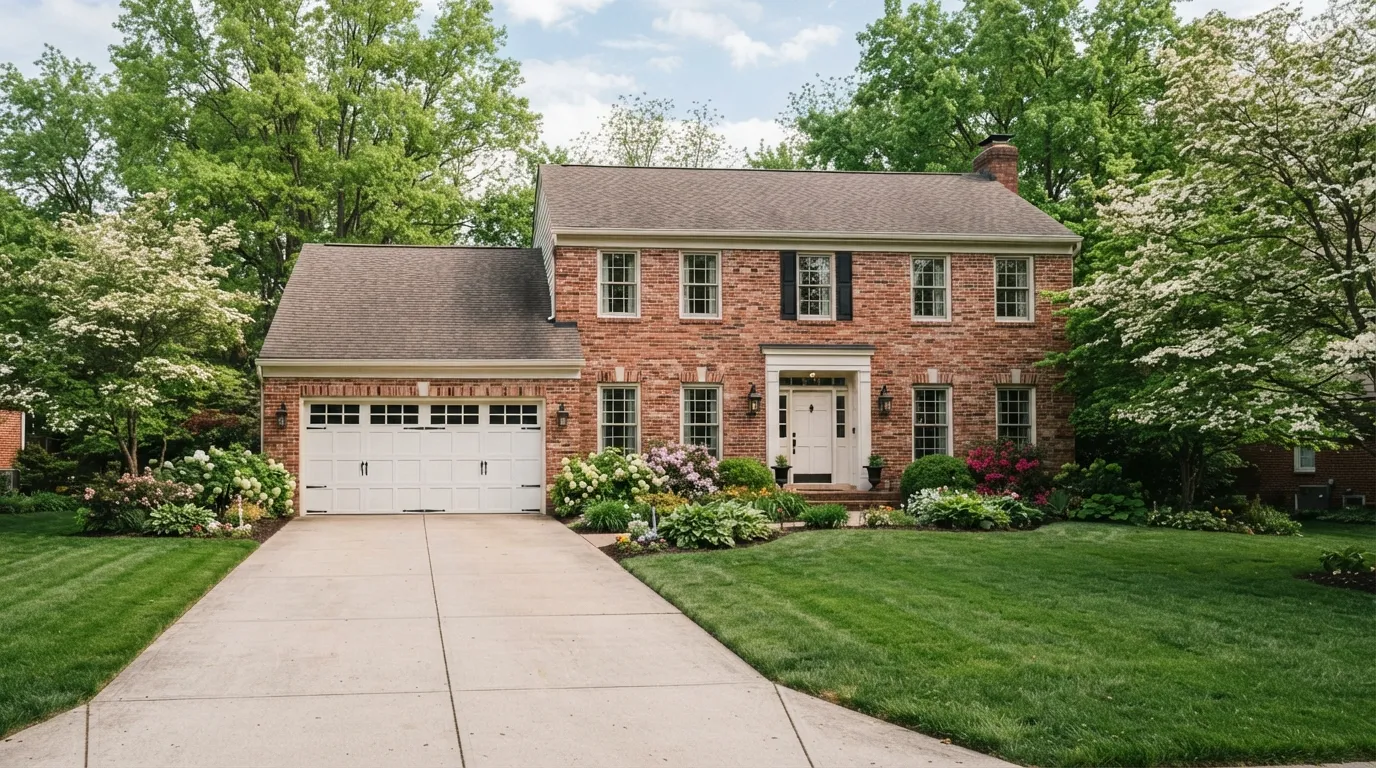
McCook is a small pocket, just 105 households by the count we work from, and the housing here skews older than the broader service area median of 1964. Most of what we see on calls out this way was built around 1961, putting it near the front edge of the region's 1938-1994 build window. That decade of construction means a lot of the original garage doors, if they haven't been swapped out yet, are single-layer steel or wood panel doors hung on hardware that predates anything you'd find at a big box store today. Income here runs lower than the region's $80,202 median, closer to $74,464, which tends to mean owners hold onto a door longer before replacing it outright rather than upgrading early. That's not a knock - it's just what drives more repair calls than install calls in a pocket like this one. When a torsion spring finally goes on a door that old, we're often working with drum and cable sizing that hasn't been standard for decades, and that changes what's in the truck versus what we'd bring to a newer subdivision.
What That Means for Doors
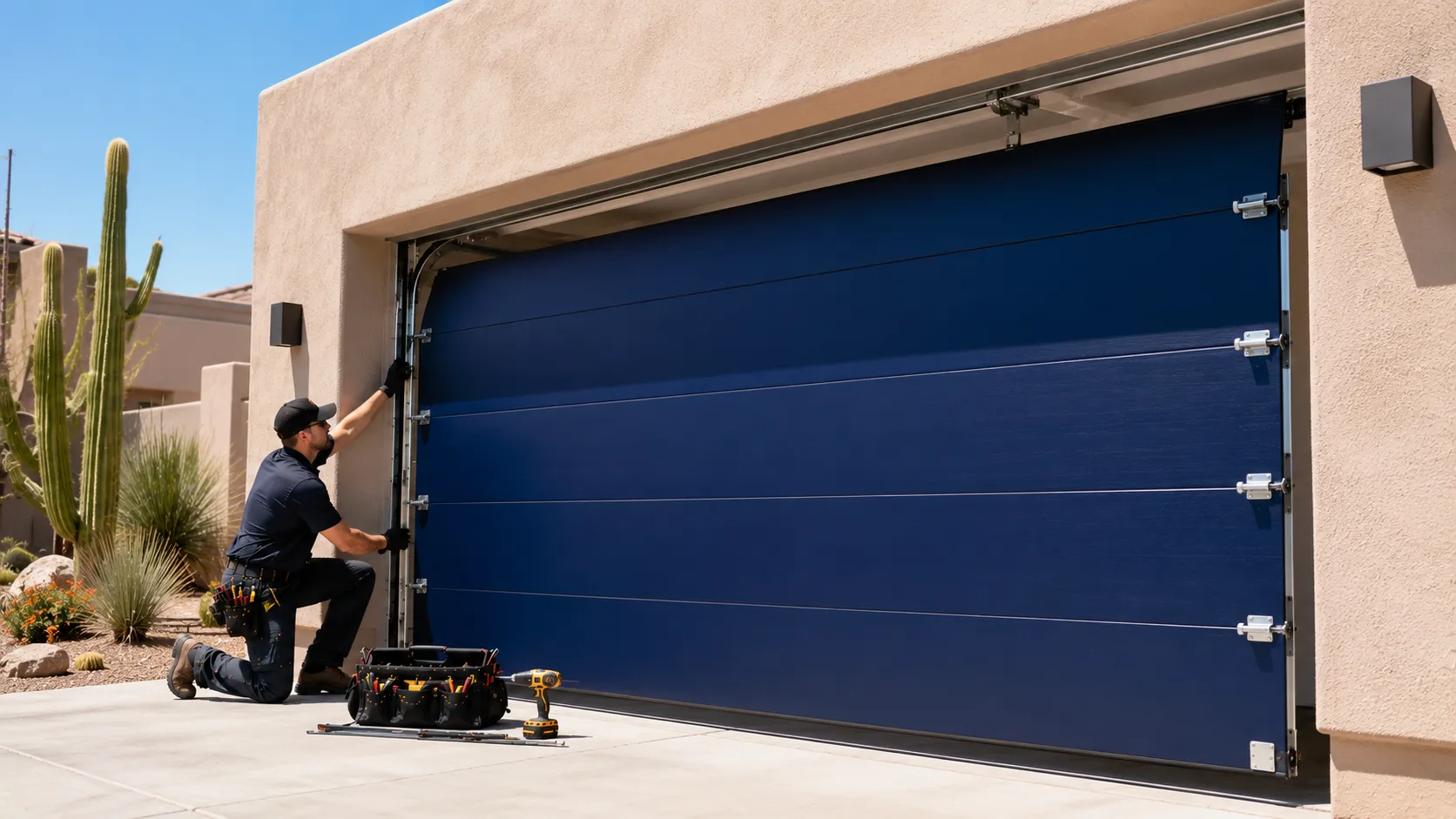
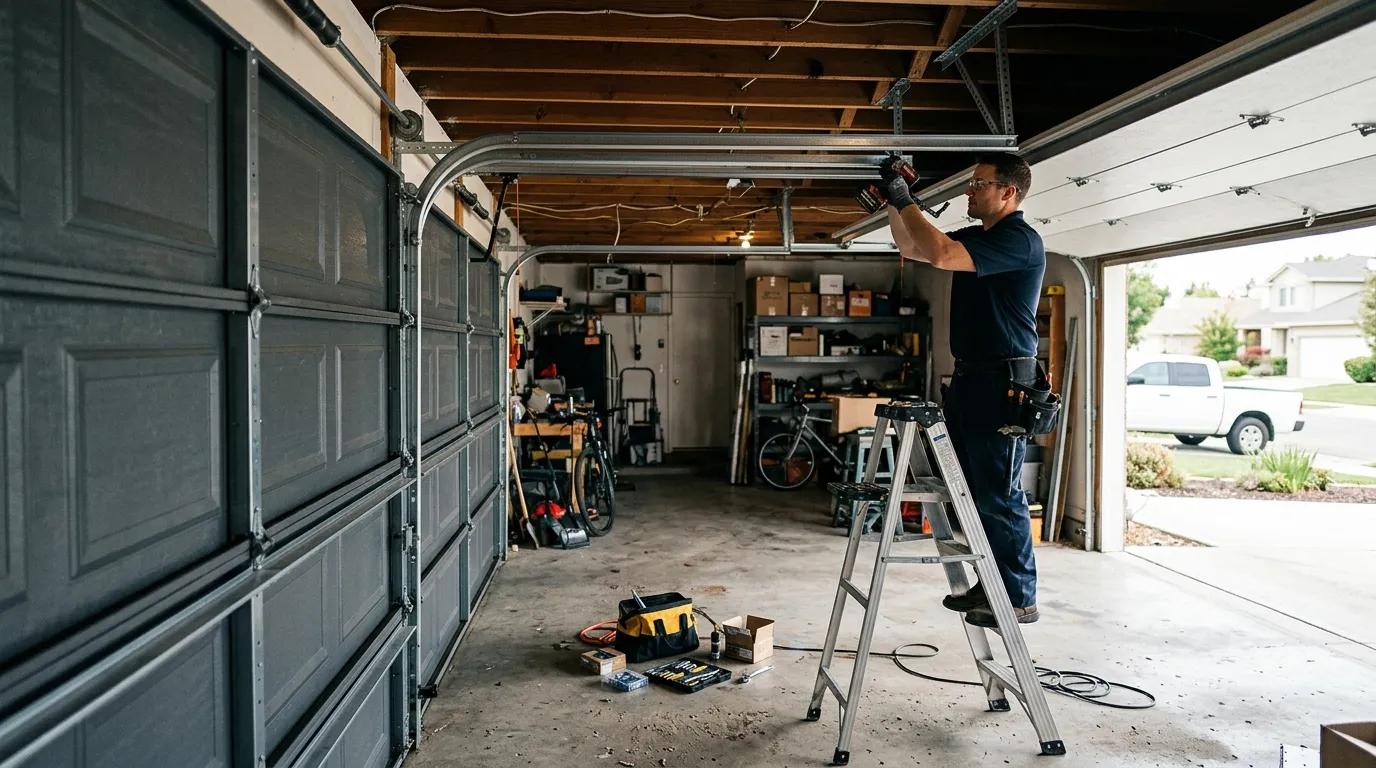
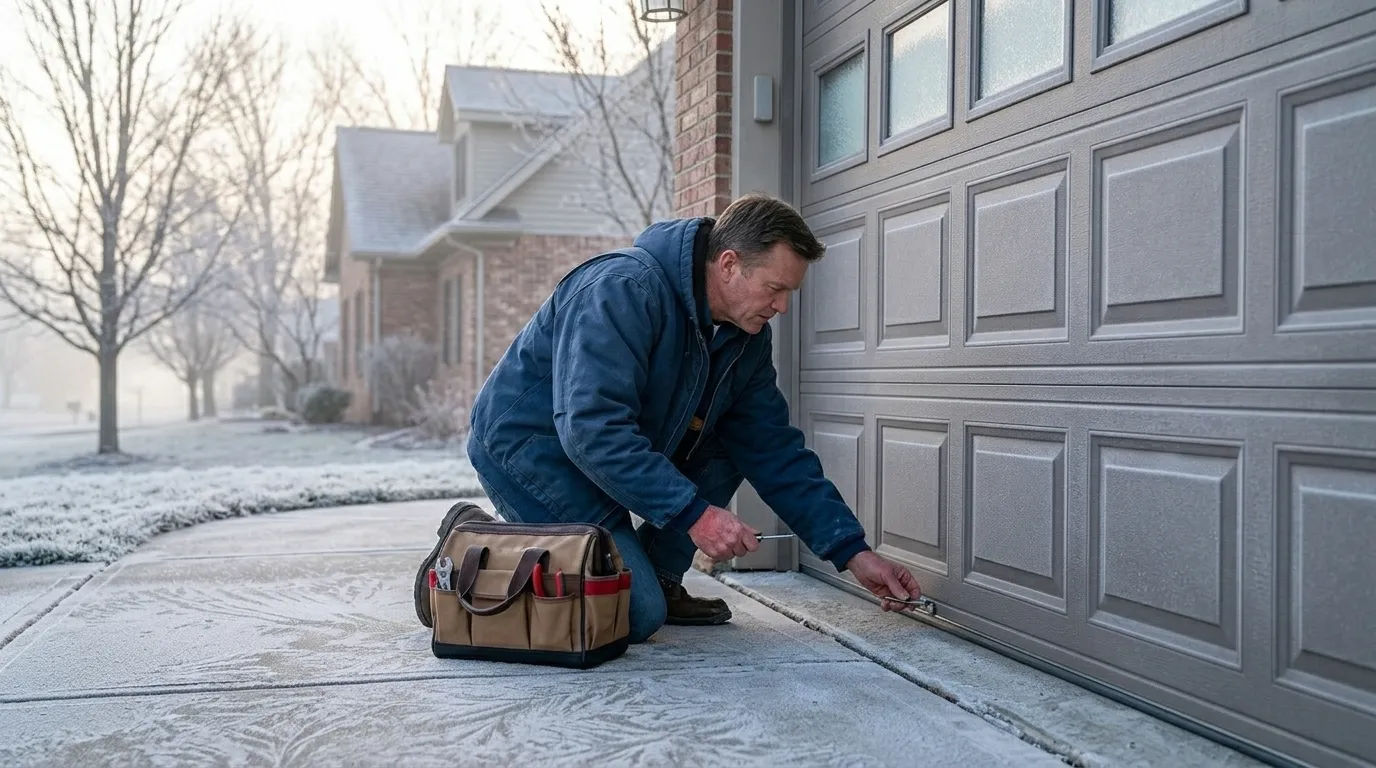
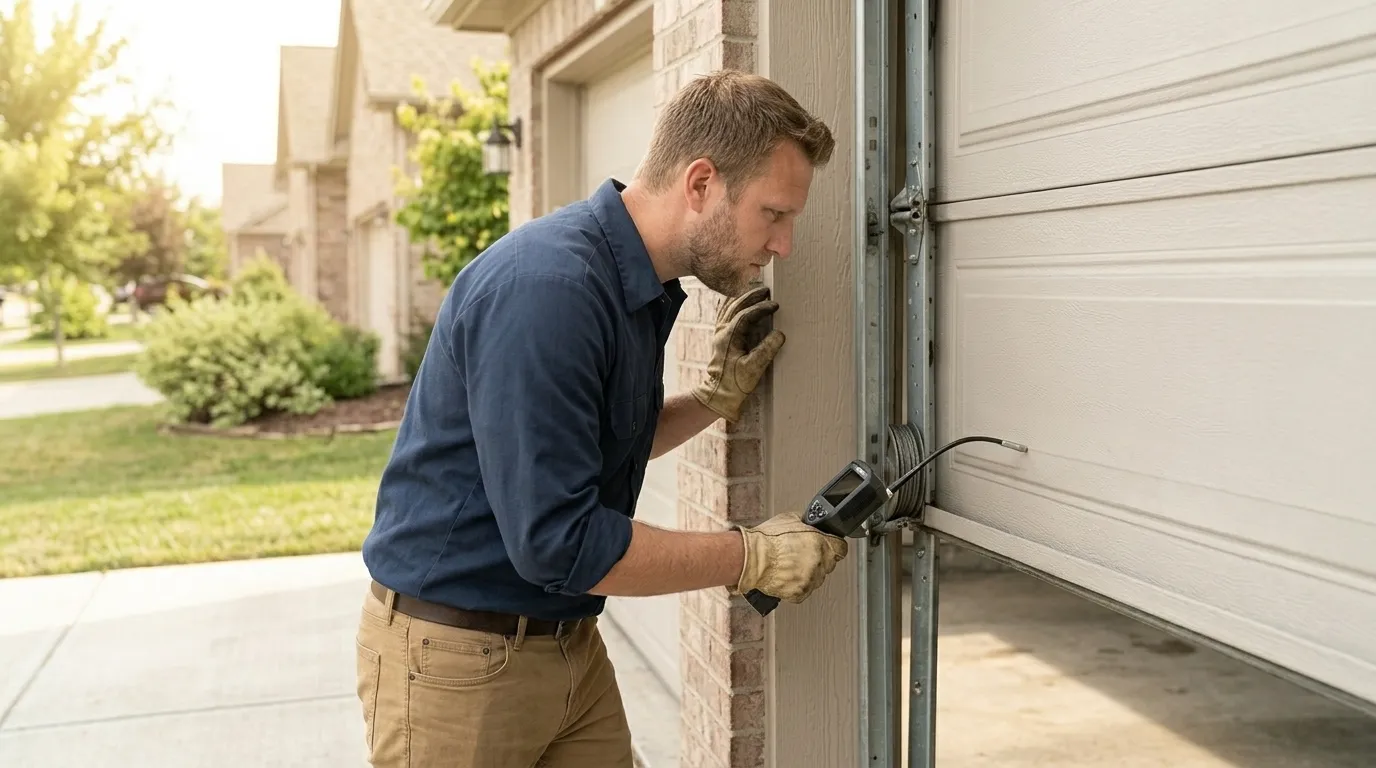
A door built in 1961 wasn't engineered for the openers and safety sensors that came standard decades later. On these older McCook houses we regularly find torsion springs original to the house, jack-shaft or side-mount openers retrofitted awkwardly onto tracks that were never meant to carry them, and rollers that have outlived any lubrication schedule. The region sits in a cold moderate climate band, and on a door this age the weatherstripping and bottom seal are usually long gone, which lets in more cold air than the door was ever built to block. We'll be straight with you: on some of these doors, a full spring and hardware replacement costs less over time than patching a 60-year-old track system piece by piece. We'll tell you when that's the honest call rather than sell a repair that won't hold.
What People Here Ring About
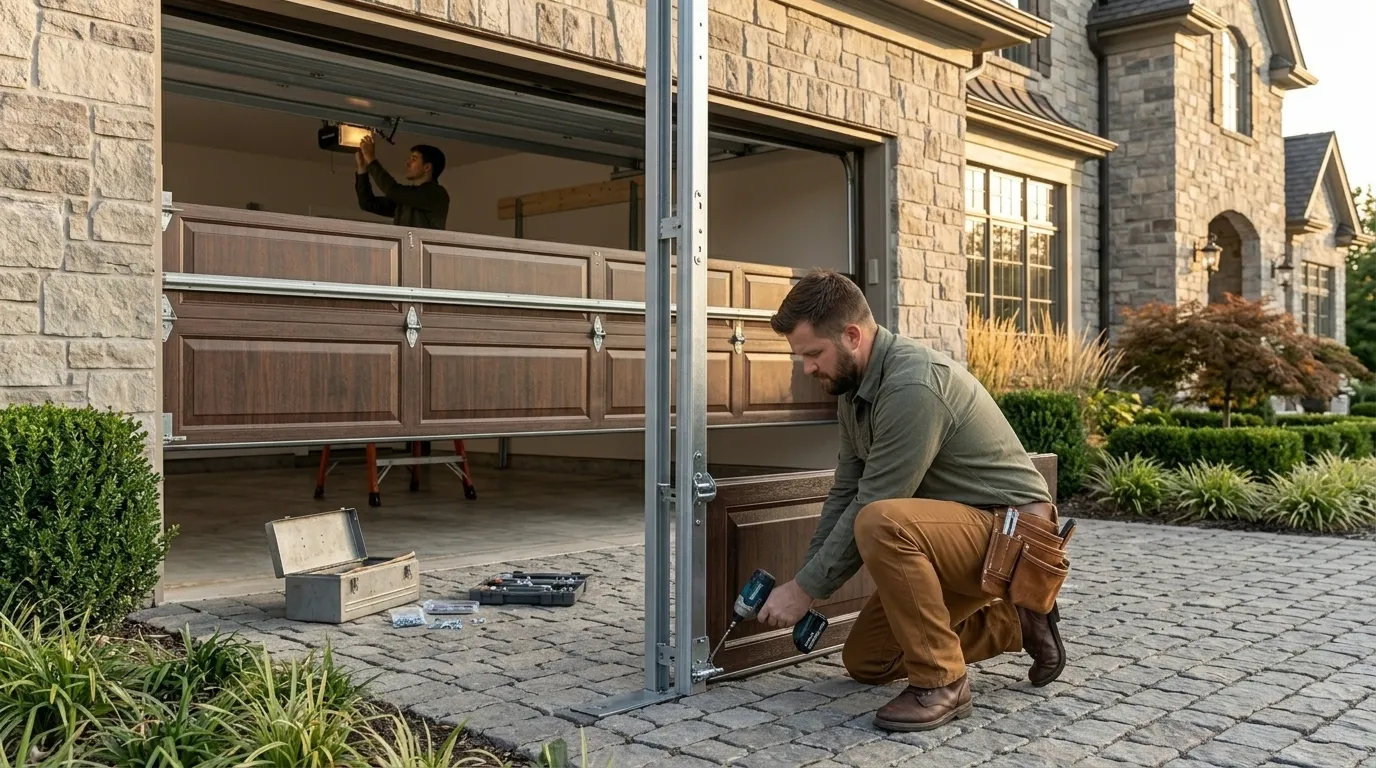
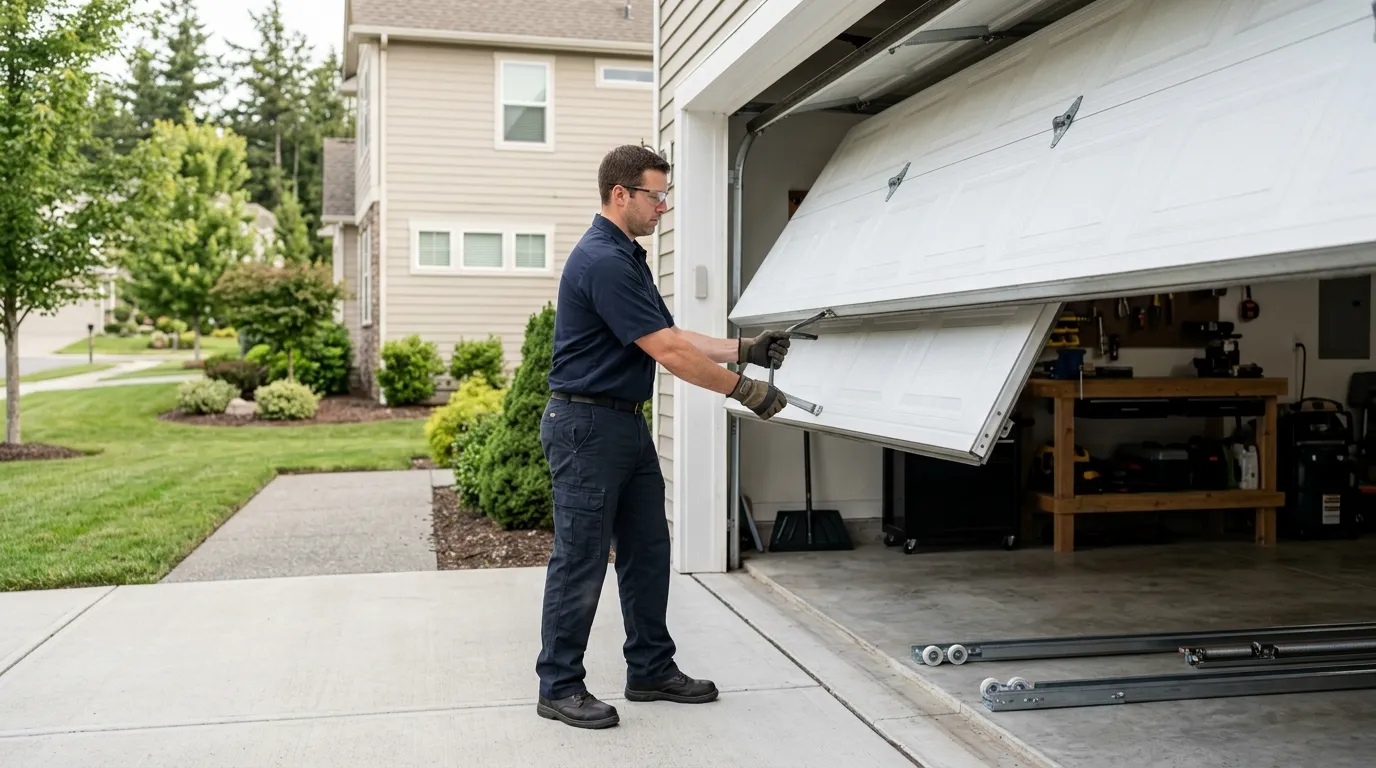
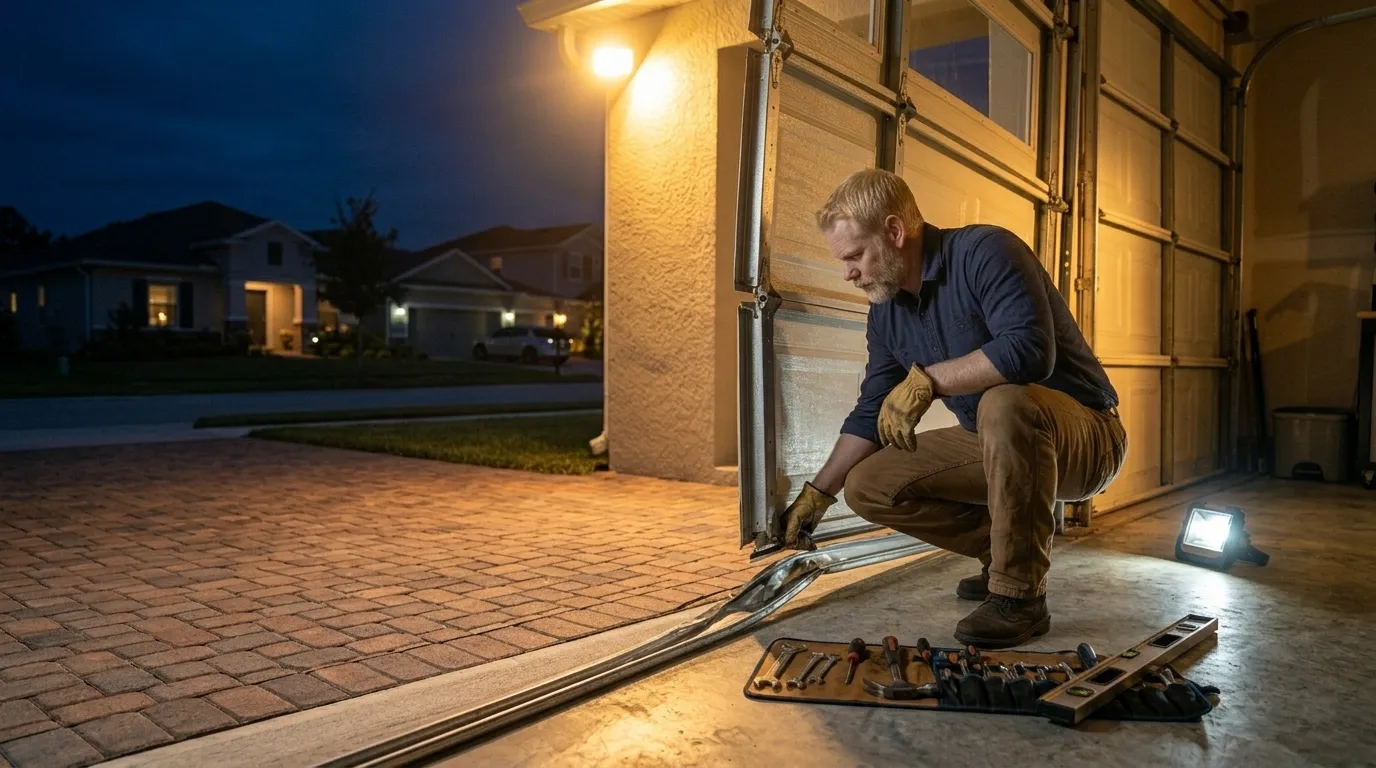
Calls from McCook tend to be about the same handful of things: a spring that finally snapped after years of quiet fatigue, an opener that grinds or stutters on tracks that have shifted out of square, and cables fraying on drums that don't match anything newer trucks carry as a default stock item. Given the smaller number of households in this pocket, we're not out here constantly, so when a call comes in it's usually something that's been building for a while rather than a sudden install request. We handle the repair side well; what we don't do is stock every obsolete part on the truck for a same-day fix, so a job on original 1960s hardware sometimes means a short wait on a part before we're back to finish it.