This Area's Housing
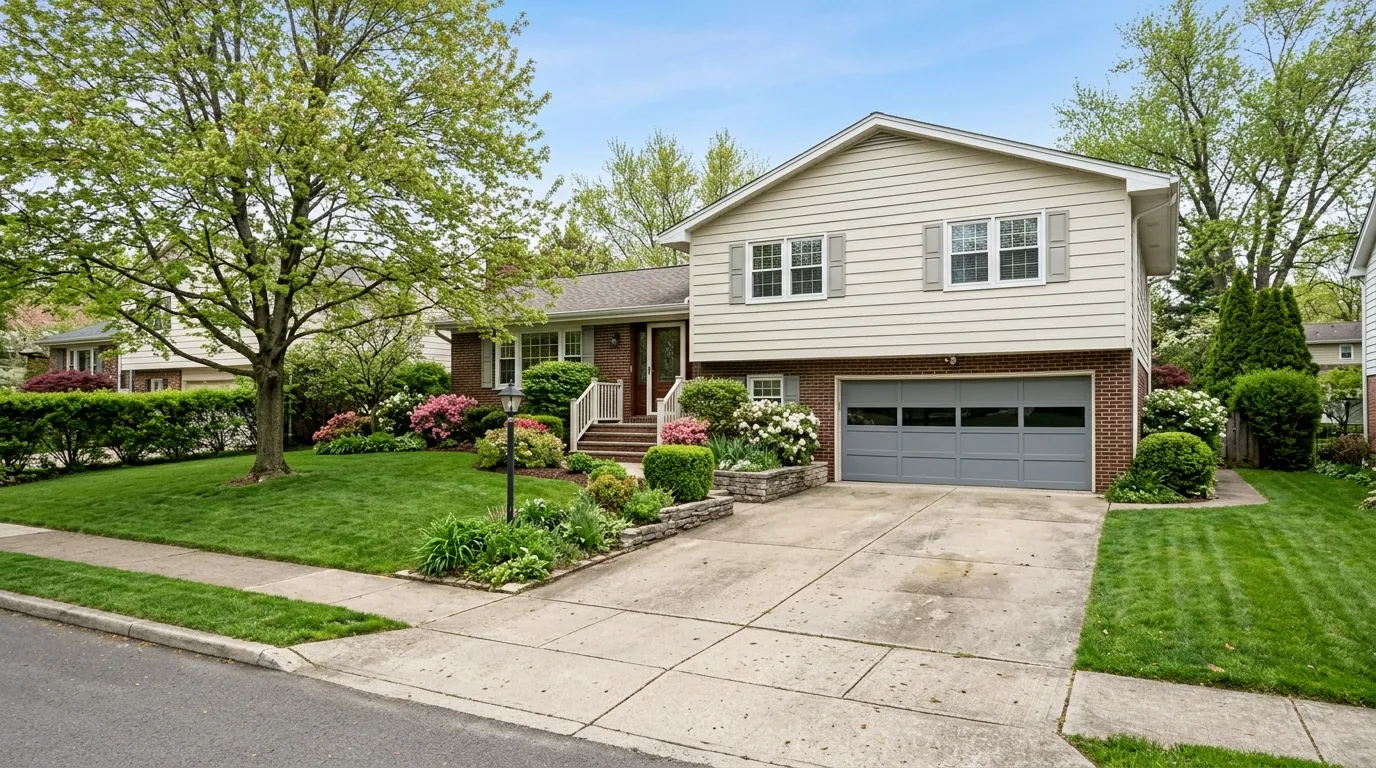
The median home in Melrose Park went up around 1957, which puts it earlier than the broader service area's 1964 midpoint. That seven-year gap matters more than it sounds like on paper. A house built in the late 1950s usually has a garage that was framed for a single-layer wood door or an early steel replacement, not the wider sectional doors that became standard once builders started planning three-car setups in the 1970s and 80s. With 8,321 households in the area and a median income of $64,740, a lot of these garages have had one or two door swaps over the decades but kept the original opening size and, often, the original track spacing. That's the detail that trips up a generic measurement - a door ordered off a size chart without checking the actual jamb-to-jamb width on a house this old can come back the wrong size. We measure the opening itself before we quote anything, not the year the house was supposedly built.
What That Means for Doors
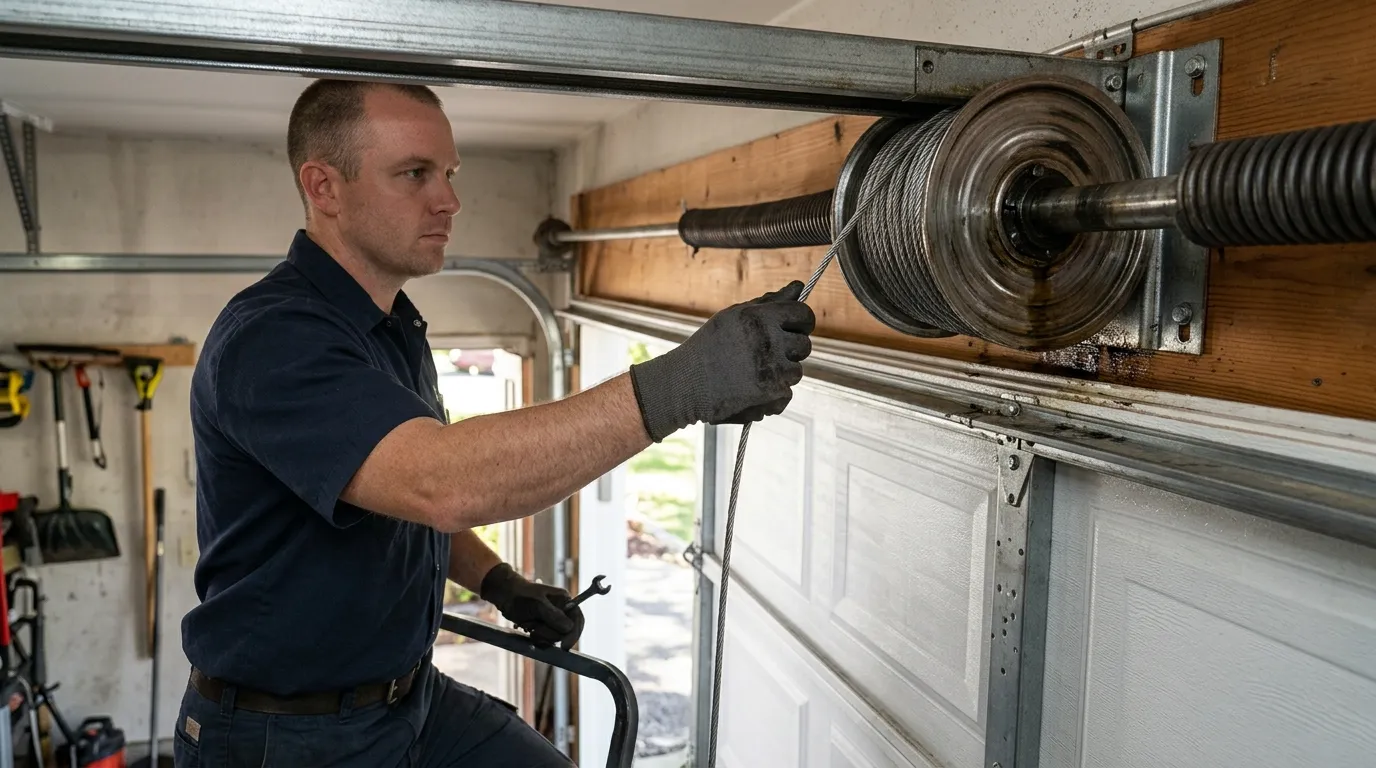
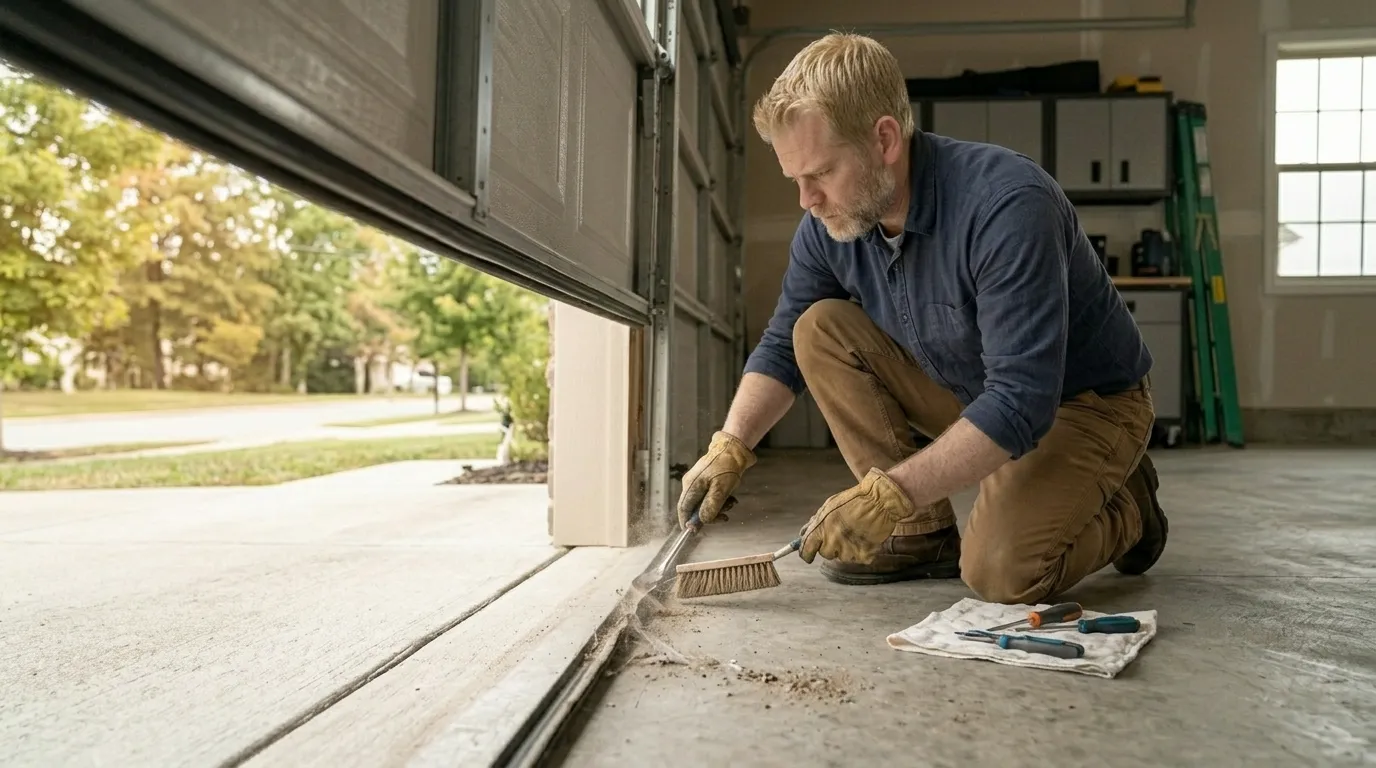
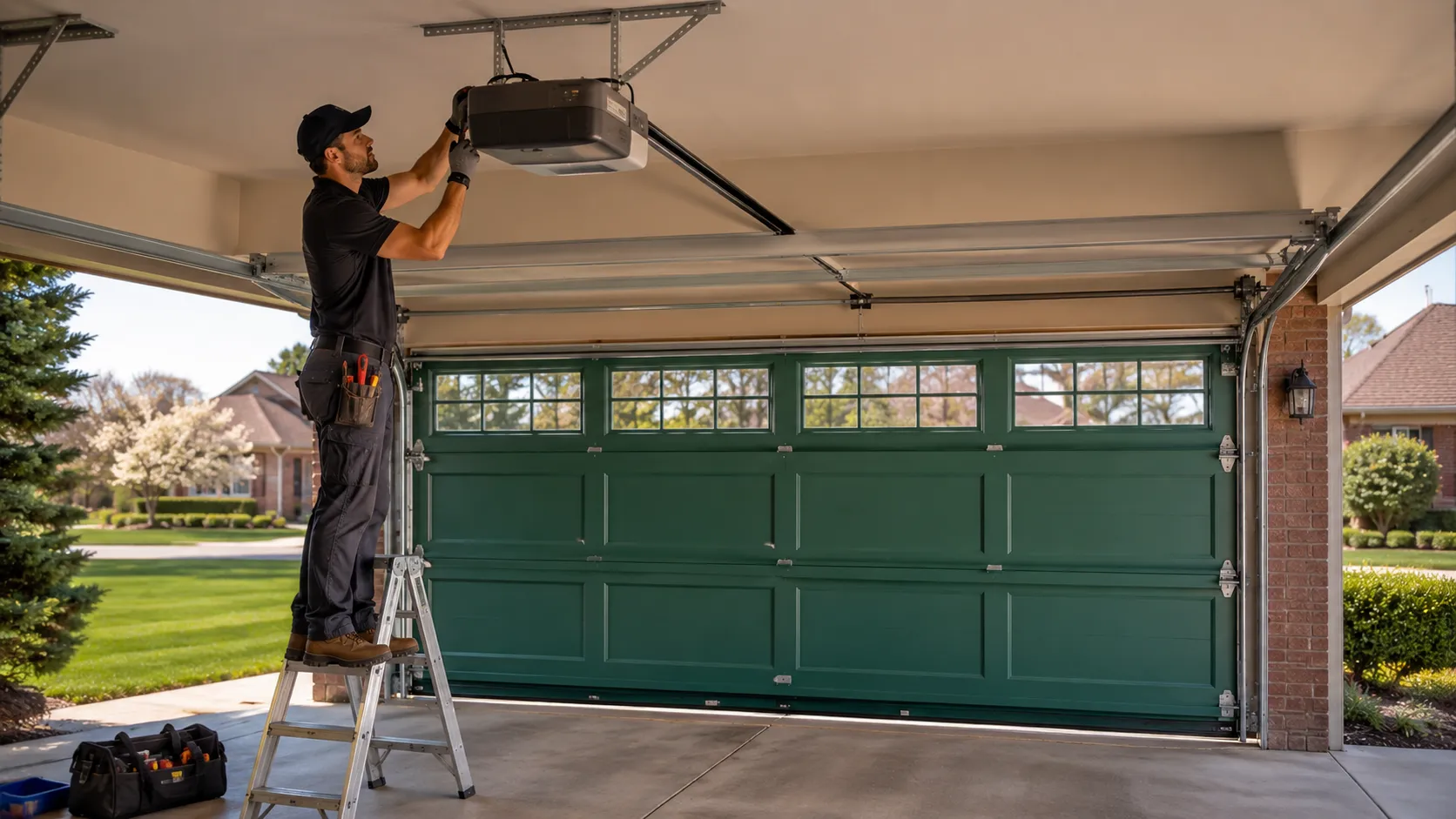
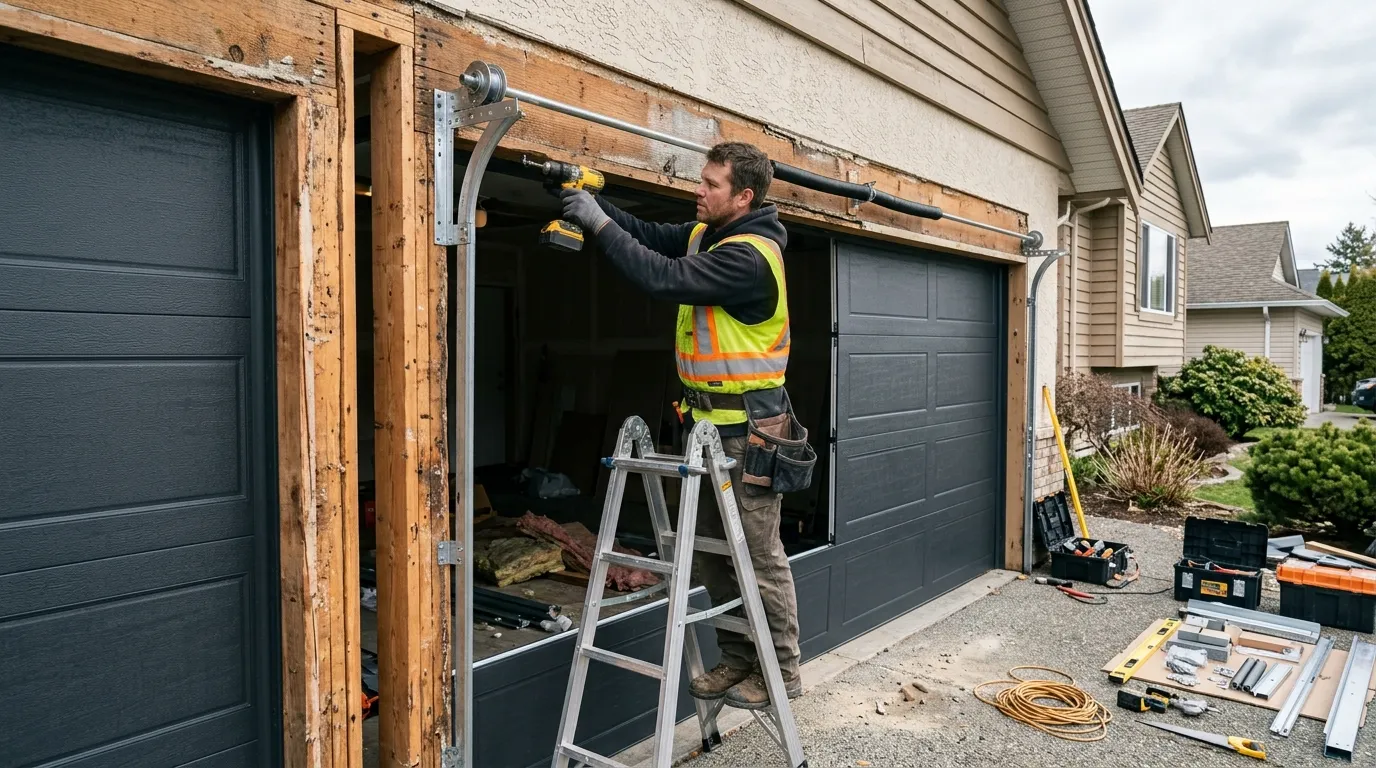
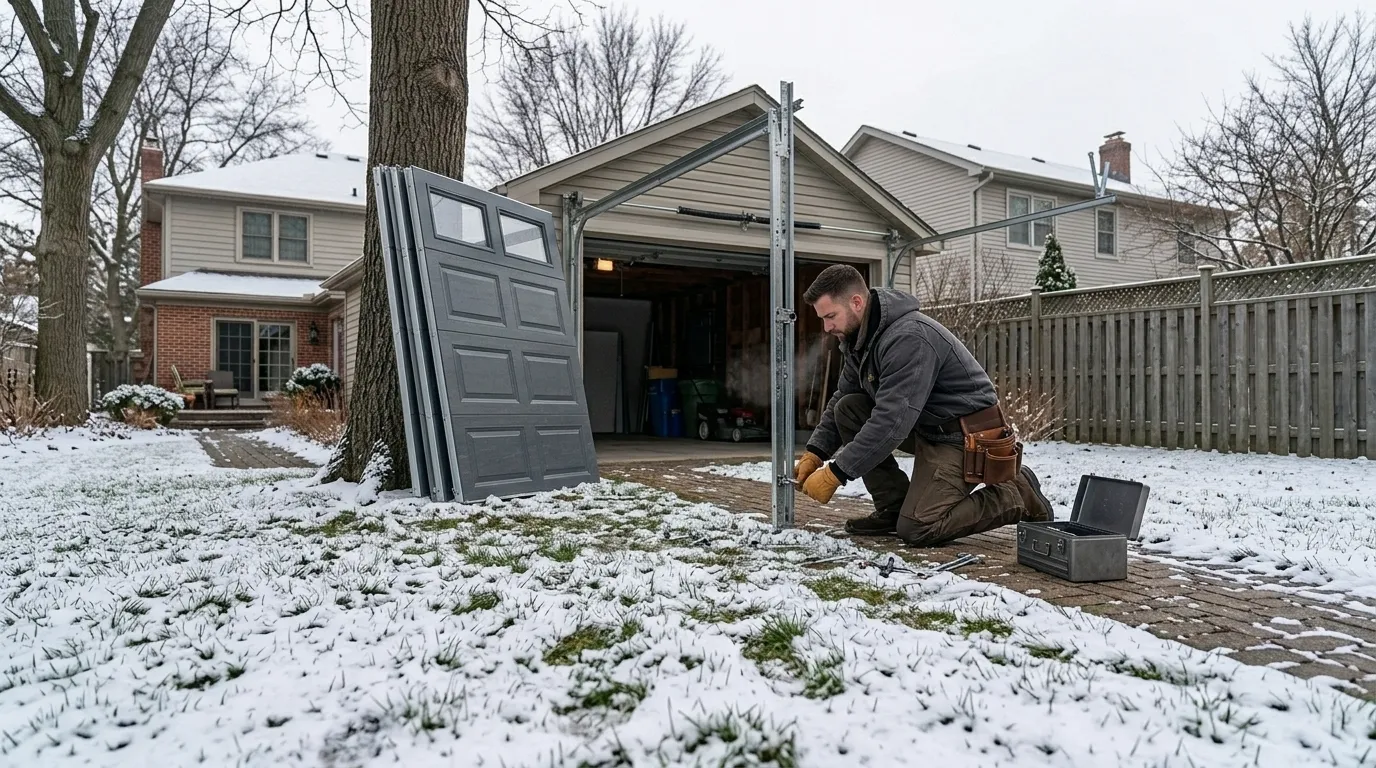
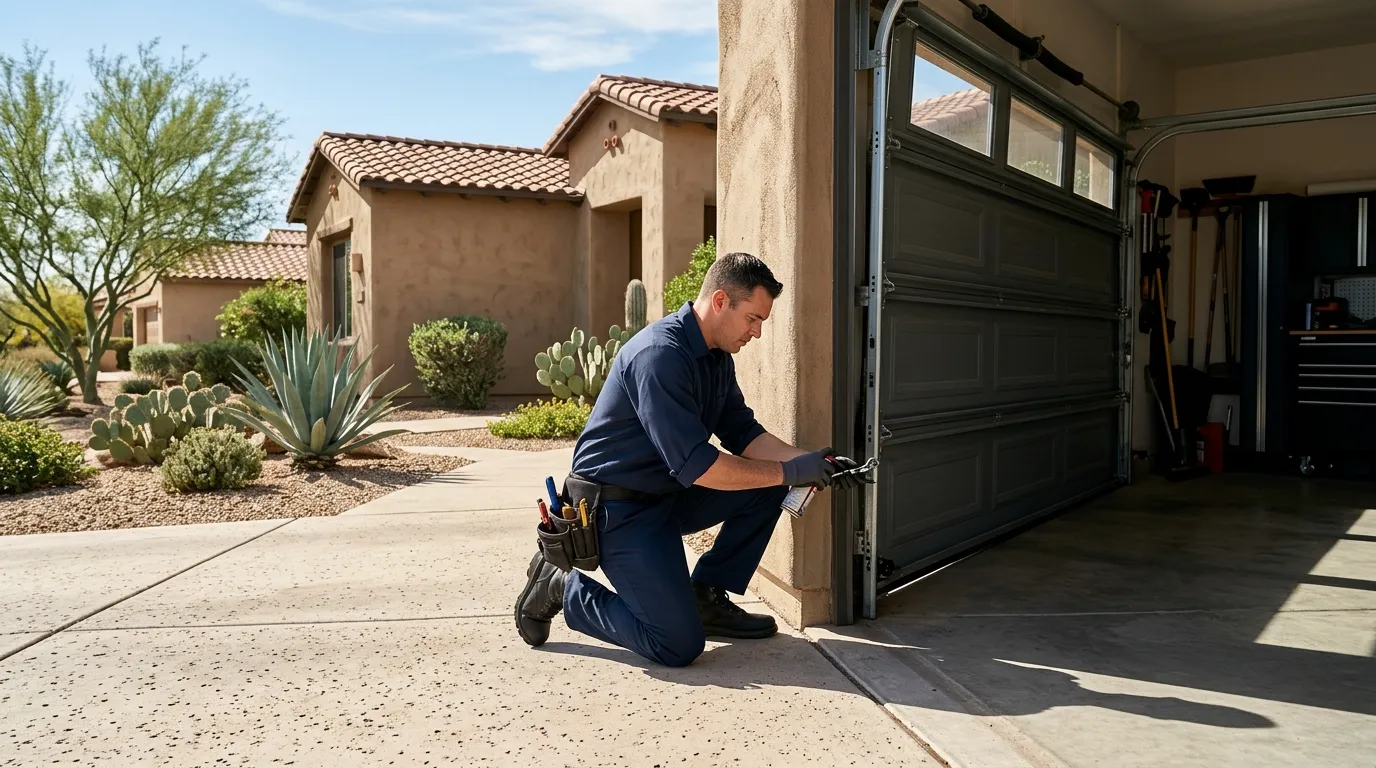
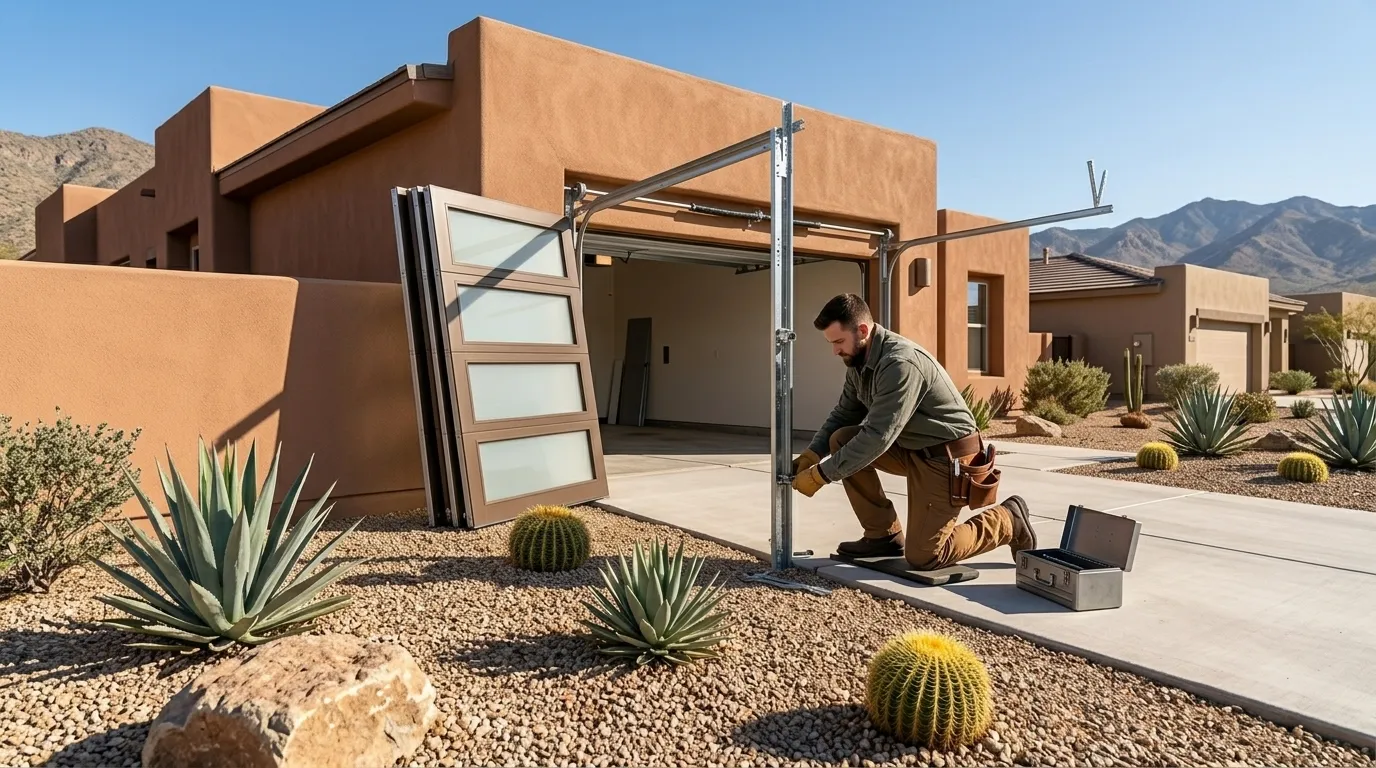
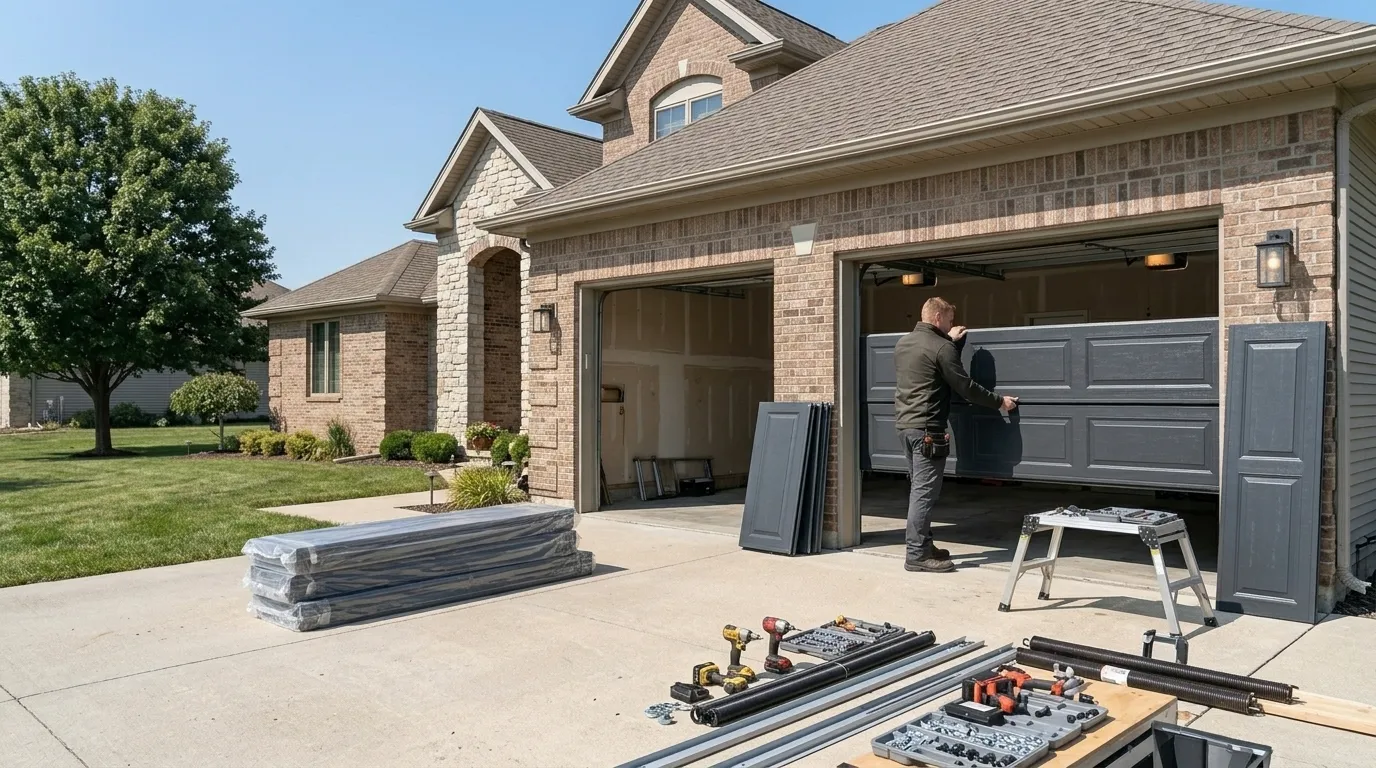
On a garage built around 1957, the spring system is usually the first thing to show its age - a lot of these houses still run a single torsion spring on a door sized for a single-car opening, and that spring has typically outlived two or three openers by now. Steel doors from that era, if they haven't already been replaced, tend to have thinner gauge panels than what's sold today, and the tracks were often set for a lighter door than whatever heavier insulated model got bolted in later. We see mismatches: a newer door hung on old track brackets, or an opener rated for a lighter door straining against a heavier one. The COLD climate band this area sits in also means insulation and weatherstripping matter more than they would somewhere milder - gaps at the bottom seal let a lot of cold air into an attached garage over a winter. None of this is exotic work, but it does mean a tech has to check what's actually installed rather than assume it matches the house's age.
What People Here Ring About
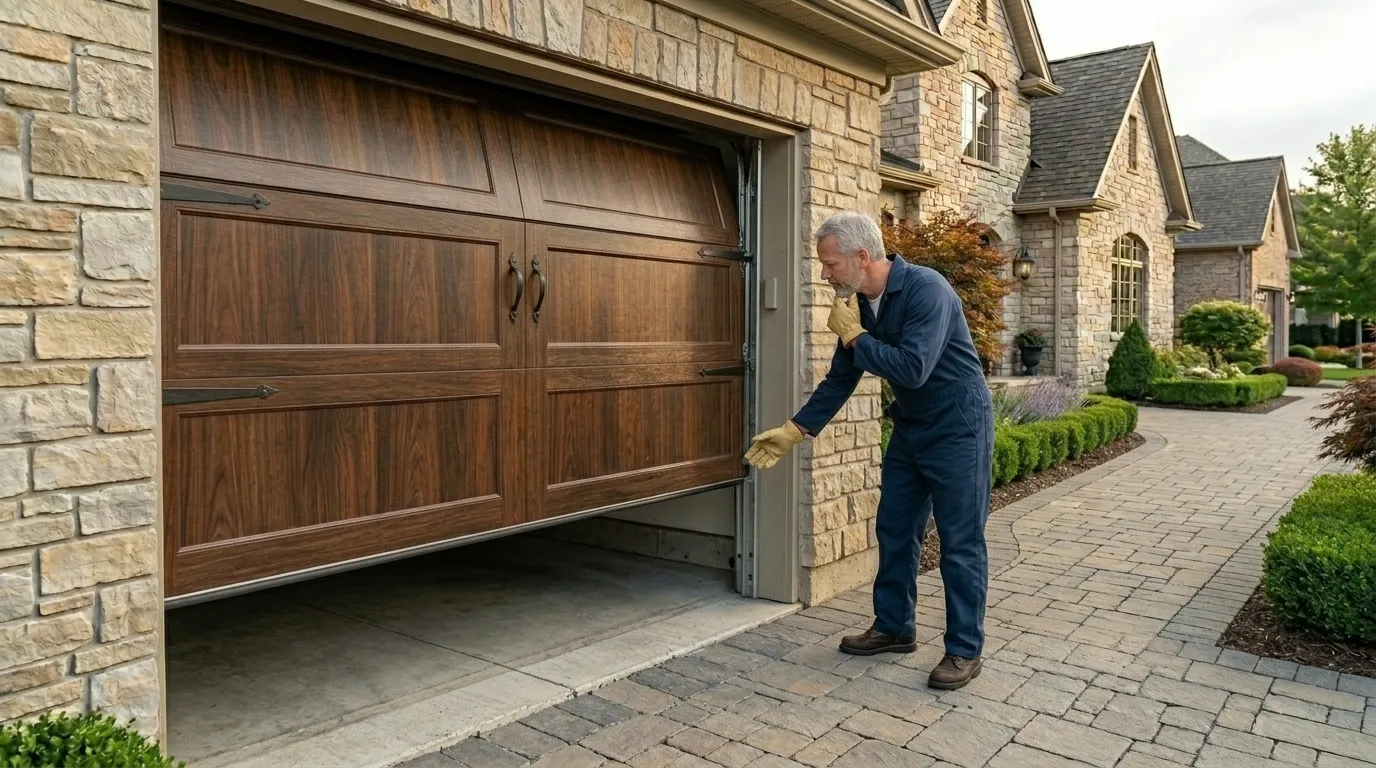
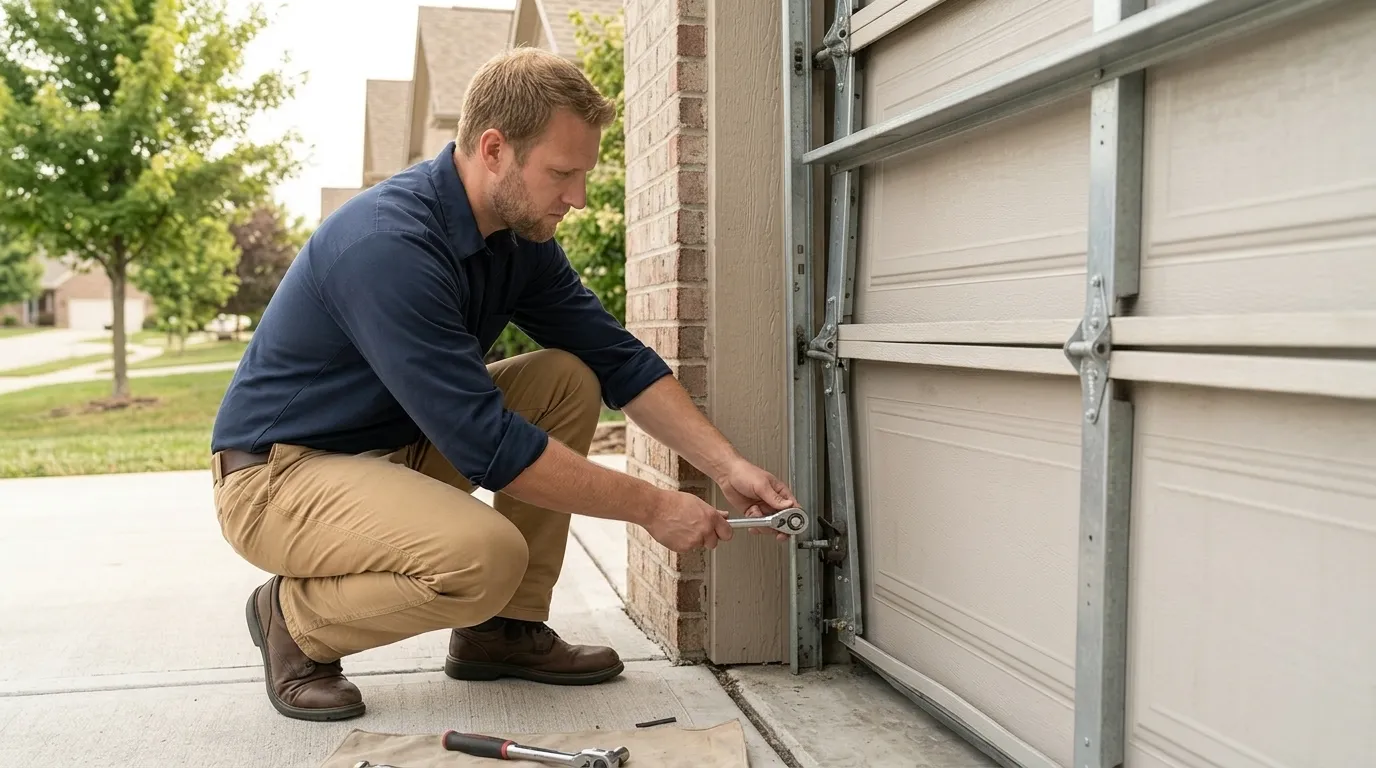
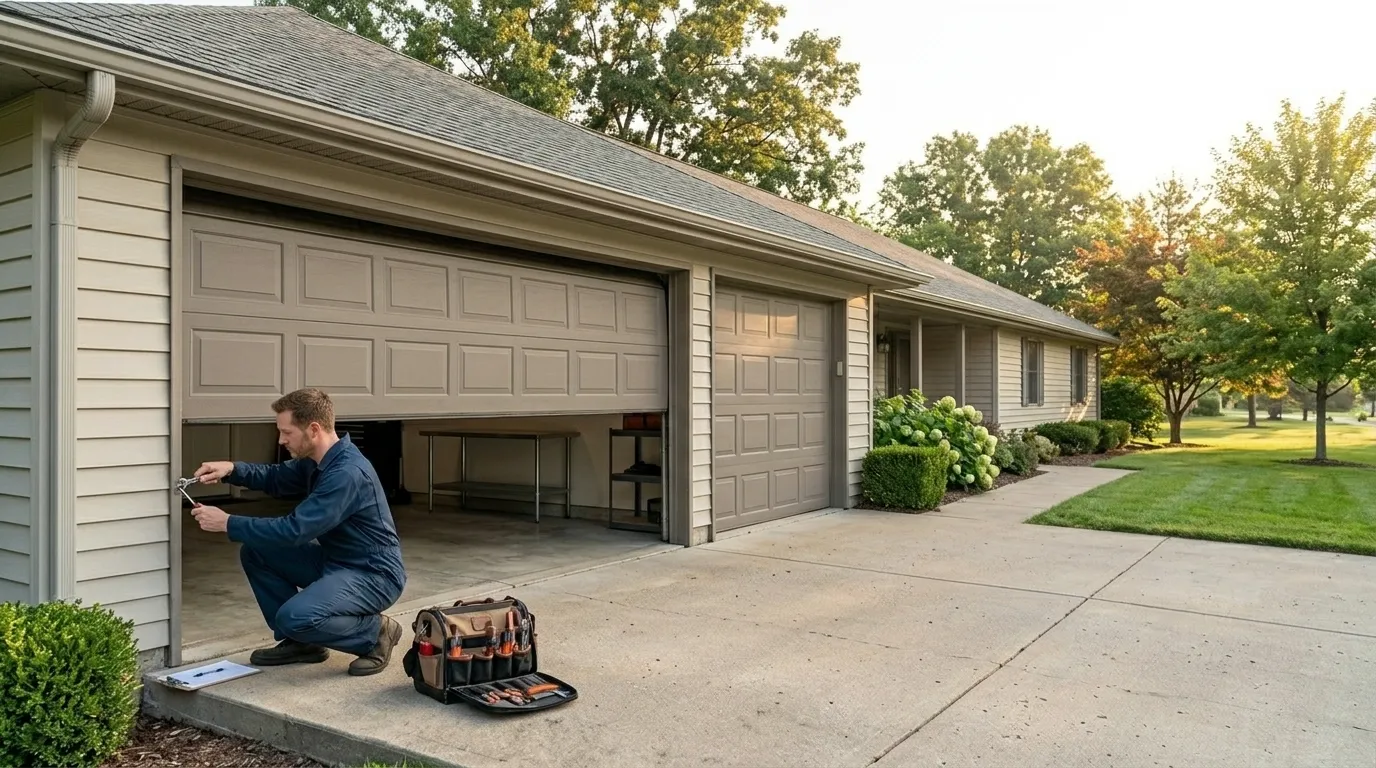
Broken torsion springs top the list, especially on the smaller original openings we still see on older homes. After that, it's opener failures - many of these houses have gone through two or three openers since the 1950s, and the wiring and wall controls from an older install don't always play well with a new unit. Bent track and off-track doors come up too, often from someone backing into the door or from rollers that finally gave out after decades of use. One thing we're straight about: if the door itself is original steel from that era and badly rusted or dented, replacement usually costs less over time than patching a door that's already near the end of its service life. We'll tell you when that's the case instead of billing for a repair that won't hold.