What Is on These Garages
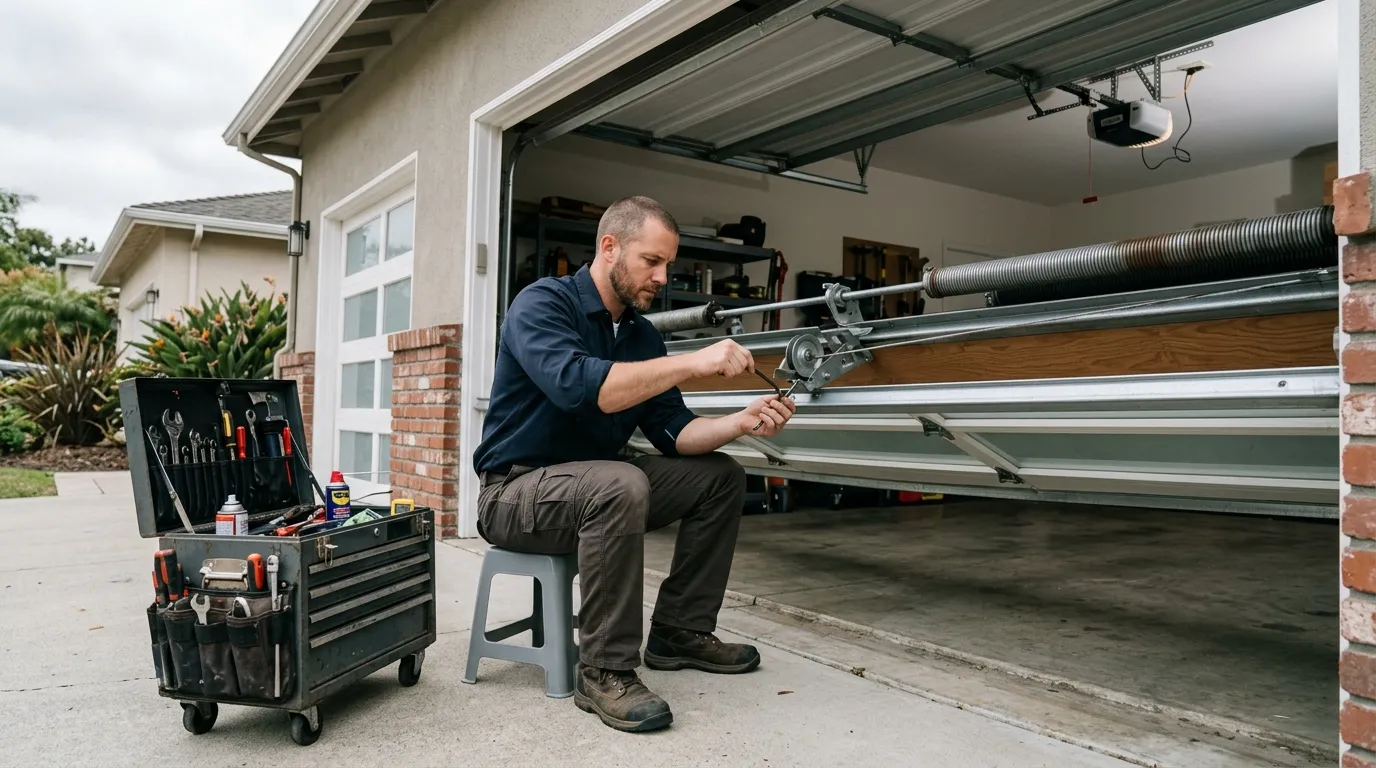
Near West Side sits inside a service area where housing mostly went up between 1938 and 1994, with a median build year of 1964. That range covers a lot of garage door history. Doors from the earlier end of that window were often single-panel, one-piece units on side-mounted torsion springs - hardware you don't see installed new anymore, and hardware that's getting harder to source parts for. Later builds in that span are more likely sectional doors with standard extension or torsion setups, which are easier to service with parts we carry on the truck.
We can't tell you which specific door is on which specific garage here - we don't have a street-by-street survey of Near West Side, only the build-year range for the wider area. What we can tell you is that a door installed anywhere in that 1938-1994 window has had decades to wear out rollers, stretch cables, and tire out springs that were never rated for the cycle count a door sees today. If your opener or spring looks original, it probably is.
The honest limitation here: we won't guess at your door's age or brand without seeing it. A phone description of "the white one" doesn't tell us if we're bringing a torsion spring or an extension spring, and showing up with the wrong part costs you a second trip.
Where You Are
Near West Side sits about 2 miles NNE of the center of our service area. Little Italy is roughly 3 miles NE, West Loop about 4 miles NNE, and Near South Side about 4 miles ENE - all part of the same cluster of close-in neighborhoods we cover. That tight spacing matters for one practical reason: when a spring lets go on a Tuesday morning, a truck that's already working nearby can usually get to you without a cross-town haul.
The area sits in a cold, moderate climate band. That's not dramatic weather, but it's enough freeze-thaw cycling every winter to work on steel tracks, weatherstripping, and the seals at the bottom panel. Springs lose tension faster in cold snaps, and openers with older gear-drive units can bind when temperatures swing. It's steady wear rather than storm damage, which is part of why doors from the 1960s and 70s in this area tend to fail the same way: a spring that's simply cycled out, not a door that's been through anything unusual.
Typical Work
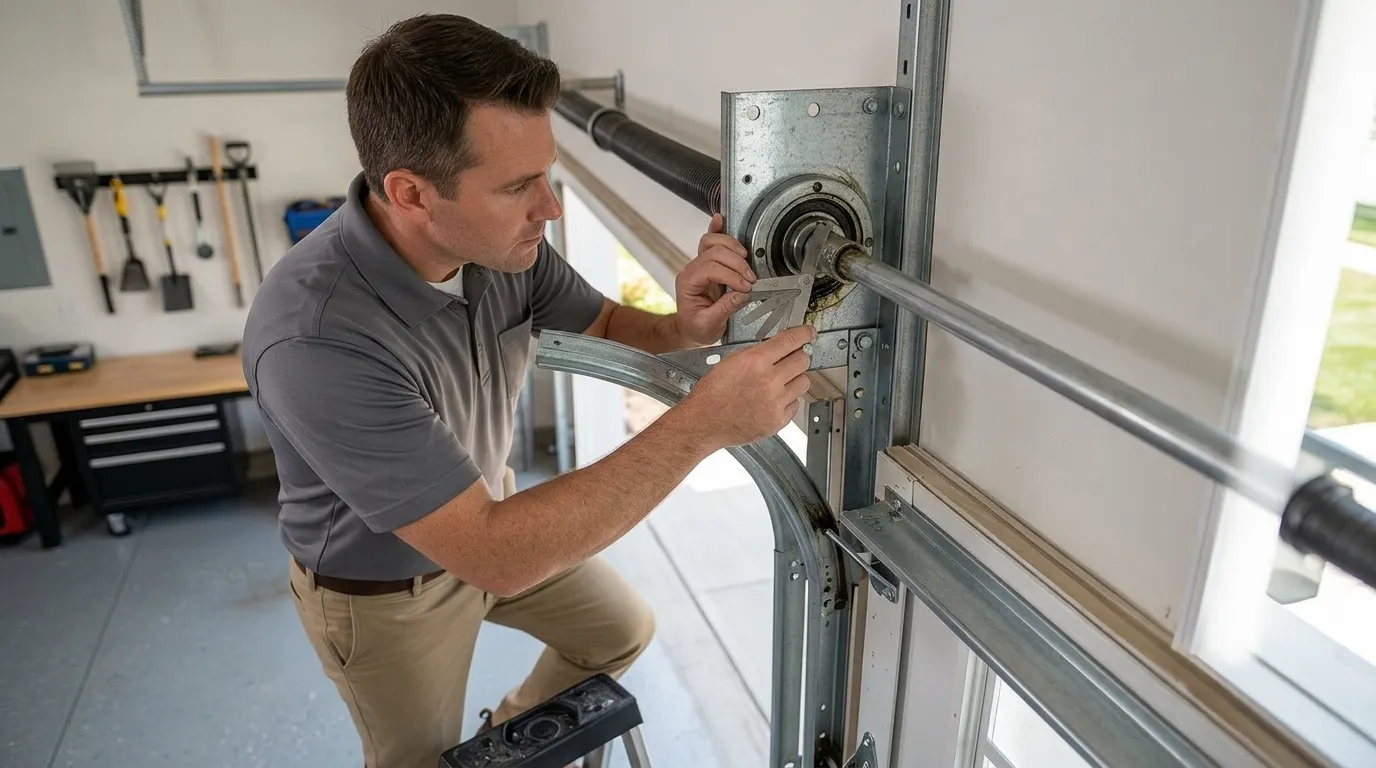
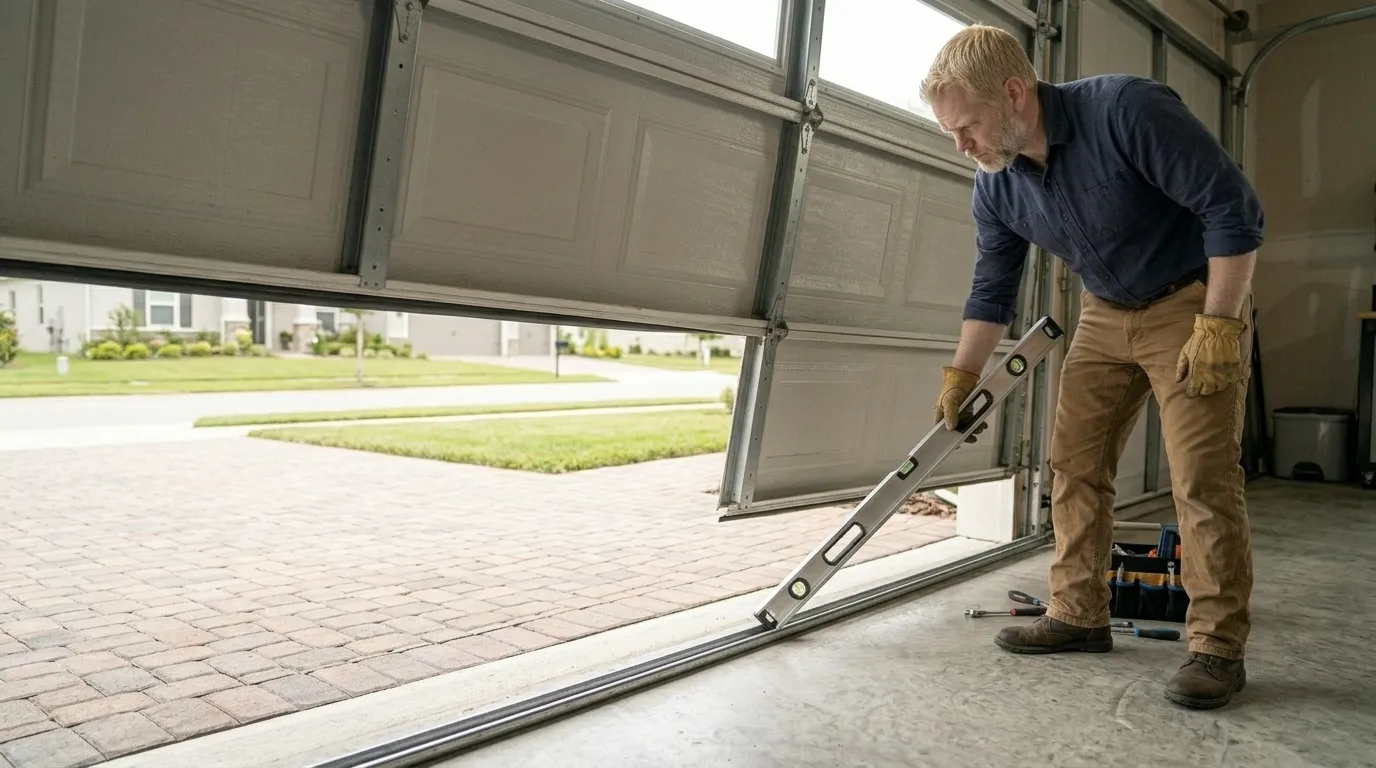
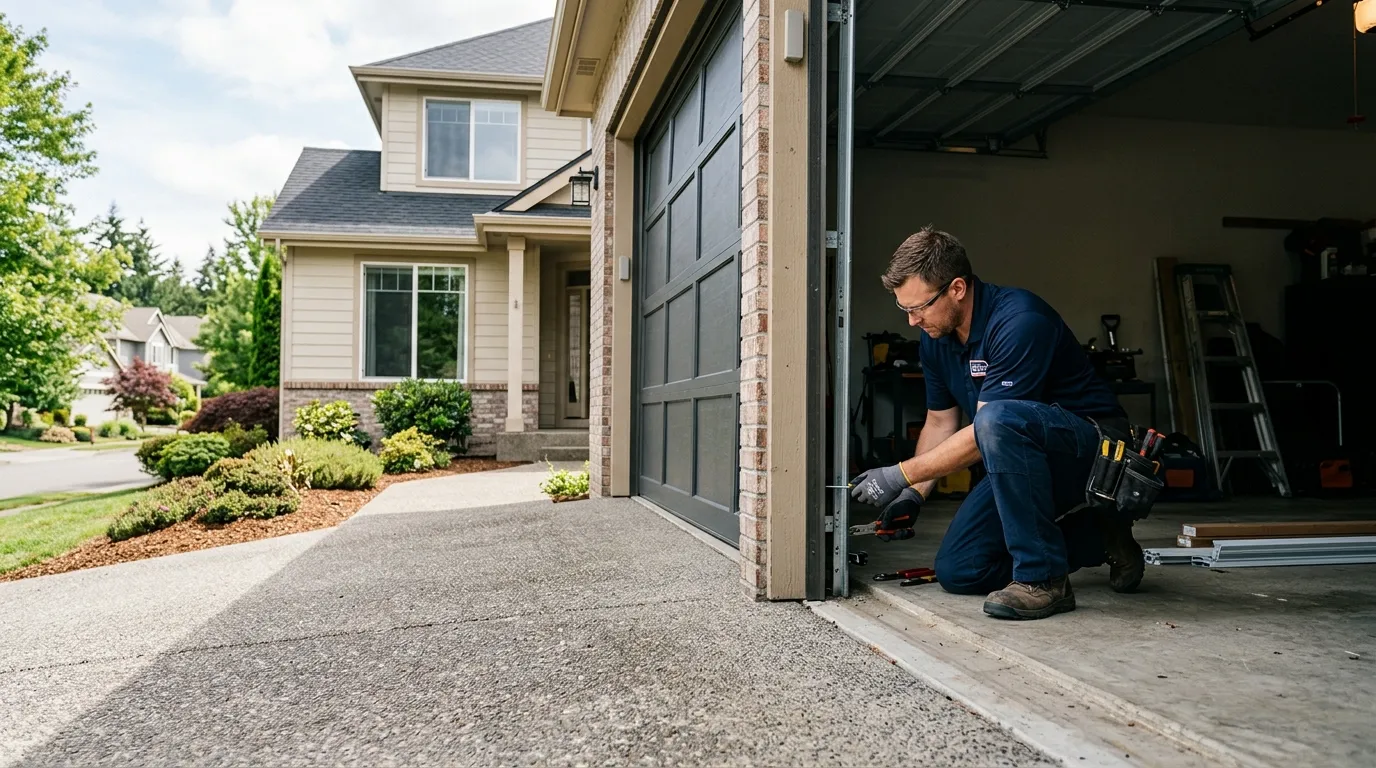
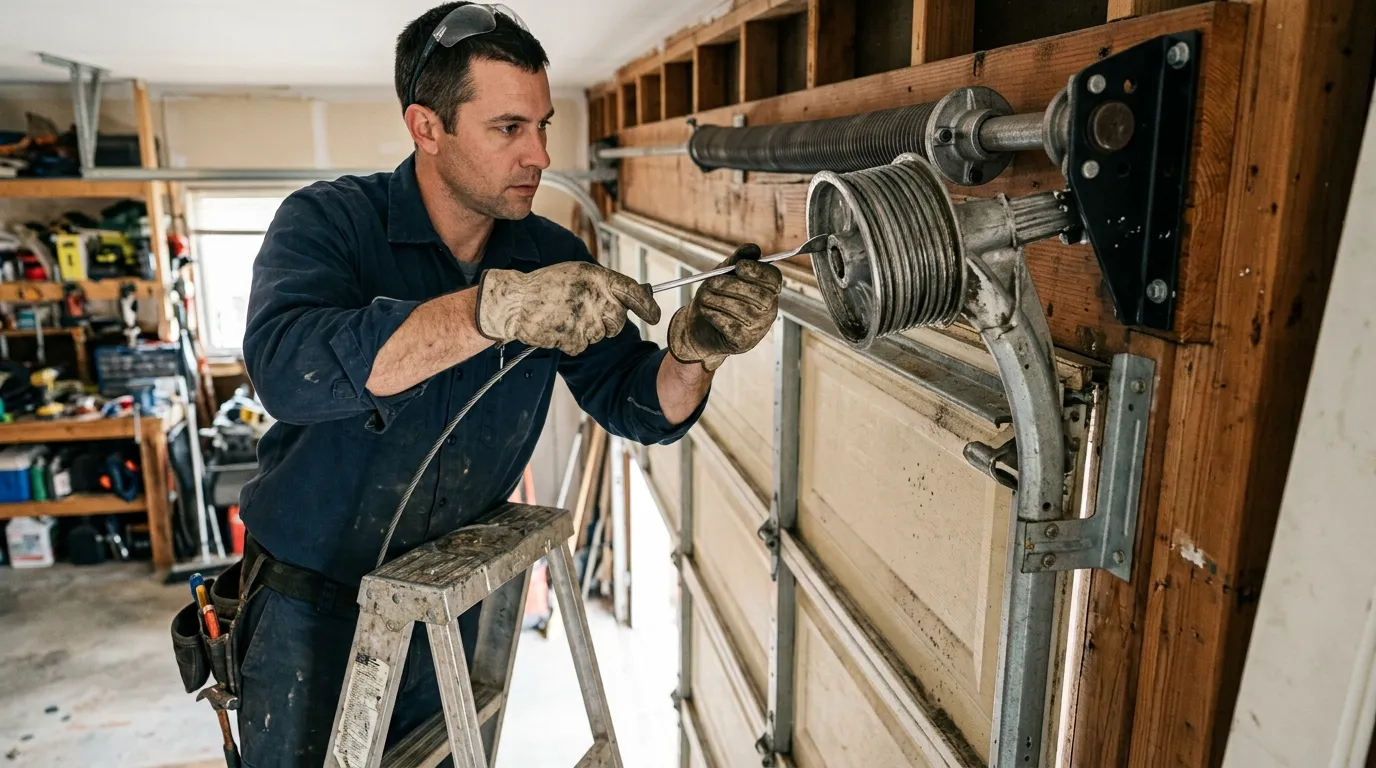
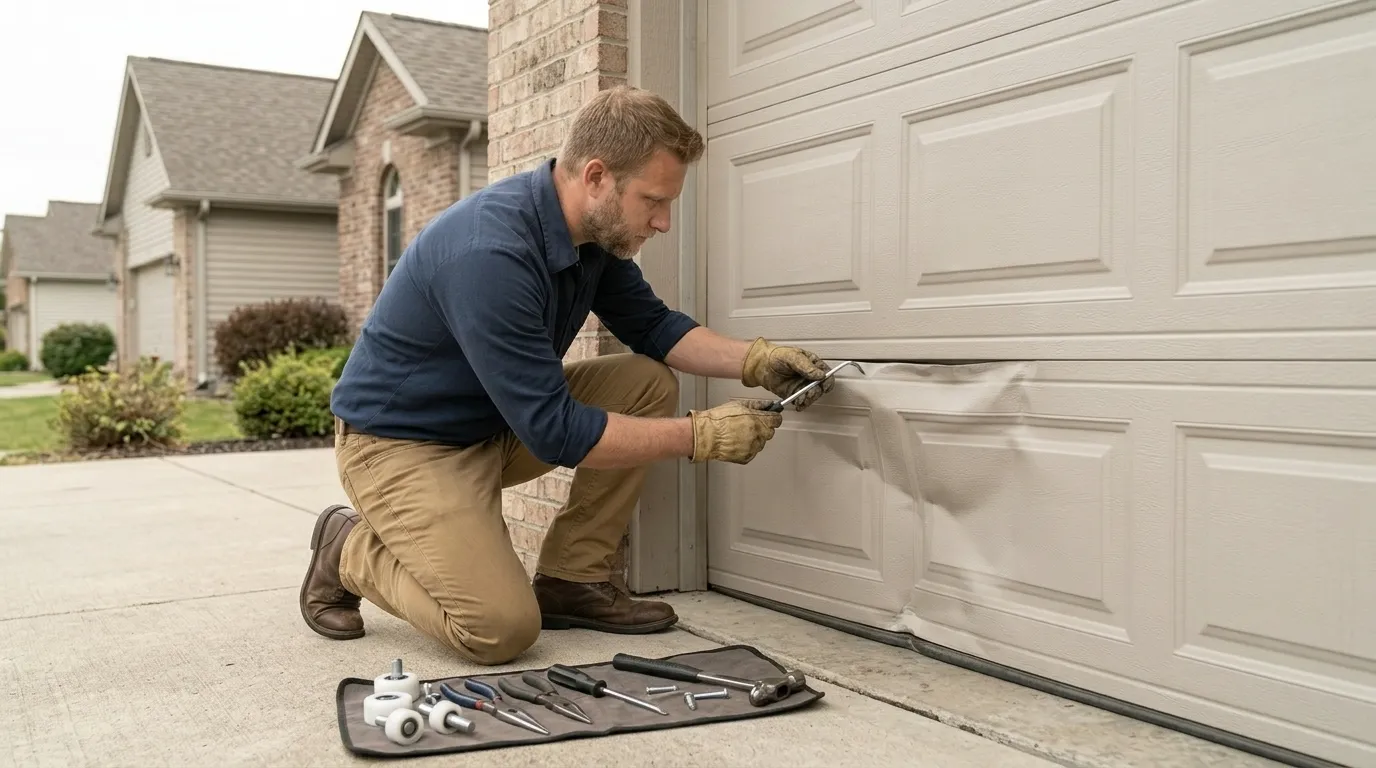
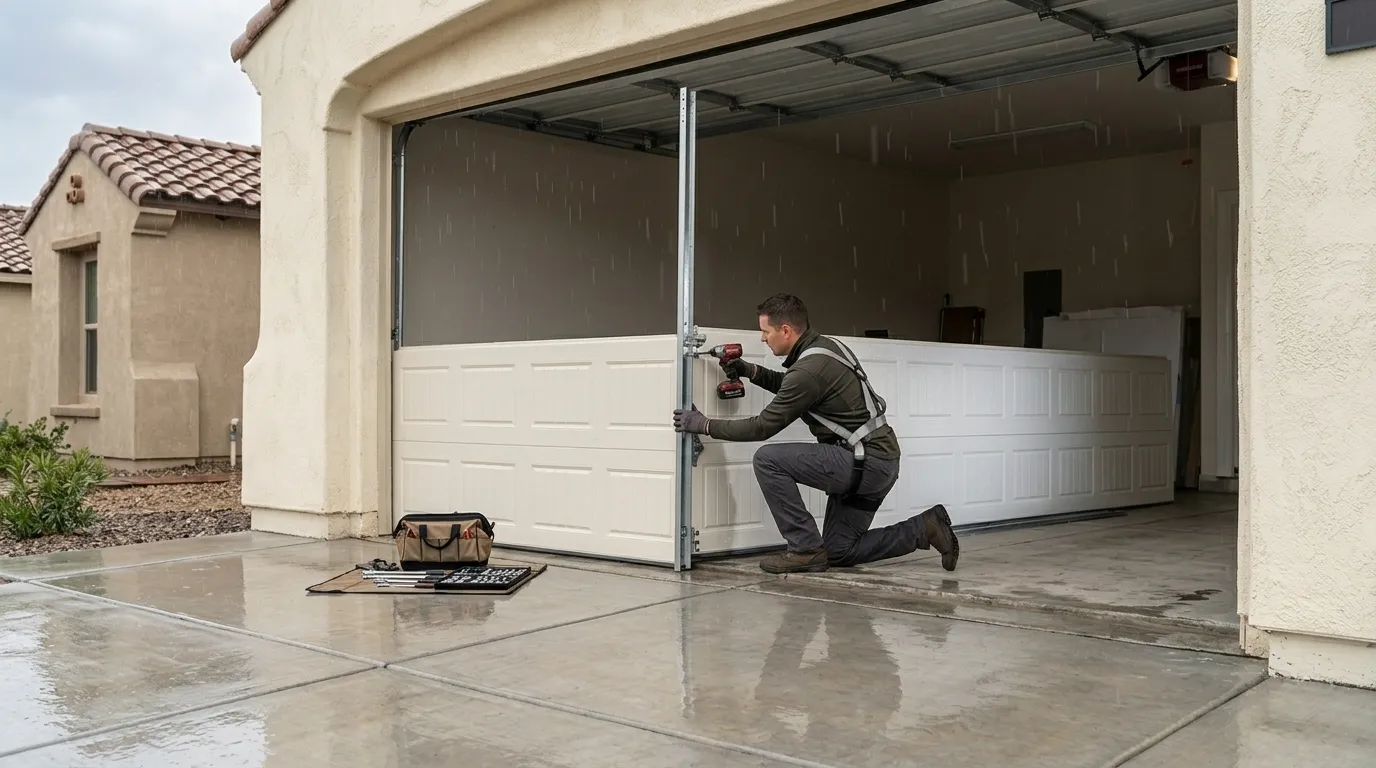
Given the age of the housing stock, the calls we get from this part of the service area lean toward a short, predictable list: torsion and extension spring replacement, roller and cable swaps, opener repair or replacement on units that have outlived their gear sets, and track realignment where a jamb has settled over the decades. Panel replacement comes up too, usually on doors old enough that a full match isn't possible and the honest answer is a new door rather than a patched one.
We don't do custom architectural door builds or specialty glass panel work - if that's what you're after, we'll tell you straight rather than take the job and improvise. What we're set up for is diagnosing why a door from this era is sticking, screeching, or not opening at all, and fixing that with parts that match what's actually on your garage, not what's in a generic parts bin. On a door built anywhere in the 1938-1994 range, that usually means we're carrying more than one spring size on the truck just in case.