This Area's Housing
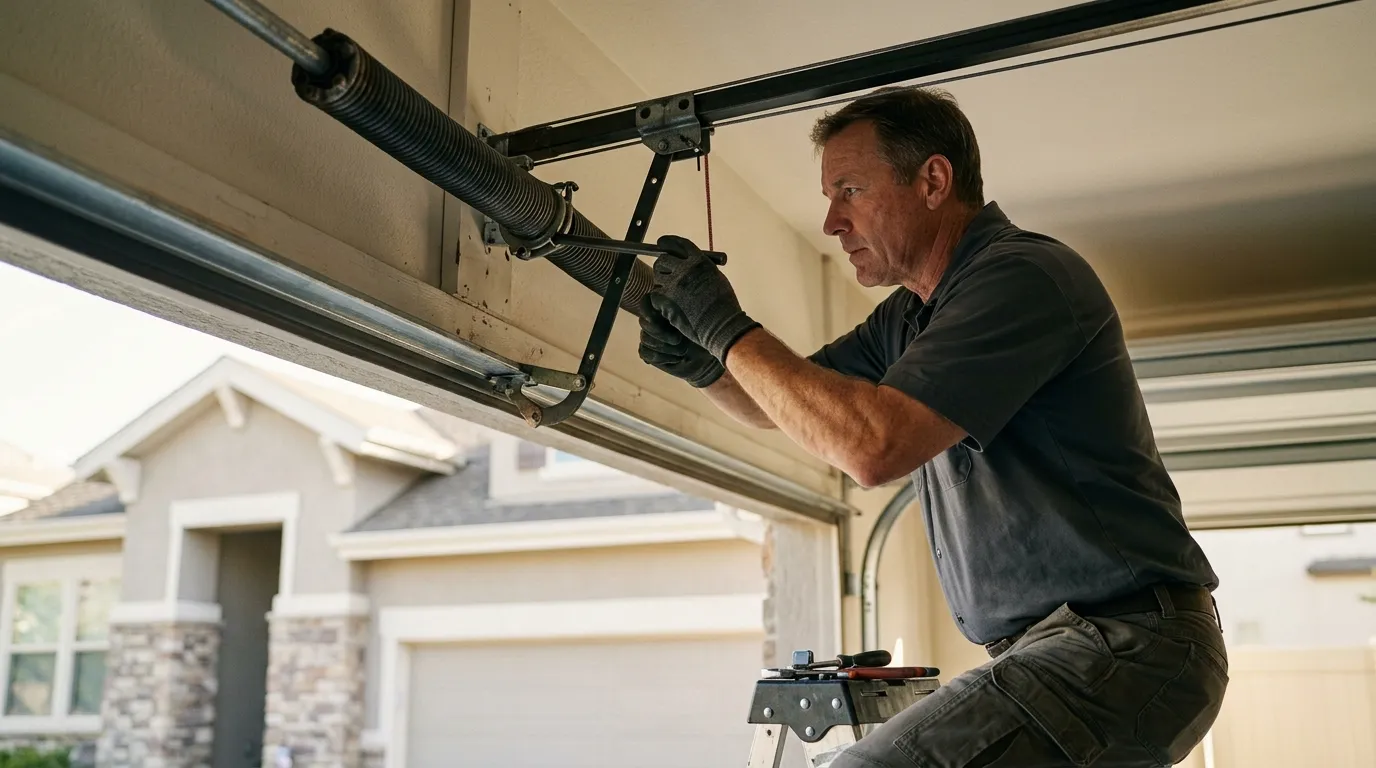
Northfield's median home was built in 1968, a few years past the 1964 median that covers the wider stretch of homes we work on out of Chicago. That gap matters more than it sounds. A house from the late 1960s usually came with a torsion-spring setup mounted above the door rather than the side-mounted extension springs you'd find in an older tract, and the opener, if original, is long past its rated cycle count either way. With only 2,348 households in the area, Northfield is a small, tightly built pocket rather than a sprawling subdivision, and most of the housing went up in a fairly narrow window. That means the doors we see here cluster around the same age and the same handful of failure points, instead of the mixed bag you get in a neighborhood with fifty years of infill. It also means parts availability is usually decent - torsion hardware from this era is common enough that we're not hunting down an obsolete bracket, though original wood panel doors from that period sometimes are worth replacing outright rather than patching.
What That Means for Doors
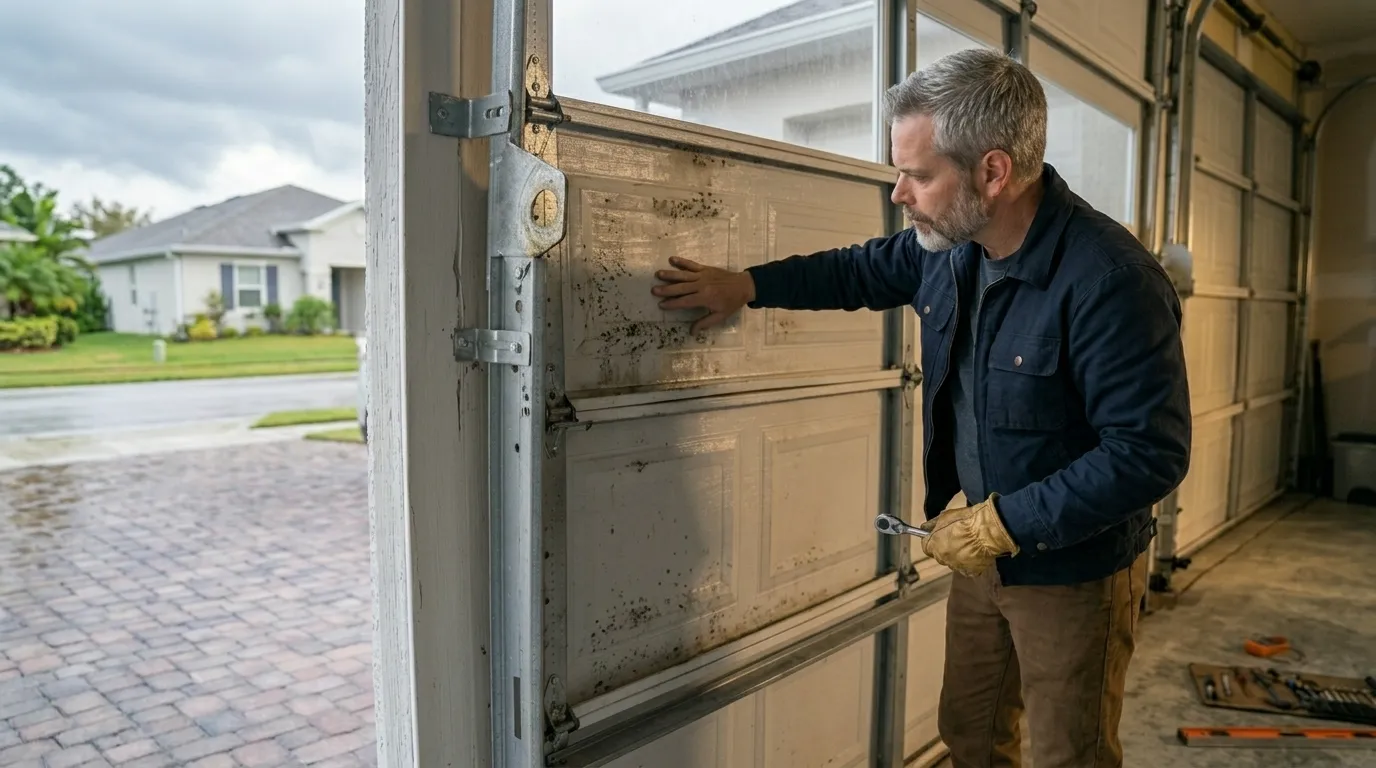
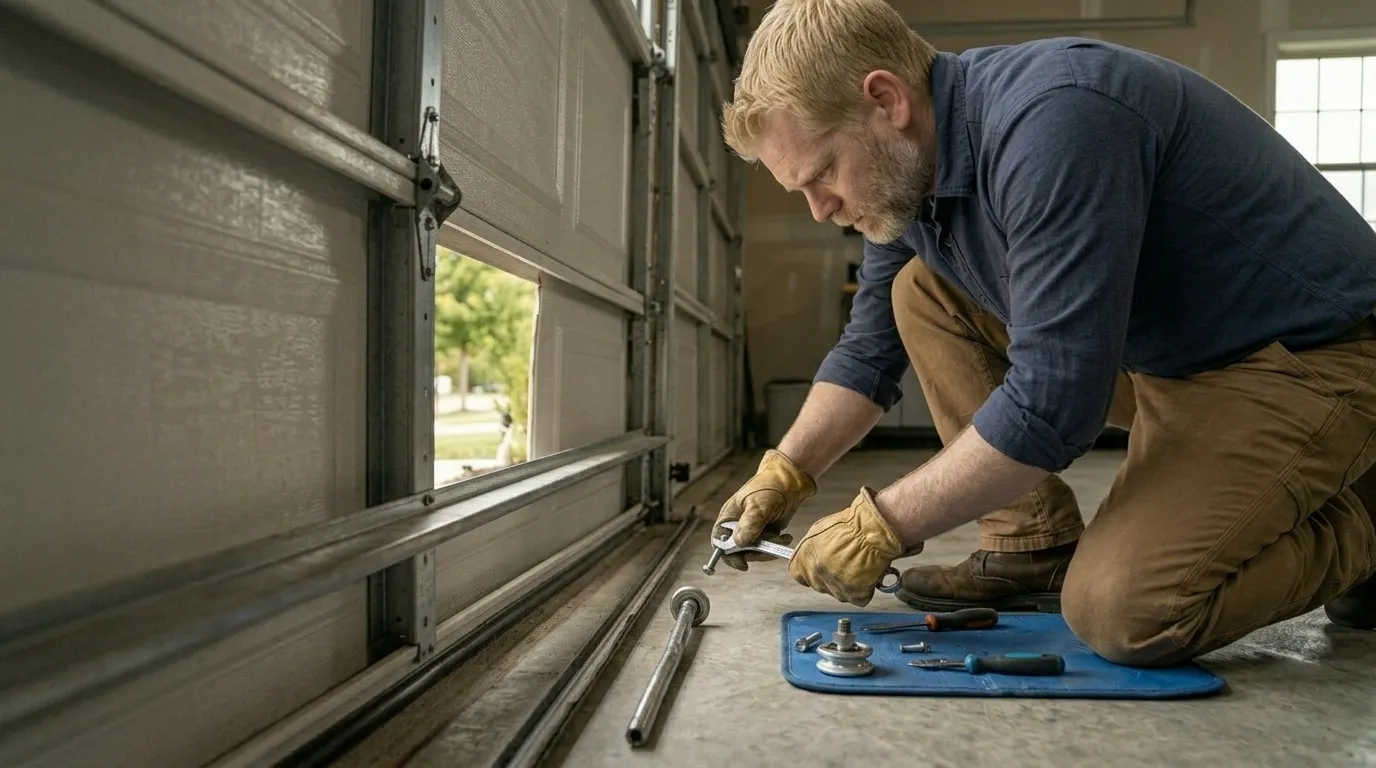
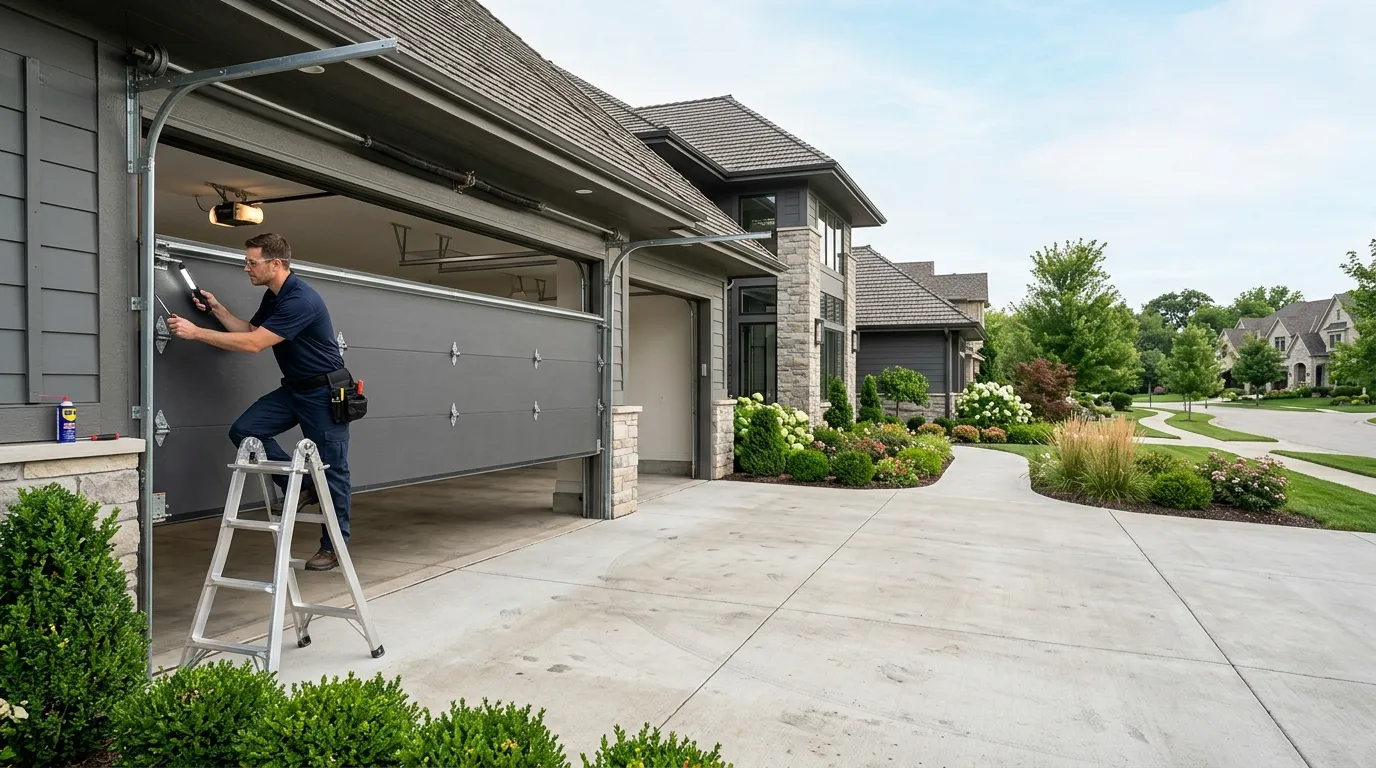
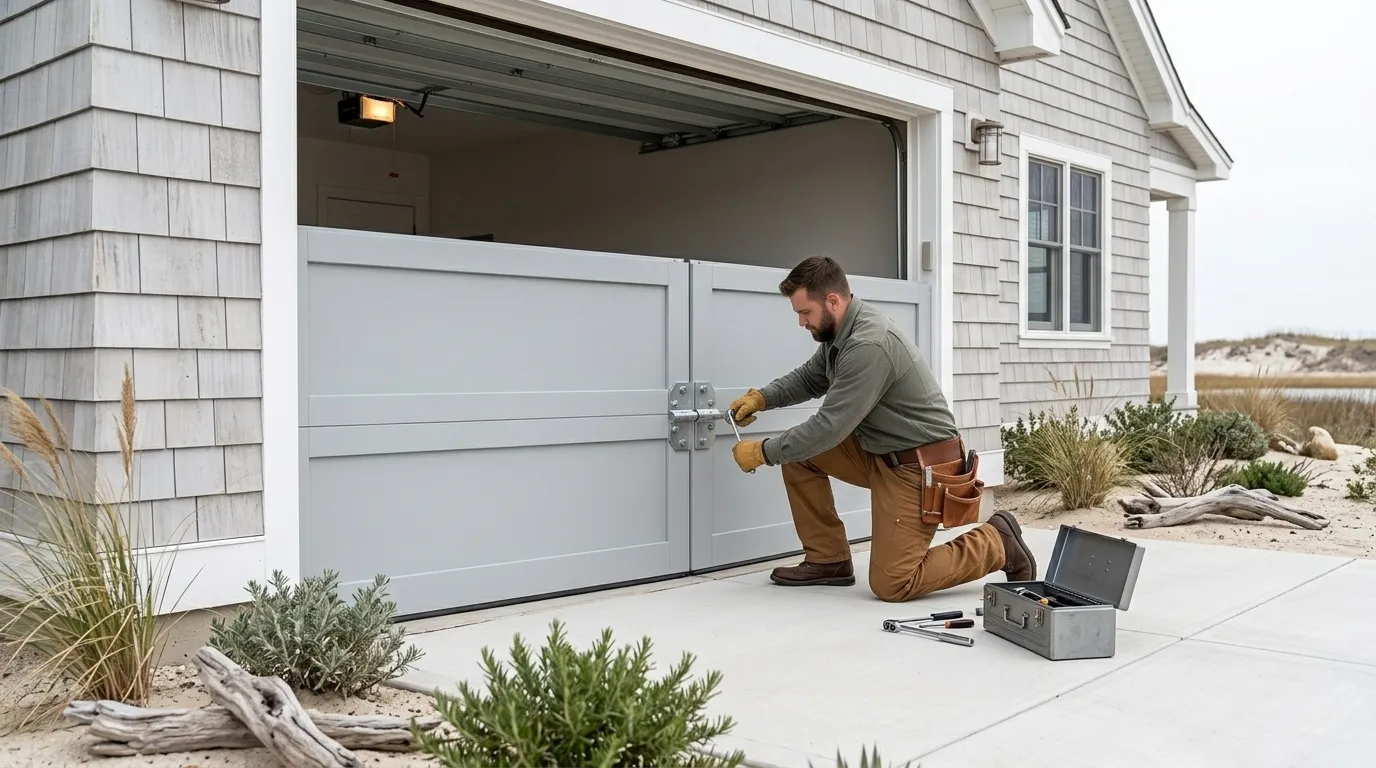
A door installed around 1968 is old enough that the torsion spring has likely been replaced at least once already, and if it hasn't, it's due. Springs in this climate band are rated for a set number of cycles, and cold winters put extra strain on the cable drums and the bottom brackets as steel contracts. We see galvanized torsion springs holding up fine on doors from this era as long as the track and rollers were kept lubricated, but original steel rollers on 1960s hardware are usually the first thing to start binding. Insulated doors weren't standard when these houses were built, so a lot of the original doors are single-layer steel or wood - fine structurally, but not doing much for the garage's temperature in a Midwest winter. Where we can't help: we don't do cosmetic refinishing on original wood doors, and if a door's frame has racked out of square from decades of settling, that's a carpentry fix before it's a garage door fix.
What People Here Ring About
Given the age of the housing stock, the call we get most from Northfield is a torsion spring that's finally given out - usually with the door slamming down hard or refusing to lift at all. The second most common is an opener that's simply reached the end of its service life; with median household income here running well above the broader area's $80,202 figure, most Northfield owners choose to replace an aging opener outright rather than keep repairing a unit from the 1990s. We also get calls about noisy tracks and worn rollers, which tend to show up around the same age as the spring issue since both wear out on similar cycle counts. What we don't get much of here is a request for a cheap patch job - the housing values and household income in this area mean most people would rather do the repair right the first time than defer it. That's a fair approach, and it's usually the cheaper one in the long run.