This Area's Housing
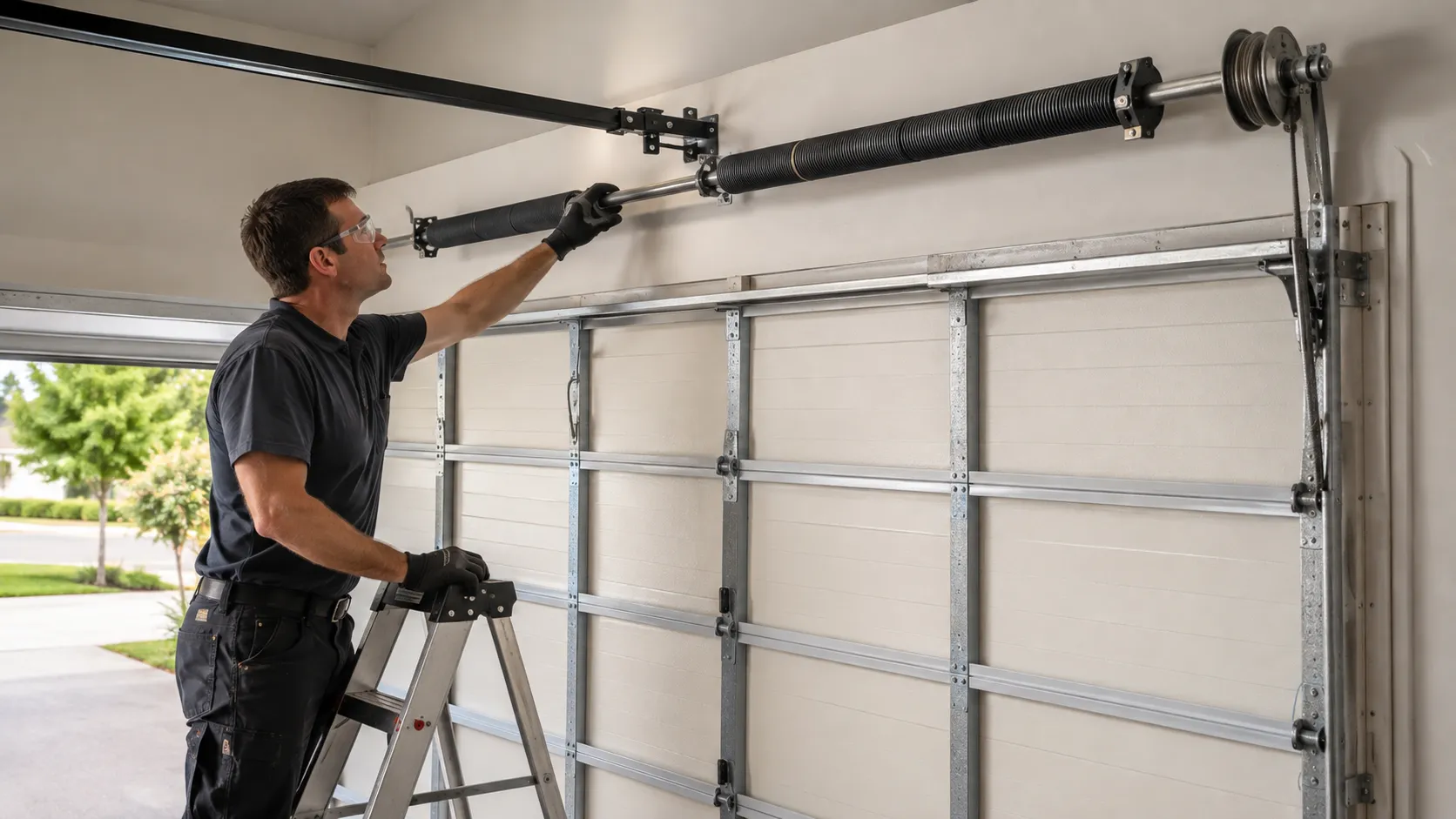
Northlake's houses cluster around a median build year of 1957, which puts it on the older end of a service area that runs from 1938 up through 1994 with an overall median near 1964. That seven-year gap matters more than it sounds. A house built in the late 1950s usually still has its original garage structure even if the door itself has been swapped once or twice, and the opening is often narrower than what newer track and spring kits assume. With 4,406 households in Northlake, most of them owner-occupied by the pattern typical of this area, you've got a concentrated pocket of that same-era hardware: steel doors from the 60s and 70s bolted onto framing that predates modern header clearances. Median household income here runs about $77,564, a bit under the wider area's $80,202, which shapes what kind of repair versus replace conversation makes sense - we'll tell you honestly when a torsion spring swap beats a full door change, and when it doesn't.
What That Means for Doors
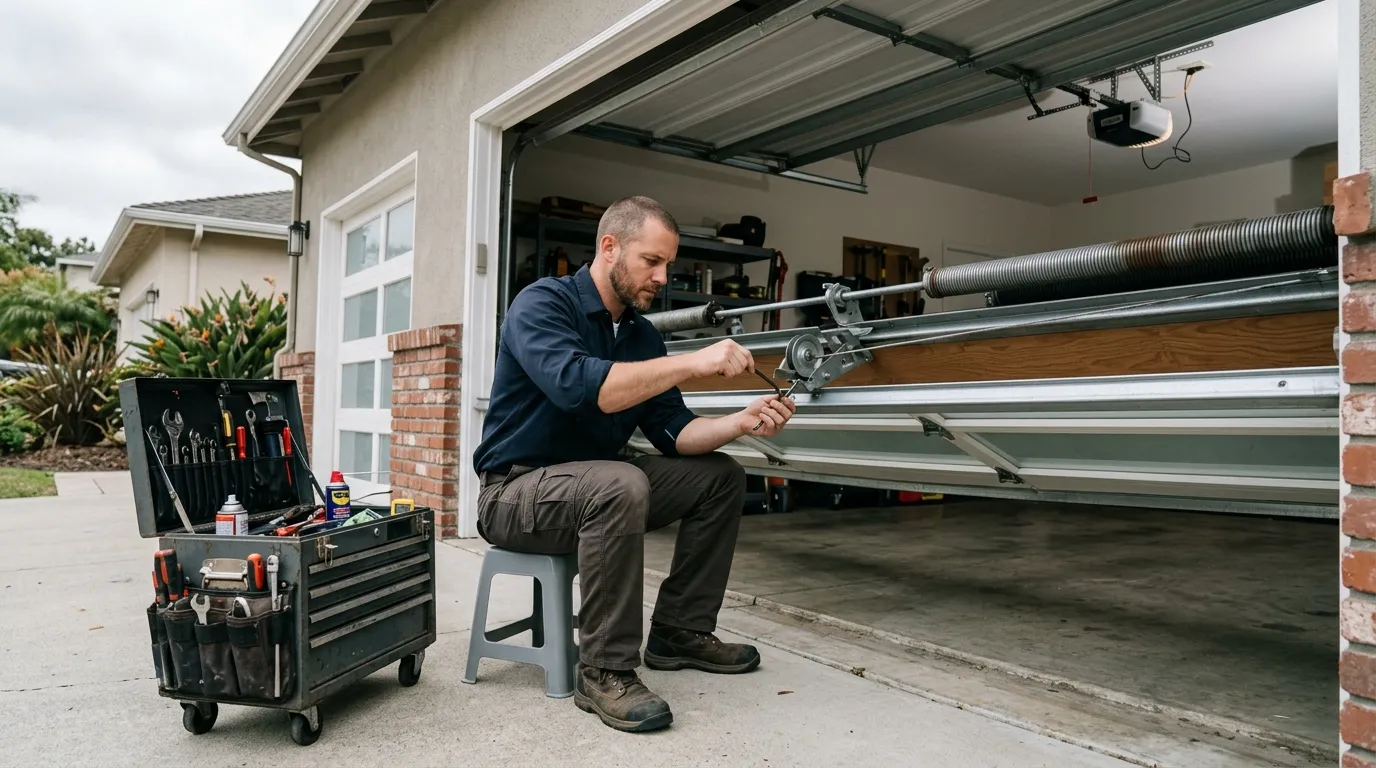
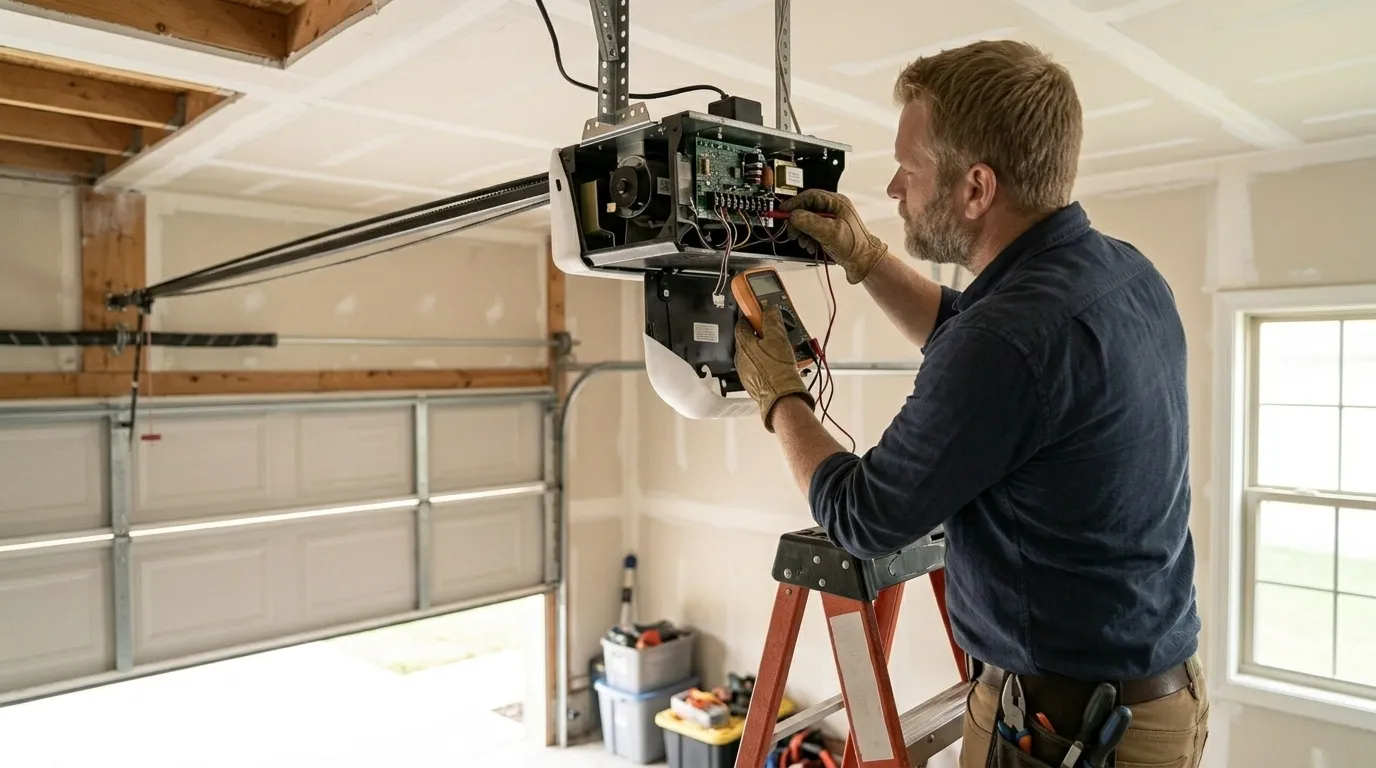
A door installed around 1957 was built for a lighter panel and often a single torsion spring or a pair of extension springs mounted along the horizontal track rather than centered overhead. Homeowners in this cold-moderate climate band see that hardware get brittle faster than it would somewhere milder - freeze-thaw cycling on old lift cables and rollers is a real thing here, not a sales line. What we run into most in houses from this era: extension spring setups with no safety cable running through them (a real hazard if one lets go), rust-seized hinges on steel panels that were never galvanized, and openers bolted to framing that's shifted just enough to throw the travel limits off. None of that is exotic work, but it's not the same job as a 1990s door with a modern torsion bar, and pricing it like one is how people get surprised.
What People Here Ring About
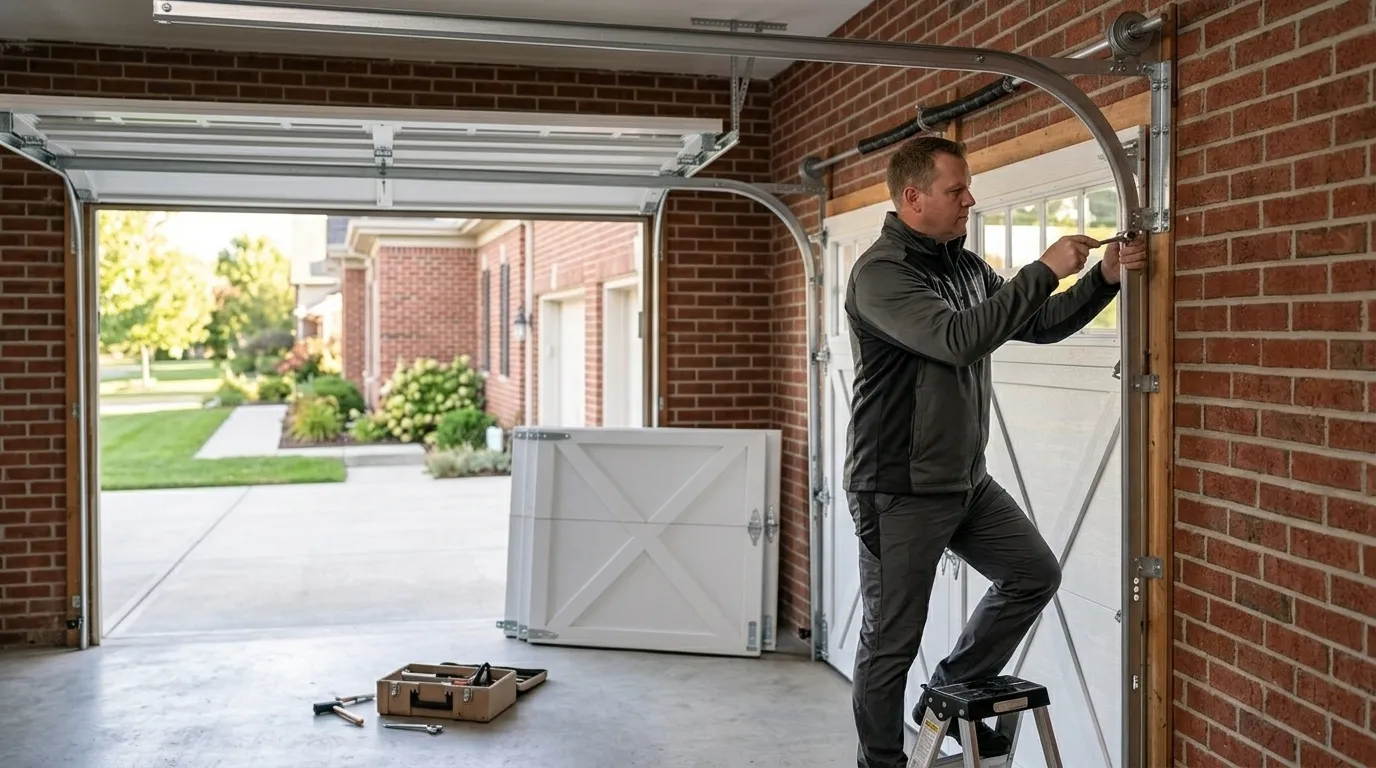
The calls we get from this part of the area split a few ways: a spring that let go on an extension-spring door with no visible warning, an opener that runs but won't lift because the spring behind it has lost tension, and doors that bind partway up because the track was never re-squared after a panel replacement years back. We'll be straight about the limitation here - if your door is a 1957 original with a discontinued panel profile, we can often keep it running with a spring or roller swap, but a matching replacement panel isn't something we can source. At that point full replacement is the honest answer, not a patch job that fails again in a year.