This Area's Housing
Oak Brook's housing stock runs later than most of the towns in our service area. The median build year here lands around 1978, a good decade or more past the 1938-to-1994 range that covers the wider territory, where the midpoint sits closer to 1964. That gap matters. A house built in 1978 usually came with a wider garage bay, a steel raised-panel door instead of an older flush wood one, and an opener wired for the door hardware of that era rather than the side-mounted torsion setups you find on 1950s blocks closer to the city.
With 2,863 households and a median income of $171,123, Oak Brook also skirts higher-end than the service area as a whole, where median household income runs $80,202 across 461,017 households. A lot of these owners have already swapped out an original 1970s door for an insulated replacement, but the ones who haven't are often running the original springs and drums, which by now are well past their rated cycle count.
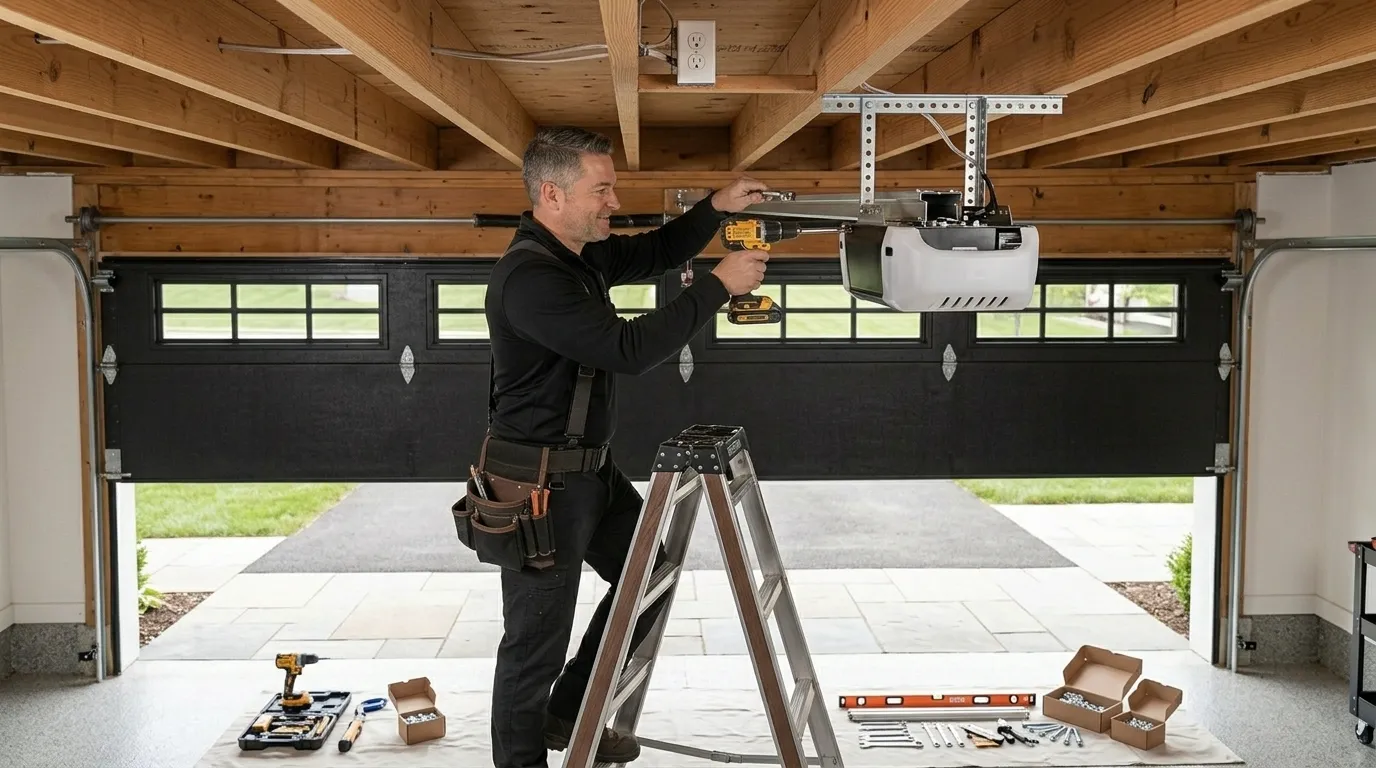
We don't guess at what's behind your door before we see it. A 1978 build could have any of three or four common opener types depending on when it was last touched, and we bring the parts to cover the likely ones, not just one.
What That Means for Doors
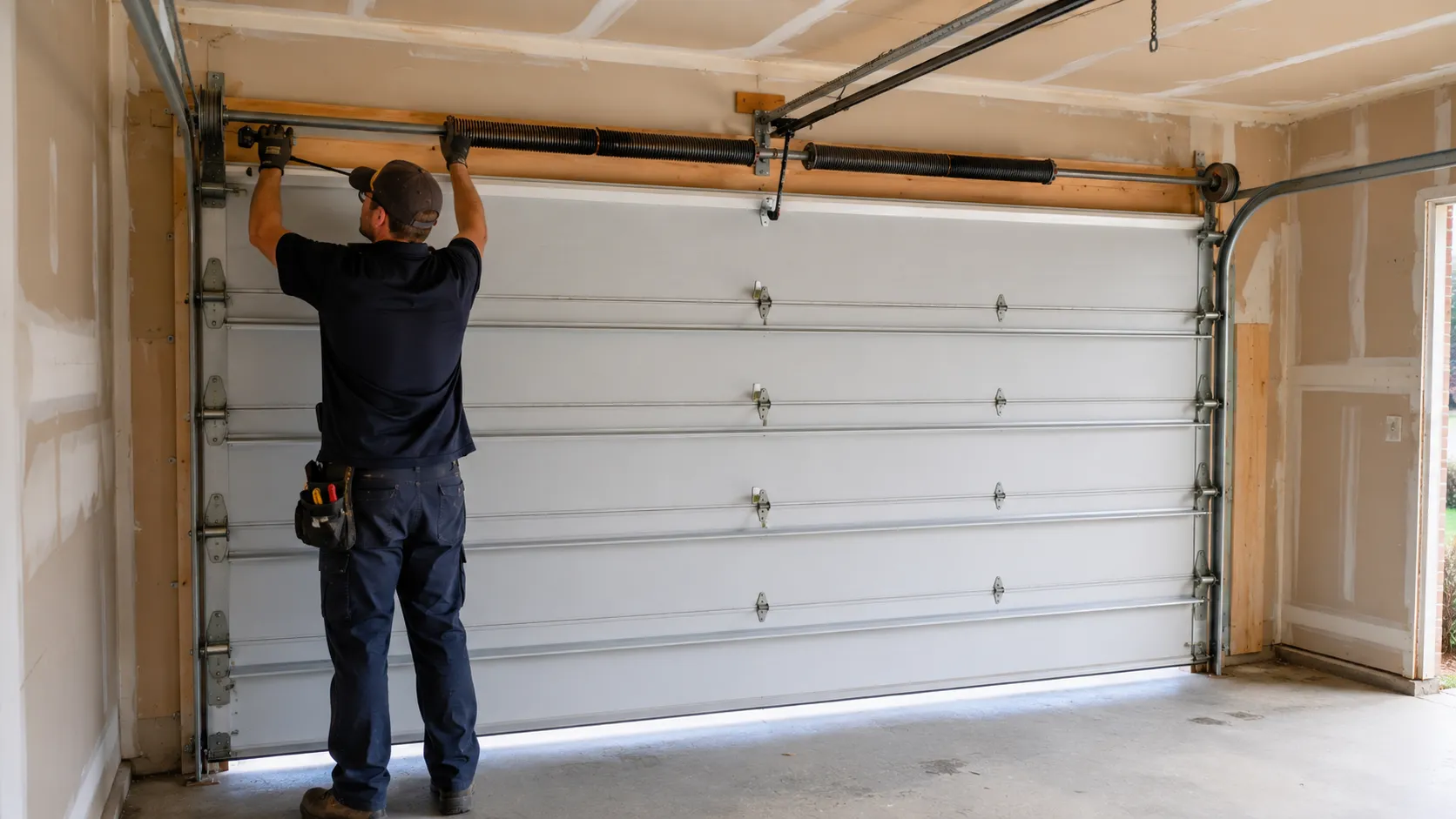
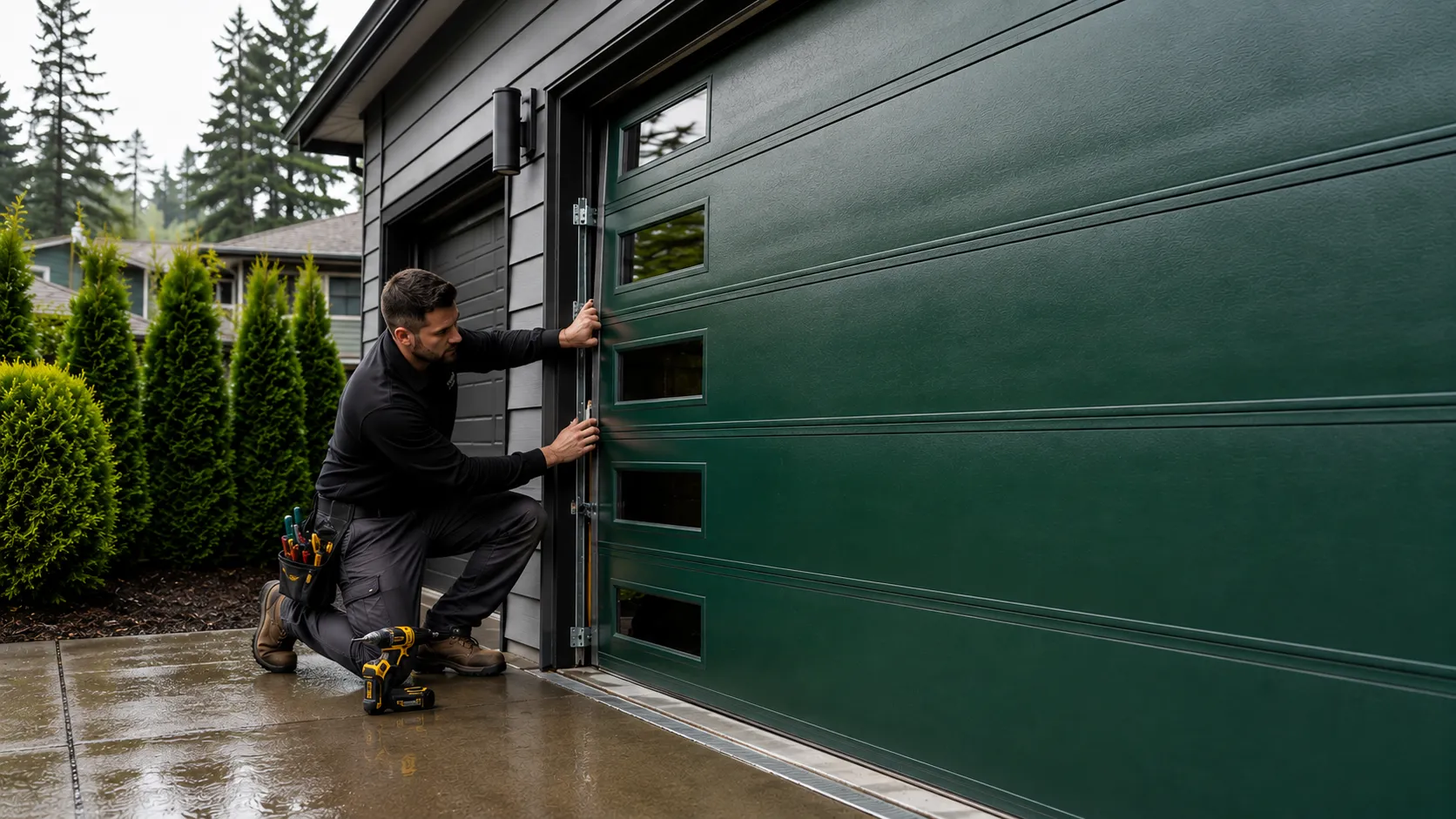
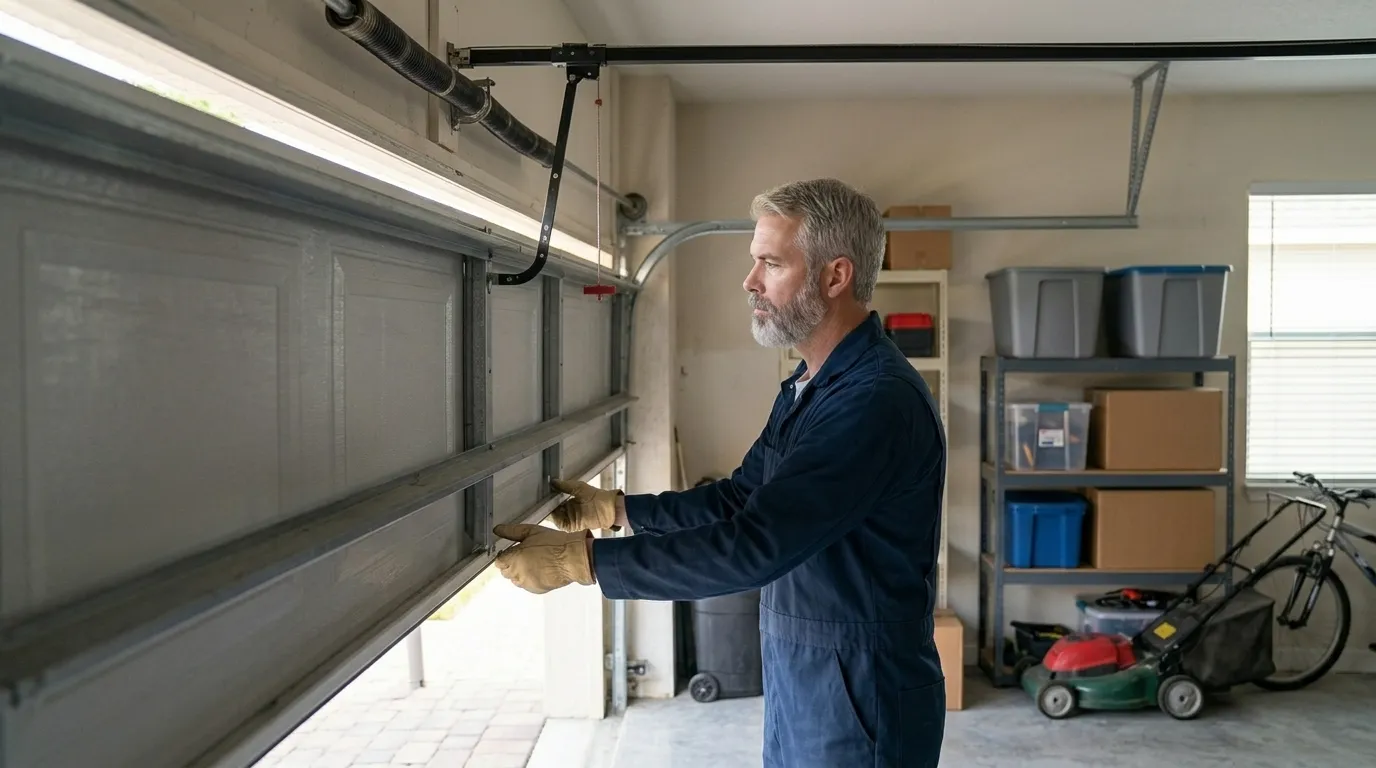
A door and opener installed around 1978 sits in a different repair category than the 1950s and 1960s stock that makes up most of the service area. By the late 1970s, torsion spring systems were becoming standard on wider doors, which means more Oak Brook garages carry a torsion setup over the header rather than the older side-mounted extension springs still common on 1940s and 1950s one-car garages closer to Chicago. That's good news for repair parts, since torsion hardware from that period is more likely to still be stocked than the oddball side-mount brackets from earlier decades.
The service area sits in a cold, moderate climate band, and steel sectional doors from the late 1970s often ran without the added insulation and weatherstripping that became standard later. Cold snaps make old rollers and hinges brittle, and a track that's slightly out of plumb on a wider 1970s-era door shows up faster as noise or binding than it would on a narrower older bay.
We won't tell you a repair makes sense if the drum, springs, and opener are all near the end of their life at once. On some of these houses, replacing the whole door and hardware costs less over time than patching a 45-year-old system piece by piece.
What People Here Ring About
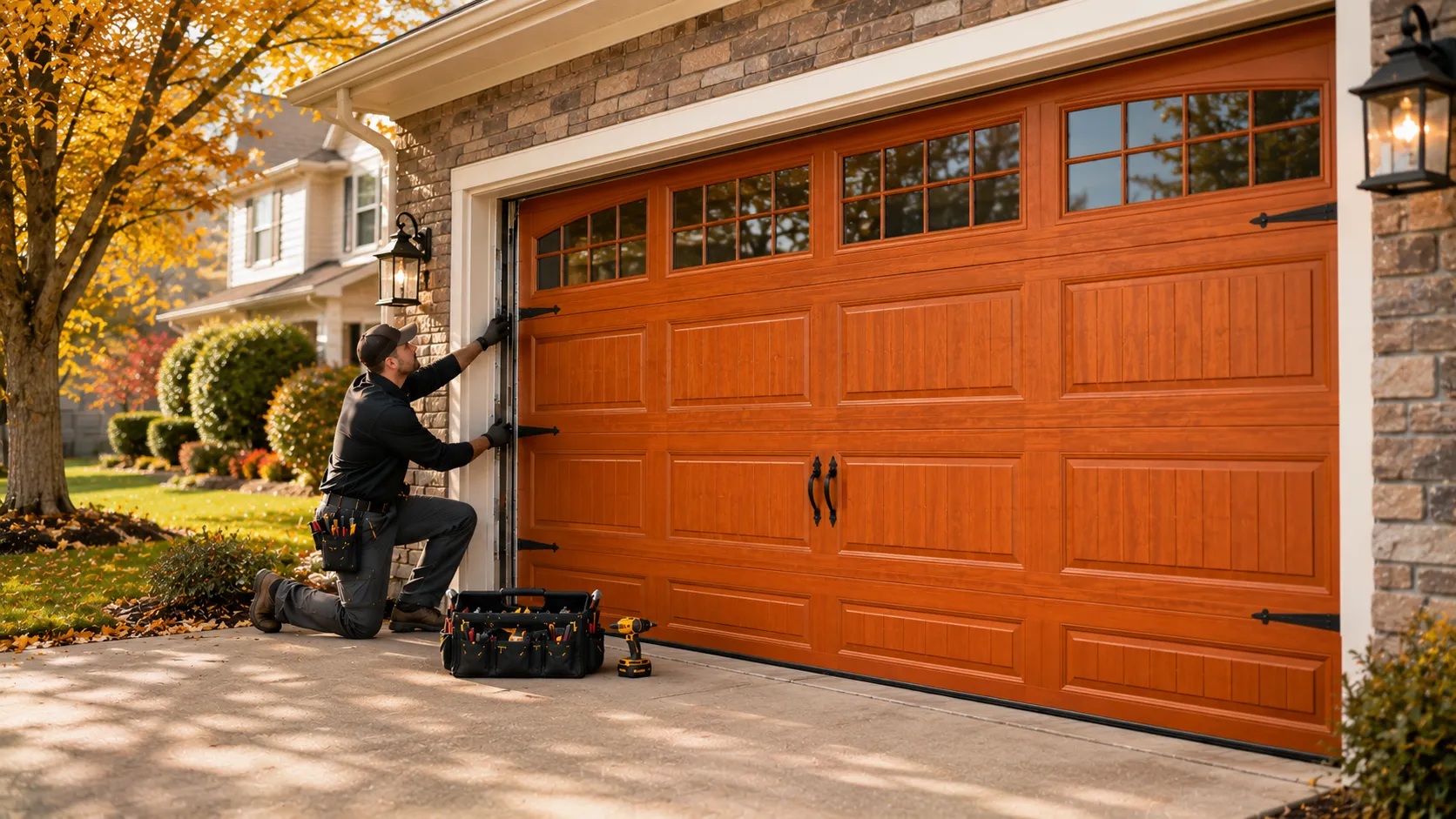
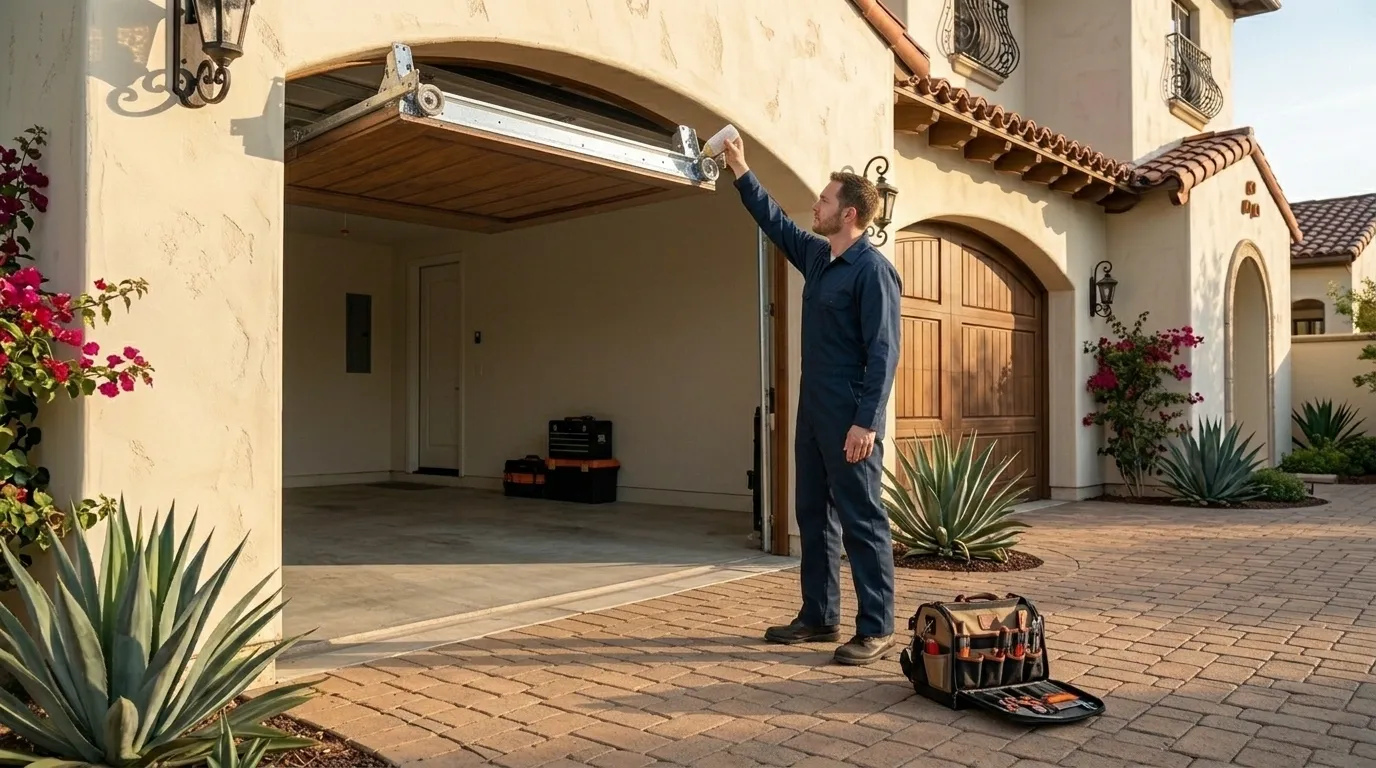
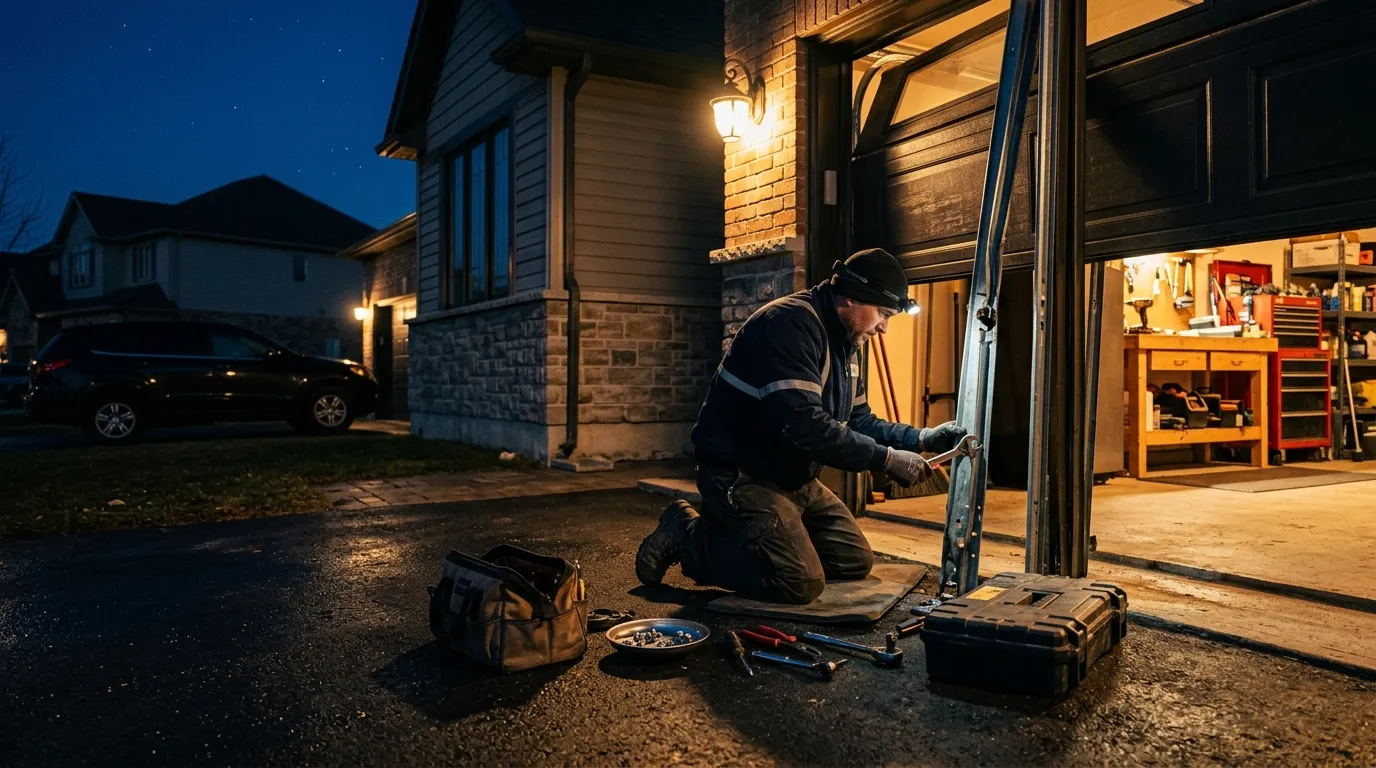
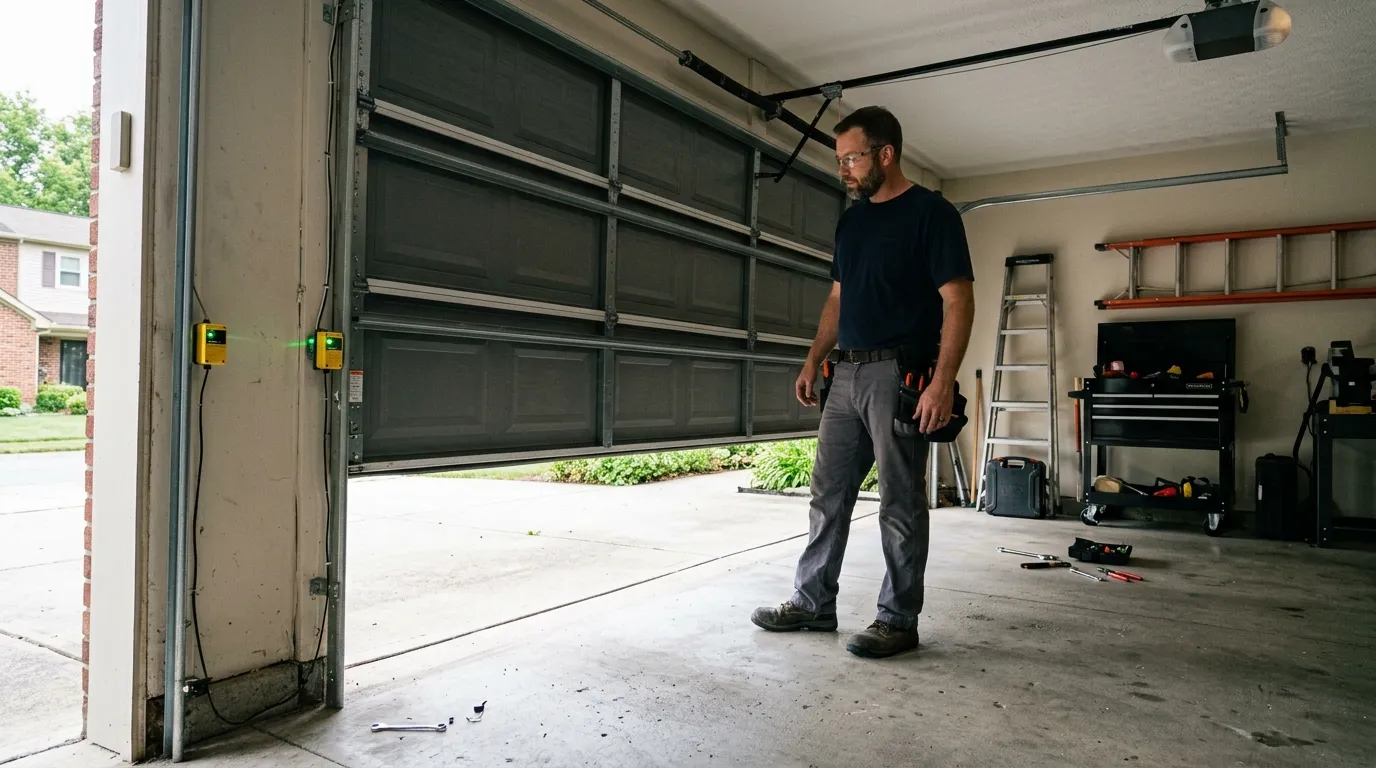
The calls we get from this part of the service area lean toward worn torsion springs on wider double doors, openers that have started failing intermittently rather than all at once, and tracks that have drifted out of alignment on garages built with the longer horizontal runs common in late-1970s construction. A fair number of these houses also have a second, smaller service door on the garage that homeowners forget to mention until we're on site.
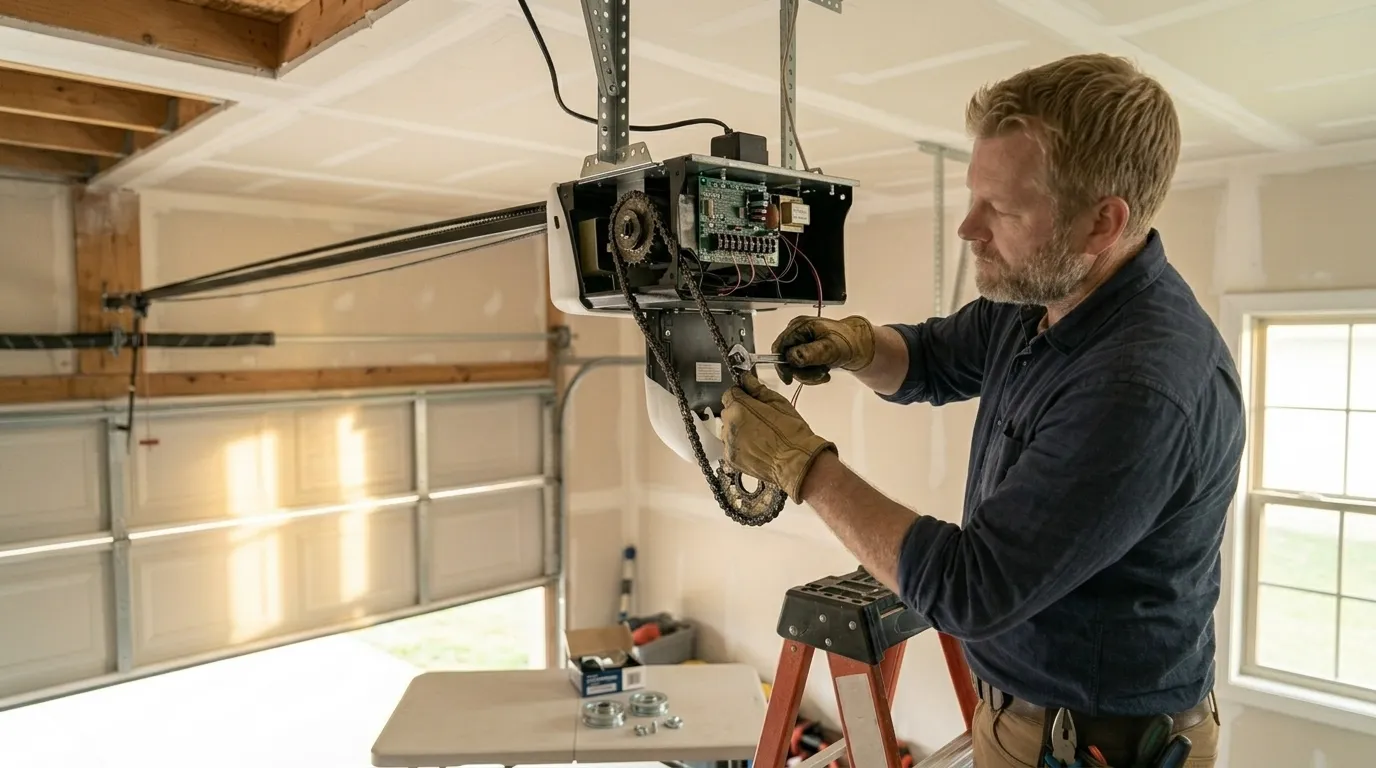
We also hear from owners who've had a newer opener installed on original 1978 track and drum hardware, a mismatch that shows up as grinding or uneven travel. That's a straightforward fix once we know what we're looking at, but it's not something we diagnose over the phone.
One thing we're upfront about: if your door and opener are both original to a 1978 build and both showing wear, we're not going to spend an hour trying to save every part just to keep the job small. We'll tell you straight whether a repair or a full swap makes more sense for your situation.