This Area's Housing
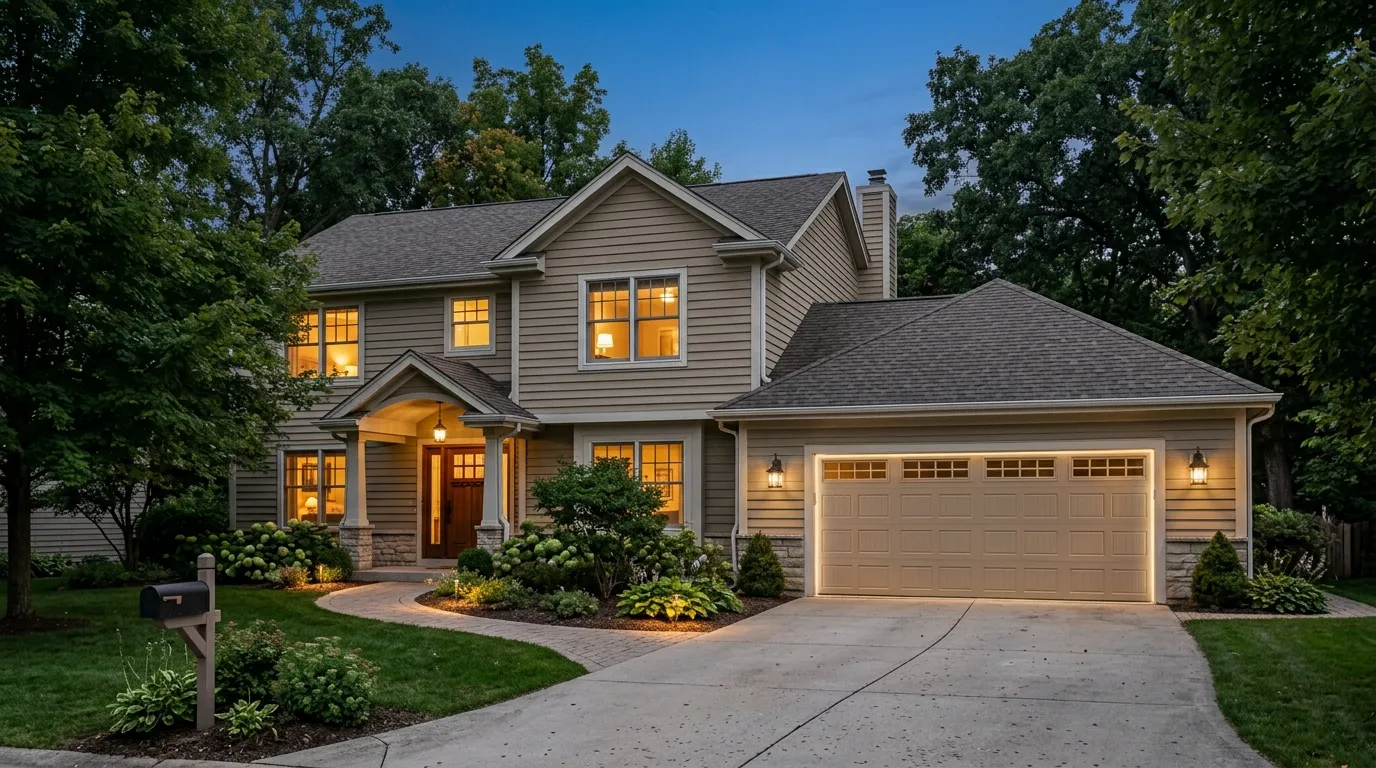
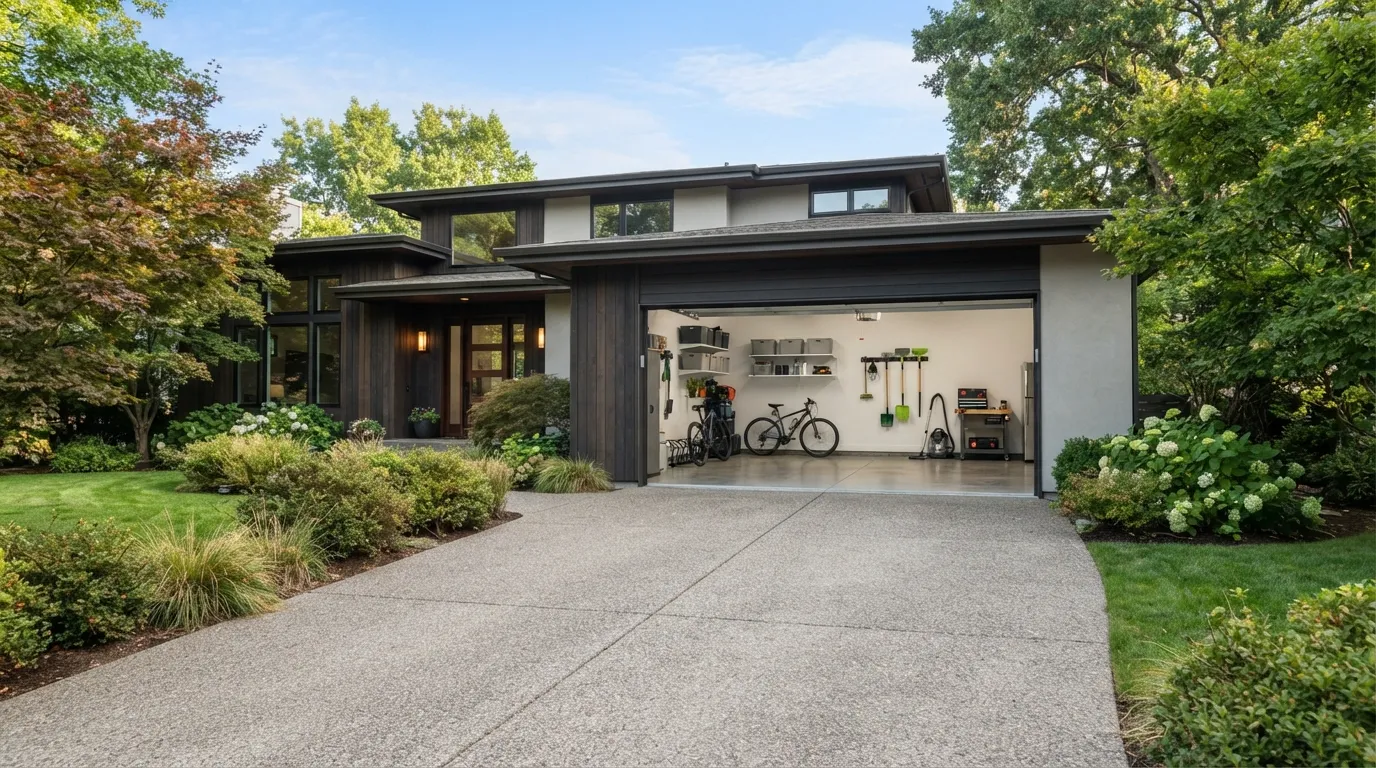
The median house in Oak Forest went up around 1975 - a decade newer than the 1964 median across our wider service area, where the housing stock as a whole leans 1960s and 70s across 86 named communities. That decade matters more than it sounds. Homes built in the mid-30s through the 1950s across the region often carry one-piece swing-up doors or older extension-spring setups bolted to the door face. A 1975-era garage almost never has that. By then, builders had shifted to steel sectional doors on torsion springs mounted above the opening, usually paired with a chain-drive opener bolted to ceiling joists that were framed with a garage in mind from the start - wider bays, taller headroom, room for a torsion tube. If your house here still has its original door, you're likely looking at a galvanized steel sectional, probably without insulation, on hardware that's now pushing 50 years old. That's aging out. Torsion springs are rated in cycles, not years, and a spring installed when Ford was president is well past due, whether or not it's ever broken.
What That Means for Doors
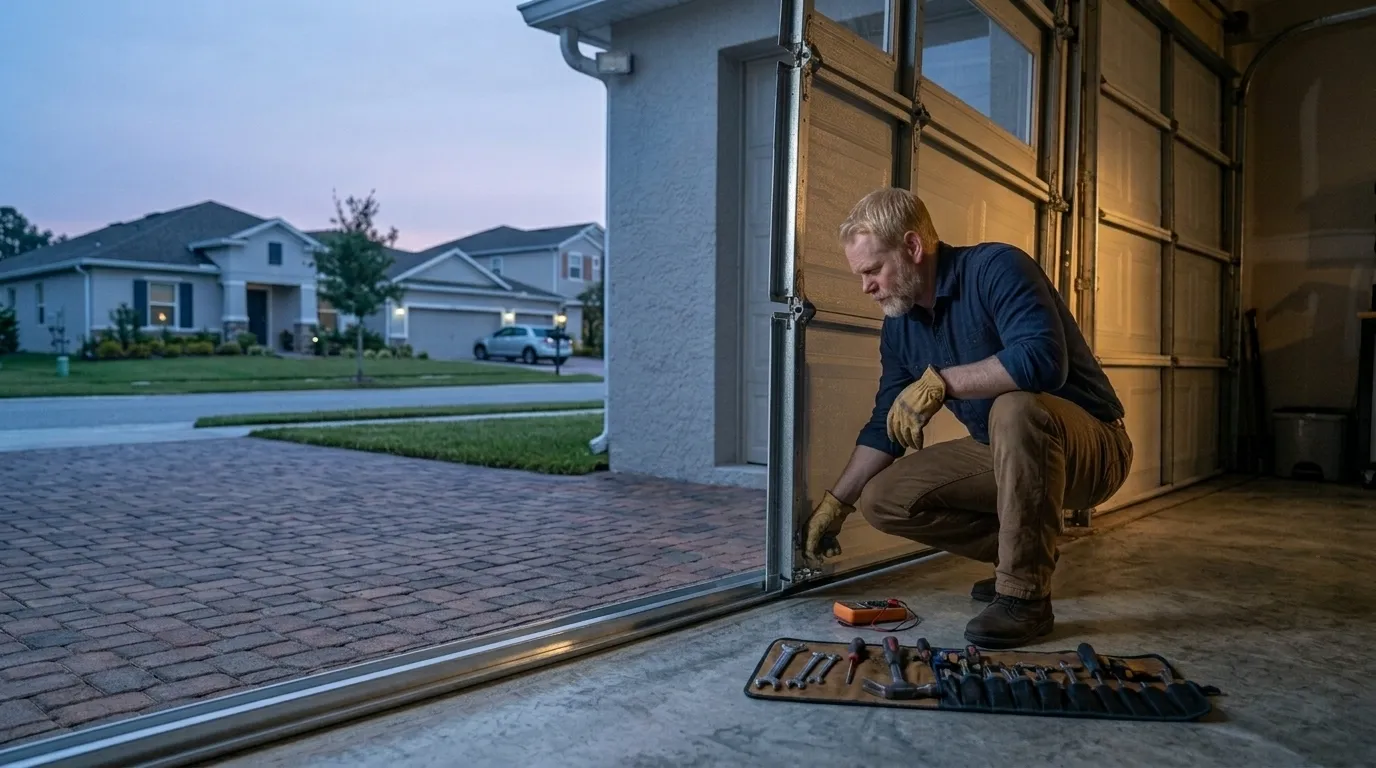
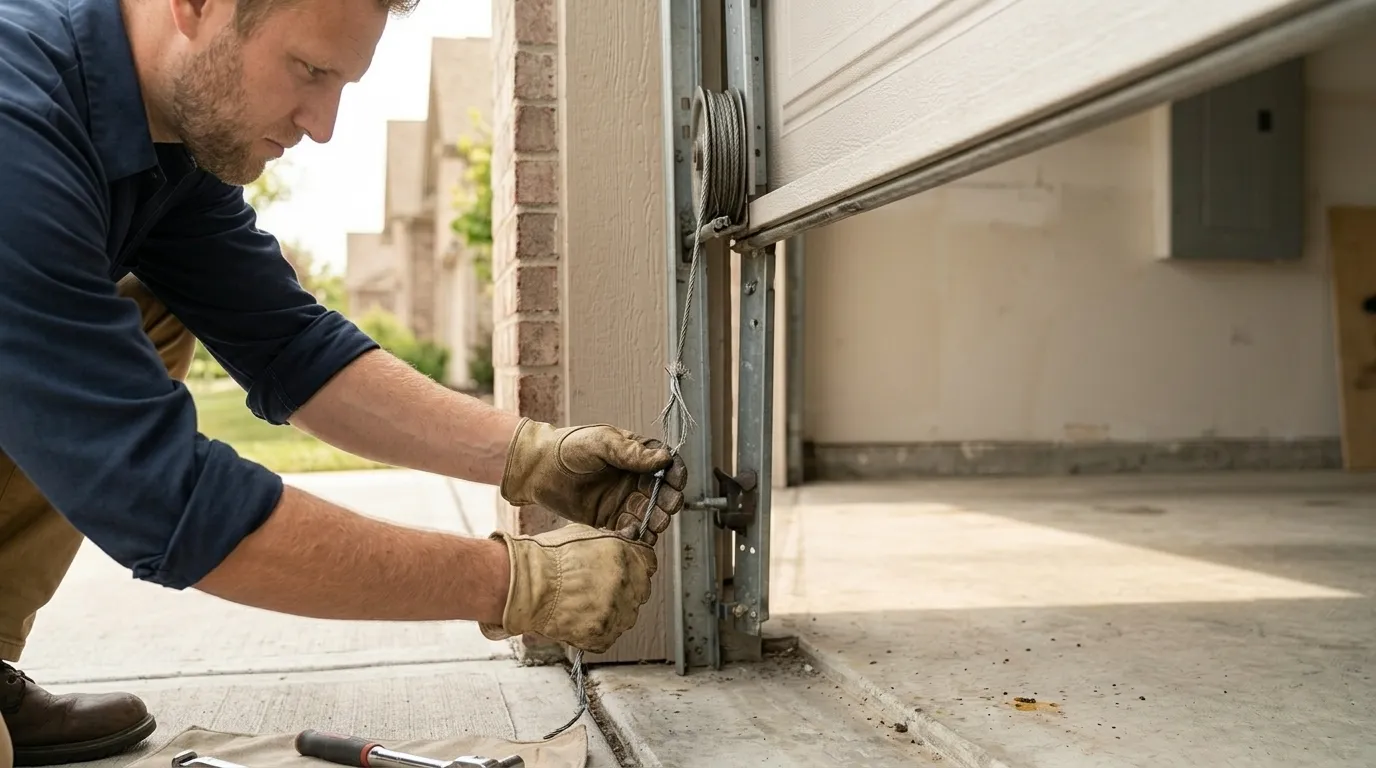
Oak Forest falls in the same cold-moderate climate band as the rest of the region, and that band is unforgiving on garage door hardware regardless of age. But the failure pattern here differs from the older housing pockets closer to the city center. With torsion springs standard on the area's 1970s-built sectional doors, the common winter failure is a snapped torsion spring rather than the frayed cable or seized hinge you'd expect on an older extension-spring door. Cold steel contracts, lubricant thickens, and a spring already near the end of its cycle life lets go - usually on the first hard cold snap, usually in the morning when the door's been sitting all night. Tracks on these houses also tend to be the wider, taller variety built for two-car bays, which means heavier doors and springs sized to match. A too-light replacement spring on one of these doors won't just underperform - it'll fail again within a season. We size to the door, not to what's on the truck.
What People Here Ring About
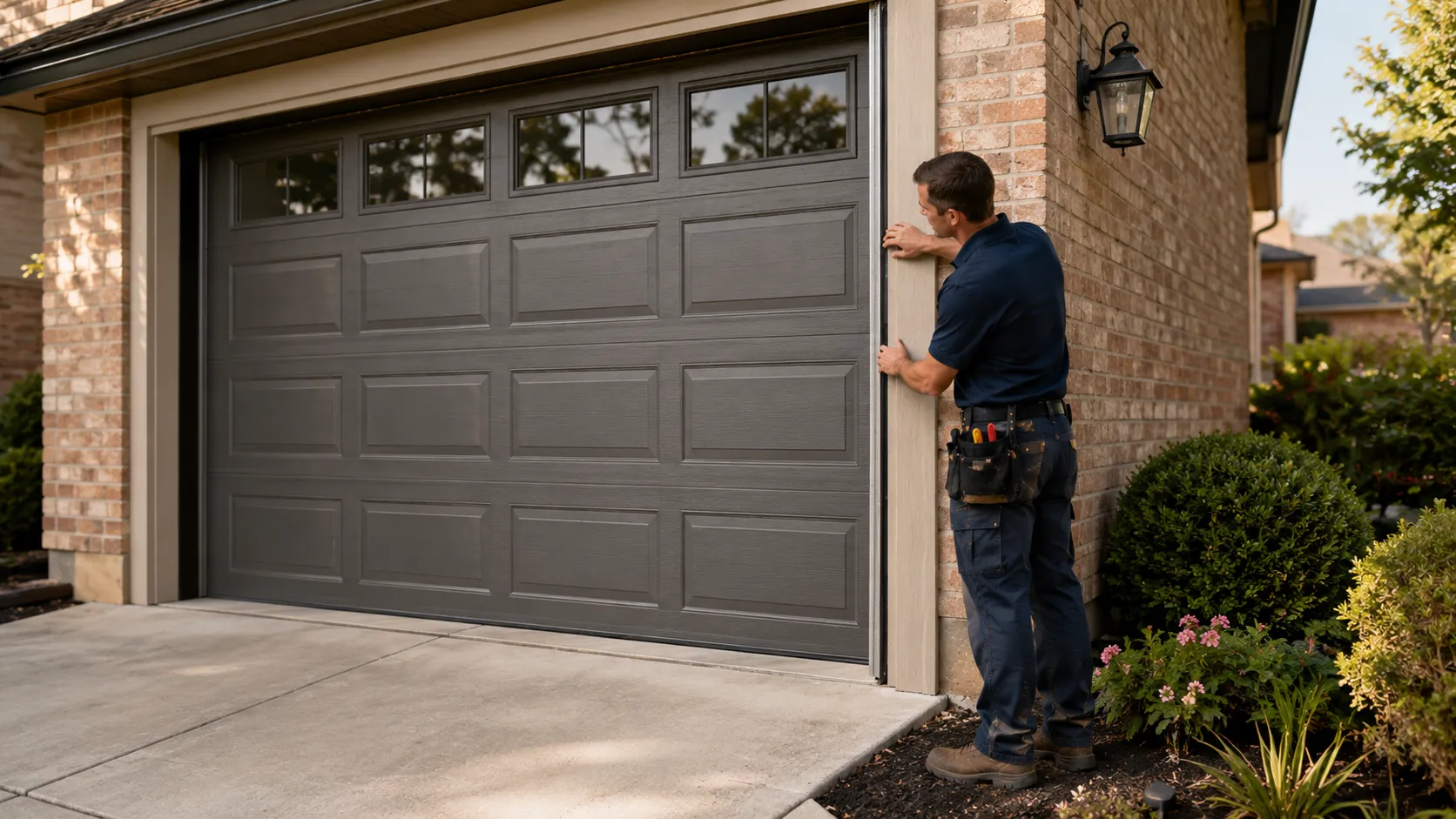
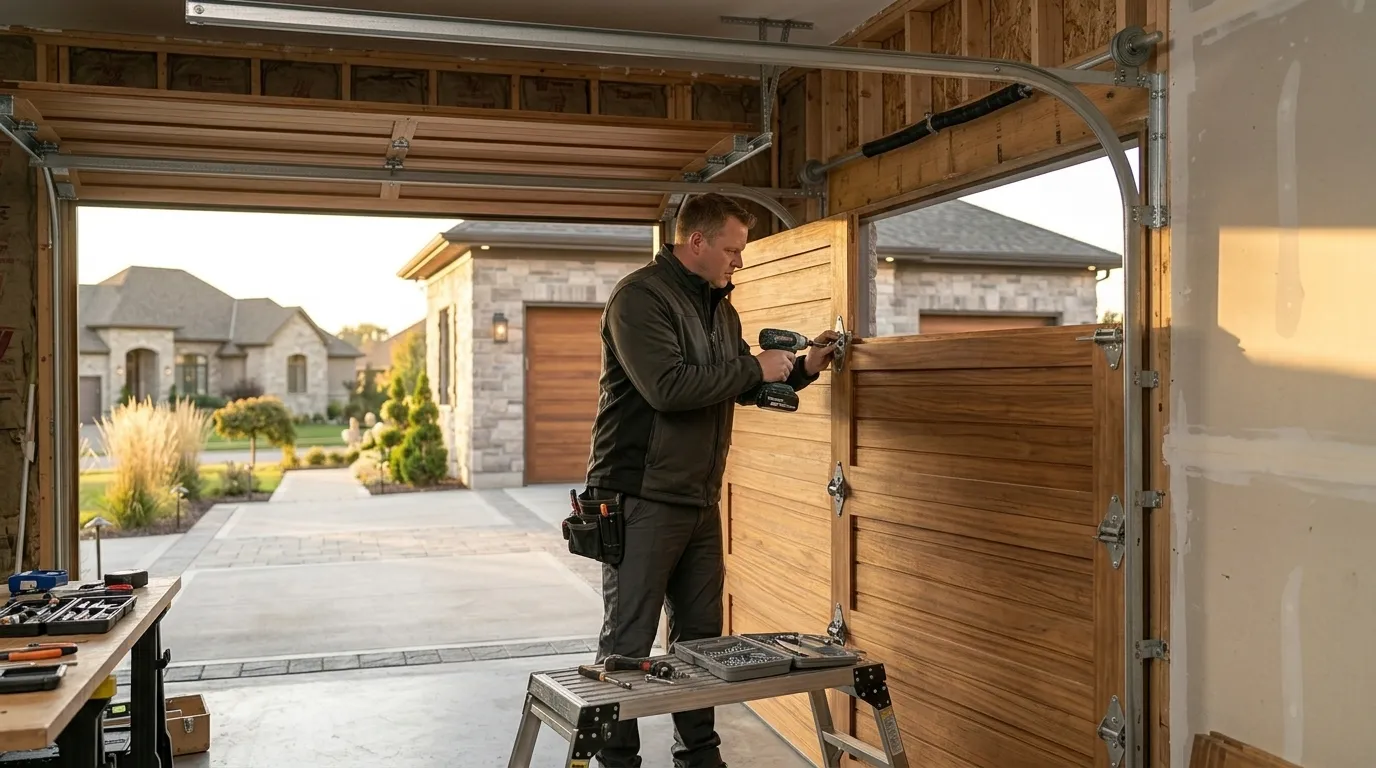
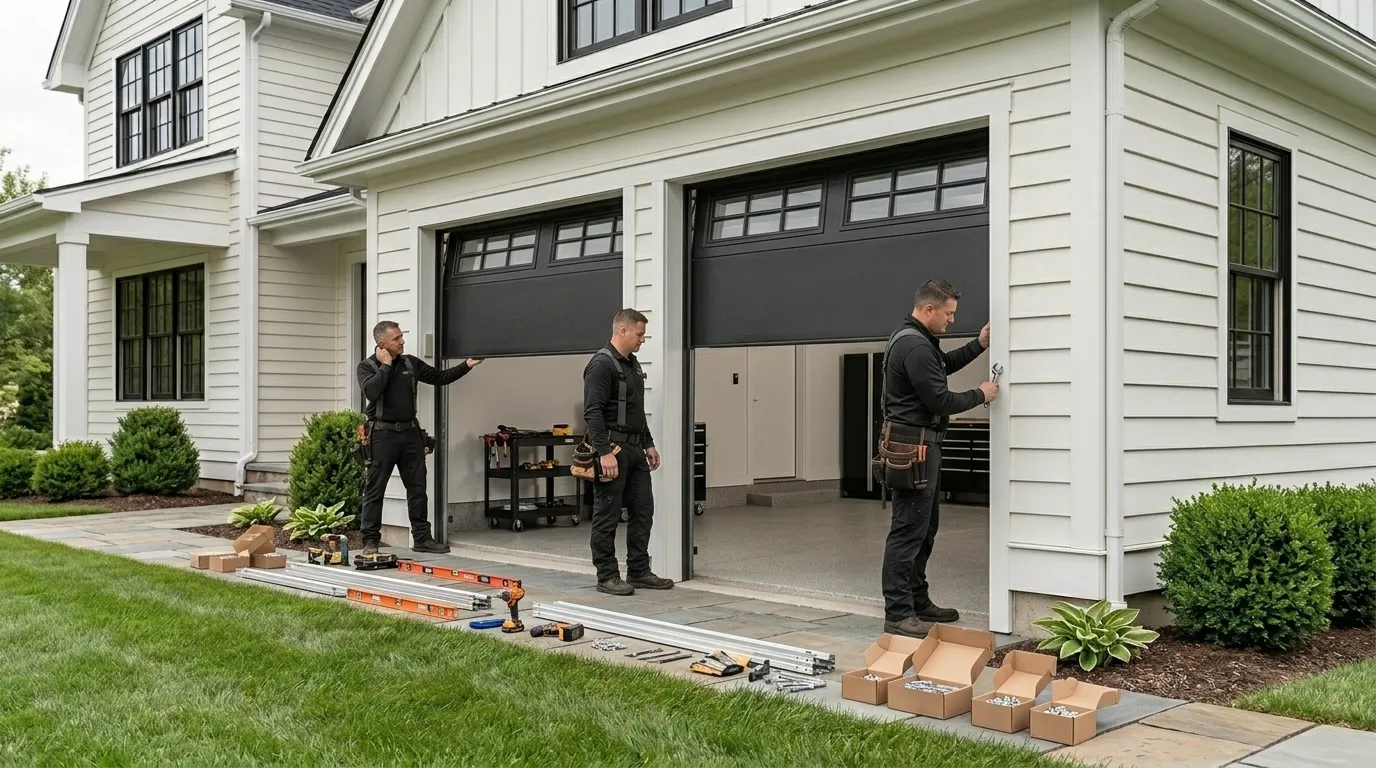
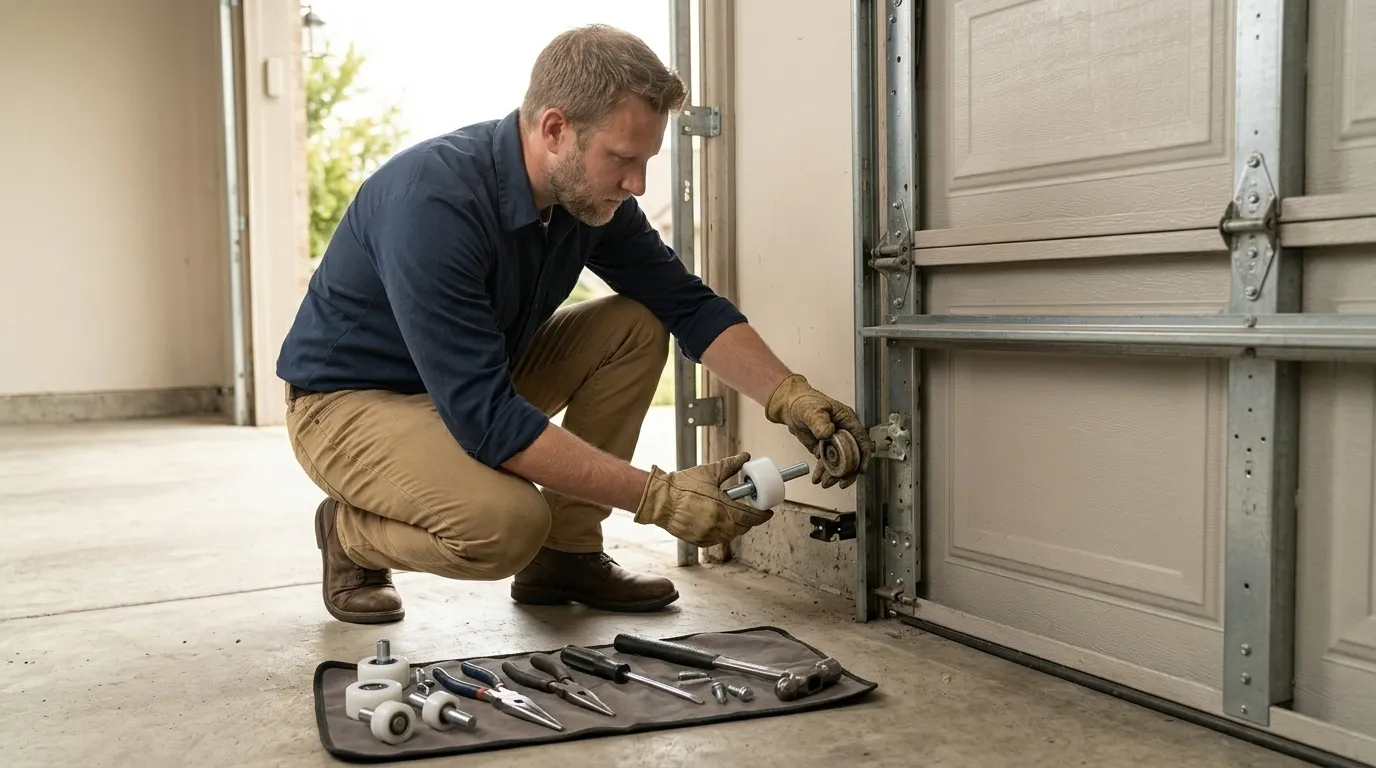
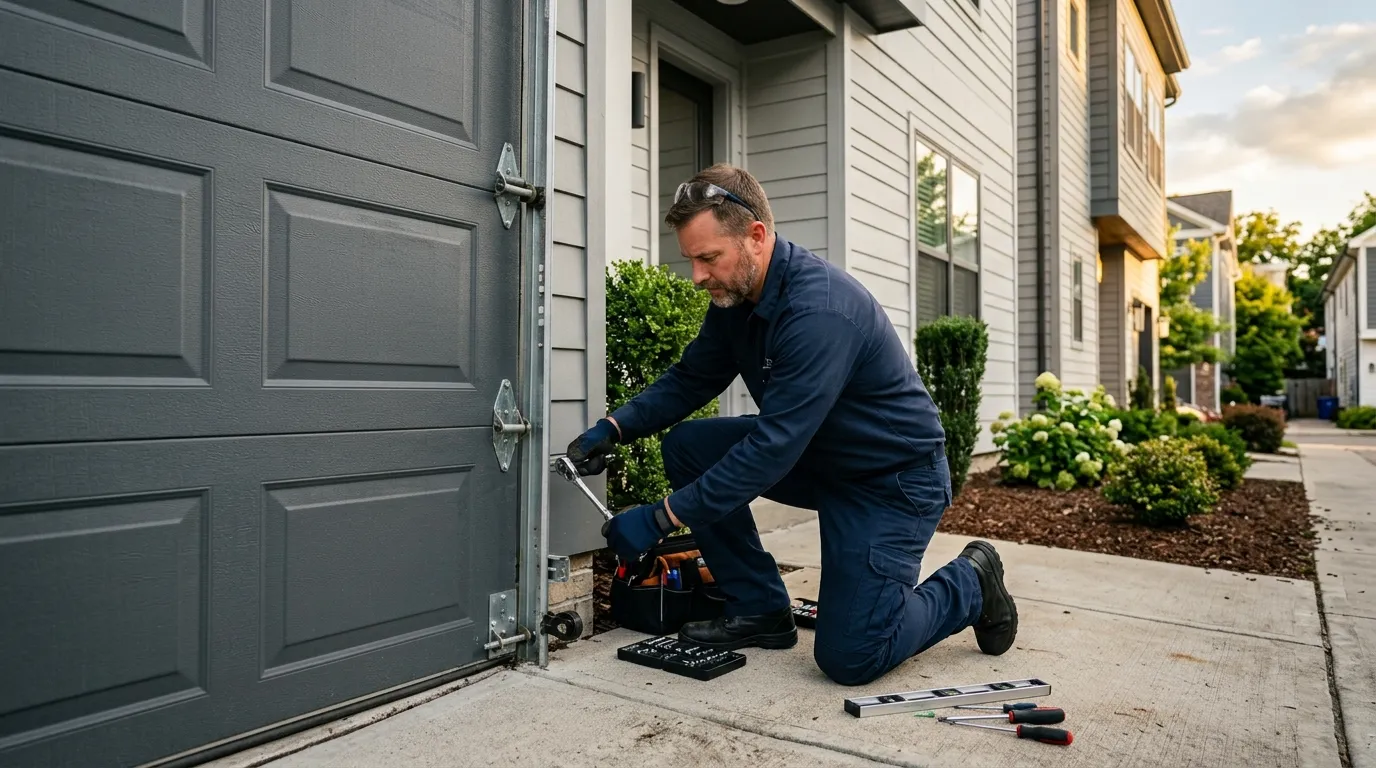
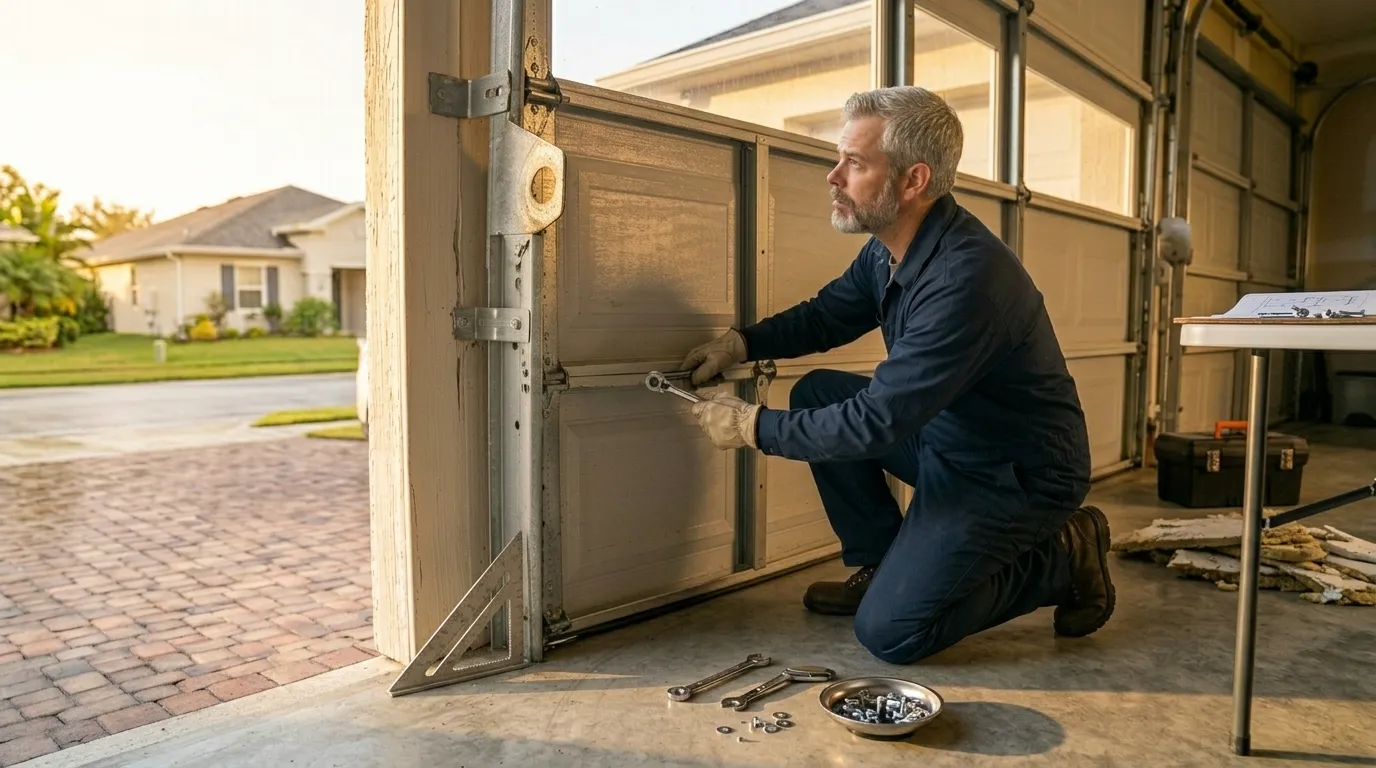
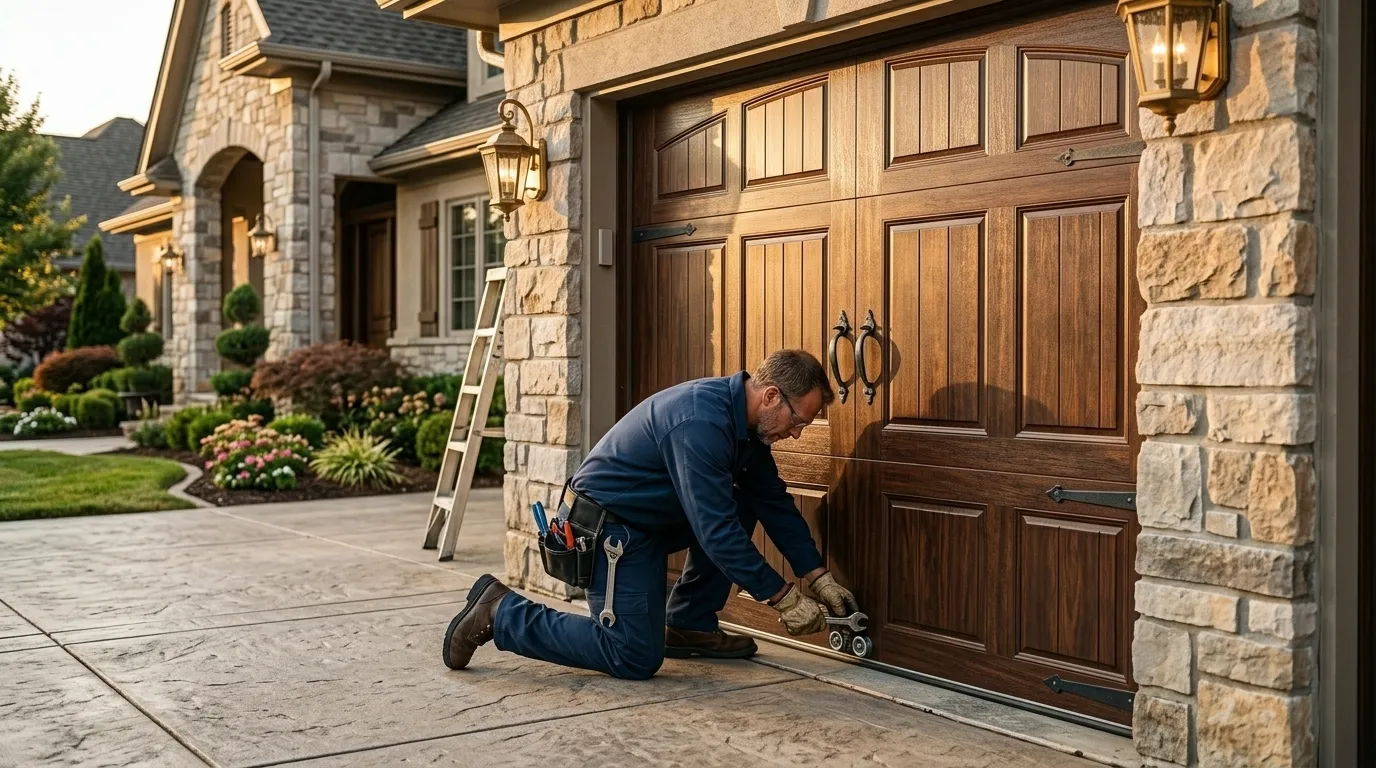
Most calls from Oak Forest fall into a short list: a torsion spring that's let go overnight, an opener that runs but won't lift (usually the spring again, doing double duty), and worn rollers or a bent track on doors that have been cycling twice a day for decades. With a median household income of $87,941 here - noticeably above the $80,202 average across the wider service area - more owners choose full sectional replacement over a patchwork repair once a door's opener, springs, and panels are all showing age at once. That's a call we're glad to walk through honestly: sometimes a new spring and a service visit buys years more life, sometimes the door itself is done and a repair is money spent to delay the inevitable. With roughly 10,357 households in the area, most in houses raised in that same mid-1970s window, we see the same handful of failure points on repeat - which is useful, because it means we usually know what we're looking at before we open the truck.