This Area's Housing
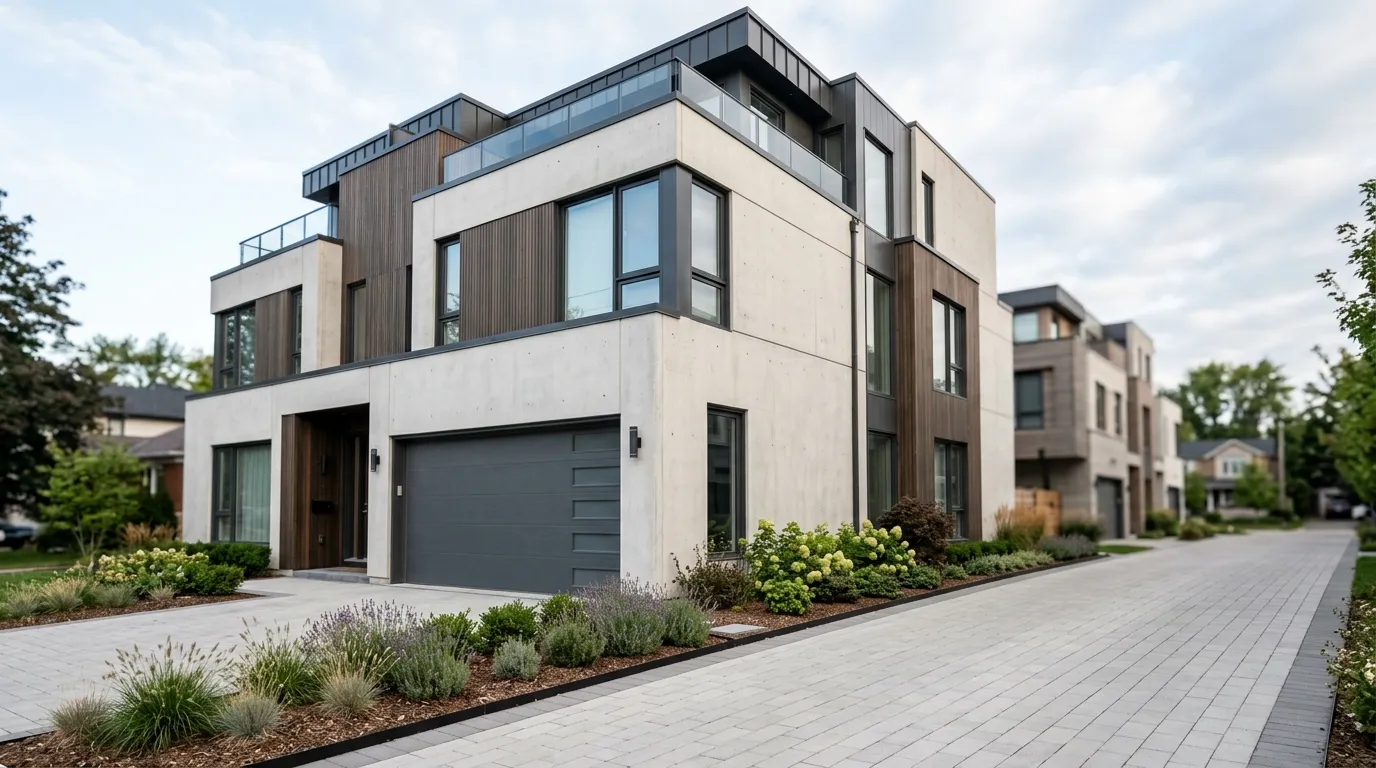
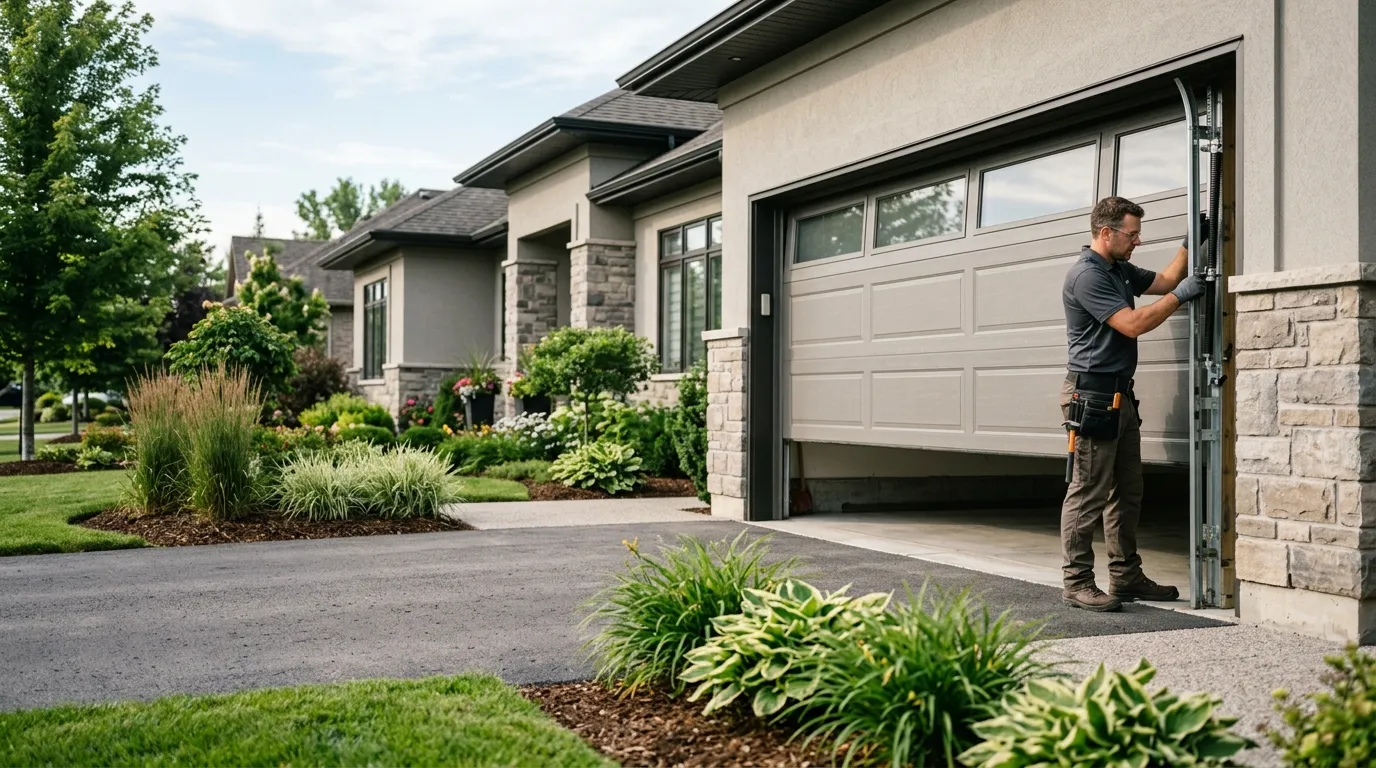
Orland Hills doesn't match the rest of the service area's housing story. Across the wider territory the median build year sits around 1964, with stock going back to 1938. Out here it's newer - the median home was built in 1984, two full decades later. That matters more than it sounds like it should.
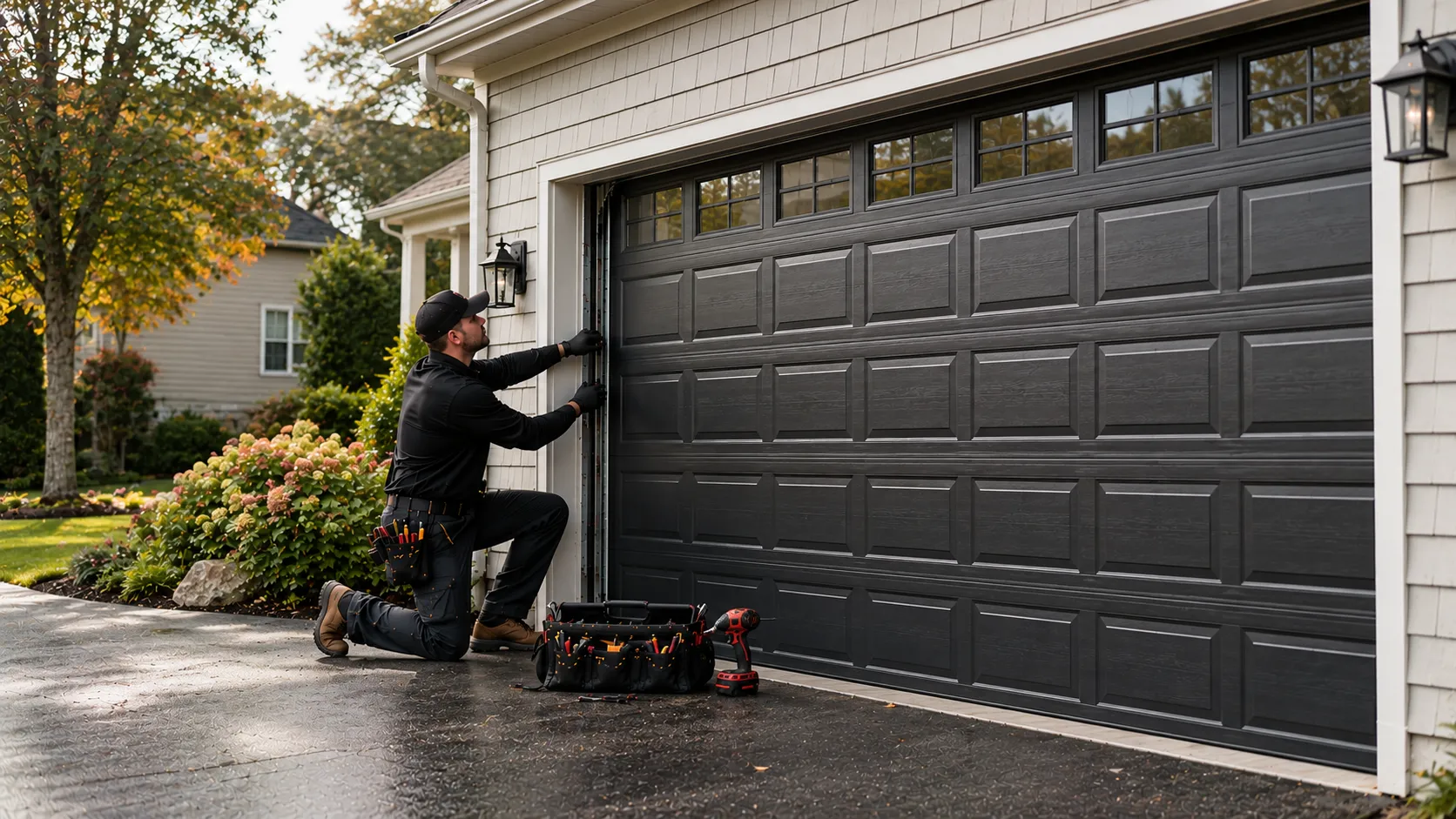
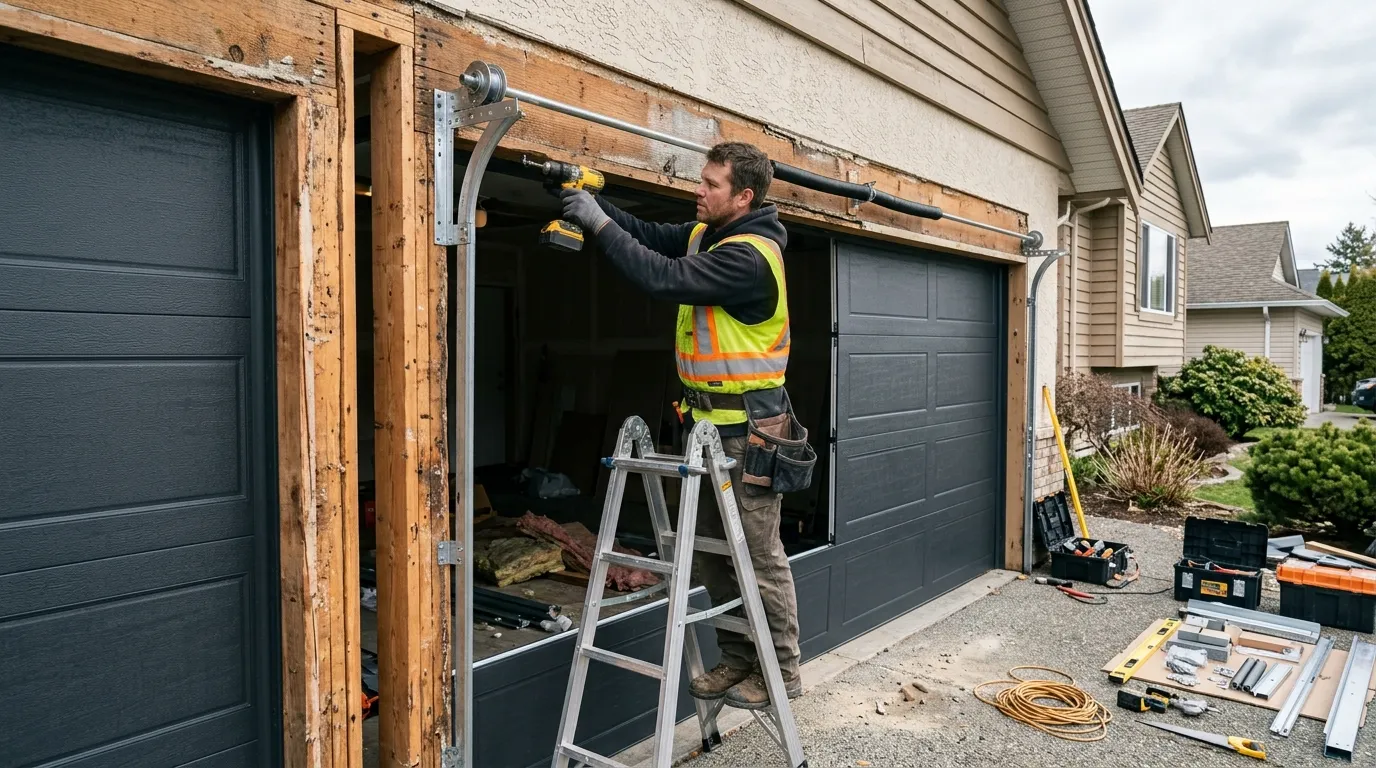
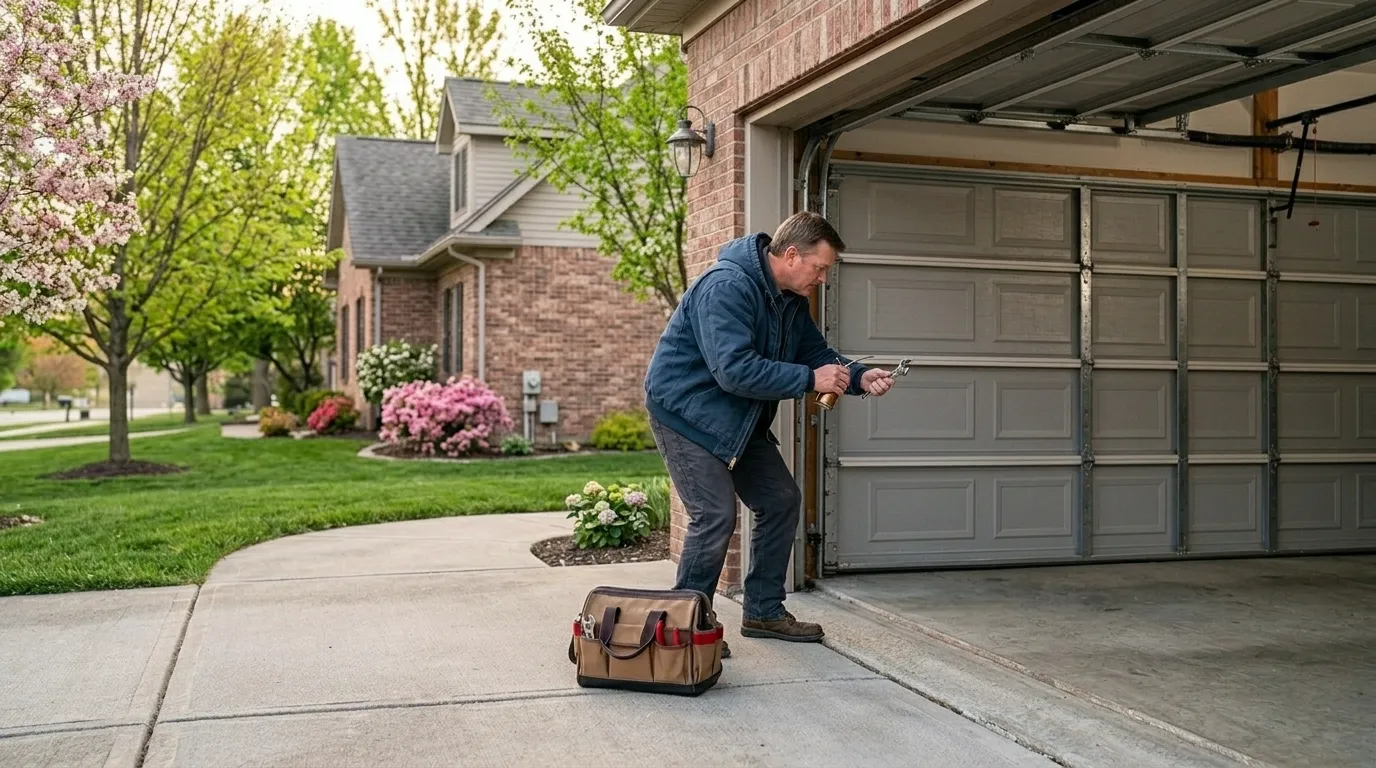
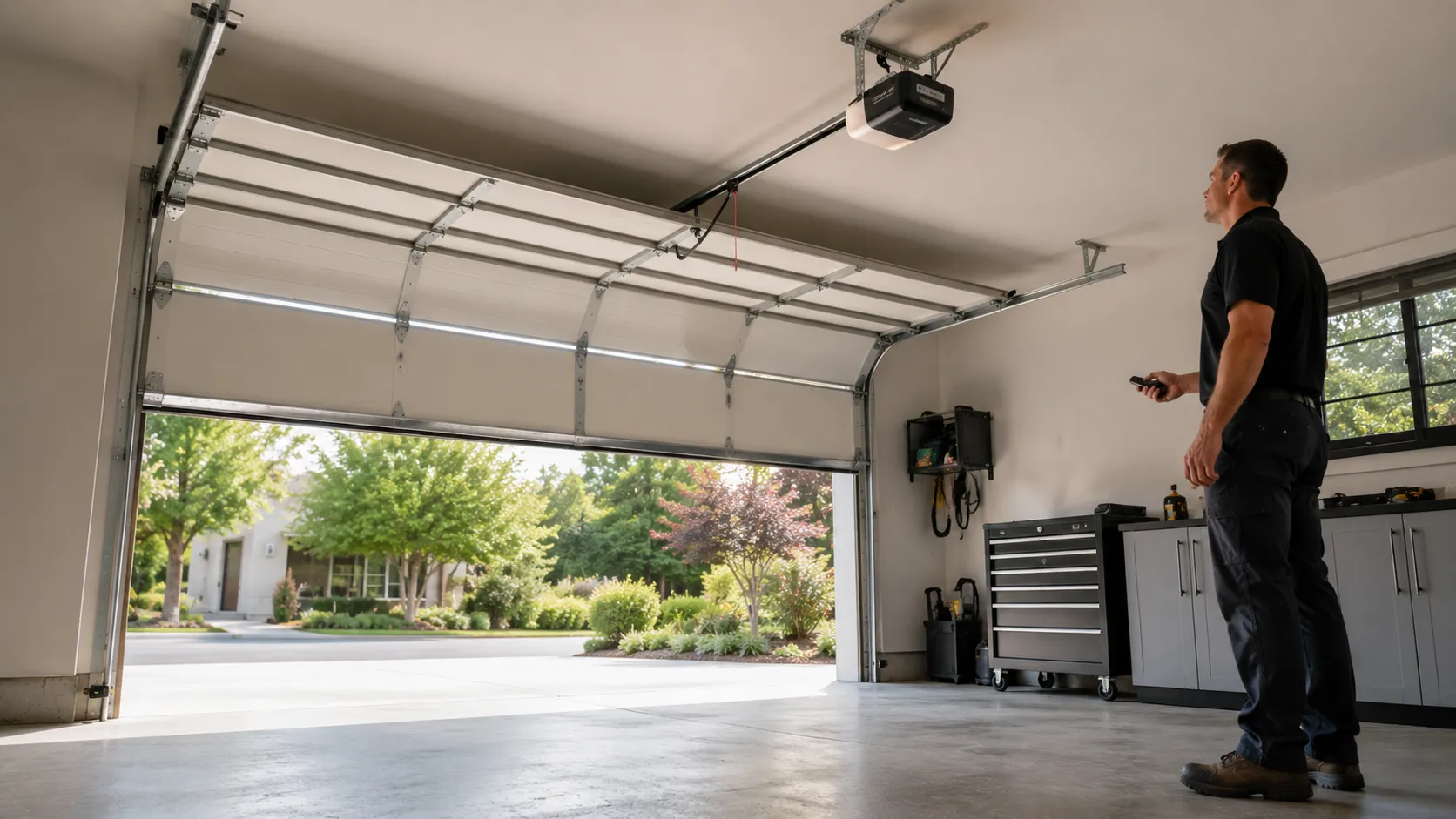
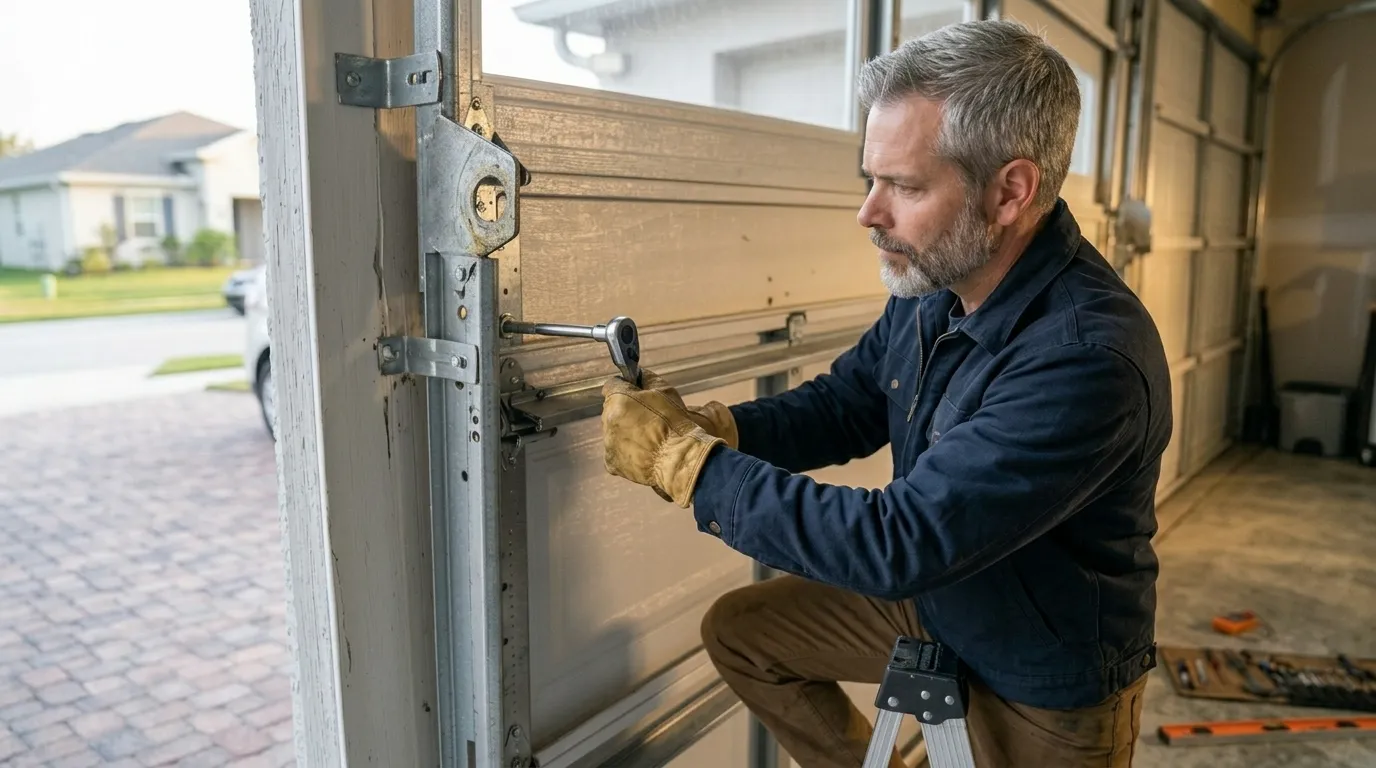
A house built in 1984 came with a different garage door than one built in 1960. By the mid-80s, steel sectional doors on torsion springs were standard, replacing the older one-piece and extension-spring setups you still find in the older parts of the service area. Openers from that era were chain-drive, often with early circuit boards that have long since been swapped out at least once.
With 2,353 households in Orland Hills, it's a small area compared to the 461,017 households across the full territory - but the housing is more uniform, which means the failures tend to be uniform too. When one door on a block needs a new torsion spring, the identical door two doors down usually isn't far behind.
What That Means for Doors
A door and opener installed in 1984, when this area's median home went up, is now around 40 years old. That's not a scare number - it's roughly the working life of a torsion spring cycle count and about the point where a chain-drive opener's gears, capacitor, or logic board start going one after another instead of separately.
So the pattern in Orland Hills tends to run differently than in older, pre-1960s pockets of the service area. There it's often one-piece wood doors and side-mounted hardware nobody stocks. Here it's steel sectional doors reaching the end of their spring life at roughly the same time as their original opener, because both went in around the same year.
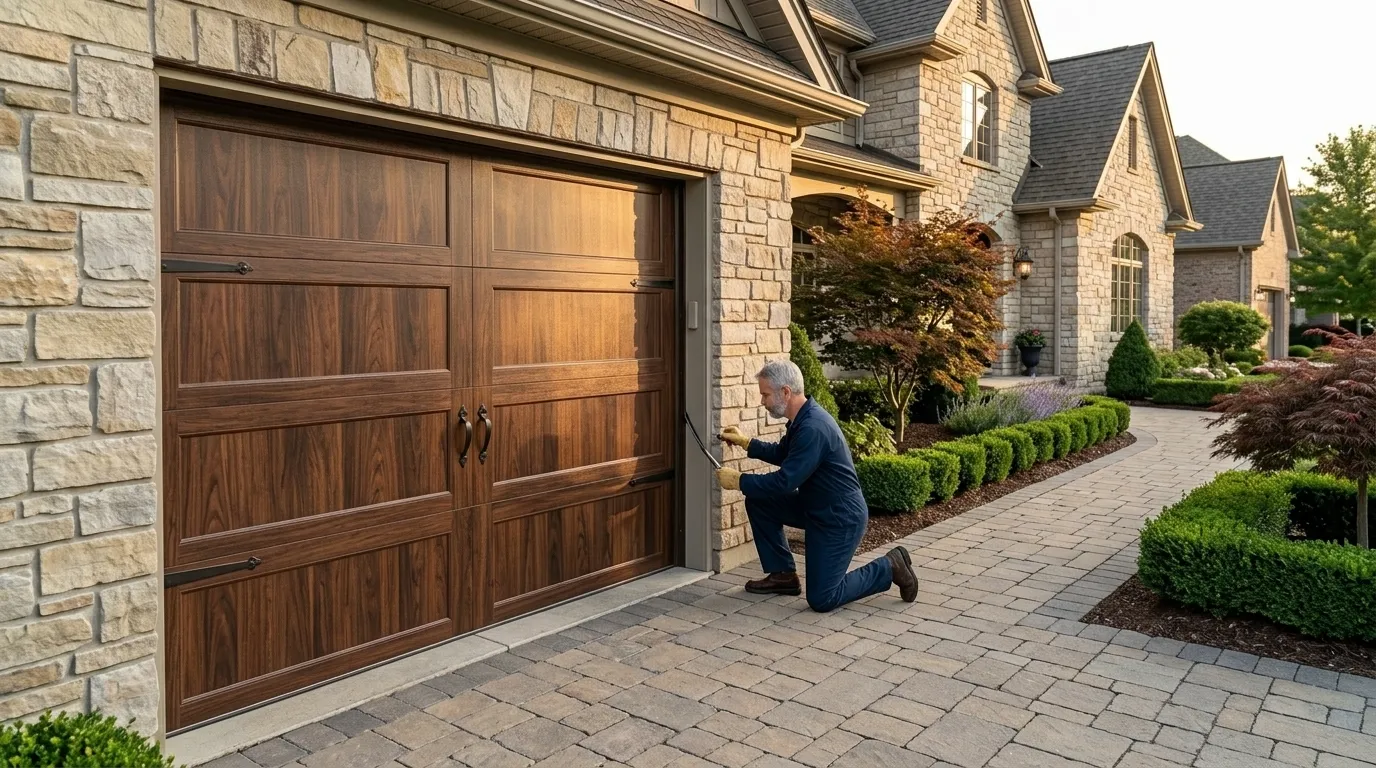
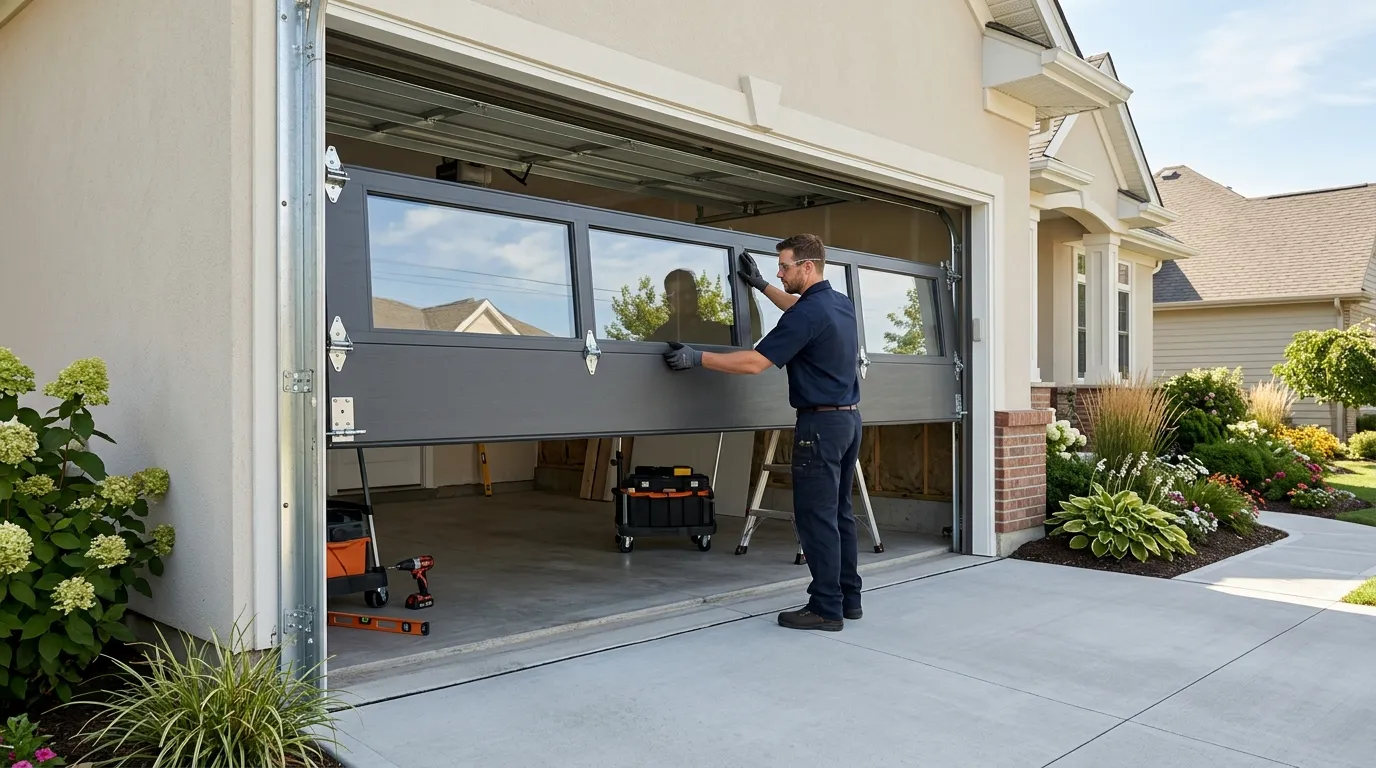
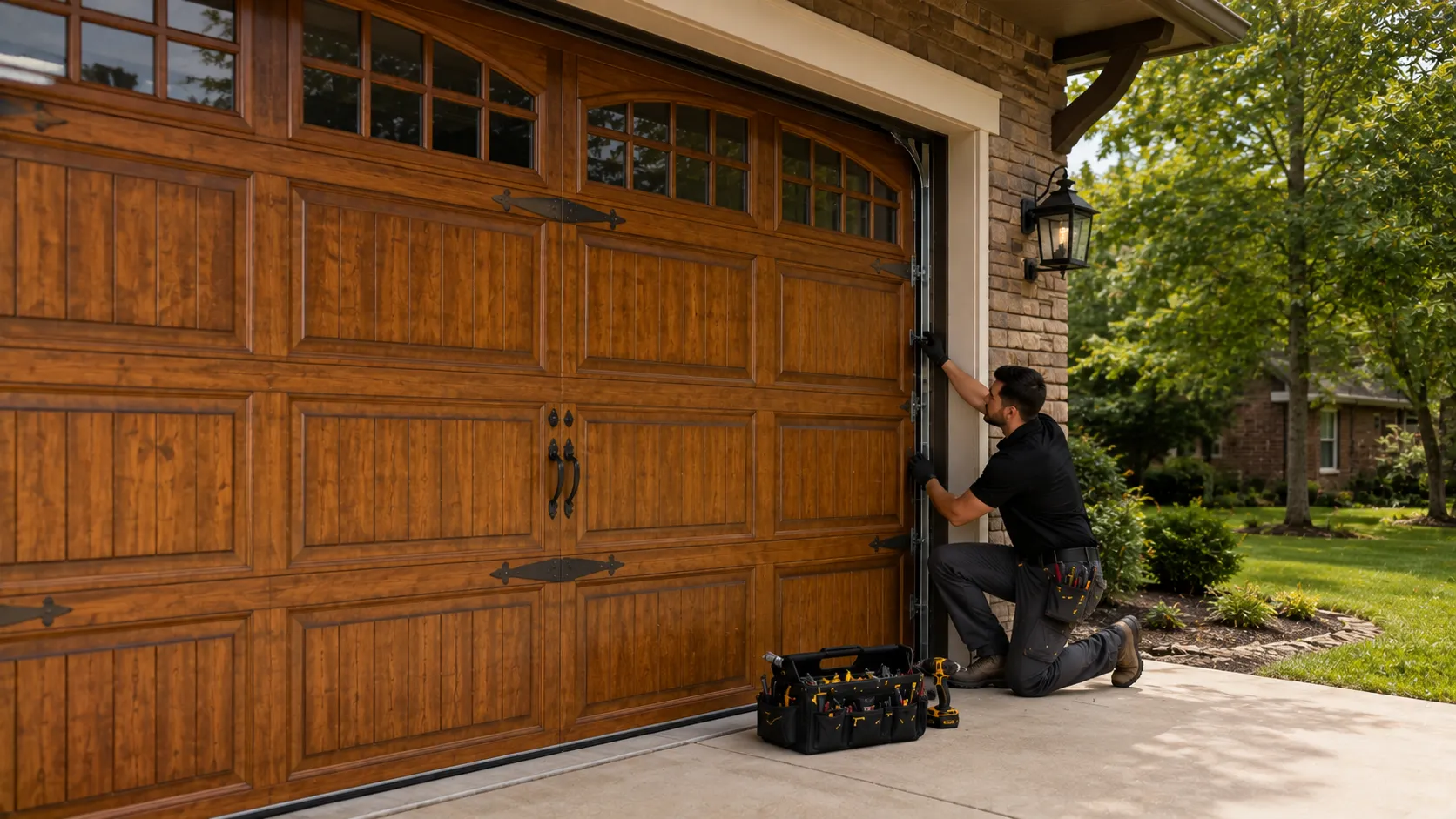
Household income in Orland Hills runs $118,281, well above the $80,202 median across the broader service area. That shows up in the choices people make when a door does need work - more often it's a full torsion spring and opener replacement with a better-insulated panel, less often a patch job meant to squeeze another year out of original 1980s hardware.
What People Here Ring About
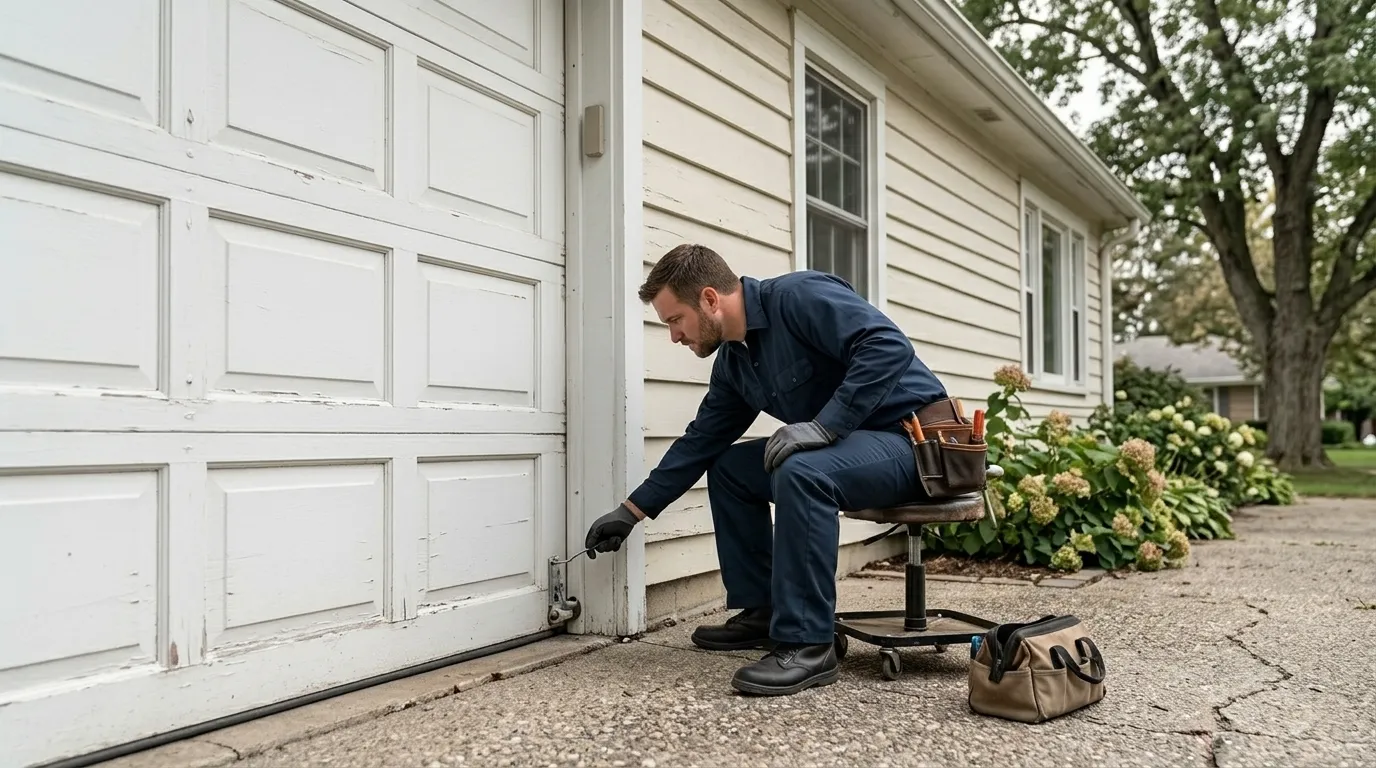
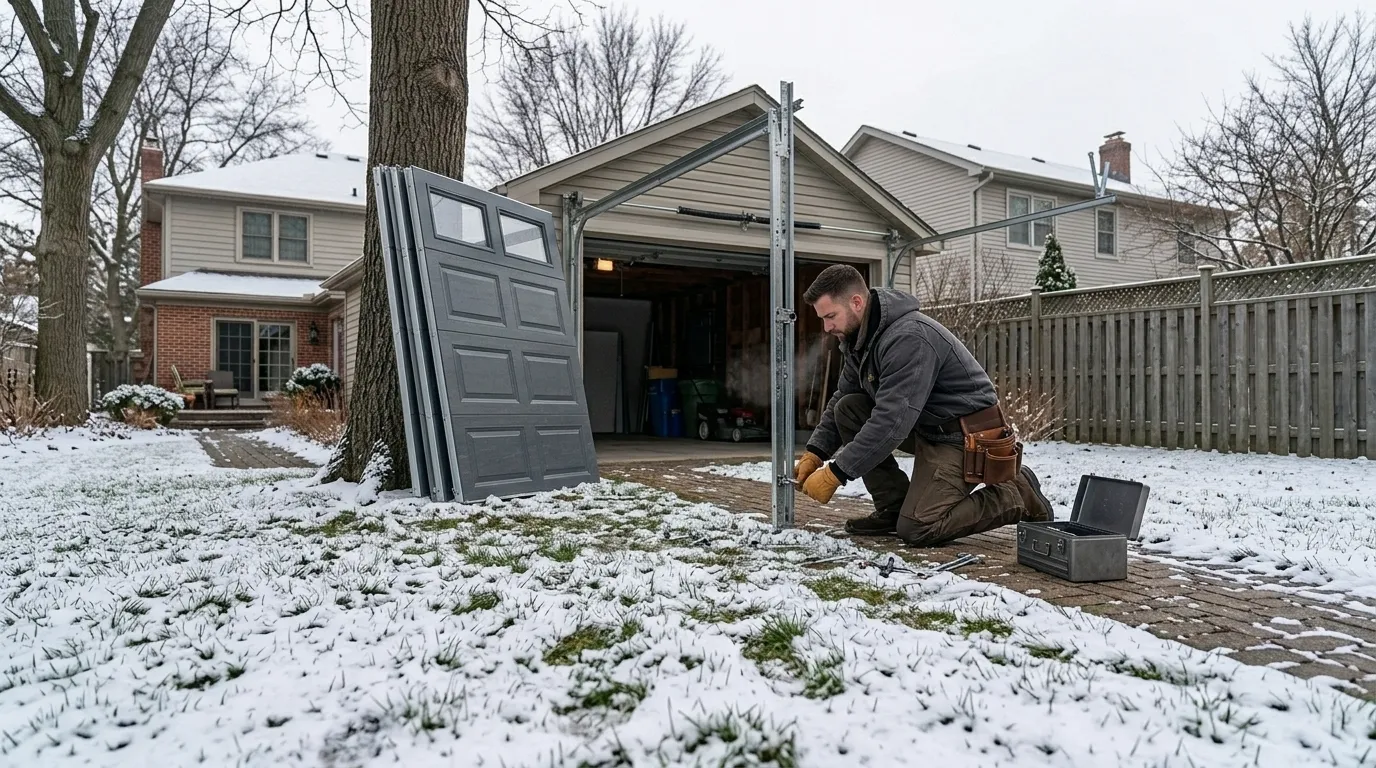
The calls we get from this area cluster around a few things. Torsion springs breaking cold, usually in winter, on doors that have never been touched since the house was built. Openers that stop responding - not the remote, the unit itself, which after 40 years is a reasonable place for a logic board to give out.
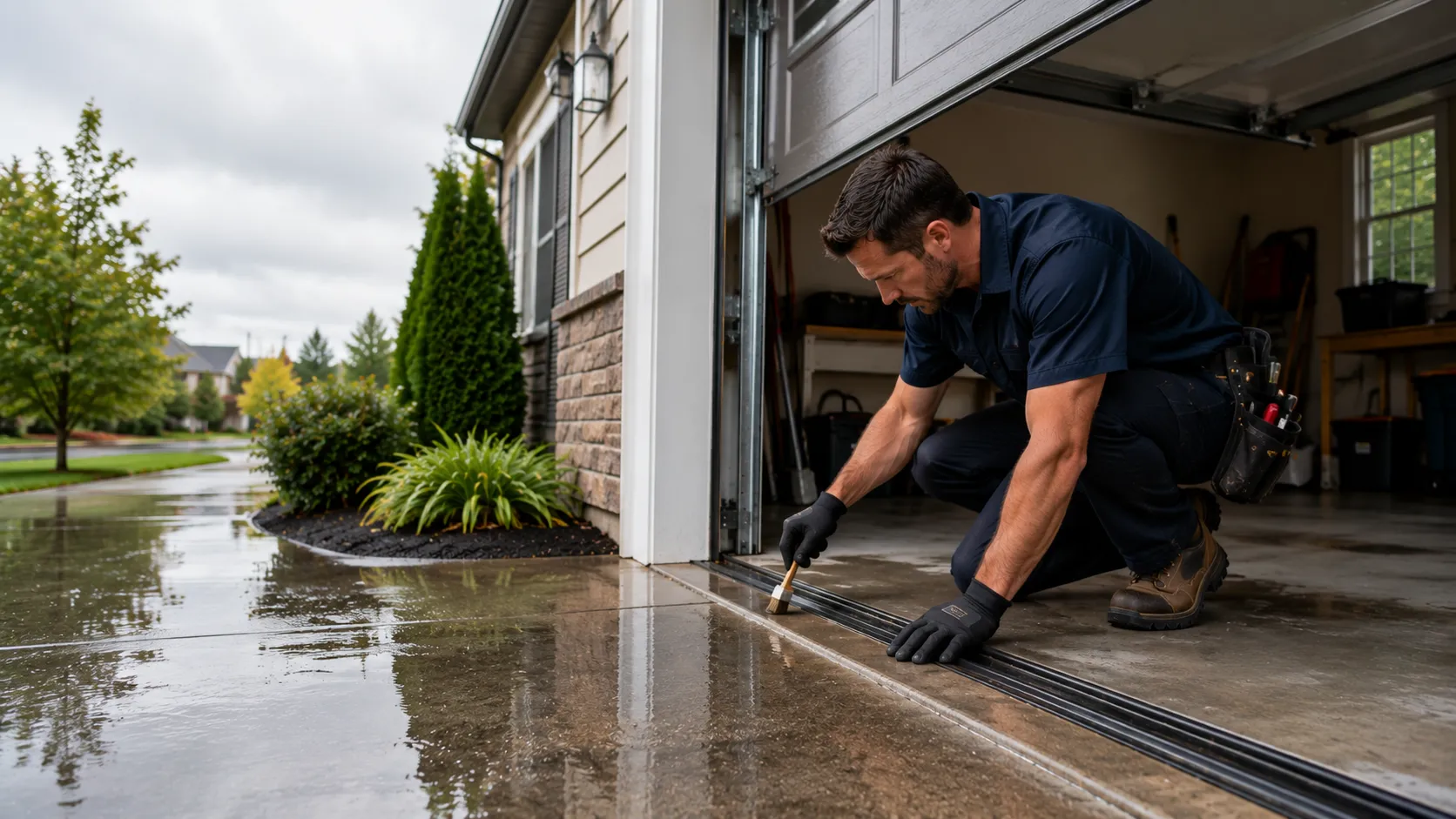
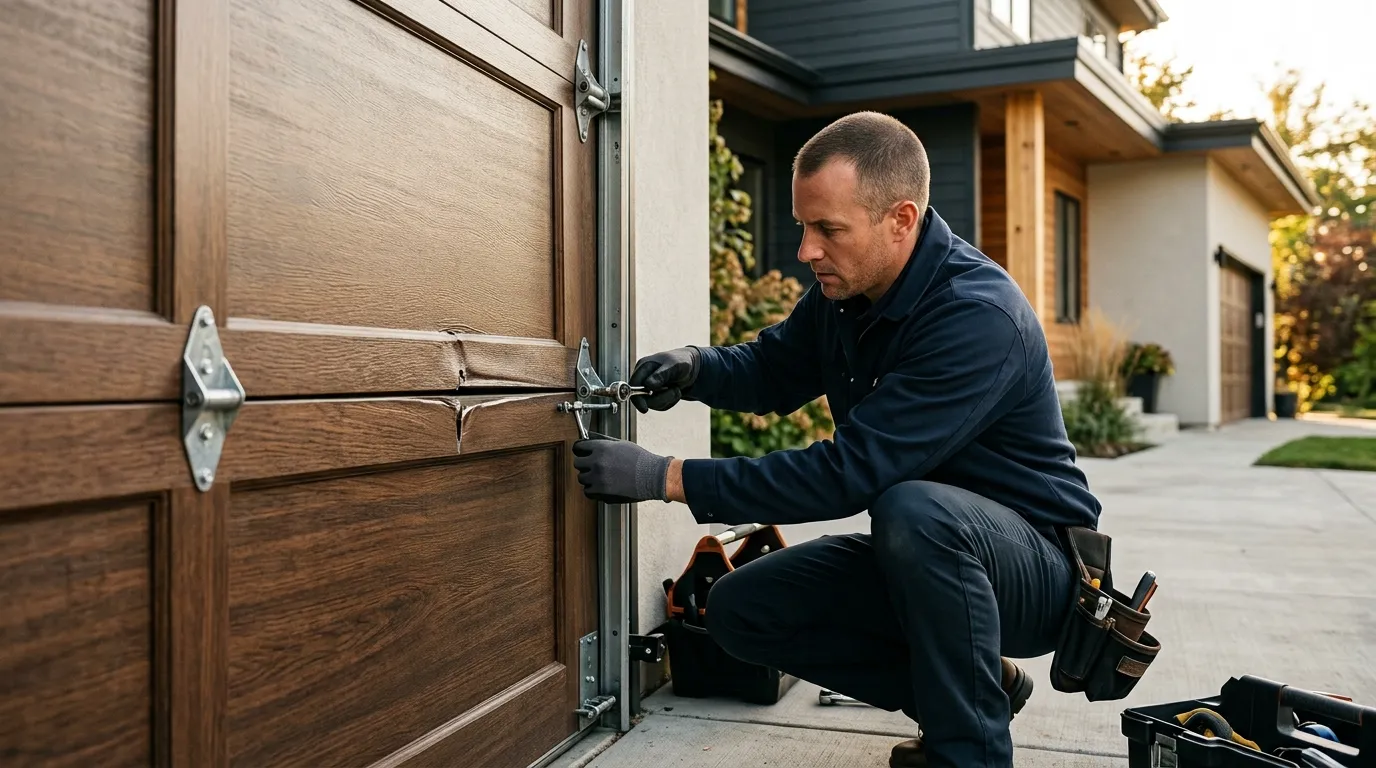
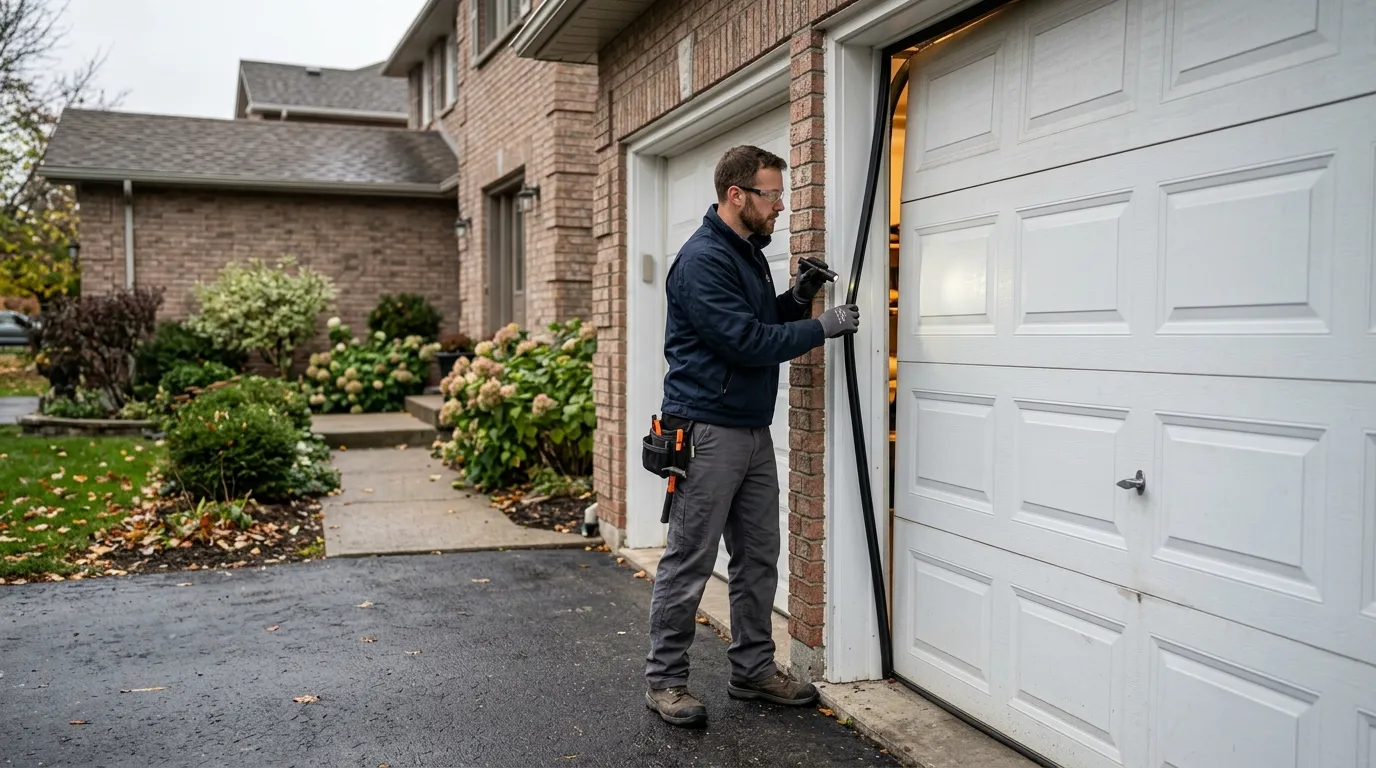
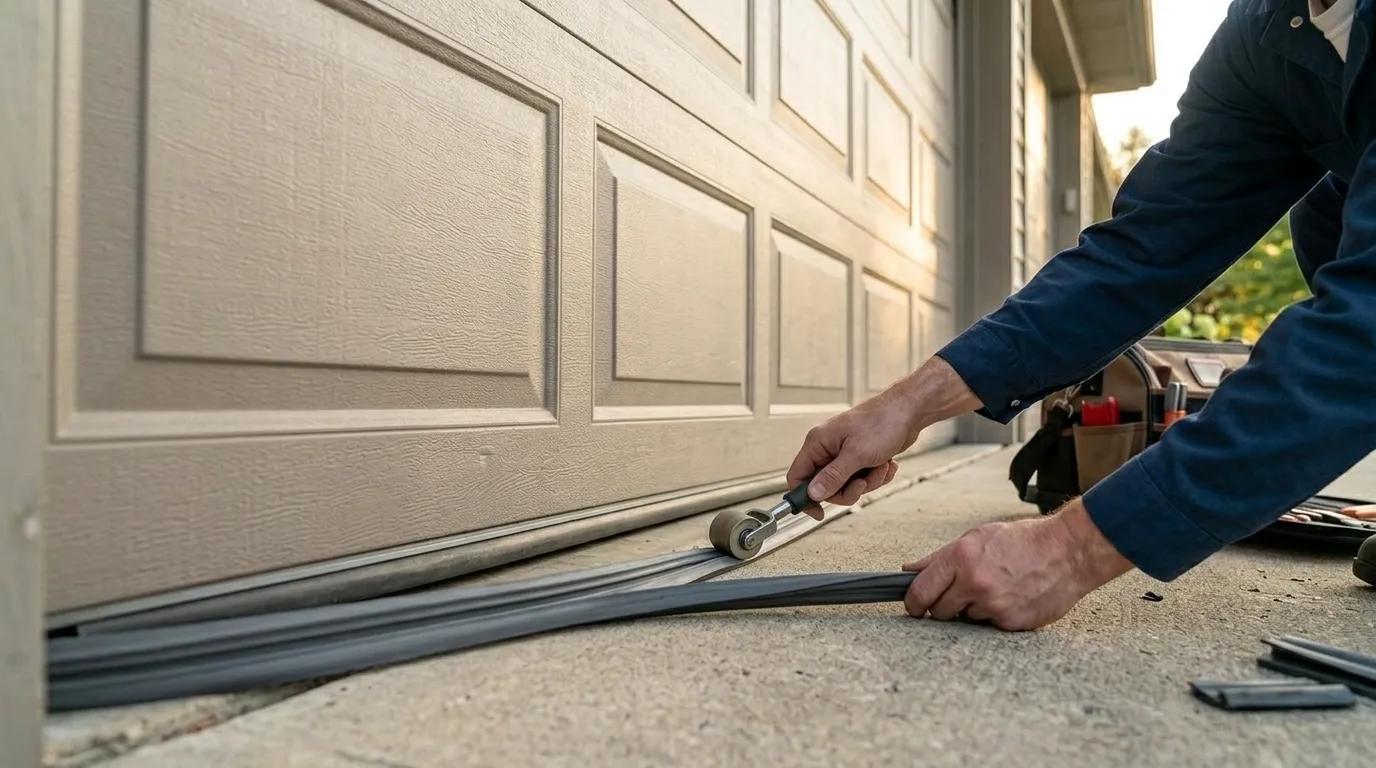
Rollers and hinges show wear differently here too, since most of the doors are steel rather than the older wood panel doors found closer to the city core. Steel rollers on original bearings tend to get loud before they fail outright, which is often the first sign someone calls about.
One honest note: if a door from this era needs a new opener and the spring at the same visit, replacing both together usually costs less than doing them as two separate jobs down the road. We'll tell you straight if patching one part now just means a second call in a year.