This Area's Housing
Palos Heights runs newer than a lot of what we cover. The median home here was built around 1976, which puts most garages a decade or two past the older stock we see closer to Chicago. That gap matters more than it sounds. A house built in 1976 almost certainly went up with a torsion spring system already standard, not the older extension-spring setups you find on pre-1960s garages. The doors themselves tend to be wider single or double steel sections rather than the narrow one-piece slabs from the 1940s and 50s.
With 4,495 households in the area, this isn't a huge footprint, but it's a consistent one - a lot of homes built in the same ten-to-fifteen year window means a lot of hardware aging out on a similar timeline. Springs rated for 10,000 cycles installed in the mid-70s to mid-90s are, by now, well past due or already replaced once. If your door hasn't had a spring swap yet, it's likely close.
Median household income here runs $107,974, higher than the broader service area average. That tends to show up in the calls we get - more owners asking about full door replacement instead of patching an old one, since a new insulated door is a more realistic option on this budget.
What That Means for Doors
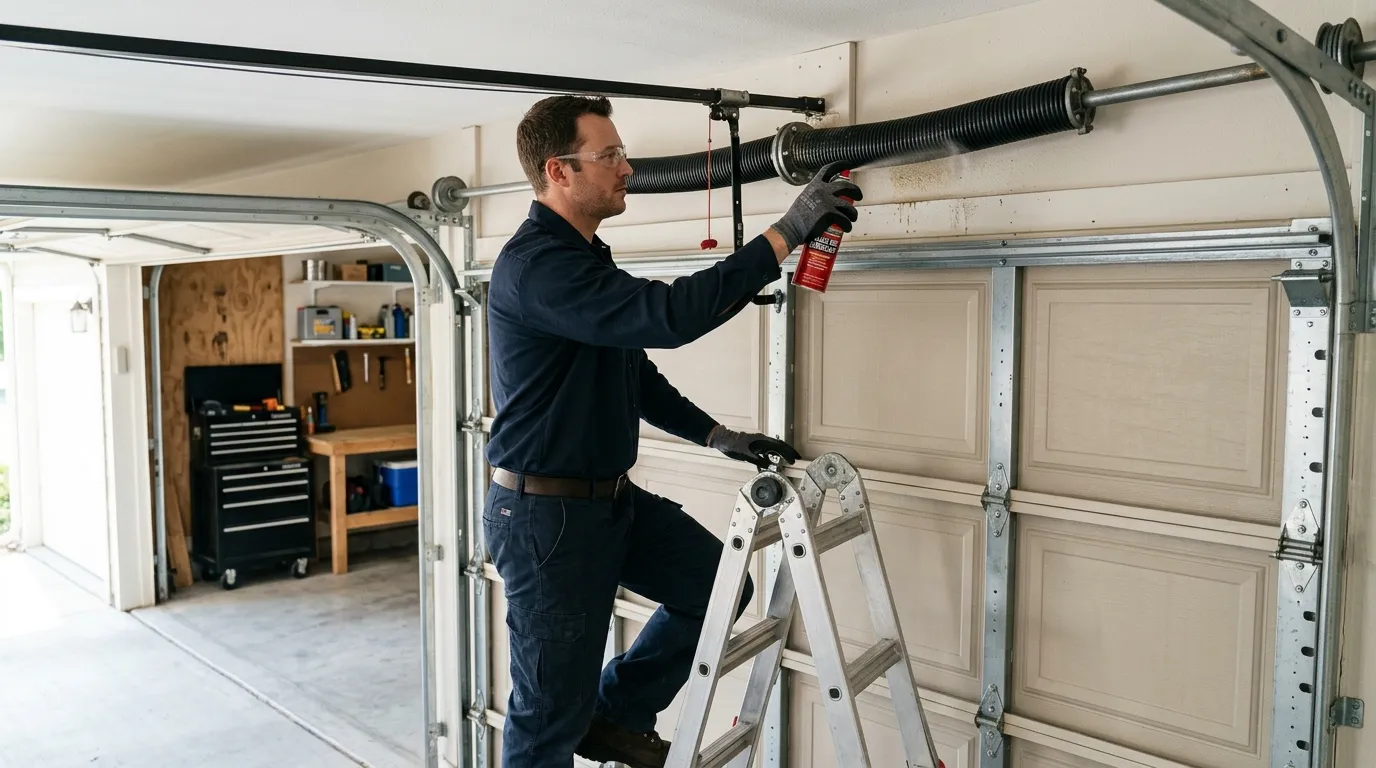
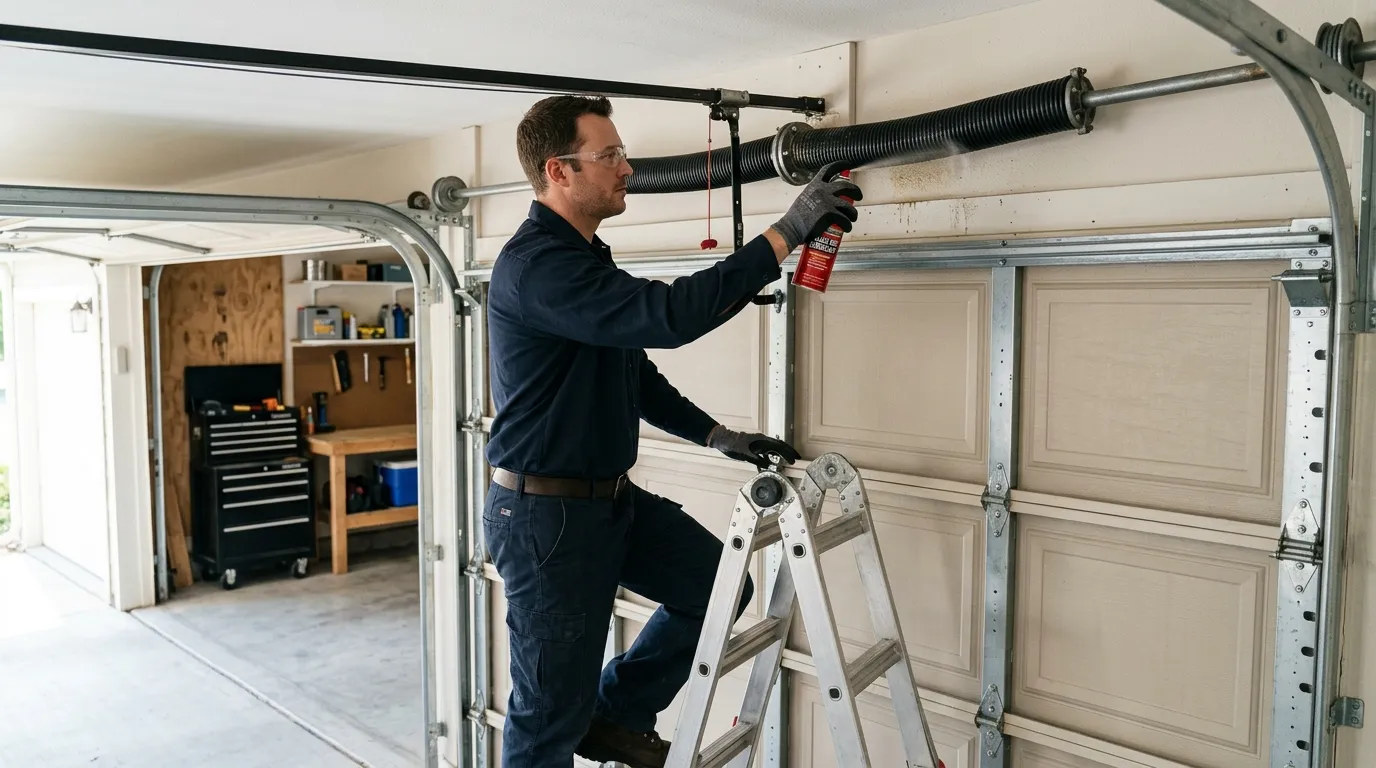
Because most garages in this area date to the mid-1970s through the 90s, the common failure points are different from what we see on 1940s and 50s housing stock elsewhere in the service area. Original torsion springs from that era are aging out now, sometimes with a loud bang rather than a slow give. Openers are often a second or third generation replacement - chain-drive units from the 90s or 2000s that are noisy, slow, or losing their remote range.
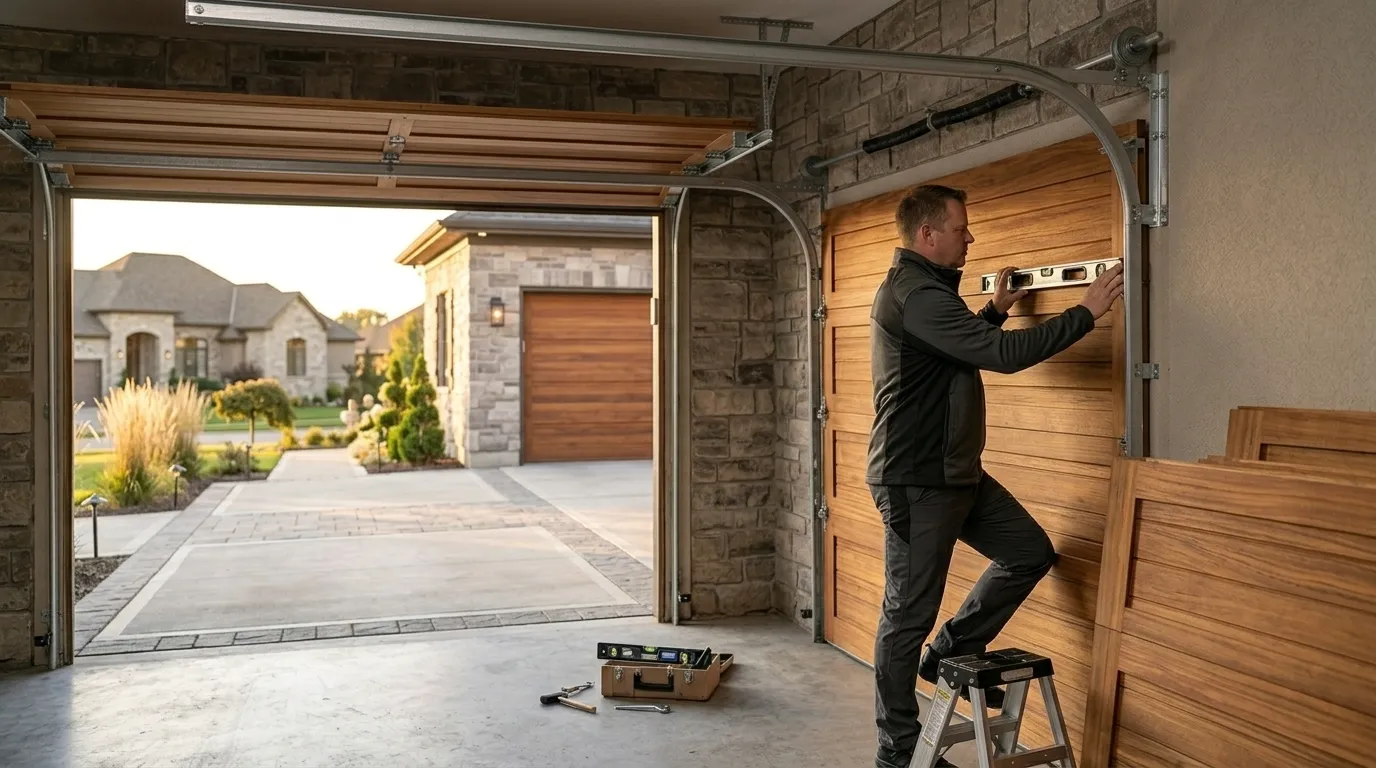
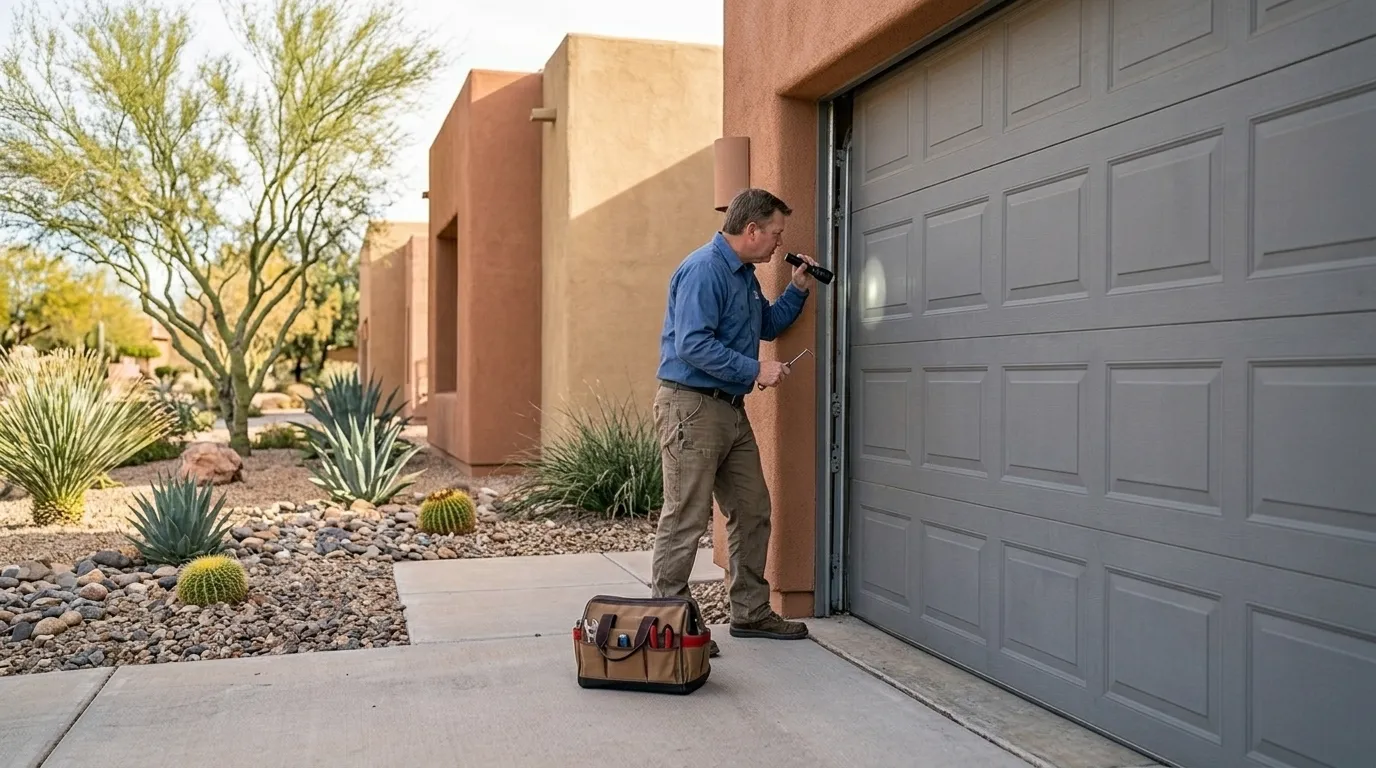
Track alignment is a common issue too. Wider double doors, standard for garages built in this window, put more stress on track brackets over decades of use, and a slightly bent track shows up as a door that binds partway through its cycle rather than one that won't move at all.
One honest limitation: if a torsion spring has already failed and taken a cable or the bottom bracket with it, that's not always a same-visit fix. Parts availability depends on the door's age and manufacturer, and older 1970s-80s doors sometimes use hardware that's been discontinued, which means a wait on the right size spring or a full section replacement instead of a patch.
What People Here Ring About
The calls from this area cluster around a few things. Broken torsion springs top the list, which tracks with housing built in the 70s and 80s now hitting the end of typical spring life. Opener trouble is close behind - not full failures usually, but openers that are slow to respond, drop connection with remotes, or grind before catching.
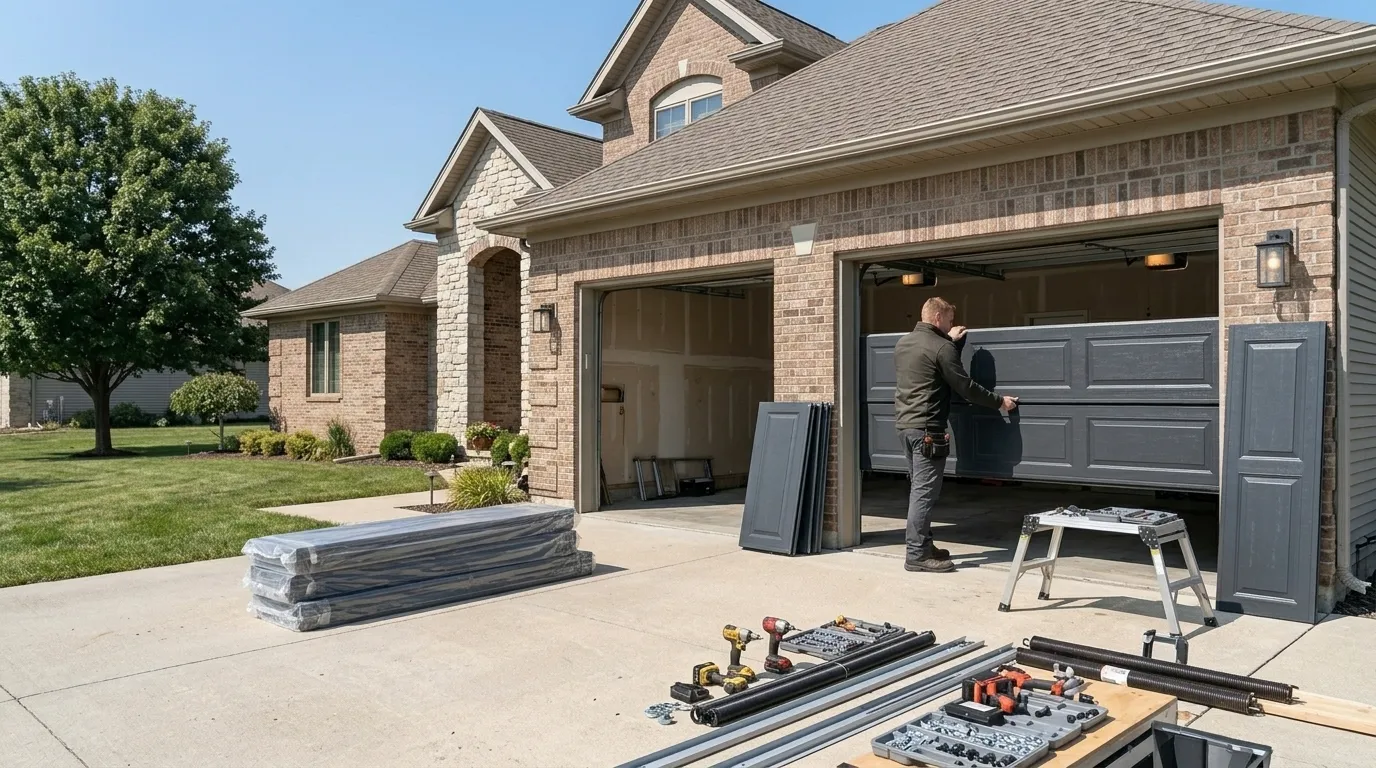
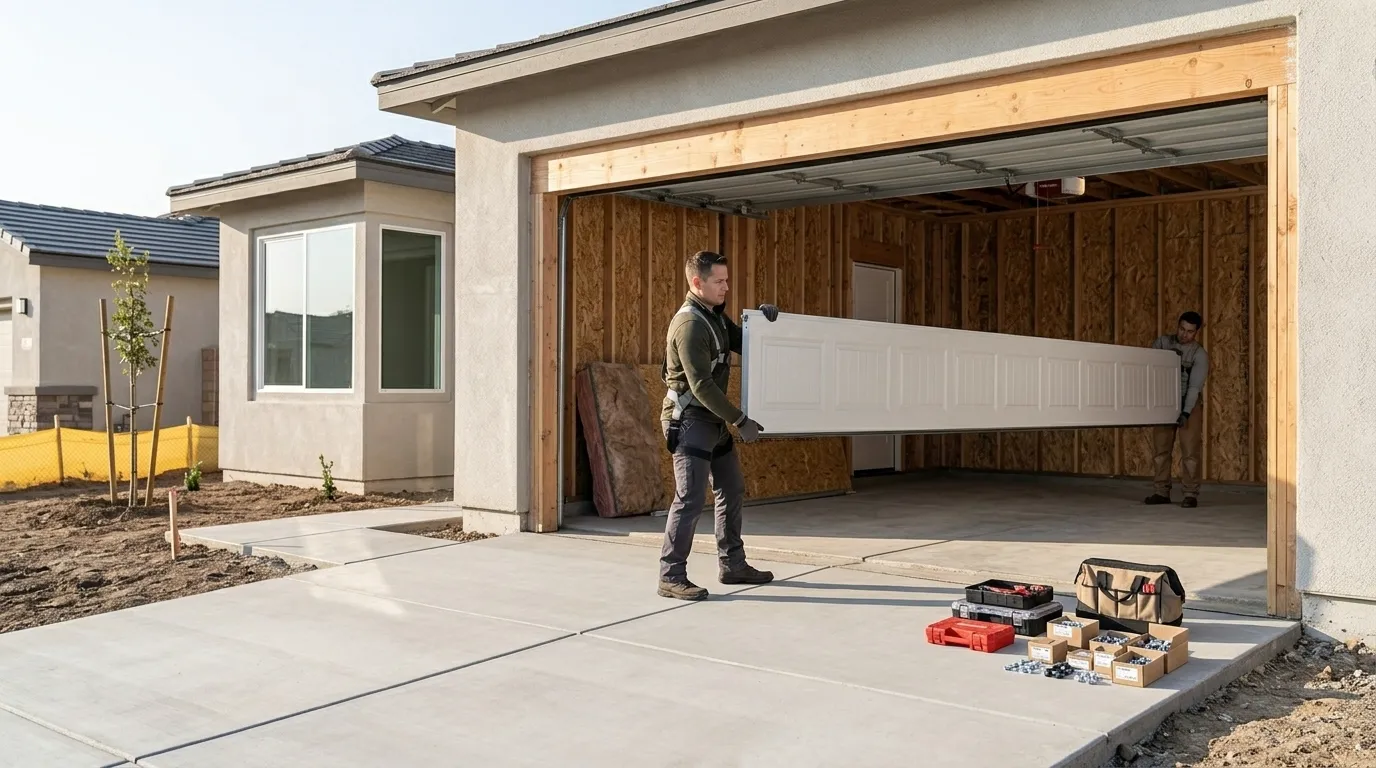
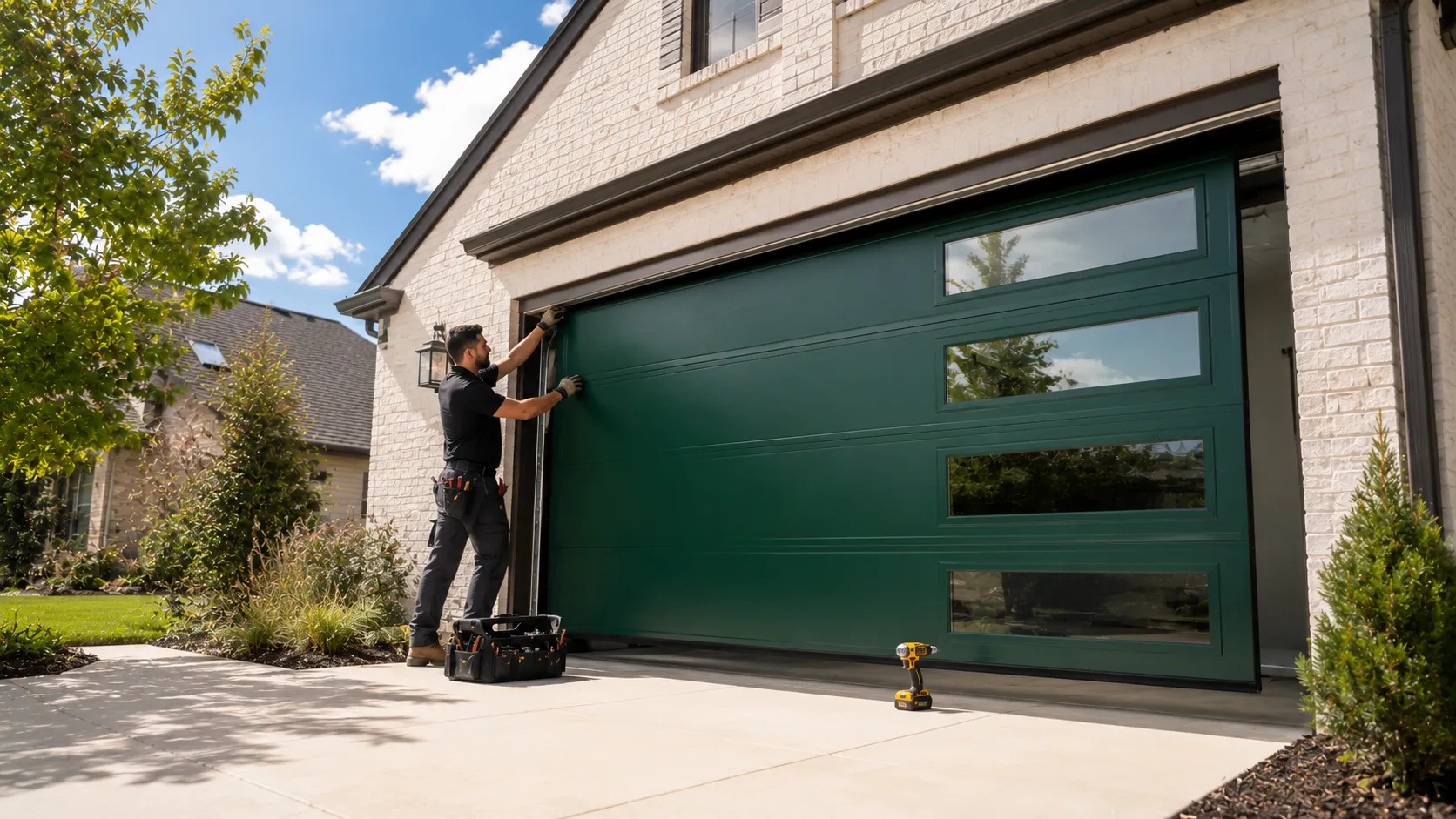
We also hear from owners looking at full door replacement rather than repair, which fits with the higher median income here. A new insulated steel door with updated torsion hardware is often the better long-term call once a door is over 30 years old and multiple parts are wearing out at once, rather than replacing a spring on a door whose seals and panels are already going.
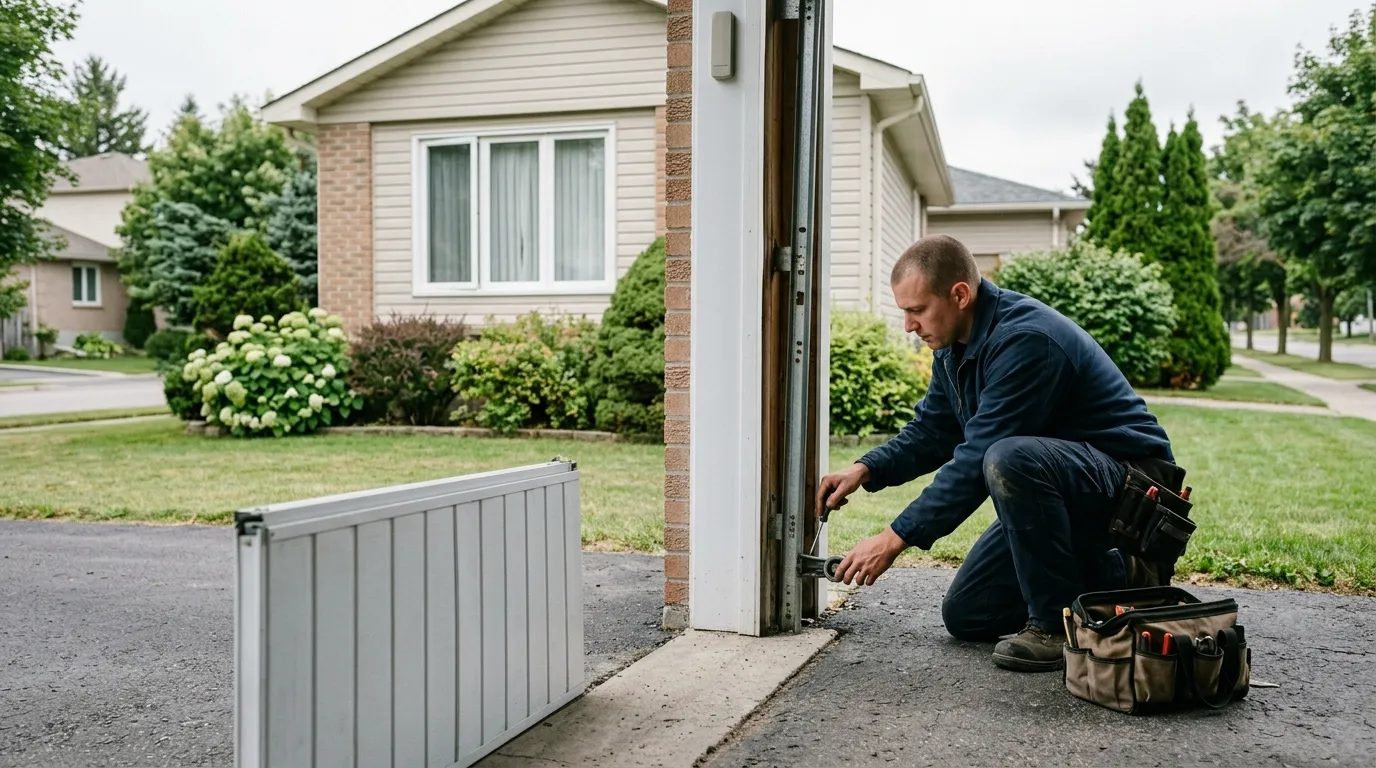
Less common but still real: bent tracks from a car bumping a section, and cables fraying at the drum after years of cycling. Both are usually cheaper to fix than owners expect, as long as the drum and spring underneath are still in reasonable shape.