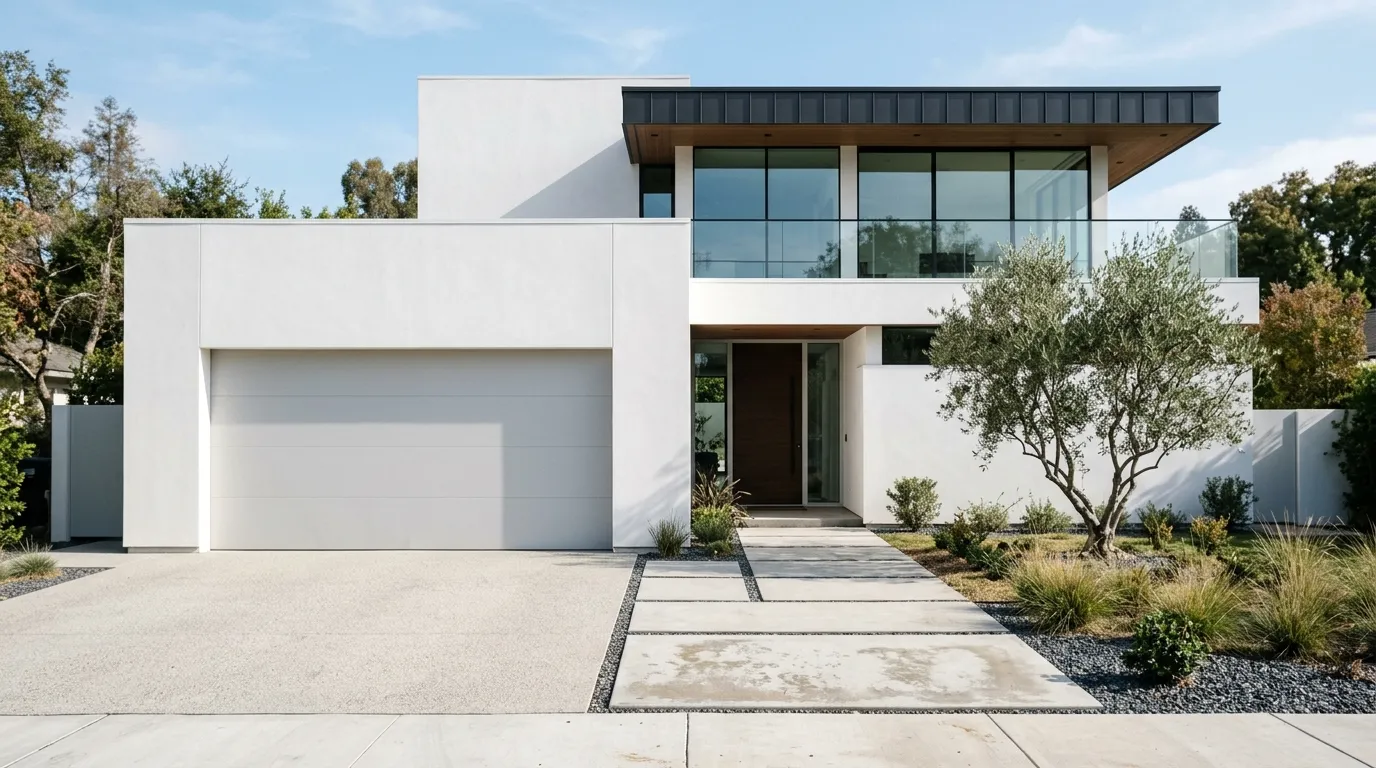
This Area's Housing
Palos Hills sits apart from a lot of the areas we cover because most of its houses went up around 1977, well after the 1938-1964 median for the wider service area. That gap matters more than it sounds. Homes built in the mid-1970s came standard with steel roll-up doors and, depending on the builder, either torsion springs mounted on a center shaft or a pair of extension springs running along the horizontal tracks. Chain-drive openers were becoming standard around this time too, so a lot of these garages never had the older manual or gear-driven setups you find in the pre-war blocks closer to the city.
With 7,327 households in the area and a median income of $83,969 - a bit above the wider service area's $80,202 - we see a fair number of owners who've kept the original door and opener running for decades, plus a growing share who've already replaced once. The mix means we can't assume what's behind a given garage door here the way we sometimes can in a block built in a single year. Every call starts with actually looking at the hardware.
What That Means for Doors
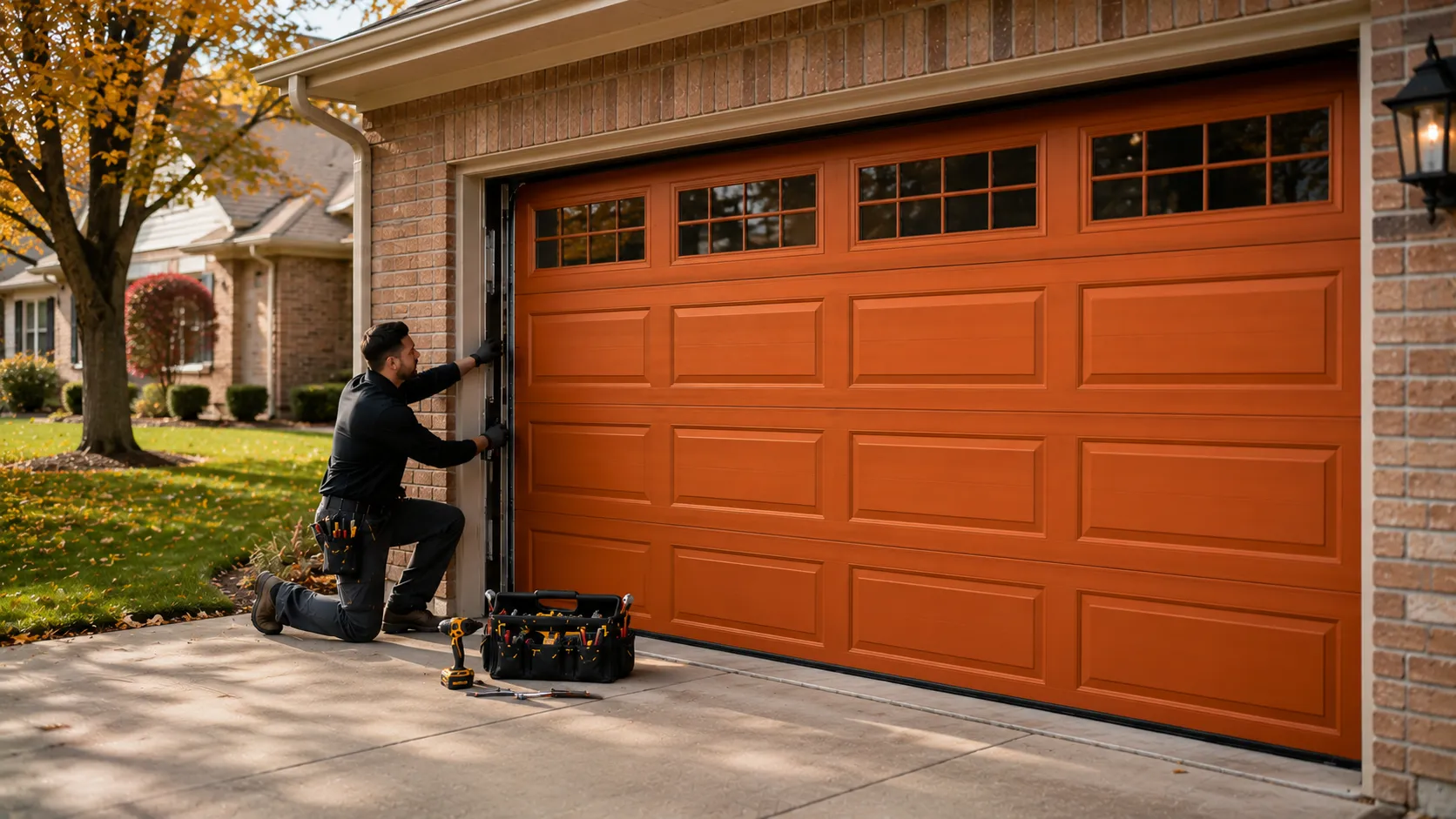
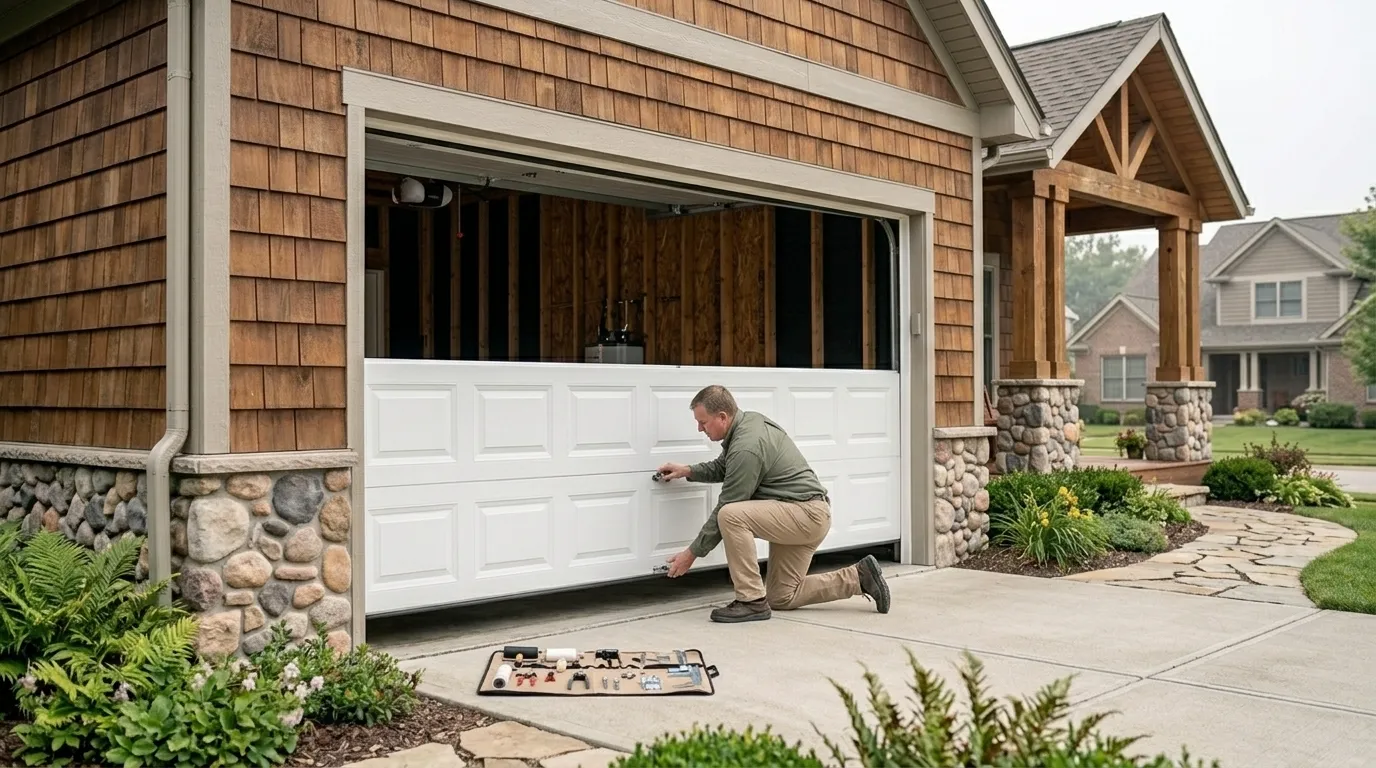
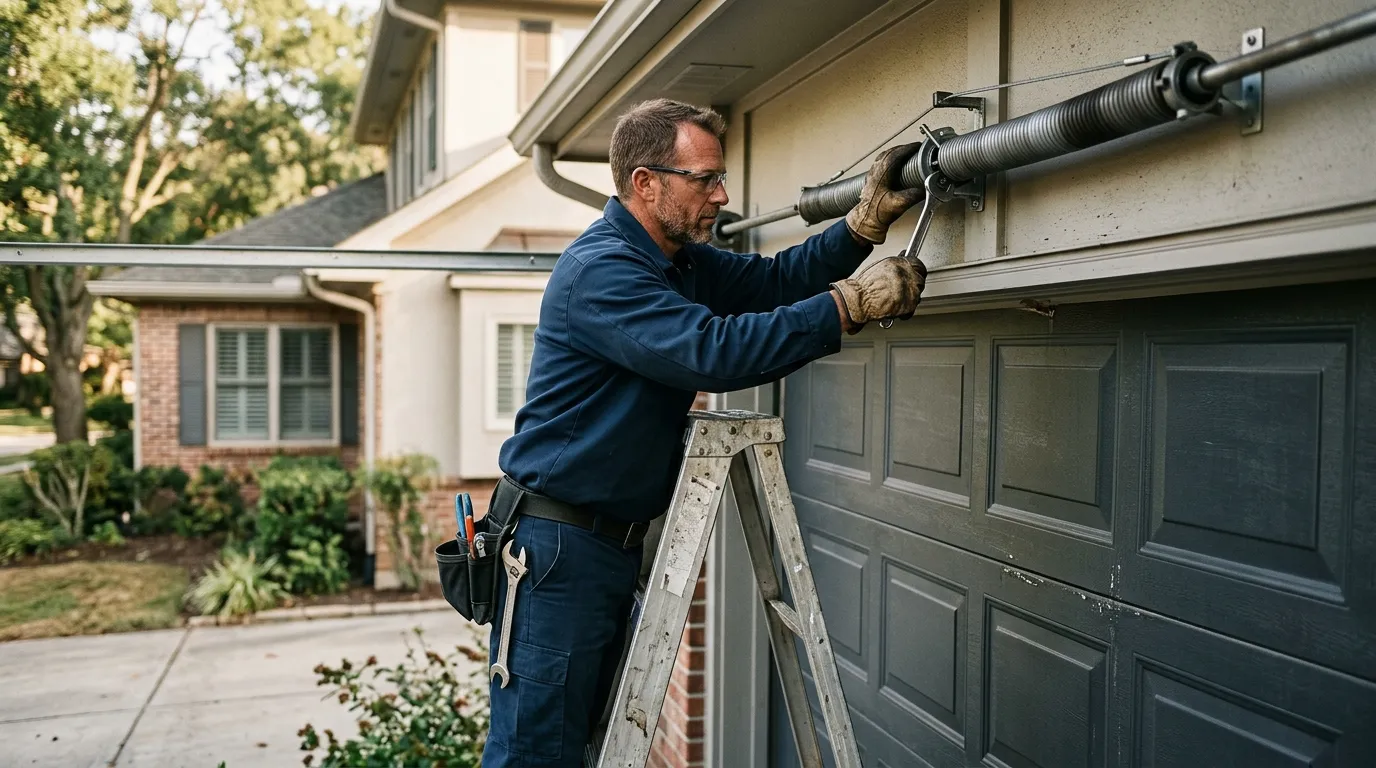
Because so much of Palos Hills was built out in one stretch around the mid-1970s, we run into a narrower band of door types than in areas with a longer build history. Extension spring systems from that era are the ones that catch people off guard - they don't fail the same way torsion springs do, and the safety cables that are supposed to contain a broken extension spring are sometimes missing entirely on doors that have never been serviced.
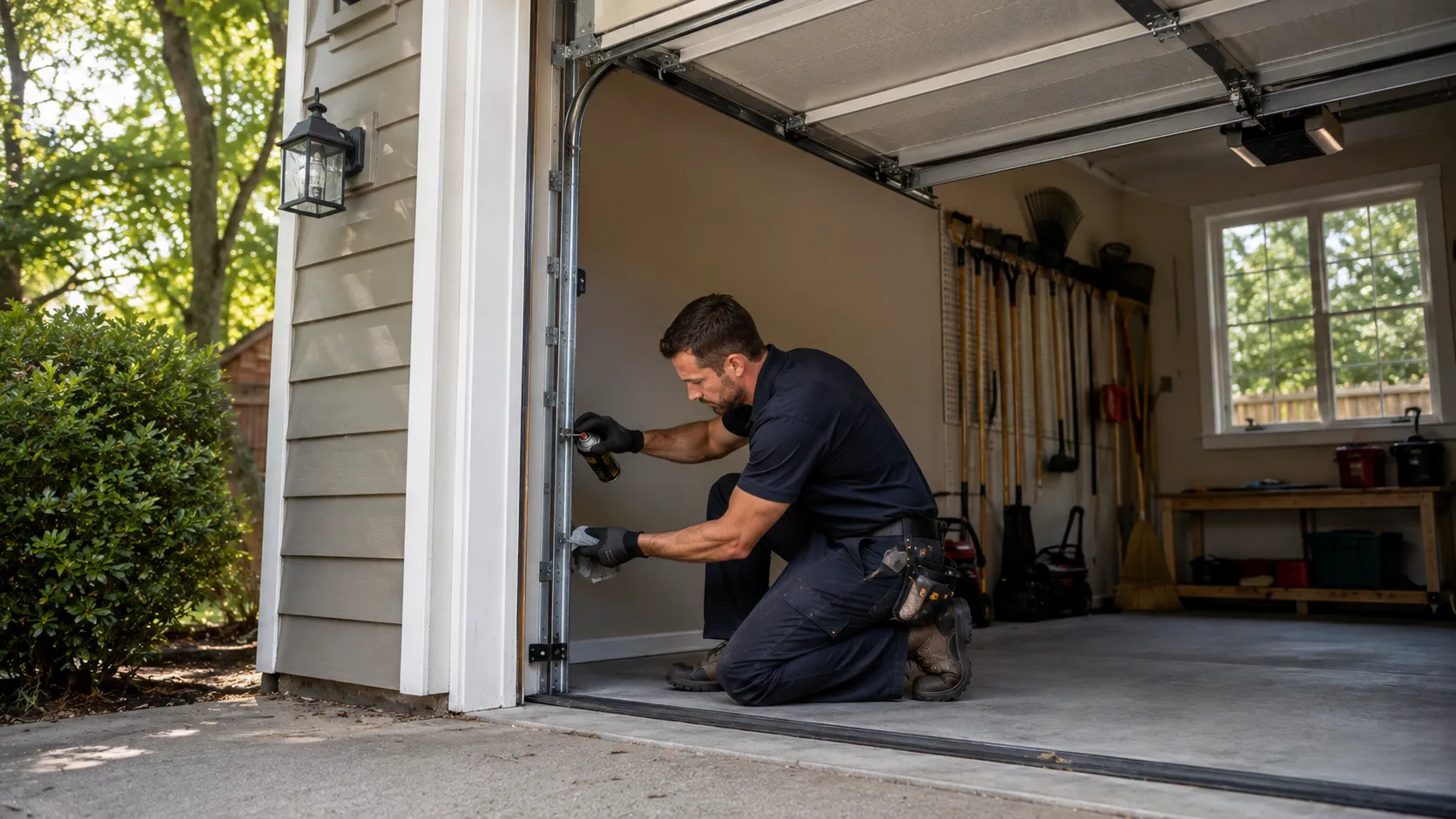
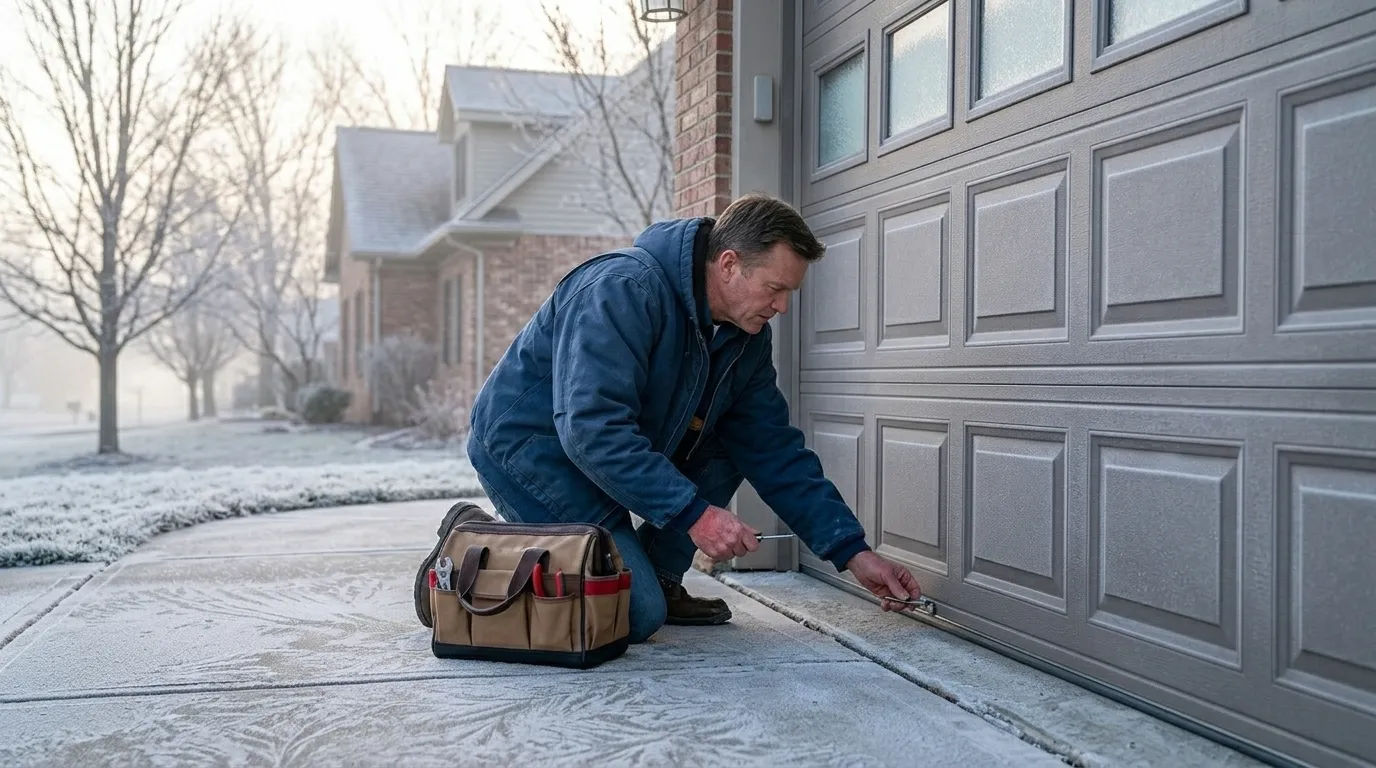
The region falls in a cold, moderate climate band, and steel doors and hardware from the 1970s have had close to fifty winters of freeze-thaw cycling on the rollers, hinges, and track bolts. That's long enough for track alignment to drift and for original rollers - steel or early nylon - to be well past their service life even if the door still looks fine from the driveway. We'll tell you straight when a repair isn't worth it on a door this old versus replacing the unit outright, especially if the opener is the original chain-drive from the same install.
What People Here Ring About
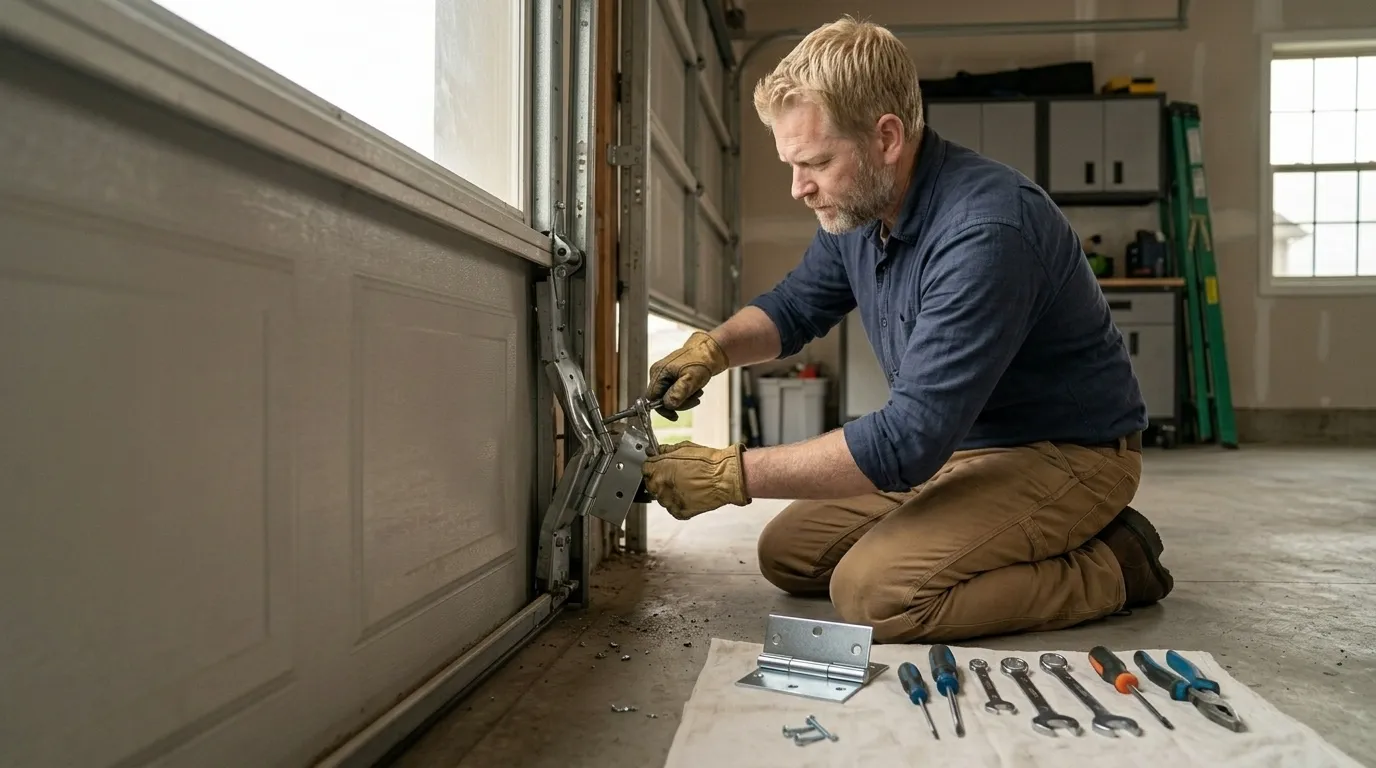
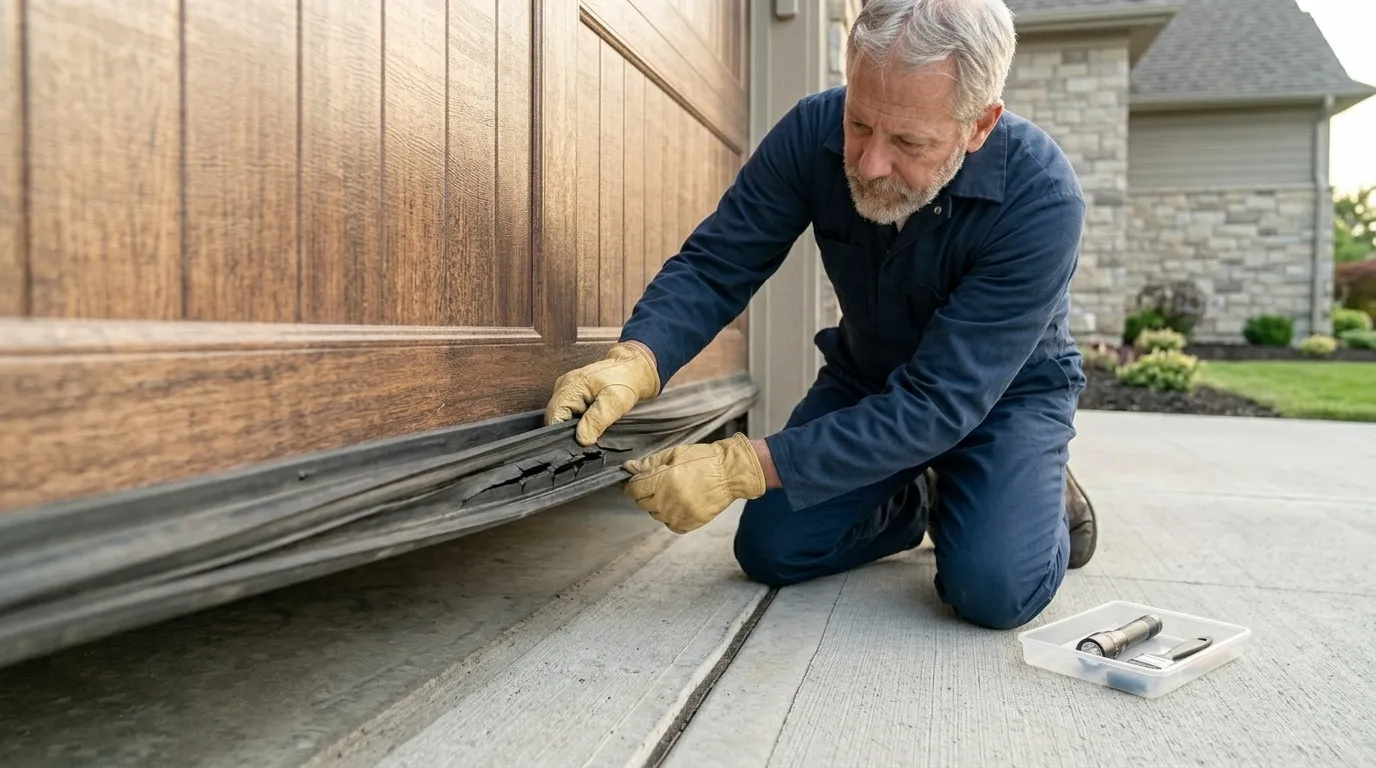
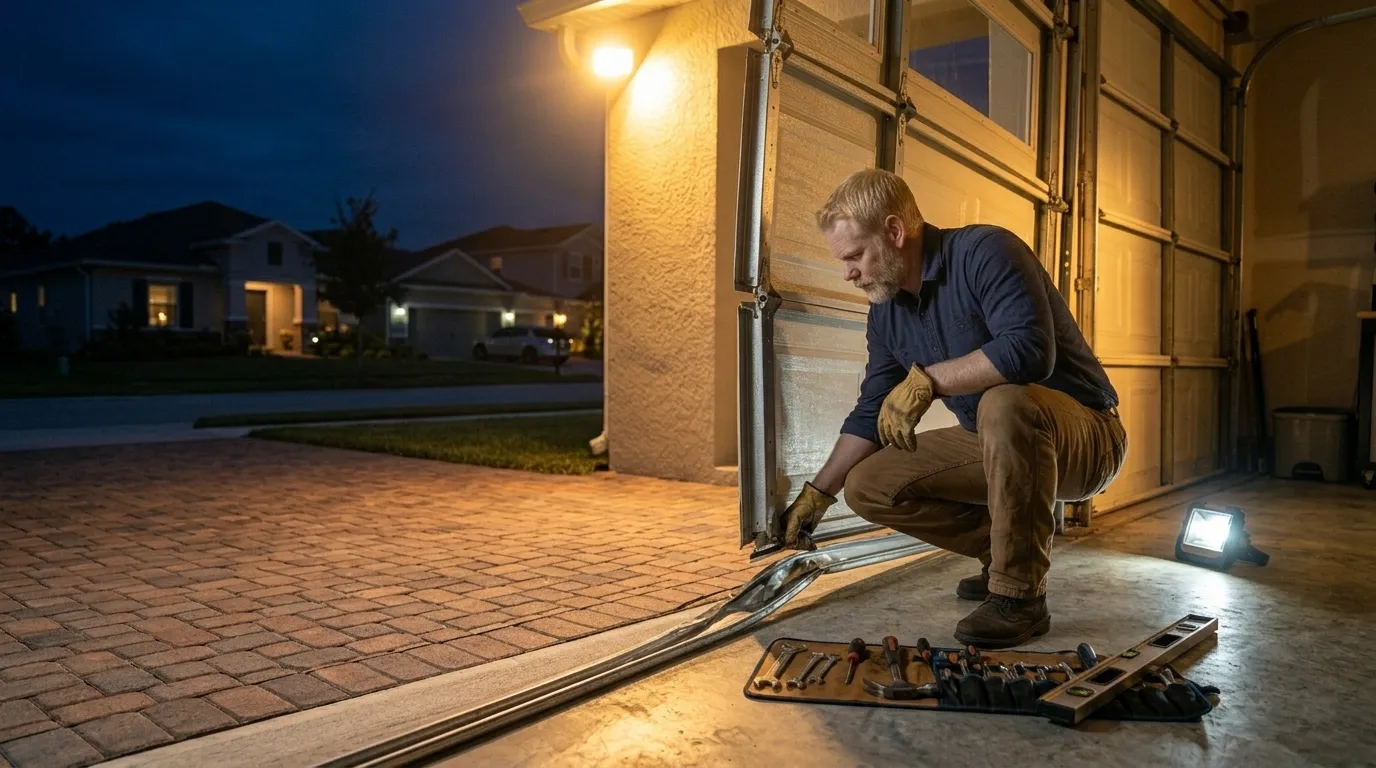
Given the housing stock, the calls we get from Palos Hills lean toward a specific pattern: extension springs that have finally given out after decades of use, missing or corroded safety cables once we're already there for something else, and openers original to the house that are simply worn out rather than broken in one clean way. We also see track separation on doors where the rollers were never upgraded.
We don't stock every part for every 1970s-era opener - some of those models are long discontinued, and if yours is one of them, replacement is the honest answer rather than a repair that won't hold. We'll always say so up front instead of running the clock on a job that isn't going anywhere.