This Area's Housing
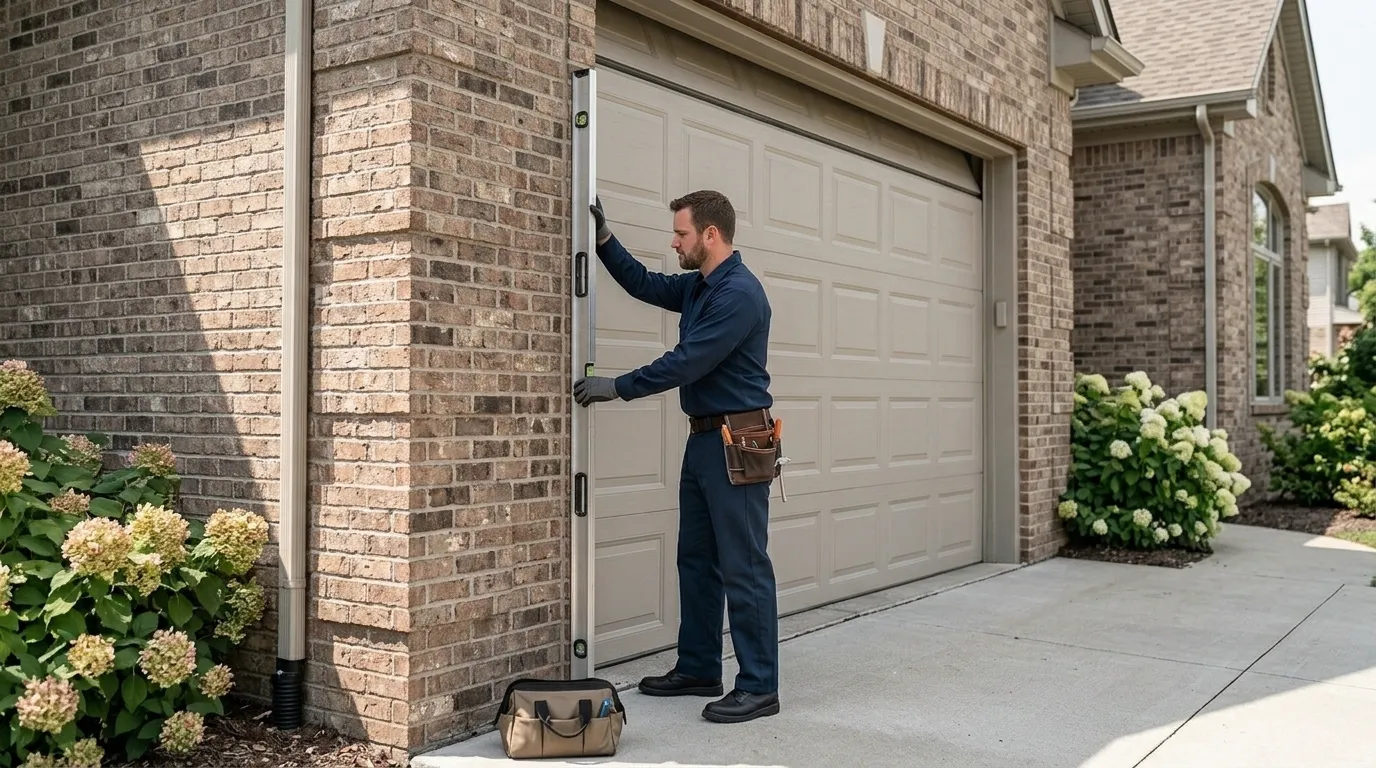
Most of the garage doors we get called out to in Posen sit on houses built around 1960 - a touch earlier than the 1964 median you'll find across the wider service area. That matters more than it sounds. A house from 1960 usually got its garage door and opener as an afterthought or a later add-on, not as part of the original build, which means the opening itself is often narrower and the header framing lighter than what you'd see in a house built even ten years later.
There are 1,636 households in this pocket, which puts it on the smaller side of the areas we cover. Median household income here runs $71,994, below the $80,202 figure for the service area as a whole - a number that tends to show up in the kind of repair calls we get: more "fix what's there" jobs, fewer full teardown-and-replace jobs. We don't push a replacement on a door that still has service life left in it just because it's older.
What That Means for Doors
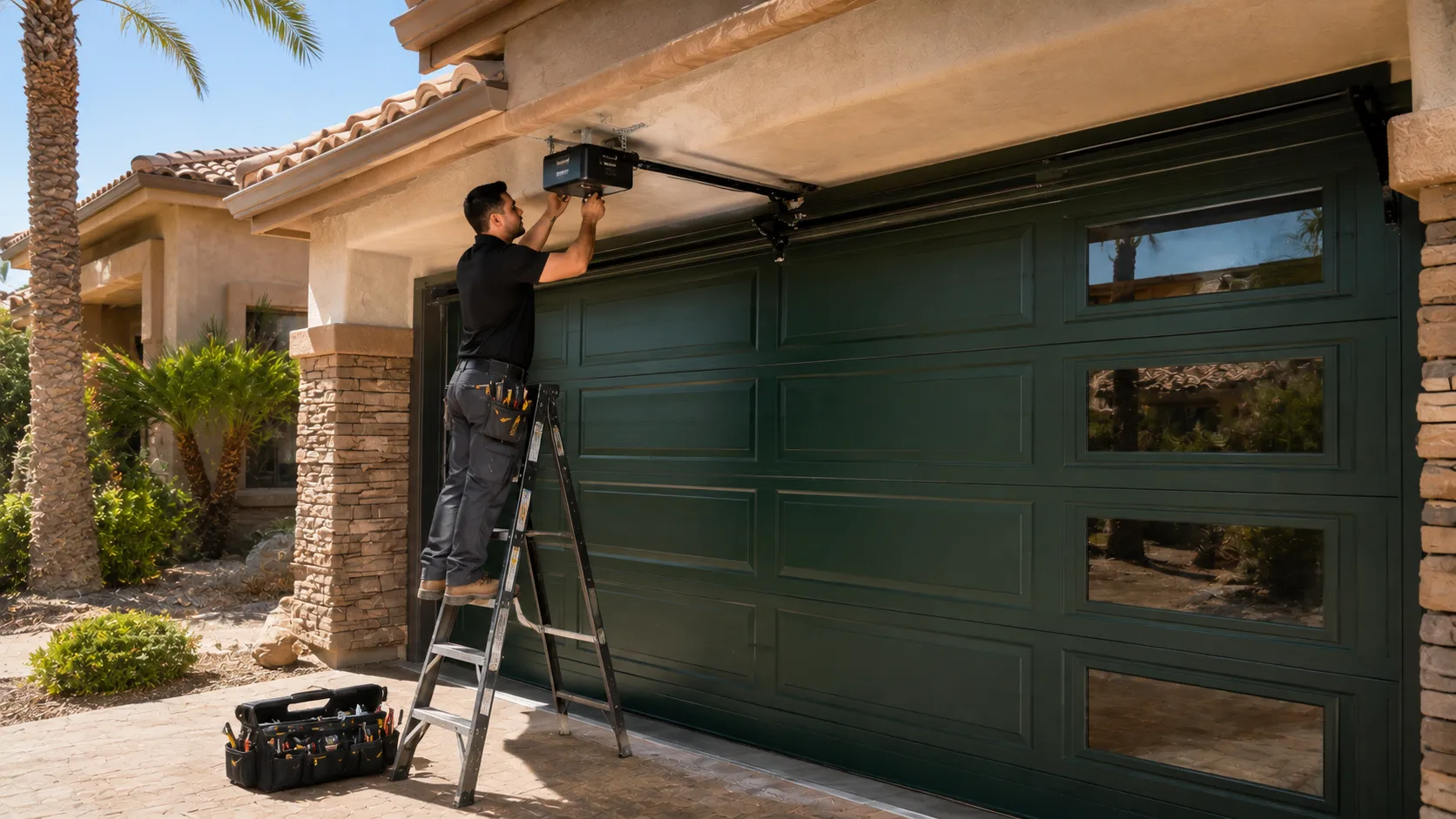
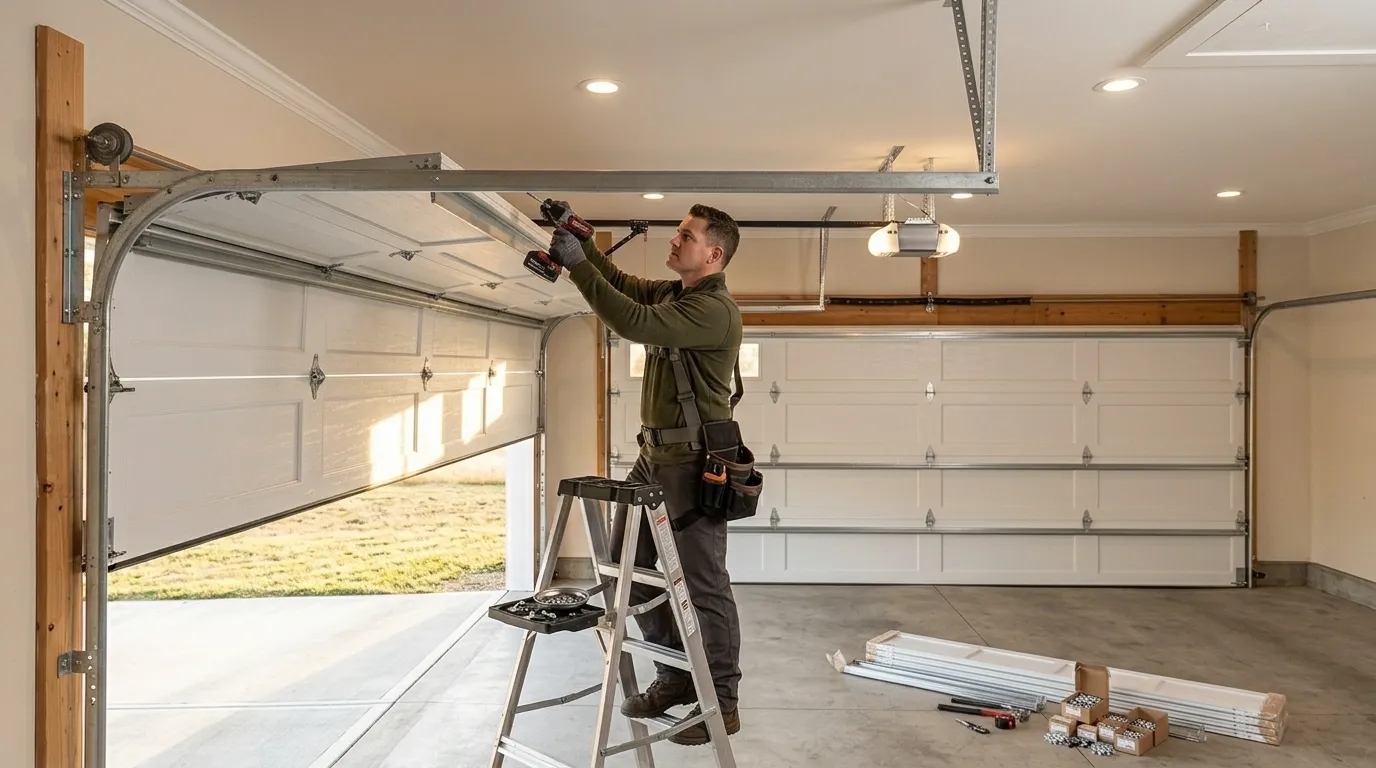
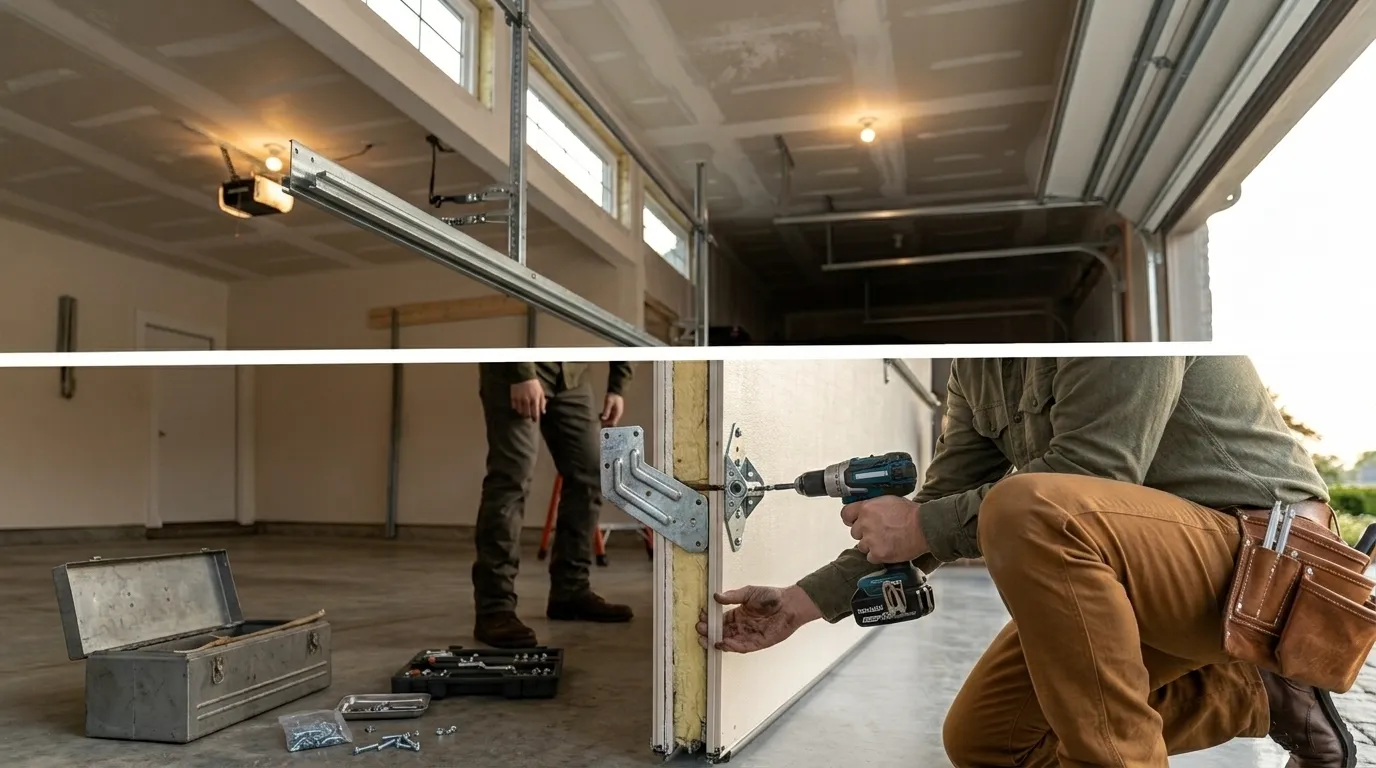
A garage built around 1960 usually means an original opening sized for a single-car door that's since been replaced piecemeal - a newer door hung on old track, or a newer opener bolted to hardware that predates it by decades. We see a lot of mismatched setups out this way: the door is from one era, the springs from another, and the opener from a third. None of that is wrong on its own, but it means a repair often has to account for parts that were never designed to work together.
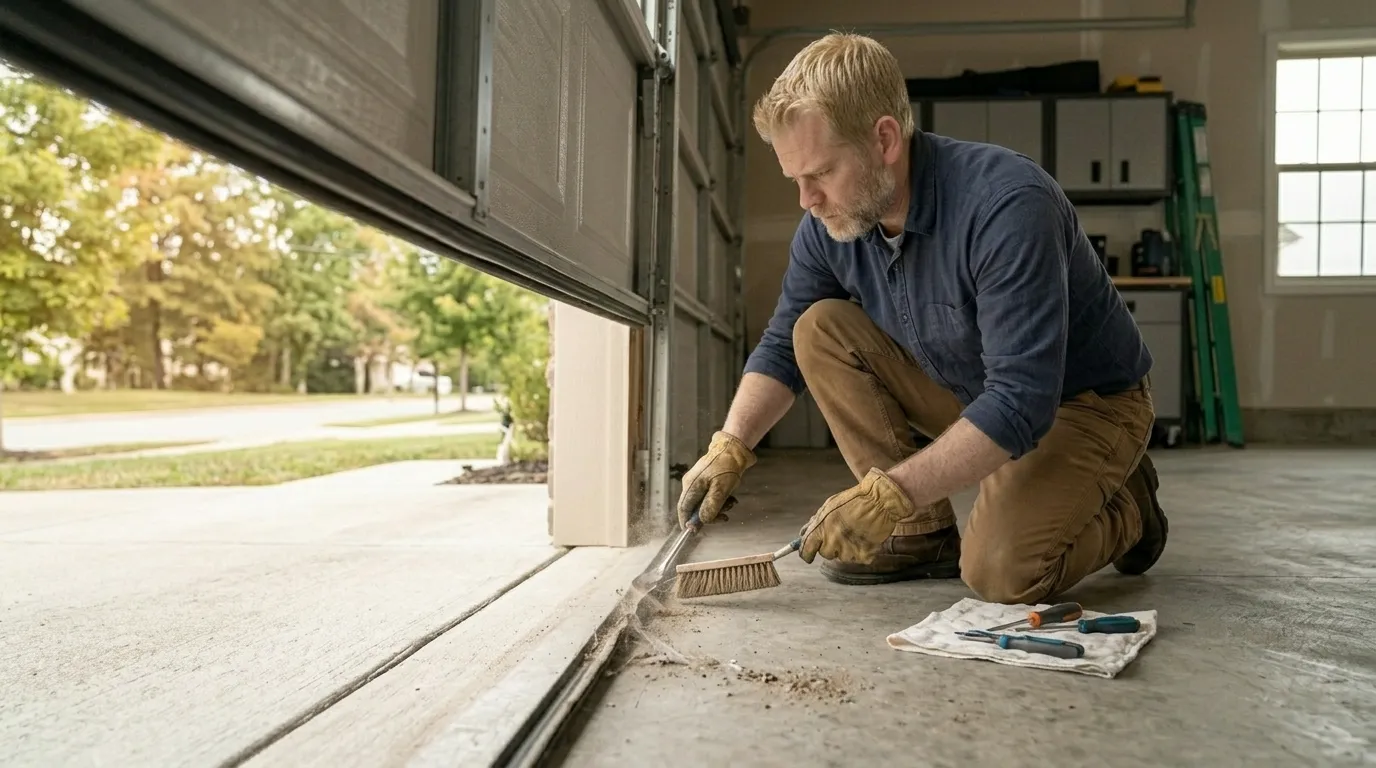
The cold-weather climate here adds its own wear pattern. Steel contracts in the cold, torsion springs lose a bit of tension, and nylon rollers that were already worn from sixty-plus years of freeze-thaw cycles are the ones that finally give out on the coldest morning of the year. If your door came with the house, there's a decent chance the track and hardware have never been swapped, only patched.
What People Here Ring About
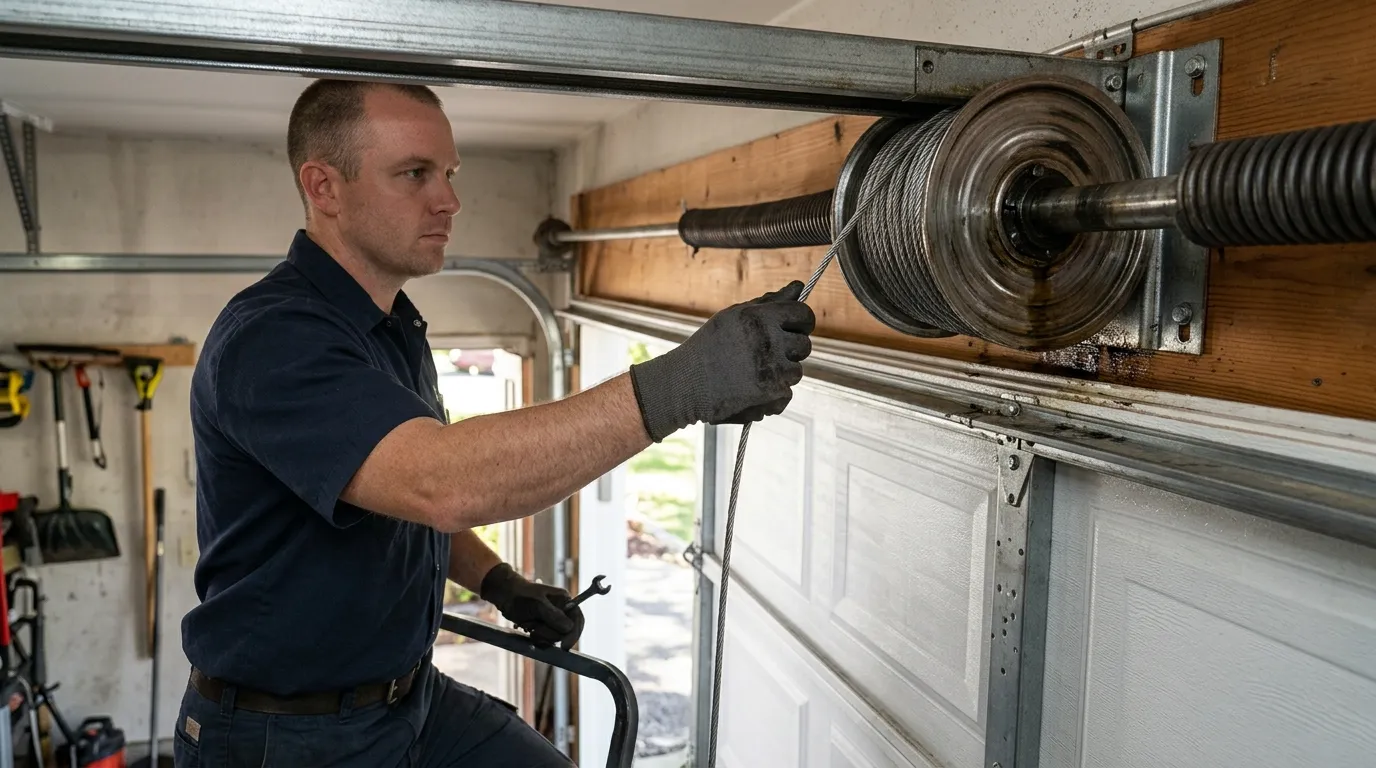
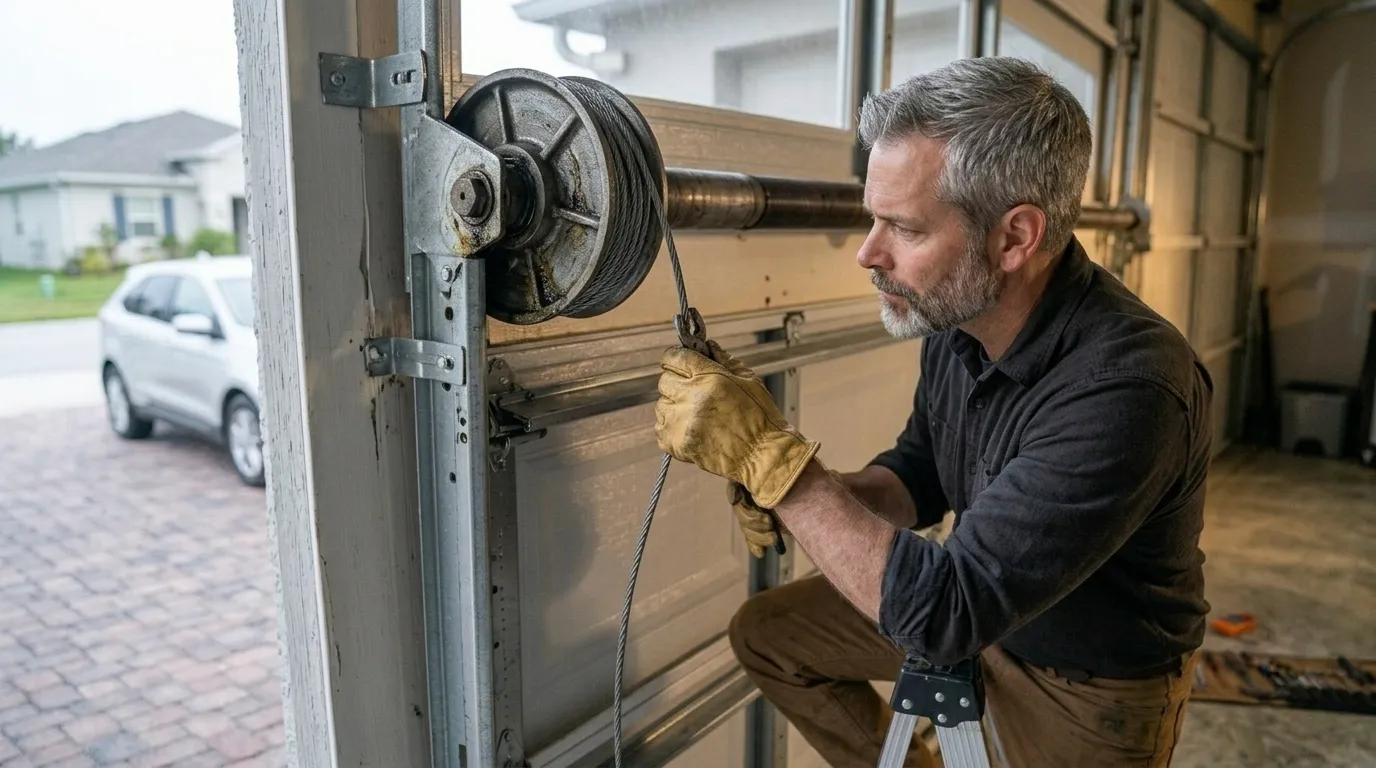
The calls we get most from Posen are broken torsion springs, openers that run but won't lift a door that's gotten heavier with age, and tracks bent from a door that's been fighting worn rollers for years. On houses from this era we also see cable drums and end bearing plates original to a much older door, which aren't always available off the shelf - sometimes that part has to be ordered, and we'll tell you upfront if that adds a day or two to the job rather than promise a fix on the spot.
We'll also tell you when a repair isn't worth it: if the door itself is rusted through or the panels are cracked from age, patching the opener or spring is just delaying a replacement you're going to need anyway. On a house from 1960, that's not a rare call to make.