This Area's Housing
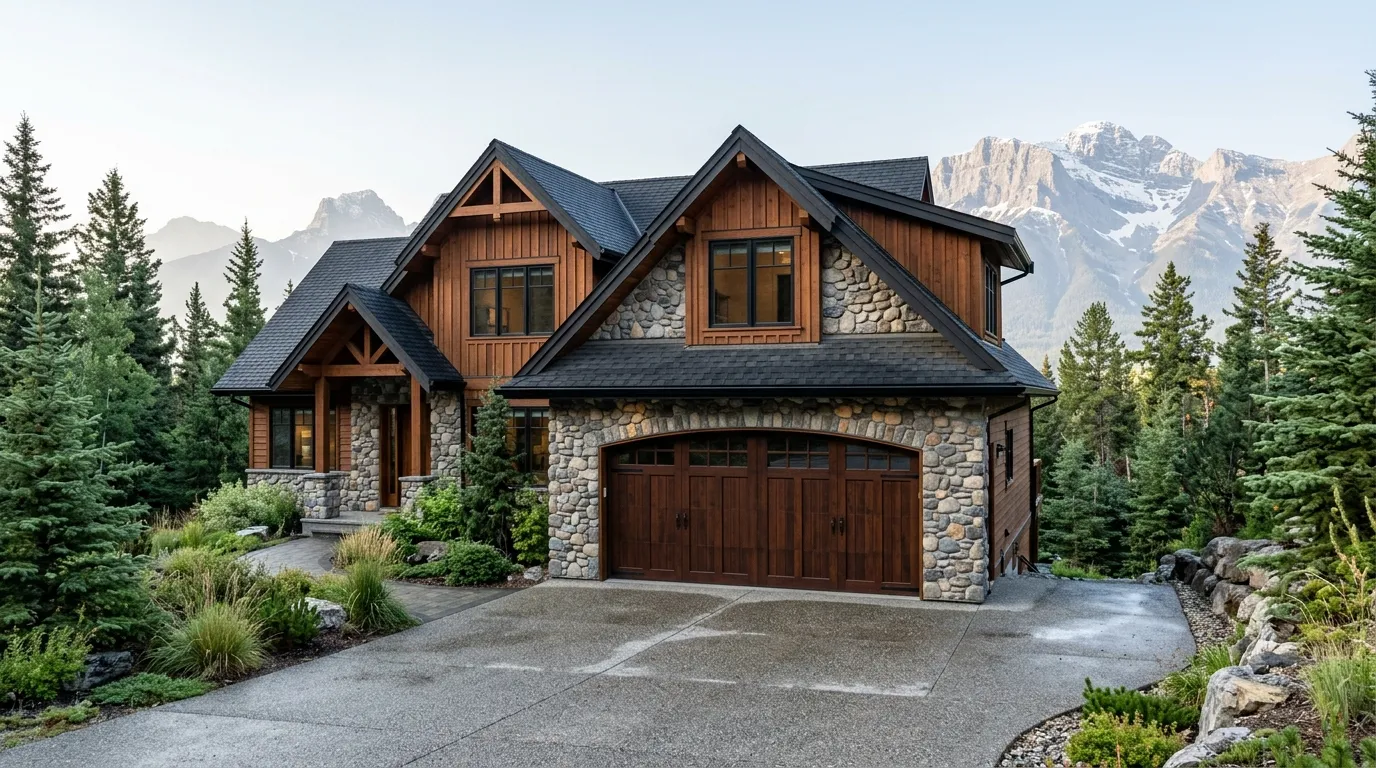
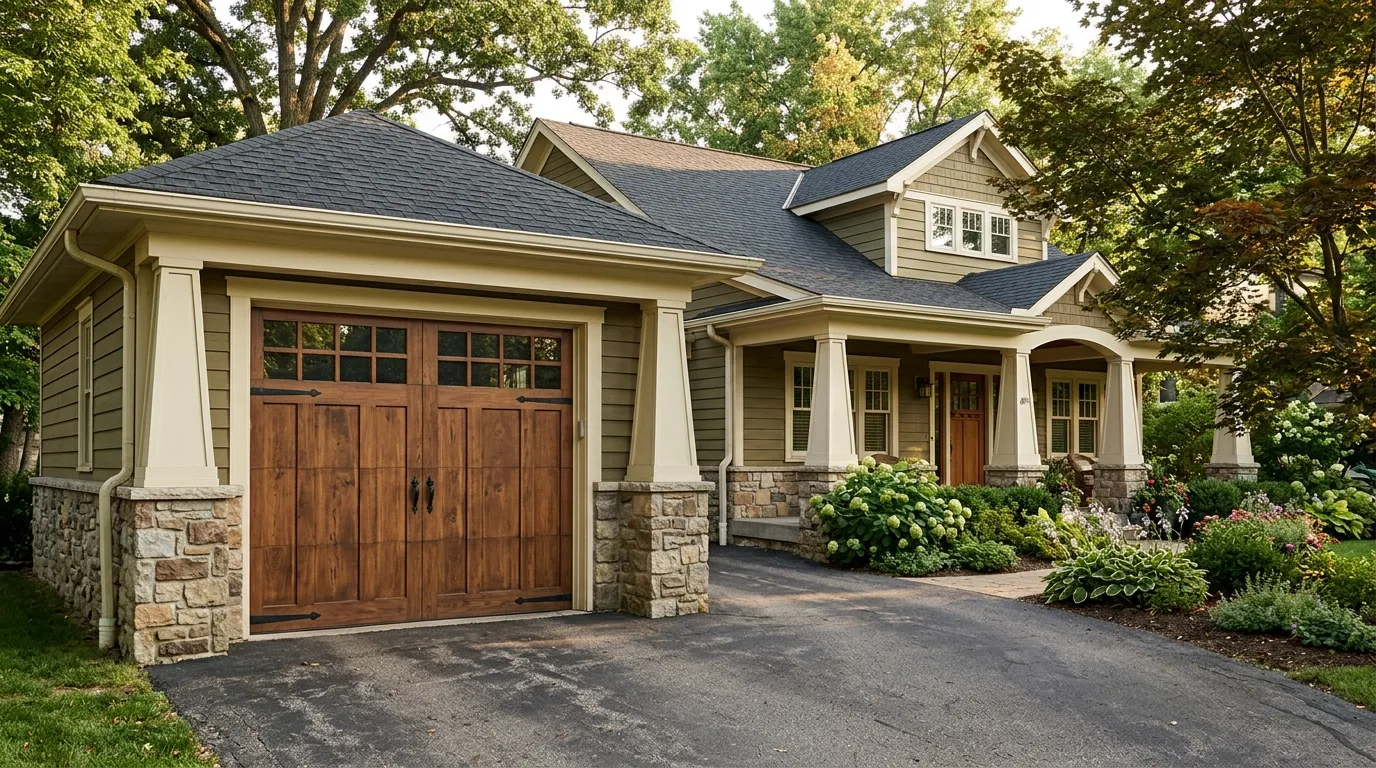
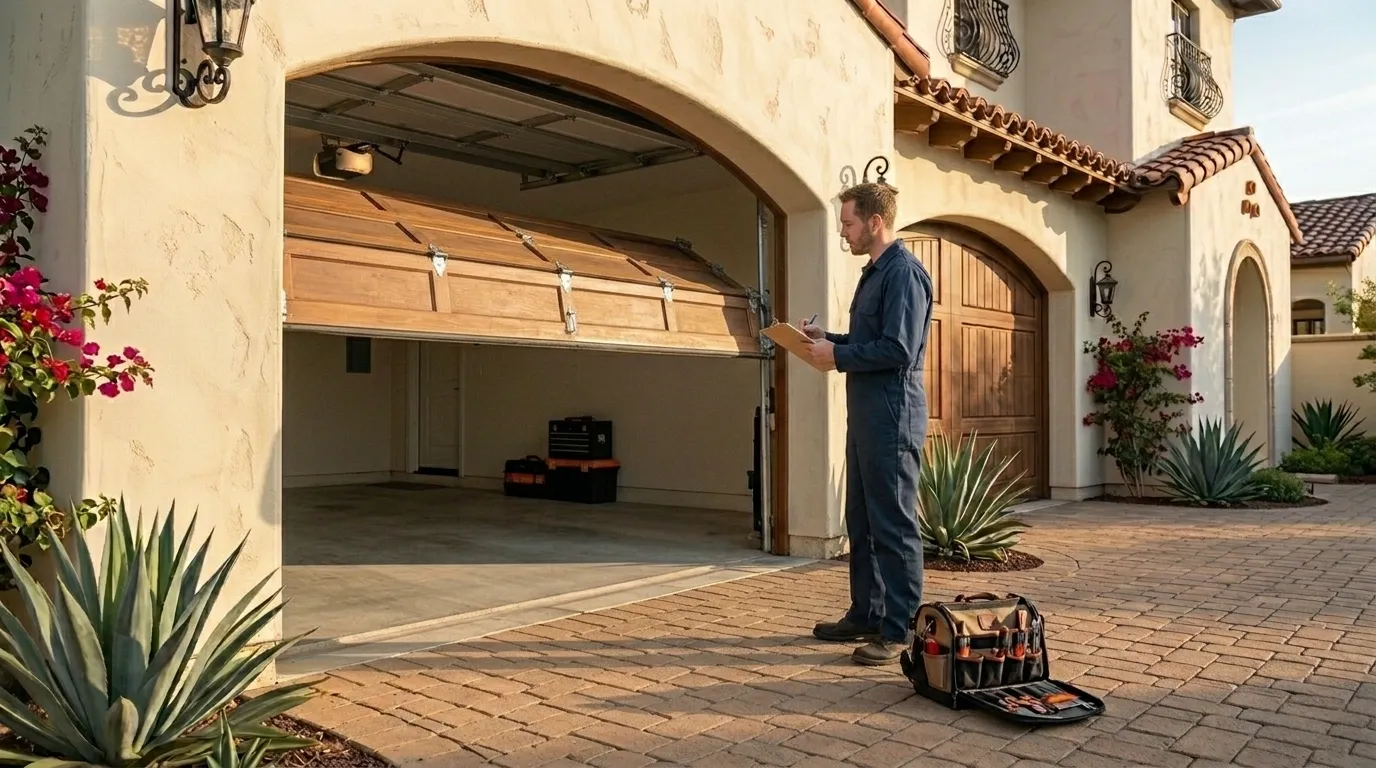
River Forest's housing stock centers on 1945, nearly two decades older than the 1964 median across the wider service area we cover from Chicago. That difference shows up the moment you open the garage. A house built in the mid-1940s was more likely to get a garage door added or retrofitted in the 1950s and 60s, often with hardware nobody has manufactured in decades - narrow-track rollers, older extension spring setups bolted to a header that was never built for a torsion system, and single-layer wood panels that have taken on decades of Chicago winters. With about 4,275 households in River Forest, the housing here reads as denser and more consistent in age than a lot of the newer subdivisions farther out on our coverage map. That consistency is useful: when we see one older torsion conversion done wrong on a street, we usually see three more like it. Owners here tend to have inherited a door install from whoever owned the house before them, and a lot of that work predates any current code. We don't guess at what's behind the trim - we open the housing, check the spring wind, and tell you straight whether it's a repair or a full swap.
What That Means for Doors
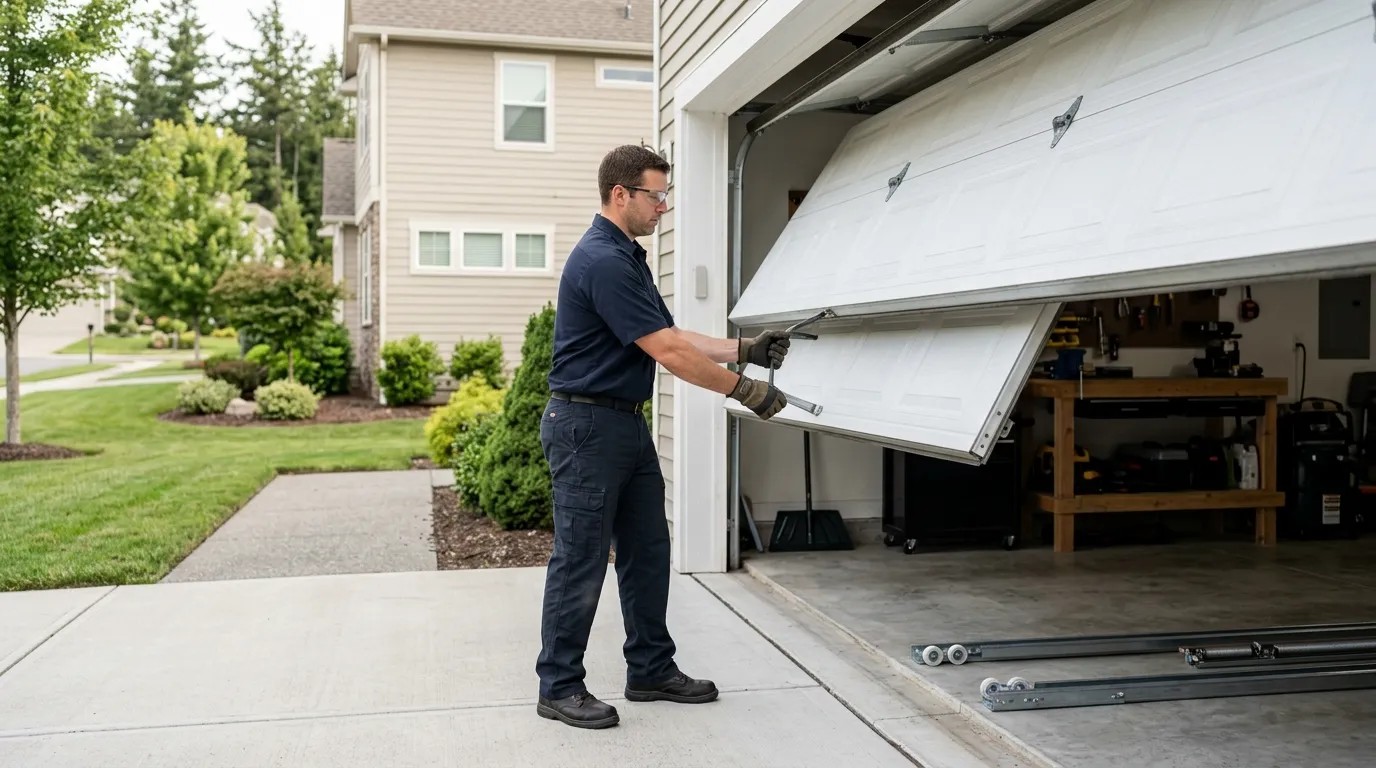
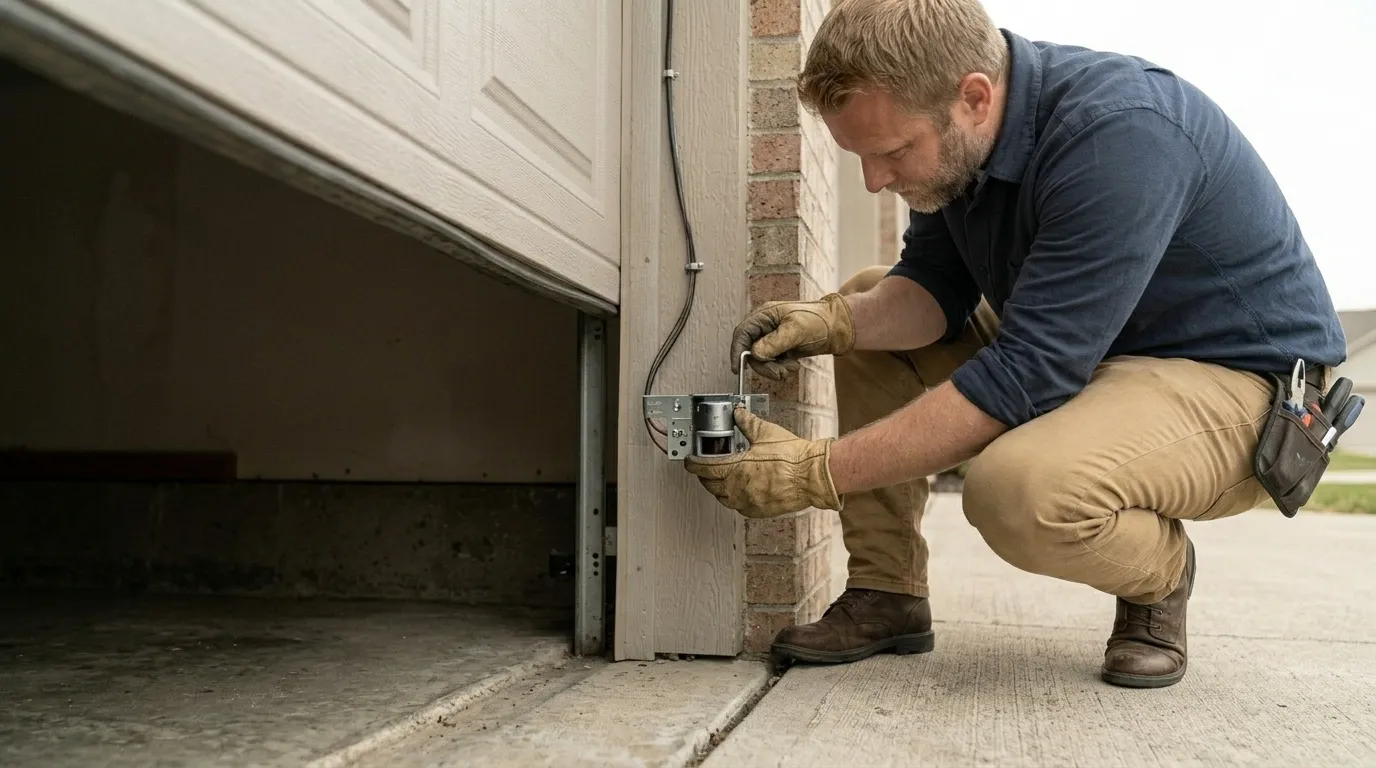
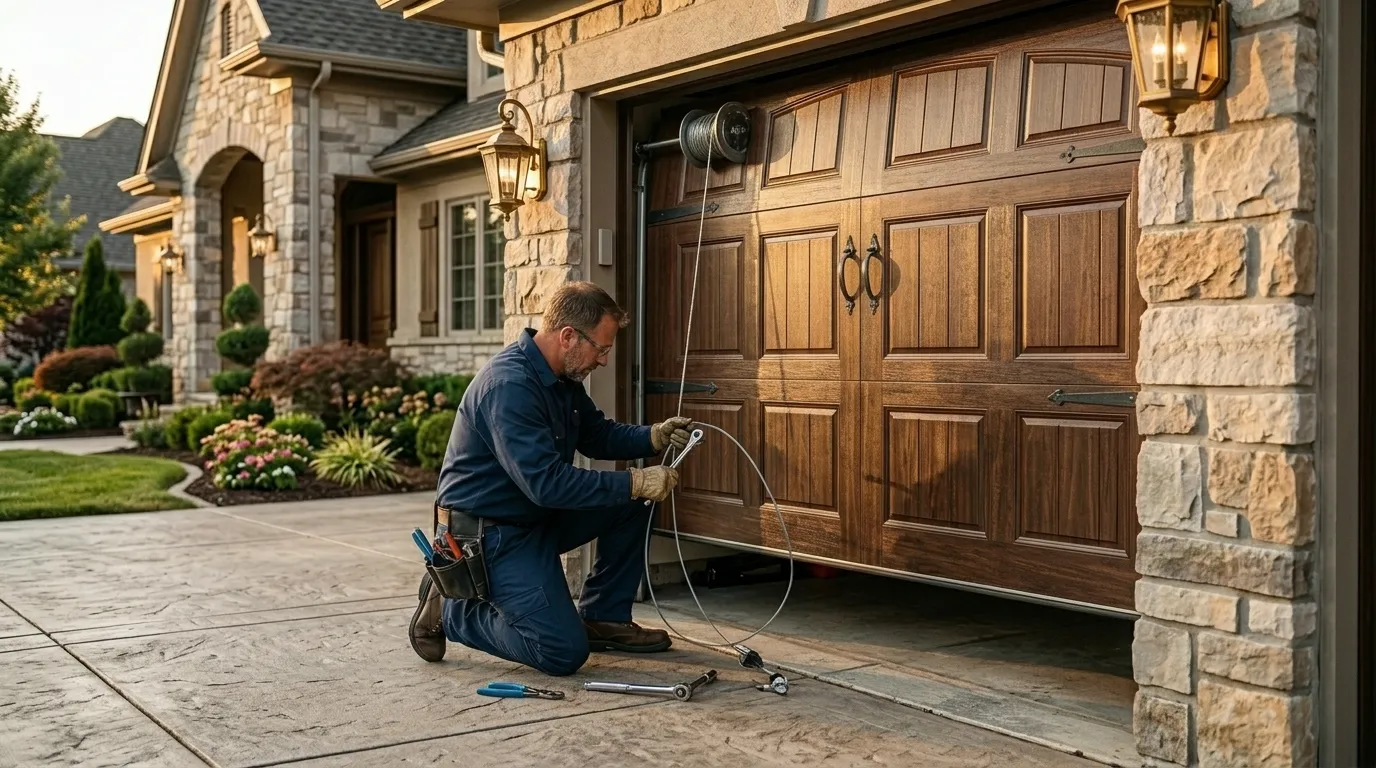
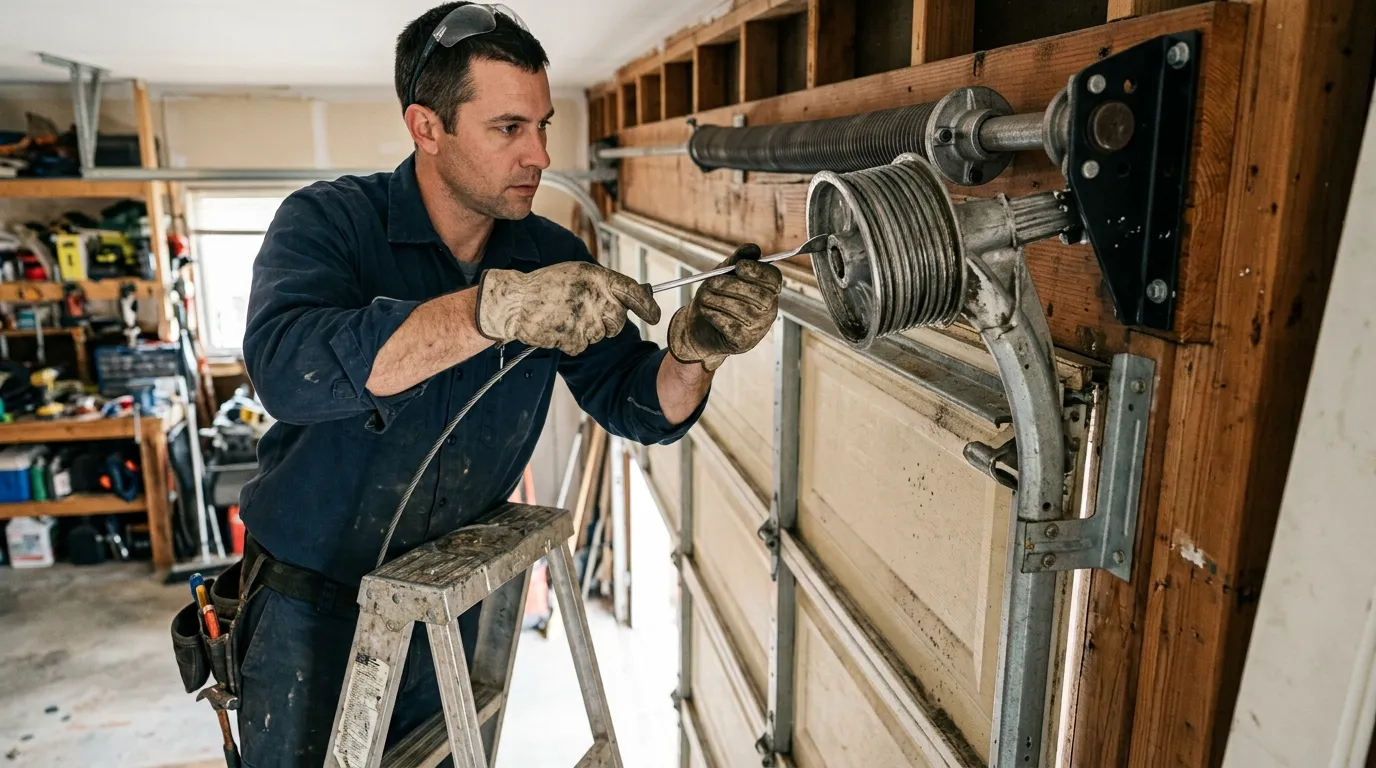
A door installed to match a 1945 house is a different animal than one installed for a house built in 1975. The header framing is often shallower, the tracks narrower, and the spring hardware - if it's original or a first-generation replacement - runs on extension springs mounted along the horizontal track rather than a torsion bar over the opening. That setup fails differently: frayed cables show wear you can see, and a broken extension spring doesn't slam the door the way a snapped torsion spring does, but it's just as dangerous to work on without knowing the wind direction and tension. In the cold-moderate climate this region sits in, steel hardware from that era has usually seen enough freeze-thaw cycling that bolts have backed out of a header that's shrunk and swelled for eighty years. We won't force a modern torsion retrofit onto framing that can't take the load - sometimes the honest fix is reinforcing the header first, and we'll say so before we quote the door.
What People Here Ring About
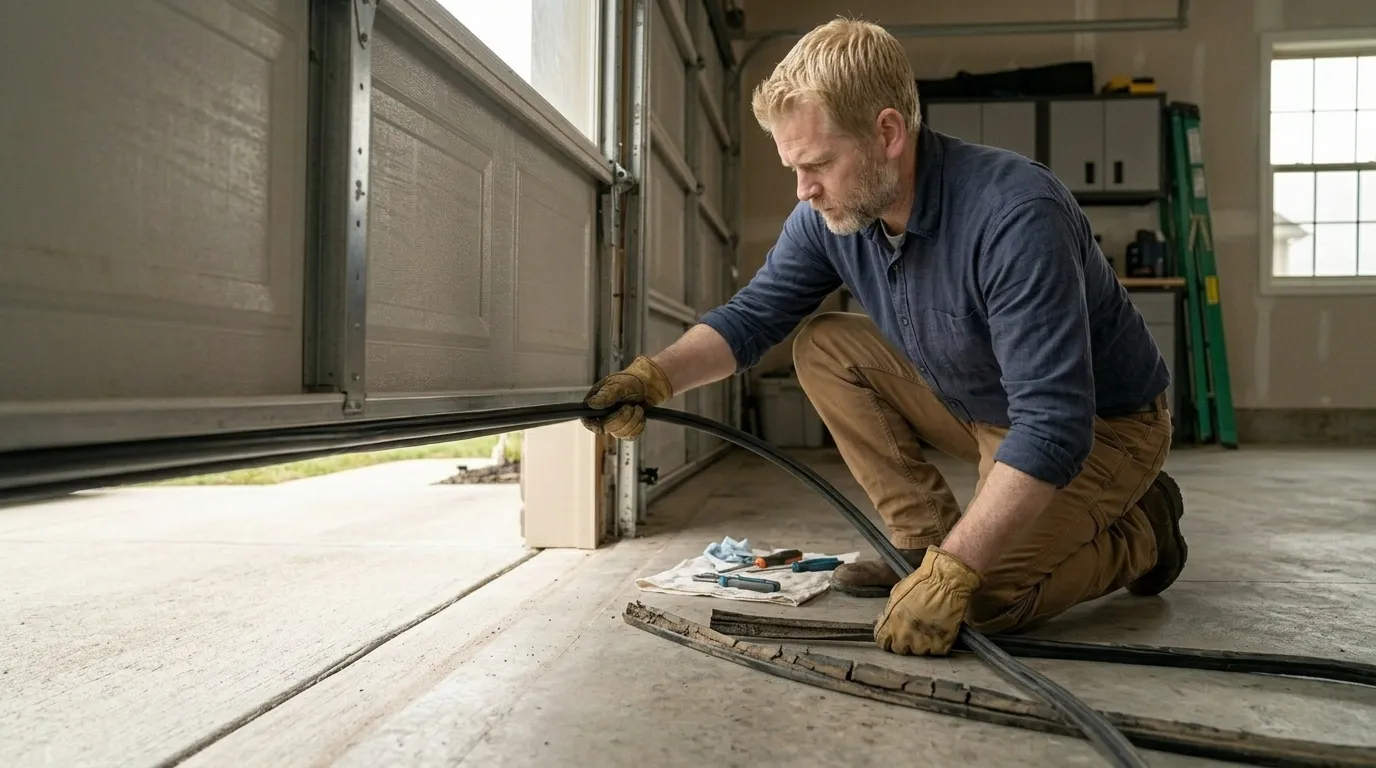
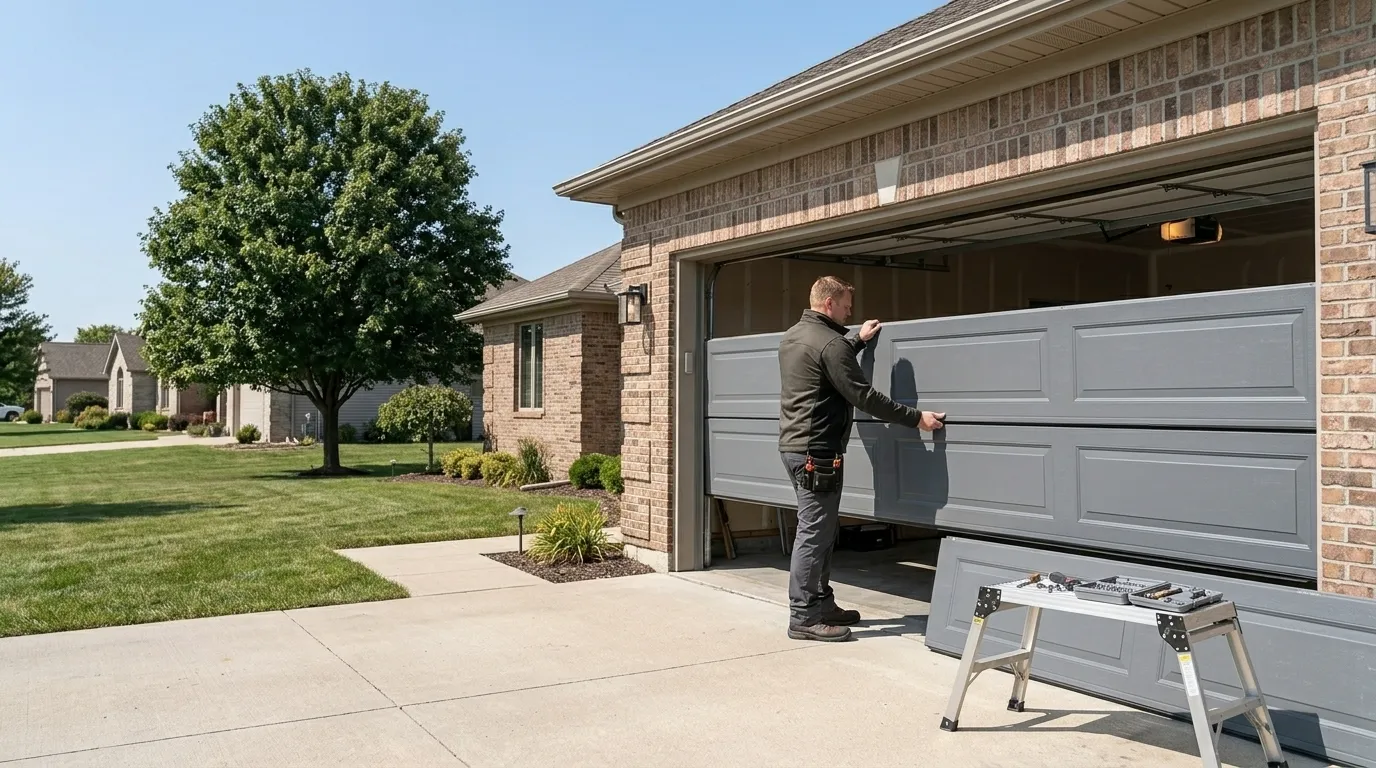
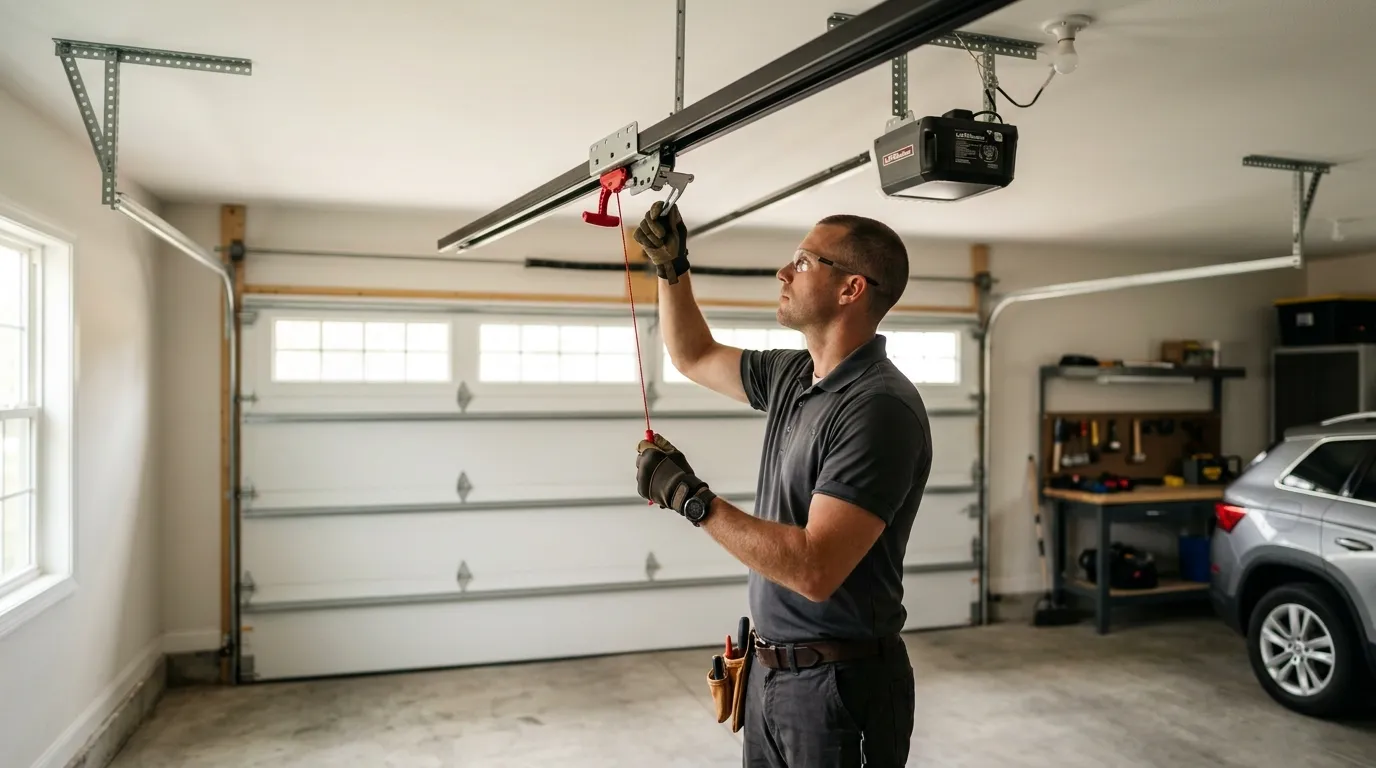
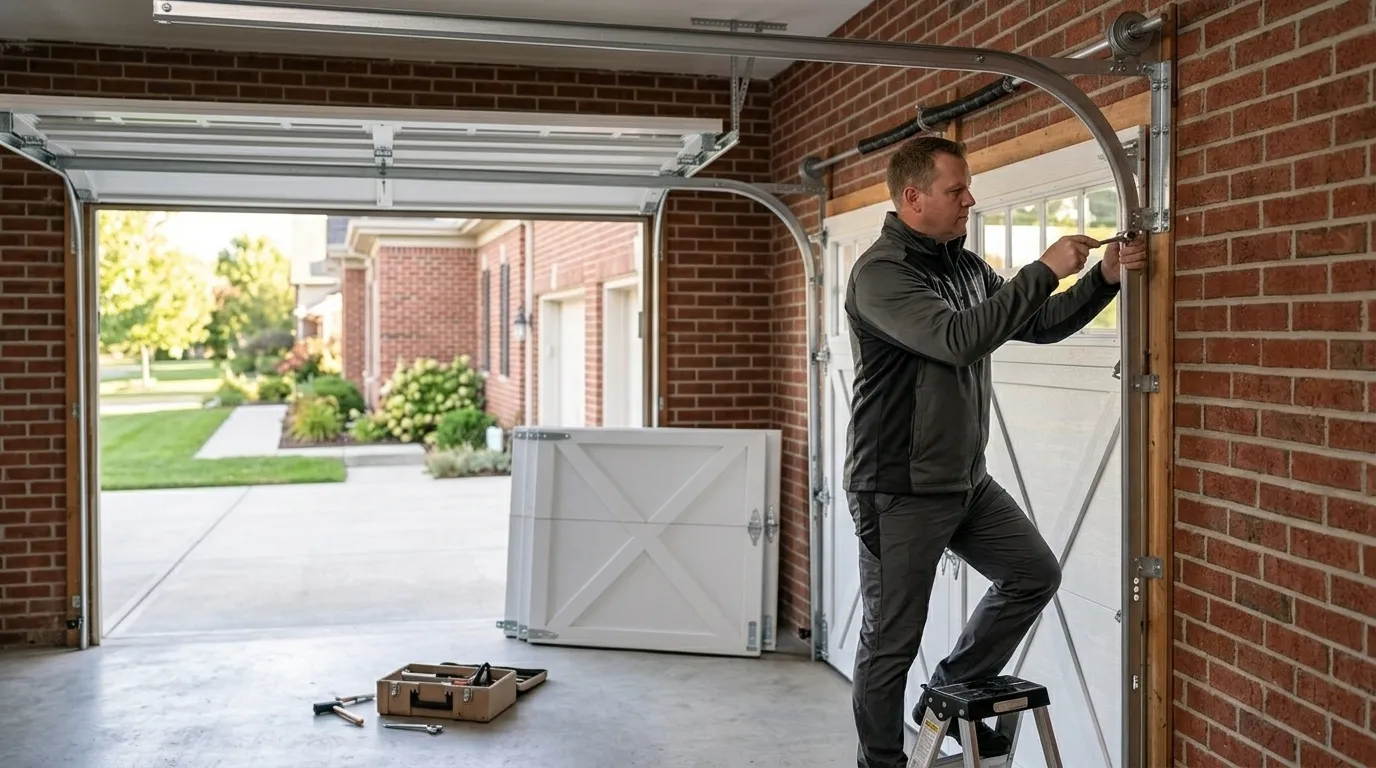
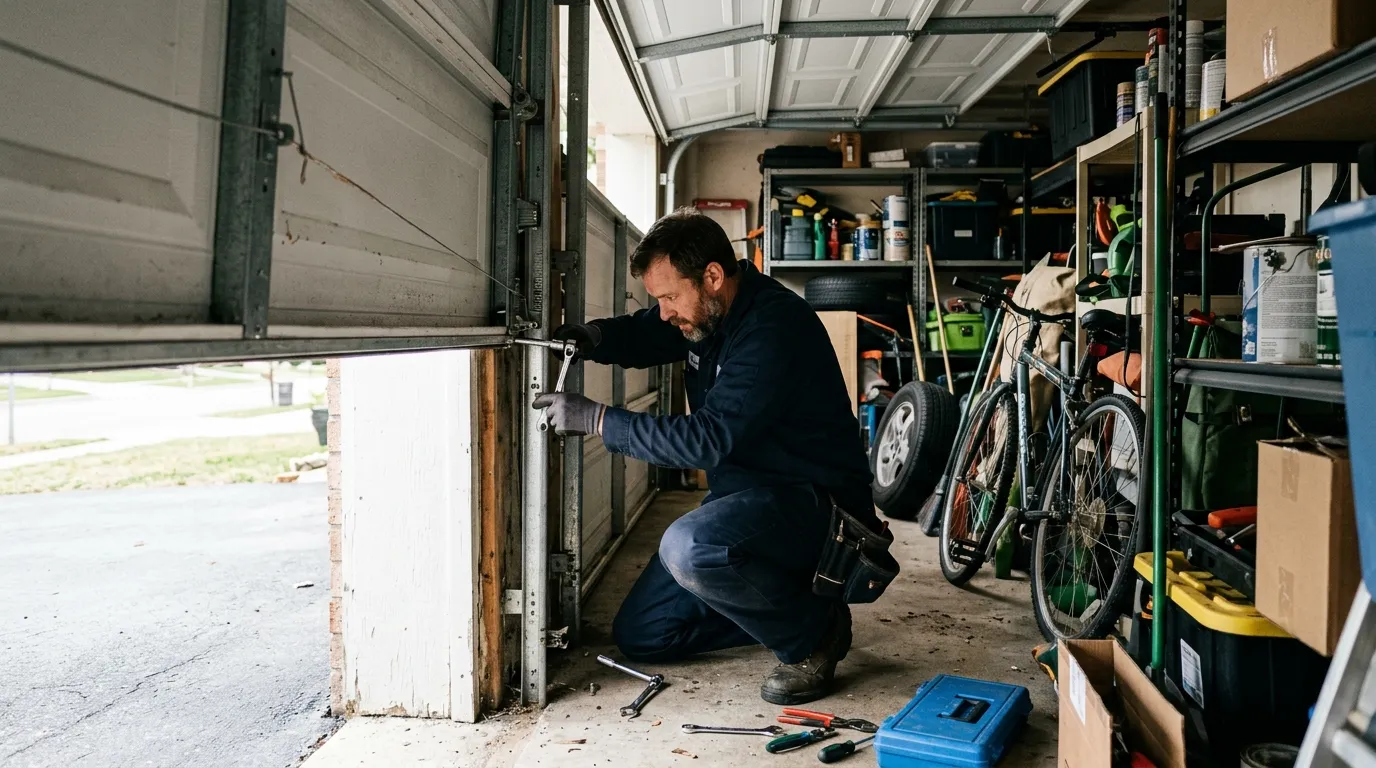
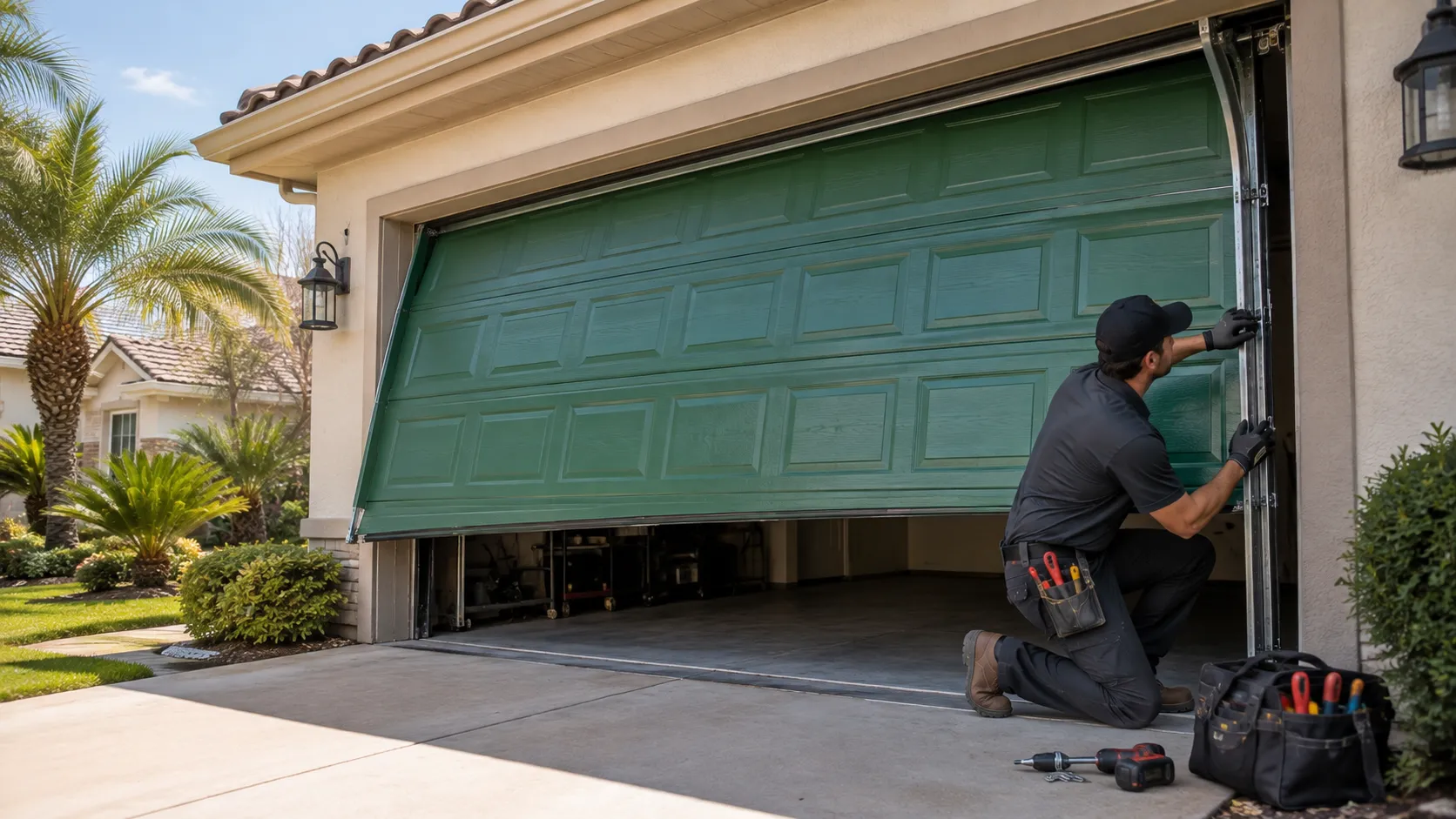
Most River Forest calls come down to two things: a spring that let go on an original or first-generation replacement setup, and an opener that's been bolted onto hardware it was never designed for. We also see a fair number of panel replacements where a single wood section has warped or rotted at the bottom, which is common on doors that have outlived several openers already. With median household income here running well above the service area average - $148,711 against $80,202 - we get more calls asking about full replacement instead of patch repair, and that's often the right call on a door pushing seventy or eighty years old. One limit worth stating plainly: on some of the oldest wood panel doors, we can't always source an exact-match replacement panel, and the honest answer is a full door swap rather than a mismatched patch.