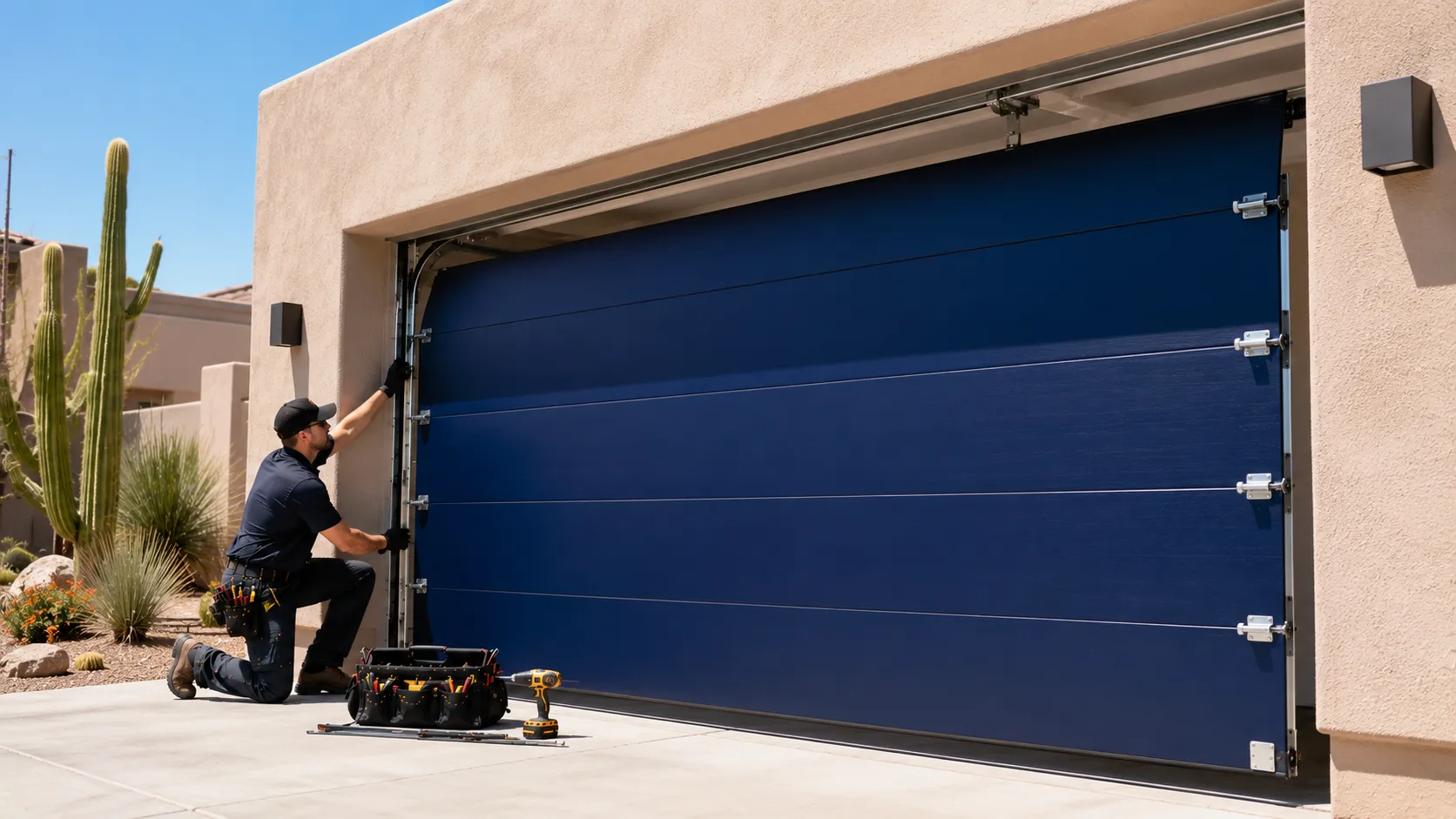
This Area's Housing
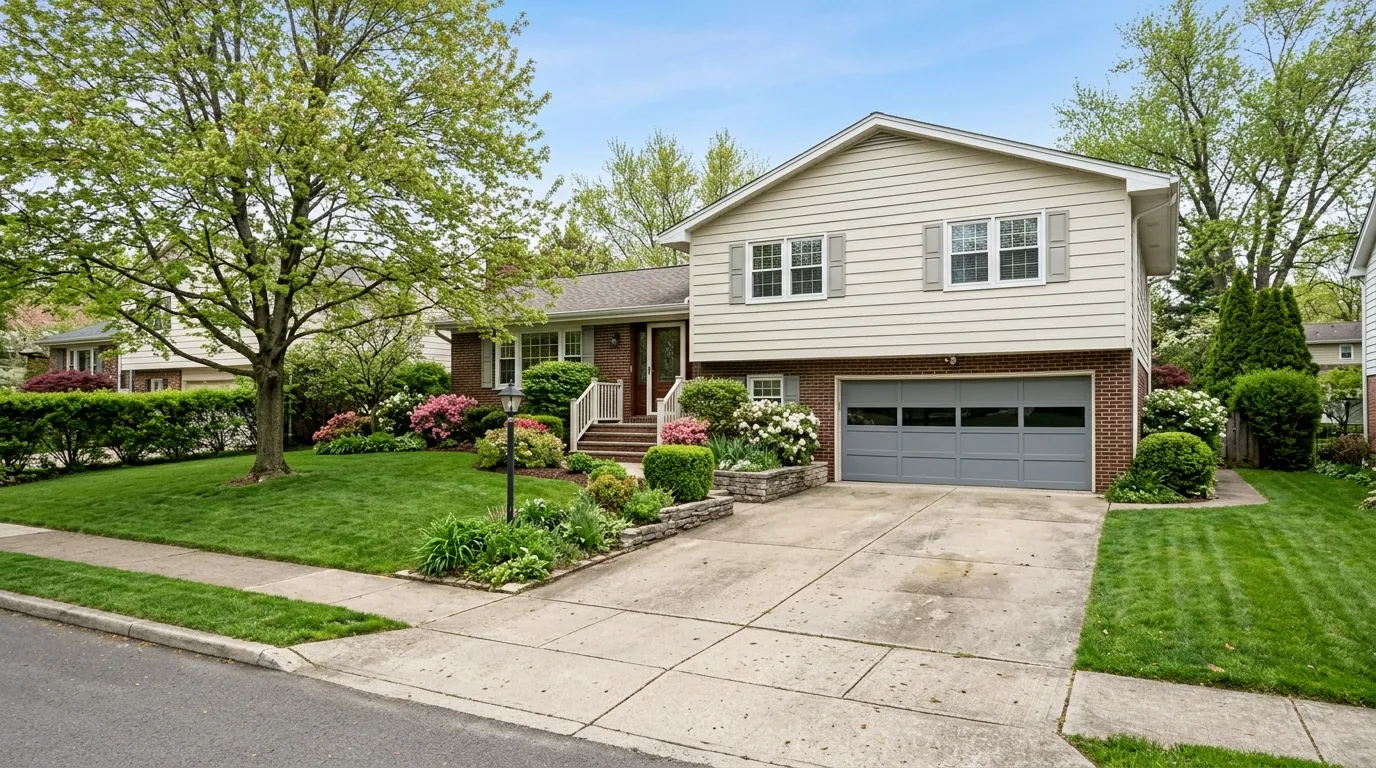
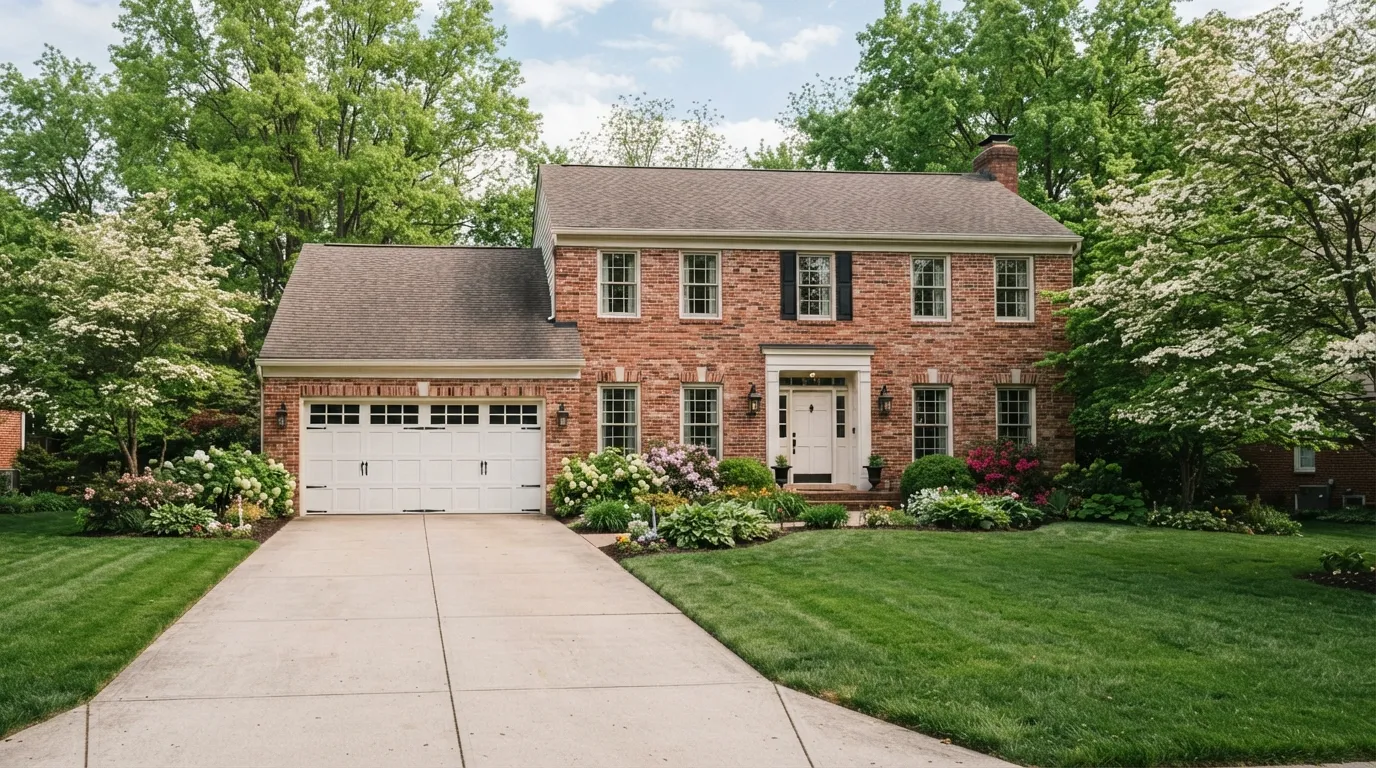
Riverdale's houses mostly went up around 1957, which puts this area on the older side of the 1938-1994 build window that covers the wider service territory we run trucks through from Chicago. The wider area's median build year lands closer to 1964, so a house here is often a few years older than what you'd find in newer pockets of the coverage map.
That matters because a garage built in the mid-1950s was framed for a single-car door, sometimes 1.5 cars, and finished with lighter steel skins than what shops sell today. If the original door and track are still in place, the spring setup was almost certainly sized for a lighter panel and a shorter service life than current hardware.
Riverdale is a small market inside a big one - about 3,872 households here, against 223,261 owner-occupied houses across the full area we cover. That size doesn't change what a 1950s door needs, but it does mean fewer of these older setups get replaced each year than in the newer subdivisions further out, so more of the original hardware is still out there working past its expected life.
What That Means for Doors
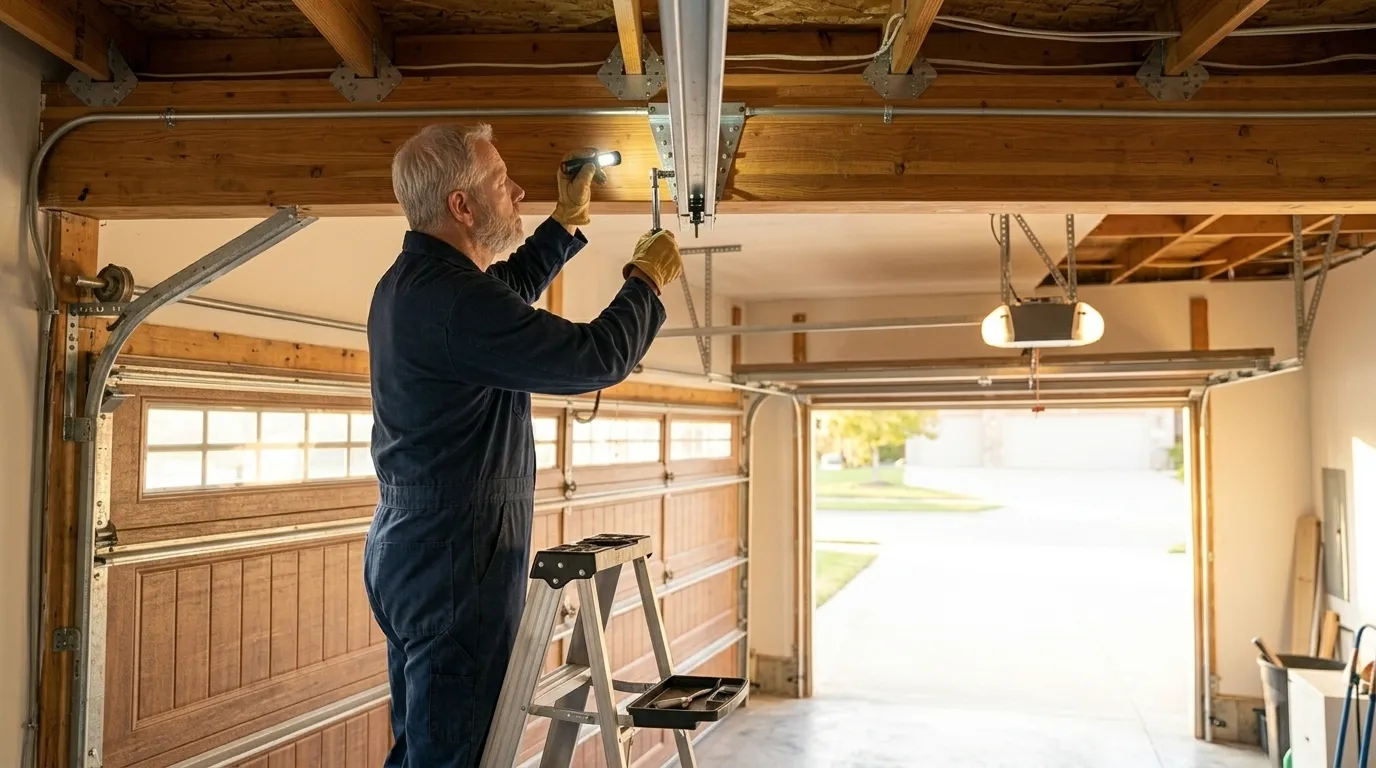
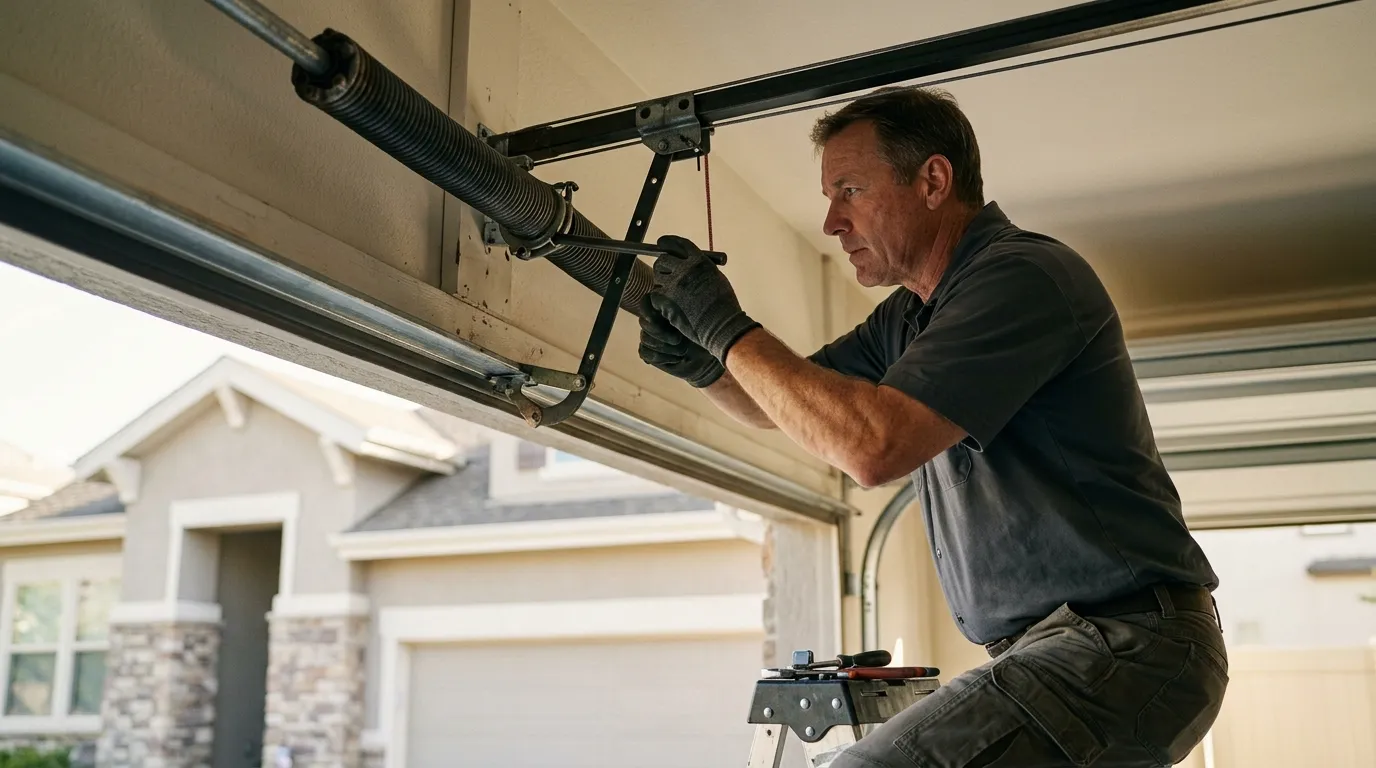
A door built for a house from around 1957 usually ran on extension springs mounted along the horizontal track rather than a torsion bar overhead - torsion setups became standard later. Extension springs age differently: they don't fail the same way, and the safety cables that should be threaded through them are often missing or added later as a retrofit, not original equipment.
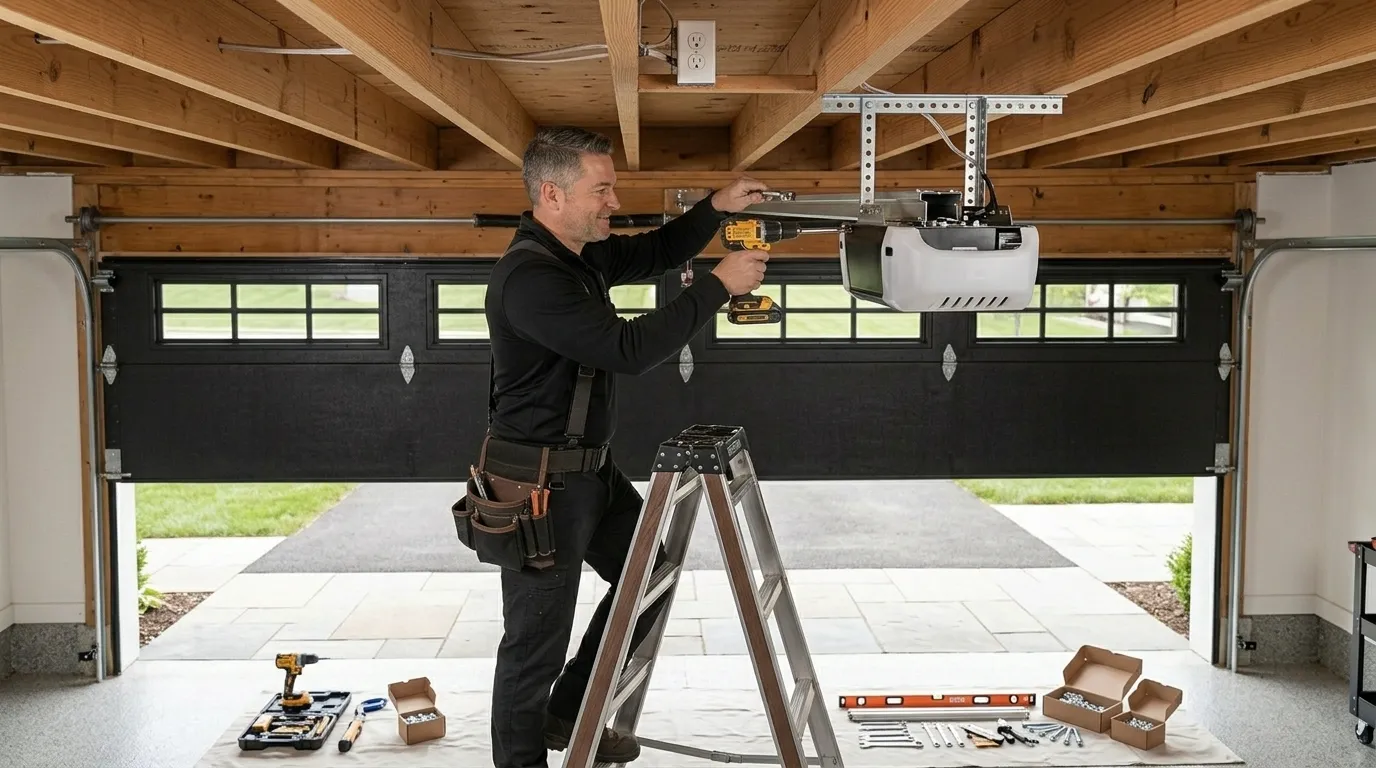
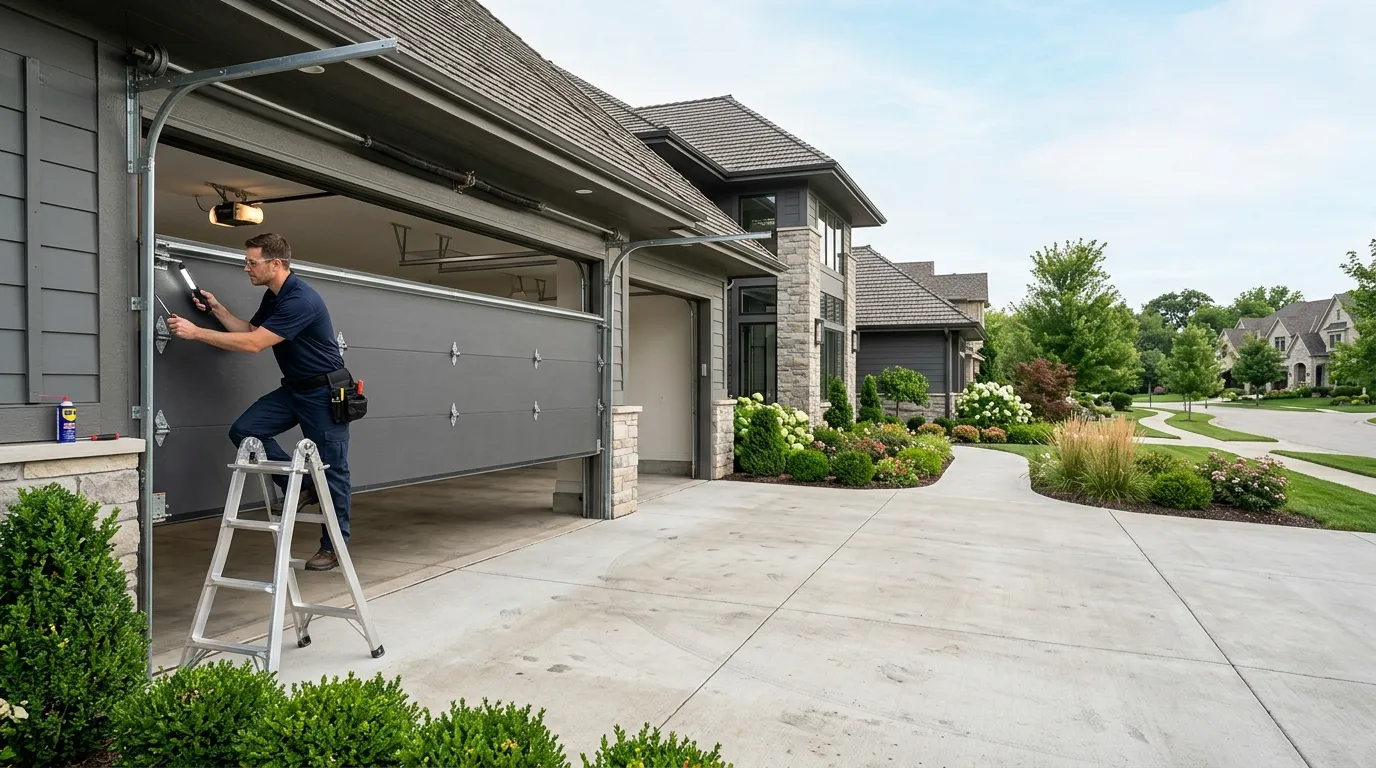
Many of these garages never had an opener at all when built; a lot of what we see is a much later opener bolted onto original 1950s-era track and hardware, which is a mismatch that shows up as grinding, uneven travel, or an opener straining against resistance it was never sized for.
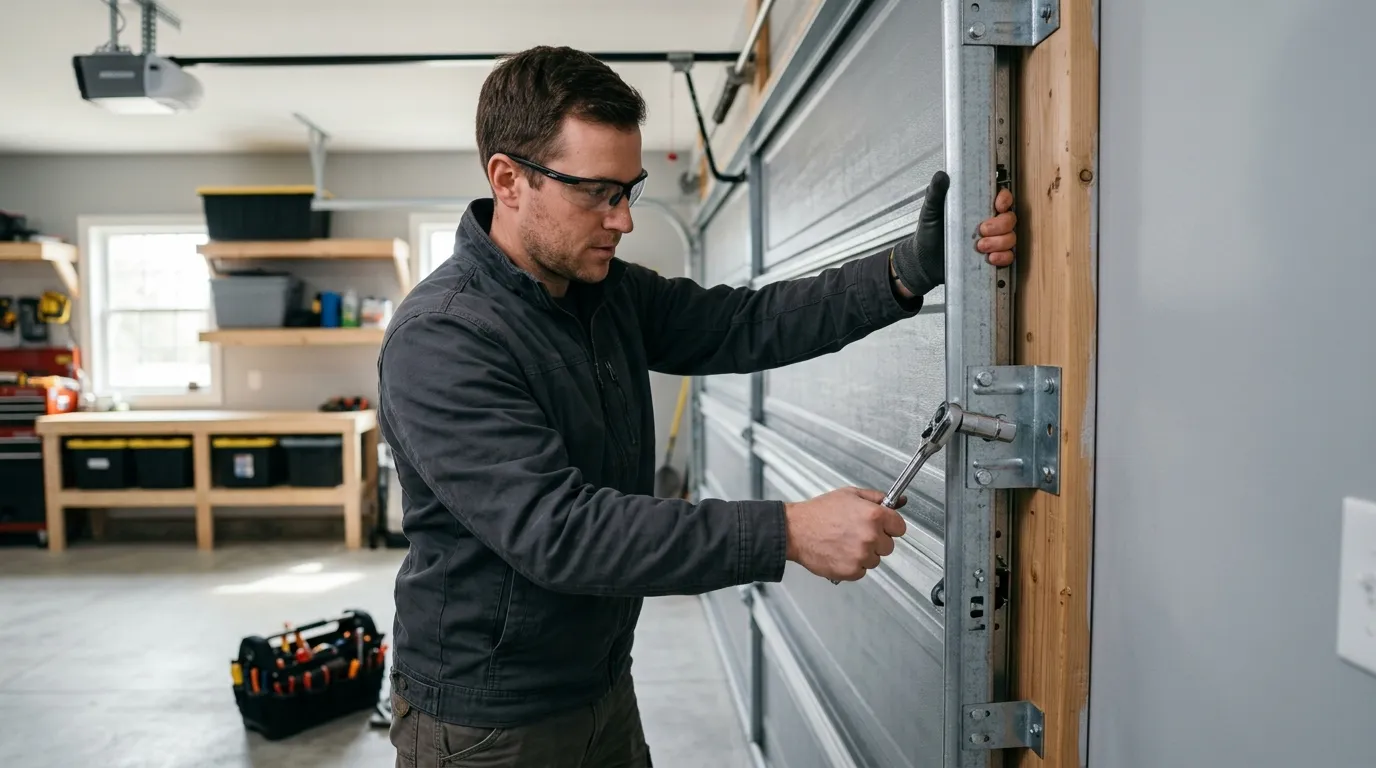
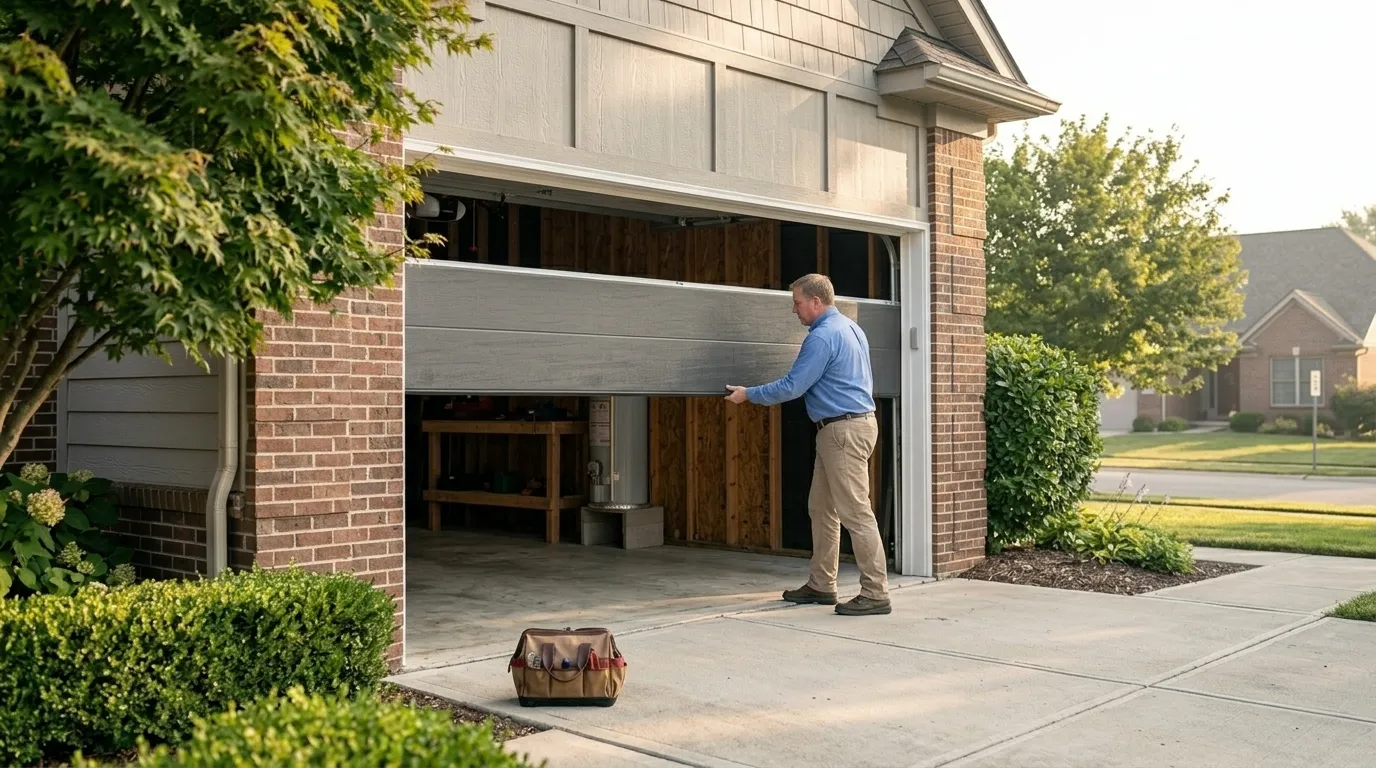
Panel replacement gets tricky too. Steel panel widths and rib patterns changed over the decades, so a single damaged section on an original door sometimes can't be color- or profile-matched anymore, and the honest answer is a full door swap rather than a patch. We'll tell you when that's the case instead of forcing a part that won't sit right.
What People Here Ring About
The calls we get from this area lean toward what you'd expect from 1950s stock: a snapped extension spring on a door that's been running on the original set for decades, or an opener installed years after the house was built that's now fighting hardware it doesn't match.
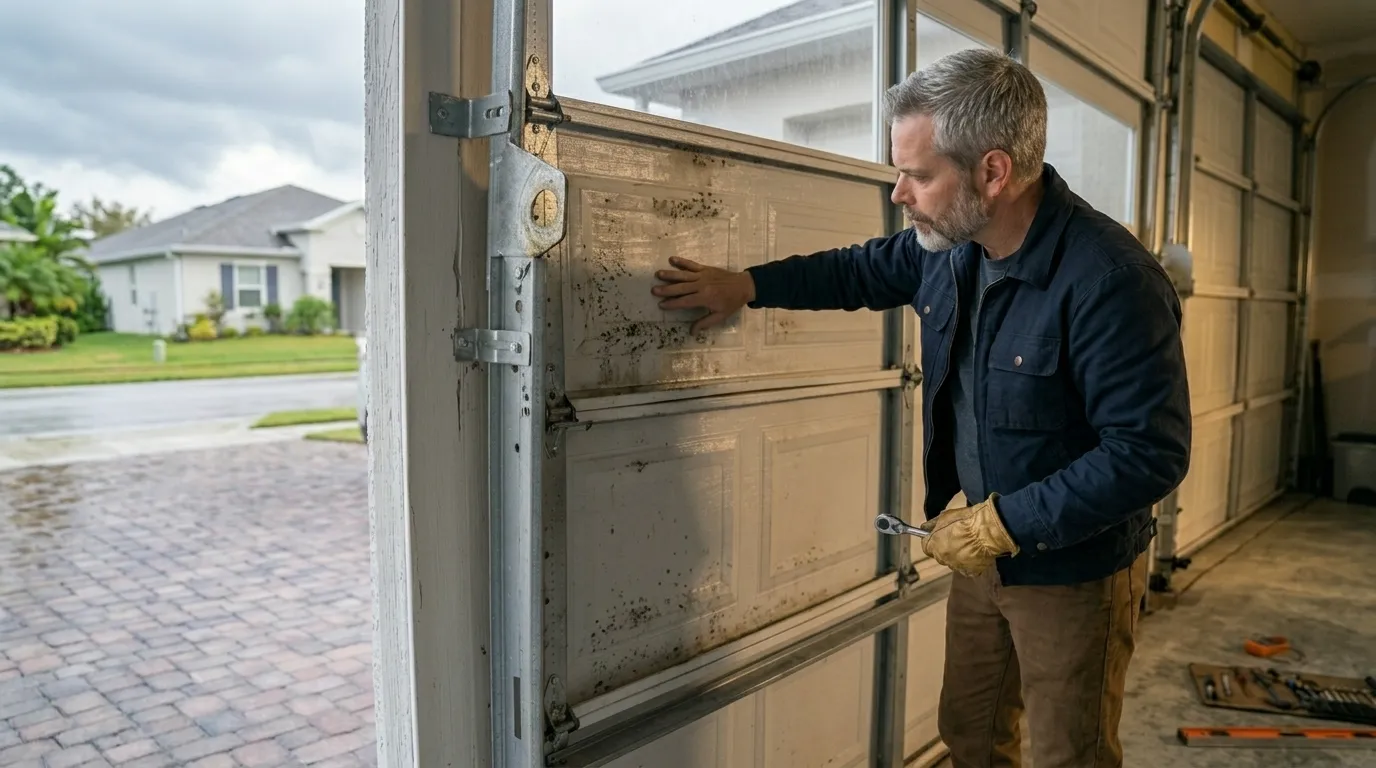
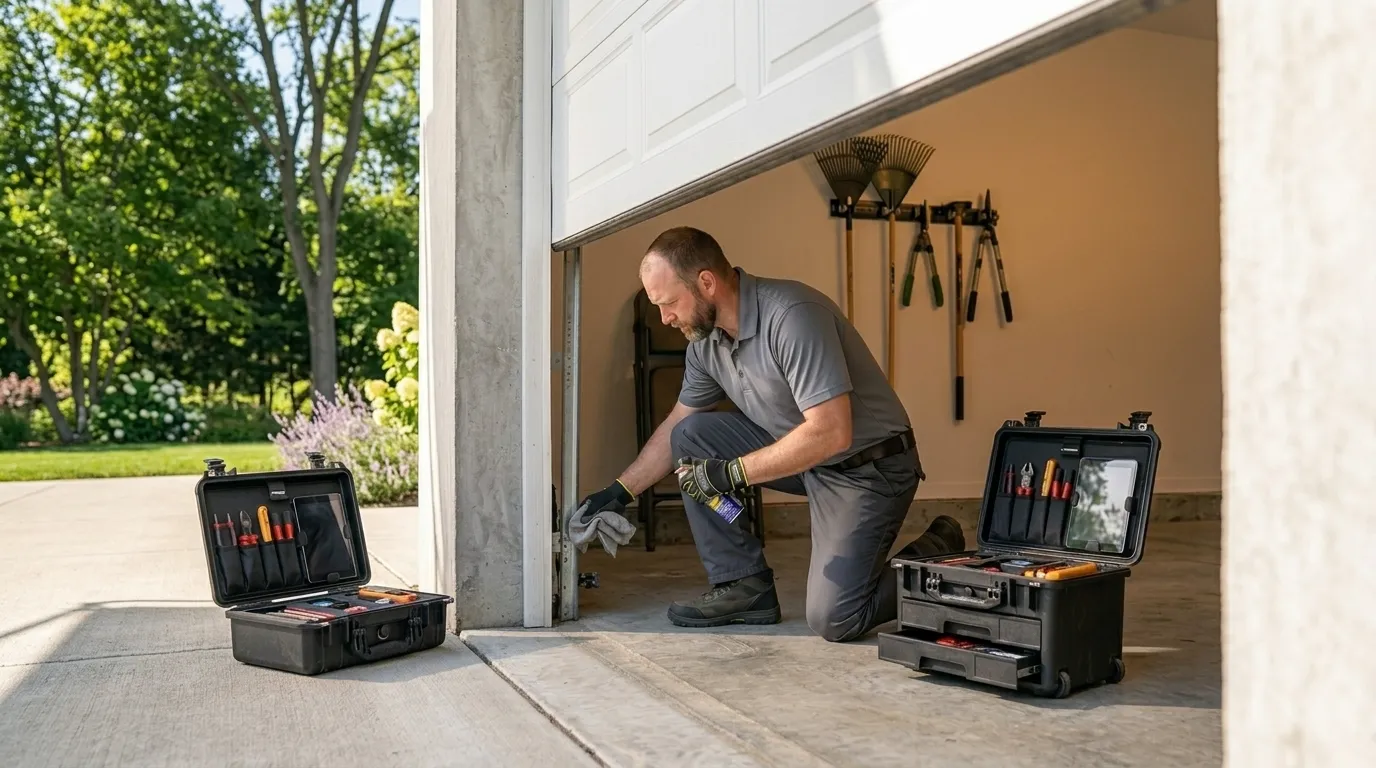
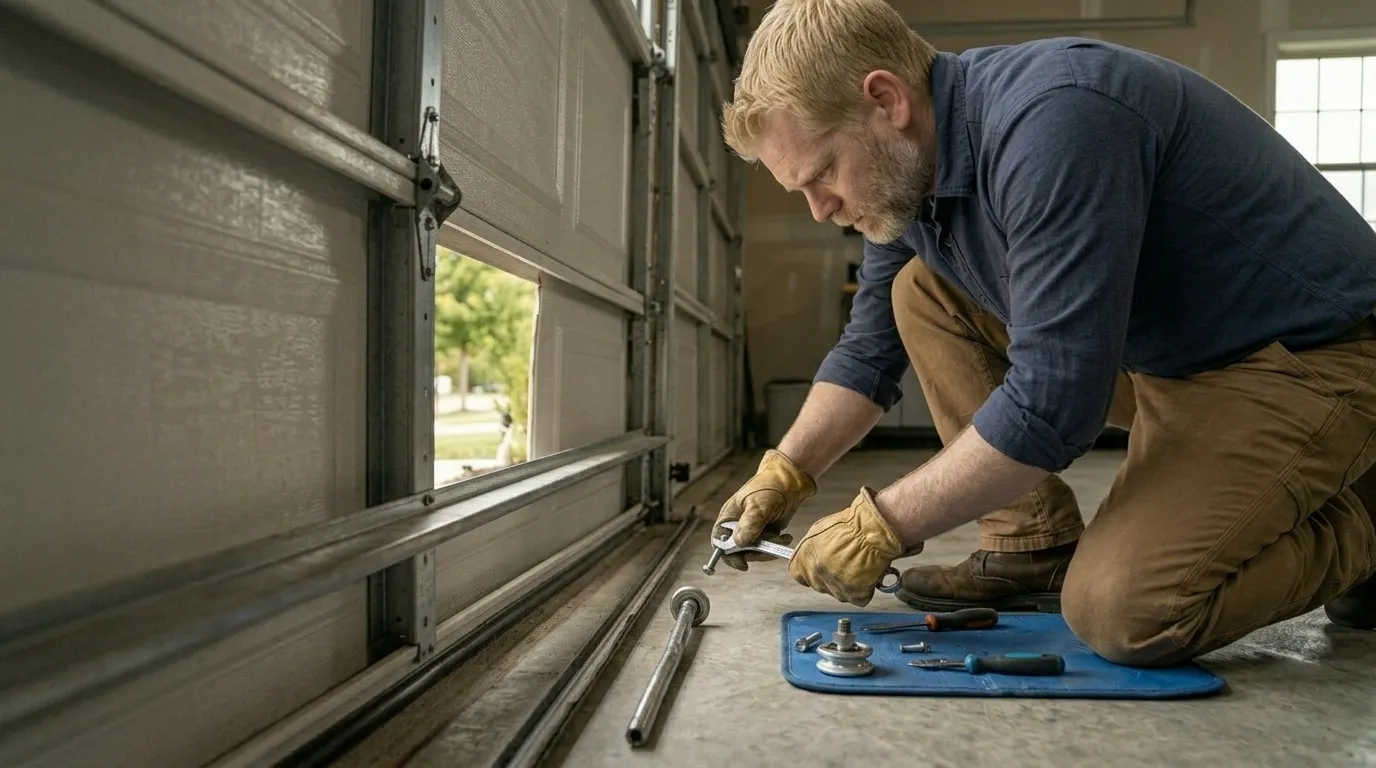
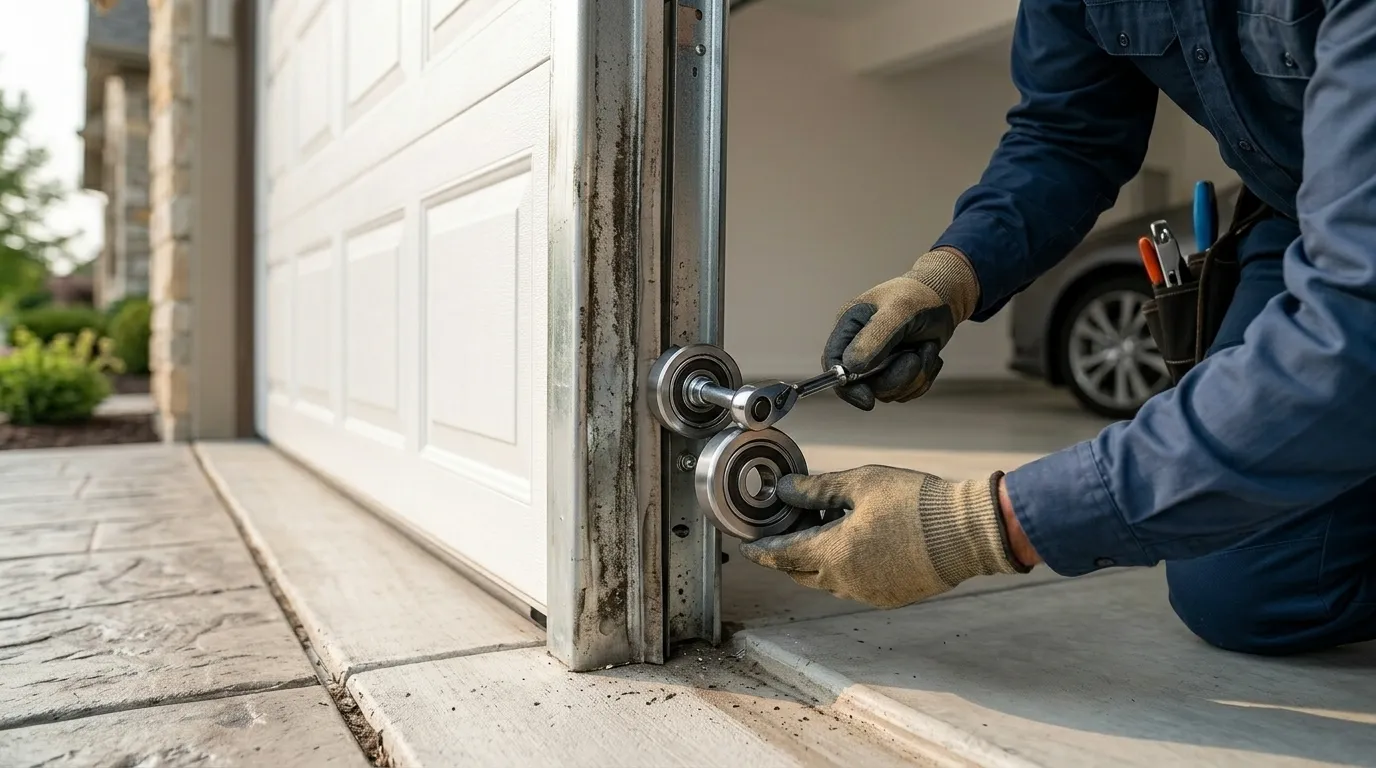
Cold winters take a toll on tracks and rollers that are already older than the housing stock in newer parts of the coverage area, and rust at the bottom track brackets is a recurring reason doors start binding partway through a lift.
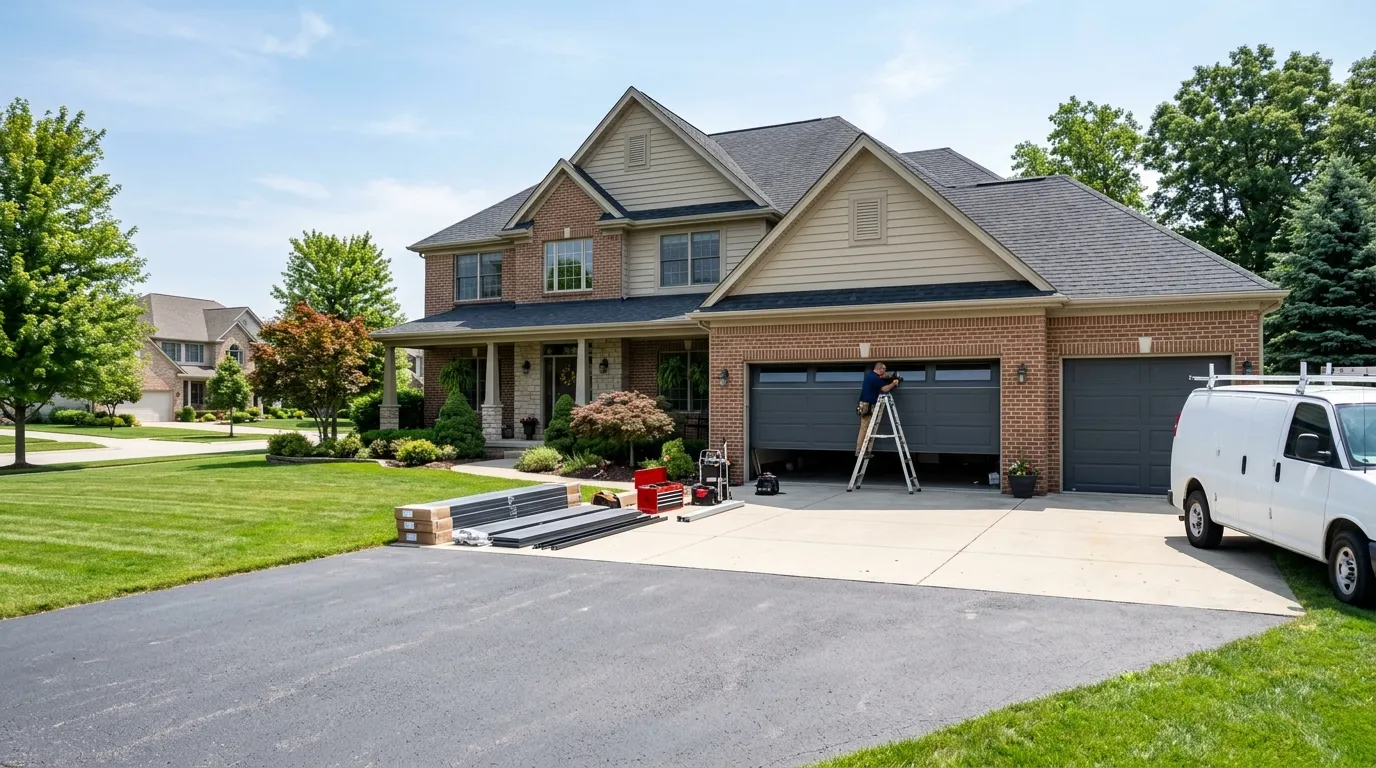
We also get a fair number of replacement questions - homeowners who've patched a 1950s door once or twice already and want to know if it's worth doing again. Often it isn't; once the track, springs, and panels are all original and all near end of life at once, a new door costs less over time than another one-off repair. We'll say so plainly rather than sell a patch job we don't believe in.