This Area's Housing
Riverside sits apart from a lot of the service area on this one number alone: the median year built here is 1938, decades ahead of the 1964 median across the wider area we cover. That's not a small gap. A house built before World War II usually has a garage that was added later, retrofitted into a space that was never designed for an overhead door in the first place, or a detached structure with hardware installed whenever the owner got around to it. With 3,534 households in Riverside, you get a mix of original narrow openings, additions from the 1960s and 70s that match the broader area's stock, and newer doors bolted onto old framing. None of that is unusual for a place this age, but it means measurements and track angles here are rarely textbook. We don't assume a standard 16-foot double just because that's common elsewhere.
What That Means for Doors
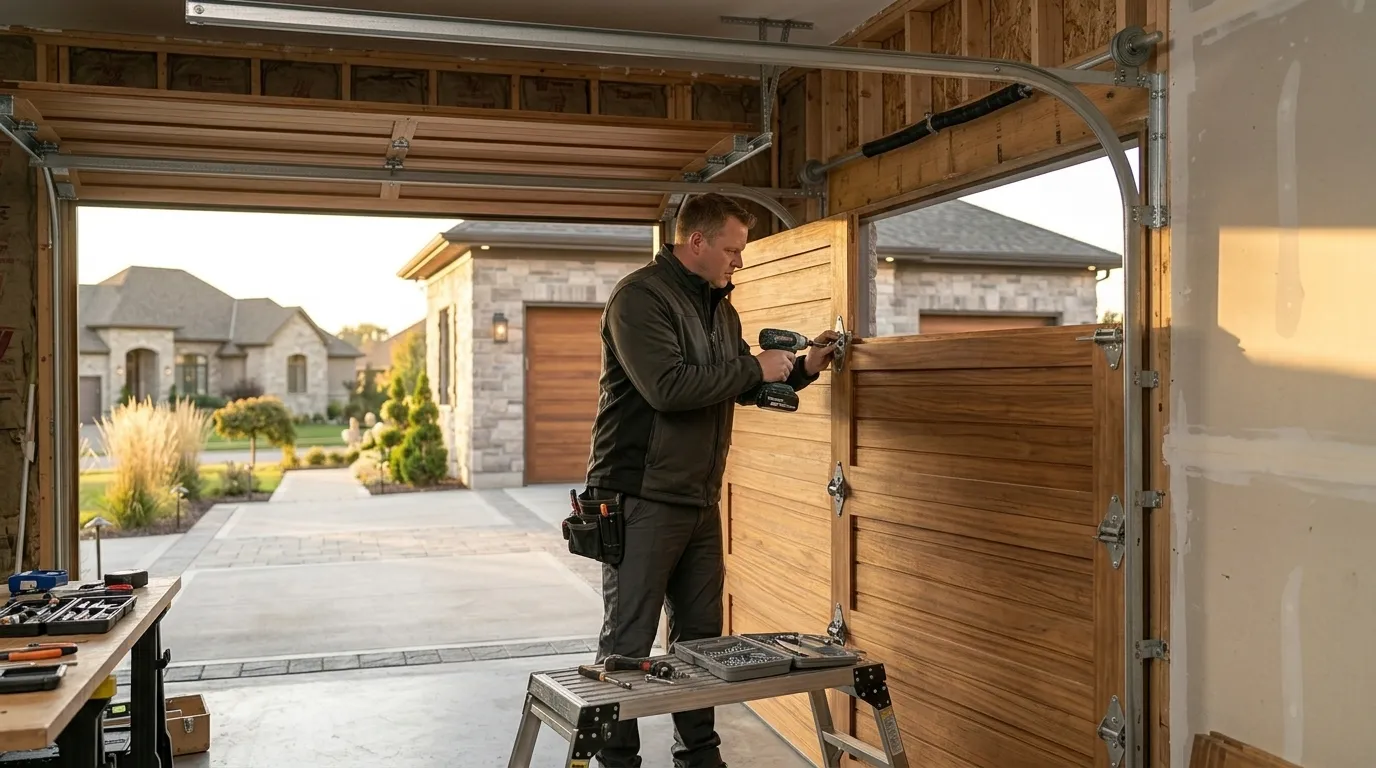
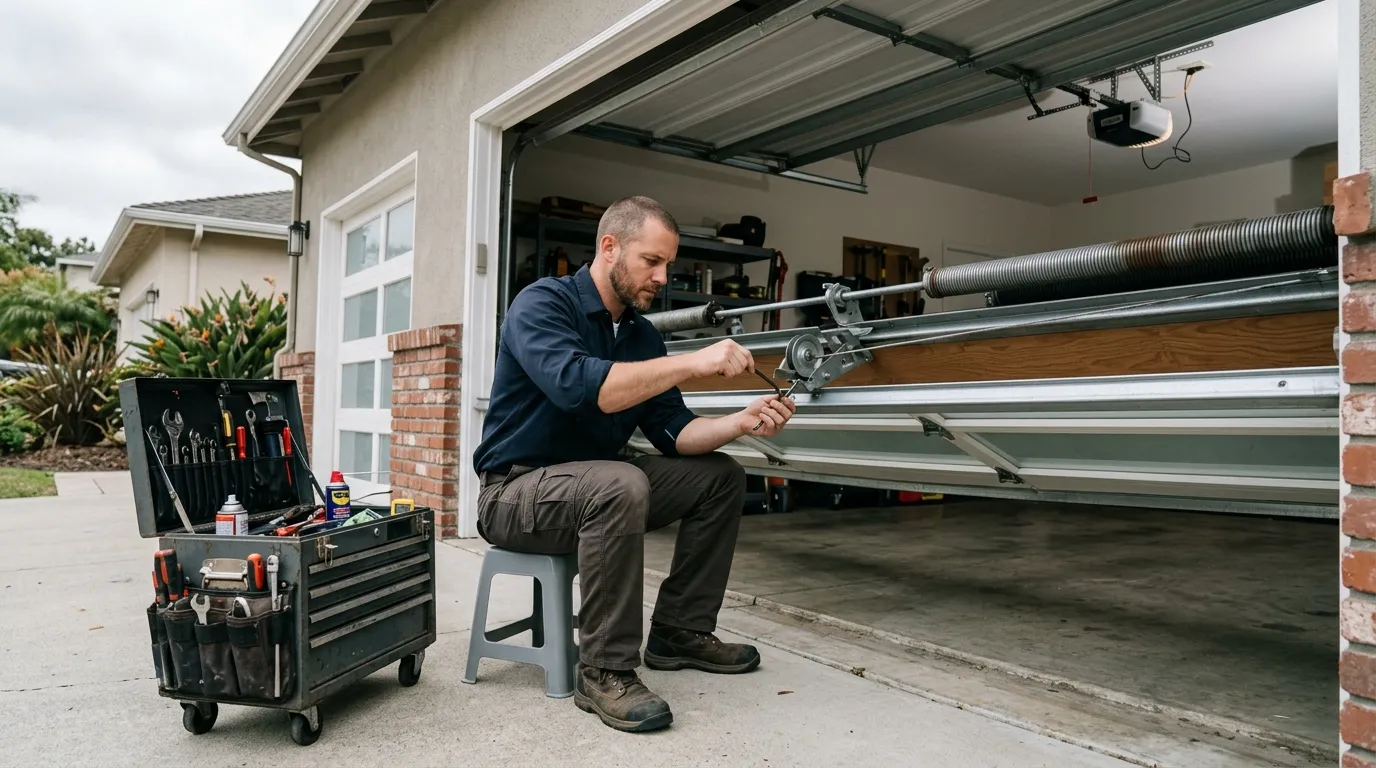
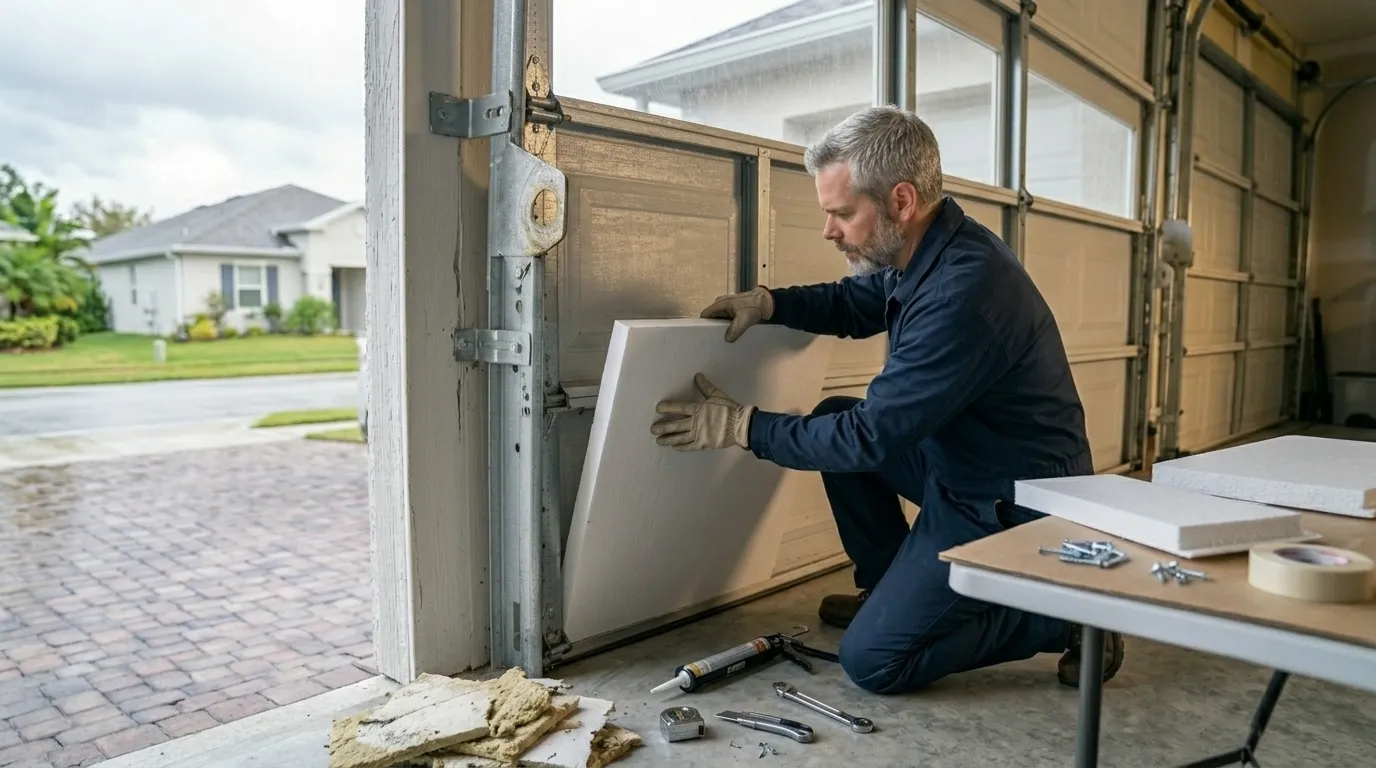
Older openings plus decades of small modifications add up to specific, predictable problems. Torsion springs on pre-war garages were often sized for lighter wood doors, and when a homeowner swaps in a heavier insulated steel door decades later, the original spring is undersized and wears out fast. Track alignment on additions built onto older foundations tends to drift as the structure settles, which shows up as a door that binds a few inches from the top. And with a cold climate band across this area, old weatherstripping on doors this age has usually hardened and cracked, letting in the kind of draft that makes an attached garage noticeably colder than it should be. We size springs and openers to the actual door in front of us, not to a standard chart, because on housing stock this old the standard chart is usually wrong.
What People Here Ring About
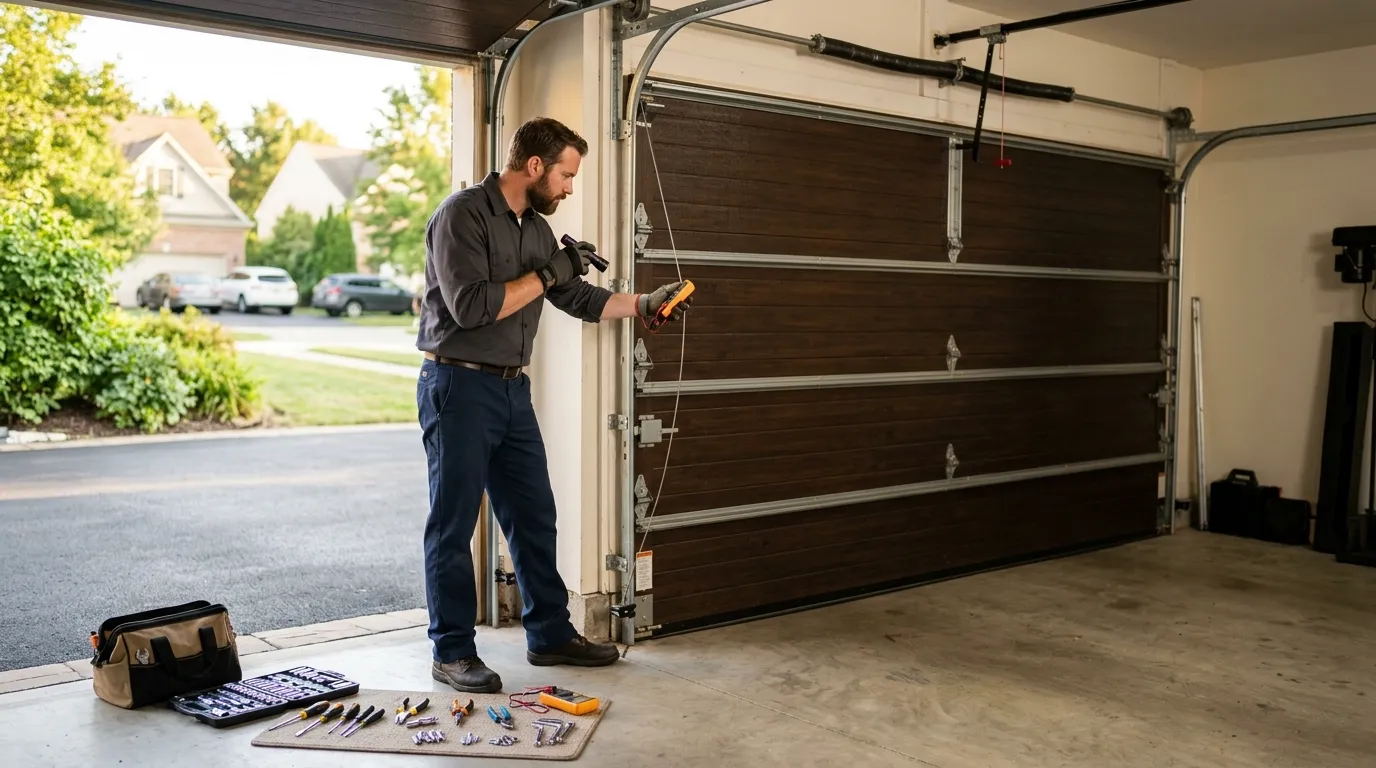
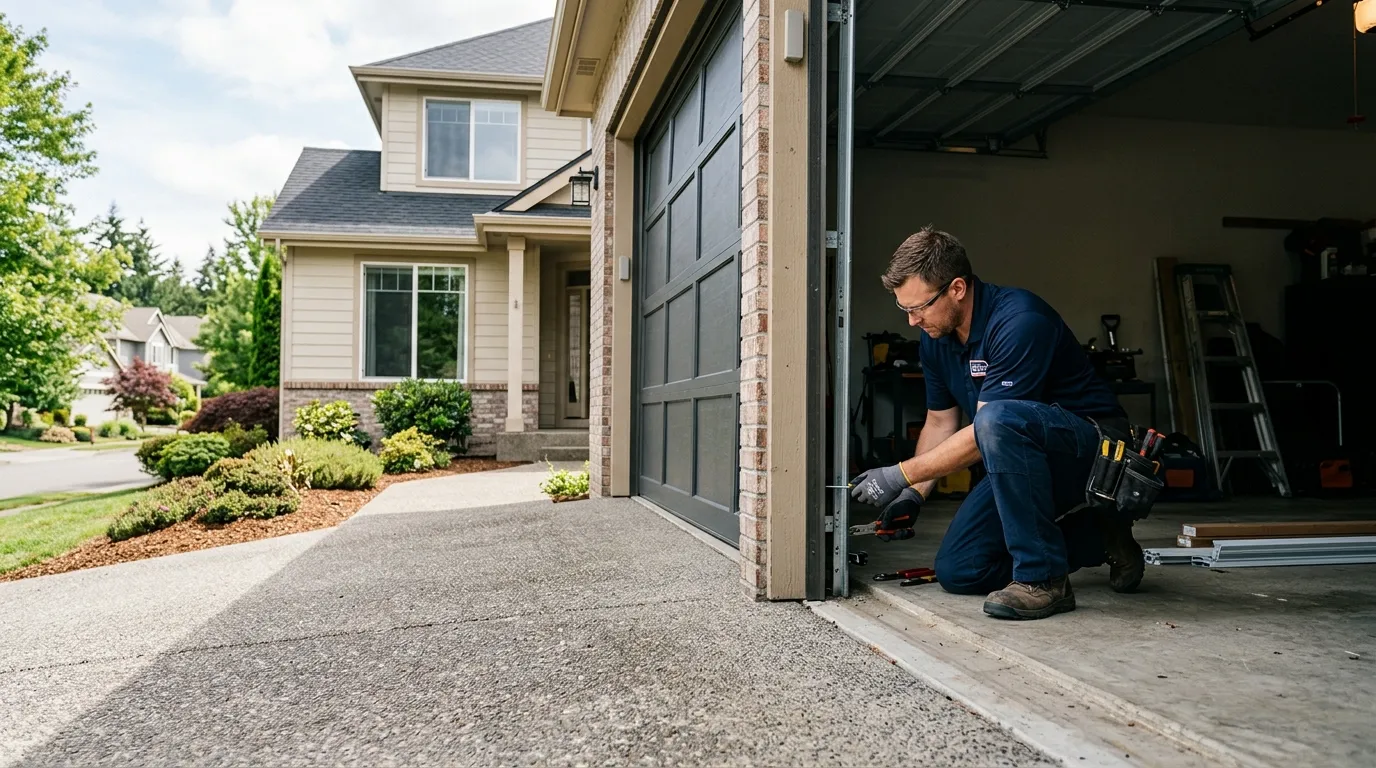
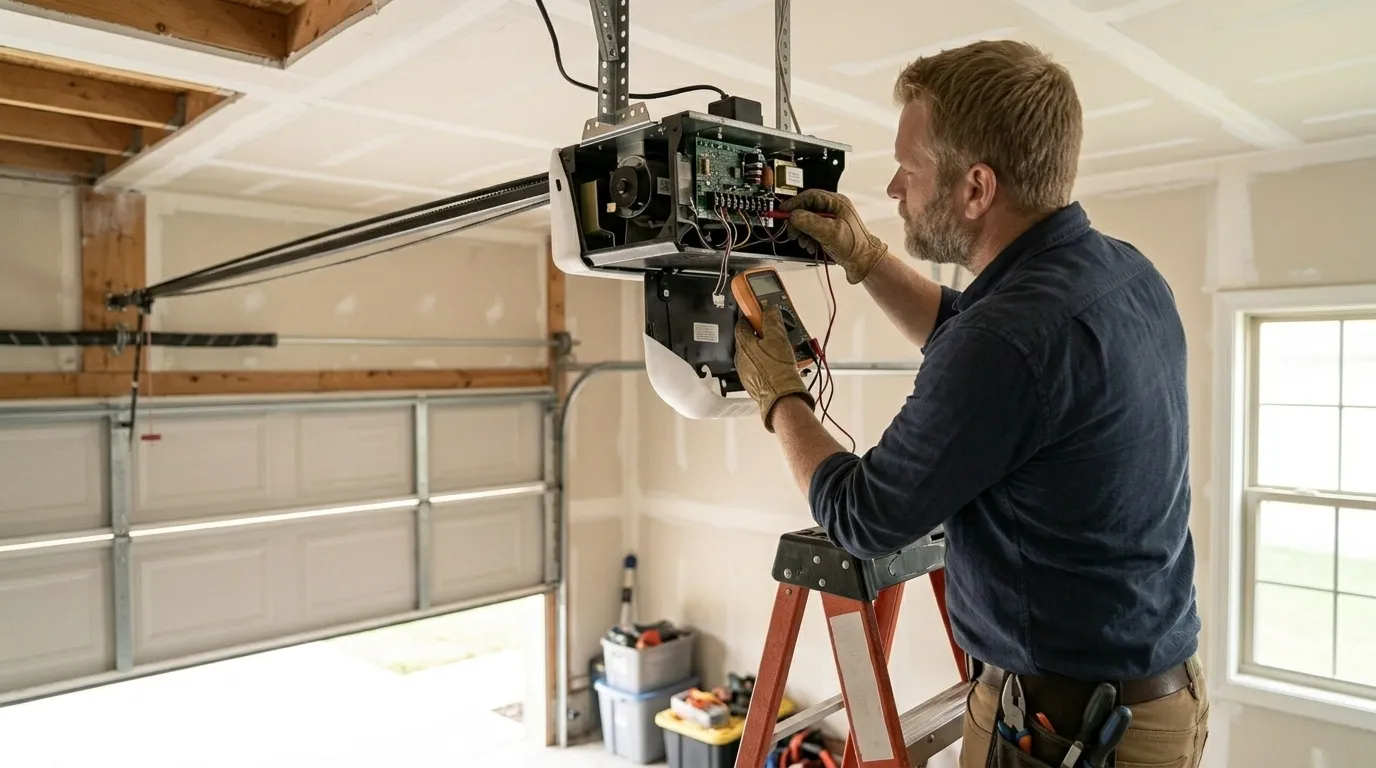
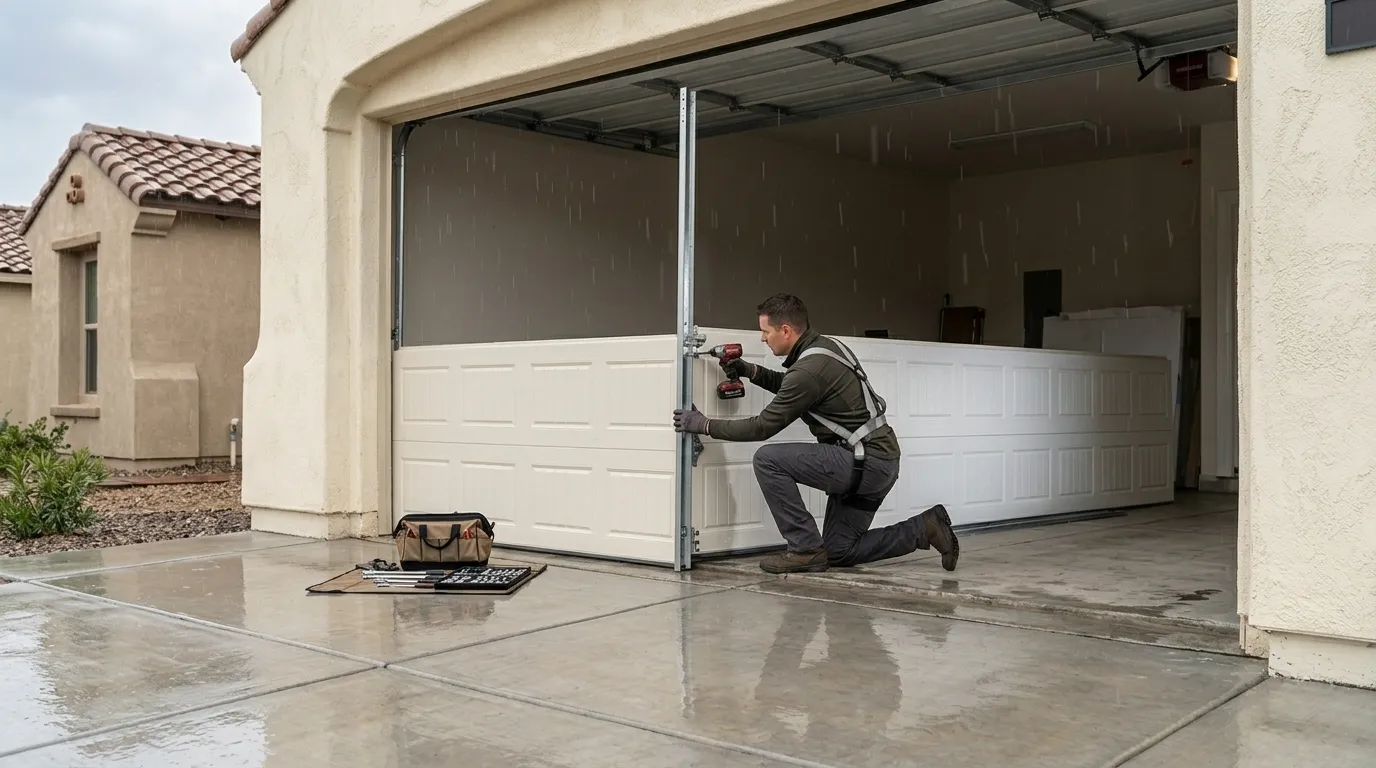
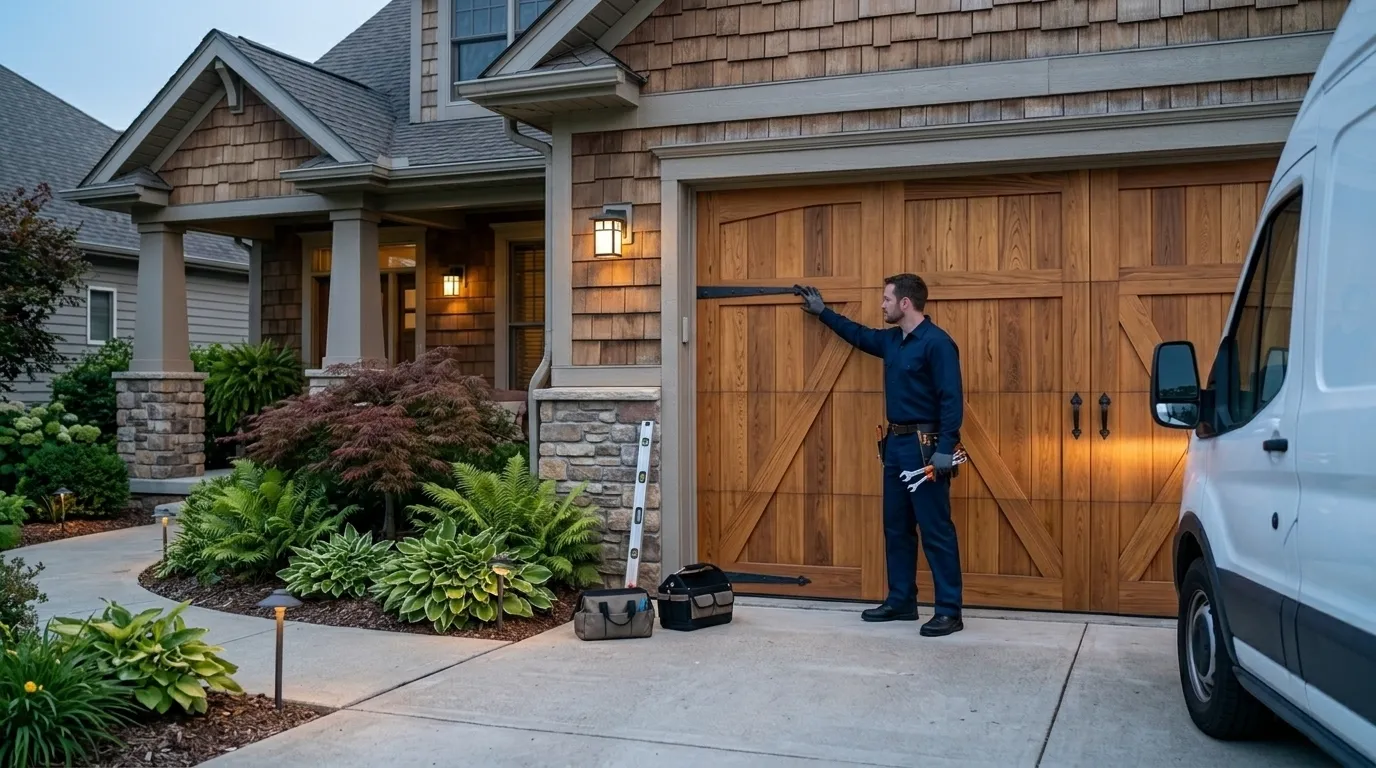
Most calls from Riverside fall into a short list: a spring that let go on an older double door, an opener that's been struggling against worn tracks for years before it finally quits, and rollers that have outlived their bearings on doors nobody's touched since they were hung. We also get calls about doors that technically open but sound like they're tearing themselves apart - usually a sign the track was never properly aligned to begin with, which is common on additions. One honest note: if a door's wood jambs have rotted from age or the opening itself is out of square, sometimes the fix isn't a repair - it's a full reframe, and that's carpentry work outside what we do. We'll tell you straight if that's what you're looking at instead of trying to patch around it.