This Area's Housing
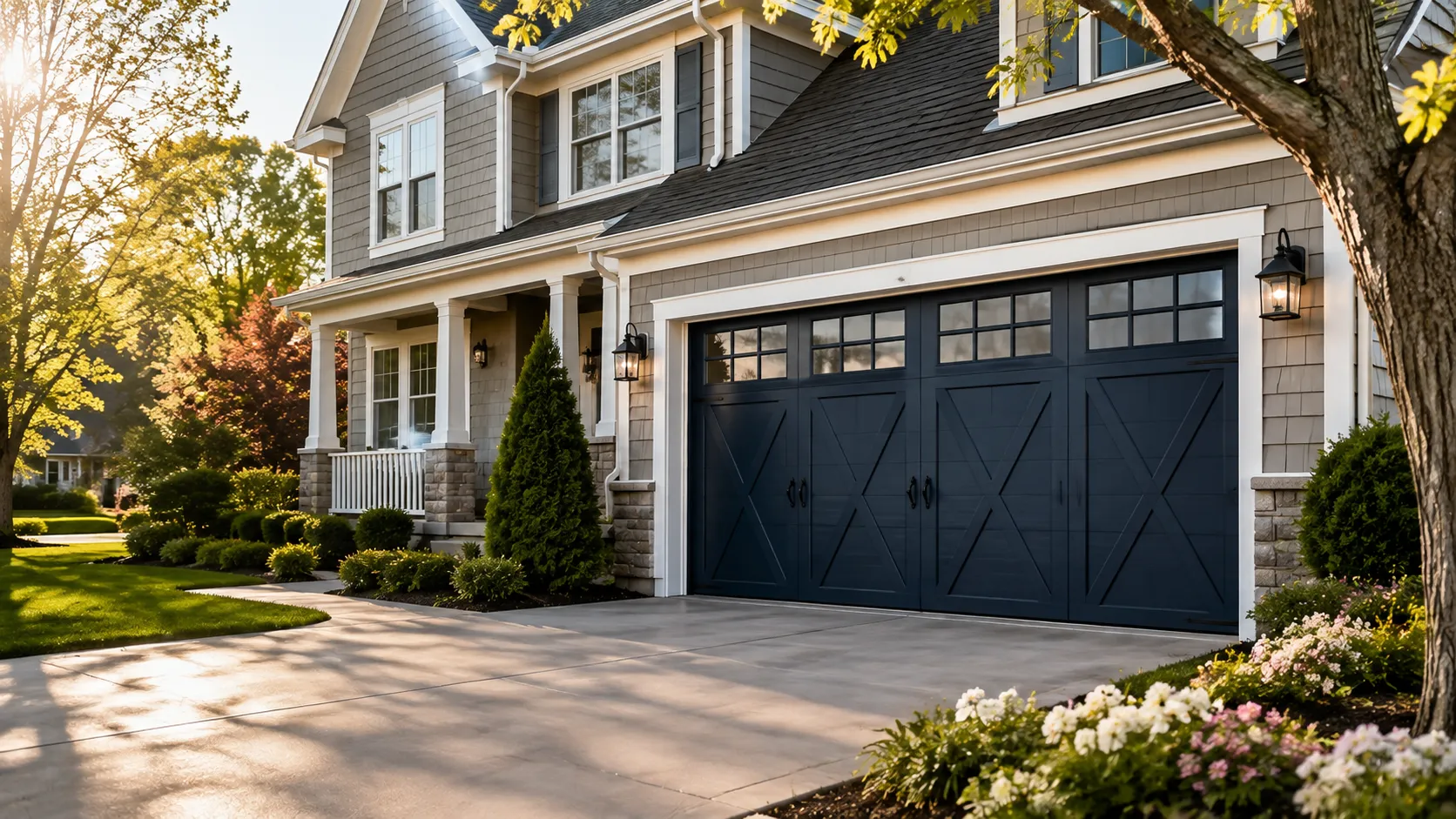
Robbins sits at a median build year of 1962, just two years off the 1964 median for the wider service area, so the housing here fits the same broad wave of construction that put up most of the doors we work on - but the numbers around it are different. With 1,555 households and a median income of $37,594, Robbins runs well under the $80,202 median across the 461,017 households we cover from Chicago. That gap matters for garage doors specifically: fewer owners here are pulling the trigger on a full replacement at the first sign of trouble, and more are keeping a 1960s-era steel section door and its original torsion hardware running as long as it'll go. That's not a knock - it's just what the housing stock and the budget realities point to. A door from that era wasn't built with today's insulation or today's spring cycle ratings, and once the original springs or rollers wear out, the fix usually means adapting newer parts to an old track rather than finding an exact match.
What That Means for Doors
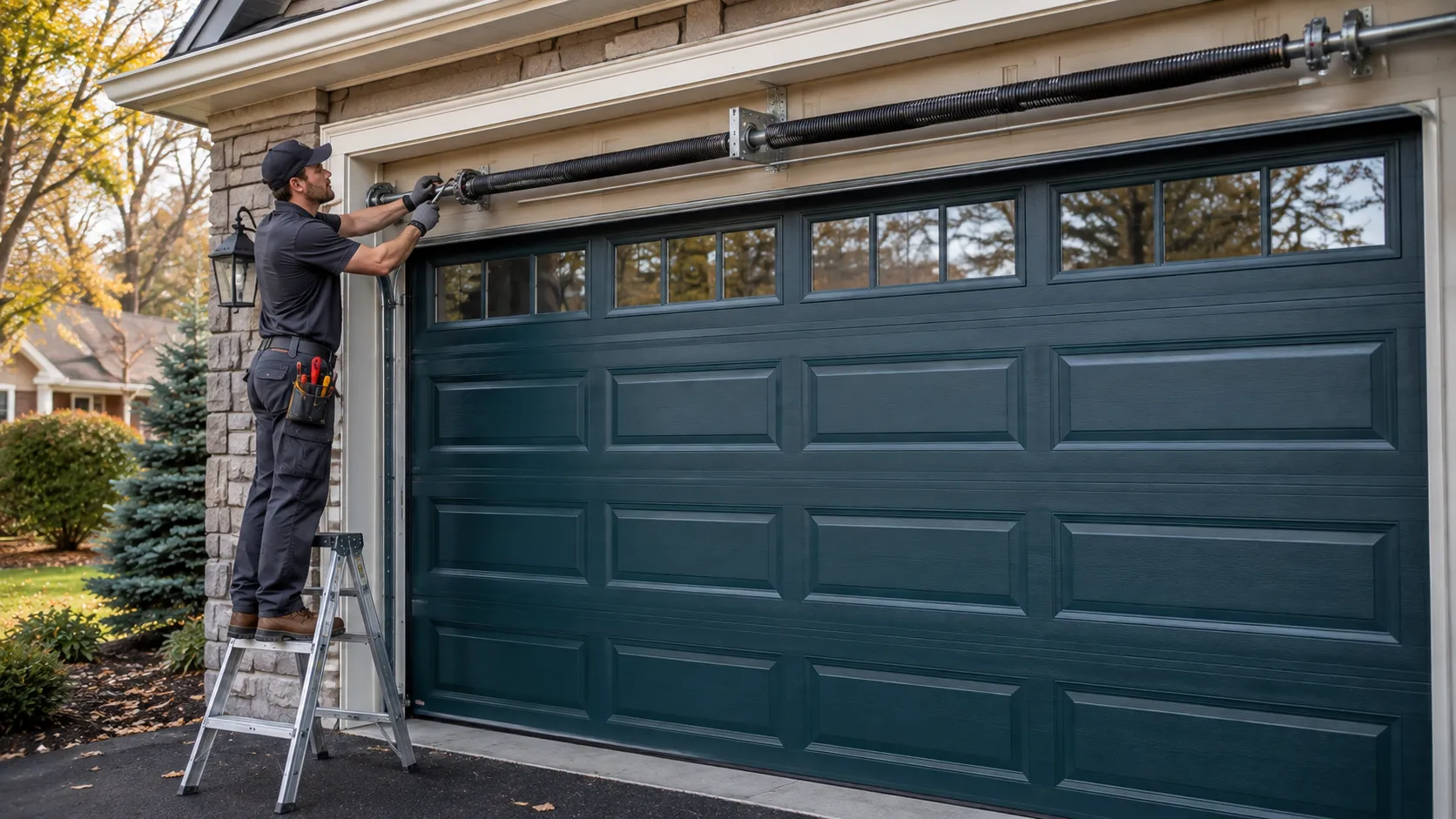
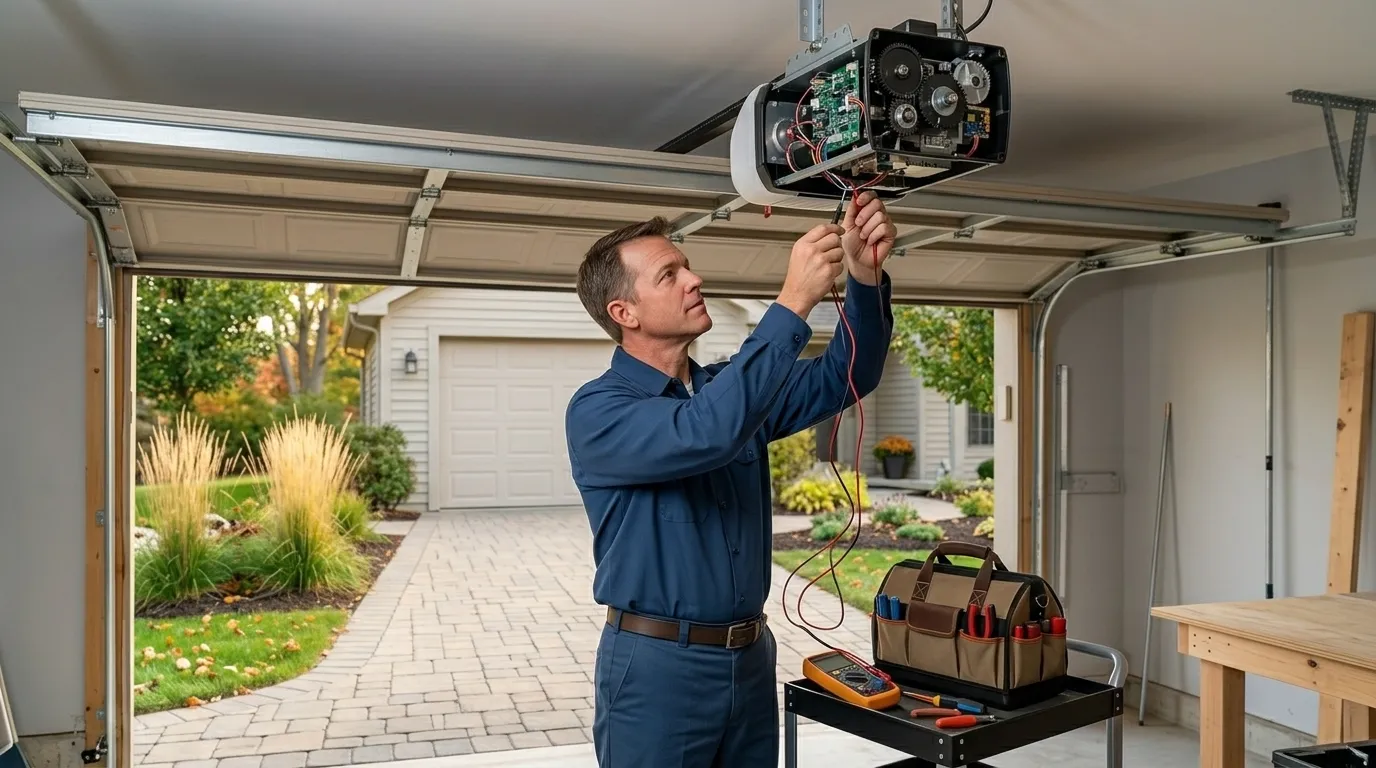
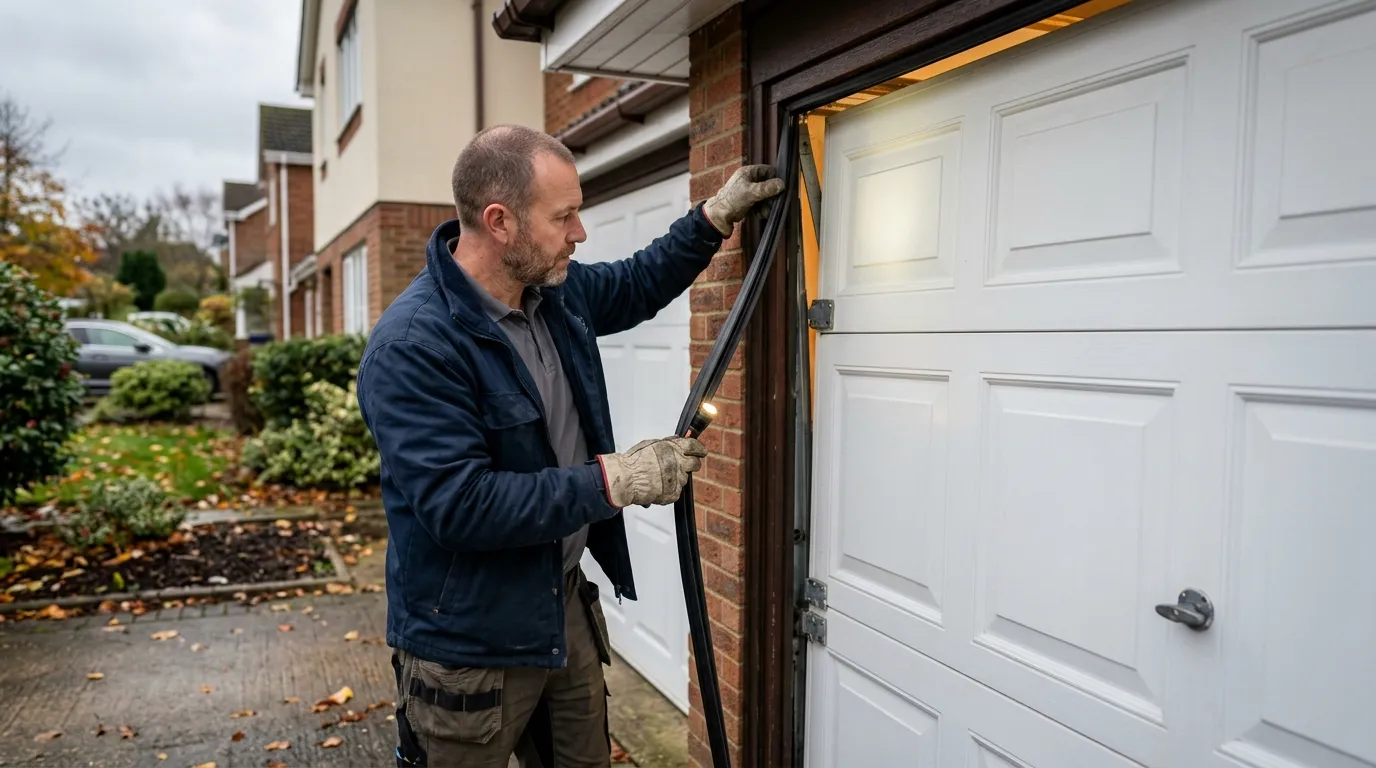
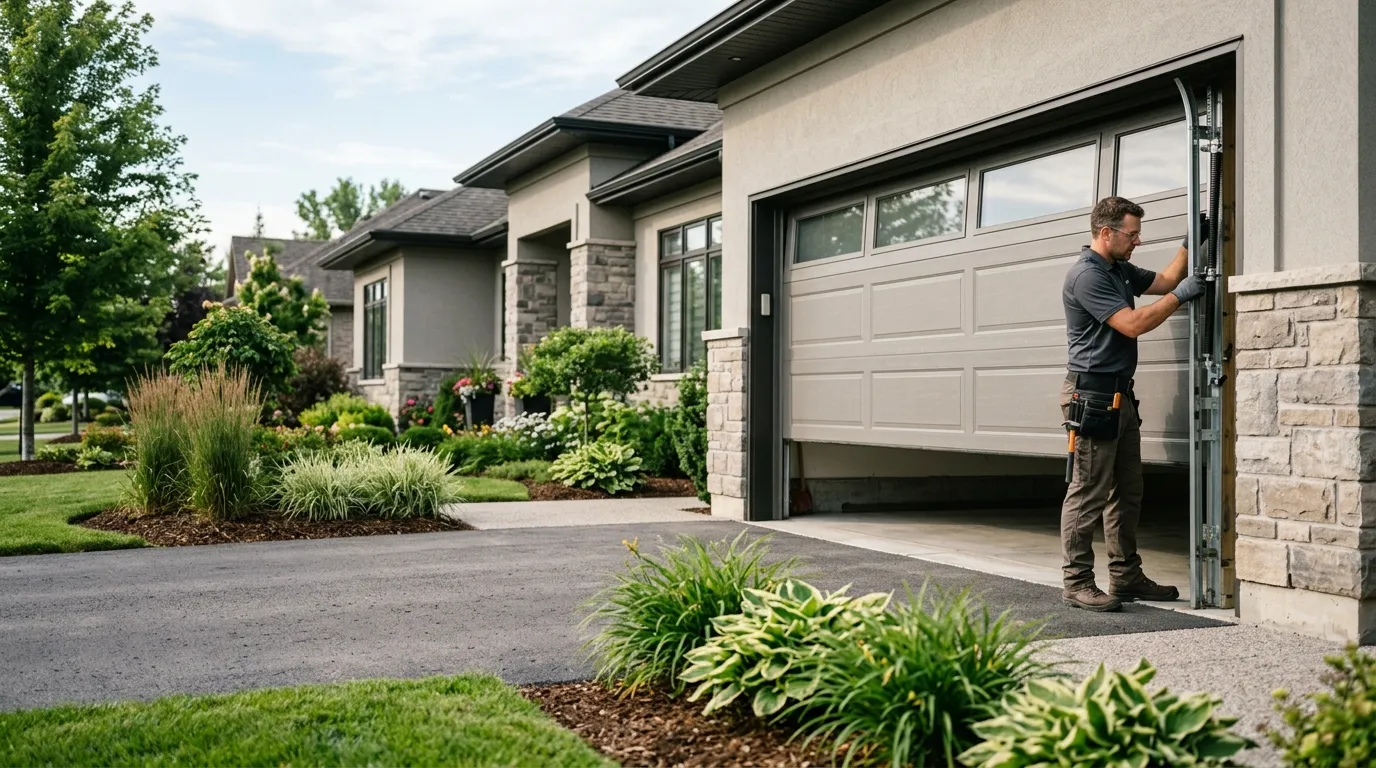
A door installed when most of Robbins was built is old enough that its torsion spring has likely been replaced at least once already, if it's been replaced at all - and if it hasn't, that's usually the call we get. Original one-piece and early sectional doors from that build era often ran on hardware that newer opener units weren't designed around, so when an opener fails and a homeowner wants it swapped for something modern, the bracket work and track alignment take more than a straight bolt-on. Cold winters put extra strain on that older steel: panels that have gone decades without insulation flex more in a hard freeze, and weatherstrip original to a 1960s install is long past doing its job. None of that means every old door needs to come out. Plenty of these doors are solid once the spring and rollers are current - replacement only makes sense when the panel itself is bent, rusted through, or the track is warped beyond adjustment. We'll tell you which one you've got instead of defaulting to the more expensive answer.
What People Here Ring About
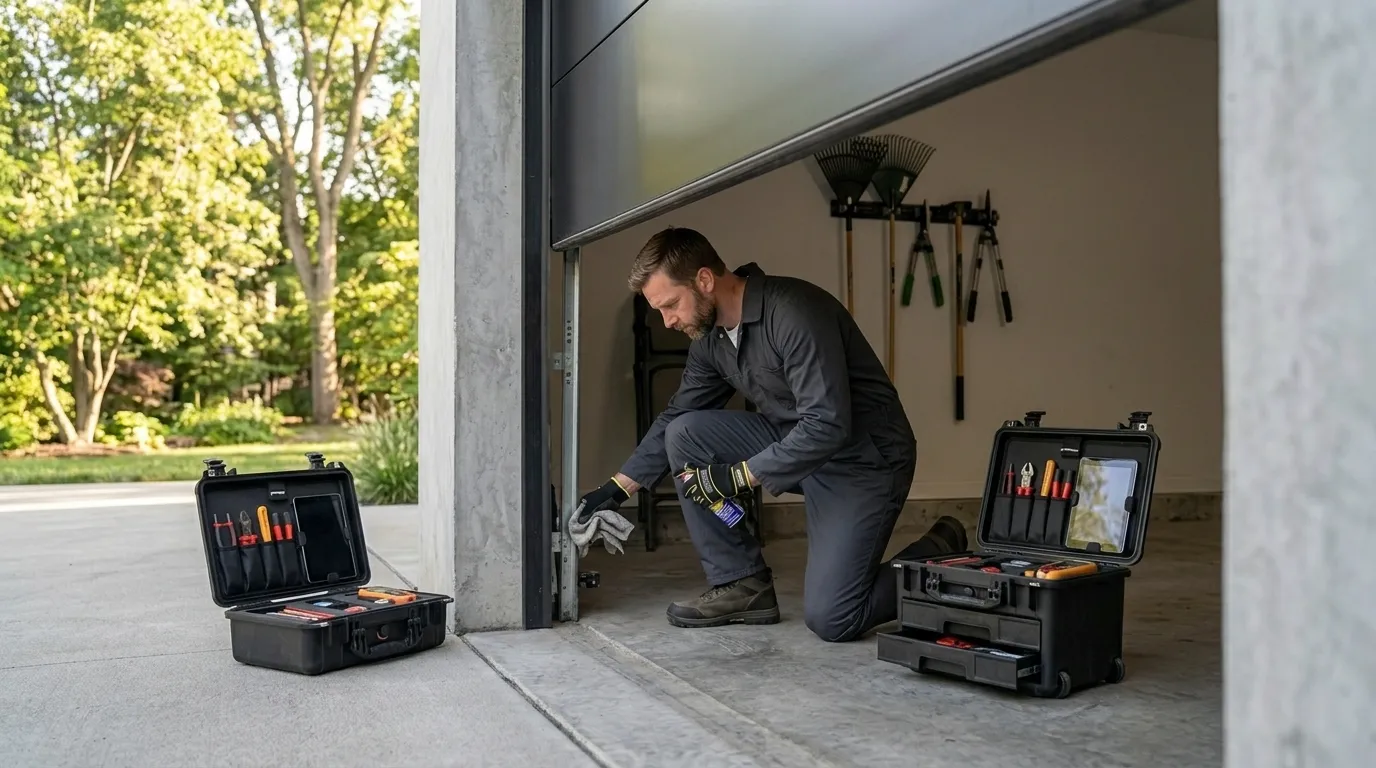
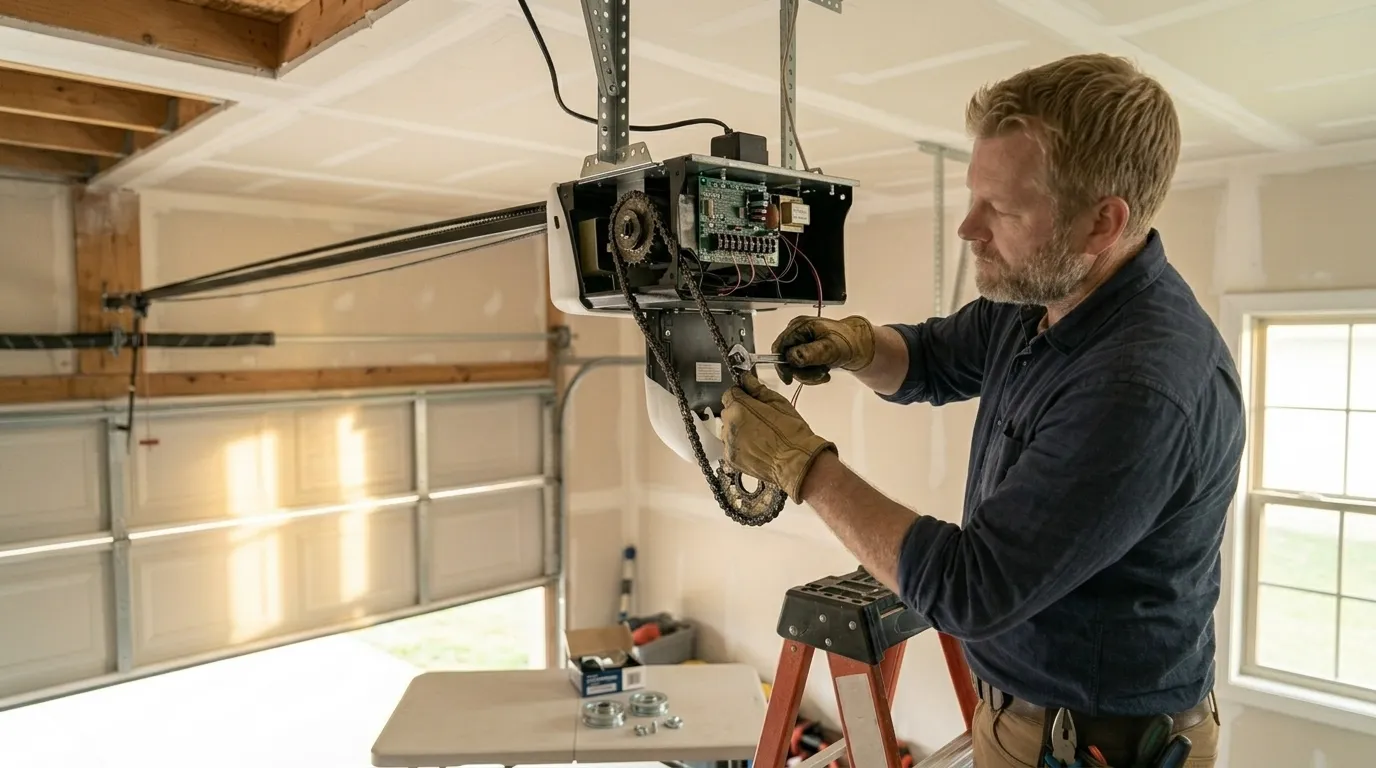
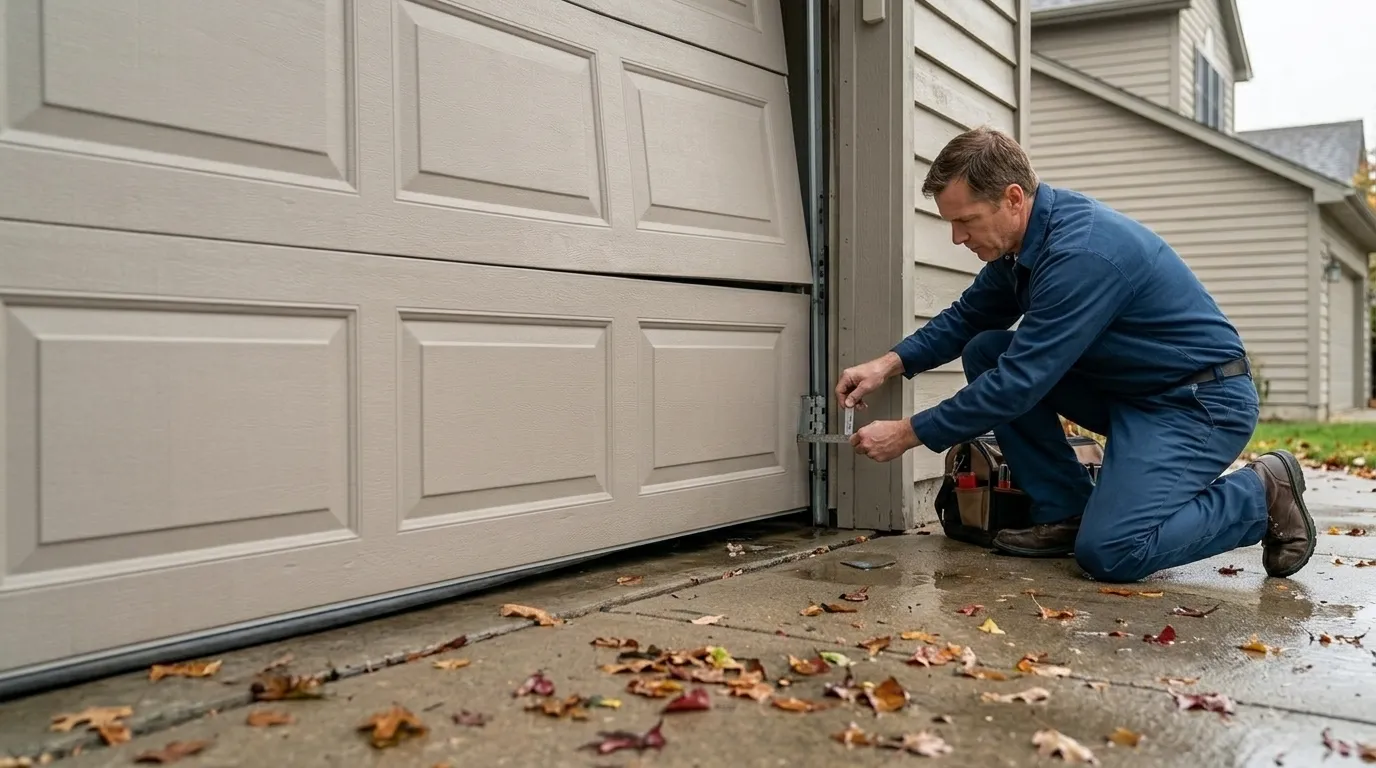
Most calls we get from houses in this build era come down to one of three things: a torsion spring that's finally given out after years of cycling on original hardware, an opener that's outlived its gears and started grinding or stalling mid-cycle, or a track that's shifted enough that the door binds on one side. Given the age of the housing stock, we also see a fair number of doors where the bottom panel has taken water or rust damage over the decades and needs a section replaced rather than the whole door. We don't try to sell a full replacement when a repair will hold - but we'll also say plainly when a door's frame or track damage means a repair won't be worth the labor, which does happen on doors this old.