This Area's Housing
Rosemont's houses cluster around a median build year of 1968, which puts it right in step with the 1960s-70s housing wave that shows up across most of the 86 named areas this company works in. That's a decade later than the region's overall median of 1964, and it matters for doors: homes from this stretch went up with steel sectional doors on extension or early torsion setups, not the older wood carriage doors you'd find in pockets built before 1938.
With 1,757 households in the area, this isn't a sprawling suburb - it's a compact footprint, and a lot of those garages share the same builder-grade hardware installed within a few years of each other. Median household income here runs $69,153, a step below the $80,202 median across the wider service area covering 461,017 households. That gap doesn't change how a spring breaks, but it does shape what people ask for: a fix that holds up, not always the most expensive fix on the shelf.
What That Means for Doors
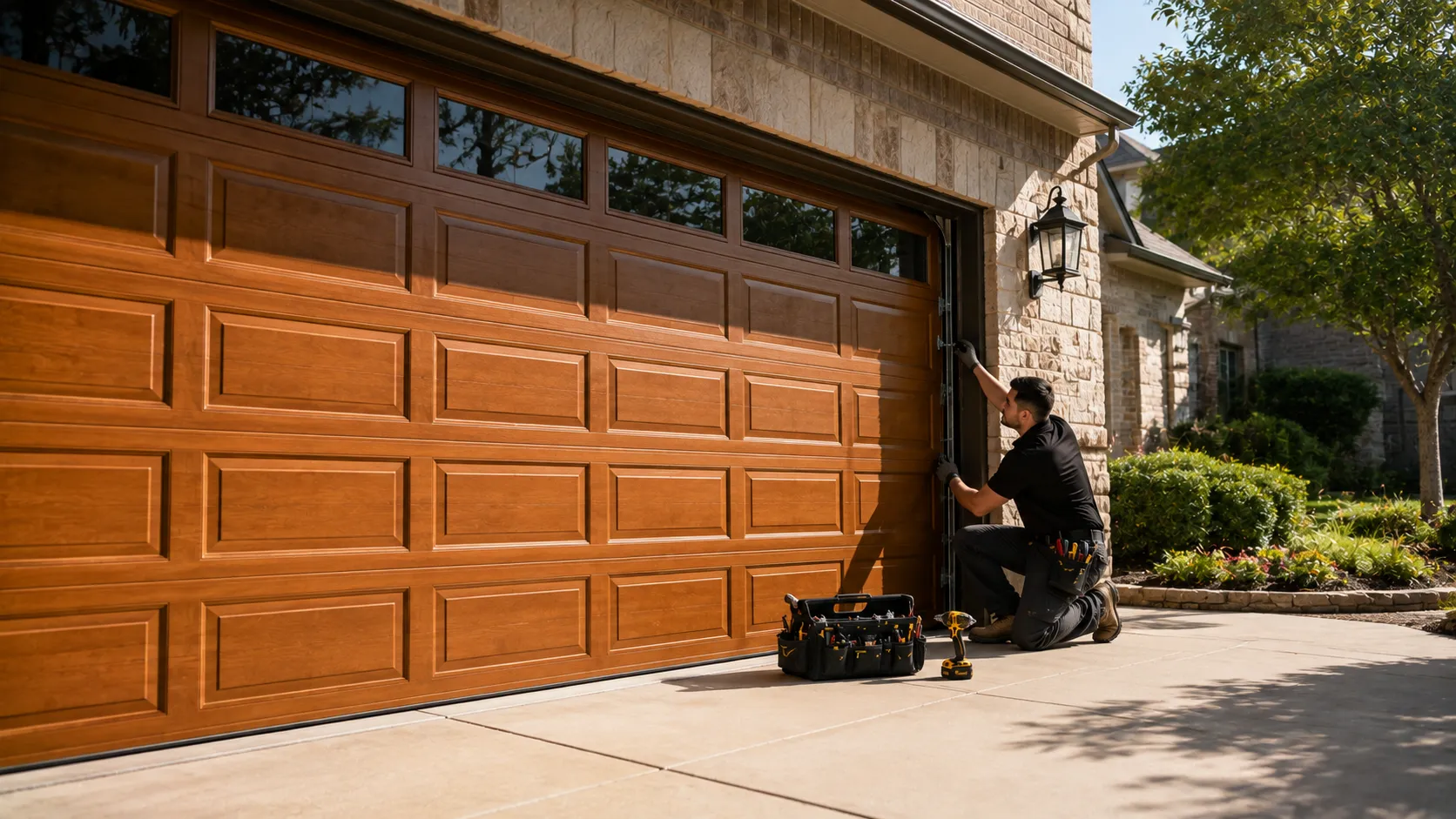
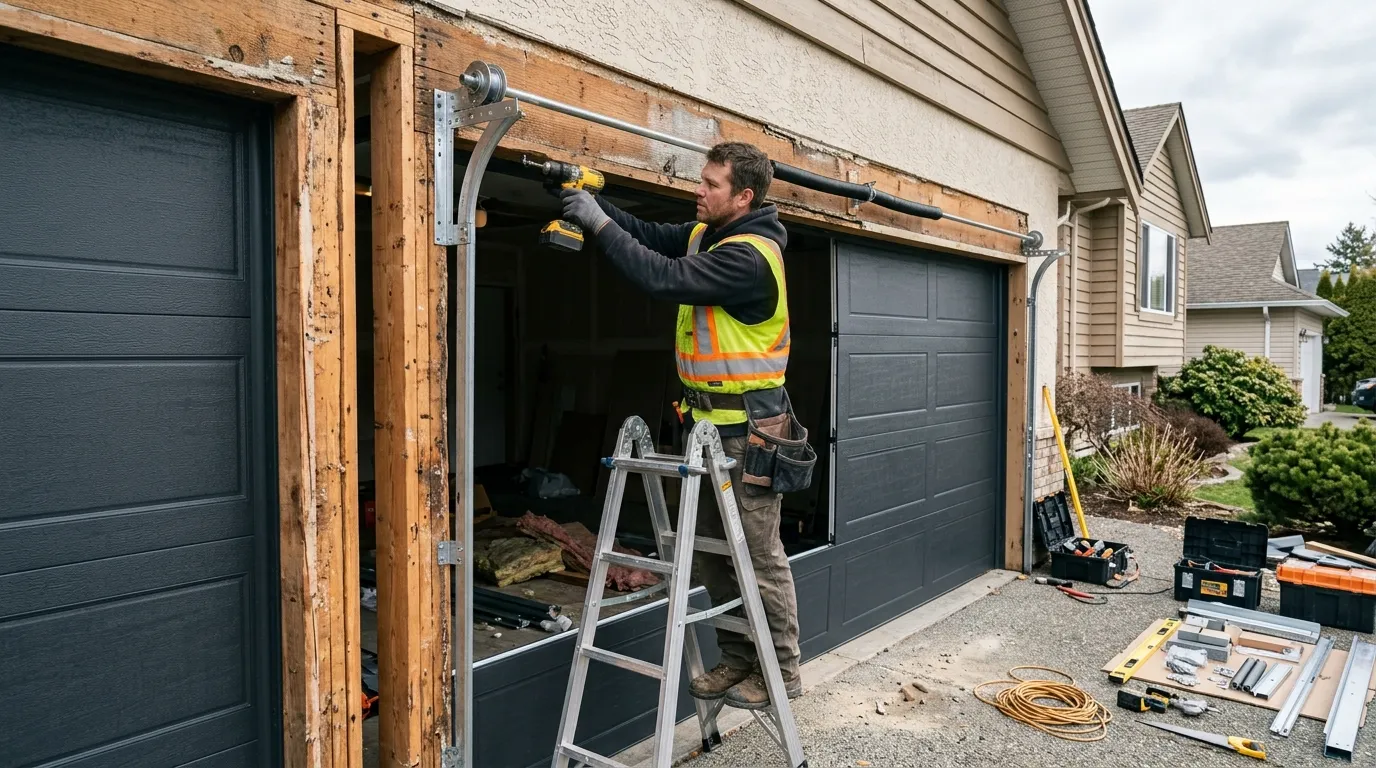
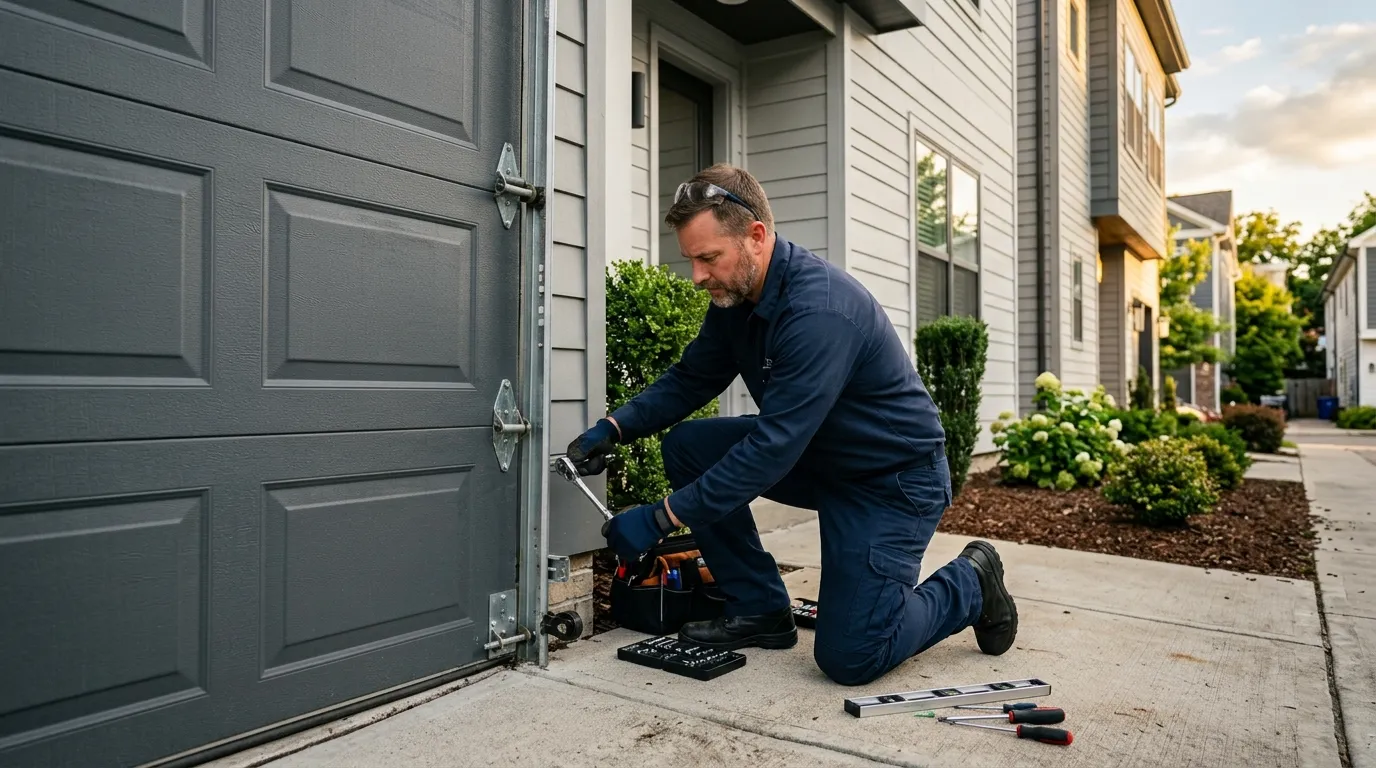
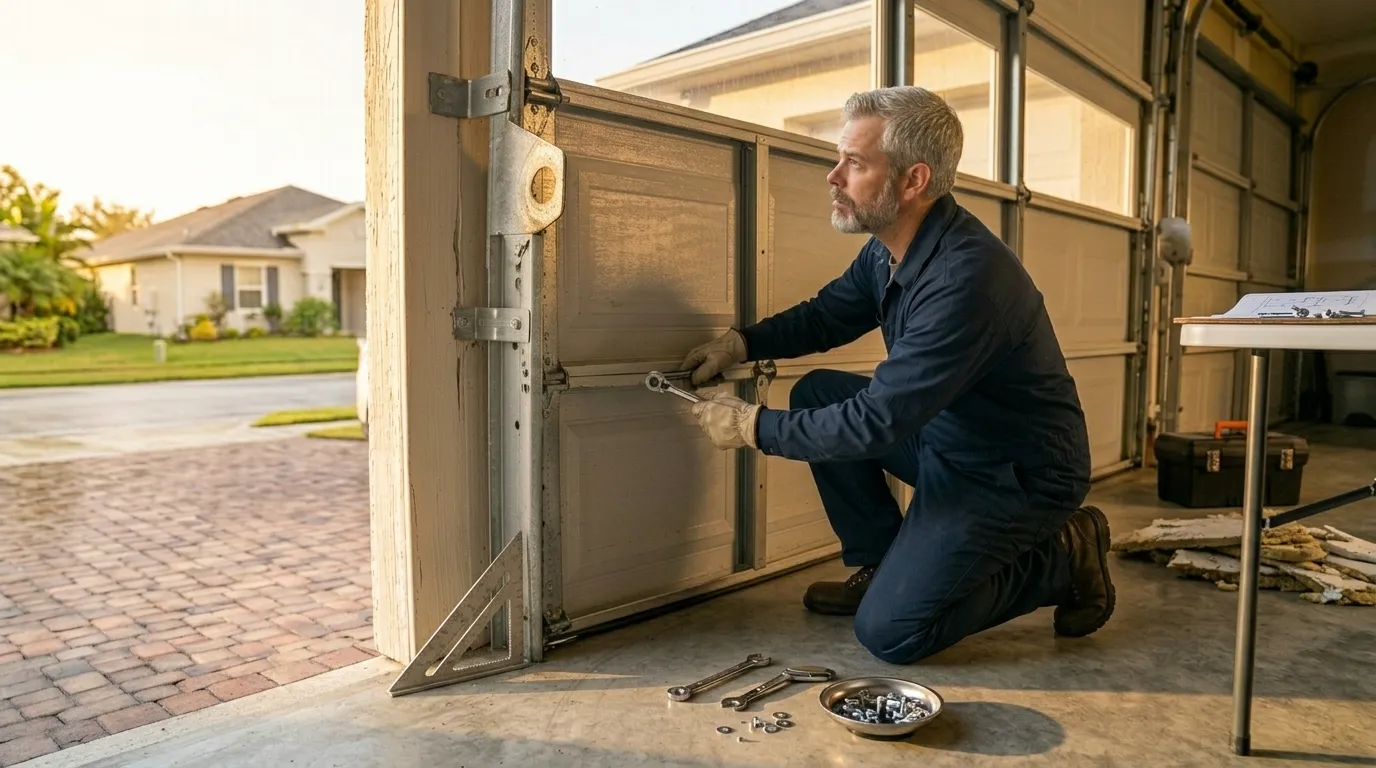
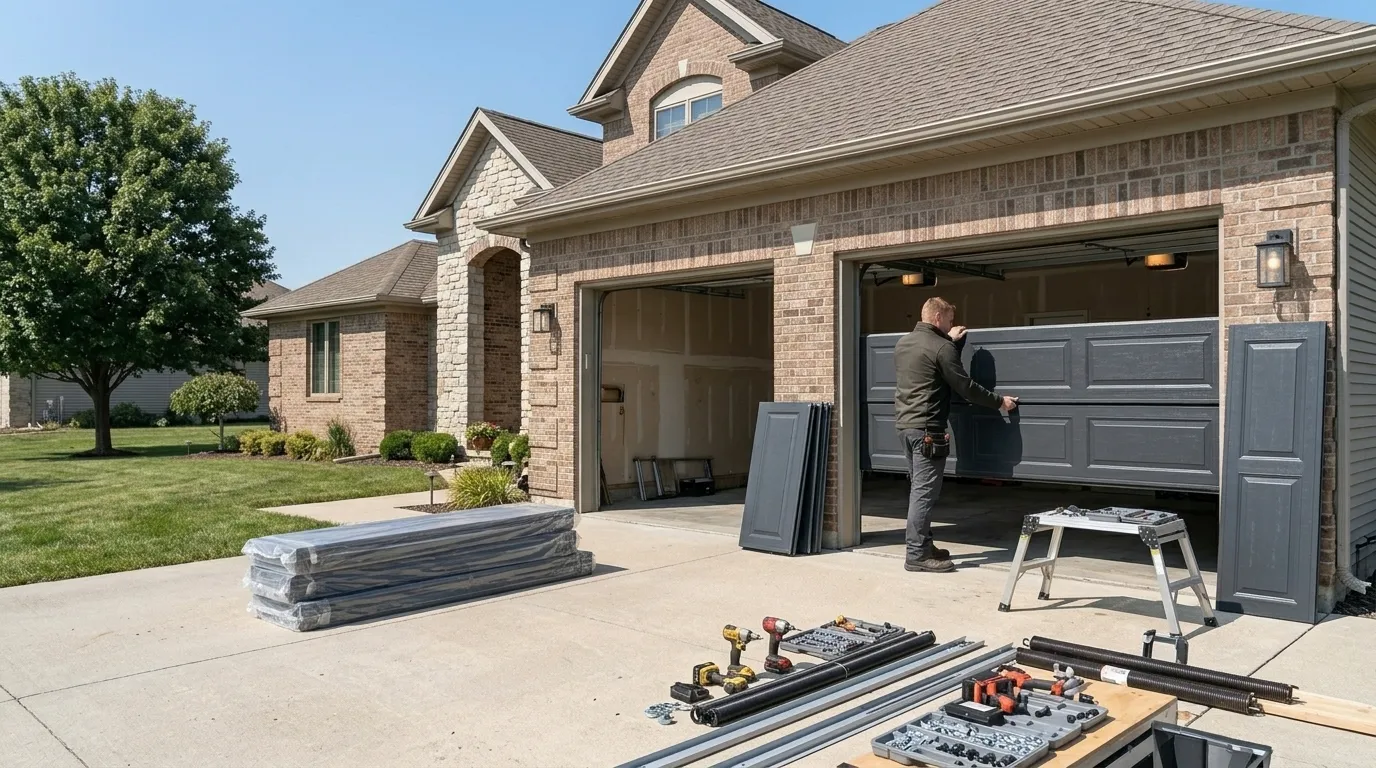
A door installed around 1968 has usually been replaced at least once by now, but the tracks, header bracket, and sometimes the torsion tube are original to the house more often than owners expect. That's the piece that trips people up: a new-looking door panel bolted onto 50-year-old jamb hardware that was sized for a lighter, thinner steel panel than what's sold today.
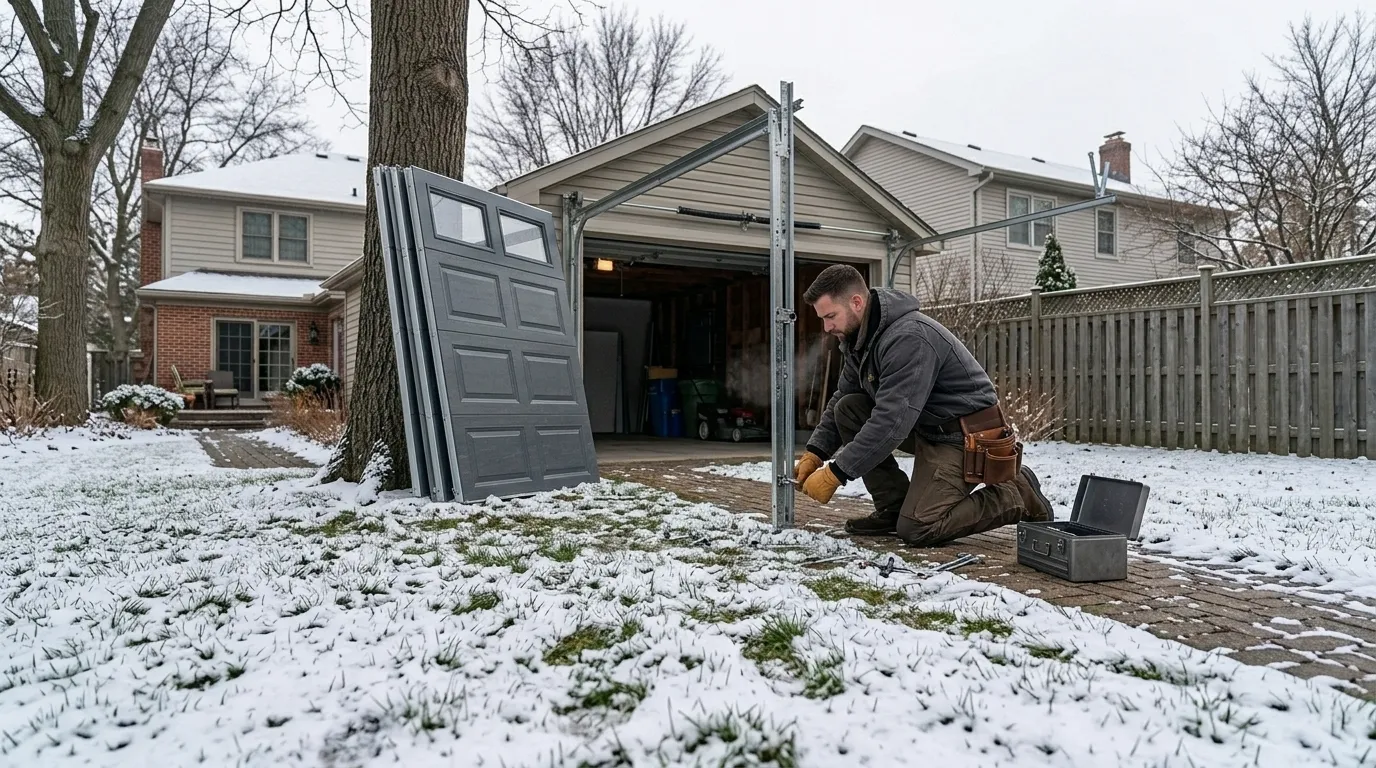
The region sits in a cold-moderate climate band, and that has real effects on doors from this era. Steel expands and contracts with temperature swings, and on older tracks with looser tolerances, that movement is what turns a minor rattle into a roller jumping the track. Nylon rollers that were fine in October can bind stiff in January on hardware this age. None of that is unique to any one house on the block - it's a function of when the neighborhood was built, not bad luck.
What People Here Ring About
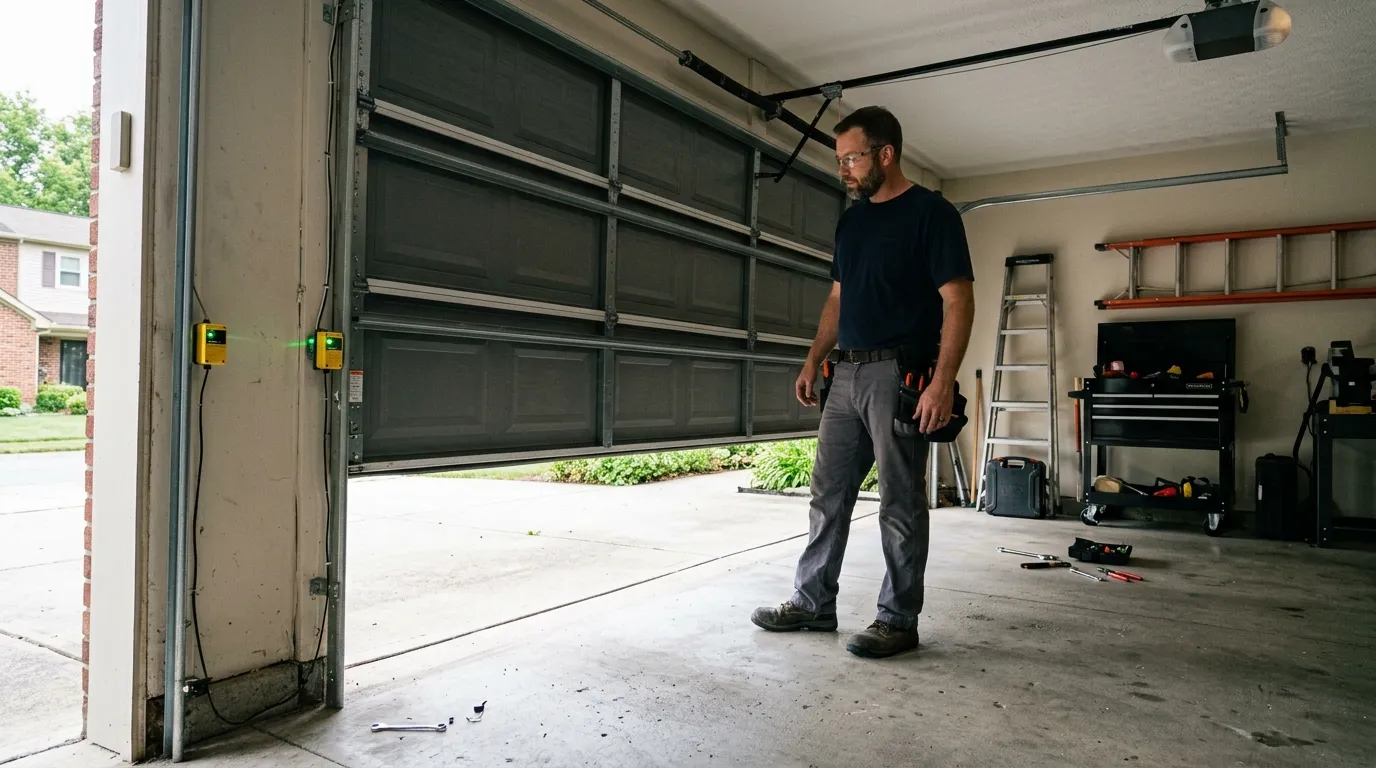
Broken torsion springs top the list, and on houses from the late 1960s the springs are often undersized for the heavier insulated doors owners have swapped in since - a mismatch that shows up as a door that struggles to lift evenly or slams down fast. Opener calls run close behind, usually a drive gear worn out after years of freeze-thaw cycles rather than anything dramatic.
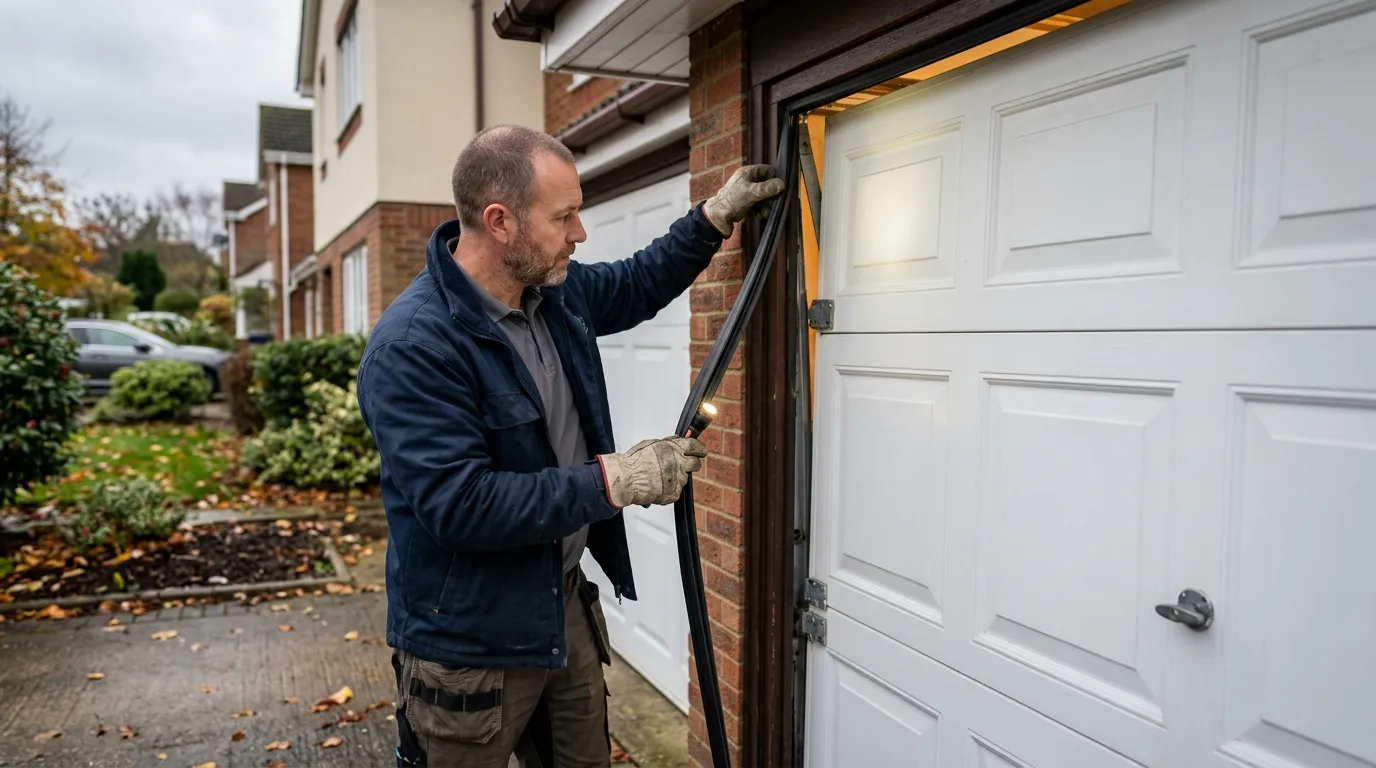
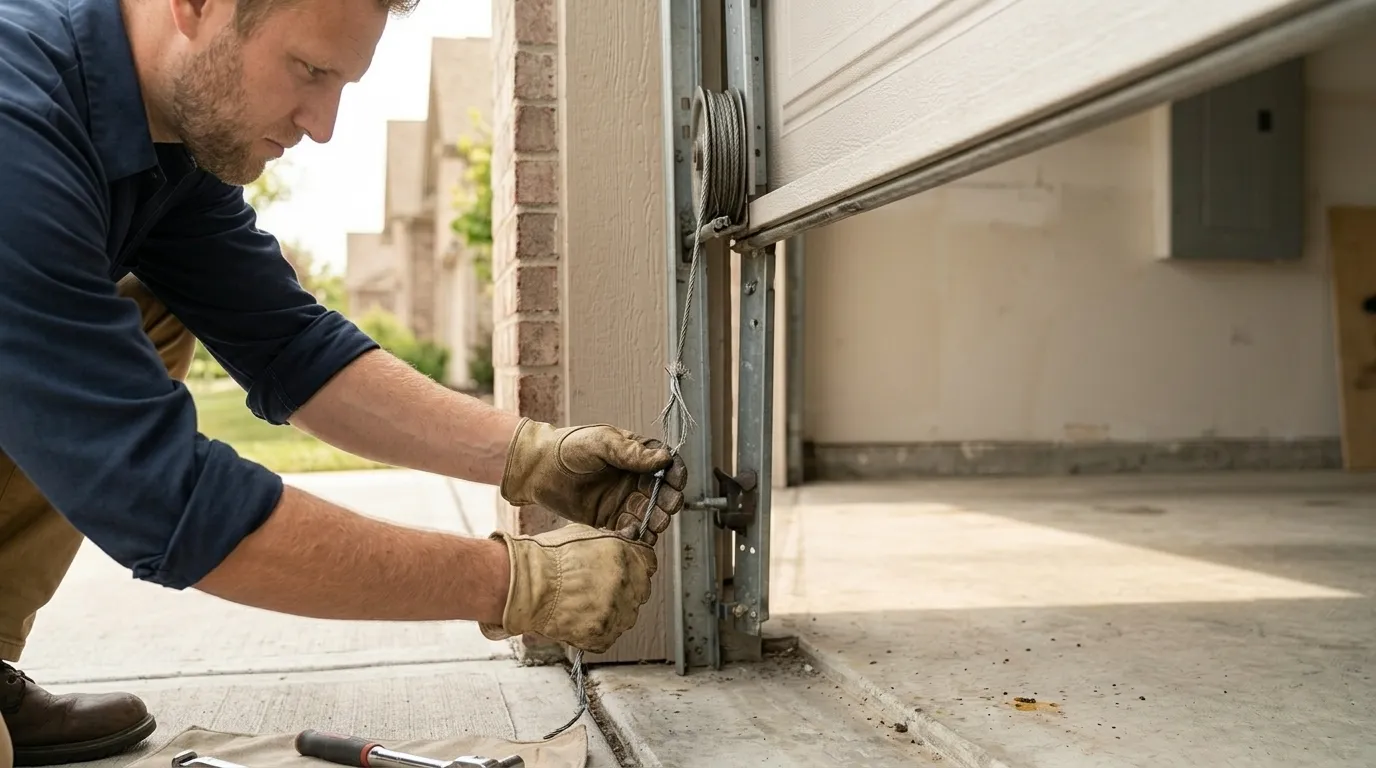
Cable fraying on the older extension-spring setups still original to some of these garages is another common one, along with sections that have rusted at the bottom seam where snow and slush sit against the panel each winter. What doesn't come up much: full teardown-and-rebuild jobs. Most of what breaks here is fixable in place, and replacing a whole door when the track and opener are still sound usually isn't worth the cost.