What Is on These Garages
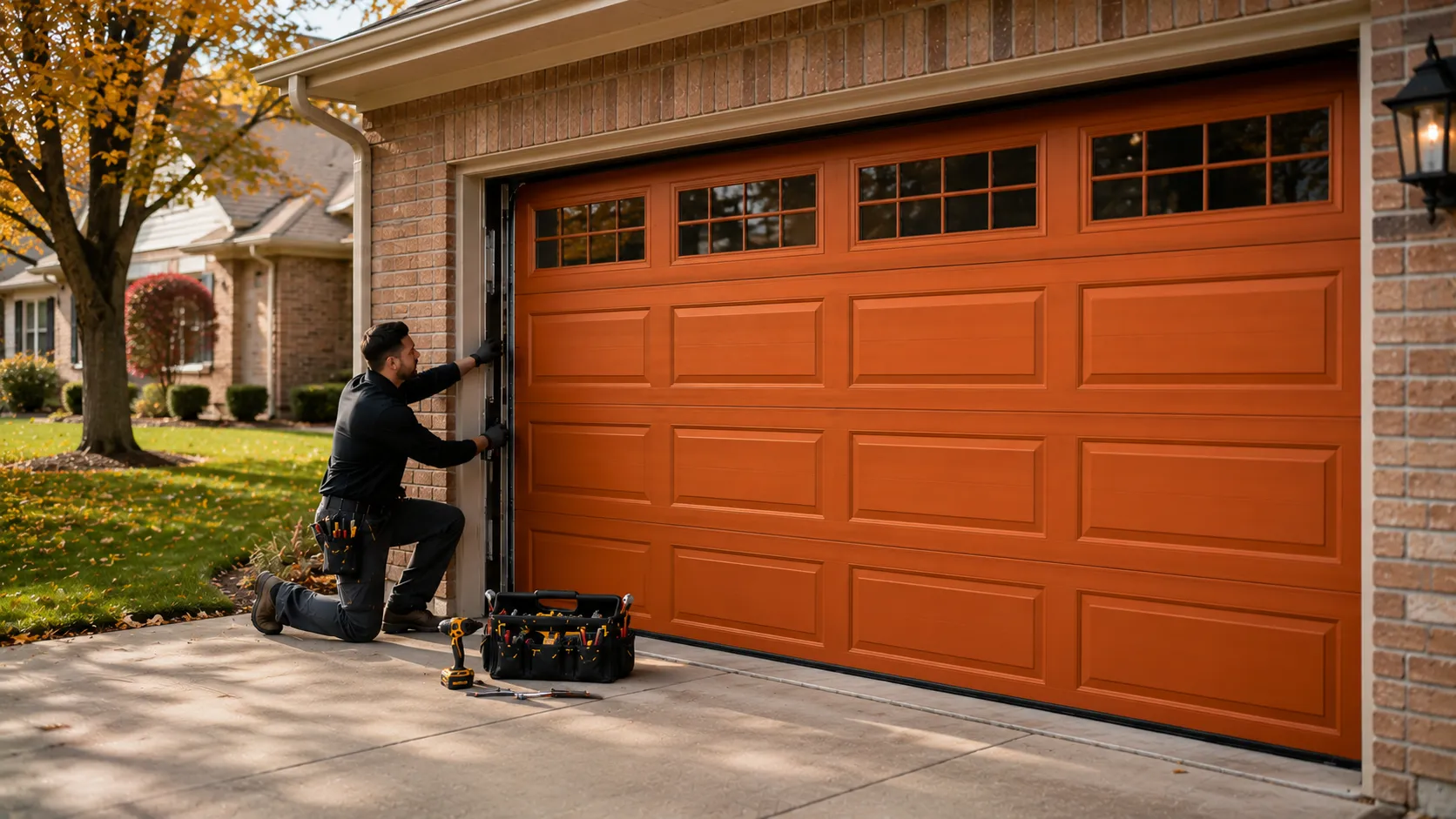
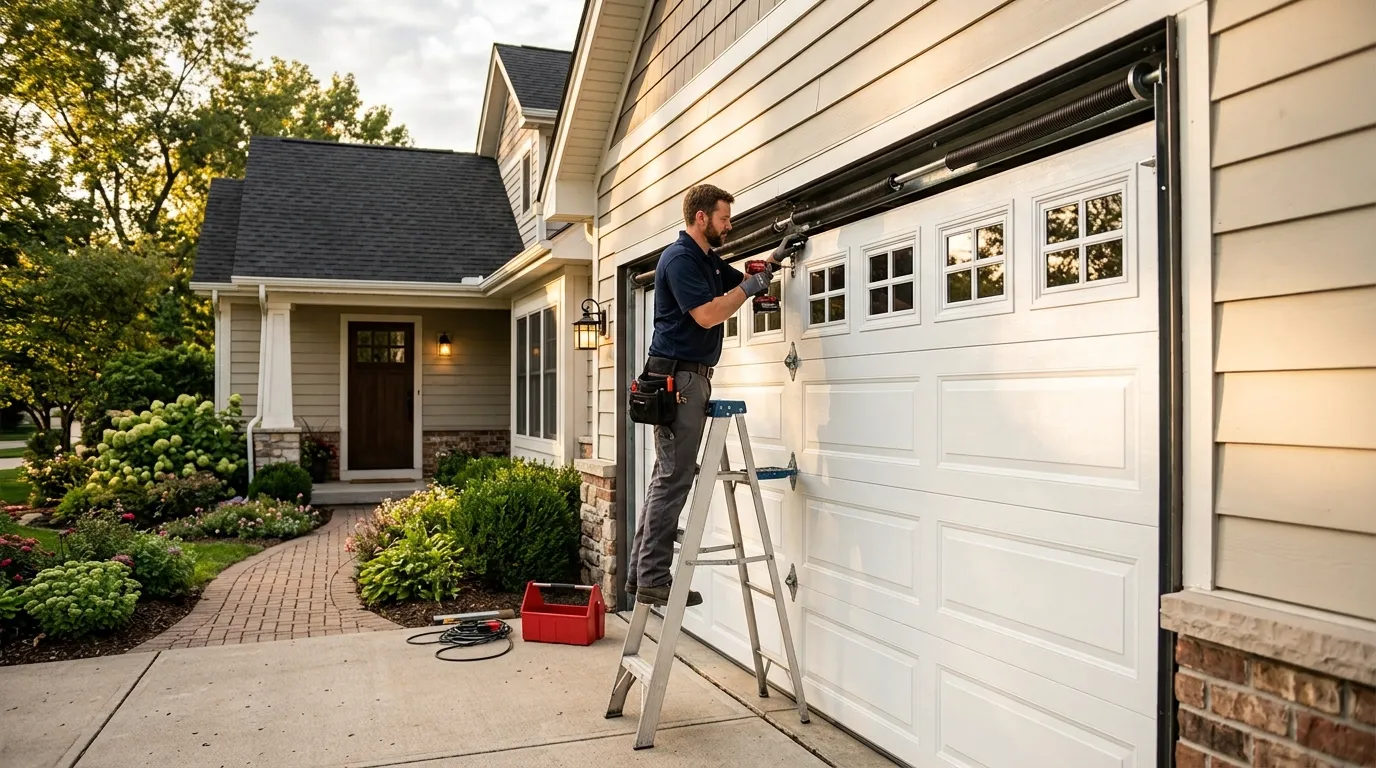
Out here, ten miles southeast of downtown, the garage stock lines up with the houses around it - mostly built between 1938 and 1994, with the heaviest run from the 1960s and 70s. That means a lot of steel sectional doors on torsion springs mounted straight above the opening, not the side-mount setups you'd find on older housing closer to the lakefront core neighborhoods. Openers on these garages have usually been swapped out once already, sometimes twice, since a chain-drive unit from the 80s or 90s doesn't last as long as the door itself.
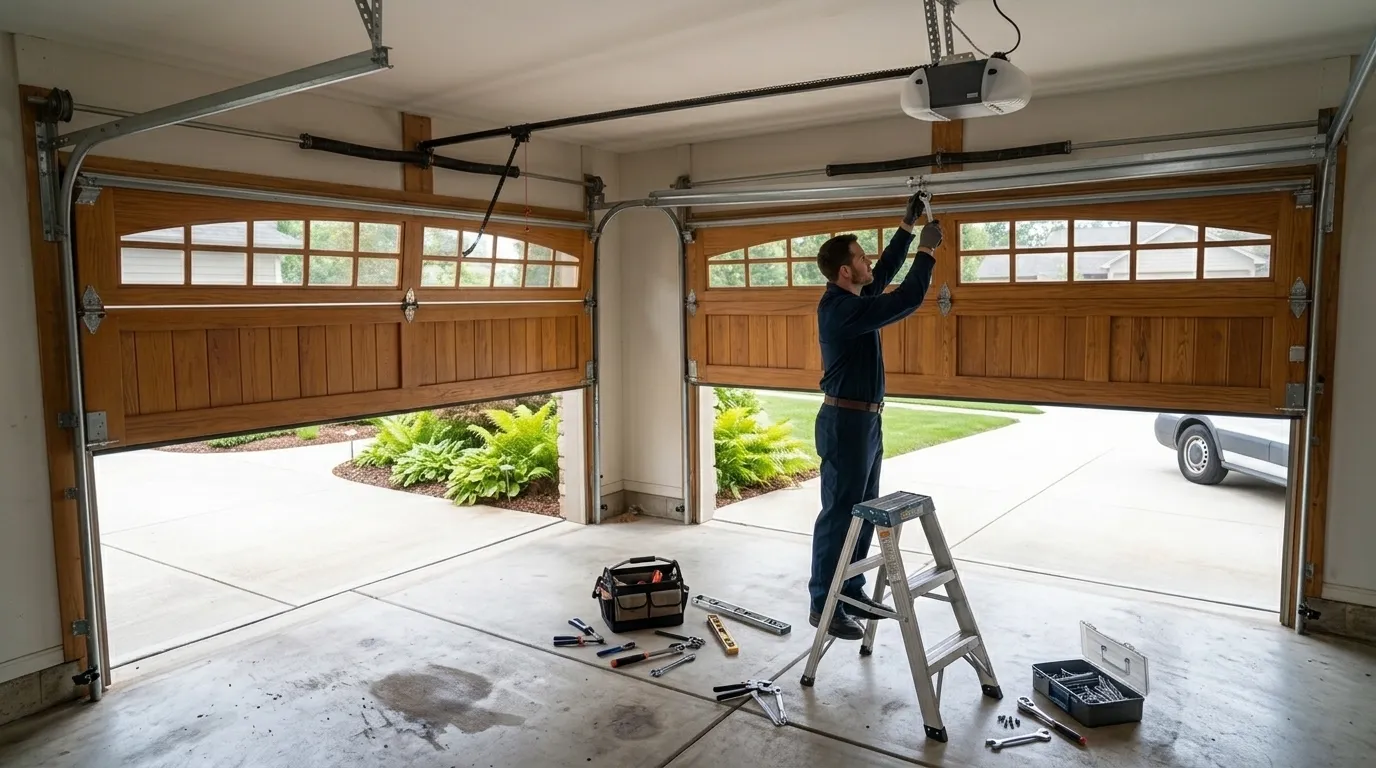
We see a fair number of single-car garages built tight to the alley, which limits headroom for anything but a standard torsion setup - no room for the low-headroom kits some newer builds use. The lake-effect cold that reaches this far southeast is part of why steel holds up better than the old wood panel doors that came with some of the original 1940s and 50s builds; wood swells and binds in a way that steel with a decent weatherseal doesn't. We won't tell you a wood door is a quick fix - once the panels warp, replacement is usually cheaper than trying to true them back up.
Where You Are
South Chicago sits about ten miles southeast of the Loop, out toward the lake, which puts it outside the tighter cluster of near-west and near-south neighborhoods and closer to the industrial corridor along the water. That distance from the center matters for one practical reason: it's far enough out that a same-day call needs to be routed with the rest of the southeast run, not squeezed in between jobs downtown.
The cold coming off the lake in winter is part of the regional climate band here - a moderate cold climate that still means frozen tracks and stiff springs by January. We don't have landmark-level detail to hang on this section beyond the distance and direction, and we'd rather leave it short than make up a cross street we don't actually know.
Typical Work
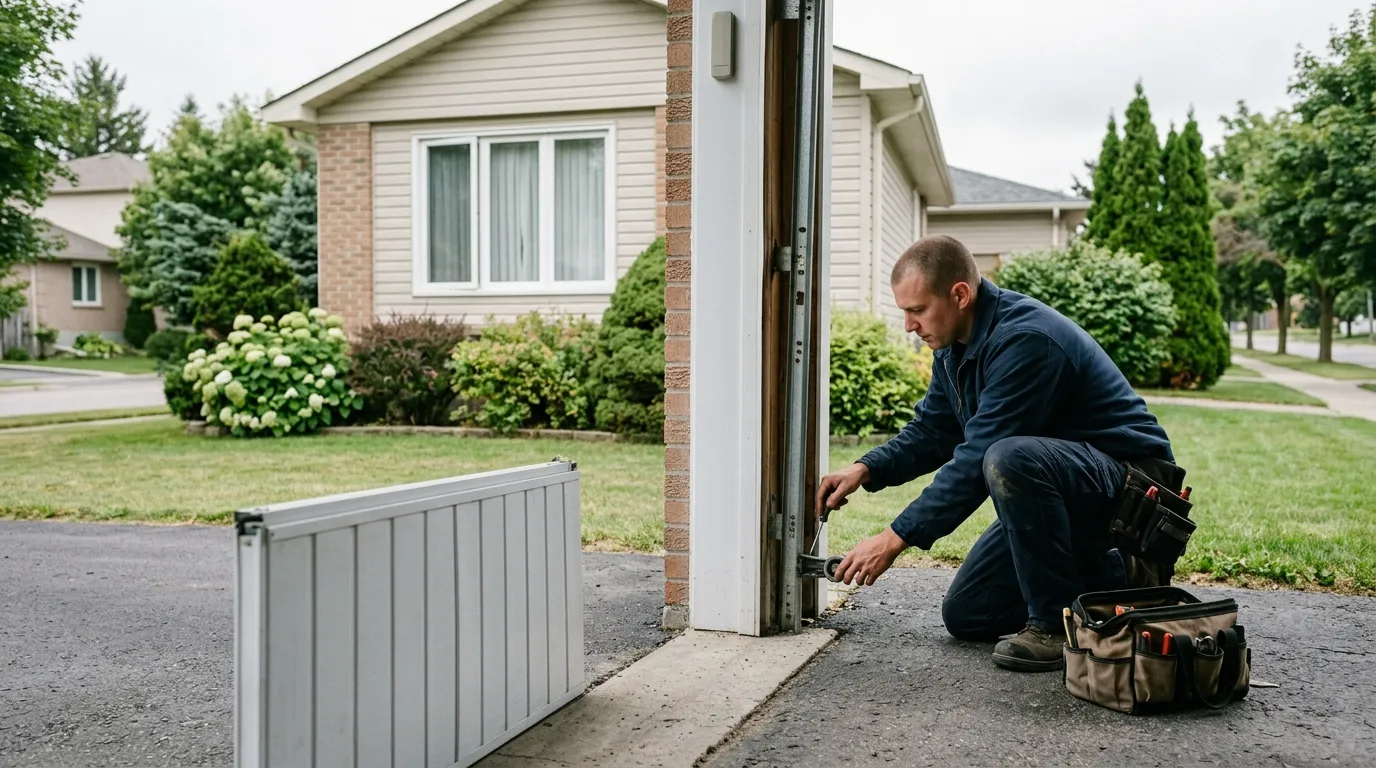
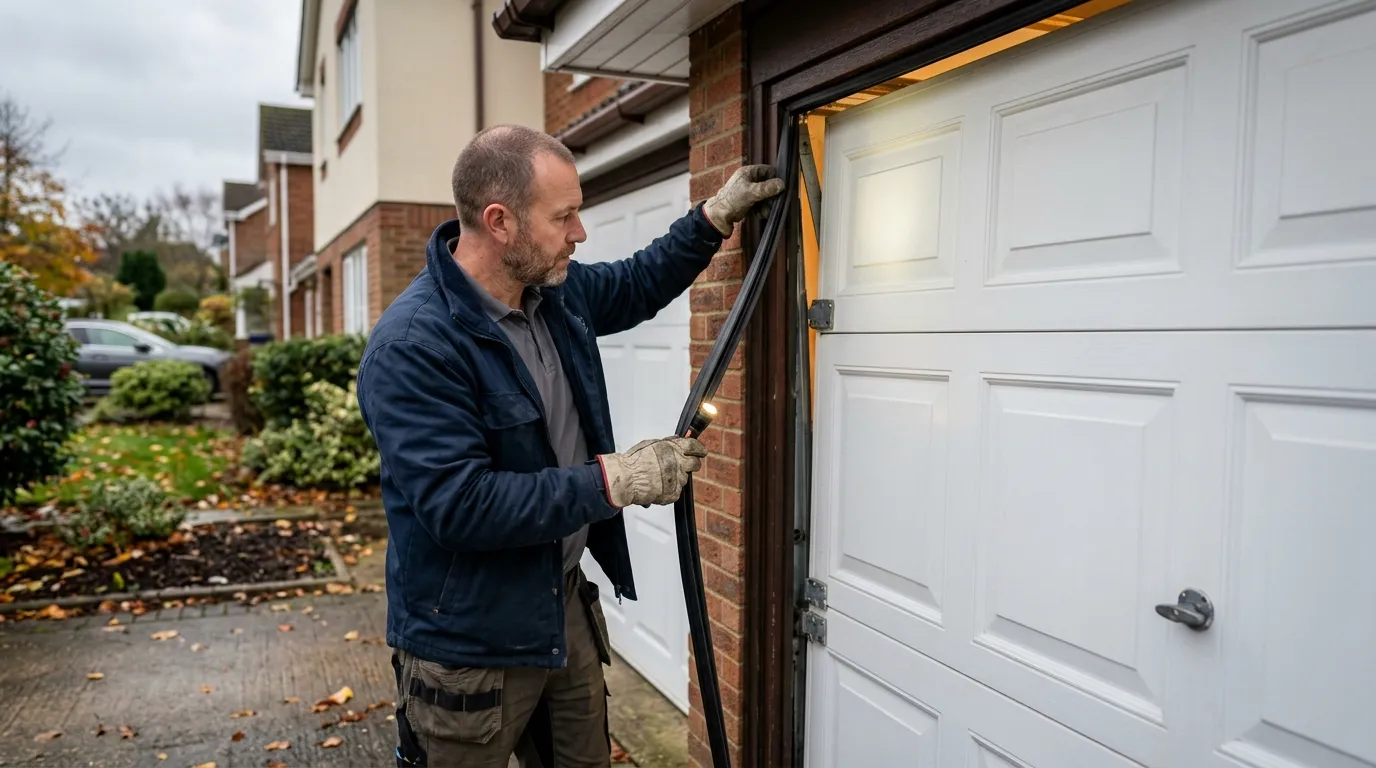
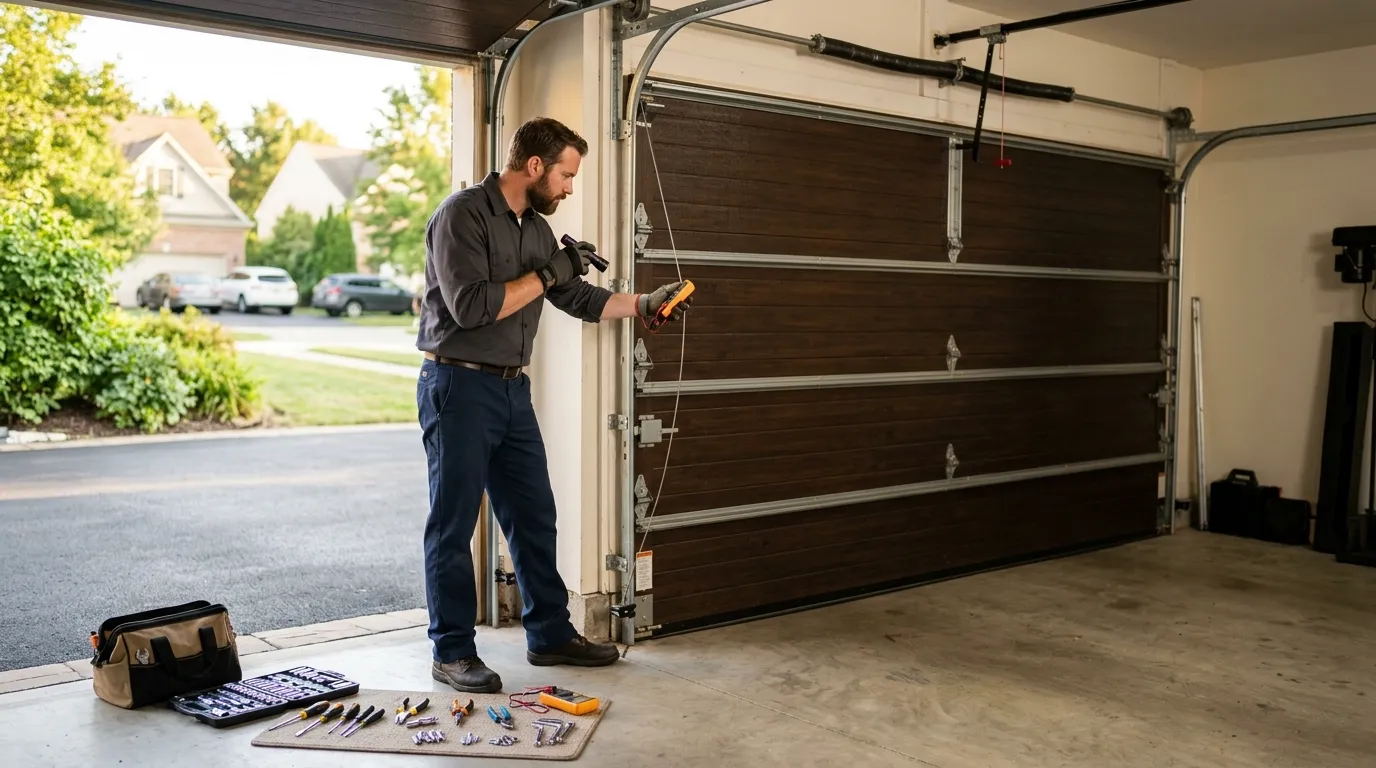
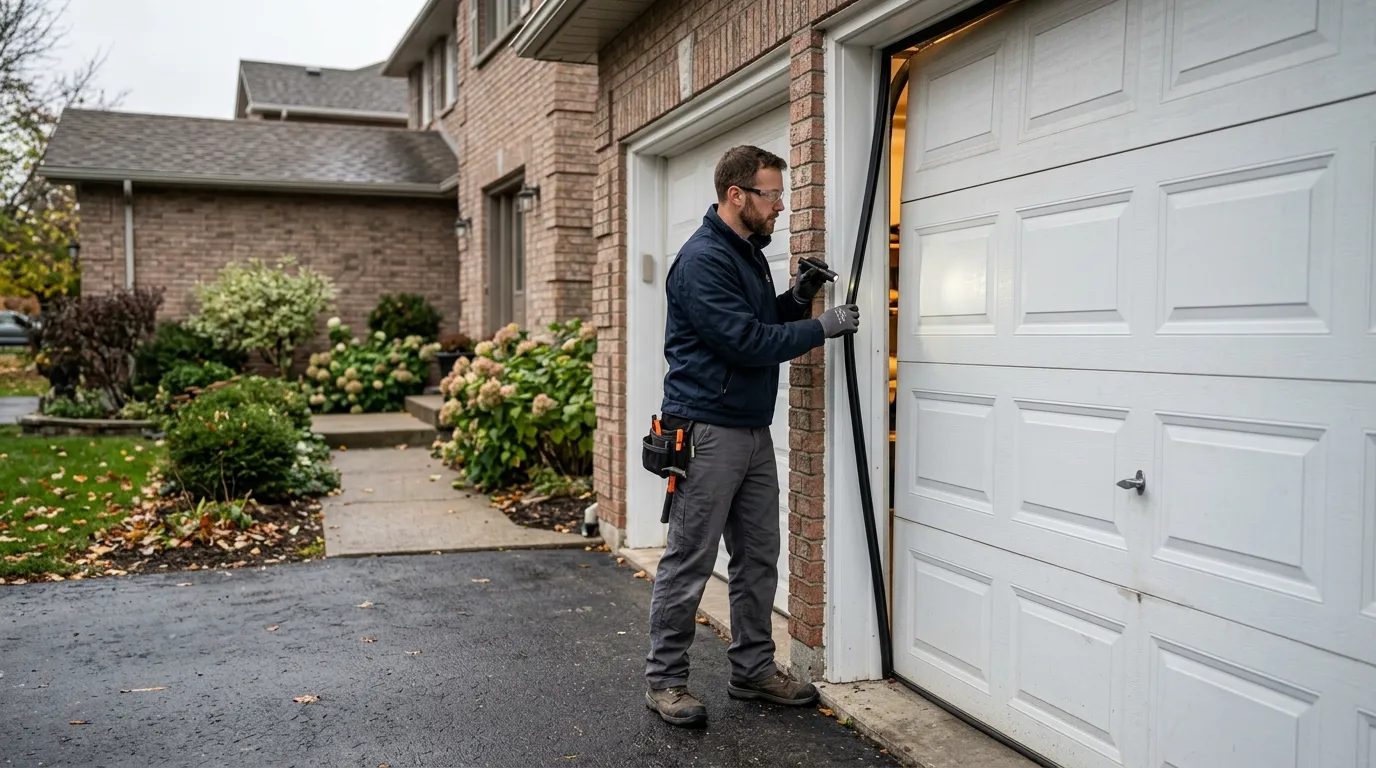
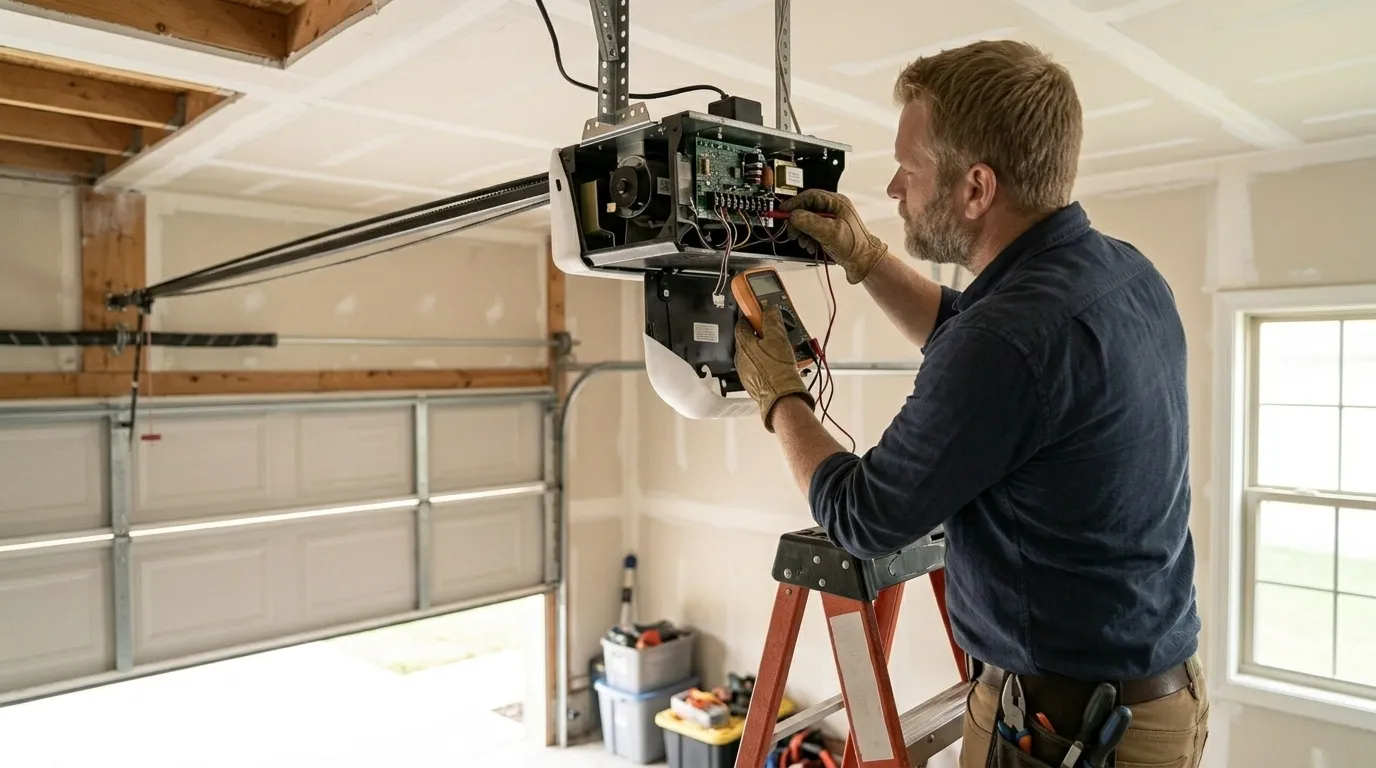
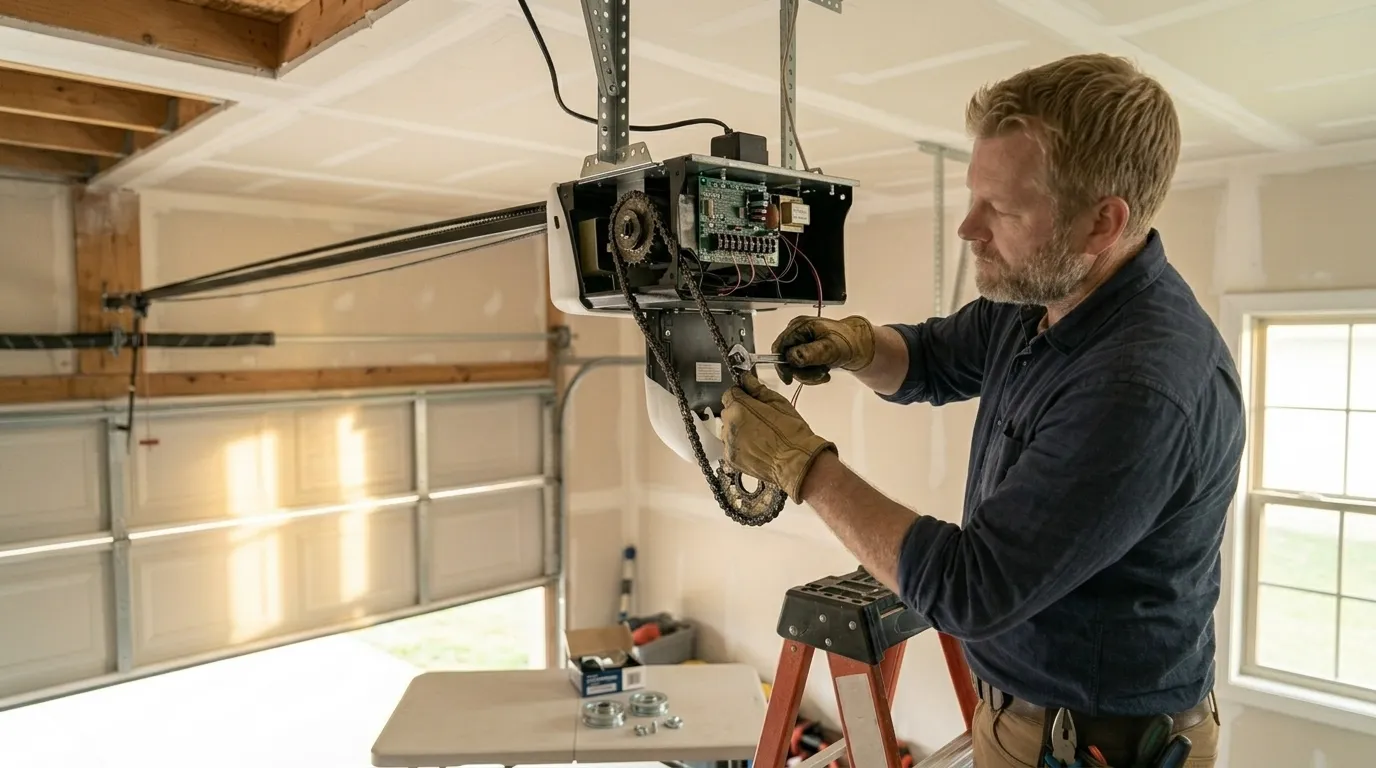
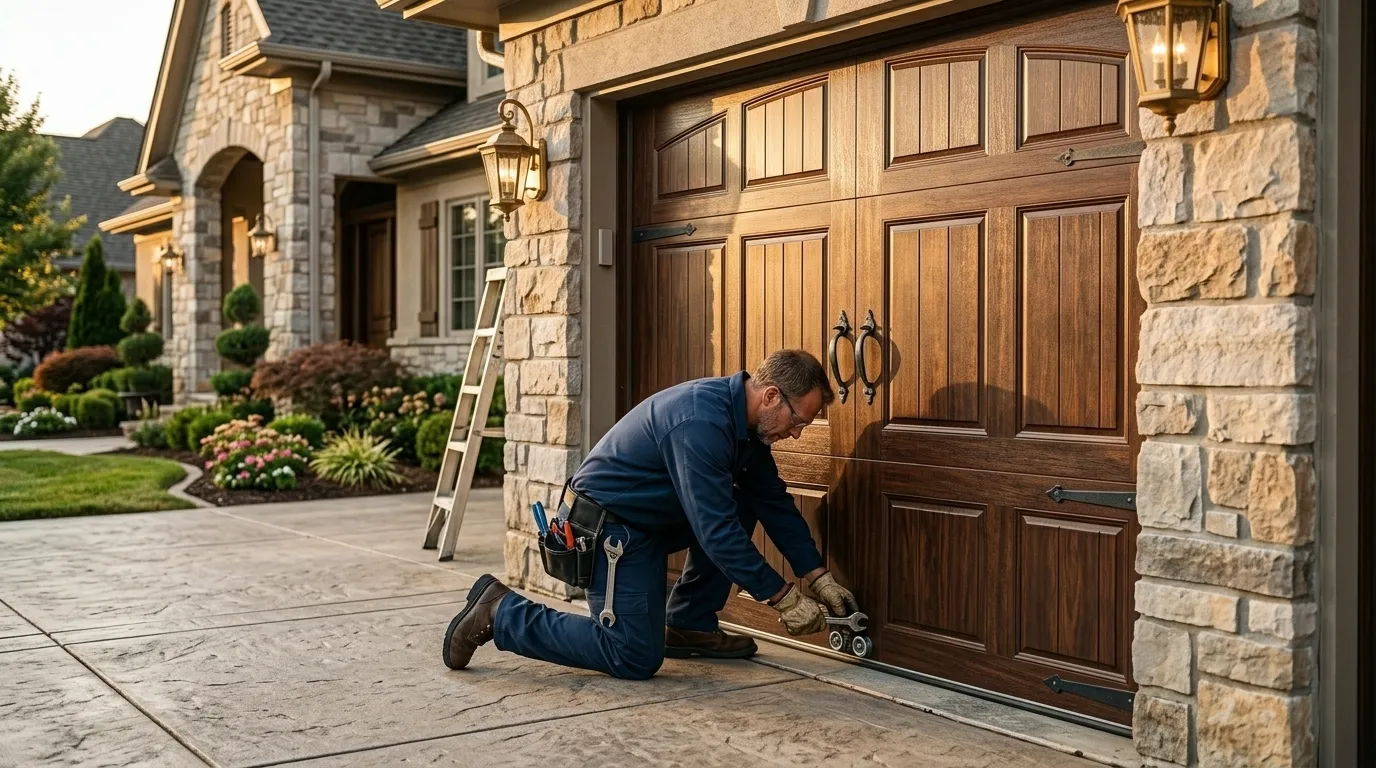
Most jobs on this side of the city are spring and opener calls - broken torsion springs on doors that have been cycling since the 90s, openers that finally give out after a decade of chain-drive use in cold weather. Track and roller wear shows up often enough on the older single-car garages, especially where the door's been getting a slow drag on one side for months before anyone calls it in.
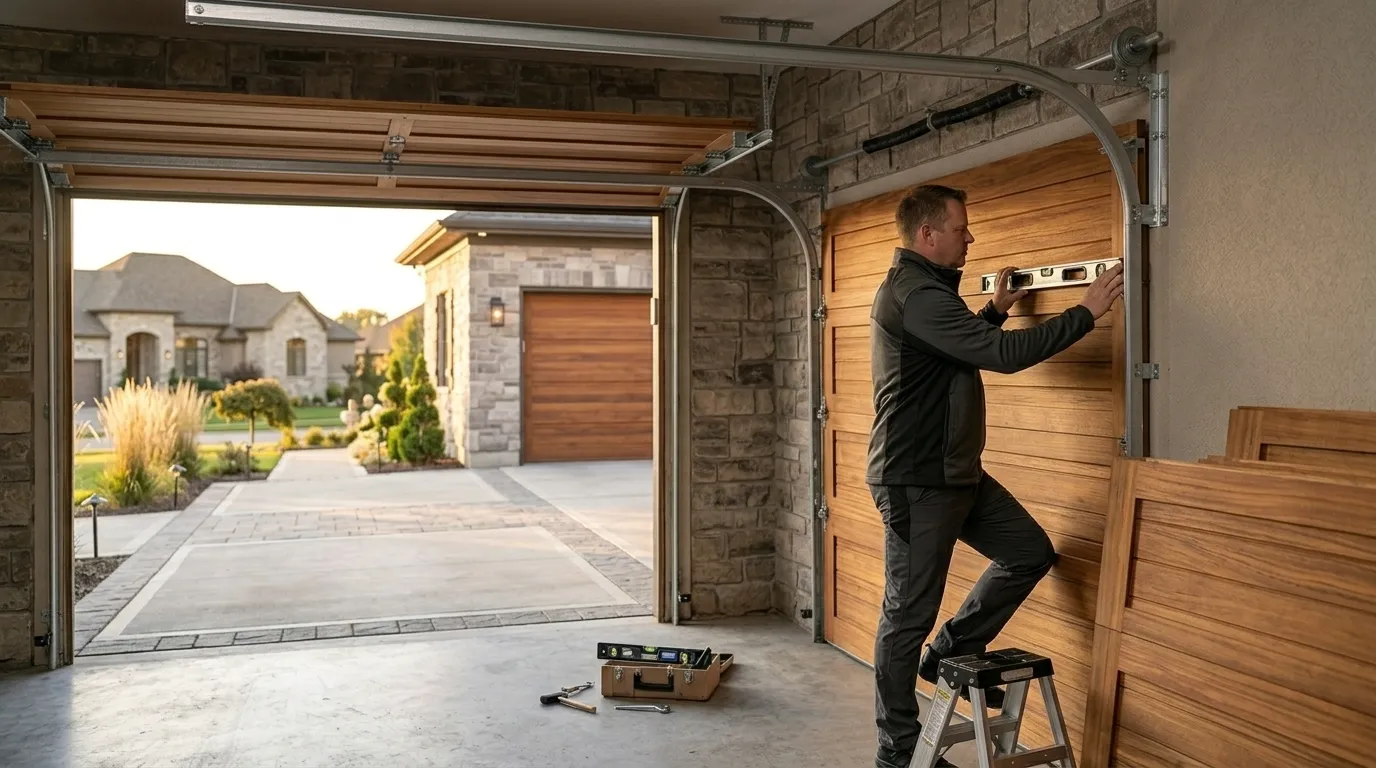
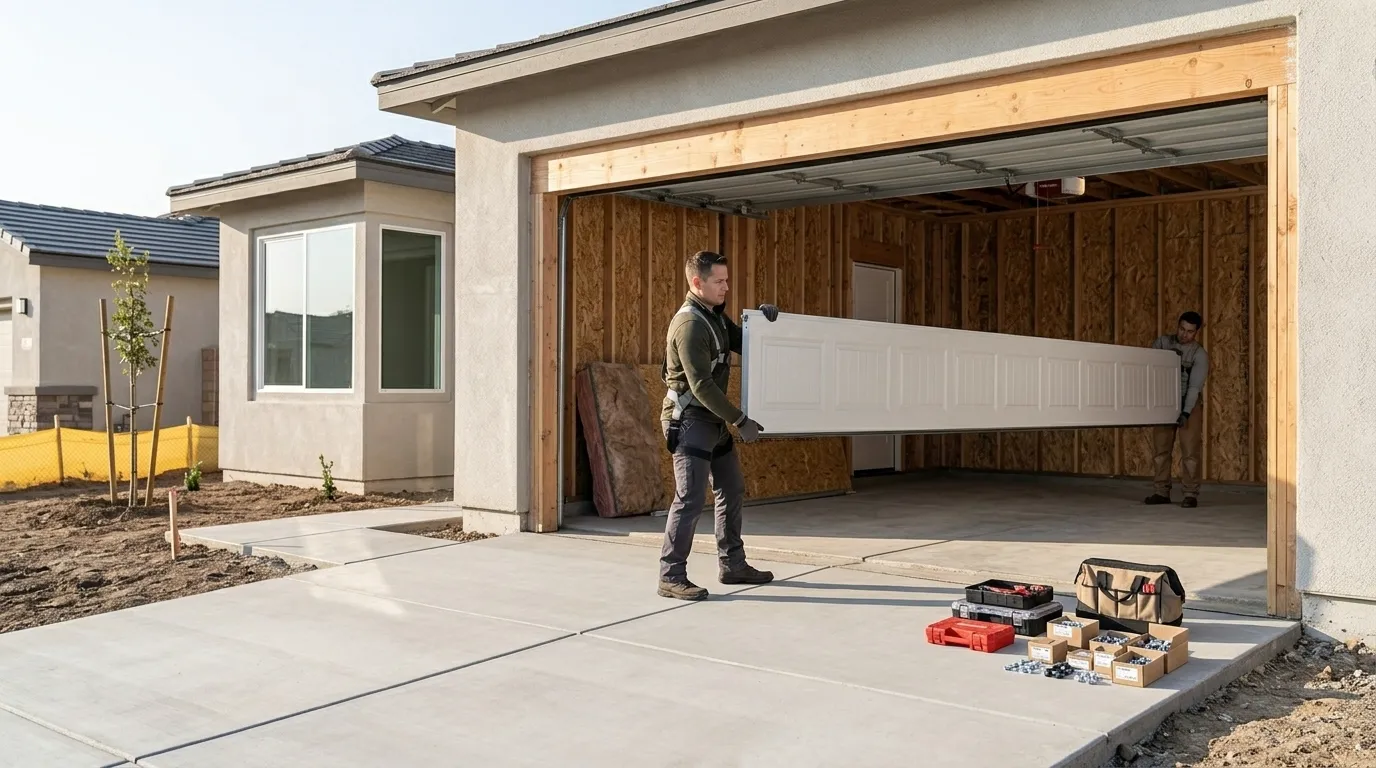
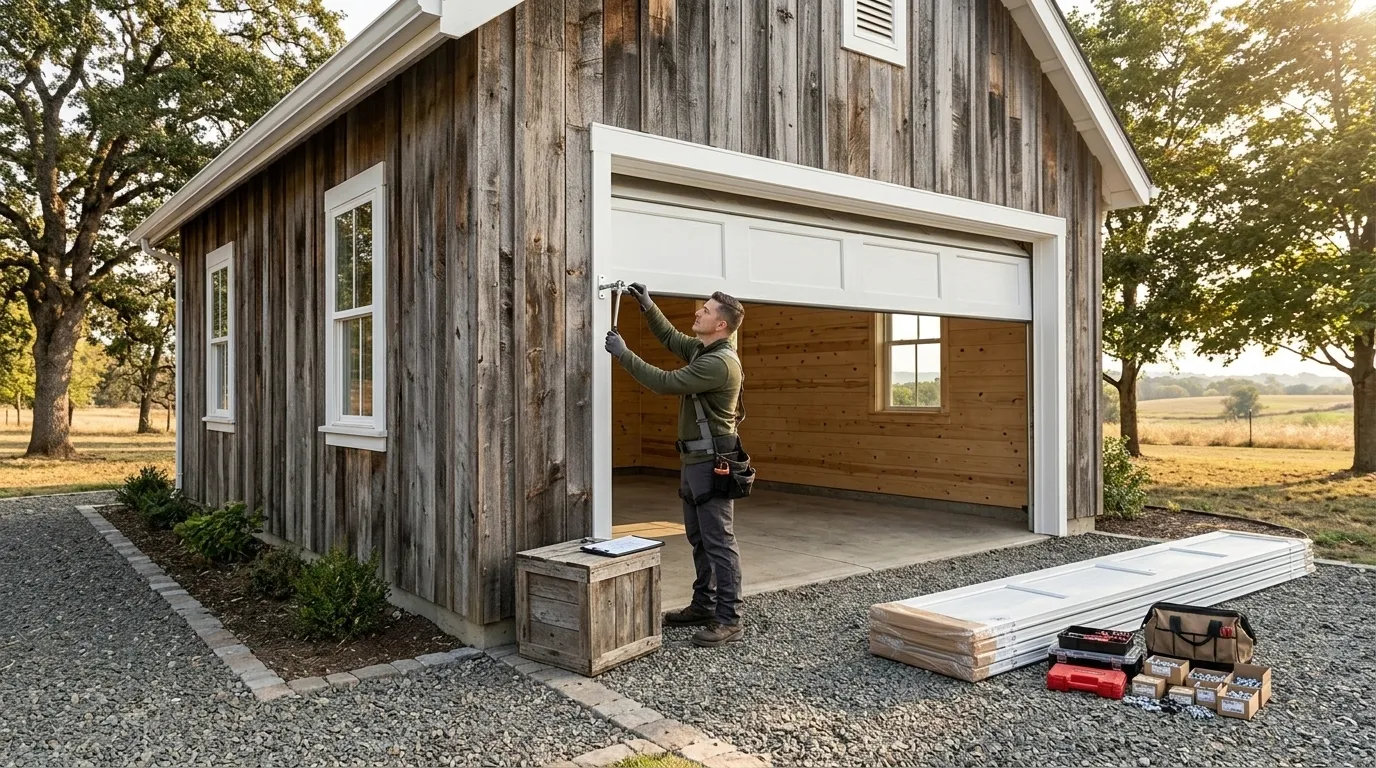
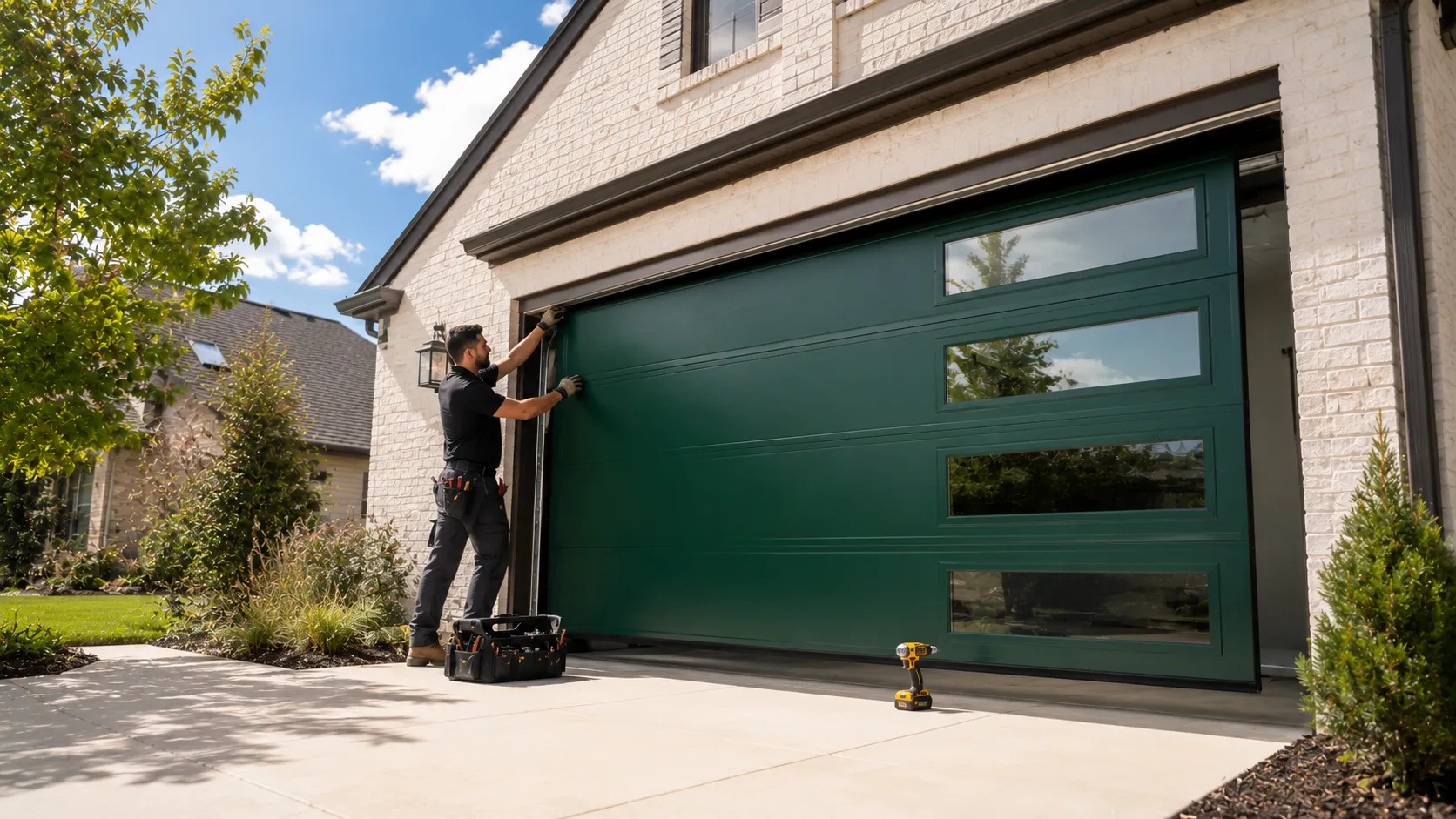
We do panel and section replacement on steel doors when a single panel gets dented rather than replacing the whole door - that's usually the cheaper and faster fix if the rest of the door is sound. What we won't do is try to save a warped wood door from the original 1940s or 50s builds; once those panels cup, a new steel door is the honest answer, not another patch job.