
What Is on These Garages
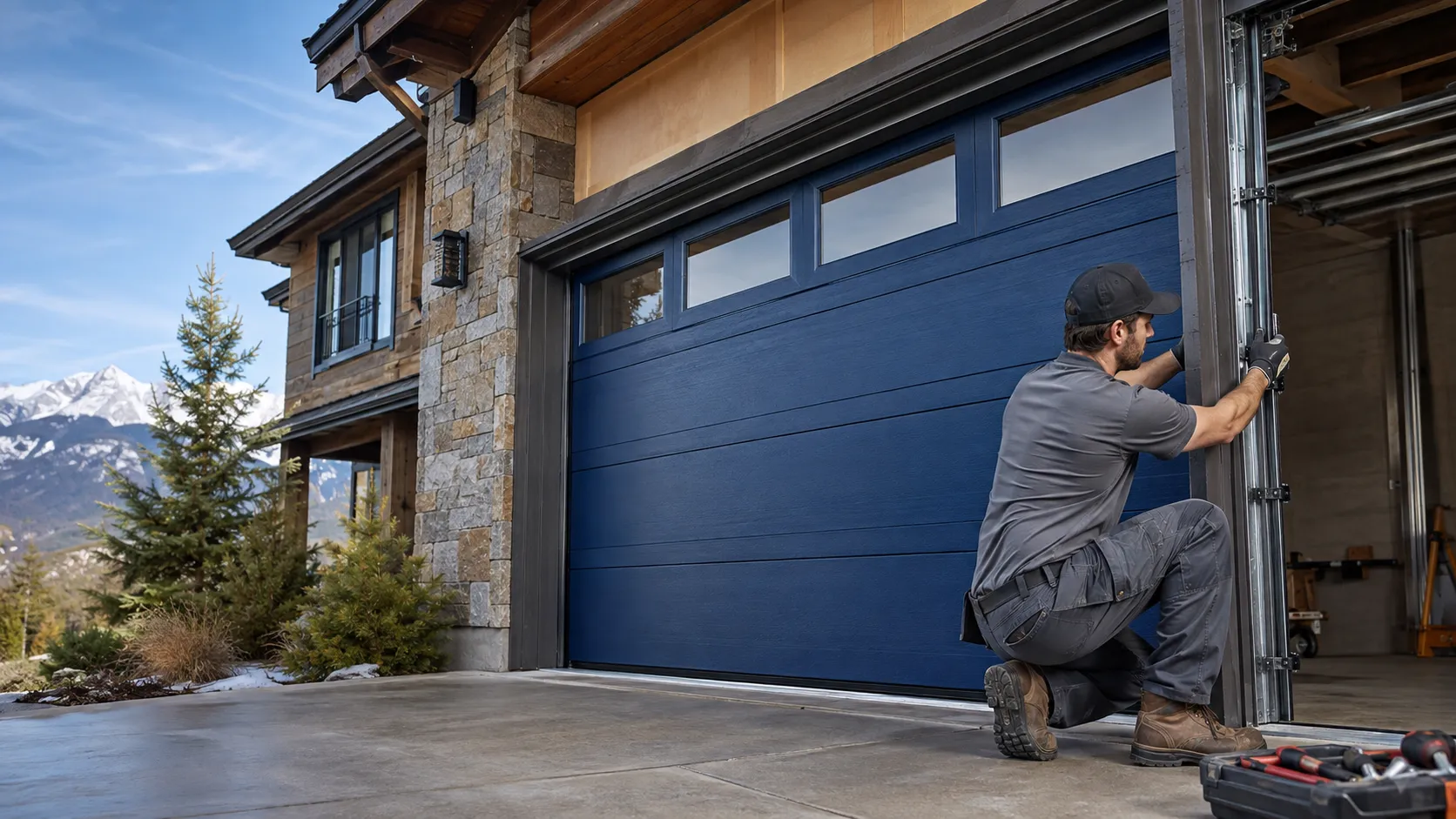
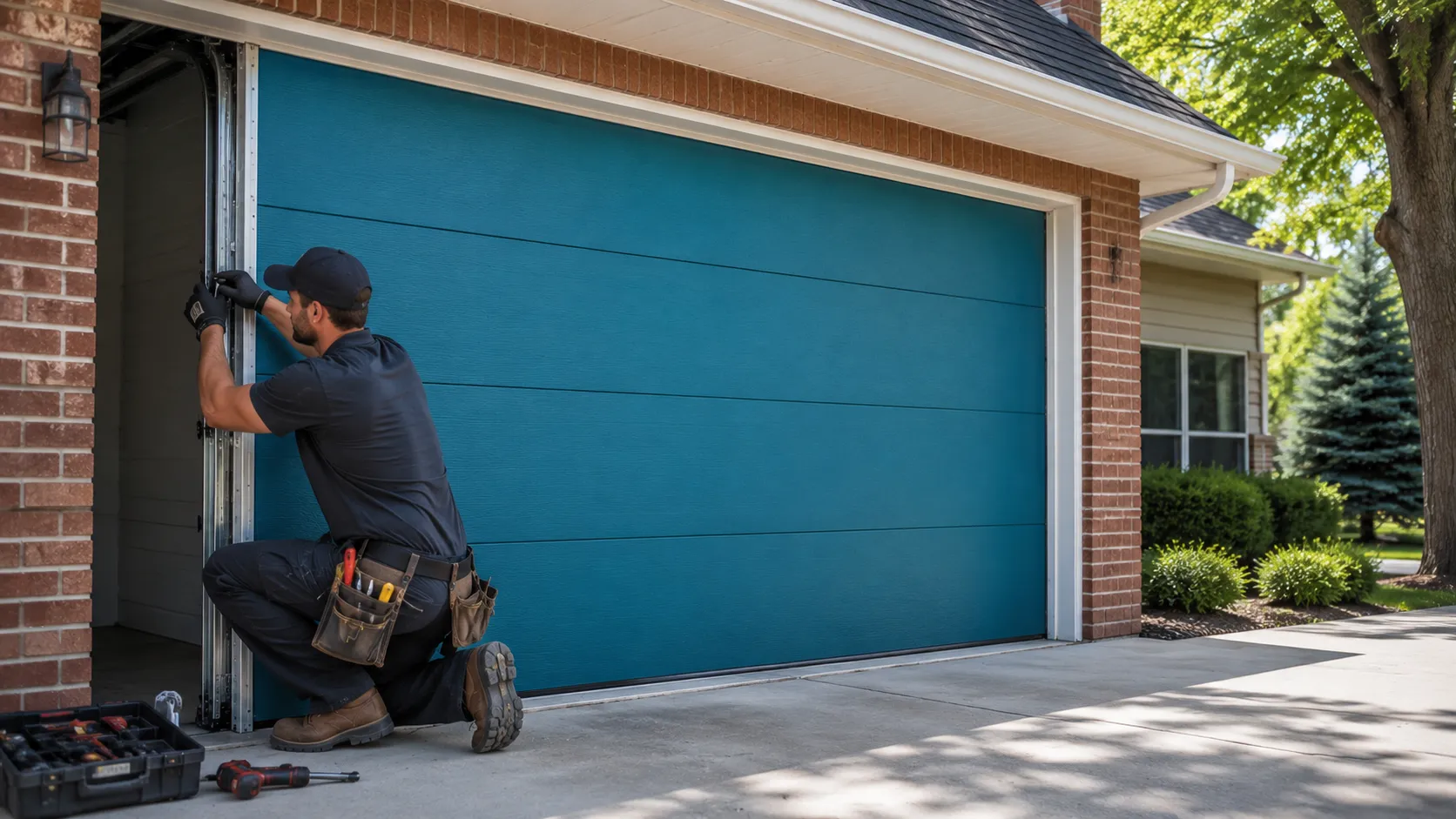
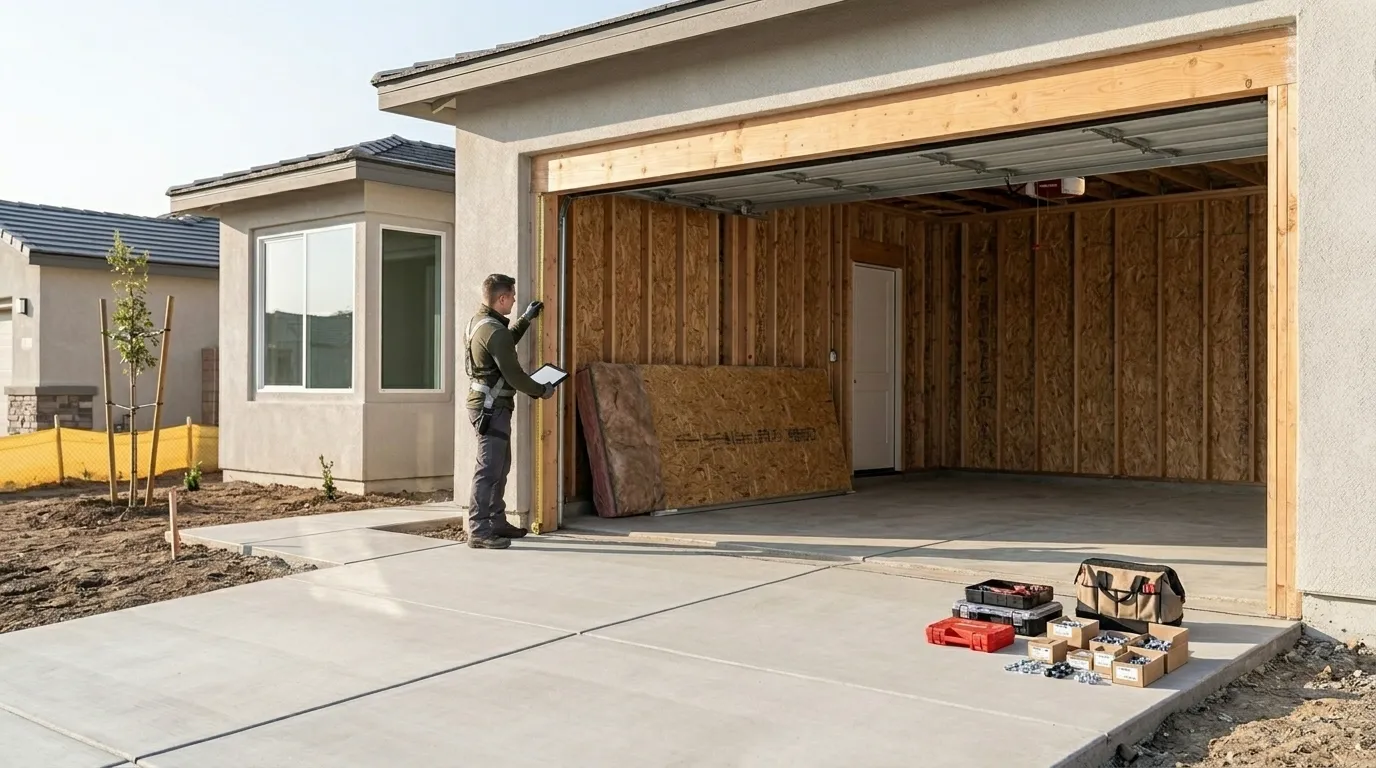
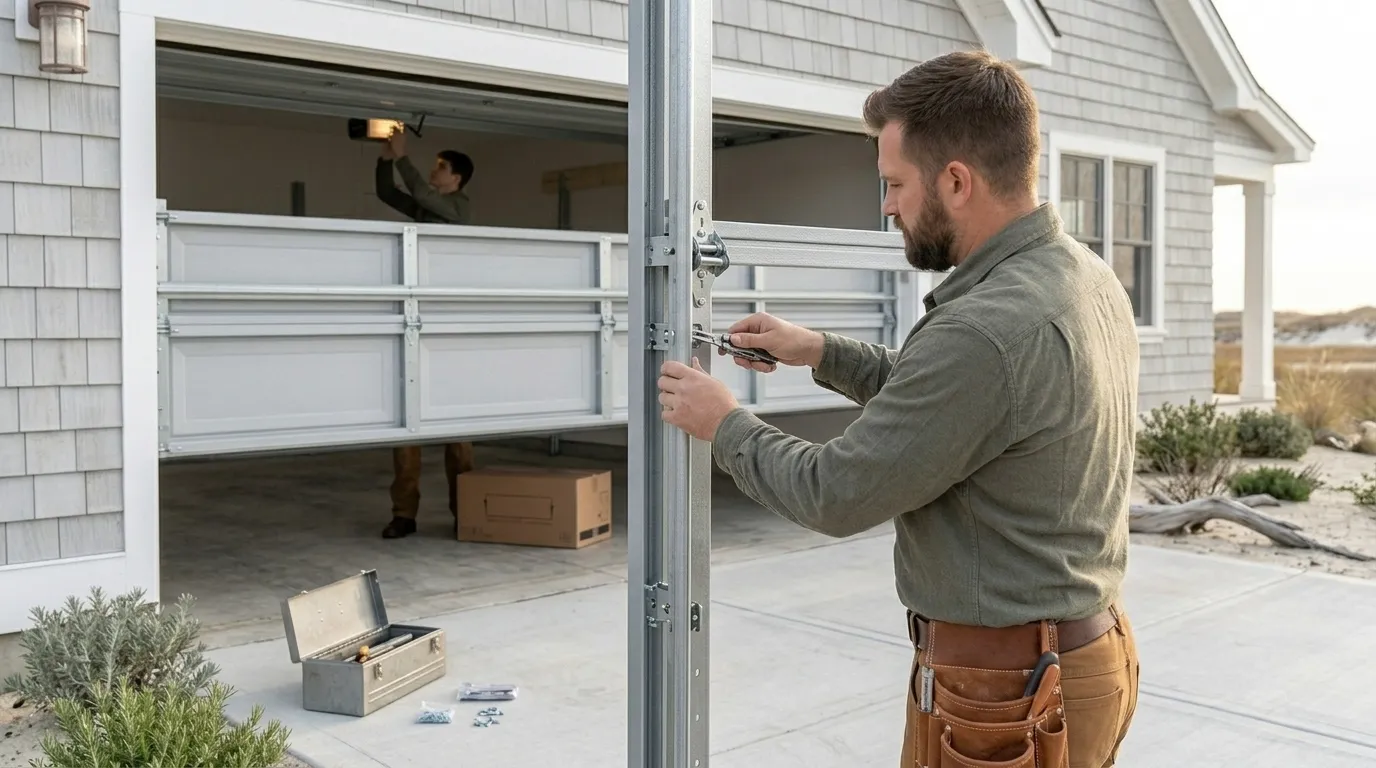
We don't have a street list for South Shore, so we'll speak to what the housing era tells us instead. Across this side of Chicago, most homes went up between 1938 and 1994, with the typical build year landing around 1964. That puts a lot of garages here at somewhere between one-piece wood-panel doors from the early stretch and steel sectional doors from the later decades. Neither type was built with today's wider insulated panels in mind, which means the tracks and torsion hardware are often narrower than what a modern door ships with. If you're swapping an old one-piece door for a sectional, expect the header and jamb framing to need attention, not just the door itself. We won't guess at a specific opener brand or spring size for your garage - that only gets confirmed on site. What we can tell you is that original hardware from this build era is rarely a drop-in match for parts sold today, so a repair quote should always start with what's actually on the garage, not what's typical for the neighborhood.
Where You Are
South Shore sits roughly 8 miles southeast of the city center. Chicago sits in a cold-moderate climate band, which means winter cold snaps that stiffen torsion springs, shrink weatherstripping, and make a marginal opener chain skip more than it would in a milder month. Households in the wider service area report a median income of $80,202, and across the 461,017 households we track, 223,261 are owner-occupied houses - the kind of housing where a broken spring is the owner's problem to solve, not a landlord's. We serve this stretch of the city as part of a broader coverage area; we don't have South Shore-specific job history to point to, and we won't invent one. What we do bring is familiarity with how this climate band and this era of housing stock tend to fail together, which is most of what determines whether a call is a quick fix or a bigger job.
Typical Work
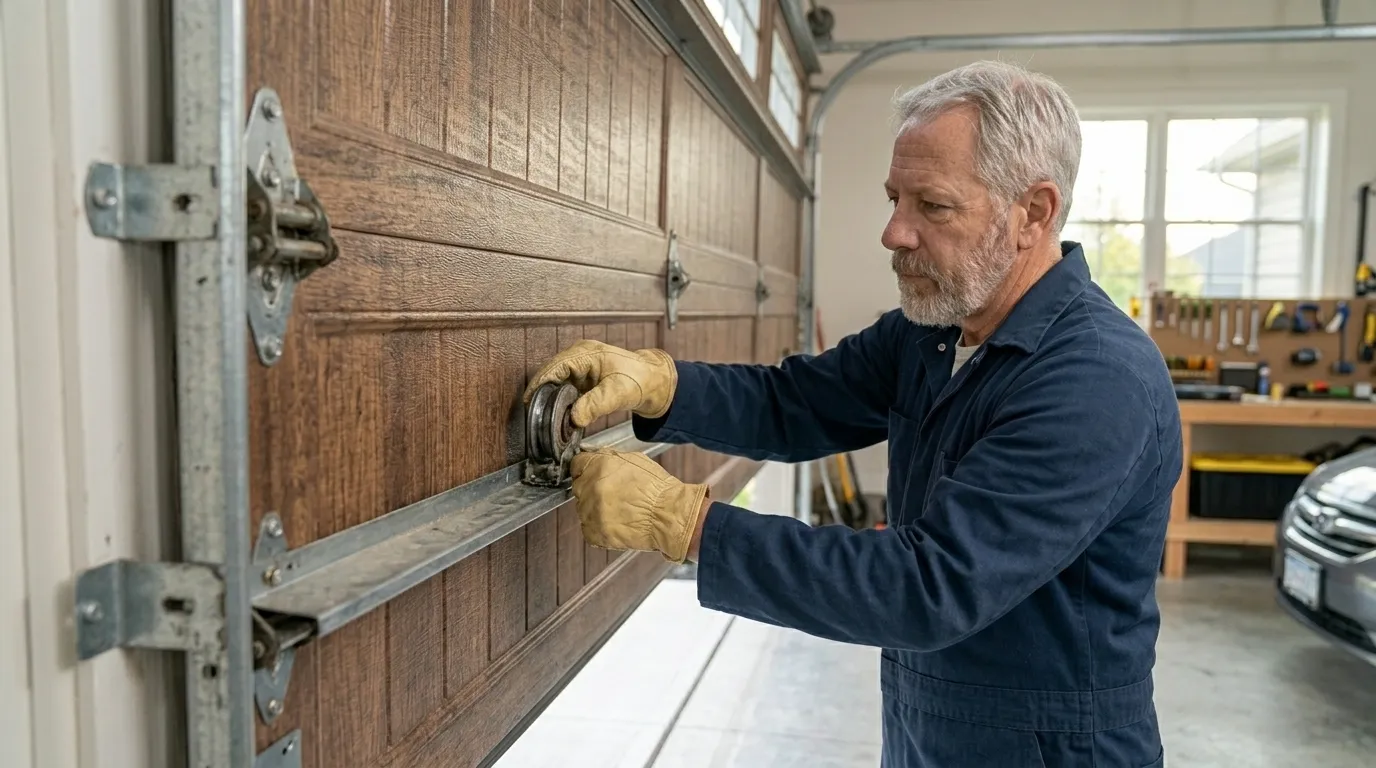
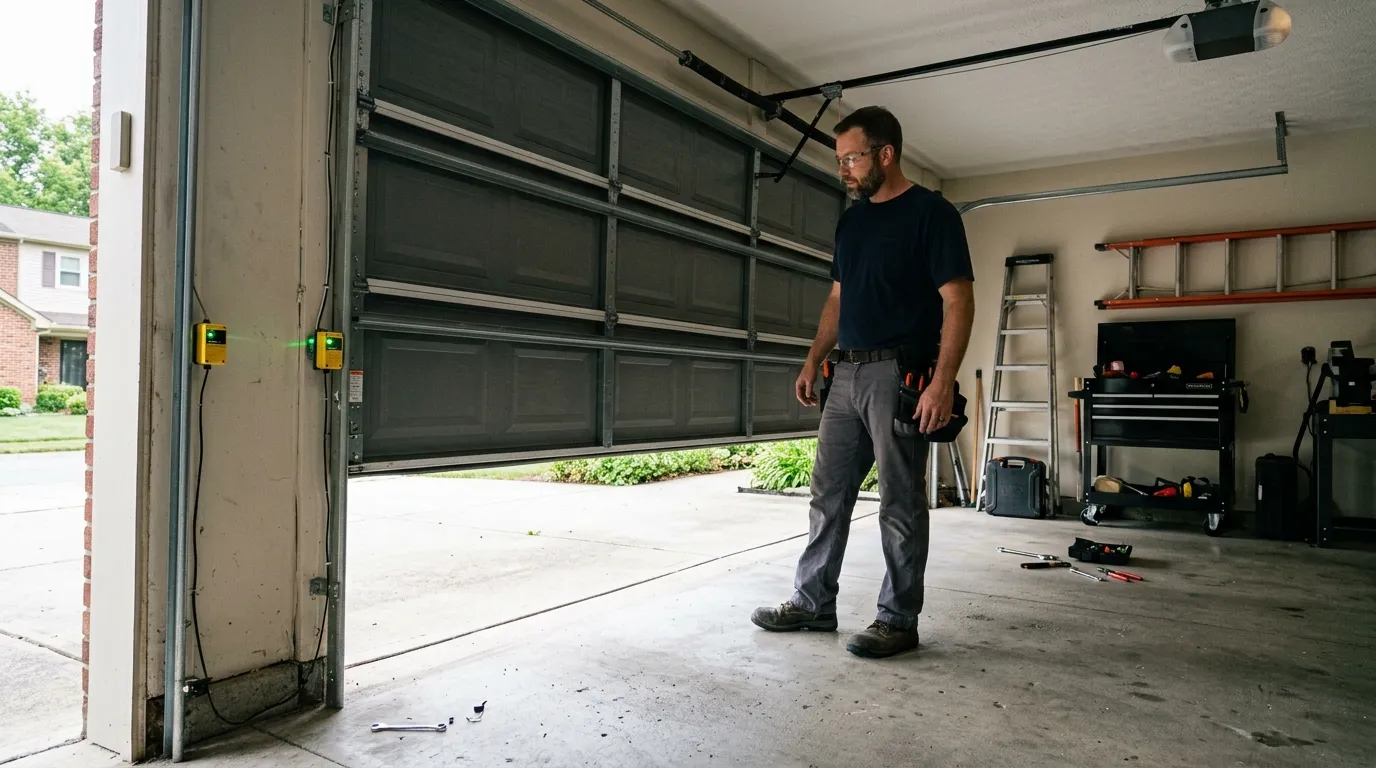
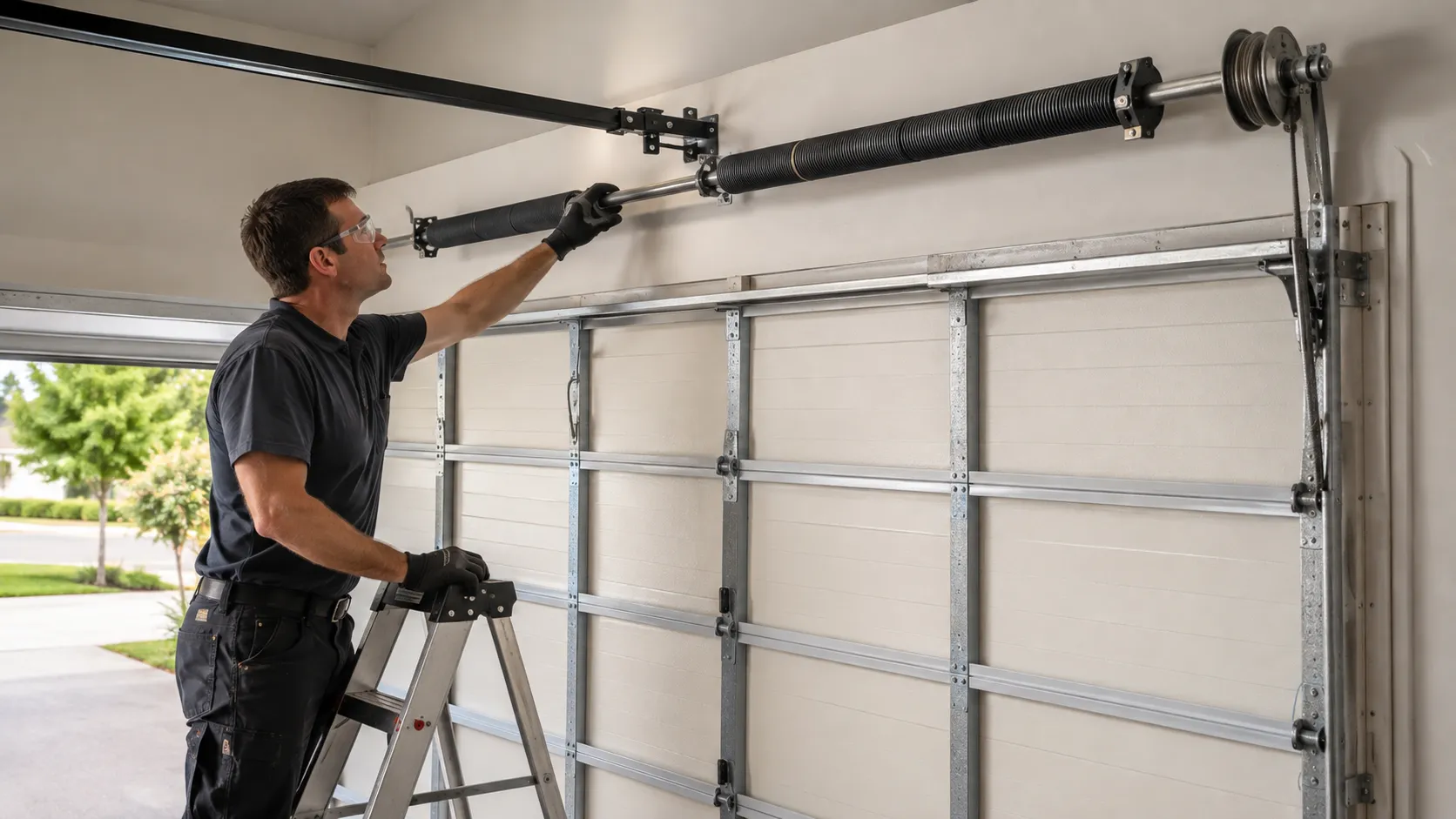
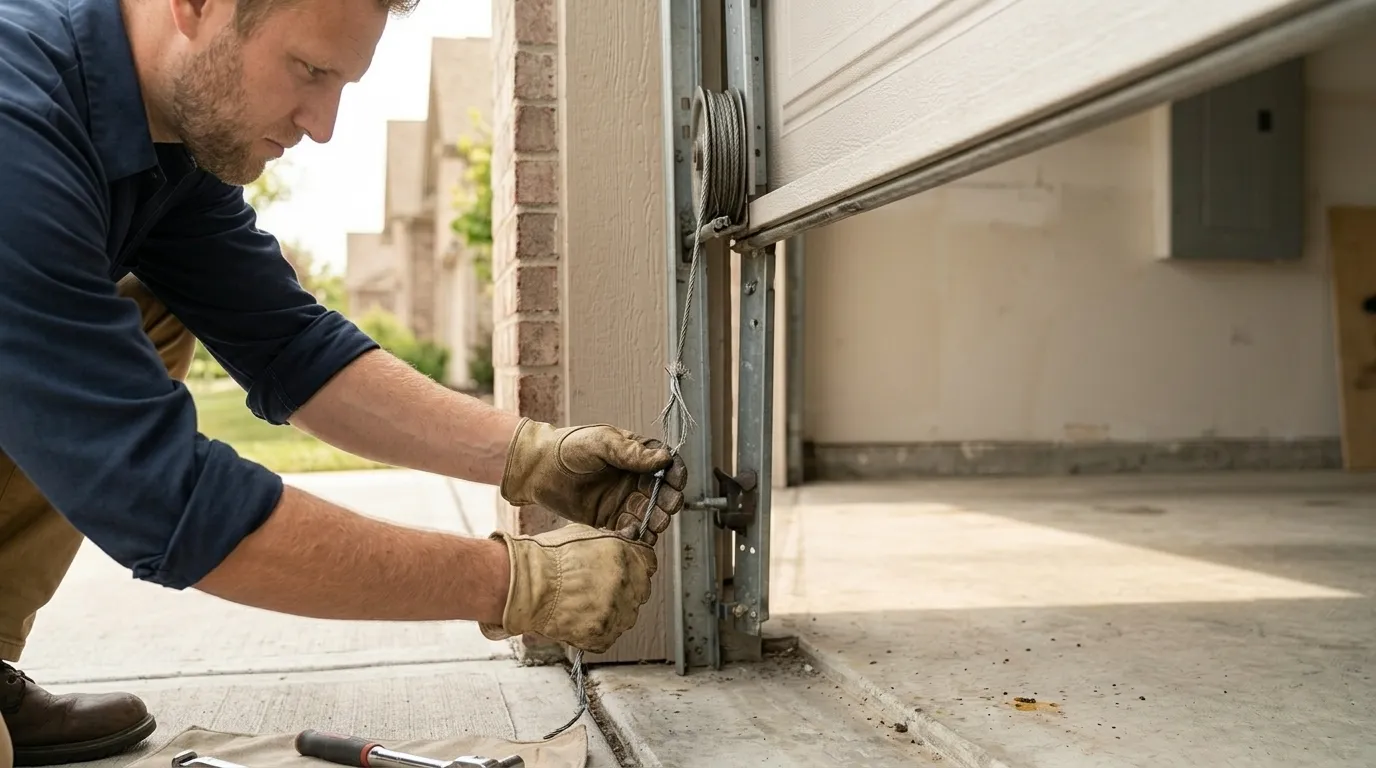
Given the build years here, the calls we'd expect to run most are torsion spring replacement on doors converted from single to double width, roller and track realignment where framing was added later rather than built in, and opener upgrades where the unit was never sized for the door it's lifting. Cold-band winters add a seasonal pattern too - spring failures and hardened lubricant showing up more in the coldest stretch of the year. One honest limit: we don't do structural framing repair. If a header or jamb has rotted or shifted enough that the door opening itself is out of square, that's carpentry work we'll flag rather than paper over with a door that looks fine but binds within a year. Fixing the door without fixing the frame it hangs on just moves the problem down the road.