This Area's Housing
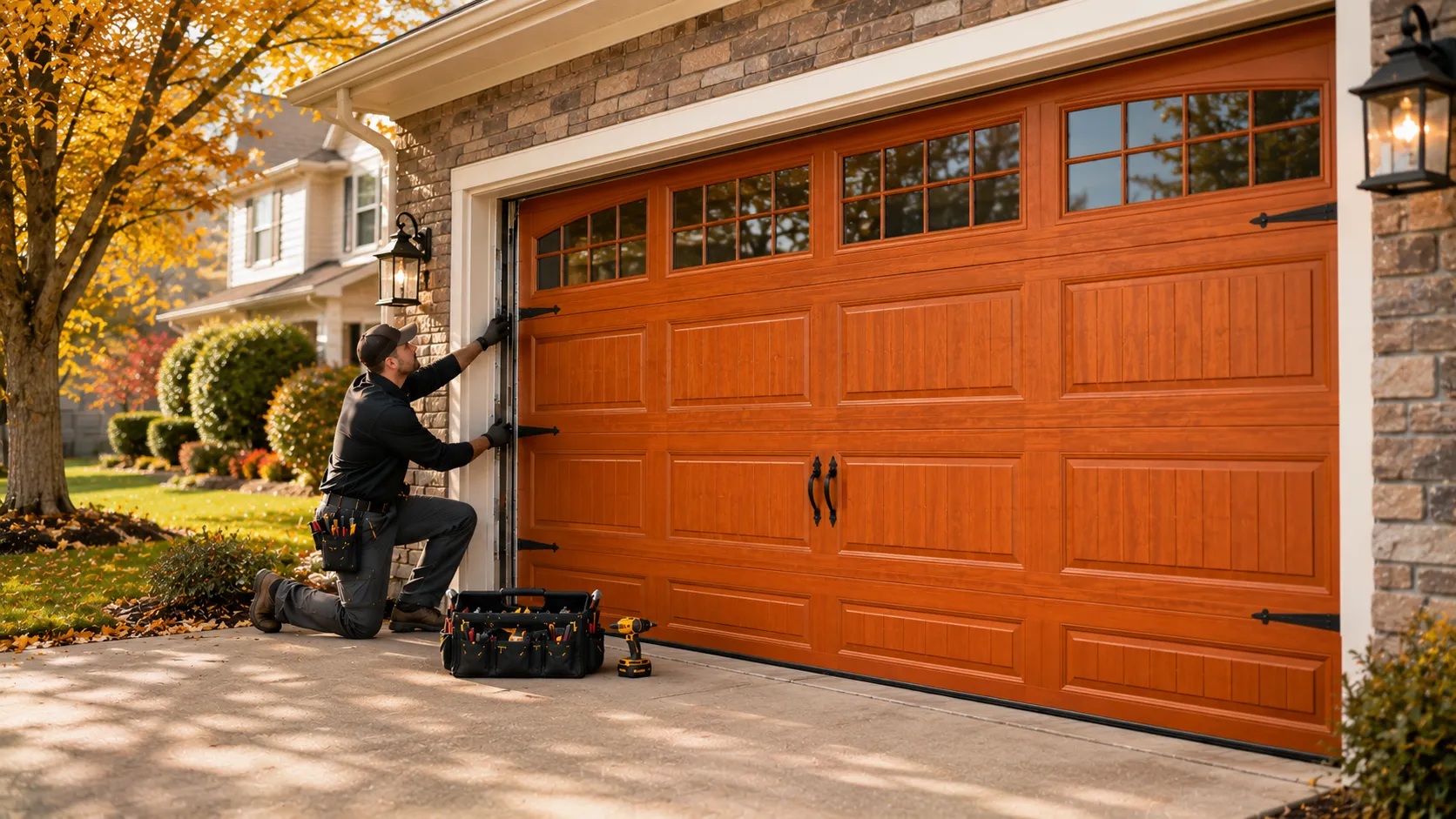
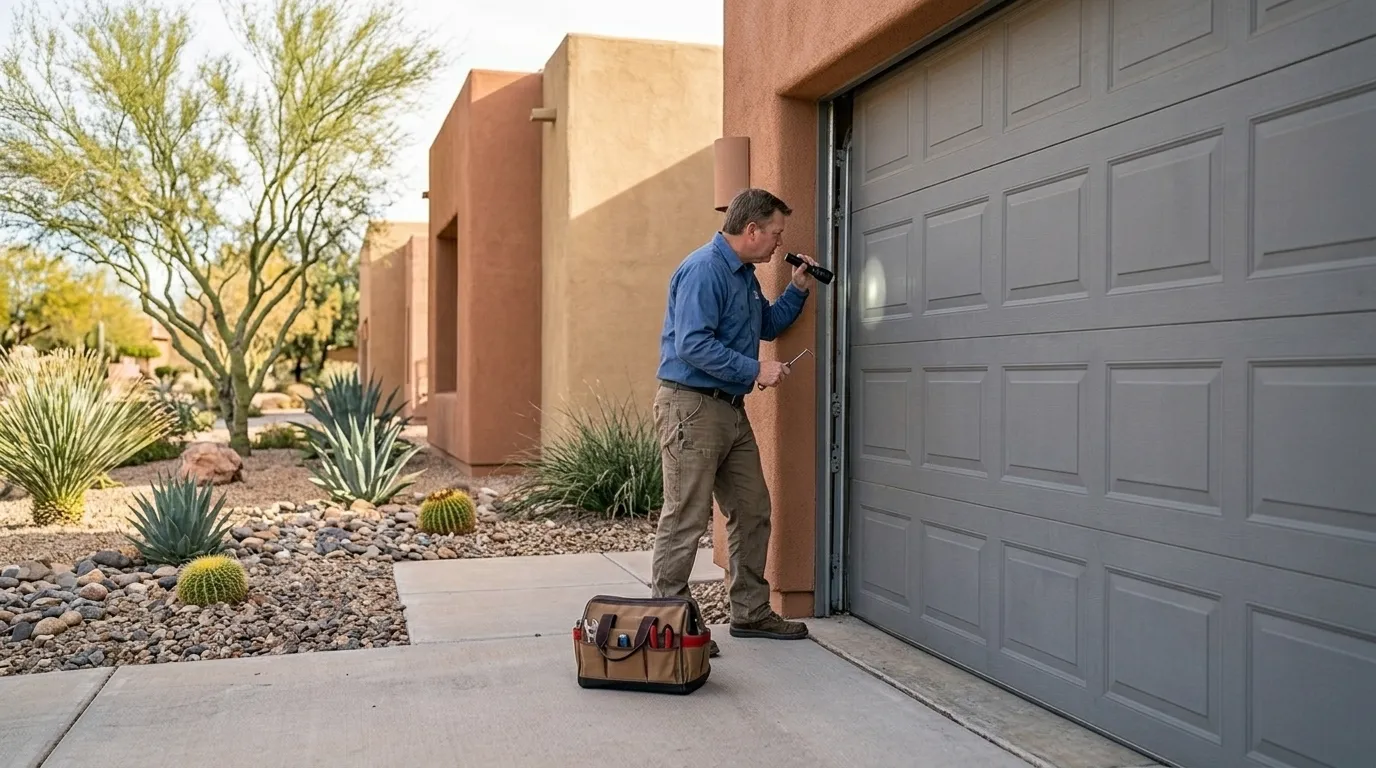
Stone Park's houses mostly went up in 1963, a hair ahead of the median across our whole coverage area, which sits at 1964. That one-year gap doesn't sound like much, but it puts Stone Park squarely in the middle of the same building wave that produced most of the housing stock we work on - a stretch that runs from 1938 to 1994 and skews heavily toward 1960s and 70s construction across the 86 named areas we cover. What that means on the ground: a lot of the doors on this side of town are original-era steel sectional doors, or replacements installed on the same openings and header clearances that were framed in the early 60s. With only 1,203 households in Stone Park, it's a small, dense pocket compared to the 461,017 households across the full service area, but the housing pattern lines up with the broader trend rather than standing apart from it. Garages built in that period were sized for the cars of the day, which means narrower openings and lower headroom than what you'd find in anything built after 2000. That affects what track and spring hardware fits, and it's the first thing we check before quoting a repair or a replacement door.
What That Means for Doors
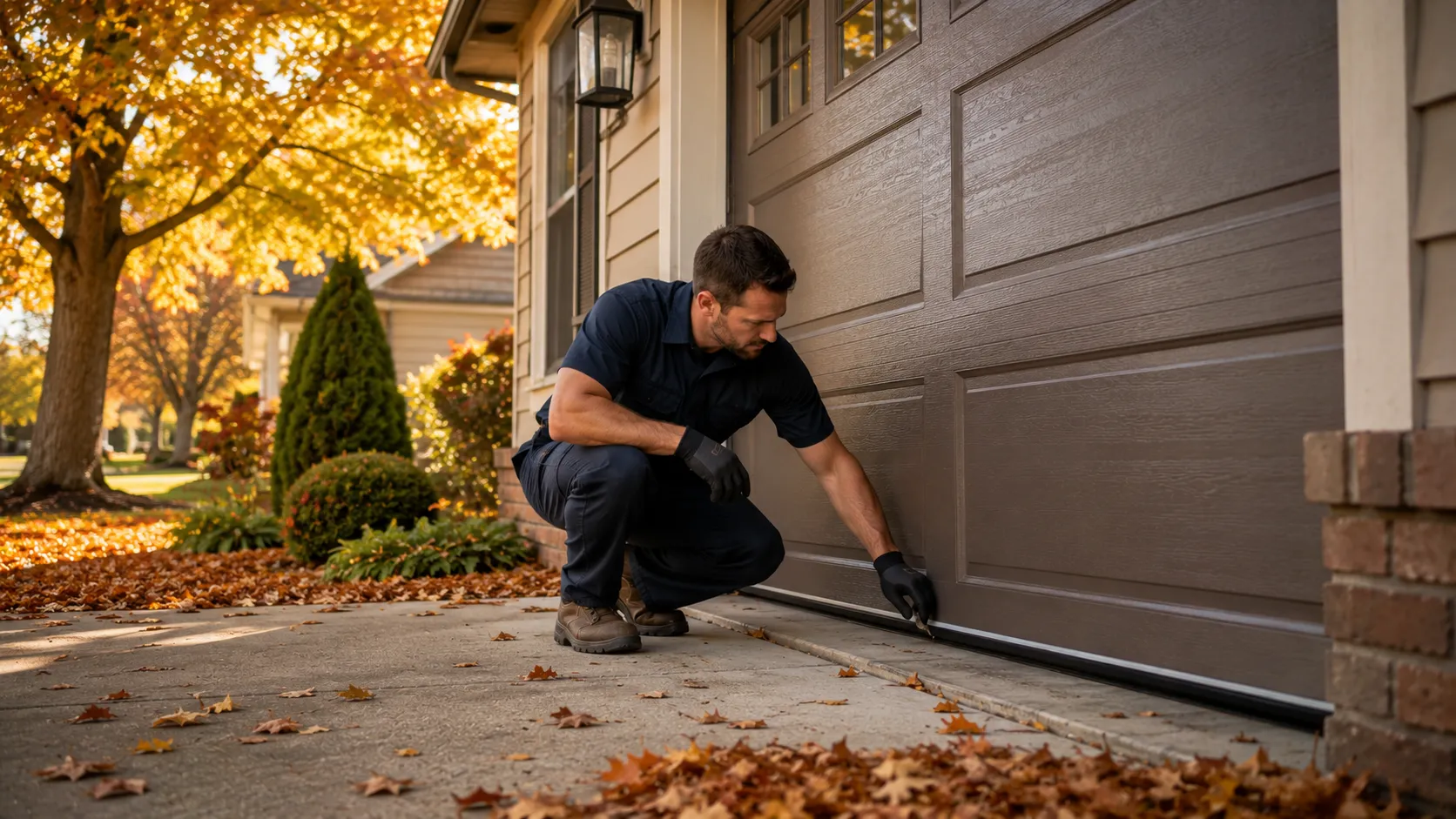
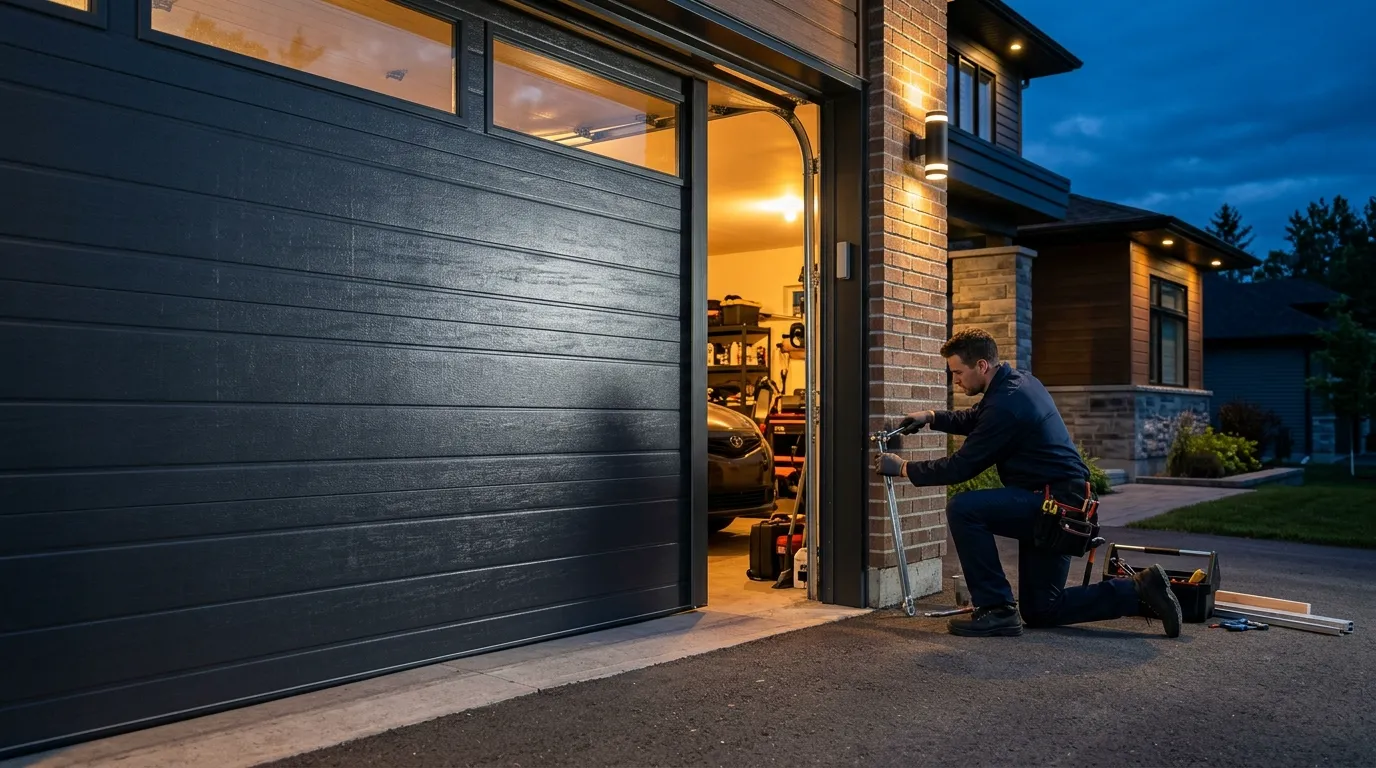
A door installed when a lot of Stone Park's garages were built, around 1963, is likely on its second or third opener by now, even if the door panel itself is original. Torsion springs from that era were often sized for lighter doors than what's sold today, so if a previous owner swapped in a heavier insulated door without upgrading the spring, you get premature spring failure - a common call. Cold-moderate winters add to that: metal contracts, lubrication thickens, and a marginal spring or worn roller that was fine in August starts binding or snapping in January. Median household income in Stone Park runs $75,165, a bit below the $80,202 average across the broader service area, and that context shapes the advice we give - we'll tell you plainly when a repair is the better move versus a full door replacement, rather than defaulting to the bigger job. One limitation worth naming: if a part is obsolete - some of the older track hardware and jamb brackets from this build era aren't stocked new - we may need to source or fabricate a fix, and that can add a day or two versus a same-day swap.
What People Here Ring About
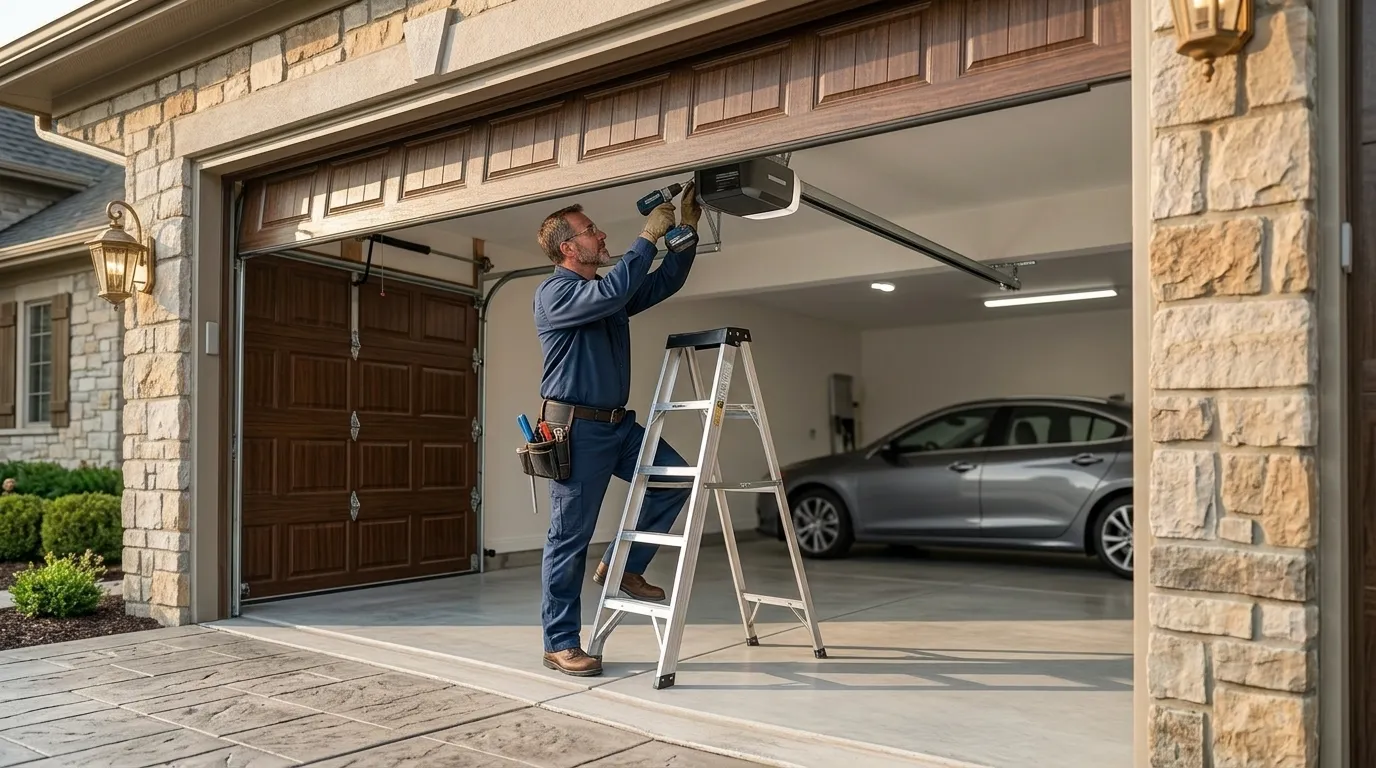
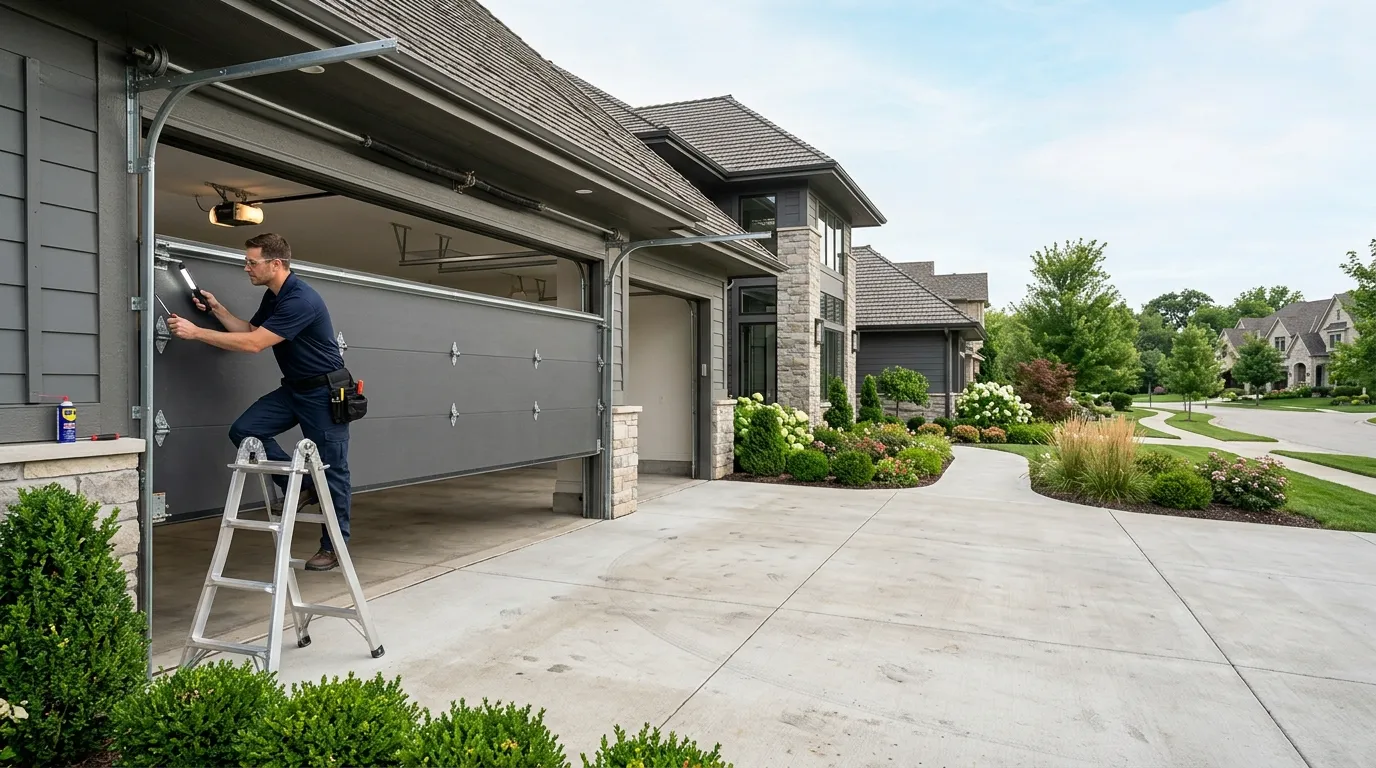
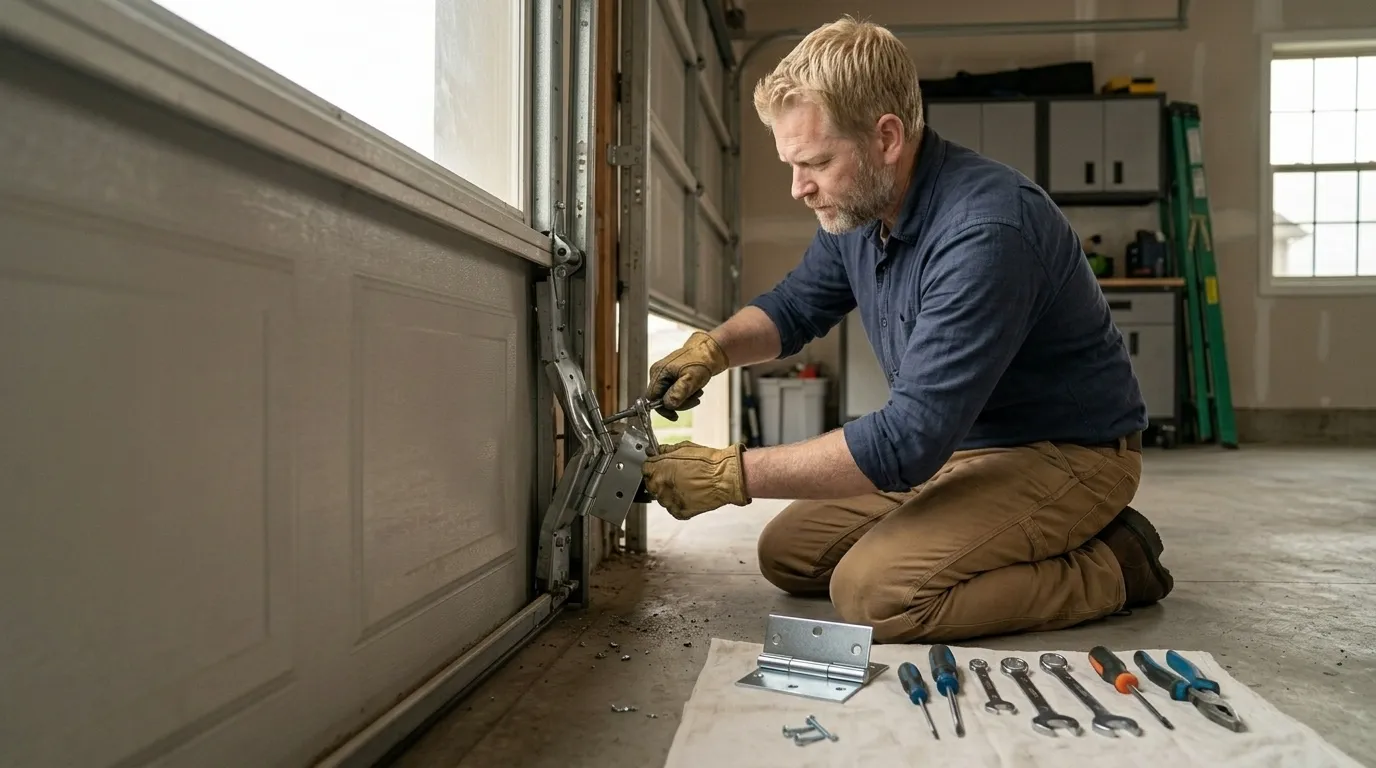
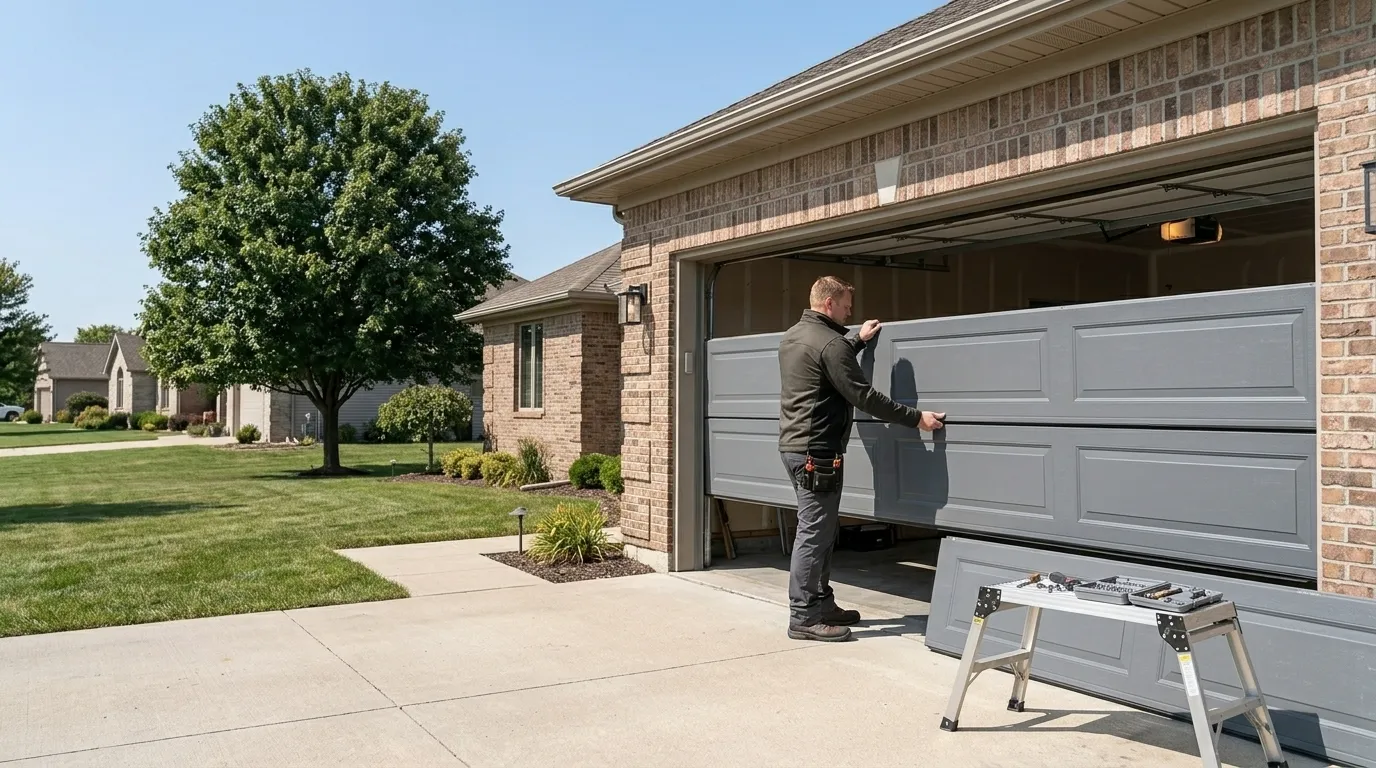
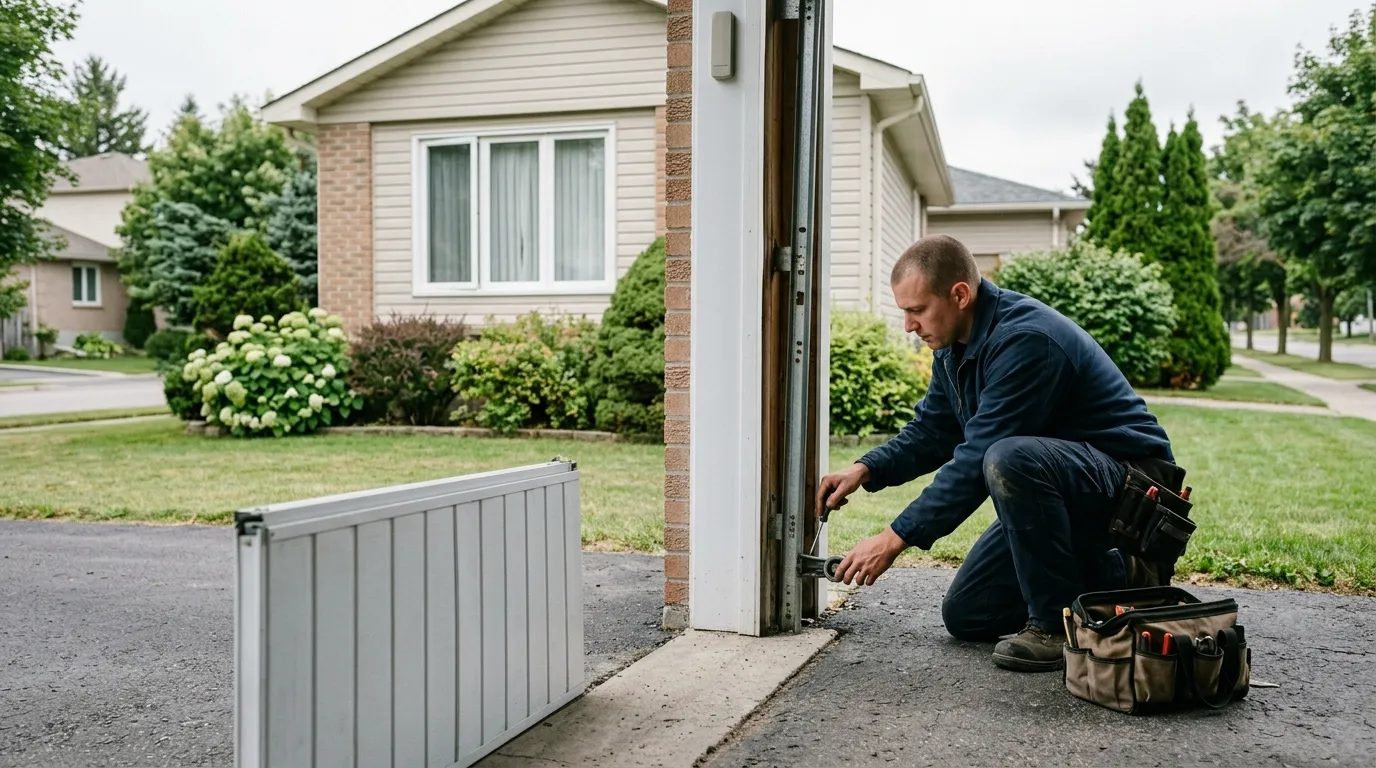
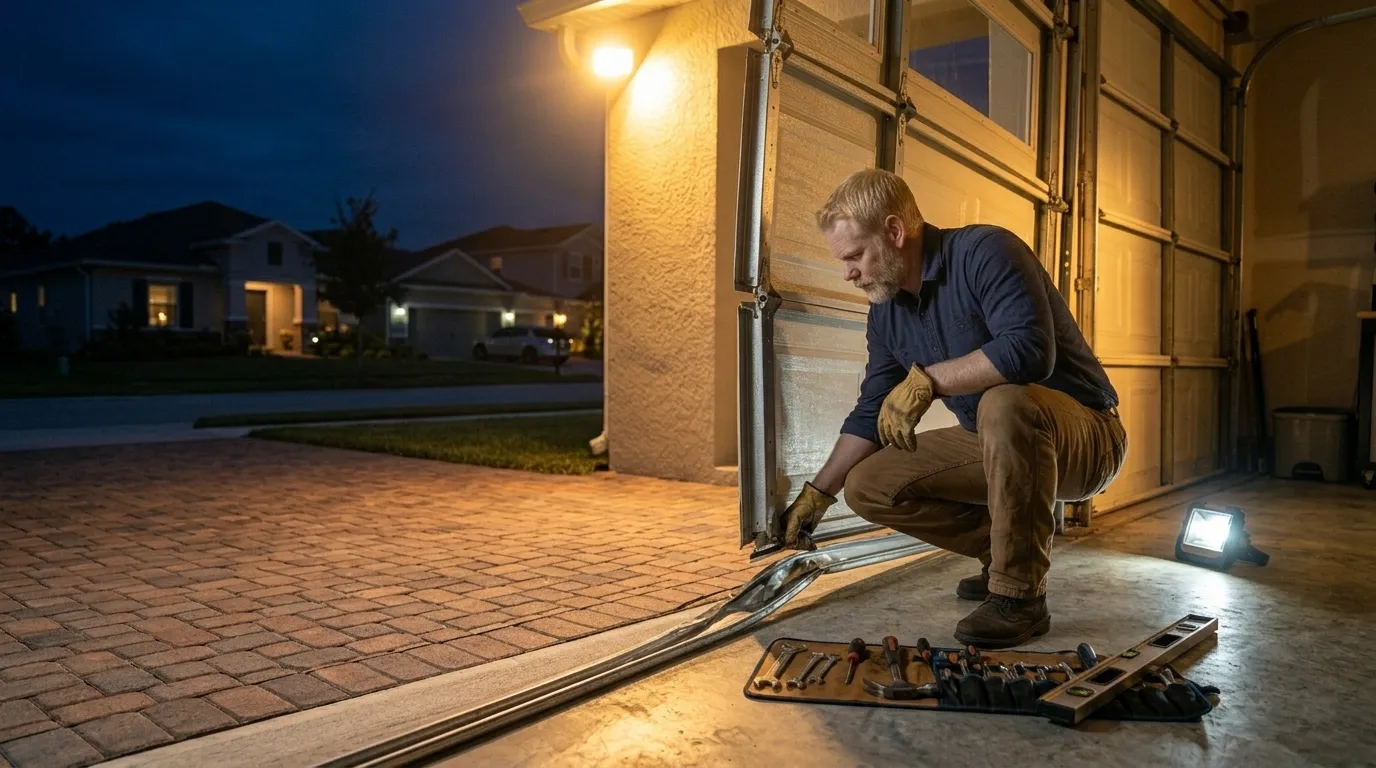
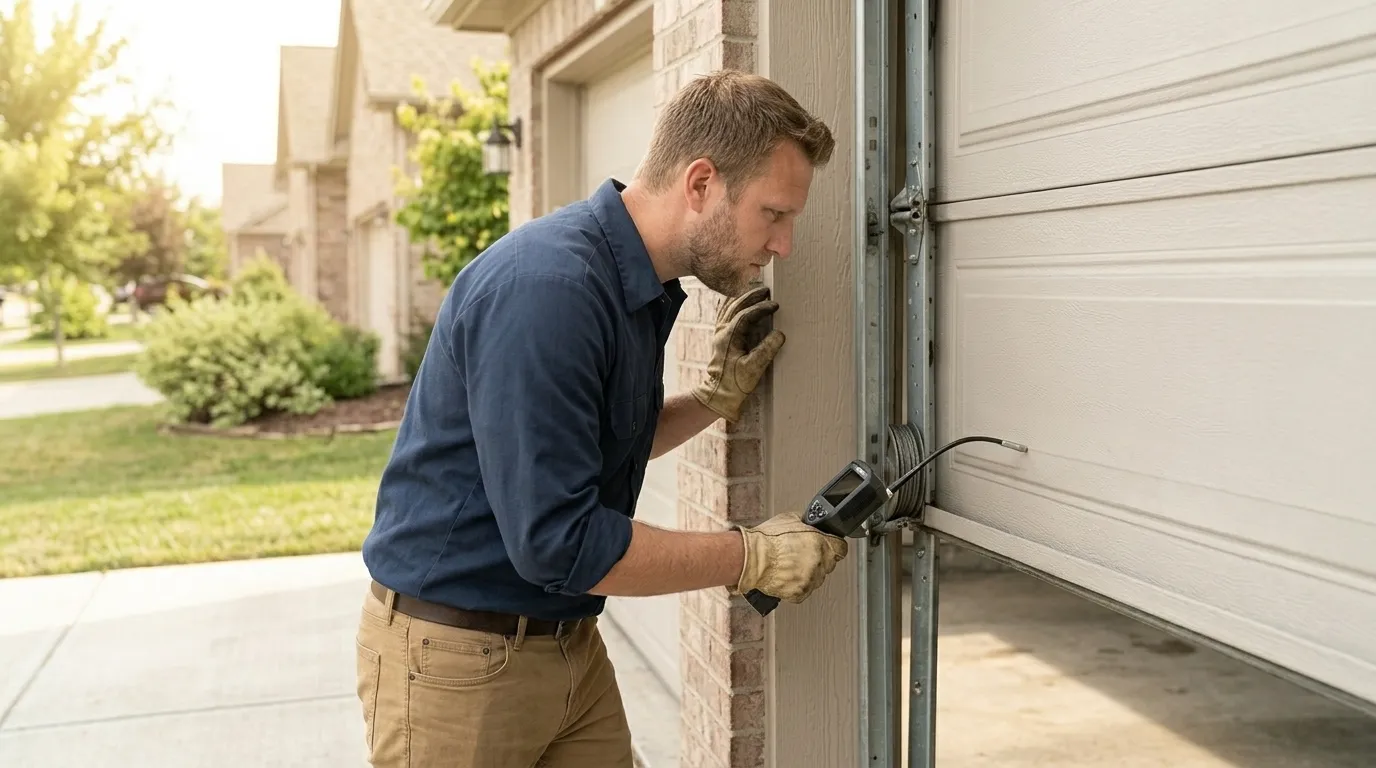
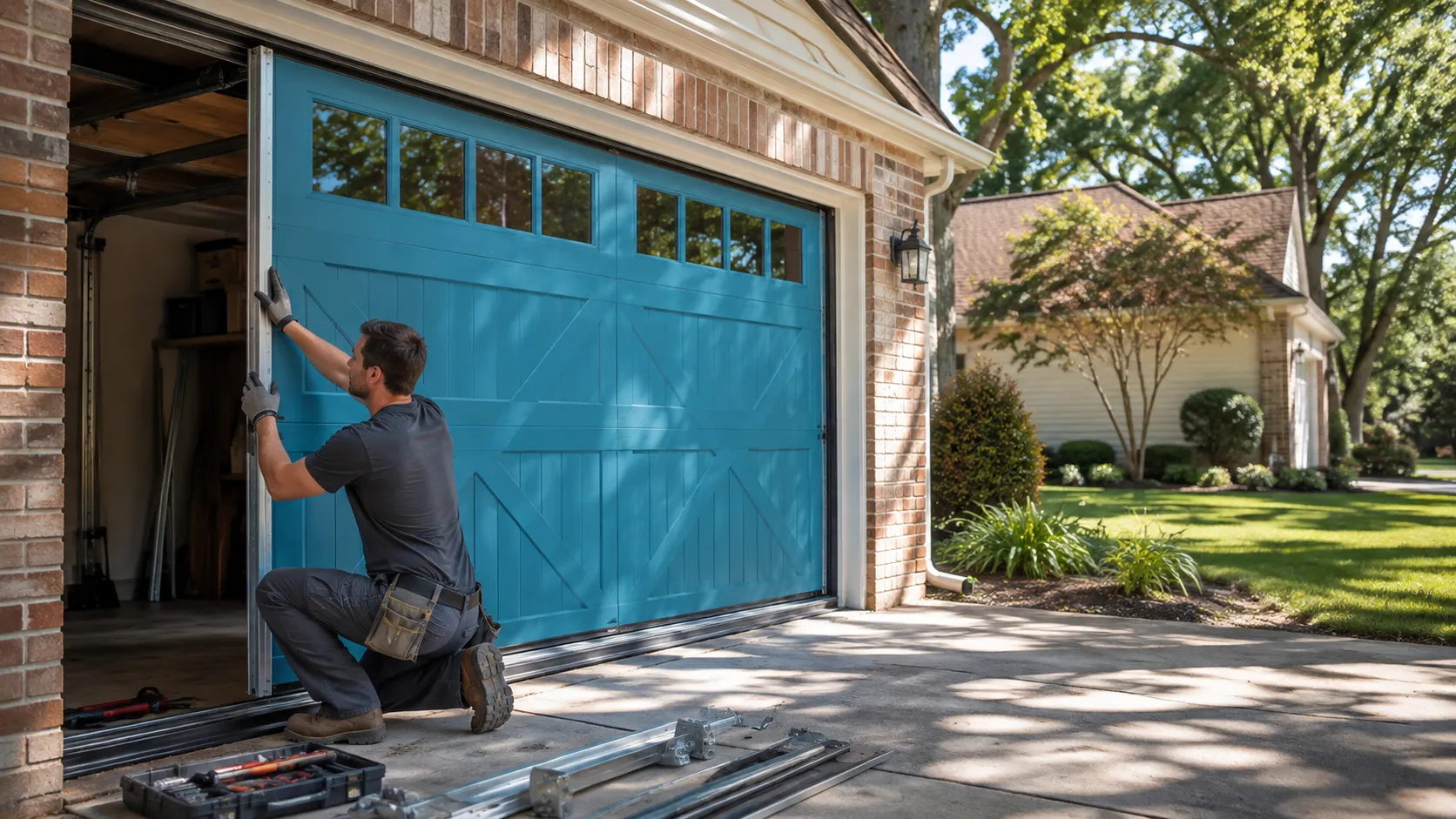
The calls we get from this part of the coverage area follow a pattern tied to the housing age. Broken torsion springs top the list, especially on doors that have never been rebalanced since the original install. Bent or off-track panels come in close behind - narrower, lower openings from the 1963-era garages mean less clearance for error, so a car bumper tap that would just scuff a modern door can knock an older panel off its rollers. Opener failures are common too, since a lot of homes are on their second unit already and the original rail or drive gear wasn't matched to it. We also hear from owners dealing with cable fraying on older drum-style setups, which isn't something you fix by tightening - it needs a full cable replacement, done right, both sides. We'll walk you through what we're seeing before we start work, and if a repair isn't worth the money against a full replacement, we'll say so.