This Area's Housing
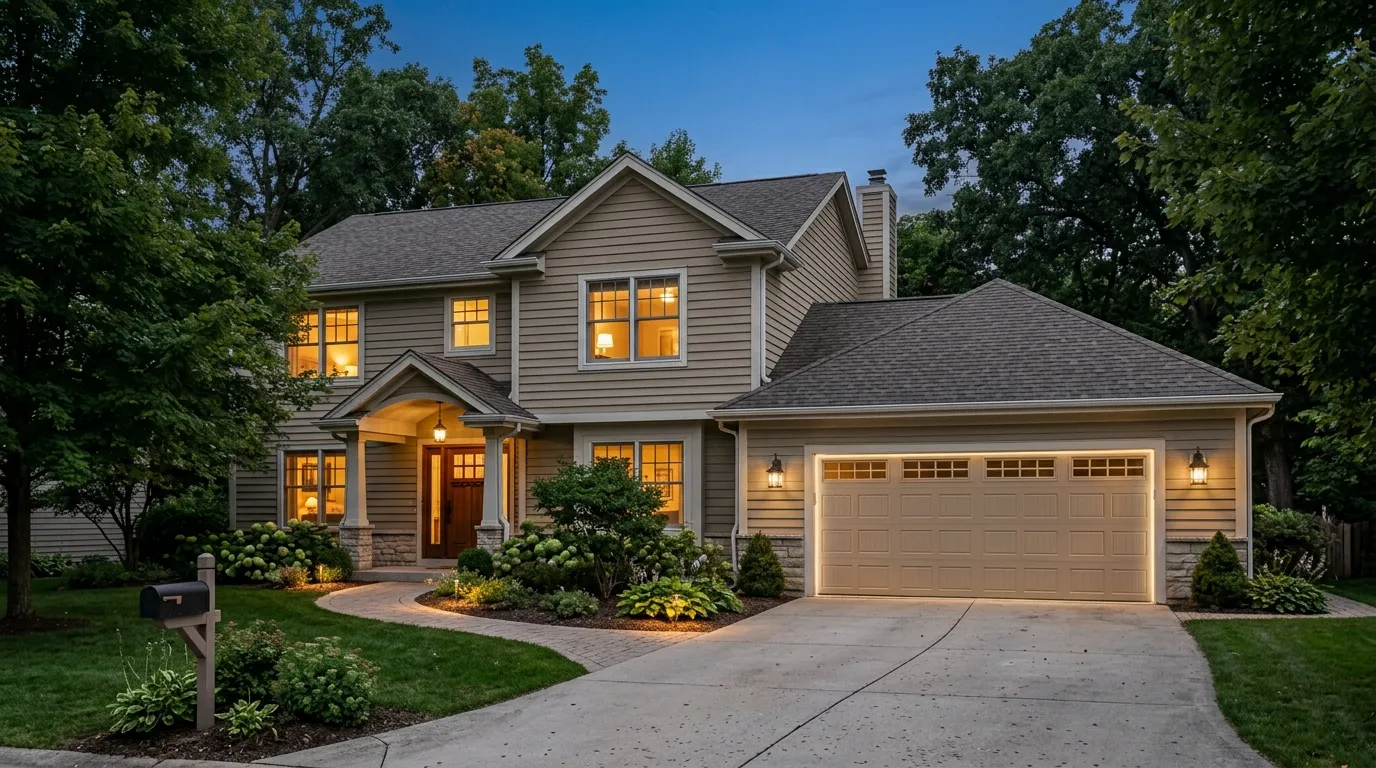
Summit's houses mostly went up around 1958, a few years ahead of the median across our whole service area, which sits closer to 1964. That gap matters more than it sounds. Garages built in the late 1950s were framed for narrower single-car doors and fitted with torsion hardware that predates a lot of the standardized parts on shelves today. Across the wider area we cover - 461,017 households, with about 223,261 of those in owner-occupied houses - you'll find pockets built as early as 1938 and as late as 1994, but Summit sits on the older end of that spread. With 3,617 households in Summit itself, this isn't a huge town, and it isn't a new one either. The original springs on a lot of these garages have already been replaced once, sometimes twice, and the second or third owner often has no idea what hardware is actually up there until a cable frays or a spring lets go. Median household income here runs $60,417, noticeably below the broader area's $80,202, which tends to push people toward repair over full replacement when a fix is realistic.
What That Means for Doors
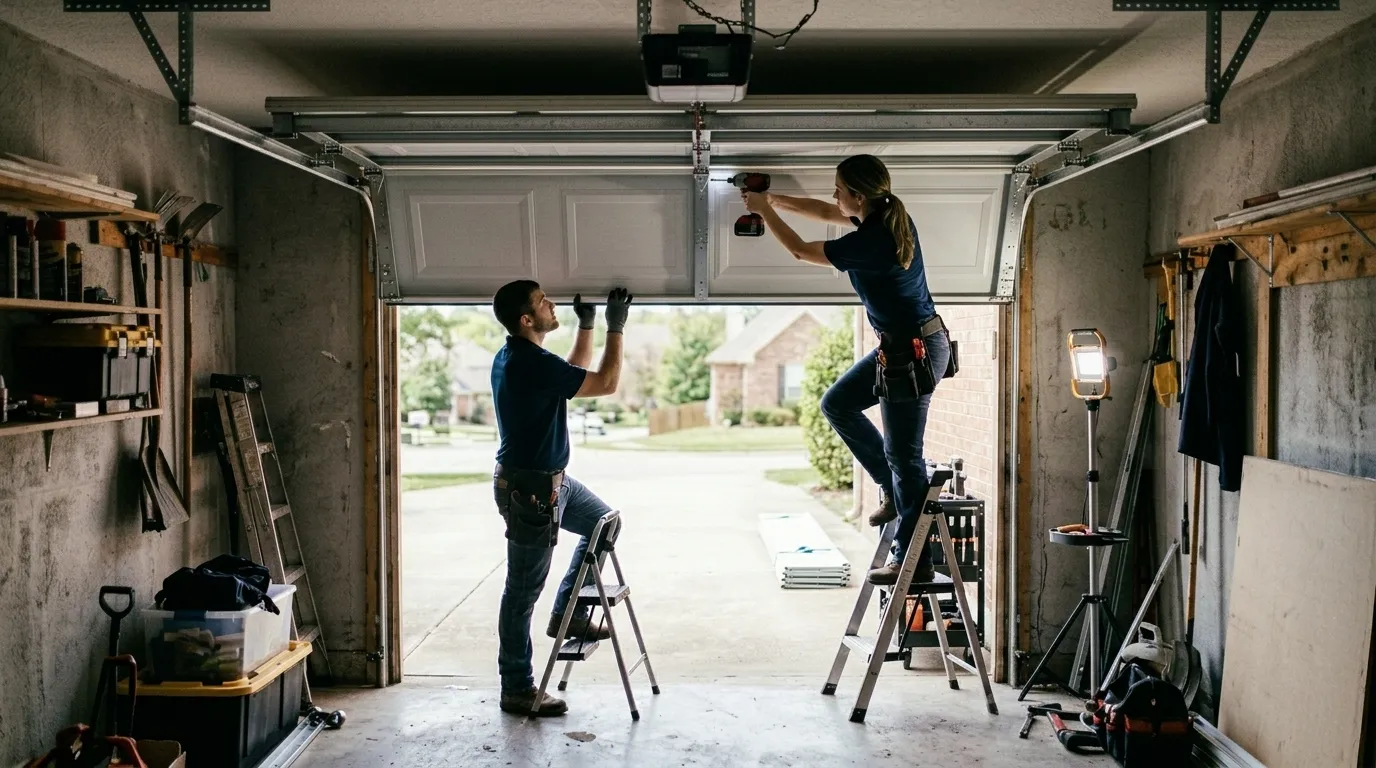
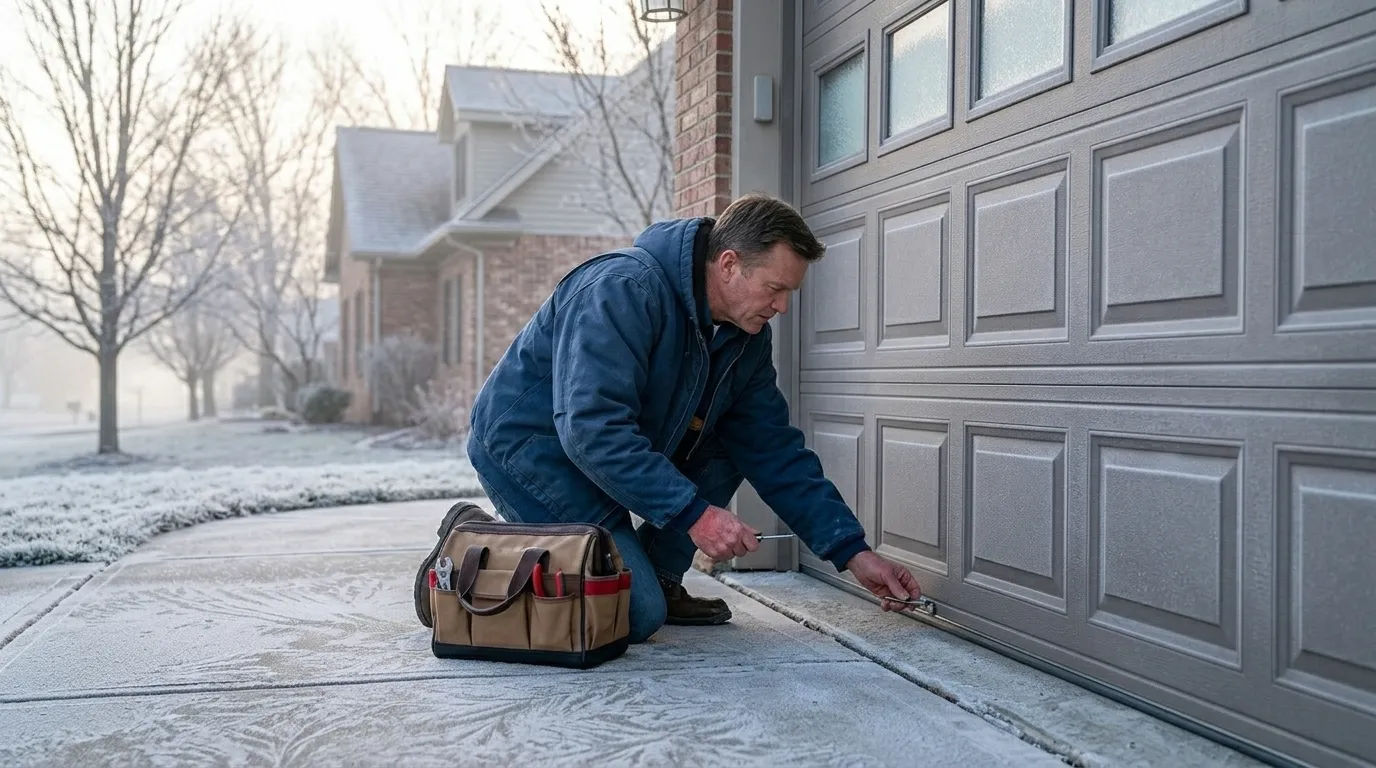
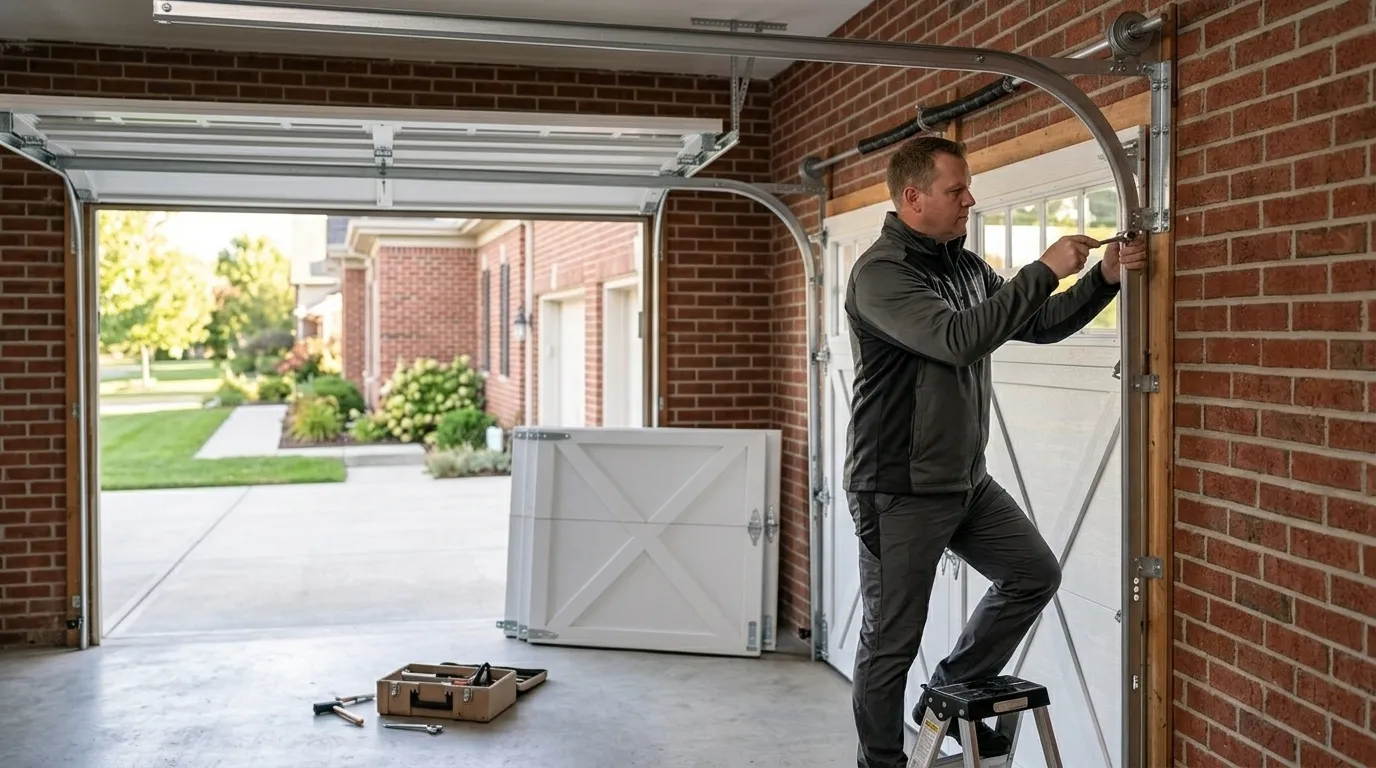
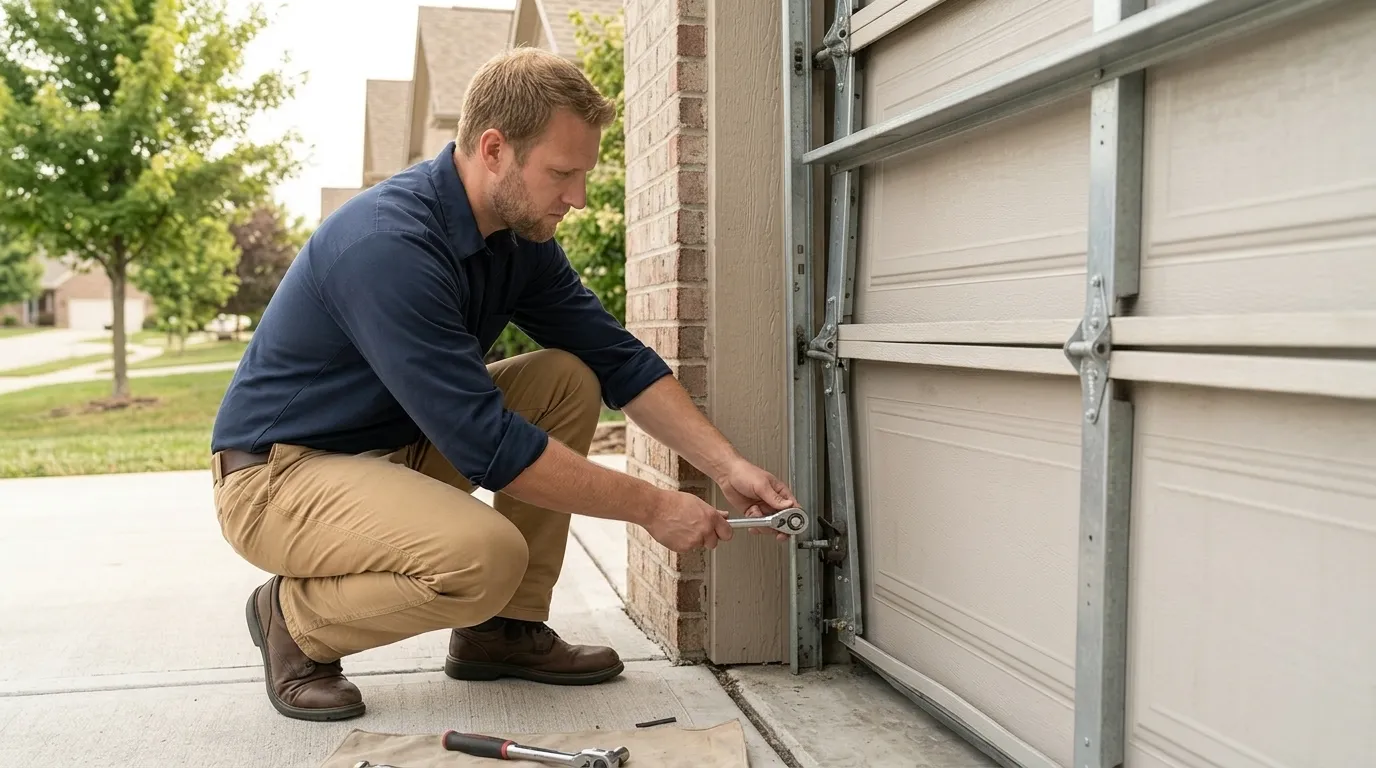
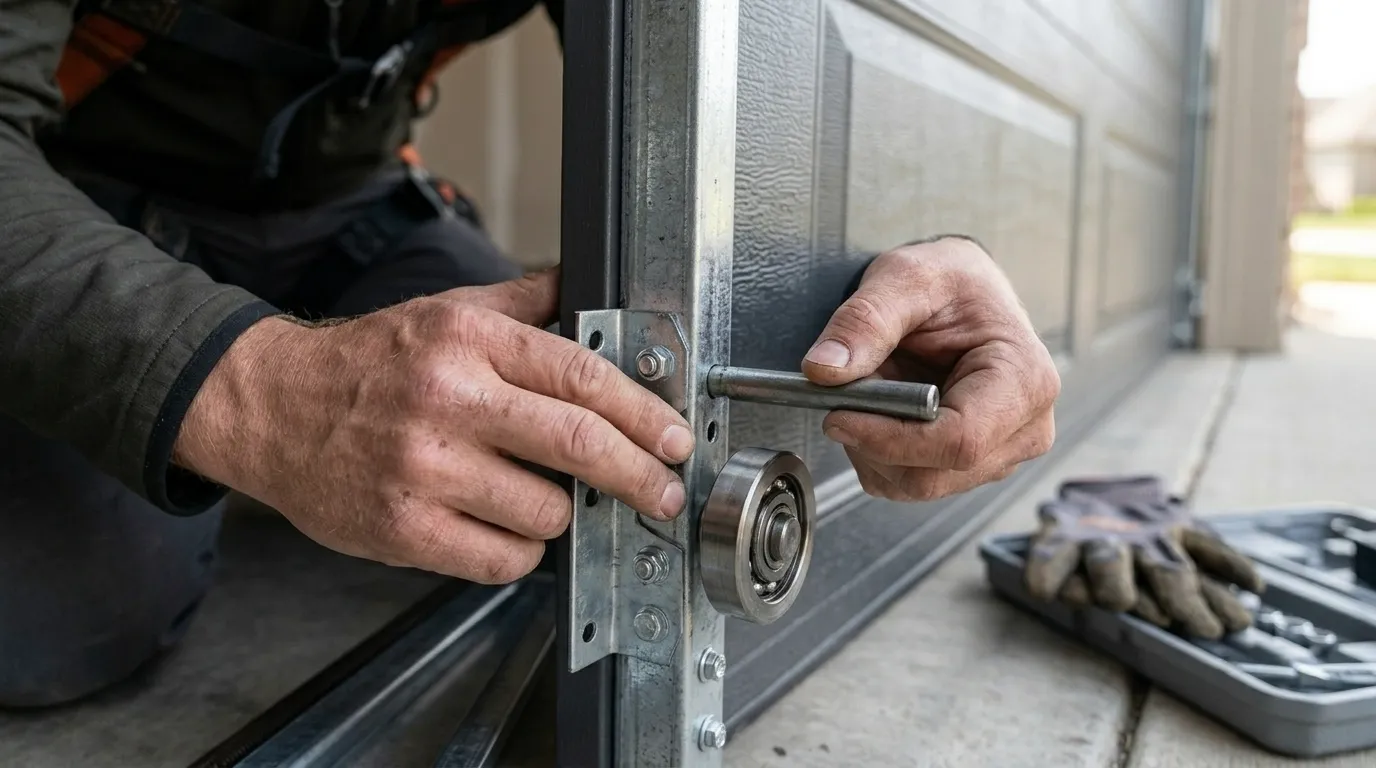
A door built for a 1958 opening is often narrower than what you'd expect on a newer build, and the torsion tube, drums, and end bearing plates from that era don't always match parts pulled off a shelf for a 2005 garage. If your door has been replaced but the original tracks or header bracket weren't swapped with it, you can end up with a modern panel hung on hardware that's fighting its geometry - that shows up as a door that binds partway up or a roller that jumps the track on cold mornings. Cold matters here too. This is a cold-moderate climate zone, and steel torsion springs lose a little tension as temperatures drop, which is exactly when an already-tired 1958-era spring finally lets go. One honest limitation: if your opener or spring setup predates the mid-1990s and parts for it are genuinely obsolete, replacing the unit is usually cheaper and more reliable than us chasing down a match - we'll tell you that straight rather than bill hours hunting for a discontinued part.
What People Here Ring About
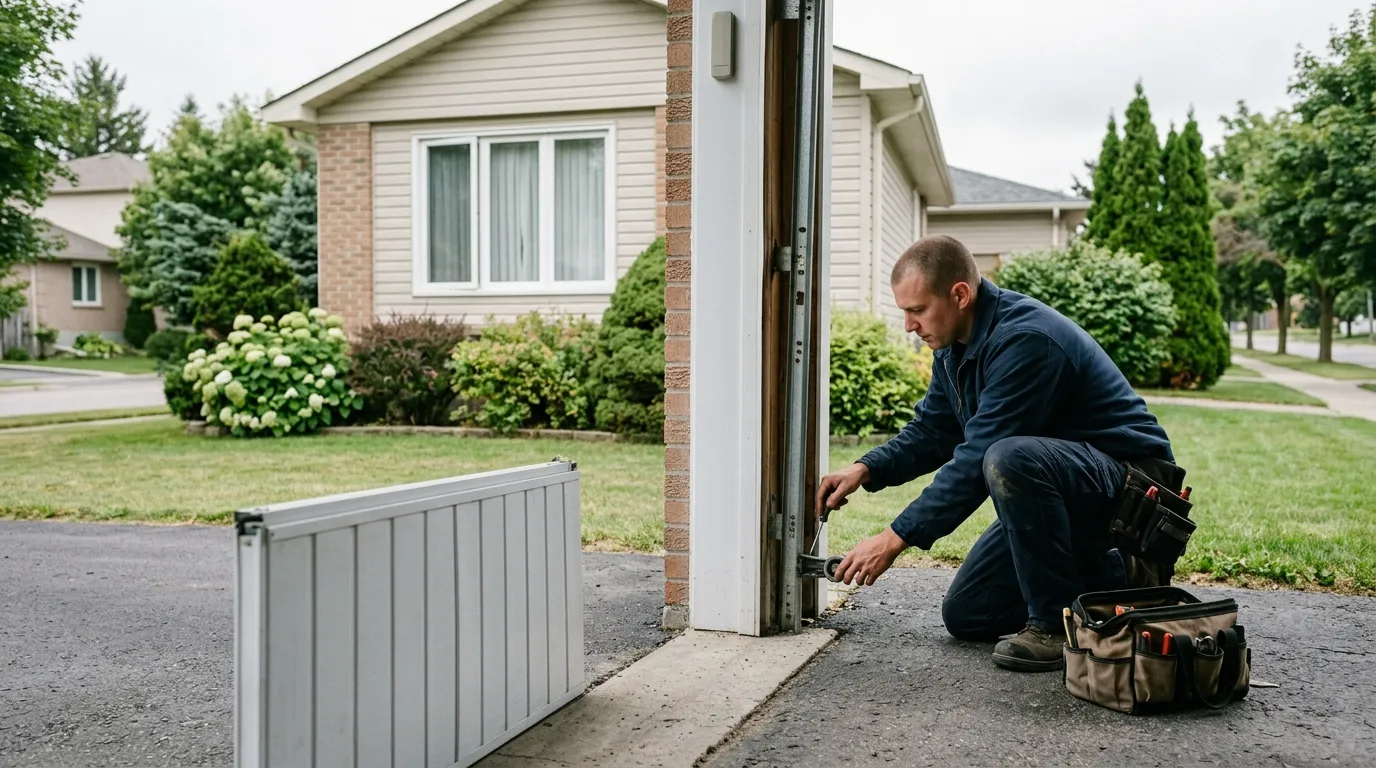
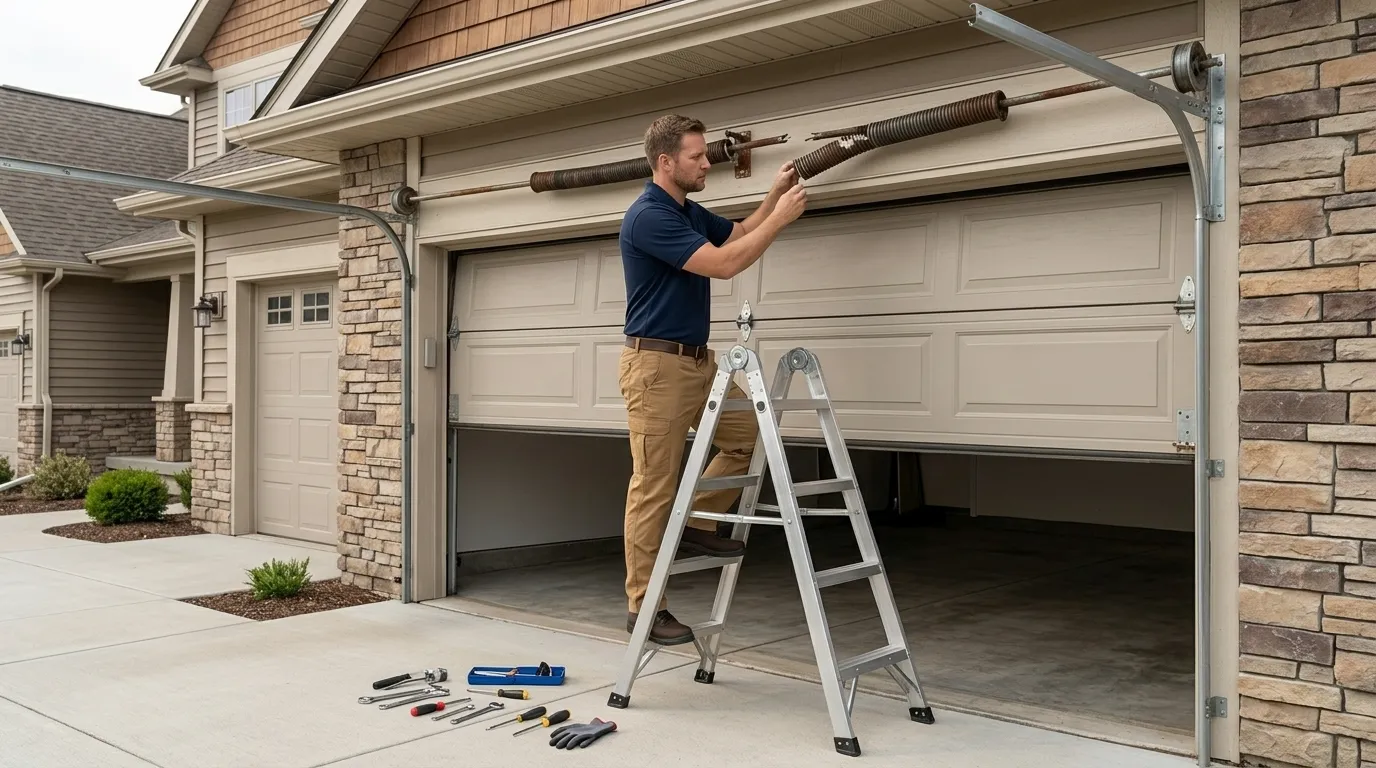
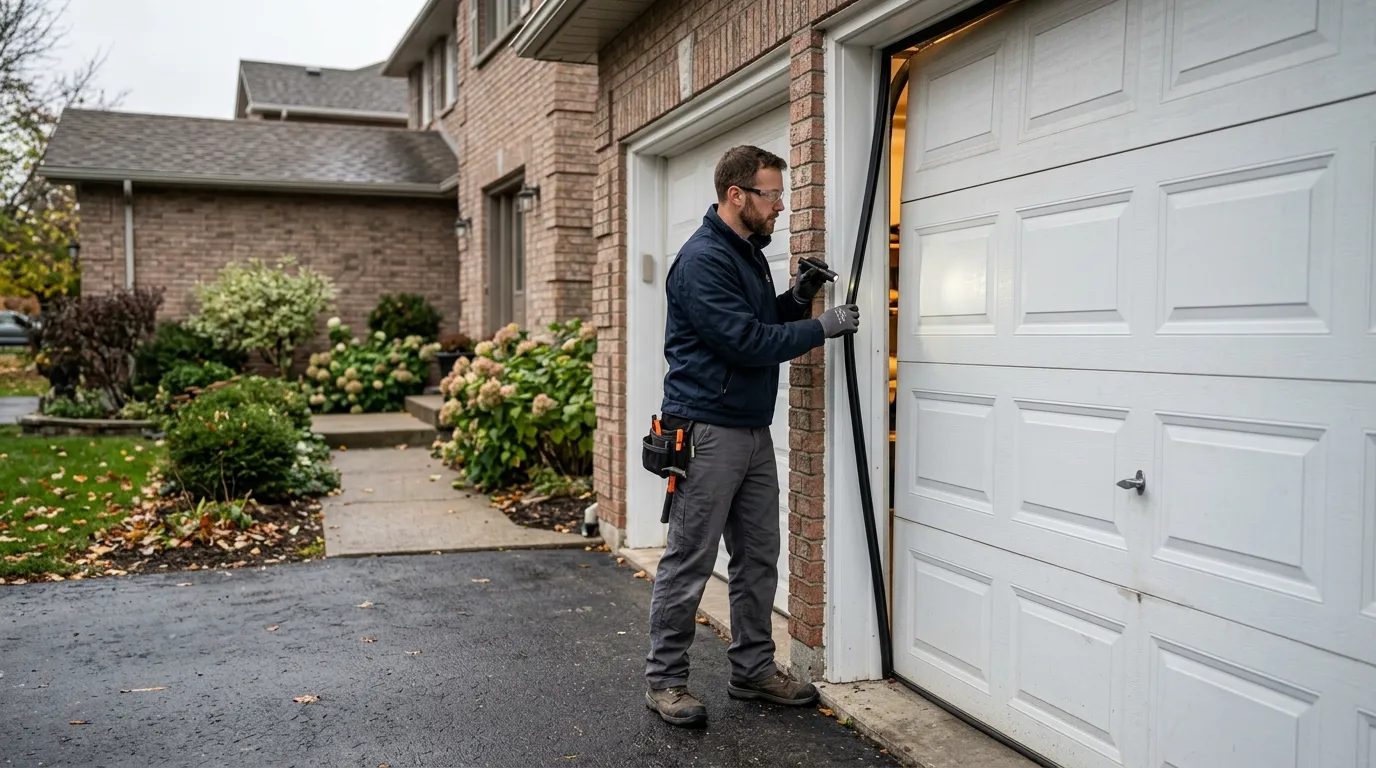
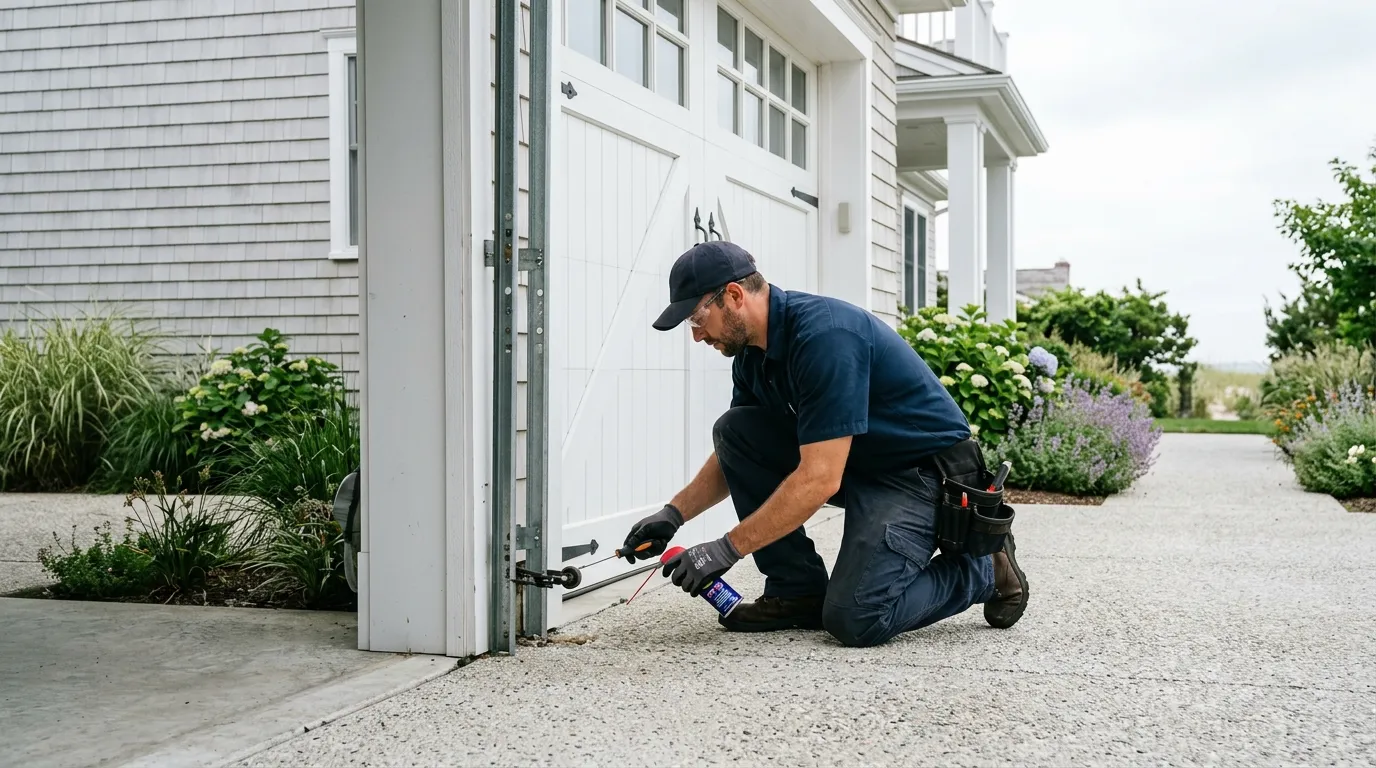
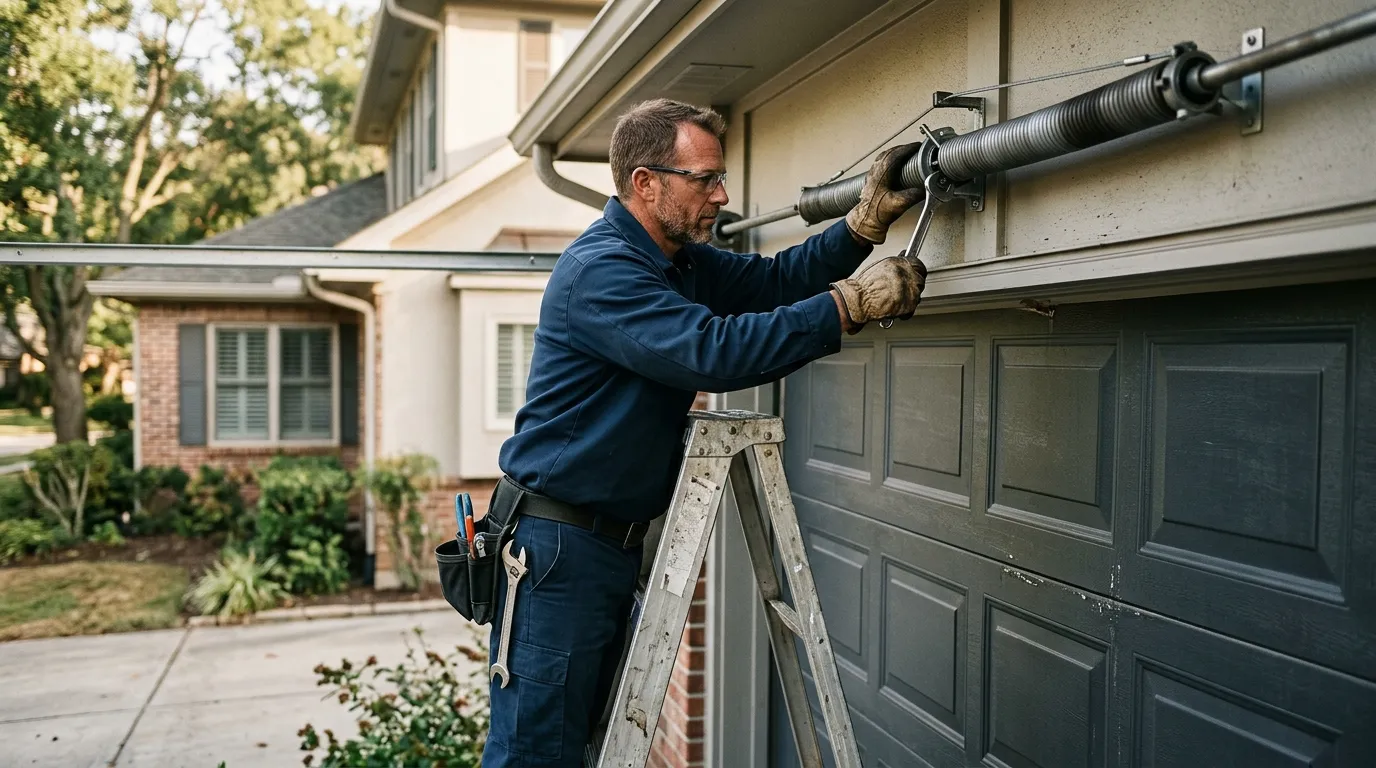
Broken torsion springs are the most common call from Summit's older housing stock, especially on doors that have never been serviced. Second on the list is worn rollers and cable fraying, since a lot of these garages still run on the original drums decades after they were installed. We also get calls about openers that grind or stall on cold mornings - a cold-moderate winter puts real strain on aging motors, and it's often the first sign that the whole unit, not just a part, needs attention. Panel dents and rot near the bottom section come up too, more on detached garages than attached ones, which tracks with how a lot of these lots were laid out originally.