24/7 Emergency Service Open 7 days · 7am–8pm Serving Chicago, IL & nearby
(708) 630-7529
Chicago, IL

Garage Door Help for Thornton, IL Homeowners

Garage door repair for Thornton, IL homes built around 1957. We travel from Chicago to fix springs, openers, and panels suited to this area's older housing stock.

Garage Door Help for Thornton, IL Homeowners
Chicago, IL
Licensed & insured
Free estimates
Residential & commercial

This Area's Housing

Thornton's housing stock centers on 1957, which puts it right in the middle of the broader service area's 1938 to 1994 build window but a few years ahead of the overall median of 1964. That matters because a house built in the late 1950s usually got a garage door and opener setup that's gone through at least two or three replacement cycles by now, and whatever's on there today is a mix of decades - original framing with newer hardware bolted onto it, or a newer door hung on an old jamb that was never square to begin with.

With about 790 households in Thornton, this isn't a market with dense new construction resetting the average. Most of the doors we'd see here are working with openings and track spacing that were standard in the late 50s, which is narrower and shorter than what a lot of current steel doors are built for off the shelf. That's not a defect, it's just the age of the neighborhood, and it means measurements matter more here than they would on a new subdivision garage.

Getting Here

Thornton sits about 18 miles from Chicago, and we come out from the city rather than running a depot in town. That distance is worth being upfront about: it's not a five-minute call, and if you need someone on your driveway in the next twenty minutes, we're not that. What we can do is schedule the drive and show up with the parts a 1957-era door setup is actually likely to need, instead of guessing.

We'd rather tell you the honest travel time than promise something we can't back up. If a job is urgent - a spring gone on a door that won't budge, a car stuck inside - factor the drive into your plan and call early in the day when you can.

What That Means for Doors

A door and opener installed on a 1957-built garage has usually been through at least one full swap already, and often the track brackets or the header framing are older than the door itself. That mismatch is where a lot of the trouble starts - a newer door hung on old jamb hardware that's shifted slightly over sixty-plus years, or an opener mounted to framing that was never meant to carry a heavier insulated panel.

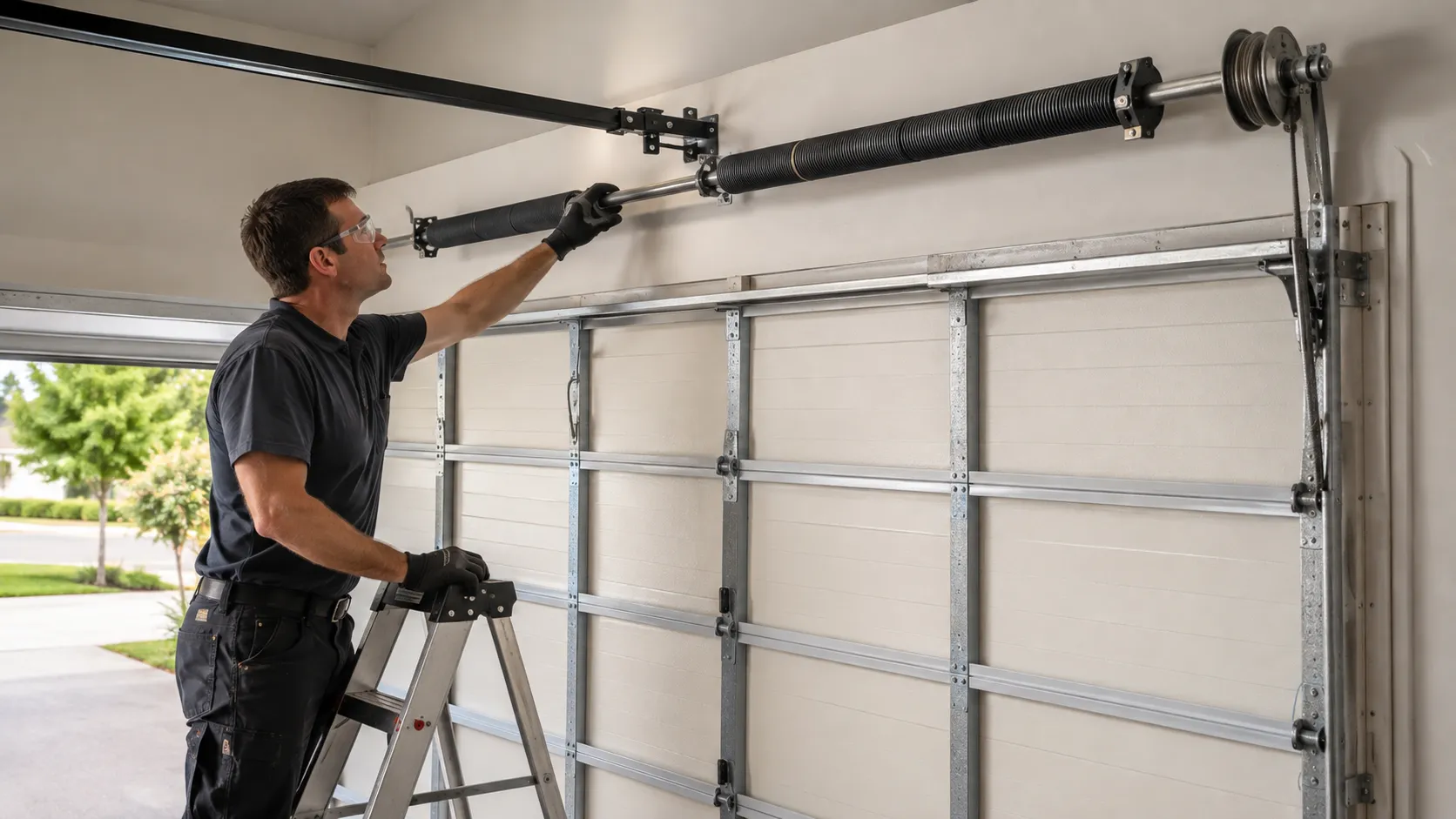
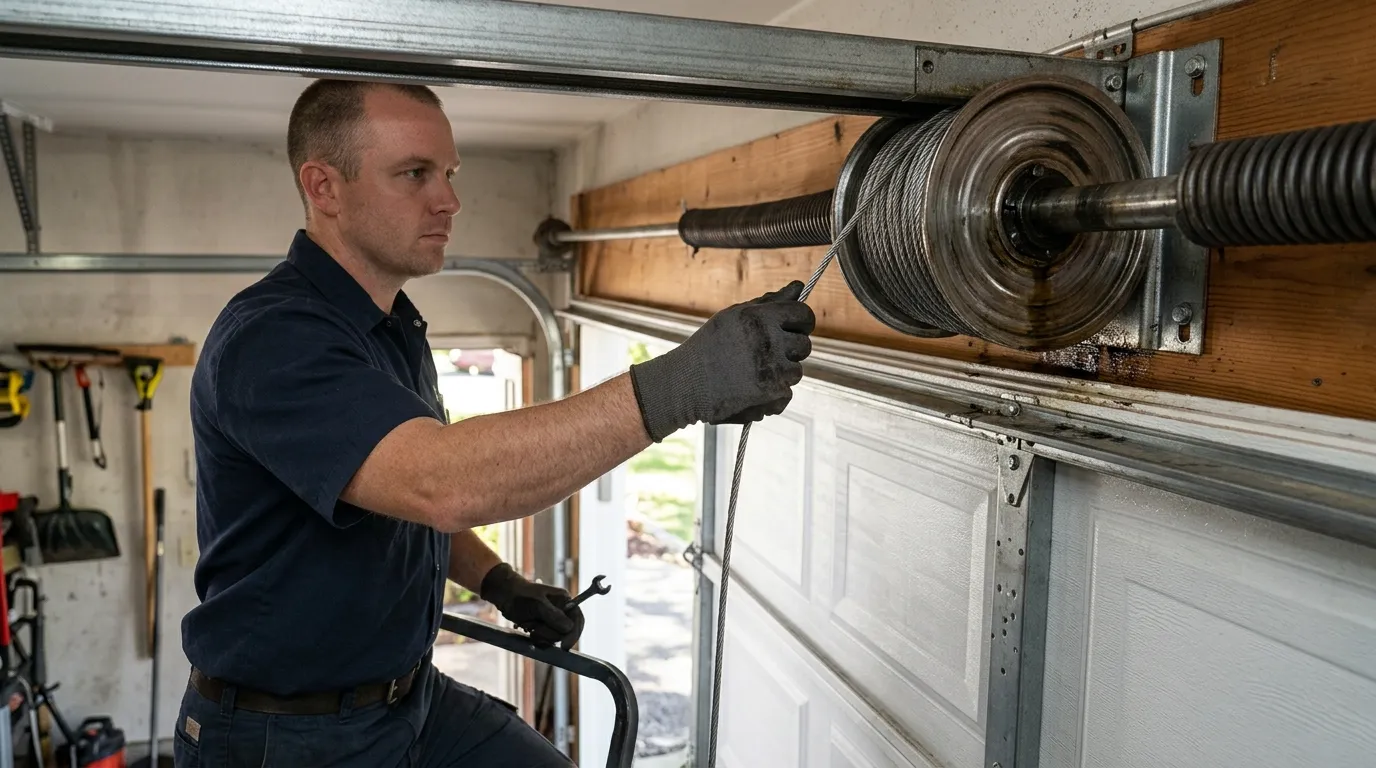
The area sits in a cold climate zone, moderate but real, and that combination with older, often less-insulated garage structures tends to show up as stiff or slow-closing doors in winter, condensation on steel panels, and springs that lose tension faster from the temperature swings than they would in a milder climate. Torsion springs on houses this age are frequently undersized for anything heavier than the original lightweight door, so if a homeowner has upgraded to an insulated steel door without upgrading the spring, that's often the first thing to fail. We check spring sizing against the door weight before we do anything else on an older setup like this.

What People Here Ring About

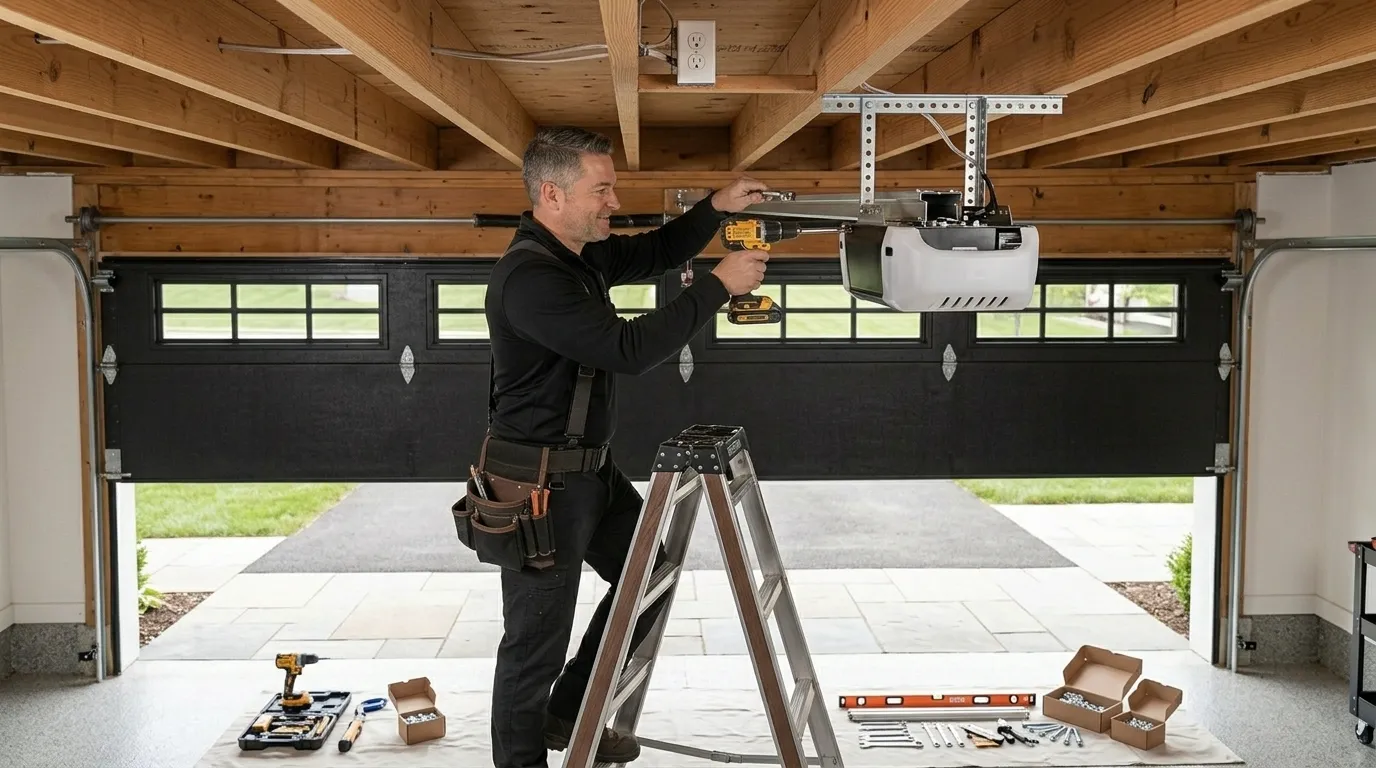
Most calls we get from this part of the service area are about broken torsion springs - not surprising given how many doors here are running hardware sized for a lighter, older panel. Openers are the other common one: a chain-drive unit installed decades ago finally giving out, or a newer opener struggling against an old, heavy wood door it was never matched to.

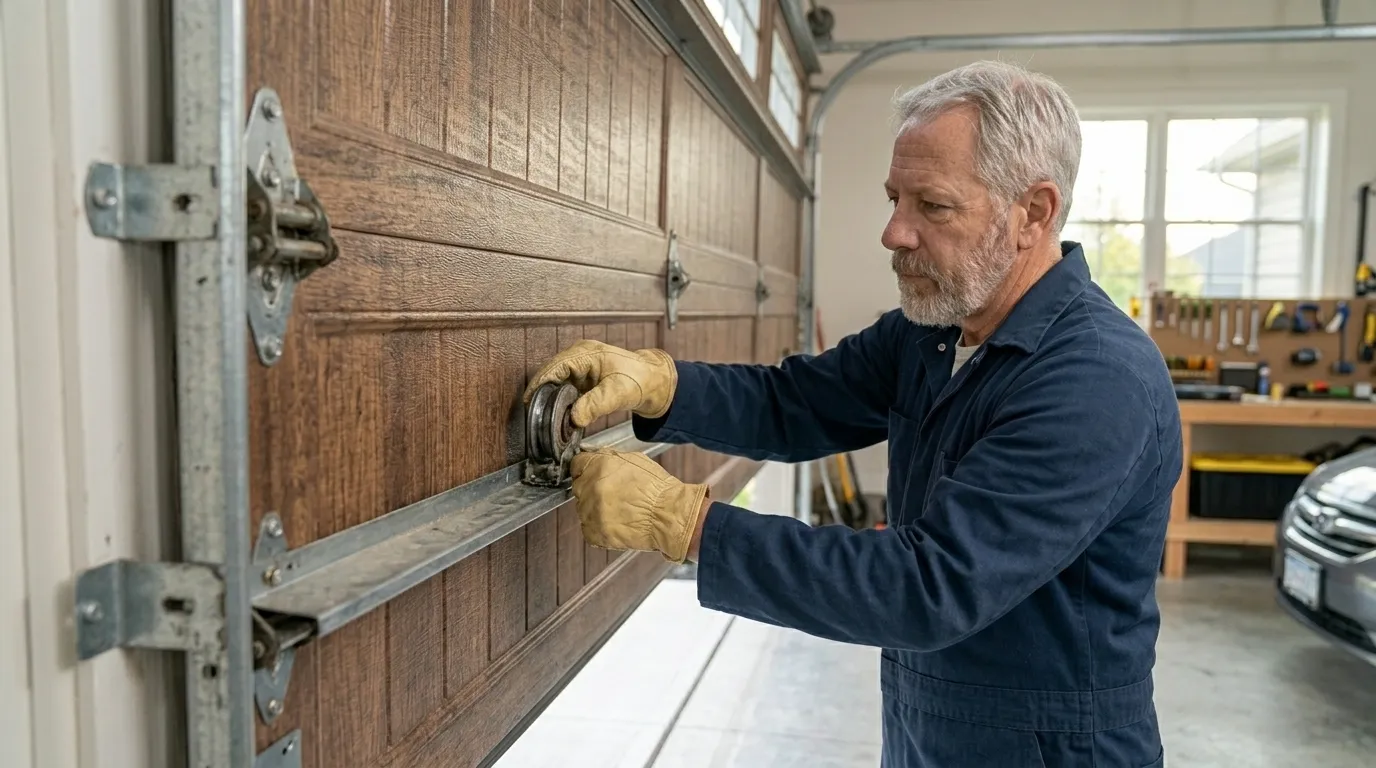
Cold-weather symptoms come up too - a door that binds on the track in January but runs fine by June usually points to worn rollers or a track that's shifted slightly out of alignment, both of which get worse with age and temperature swings. We also get calls where the honest answer is that a door built for a 1950s opening isn't worth patching anymore, and replacing it with something sized right is the better move. We'll say so when that's the case instead of running up a repair bill on a door that's done.
How it works

From “it’s stuck” to “it’s fixed”

1
Tell us what’s wrong - Chicago garage door service

Tell us what’s wrong

Describe the symptom - won’t open, loud bang, opener runs but the door won’t move.

2
On-site diagnosis - Chicago garage door service

On-site diagnosis

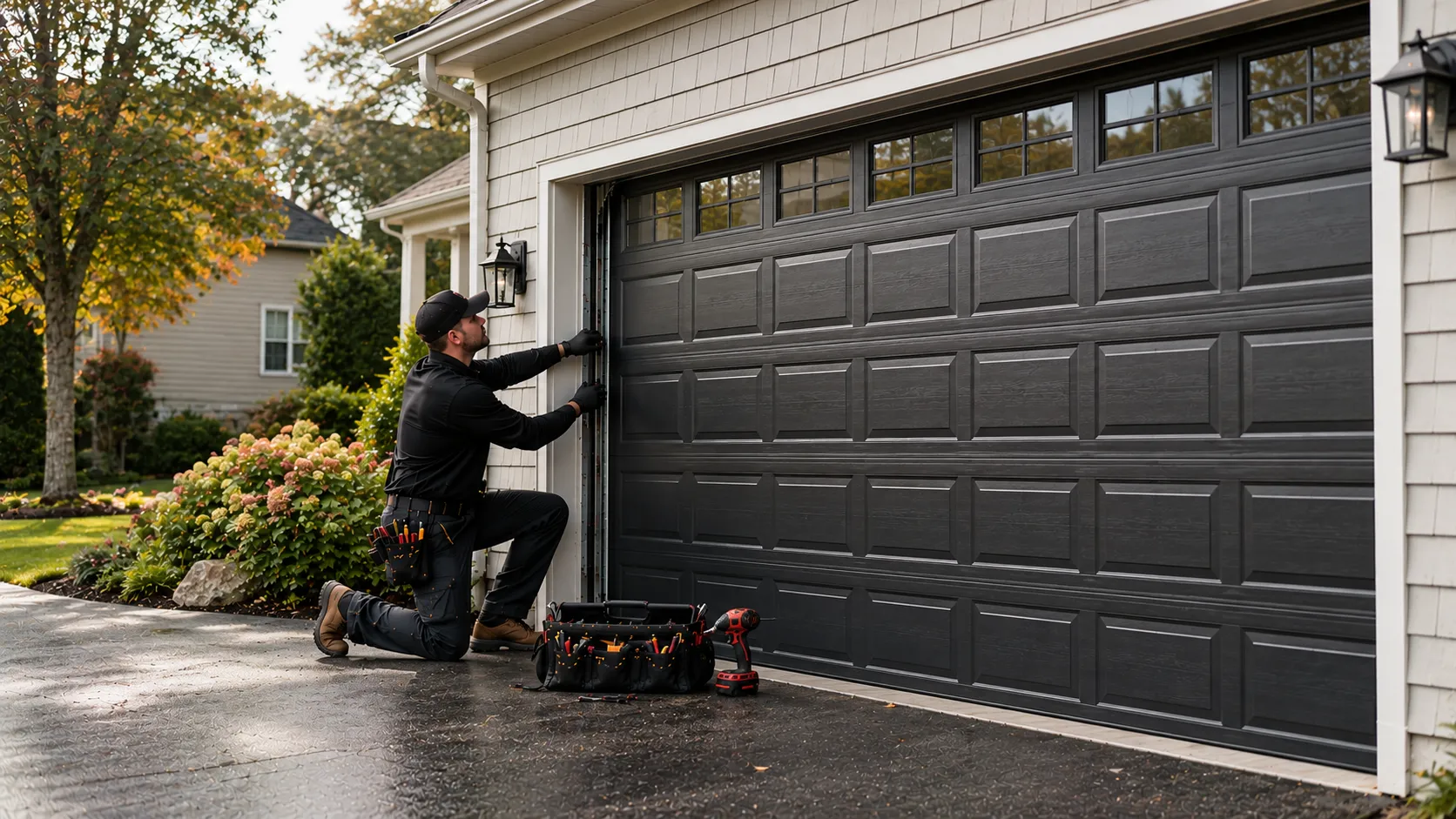
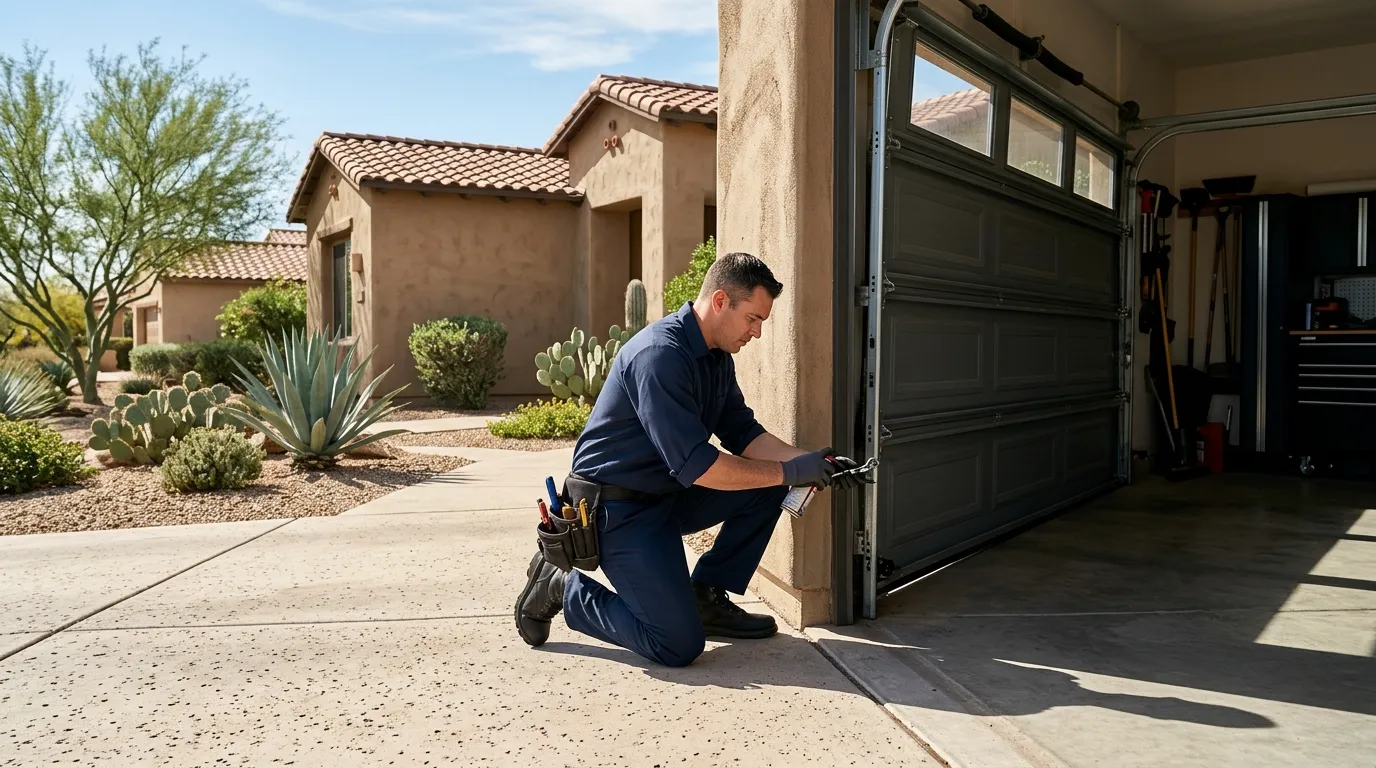
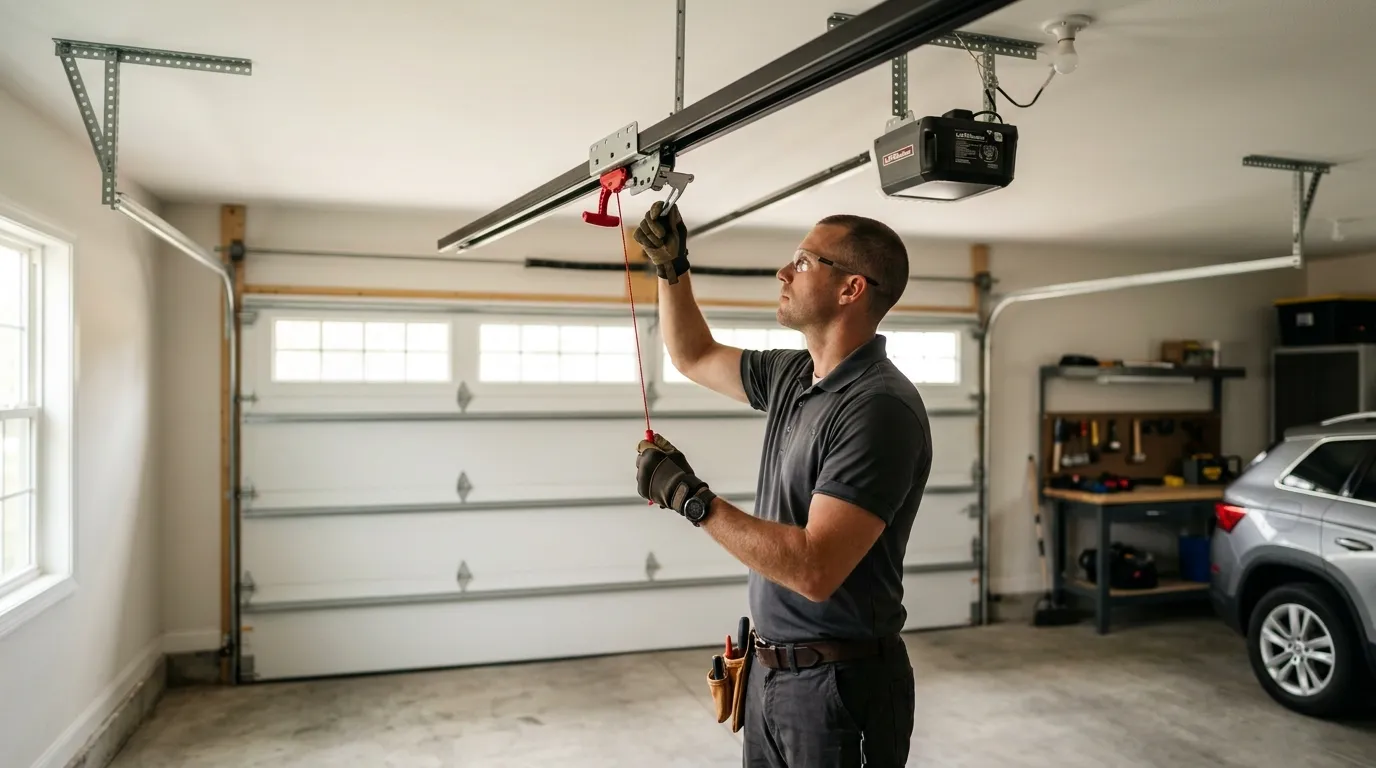
A technician tests the door under power and by hand and finds what actually failed.

3
Clear, up-front plan - Chicago garage door service

Clear, up-front plan

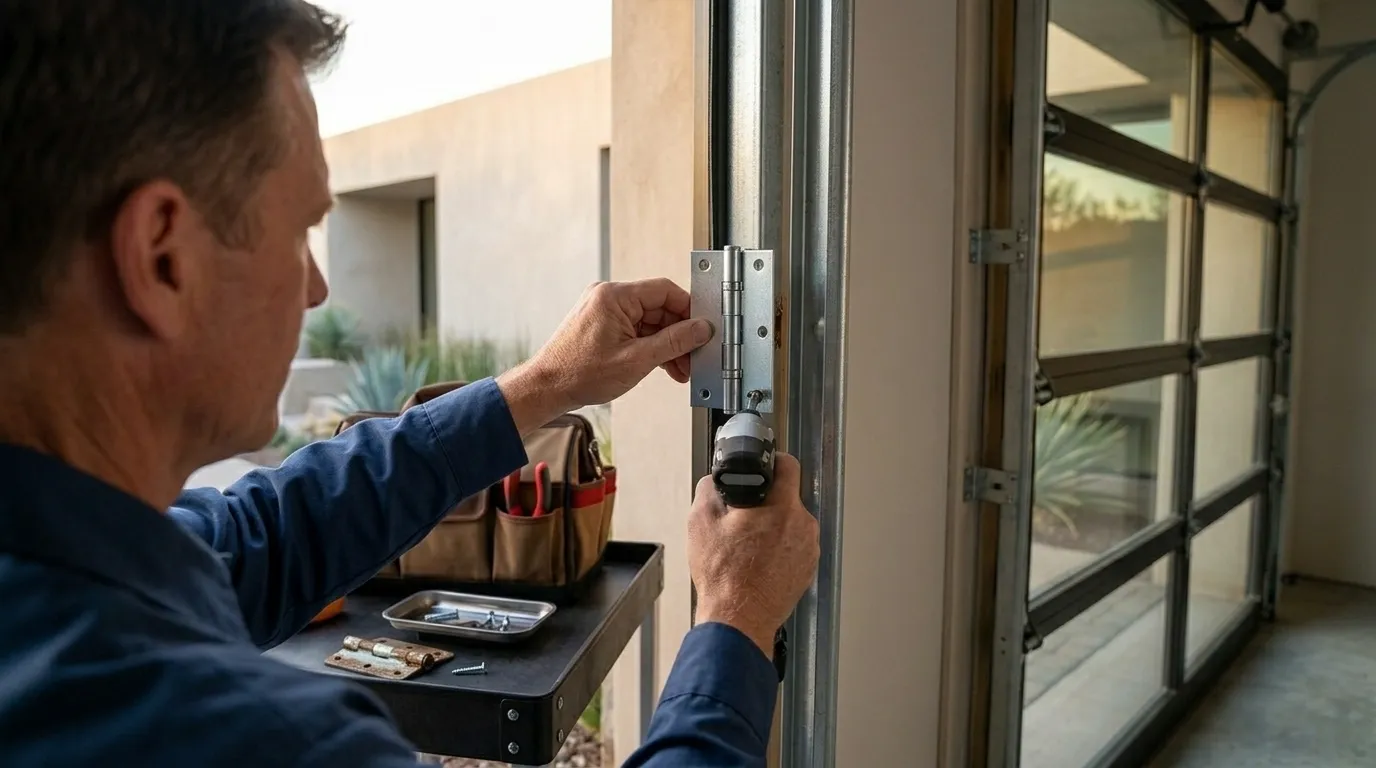
You get the fix that’s needed and what drives the cost - before any work starts.

4
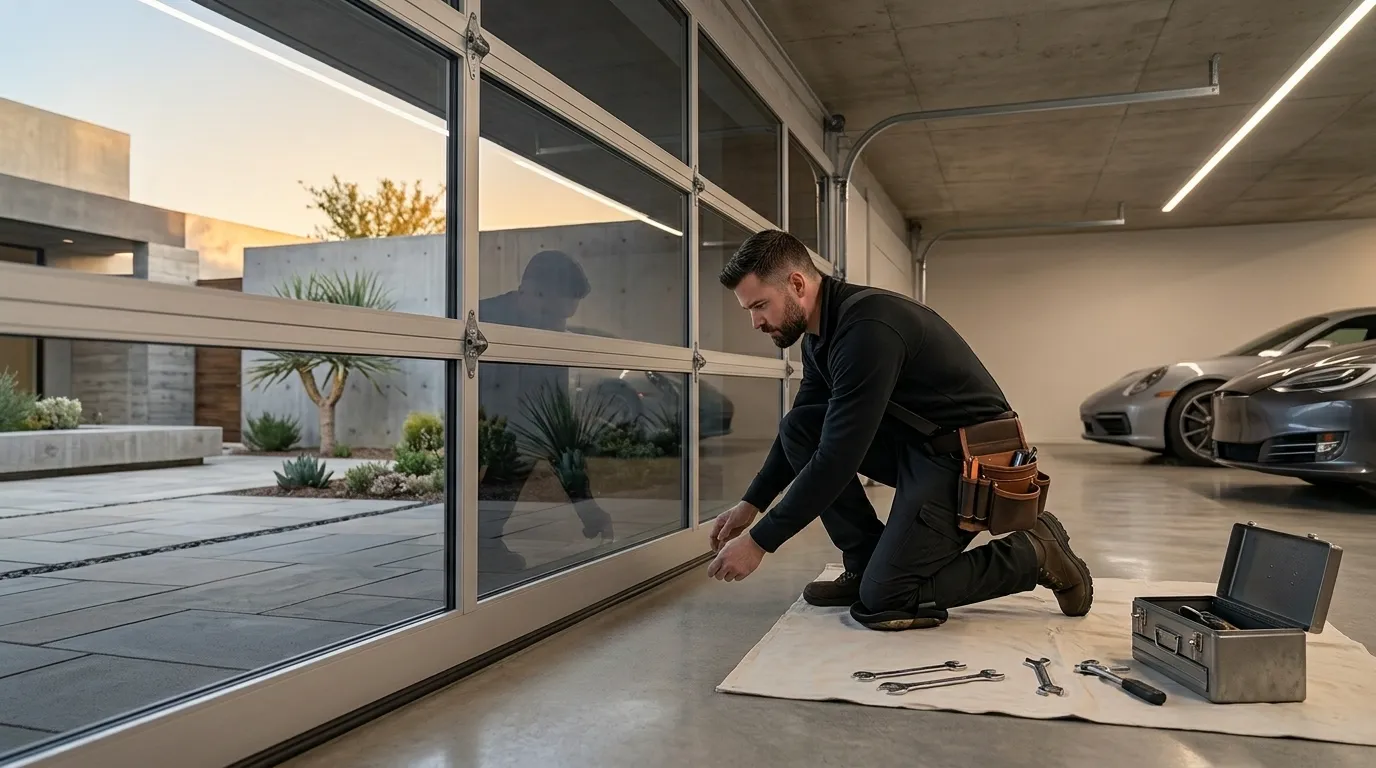
Repaired & tested - Chicago garage door service

Repaired & tested

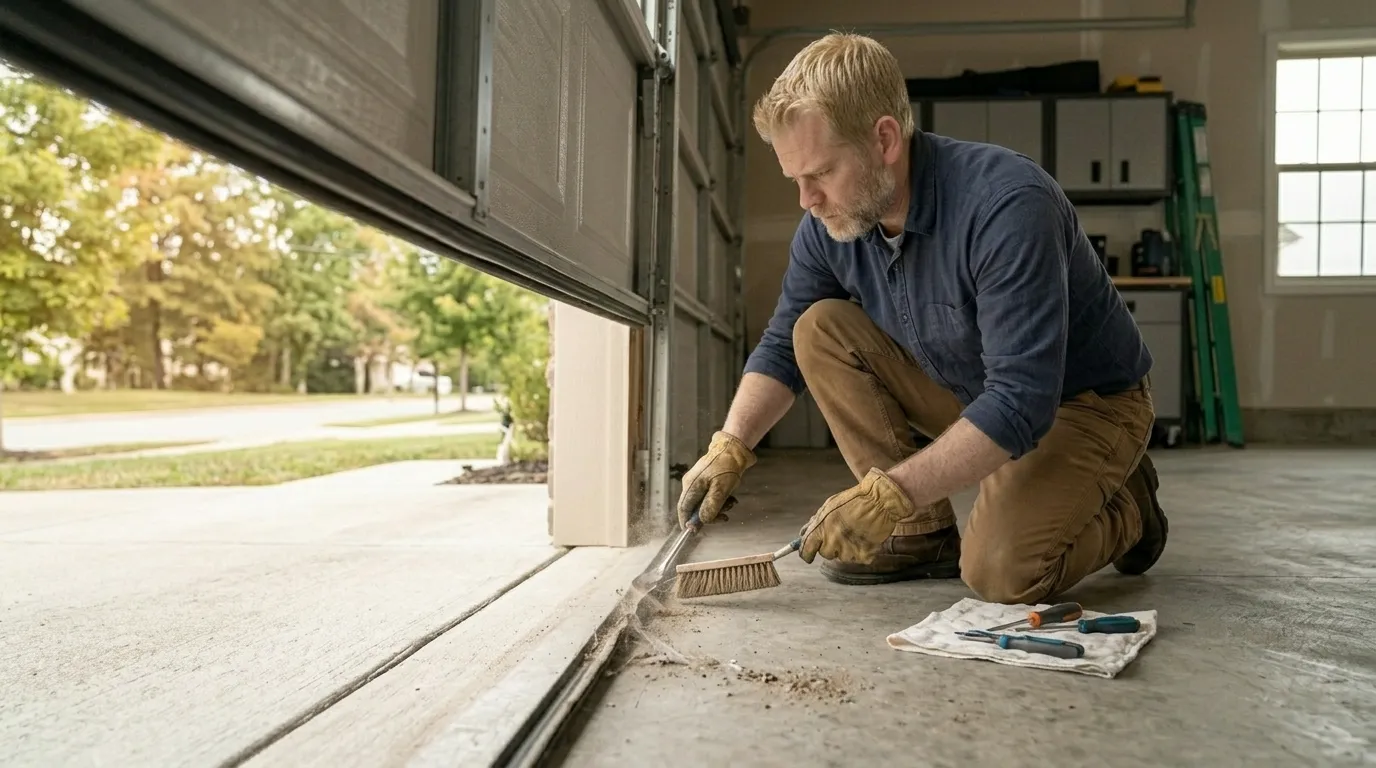
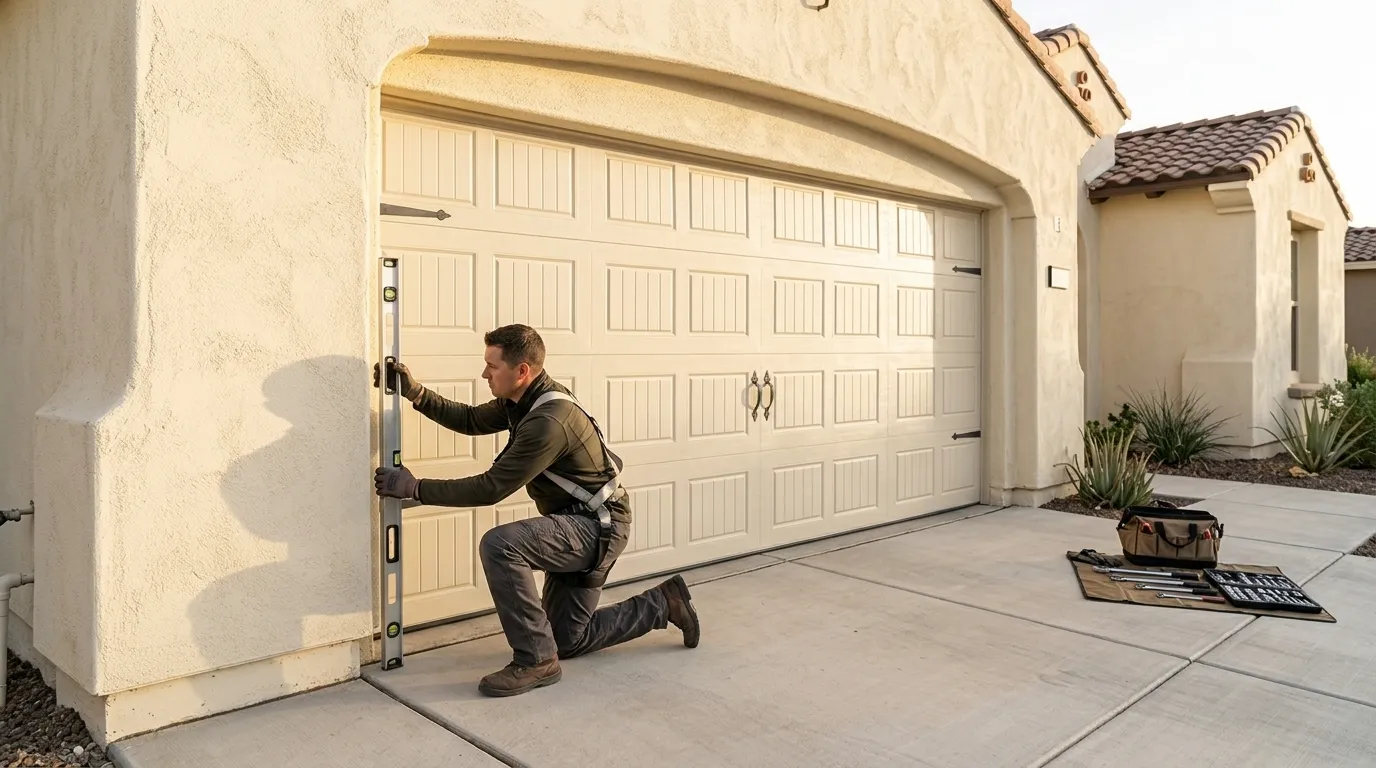
The repair is done, the door is set true and tested, and the work area left clean.

Serving Chicago, IL - tell us what your door’s doing and we’ll take it from there.

How we work

What to expect

Diagnosis firstEvery visit starts by finding what actually failed - not a pre-written parts list.
The right part for the doorSprings and openers matched to the door’s weight and age, so the fix holds up.
Straight answersWhen a repair makes more sense than a replacement - or the reverse - you hear it plainly.
Clean, careful workTension released safely, hardware set true, the door tested under power before we leave.
2,664,452Residents in Chicago
4Garage door services
110Neighborhoods & suburbs
ILServing Chicago, IL
Who we help

Residential & commercial

Residential garage doors

Homes in Chicago

  • Single- and double-car garages
  • Spring, cable & opener repair
  • New door installation
See services
Commercial garage doors

Businesses & property

  • Rolling steel & sectional doors
  • Loading-dock doors
  • Built for higher cycle counts
See services
Questions

Frequently asked

Straight answers about garage door repair in Chicago. Still unsure? Ask us directly.

Do you have a shop in Thornton?

No, we run out of Chicago and travel to Thornton, about 18 miles out. We don't keep a local depot here, so factor drive time into scheduling, especially for anything urgent like a stuck door or a broken spring.

Why does my garage door feel stiffer in winter?

This area sits in a moderate cold climate zone, and older, less-insulated garages amplify that. Steel panels contract, rollers stiffen, and torsion springs lose tension faster in the cold, which shows up as a door that drags or won't fully close until it warms up.

My house was built in the late 1950s - does that affect repairs?

Yes. Thornton's median build year is 1957, meaning a lot of garages still have original framing or track spacing under newer hardware. We check the actual opening and spring sizing rather than assuming standard modern dimensions, since older openings often aren't standard.

Is it ever better to replace than repair an old door?

Sometimes. If the opening or track hardware dates back to the original 1950s build and the door itself is failing, patching it can cost more over time than replacing it with a properly sized modern door. We'll tell you when that's the case instead of stacking repairs on a door that's done.

Ready to get your garage door sorted?

Tell us what it’s doing and where you are in Chicago - we’ll take it from there.

Request a QuoteCall